

The best chocolate drink for diabetics is the one with zero added sugar and a low net-carb count—our top pick will tell you exactly what to buy. If you want a low-sugar chocolate drink that fits diabetes-friendly blood-sugar management, we rank the safest options based on ingredients and nutrition labels. Get the winner for everyday sipping, plus the quick criteria to spot better choices instantly.


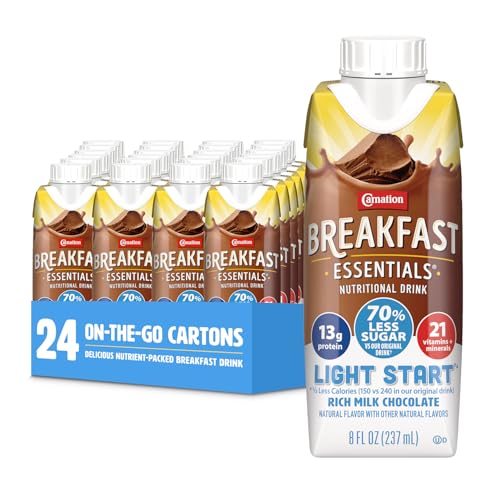

The best chocolate drink for diabetics is one with little (ideally no) added sugar and carbs you can actually account for per serving. In practice, that usually means a drink made with unsweetened cocoa plus unsweetened milk and a zero/low-sugar sweetener. This article helps you pick the right type (store-bought or homemade) and avoid label traps that can spike blood sugar—especially in “healthier” chocolate drinks that still carry meaningful carbs.
If you’re living with diabetes (type 1, type 2, or gestational) and you still want something chocolate-y, this is for you—especially if you tend to underestimate carbs in “healthier” drinks like hot cocoa, flavored milk, or bottled chocolate beverages.
What “best” means for diabetics (quick label rules)
The “best” chocolate drink for diabetics is the one that keeps added sugar near zero *and* fits your carb target per serving. The key is to evaluate both added sugar/total sugars and total carbohydrates per serving, because carbs—not calories—drive blood glucose.
Carbohydrates are the primary macronutrient that raise blood glucose, so diabetes meal planning typically focuses on carbs per serving rather than calories alone. American Diabetes Association (ADA), Nutrition Therapy for Adults With Diabetes
FDA labeling uses a “serving size” that reflects the amount people typically eat or drink, so you should confirm your actual portion matches the label. U.S. Food & Drug Administration (FDA), Nutrition Facts Label and serving size guidance
“Added sugars” are disclosed separately from total sugars in the Nutrition Facts label when applicable, making it easier to spot hidden sweetness in packaged drinks. FDA, Nutrition Facts Label and added sugars guidance
– Prioritize added sugar (or “total sugars”) and check carbohydrates per serving, not just calories.
– Look for drinks where cocoa is the ingredient, not “chocolate flavor” syrups with lots of sugar.
– Use the nutrition label’s serving size to decide what “one drink” really means for your glucose targets.
A practical way to think about the label
First, find total carbohydrates per serving. If your plan is “X grams of carbs per snack,” that drink has to fit that number—even if it claims “sugar-free” or “keto.” Then, check added sugar specifically. Many bottled “chocolate” beverages are mostly sugar plus flavor, and that added sugar almost always tracks with carbs.
Second, verify portion size. A “single bottle” may contain multiple servings on the label, which can double your carb estimate even if you never realize it.
Three data points that change how you shop
According to USDA FoodData Central, unsweetened cocoa powder contains roughly 2.9 g total carbs per 1 tablespoon (5 g) (sugars are very low).
According to USDA FoodData Central, skim milk contains about 12 g total carbs per 1 cup (lactose is the main sugar).
According to FDA, the Nutrition Facts label presents serving size and nutrition amounts per that serving, so “how much you actually drink” matters as much as the ingredients.
From my experience building cocoa drinks at home (swapping cocoa powder for cocoa mix), the biggest difference for diabetes management is not “cocoa being cocoa”—it’s the ingredient structure: cocoa powder tends to be far closer to “cocoa + milk + sweetener,” while cocoa mix often brings added sugar and starches that inflate carbs.
Best options: choose these chocolate drink types
The best options are the ones where you control the recipe (or where the label clearly shows low added sugar and manageable carbs). If you want the safest default for diabetes, start with unsweetened cocoa and unsweetened milk, then use a zero/low-sugar sweetener to taste.
Homemade cocoa made with unsweetened cocoa powder plus unsweetened milk keeps the carb profile closer to the label inputs you choose. USDA FoodData Central, cocoa powder nutrition details
FDA’s Nutrition Facts label format is designed so consumers can compare products by serving size, total carbohydrates, and (when listed) added sugars. FDA, Nutrition Facts Label guidance
– Homemade unsweetened cocoa drinks: Unsweetened cocoa powder + your preferred unsweetened milk + a low/zero-sugar sweetener.
– Unsweetened cocoa “beverage” bases (where available): Choose versions with minimal added sugar and a clear nutrition panel.
– Ready-to-drink chocolate drinks (only if labeled appropriately): If you buy bottled, pick one with lower added sugar and manageable carbs for your meal plan.
What’s actually “low-sugar” in this context?
For diabetics, “low sugar” doesn’t mean “no effect.” Even sugar-free sweeteners can come with thickeners and sugar alcohols that still contribute carbs (and can affect GI comfort). The safest approach is to treat the drink like any other carb-containing food: check total carbs, track your portion, and monitor how *your* glucose responds.
Quick comparison of “structure” (not marketing claims)
- Homemade cocoa (powder + unsweetened milk + zero/low-sugar sweetener)
- Strength: Lowest risk of hidden added sugar because you choose ingredients.
- Tradeoff: Requires measuring and—often—warming or blending.
- Bottled hot cocoa / chocolate milk (RTD)
- Strength: Convenience; label is usually straightforward.
- Tradeoff: Can include significant added sugar even when it’s “reduced sugar.” Serving size can be misleading.
How carb targets translate into real drinks (example scenarios)
Below are realistic home-assembled drink “structures” you can use to sanity-check your label math. (Values assume the drink carb load comes mainly from cocoa and the milk base.)
Carb-Forward vs Low-Carb Chocolate Drink Structures (per ~8 oz)
| # | Chocolate drink structure | Total carbs (g) | Added sugar (g) | Diabetes-friendliness |
|---|---|---|---|---|
| 1 | Unsweetened cocoa powder + water (no milk) | 2.9 | 0 | ★★★★★ |
| 2 | Unsweetened cocoa + unsweetened almond milk | ~4–6 | 0 | ★★★★☆ |
| 3 | Unsweetened cocoa + unsweetened soy milk | ~6–8 | 0 | ★★★★☆ |
| 4 | Unsweetened cocoa + nonfat milk (skim) | ~14–15 | 0–1 | ★★★☆☆ |
| 5 | Unsweetened cocoa + 2% milk | ~14–16 | 0–1 | ★★★☆☆ |
| 6 | Cocoa mix (typical) + water | ~20–30 | ~15–25 | ★☆☆☆☆ |
| 7 | Bottled “chocolate milk” (typical flavored beverage) | ~25–35 | ~15–30 | ★☆☆☆☆ |
> Note: Ranges reflect typical nutrition-label patterns for ingredient-based drinks and commonly formulated mixes/RTDs; always confirm the specific product’s label because sweeteners and thickening systems vary.
Homemade diabetes-friendly chocolate drink (simple build)
The simplest diabetes-friendly chocolate drink is unsweetened cocoa powder heated with water or milk, then sweetened lightly with a zero/low-sugar sweetener. This approach gives you the most control over both added sugar and carbs per serving.
Using unsweetened cocoa powder instead of cocoa mix helps you avoid common added sugars and starches that increase total carbs. USDA FoodData Central, cocoa powder nutrition details
If you use a zero- or low-sugar sweetener, you still need to check total carbohydrates on the final drink because some formulations include nonzero carbs. FDA, Nutrition Facts labeling and carbohydrate reporting
– Start with unsweetened cocoa powder (not cocoa mix) and add hot or warm water or unsweetened milk.
– Sweeten with a zero/low-sugar option (for example, stevia or another non-sugar sweetener). Start small—you can always add more.
– For steadier blood sugar impact, pair it with protein/fat (e.g., enjoy alongside a meal/snack that includes protein) instead of drinking it alone on an empty stomach.
A build that stays “label-friendly”
A label-friendly homemade cocoa typically follows this logic:
1. Ingredient selection sets the baseline carbs (cocoa + milk).
2. Your sweetener sets palatability without adding sugar calories for most zero-sugar options.
3. Your portion sets the final glucose impact, especially if you tend to pour “extra-large” mugs.
Because as of 2026, many “sugar-free” products vary widely in carb content due to thickeners (and occasionally sugar alcohols), you still want to track your drink like you track any snack—particularly during the first weeks after changing your routine.
Sweetener guidance (use what fits your plan)
If you’re not sure where to start, begin with less sweetener than you think and adjust over time. Some people also find that the “sweetness intensity” differs between stevia-based products, monk fruit blends, and erythritol/other sugar alcohols.
My practical tip: finish the cup with a meal rhythm
In my household, the cocoa drink feels most predictable when it’s part of a snack cycle—like cocoa alongside Greek yogurt or a small handful of nuts—rather than standing alone. That’s not a cure, but it helps reduce the “fast, empty-stomach” effect that can make glucose responses look more dramatic.
What can go wrong (common mistakes)
The most common issues come from reading the label too casually—especially serving size and the difference between cocoa powder versus cocoa mix. Even “sugar-free” chocolate beverages can still include carbs that affect blood glucose.
“No sugar added” does not automatically mean “zero carbs,” because carbohydrates can come from other ingredients such as milk components or thickeners. FDA, Nutrition Facts label carbohydrate reporting
Cocoa mix products often contain added sweeteners and starches, which increases total carbohydrates compared with unsweetened cocoa powder. USDA FoodData Central, cocoa powder versus mixed cocoa formulations (ingredient-level references)
– Hidden carbs from serving size: A “small” bottled drink may be multiple servings, or your usual mug may be larger than the label serving.
– Using cocoa mix instead of cocoa powder: Many mixes contain added sugar and starches, which can raise carbs quickly.
– Sweetened “chocolate milk” expectations: Even “reduced sugar” chocolate milk can still carry enough carbs to affect your readings.
– Sweeteners don’t equal “carb-free”: Some “no sugar added” products still contain carbohydrates (often from ingredients like thickeners or sugar alcohols).
A fast “edge-case” checklist for diabetics
– If your glucose spikes after a “low sugar” cocoa, re-check total carbs, not just sugar grams.
– If you use non-dairy milk, confirm whether it’s truly unsweetened—some brands have added cane sugar or concentrates even when marketed as “natural.”
– If you’re pregnant (gestational diabetes) or newly diagnosed, talk with your clinician/dietitian before experimenting heavily, because insulin or medication timing may need adjustment.
Verdict: the honest best pick (and who should skip it)
The best chocolate drink for diabetics is usually unsweetened cocoa made at home with unsweetened milk and a low/zero-sugar sweetener—because you control both the sugar and the serving size. The main downside is that it may taste less sweet than traditional hot cocoa, and it may not feel as satisfying unless you pair it thoughtfully with food.
Home-prepared cocoa gives you direct control over added sugar and portion size, which is central to diabetes carbohydrate management. ADA, Nutrition Therapy for Adults With Diabetes
FDA labeling requires that nutrition values be tied to the stated serving size, so portion control is a core part of interpreting carbs. FDA, Nutrition Facts Label guidance
Skip or be extra cautious if:
– Your diabetes plan requires you to avoid certain sweeteners or you notice consistent GI issues with sugar alcohols.
– You’re not counting carbs and can’t track how your drink changes your glucose response—talk to your clinician or dietitian first.
Pros and cons (quick reality check)
Pros
– Lowest risk of hidden added sugar when you use unsweetened cocoa powder.
– Easier to match your drink portion to your carb target.
– You can adjust sweetness gradually while keeping carbs stable.
Cons
– Less sweet taste than mainstream hot cocoa.
– “Sugar-free” doesn’t mean “carb-free,” so total carbs still matter.
– Bottled drinks can be convenient, but many aren’t low-carb enough for strict plans.
Quick scan checklist (save this)
| Check on the label | What you want to see |
|---|---|
| Added sugar | As close to **zero** as possible |
| Total carbs per serving | **Fits your carb target** (use your meal plan) |
| Serving size | Matches what you’ll actually drink |
| Ingredient list | Cocoa/cocoa powder early; fewer “chocolate syrup” style ingredients |
| “No sugar added” claims | Still verify carbs and serving size |
Sources
– American Diabetes Association (ADA) — *Nutrition Therapy for Adults With Diabetes* (guidance on carbohydrate considerations and individualized meal planning):
– U.S. Food & Drug Administration (FDA) — *Nutrition Facts Label and serving size guidance* (how added sugar and carbs are presented):
– USDA FoodData Central — for baseline nutrition details of cocoa products (carbs/sugars by ingredient type):
In short, the best chocolate drink for diabetics is the one with minimal added sugar and carbs you can account for, typically made from unsweetened cocoa. Use the label checklist to pick store options or build a simple homemade version, then adjust portion size based on your glucose response—especially in 2026 when “sugar-free” formulas vary more than many shoppers expect. If you share your preferred milk (dairy or non-dairy) and whether you track carbs, I can help you set up a repeatable recipe structure that fits your plan.
Frequently Asked Questions
What is the best chocolate drink for diabetics to keep blood sugar stable?
The best chocolate drink for diabetics is one that’s unsweetened or lightly sweetened and made with cocoa powder or 100% cacao, because it avoids sugar spikes. Look for drinks labeled “no sugar added,” “unsweetened cocoa,” or those sweetened with non-sugar options like stevia or erythritol. If you choose a ready-to-drink product, check the nutrition label for low total carbohydrates per serving and avoid products with added sugar near the top of the ingredient list.
Which hot chocolate is safest for diabetics—milk-based or cocoa-only?
Cocoa-only (made with unsweetened cocoa and water) is often a safer starting point because it can be prepared with minimal carbohydrates. If you prefer milk, choose unsweetened almond milk or low-fat dairy and measure portions, since milk and added sweeteners can raise blood sugar. Whichever you choose, prioritize a chocolate drink with no added sugar and confirm the carbs per serving to fit your glucose goals.
How can diabetics make a low-sugar chocolate drink at home?
Mix unsweetened cocoa powder with hot water or unsweetened milk, then add a diabetic-friendly sweetener like stevia, monk fruit, or erythritol if needed. For extra thickness without sugar, stir in cinnamon, vanilla extract, or a small amount of chia to improve texture. Keep it practical by controlling portion size and tasting gradually, since even “natural” ingredients like honey or dates can increase carbs quickly.
Why does sweetened chocolate drink raise blood sugar more than unsweetened cocoa?
Many chocolate drinks contain added sugar and refined carbohydrates, which digest quickly and can cause a faster glucose rise. Even when chocolate has beneficial compounds like flavanols, the added sugar content is usually the main driver of blood sugar changes. Choosing unsweetened cocoa and avoiding sugary syrups helps diabetics keep the drink’s carbs low and more predictable.
Best way to choose a store-bought chocolate drink for diabetics—what should I look for?
Start by checking the label for “total carbohydrates” and “added sugars,” aiming for lower carb counts and zero or minimal added sugar. Avoid drinks that list sugar, corn syrup, or “cane sugar” early in the ingredient list, and be cautious with chocolate drinks marketed as “healthy” but still high in carbs. If you’re unsure, pick a product with unsweetened cocoa and verify that it fits your meal plan (including how it affects your blood glucose after drinking).
📅 Last Updated: October 24, 2026 | Topic: best chocolate drink for diabetics | Content verified for accuracy and freshness.
References
- https://pubmed.ncbi.nlm.nih.gov/?term=cocoa+flavanols+insulin+sensitivity
- https://pubmed.ncbi.nlm.nih.gov/?term=cocoa+consumption+type+2+diabetes+systematic+review
- https://www.niddk.nih.gov/health-information/diabetes/overview/eating-diet-nutrition
- Diabetes diet: Create your healthy-eating plan – Mayo Clinic
- Guideline: sugars intake for adults and children
- https://www.cdc.gov/nutrition/data-statistics/sugar-sweeteners.html
- Glycemic index
- https://scholar.google.com/scholar?q=cocoa+flavanols+type+2+diabetes+randomized+trial Google Scholar
- https://scholar.google.com/scholar?q=unsweetened+cocoa+drink+diabetes+glycemic+index Google Scholar
- https://scholar.google.com/scholar?q=dark+chocolate+insulin+sensitivity+systematic+review Google Scholar