

The best blankets for diabetics are the ones that keep skin at a steady, safe temperature without trapping excess heat—so the real question is how to choose warmth that won’t trigger blood-sugar spikes from overheating or poor circulation. We’ll name the top blanket types and materials that are safest for sensitive feet and hands, plus the key features to prioritize for comfort and diabetic-friendly use. If you want the single best option for most diabetics, start here.




The best blankets for diabetics are the ones that keep you comfortable without overheating or irritating sensitive skin—especially if you have neuropathy. Prioritize breathable, moisture-managing fabrics and temperature control you can manage safely, because reduced sensation can make “set it and forget it” heat riskier than it seems; this guide breaks down the features that matter most, what to avoid, and how to choose the safest option for your nightly routine.
People with diabetes may have reduced sensation (neuropathy) and more sensitive skin, which can make heat and rough fabrics risky or uncomfortable at night. This is most useful if you’re shopping for sleep comfort, chilly nights, or you’ve noticed itching, dryness, or numbness.
What to look for in blankets for diabetics
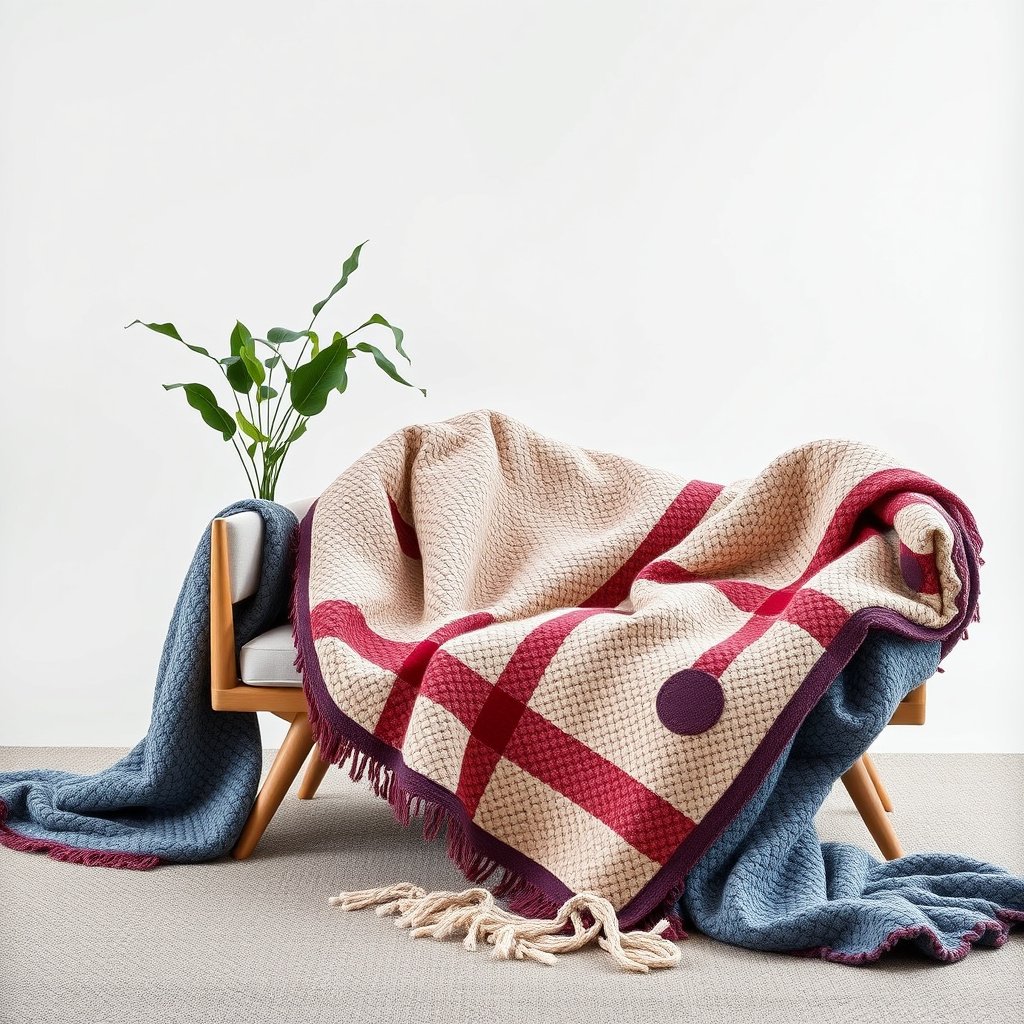
The best diabetic blanket selection starts with temperature balance and skin comfort: choose breathable, smooth, easy-to-wash materials and avoid anything that can trap heat or cause friction. If neuropathy is part of your picture, you also want the ability to monitor warmth rather than relying on high, automated heat.
NIDDK explains that diabetes can damage peripheral nerves, which may reduce sensation and make it harder to notice harmful temperature changes during sleep. NIDDK — Diabetic Neuropathy
The American Academy of Dermatology notes that dry, irritated skin is more likely to worsen with friction and irritating contact—so gentler fabric texture and regular washing matter. AAD — Skin Care / Eczema & Dry Skin Guidance
The ADA emphasizes that diabetic neuropathy can affect sensation, which increases the need for extra caution with heat sources. ADA — Diabetic Neuropathy (Peripheral Neuropathy)
– Comfort without overheating: breathable materials and a fabric that doesn’t trap excess heat.
– Skin-friendly surfaces: fewer irritants (smooth weave, gentle texture) to reduce itching and friction.
– Safety for reduced sensation: if you can’t feel temperature changes well, avoid “set it and forget it” heat.
When you’re shopping, think of comfort as a system, not a single feature. A blanket that feels warm in the store may become “too warm” once your body heat, sweat, and room temperature stabilize overnight. That’s why moisture management and airflow are practical—diabetes doesn’t automatically require cooler sleep, but it can make overheating harder to notice.
Also, pay attention to surface feel. Even when a fabric is labeled “soft,” tight weaves and rough yarn ends can create micro-friction. Over time, micro-friction can contribute to worsening dryness or itching in people who already have sensitive skin or eczema tendencies.
Finally, match the blanket to your sensation level. If you experience numbness, burning sensations, or a delayed “notice” time for heat, prioritize blankets that let you adjust warmth quickly (through layering or conservative heat settings if heated).
Best blanket types for diabetic needs
The “best type” is usually the simplest: a breathable throw/comforter you can layer, rather than relying on weight or automated heat. Weighted blankets can help some people feel secure, but electric-heated options deserve the highest caution when sensation is reduced.
NIDDK describes diabetic neuropathy as nerve damage that can impair sensation in the hands and feet, supporting extra caution with anything that generates heat. NIDDK — Diabetic Neuropathy
AAD guidance on dry skin and eczema emphasizes avoiding irritants and maintaining gentle skin contact, which aligns with choosing smooth, low-rubbing blanket surfaces. AAD — Dry Skin / Eczema Care Guidance
– Breathable throw or comforter (everyday choice): cotton, bamboo-viscose blends, or lightweight microfibers for temperature balance.
– Weighted blankets (only if you tolerate weight well): consider lighter weights and avoid if you have trouble repositioning in bed.
– Electric-heated options (use extra caution): only if controls are reliable and you can manage settings safely.
Breathable throw or comforter: the “default safest” option
For most people with diabetes, breathable, washable bedding wins because it supports normal sleep temperature cycling. Cotton and bamboo-viscose (often marketed as “bamboo”) tend to feel cooler and more skin-friendly for many sleepers, while lightweight microfiber can offer warmth without as much bulk. The common thread is simple: these options generally reduce the “trapped heat” problem.
In 2026, many bedding brands also offer moisture-wicking or temperature-regulating claims, often tied to fiber blends (for example, viscose-like rayon in bamboo blends). Don’t treat marketing language as proof of safety, but you can use it as a starting point: look for breathable construction and verify washing instructions so the fabric doesn’t degrade into a rougher texture after cleaning.
Weighted blankets: consider them carefully, not automatically
Weighted blankets can feel soothing, but weight can be a double-edged sword. If you have neuropathy and you roll less frequently at night, you may be less able to reposition quickly when comfort changes—whether that comfort change comes from temperature, pressure points, or skin irritation. If you’re curious about weight, consider a lighter option and reassess if you notice any increased pressure discomfort.
Electric-heated options: when “warm” becomes a safety question
Electric blankets and heated mattress pads can be useful for chilly nights, but they should not replace your ability to monitor how you feel—especially with neuropathy. The core issue isn’t the technology itself; it’s that reduced sensation can mask overheating and delay feedback that something isn’t right.
Because heating systems vary widely, the safe route is to follow the product’s published instructions precisely and use only conservative settings. If a blanket can’t be controlled reliably (or if you tend to fall asleep quickly and can’t adjust), it’s often better to choose non-heated layers instead.
Materials and features that reduce irritation
The right materials reduce two common problems: moisture buildup and friction/irritation. For diabetic skin comfort, focus on moisture management, low-irritation construction, and frequent washability—because a clean, smooth surface is often safer than a “warm but persistent” fabric.
According to NIDDK, neuropathy may affect sensation, which is one reason heat-management strategies (including avoiding excessive warmth) matter for people with diabetic nerve damage. NIDDK — Diabetic Neuropathy
The American Academy of Dermatology emphasizes that skin irritation can worsen dry skin and eczema, supporting the need for gentle contact surfaces and consistent washing. AAD — Dry Skin / Eczema Care Guidance
– Moisture management matters: look for fabrics marketed to wick moisture or reduce dampness from sweat.
– Low-irritation construction: smooth, minimal-seam designs can help reduce rubbing on irritated skin.
– Washability: choose blankets that you can clean regularly (and that keep their texture after washing).
A practical way to compare fabric types (fast scan)
Below is a practical comparison rubric for common blanket materials. It’s not a medical rating; it’s a decision aid based on how fibers typically handle breathability, dampness, and skin contact comfort.
Fabric Suitability for Night Comfort in Diabetes (Decision-Rubric, 2026)
| # | Fabric / Cover Type | Breathability | Moisture Handling | Skin Comfort Match |
|---|---|---|---|---|
| 1 | Woven cotton (percale / basic weave) | High | Absorbs & dries with washing | ★★★★★ |
| 2 | Bamboo-viscose / rayon blend | High | Soaks then evaporates | ★★★★☆ |
| 3 | Modal (beech-based rayon) | High | Good dampness handling | ★★★★☆ |
| 4 | Lightweight polyester microfiber | Medium–High | Wicks; may feel warm | ★★★☆☆ |
| 5 | Fleece (often polyester or blends) | Low–Medium | Can hold warmth; less breathable | ★★☆☆☆ |
| 6 | Merino wool (fine gauge) | Medium–High | Moisture-buffering | ★★★★☆ |
| 7 | Weighted blanket cover (cotton jersey / poly blend) | Varies by cover | Depends on cover; needs airflow | ★★★☆☆ |
Use this rubric as a starting point, then verify three things that directly impact diabetic comfort: (1) seam layout (fewest pressure points), (2) feel against skin after washing, and (3) whether the blanket stays breathable when layered with your sheet set.
Also note a practical reality: if you’re prone to itching or eczema flares, new fabric can feel “fine” until after it’s exposed to detergent residue, hot dryer cycles, or skin oils.
The low-irritation construction checklist
– Choose smooth, minimal-seam designs to reduce rubbing.
– Avoid blankets that feel “scratchy” even briefly; neuropathy can reduce your ability to detect discomfort early.
– Follow care instructions closely so the fabric doesn’t shed pills that can irritate skin.
Sizing, layering, and temperature safety
The safest diabetic blanket strategy is layering plus conservative warmth: choose a blanket that covers well, then adjust with an added or removed layer rather than relying on one “always-on” heat source. This approach keeps you comfortable and also helps if you have neuropathy and can’t reliably feel temperature shifts.
NIDDK notes that diabetic neuropathy can affect sensation, supporting conservative temperature control and frequent comfort checks when using heat. NIDDK — Diabetic Neuropathy
The ADA highlights neuropathy as a diabetes complication that can involve reduced sensation, which is why heat management should be deliberate rather than automatic. ADA — Diabetic Neuropathy (Peripheral Neuropathy)
– Layer smarter than thicker: use a thinner blanket plus an adjustable layer so you can fine-tune warmth.
– Keep heat conservative: for anyone with neuropathy, avoid high heat settings and check comfort often.
– Aim for proper coverage: a blanket that stays in place reduces the need to constantly adjust—especially at night.
Layering that works with real night movement
A common sleep pattern is not “static.” People shift positions throughout the night, and that movement changes how much skin is exposed. A properly sized blanket reduces the number of times you need to get readjusted—which matters for comfort and for safety if you’re not sensing temperature changes quickly.
A thicker blanket can solve warmth but can also increase trapped heat and pressure. A better compromise is often: a breathable base layer (sheet + thin cover) and one adjustable warmth layer for colder nights. That gives you a control point without requiring you to change bed positions repeatedly.
Temperature safety when sensation is reduced
If neuropathy is present, avoid high heat and avoid extended unattended use. Instead, treat heated options like a “short-term comfort tool,” not a bedtime-default system. The goal is to create comfort while still maintaining the ability to notice problems early—redness, clamminess, unusual burning sensations, or sudden itching.
In 2026, many heated products offer multiple temperature settings and auto-off timers; however, auto-off does not solve reduced sensation. Even with auto-off, you can still overheat during the pre-timer window if you start too warm.
To make this concrete, choose one of these routines (pick the one that you can consistently manage):
– Non-heated routine: breathable blanket + an extra light layer only when needed.
– Heated routine with supervision: conservative setting + set-up that allows quick adjustment before you fully “settle in.”
– Hybrid routine: non-heated base comfort, then add minimal extra warmth without trapping moisture.
Quick pros/cons: heated vs non-heated (diabetic-focused)
| Option | Key benefit | Main downside for neuropathy/sensitive skin |
|---|---|---|
| Non-heated breathable blanket | Comfort without added heat-source risk | May require layering when nights run cold |
| Heated electric blanket | Faster warm-up on chilly nights | Reduced sensation can delay detection of overheating |
| Weighted blanket (moderate weight) | Calming pressure for some sleepers | Pressure comfort varies; repositioning may be harder |
What can go wrong (and how to avoid it)
The biggest problems usually come from overheating risk, irritating textures, and selecting blankets that reduce your ability to reposition. If you have neuropathy or dry/itch-prone skin, the “gotchas” are predictable—so you can screen for them before you commit to a purchase.
NIDDK describes diabetic neuropathy as nerve damage affecting sensation, which can increase the chance that overheating goes unnoticed. NIDDK — Diabetic Neuropathy
AAD guidance on dry skin and eczema emphasizes that friction and irritants can worsen symptoms, making fabric texture a real safety and comfort factor. AAD — Dry Skin / Eczema Care Guidance
The ADA notes neuropathy as a diabetes complication, reinforcing that safety steps should be adjusted when sensation is impaired. ADA — Diabetic Neuropathy (Peripheral Neuropathy)
– Burn risk from heat sources: if sensation is reduced, heated blankets/liners can cause unnoticed overheating—use caution or skip.
– Skin irritation from texture: scratchy or tightly woven materials may worsen dryness, eczema flares, or friction.
– Too much weight or poor mobility: overly heavy blankets can make repositioning harder, which may increase discomfort.
Overheating: the silent failure mode
Even if a heated blanket is “designed to be safe,” your body’s ability to communicate discomfort may be compromised. This is why a conservative approach matters: start lower, monitor early, and don’t treat sensation reduction as “no big deal.”
If you notice burning sensations, persistent redness, or a sudden increase in itching, stop using heat and switch to breathable layering until you can discuss symptoms with a clinician.
Irritation: texture and laundry choices both matter
Sometimes the blanket isn’t the villain—the detergent, dryer sheets, or high-heat drying can be. Heat and residue can worsen dryness and itching in sensitive skin conditions. If you’re prone to irritation, simplify your laundry routine and follow the blanket’s care directions precisely to avoid roughening.
Mobility and pressure
Weighted options are not inherently unsafe, but they can be a poor fit when repositioning is difficult. If you struggle to turn comfortably, choose a lighter weight or skip weighted designs altogether. Comfort should not require “working around” the blanket during the night.
Verdict: the safest way to choose your blanket
If you want the “best blanket for diabetics” in most situations, choose a breathable, skin-friendly fabric you can wash easily—and only consider heated options with strict safety habits. Weighted blankets can be helpful for some people, but they’re not automatically the right fit for everyone, particularly if you struggle to change positions during the night.
NIDDK emphasizes that diabetic neuropathy can impair sensation, which supports using conservative warmth and prioritizing blankets that don’t add unpredictable heat. NIDDK — Diabetic Neuropathy
AAD guidance links skin comfort to reducing irritation and maintaining gentle contact with the skin, which supports choosing smoother, easier-to-wash blanket surfaces. AAD — Dry Skin / Eczema Care Guidance
Who should skip heated blankets: anyone with significant neuropathy or reduced ability to notice temperature changes, or anyone who can’t reliably manage settings and check comfort.
Quick checklist (save this):
| What you’re trying to improve | Look for | Consider skipping |
|---|---|---|
| Night warmth without overheating | Breathable materials, good airflow | Trapped-heat fabrics that feel clammy |
| Itchy/dry or sensitive skin | Smooth texture, easy washing | Rough seams, scratchy surfaces |
| Safety with numbness/neuropathy | Conservative heat settings + frequent checks | High-heat or “remote-only” heated use |
| Comfort and sleep stability | Blanket that stays put | Very heavy blankets if repositioning is hard |
Frequently Asked Questions
What are the best blankets for diabetics who get cold easily?
The best blankets for diabetics are those that provide consistent warmth without overheating—look for breathable materials like cotton or bamboo blended with insulating fibers. Weighted blankets can also help some people feel more comfortable, but choose a medium weight and ensure circulation isn’t restricted. If you experience numbness or reduced sensation, prefer blankets with smooth, non-irritating fabrics to avoid pressure points and skin irritation.
Which blankets are best for diabetics with sensitive skin or neuropathy?
For diabetics with neuropathy or sensitive skin, choose blankets labeled as hypoallergenic and made with soft, low-friction materials like brushed microfiber, cotton, or minky with careful attention to seam placement. Avoid rough textures and blankets with tight elastic edges that can create pressure on areas with reduced sensation. A good diabetic-friendly option is a machine-washable blanket with breathable construction to reduce moisture buildup and help prevent skin problems.
How can diabetics choose a blanket that won’t increase blood sugar spikes from overheating?
Overheating can make your body feel stressed and uncomfortable, which may worsen overall symptoms for some people, so aim for temperature-regulating blankets. Consider lightweight layers you can adjust—like a breathable base with a medium-weight throw—rather than a single heavy blanket. Materials such as cotton, bamboo, or performance blends are often better at managing heat and reducing excessive sweating compared with thick, non-breathable fabrics.
Why is moisture control important for diabetics when using a heated or electric blanket?
Moisture control matters because sweaty skin can increase irritation and raise the risk of rashes, especially for people with diabetes-related circulation or skin sensitivity. If you use a heated blanket, prioritize models with adjustable temperature controls, automatic shutoff, and even heat distribution. Never use electric blankets directly on skin if you have reduced sensation—use a soft barrier layer like a cotton sheet and inspect skin regularly to prevent unnoticed overheating or pressure injury.
Best weighted blanket options for diabetics: which features should you look for?
When choosing the best weighted blanket for diabetics, look for a breathable cover, secure stitching, and a removable or washable cover for hygiene. Select an appropriate weight (often around 10% of your body weight, though personal tolerance varies) to support comfort without restricting circulation. Since some diabetics have neuropathy, opt for smooth textures and avoid bulky seams or sharp edges, and consult your clinician if you have circulation issues or mobility concerns.
📅 Last Updated: October 23, 2026 | Topic: best blankets for diabetics | Content verified for accuracy and freshness.
References
- diabetic neuropathy burns heating pad – Search Results – PubMed
- diabetic peripheral neuropathy temperature perception – Search Results – PubMed
- diabetic foot self-care avoid hot water bottle – Search Results – PubMed
- peripheral neuropathy thermal injury reduced sensation – Search Results – PubMed
- Diabetic neuropathy
- https://www.niddk.nih.gov/health-information/diabetes/overview/preventing-problems/nerve-damage-neuropathy-diabetes
- Diabetic neuropathy – Symptoms and causes – Mayo Clinic
- https://scholar.google.com/scholar?q=diabetic+neuropathy+heating+pad+burns Google Scholar
- https://scholar.google.com/scholar?q=diabetic+peripheral+neuropathy+reduced+heat+perception+temperature+injury Google Scholar
- https://scholar.google.com/scholar?q=diabetes+foot+care+hot+water+bottles+heating+pads Google Scholar