

The best eye supplements for diabetics are the ones that support retinal and lens health with evidence-backed nutrients and avoid unnecessary, high-dose extras. We evaluated options by their clinically relevant ingredient forms and dosages, quality controls (third-party testing where available), and diabetes-friendly formulas that won’t conflict with common medications. Keep reading for the standout choice that most consistently matches those criteria.



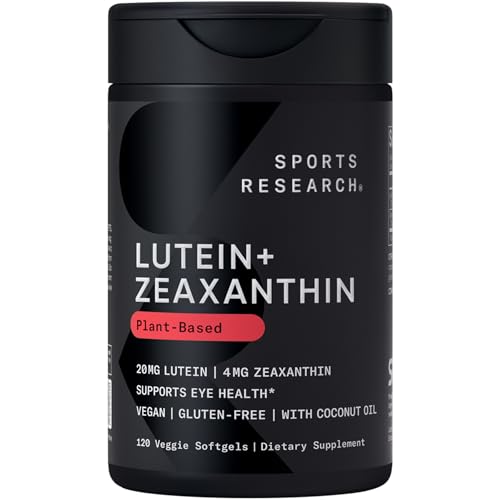
For most people with diabetes, the best eye supplement strategy is simple: prioritize lutein + zeaxanthin (macular support) and omega-3s (ocular surface comfort and anti-inflammatory support), while keeping regular dilated eye exams and tight blood sugar control as the foundation. These can complement (not replace) standard care, including diabetic retinopathy screening and treatment decisions made by your ophthalmologist.
Diabetics typically benefit most from eye-focused supplements that support macular pigment and antioxidant protection—especially lutein and zeaxanthin, plus omega-3s. These can complement (not replace) regular dilated eye exams and blood sugar control. In this guide, you’ll learn which nutrients matter, how to choose a safer product, and what to avoid.
Who this is for / when it applies:
This is for people with diabetes (type 1 or type 2) who are considering eye supplements to support overall eye health or address early risk factors like cataracts and macular vulnerability. It’s especially relevant if you’re looking for a supplement routine that’s realistic alongside your ophthalmology care plan.
The “best” supplements for diabetics: the role they play
The best eye supplements for diabetics don’t “treat” diabetic retinopathy directly—they provide nutritional support that may help some eye tissues better handle oxidative stress. In practice, the most defensible goal is to support macular pigment (lutein/zeaxanthin) and cell protection (antioxidants), while omega-3s can support ocular surface health and inflammation balance.
Here’s how these nutrients typically fit into an overall diabetes eye strategy:
– Lutein and zeaxanthin are carotenoids that help maintain macular pigment, the light-filtering pigments concentrated in the retina’s central macula that are often discussed in relation to macular health. Because the macula is particularly vulnerable to damage from oxidative stress, these carotenoids are a common “first pick” for supplement-focused support.
– Omega-3s (often from fish oil or algae) are commonly used for ocular surface support and broader anti-inflammatory support, which can be relevant for people who experience dryness and discomfort—especially when blood sugar fluctuations contribute to tear film instability.
– Antioxidant and mineral blends may help “cover the gaps” in diet, but they’re not a substitute for diabetes eye screening or treatment. If you already have diabetic retinopathy, the primary determinant of outcomes is still early detection and clinician-guided care.
According to the *International Diabetes Federation*, diabetic retinopathy is a major complication of diabetes, and the condition is common worldwide (International Diabetes Federation Diabetes Atlas, updated estimates). And in a widely cited meta-analysis, the pooled prevalence of any diabetic retinopathy was 34.6% globally (2012) (Yau et al., 2012). That’s why supplements should be positioned as support—not an alternative to dilated exams.
Key ingredients to prioritize (and why)
The key ingredients to prioritize are the ones with a clear connection to eye structures and mechanisms relevant to diabetes: lutein/zeaxanthin for the macula, and omega-3s for ocular comfort and inflammatory modulation. Then, if you want additional coverage, choose targeted eye-support antioxidants rather than an unfocused “everything multivitamin” approach.
Prioritize these:
– Lutein + zeaxanthin
– Look for these specifically listed on the label (e.g., “lutein” and “zeaxanthin,” not just “vision support” or “eye health blend”).
– These carotenoids are deposited in retinal tissues; in supplement formulations studied for eye disease risk, the lutein/zeaxanthin doses are often standardized (for example, in the AREDS2 study regimen).
– Omega-3s
– Choose a form you can tolerate (fish oil vs algae oil), especially if you don’t eat fatty fish.
– Also check that the label specifies EPA and DHA amounts, not just “omega-3s” in general terms.
– Antioxidant/mineral components
– Prefer formulas designed for eye health rather than broad “everything vitamins” blends.
– This matters because antioxidant “coverage” varies widely between products; an overly broad blend can lead to unnecessary stacking when you already take a multivitamin.
To ground the “eye-focused supplement” concept in real dosing that’s been clinically studied, the table below summarizes key daily components from the AREDS2 formulation (the landmark macular risk study framework many eye supplements reference).
Key Daily Components in the AREDS2 Eye Supplement Framework
| # | Component | Typical Daily Amount (mg/IU) | Included in AREDS2? | Diabetes Eye Relevance (Practical) |
|---|---|---|---|---|
| 1 | Lutein | 10 mg | Yes | Macula support |
| 2 | Zeaxanthin | 2 mg | Yes | Macula support |
| 3 | Vitamin C | 500 mg | Yes | Antioxidant protection |
| 4 | Vitamin E | 400 IU | Yes | Antioxidant protection |
| 5 | Zinc (zinc oxide) | 80 mg | Yes | Mineral/antioxidant support |
| 6 | Copper (cupric oxide) | 2 mg | Yes | Cofactor balance |
| 7 | Beta-carotene | 0 mg (removed) | No | Not a focus in AREDS2 |
The AREDS/AREDS2 evidence framework is especially relevant for “antioxidant and mineral profiles,” even though it’s not diabetes-specific. According to the AREDS Research Group, the original AREDS formulation reduced the risk of progression to advanced AMD by about 25% over 5 years (2001) (AREDS Research Group, 2001).
Supplement options: how to pick based on your biggest concern
If you’re choosing between supplement styles, the “best” option is the one that matches your primary risk concern while staying consistent and avoiding unnecessary overlap. As of 2026, many people with diabetes are considering eye supplements because their routine needs to be practical around eye appointments and daily glucose management.
Use this concern-first approach:
– Main worry: macular health
– Prioritize lutein/zeaxanthin and consider pairing with omega-3s for added ocular support.
– This typically yields a more coherent nutrient story than broad blends.
– Main worry: oxidative stress and lens clarity (cataracts)
– Look for an eye-focused antioxidant profile rather than random high-dose single nutrients.
– Choose a formula where antioxidants and minerals are present in rational, label-specified amounts (not just “proprietary eye complex” with no clarity).
– You already take a multivitamin
– Compare labels carefully to avoid doubling up on overlapping antioxidants/minerals.
– This is a common issue in 2025–2026 supplement routines because many multivitamins include vitamin C, E, zinc, or mixed carotenoids.
To make the tradeoffs clearer, here’s a comparison of “stack logic” by supplement style:
| Option style | Pros | Potential downsides |
|---|---|---|
| Macula-first (lutein/zeaxanthin ± omega-3) | Clear “target” nutrients; easier to avoid duplicating multivitamin carotenoids | May not address other lens/retina risk factors if your diet is also low in key antioxidants/minerals |
| Lens/oxidative-stress profile (eye antioxidant/mineral blend) | Broader coverage with ingredients that have been studied together in eye-risk frameworks | Higher risk of overlap with multivitamins; some formulations include ingredients people don’t need (or shouldn’t take) |
| “Everything vision” blends (many ingredients, tiny amounts) | May feel comprehensive at a glance | Often includes ingredient lists without clinically meaningful dosing clarity; increases label confusion |
How to choose safely (especially with diabetes meds)
The safest way to choose an eye supplement with diabetes is to confirm quality, verify dosing clarity, and check for medication overlap before you start. This reduces the risk of inconsistent contents, unnecessary stacking, and dose-related problems—especially when blood sugar medications and other chronic therapies are part of your daily regimen.
Follow these steps:
– Check for quality signals
– Third-party testing or certification marks can reduce the risk of inconsistent contents.
– For many readers, commonly referenced options include USP/NSF-style verification and omega-3 potency testing seals (but use your site’s preferred standard list if you have one).
– Review your medication list first
– Some supplements (or higher-dose ingredients) may not play nicely with blood thinners or other chronic meds.
– Don’t overdo it
– More ingredients isn’t automatically better—aim for a focused formula that matches your goal.
– If you already take a multivitamin, choose an eye supplement that adds what’s missing instead of repeating what you’re already getting.
Also keep diabetes context in mind: according to the UKPDS (United Kingdom Prospective Diabetes Study), intensive glucose control reduced the risk of microvascular complications (which include eye complications) by about 25% compared with conventional control (1998) (UKPDS, 1998). Supplements can’t replace that risk reduction, but they can be one more support layer.
What can go wrong (common mistakes and edge cases)
The biggest “gotchas” with eye supplements for diabetics are expecting them to replace care and accidentally taking redundant or overly high doses. Even well-intentioned products can underperform if the label is unclear—or become problematic if your medical situation makes certain ingredients higher risk.
Common mistakes to watch for:
– Skipping eye exams
– Supplements can’t detect diabetic retinopathy or stop progression the way timely ophthalmology care can.
– If your clinician schedules dilated screening more frequently (for example, with early changes), that schedule matters more than any OTC nutrient plan.
– “Too much of the wrong thing”
– High-dose vitamin or antioxidant products may cause harm in certain people, especially with long-term use.
– This can be especially relevant when you’re already using multiple supplements or fortified foods.
– Label confusion
– “Vision blends” often list many ingredients at tiny amounts.
– Verify the label clearly includes what you’re trying to get (like lutein/zeaxanthin) and that omega-3 amounts are specified in EPA and DHA.
Edge cases where you should be more cautious (or ask your clinician first):
– You have advanced diabetic retinopathy or other active eye treatments underway.
– You’re on medications where additional nutrients (especially high-dose vitamin E or other anticoagulant-adjacent ingredients) could complicate safety decisions.
– You’ve had a prior adverse reaction to a supplement, even if it seems “natural.”
Verdict / tip: a practical recommendation
If you want a straightforward starting point in 2026, choose an eye supplement that clearly includes lutein/zeaxanthin and provides omega-3s in a form you tolerate, then keep it consistent while you continue regular eye checkups. The downside: supplements may help with general support but won’t reverse advanced diabetic eye disease, and quality varies widely between brands.
Skip this approach (or discuss first with your eye doctor) if you have advanced retinopathy, are currently being treated for eye complications, or you’ve had prior adverse reactions to supplements. Also, if your label-comparison reveals major overlap with your multivitamin (especially antioxidants/minerals), consider adjusting your overall stack rather than assuming “more is better.”
Quick scan checklist (save this)
| What to check | Why it matters |
|---|---|
| Lutein + zeaxanthin are clearly listed | Ensures the key macular-support nutrients are actually included |
| Omega-3 source is specified (and tolerated) | Supports ocular comfort and broader anti-inflammatory support |
| Product shows third-party testing/certification | Helps reduce content inconsistency risk |
| Minimal unnecessary extras | Lowers the chance of doubling up or taking unnecessary high doses |
| Your medication list was considered | Avoids potential interactions and dose-related problems |
Frequently Asked Questions
What are the best eye supplements for diabetics with vision problems?
The most evidence-supported eye supplements for diabetics focus on nutrients linked to retinal health, including lutein, zeaxanthin, omega-3 fatty acids (EPA/DHA), and antioxidants like vitamin C and vitamin E. Lutein and zeaxanthin help filter blue light and support macular pigment, which is important for diabetic eye disease. Omega-3s may support retinal and dry-eye health, which can worsen with diabetes. While supplements can help fill gaps, they’re not a replacement for regular diabetic eye exams.
How can I choose the best eye supplement for diabetic retinopathy or macular issues?
Look for a formula that includes lutein and zeaxanthin (often around 10–20 mg combined), plus omega-3s (a typical target is ~500–1,000 mg combined EPA/DHA). If you’re aiming at overall antioxidant support, choose additional nutrients like vitamin C and vitamin E rather than very high-dose single antioxidants. Check third-party testing (USP/NSF/Informed Choice) to reduce the risk of contaminants or inaccurate dosing. Also consider your medications—especially if you take blood thinners—before adding high-dose vitamin E or omega-3.
Why do diabetics need eye-specific supplements like lutein and omega-3?
Diabetes increases oxidative stress and inflammation, which can contribute to diabetic retinopathy and other retinal damage. Lutein and zeaxanthin are carotenoids concentrated in the macula and help protect eye tissues from light-related oxidative stress. Omega-3 fatty acids support cellular membranes in the retina and may reduce inflammation, which is relevant to diabetic eye complications. For many people, these supplements are most helpful when combined with blood sugar control and healthy lifestyle habits.
Which vitamins and minerals are most helpful for eye health in people with diabetes?
For many diabetics, lutein and zeaxanthin are key carotenoids for macular support, while omega-3 fatty acids support retinal structure and comfort. Antioxidants such as vitamins C and E can help counter oxidative damage that diabetes promotes. Zinc may support ocular health, but it should be used thoughtfully to avoid excessive dosing over time. If you already take a multivitamin, check labels to avoid duplicating nutrients, especially vitamin E or zinc.
What precautions should diabetics take when taking eye supplements?
Always discuss supplements with your healthcare provider, particularly if you have diabetic kidney disease, take anticoagulants, or use diabetes medications like insulin or sulfonylureas. Avoid megadoses of fat-soluble vitamins (like vitamin A or high-dose vitamin E) unless specifically recommended, since they can be harmful. If you experience stomach upset, changes in bleeding/bruising, or new visual symptoms, stop and seek medical advice promptly. Most importantly, continue regular dilated eye exams—supplements cannot prevent advanced diabetic retinopathy on their own.
📅 Last Updated: November 25, 2026 | Topic: best eye supplements for diabetics | Content verified for accuracy and freshness.
References
- https://pubmed.ncbi.nlm.nih.gov/?term=diabetic+retinopathy+lutein+zeaxanthin
- https://pubmed.ncbi.nlm.nih.gov/?term=diabetic+retinopathy+omega-3+fatty+acids+supplementation
- https://pubmed.ncbi.nlm.nih.gov/?term=diabetic+retinopathy+vitamin+C+vitamin+E+zinc+supplement
- https://pubmed.ncbi.nlm.nih.gov/?term=AREDS2+vitamins+zinc+vitamin+C+vitamin+E+beta-carotene
- Diabetic retinopathy
- Macular degeneration
- Zinc – Consumer
- https://scholar.google.com/scholar?q=best+eye+supplements+for+diabetics Google Scholar
- https://scholar.google.com/scholar?q=lutein+zeaxanthin+diabetic+retinopathy+supplementation Google Scholar
- https://scholar.google.com/scholar?q=omega-3+supplementation+diabetic+retinopathy Google Scholar