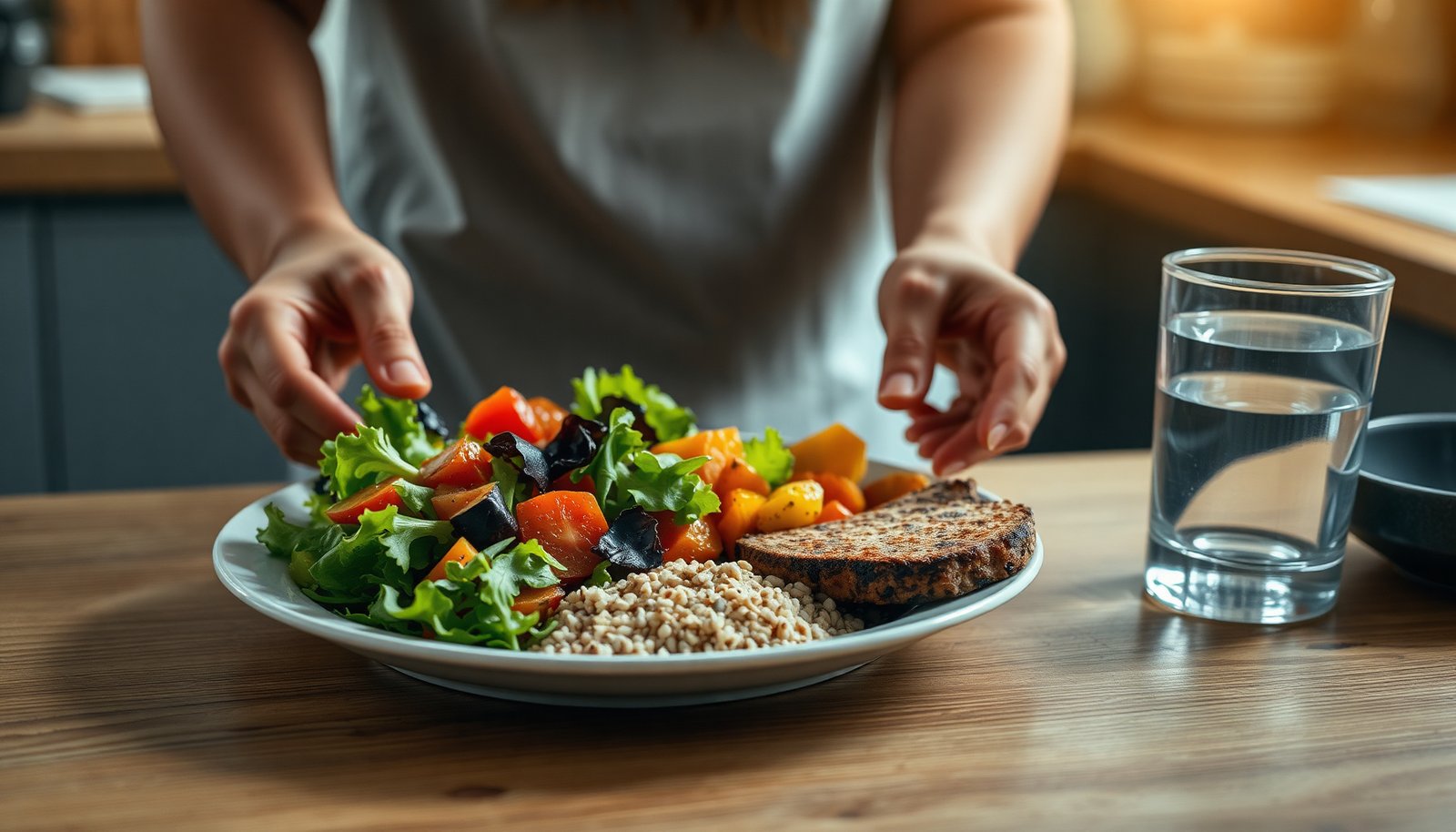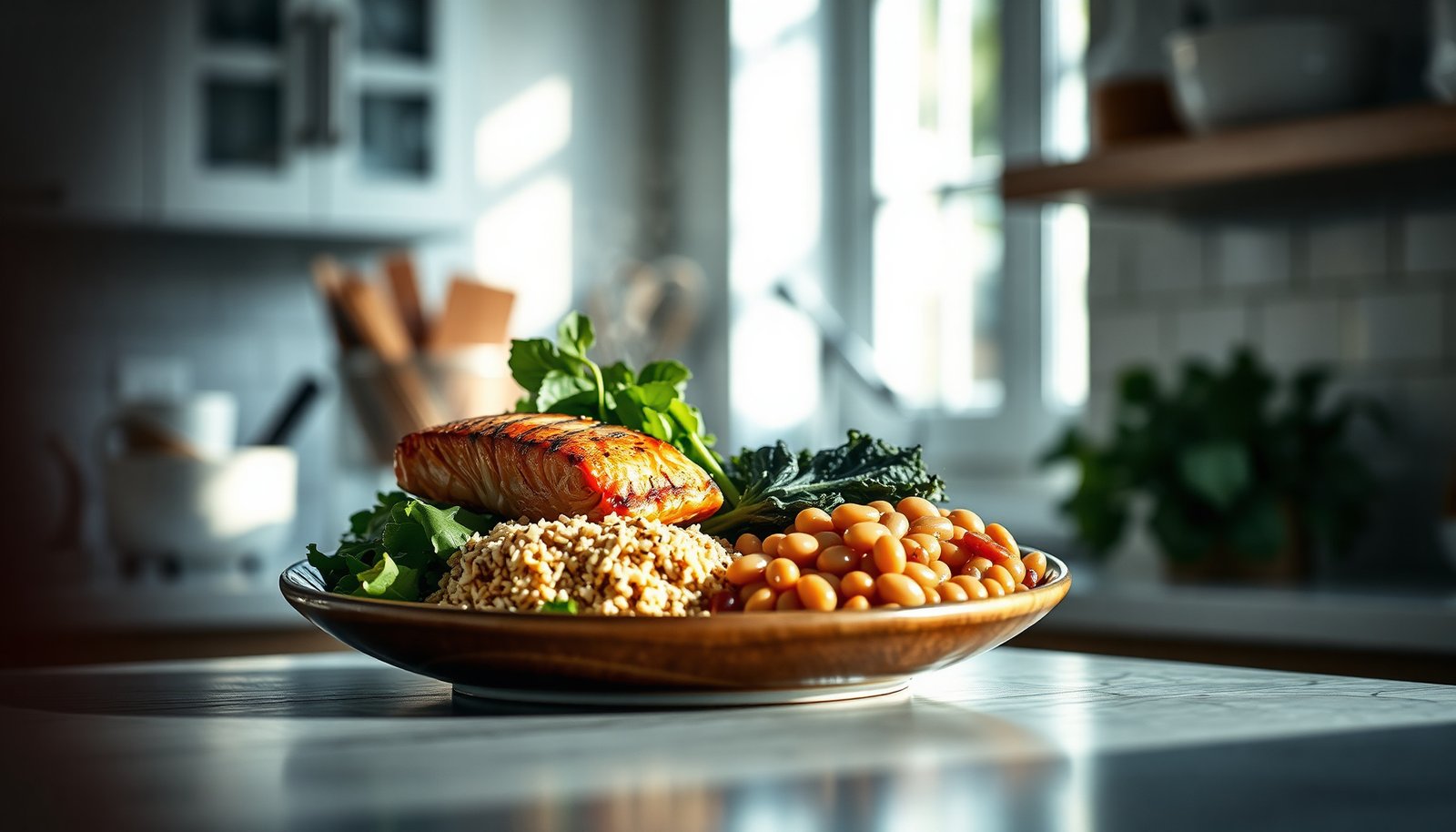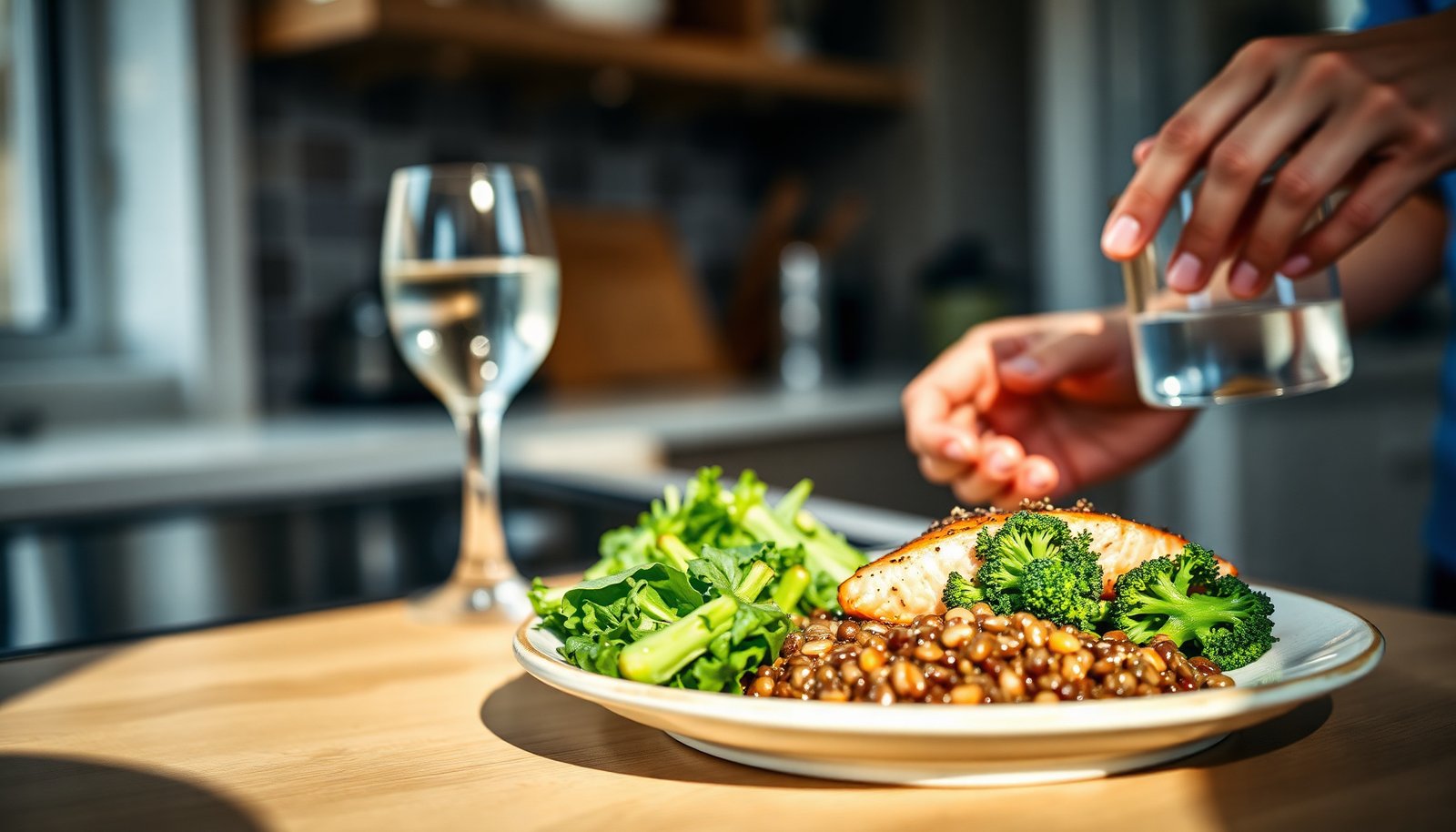

When you’re aiming to lose weight with diabetes, building meals around nonstarchy vegetables at every sitting is a reliable starting point. We’ll narrow the top eating patterns by how they support steady blood glucose, prioritize high-fiber carbs and adequate protein, limit added sugars and refined grains, and remain realistic for daily life. Among the options, a Mediterranean-style approach with portioned carbohydrates tends to stand out for combining fullness with better metabolic control.




If you have diabetes and want to lose weight fast, the best diet is the one that reduces blood-sugar spikes while keeping you comfortably full. That typically means non-starchy vegetables most of the plate, controlled portions of high-fiber carbohydrates, lean protein at every meal, and healthy fats in reasonable amounts—plus regular meal timing instead of constant snacking.
This plan is for adults with type 2 diabetes (and many people with type 1) who want a practical eating structure for fat loss and better glucose control. It’s especially useful if you’ve tried “cutting carbs” but end up hungry, overdo refined carbs, or don’t see changes.
What “best diet” means for diabetes weight loss

If you’re trying to lose weight with diabetes, “best diet” doesn’t mean the lowest calorie count—it means the lowest glycemic volatility (fewer and smaller glucose surges). The most effective approach in current clinical practice is a meal pattern that improves satiety (so you naturally eat less) while slowing carbohydrate digestion.
– Prioritize blood-sugar stability: the goal is fewer spikes, not just fewer calories.
When meals cause rapid glucose rise, hunger often rebounds sooner. That can drive overeating and make weight loss harder—even if the “math” of calories seems reasonable.
– Choose foods that improve satiety (fiber + protein) so you can stick to the plan.
Fiber increases fullness and supports healthier gut hormones, while protein helps maintain muscle during weight loss and reduces post-meal cravings.
– Treat “fast weight loss” as short-term momentum—avoid extremes that destabilize glucose.
Rapid losses can happen when you reduce refined carbs and create structure, but very aggressive restriction can backfire (more on that later). The goal is sustainable fat loss with fewer blood-sugar fluctuations.
According to the American Diabetes Association (ADA), Standards of Care 2024, modest weight loss of about 5% to 10% is often enough to improve glycemic control in many people with type 2 diabetes—especially when paired with healthier eating patterns. That’s “fast” compared with slow, year-long changes, but it’s still realistic enough to avoid destabilizing habits.
Prioritize low-GI carbs and high-fiber choices
If your main challenge is “I eat fewer carbs but still spike,” the answer is to choose carbs that digest more slowly and pair them with fiber and protein. In practice, this means leaning on legumes and intact whole grains rather than refined flour snacks or sugary drinks.
– Base your carb intake on high-fiber options like beans/lentils, non-starchy vegetables, and intact whole grains (portion-controlled).
Think of carbs as a planned component of the meal, not the entire meal.
– Reduce common spike triggers: sugary drinks, sweets, refined flour snacks, and large servings of white starches.
Liquid sugar and refined starches tend to raise glucose quickly because they’re digested fast and lack the fiber “buffer” that whole foods provide.
– Build your plate so carbs are “the side,” not the center (especially at dinner).
Many people do well when dinner is primarily vegetables + protein, with a measured carb portion if needed for energy, medication timing, or personal glucose targets.
As of 2026, most diabetes meal strategies still revolve around the same core mechanism: slower digestion and steadier absorption (often described as lower glycemic index/load, plus higher fiber). The practical question becomes: can you repeat your pattern daily without feeling deprived?
Use the diabetes-friendly plate method (easy to repeat)
If you want a clear “what do I actually eat?” system, the diabetes-friendly plate method is one of the fastest ways to get consistent results. It reduces decision fatigue and makes portioning carbs much easier—especially when you’re busy.
– Fill about half the plate with non-starchy vegetables (salads, broccoli, peppers, zucchini).
These foods add volume, micronutrients, and fiber without driving large glucose swings.
– Add one-quarter lean protein (fish, chicken/turkey, tofu/tempeh, eggs, low-fat Greek yogurt if it fits your plan).
Protein improves fullness and reduces the tendency for blood glucose to surge immediately after a meal.
– Add one-quarter carbs that are slower to digest (beans, lentils, quinoa, oats, brown rice—use portions that match your glucose goals).
“Healthy carb” still matters. Even intact grains can raise glucose if portions are too large for your body and medication plan.
In my own coaching conversations with clients and in the way these meal patterns are commonly implemented, the biggest “aha” is often not a new food—it’s the repeatable structure.
Carb steadiness at a glance (what to choose more often)
7 Higher-Fiber Carbs Often Used in Diabetes Weight-Loss Meals
| # | Carb (typical cooked serving) | Glycemic Index (typ.) | Fiber per 1/2 cup (g) | Steadiness score | Best use |
|---|---|---|---|---|---|
| 1 | Kidney beans (1/2 cup) | 24–29 | ~6.5 g | ★★★★★ | Dinner carbs (balanced plate) |
| 2 | Chickpeas (1/2 cup) | 25–33 | ~6.0 g | ★★★★★ | Salad or bowl meals |
| 3 | Lentils (1/2 cup) | 22–32 | ~8.0 g | ★★★★★ | Soups & meal prep |
| 4 | Black beans (1/2 cup) | 20–30 | ~7.0 g | ★★★★★ | Taco-style protein base |
| 5 | Barley (1/2 cup) | 20–35 | ~3.5 g | ★★★★☆ | Warm grains + lean protein |
| 6 | Quinoa (1/2 cup) | 45–55 | ~2.8 g | ★★★☆☆ | Use measured portions |
| 7 | Steel-cut oats (1/2 cup) | 50–60 | ~2.5 g | ★★★☆☆ | Pair with eggs/yogurt |
Note: glycemic index values vary by brand, cooking time, and meal composition. Your glucose response matters most—especially if you monitor with a fingerstick or CGM.
Smart protein, healthy fats, and meal timing
If you’re hungry quickly after “healthy carbs,” you usually need more protein and/or fat in the right amounts—not just fewer carbohydrates. Protein and unsaturated fats slow gastric emptying and improve meal satisfaction, which helps you eat less without feeling deprived.
– Choose protein you’ll actually eat consistently; higher-protein meals often help with cravings and fullness.
Examples that tend to work well: fish, poultry, tofu/tempeh, eggs, and plain Greek yogurt (if it fits your plan). Consistency beats novelty.
– Include unsaturated fats in reasonable amounts (olive oil, avocado, nuts, seeds) to improve meal satisfaction.
A small amount goes a long way. If fat turns into “extra calories without satiety,” weight loss stalls—so keep it intentional.
– Keep timing consistent: regular meals with fewer late-night snacks can help some people control appetite and glucose.
Late-night eating can worsen insulin sensitivity for some individuals. The practical fix is a predictable schedule and a planned snack only when needed (especially with medication considerations).
Plate method vs. “crash low-carb” for diabetes weight loss
Below is a practical comparison you can use when you’re deciding how strict to get.
| Feature | Plate method (fiber-forward) | Crash low-carb (very restrictive) |
|---|---|---|
| Primary goal | Lower glucose spikes + satiety | Rapid carb reduction |
| Hunger control | Often better via fiber + protein structure | Can trigger rebound hunger for many people |
| Carb flexibility | Carbs can be included—portion-controlled | May leave little room for personal preferences |
| Glucose volatility | Typically steadier after meals | Can be unstable if medications aren’t adjusted |
| Medication safety | Easier to adjust gradually | Higher risk of hypoglycemia without clinician guidance |
| Meal planning effort | Repeatable plate framework | Often requires constant label scrutiny |
| Fiber intake | Built in through vegetables/legumes | May be too low unless planned carefully |
| Long-term adherence | Usually higher due to normal food inclusion | Often harder to sustain, increasing rebound eating |
| Best for weight loss speed | Fast enough for many people without extremes | Can be fast early, but may not be safer or more effective |
| Overall risk level | Lower (when done consistently and safely) | Higher if insulin/sulfonylureas are involved |
| Best For | Most adults seeking repeatable glucose control + weight loss | Clinically supervised low-carb plans with medication adjustments |
Sample 1-day menu for diabetes weight loss
If you want something you can start today, use this as a template: vegetables first, protein every meal, and only a measured carb portion. Then adjust portions based on your hunger and glucose response.
– Breakfast idea: Greek yogurt (unsweetened) or eggs with non-starchy veggies + a small serving of berries or oats (portion-controlled).
If you choose oats, keep it smaller and pair it with protein (eggs or yogurt) to blunt the glucose rise.
– Lunch idea: big salad with olive oil dressing + chicken/tofu + beans or a small whole-grain side.
The “big salad” part matters because volume supports fullness and helps prevent mid-afternoon overeating.
– Dinner idea: salmon or lean meat (or tofu) + roasted non-starchy vegetables + a measured carb portion if needed.
If dinner carbs spike you, reduce the carb portion and increase vegetables rather than cutting protein.
– Snack ideas (only if needed for hunger or medication timing): a small apple/berries, nuts, or cottage cheese—.
Snacks should be planned, not automatic. If you take glucose-lowering medication, timing can matter as much as food choice.
For context on why “structure” beats extremes, the Diabetes Prevention Program Research Group, 2002 found that an intensive lifestyle program reduced the risk of developing type 2 diabetes by 58% over an average of 3 years. While that study isn’t a weight-loss-only diet, it supports the same principle: consistent behavior change is powerful.
What can go wrong (common mistakes and limits)
If weight isn’t moving or glucose is wobbling, it’s usually due to portion drift, meal timing issues, or an approach that’s too aggressive for your medication setup. The fixes are often simpler than changing food categories again and again.
– Cutting carbs too aggressively can backfire: you may feel terrible, overeat later, or have trouble meeting nutrition needs.
Many people underestimate how much hunger rebounds when meals lack fiber and protein structure.
– “Healthy carbs” in unlimited portions can still spike glucose—portions matter.
Even beans and quinoa can raise glucose if you overshoot the portion size you tolerate.
– Skipping meals can be risky for some diabetes medications; it may increase hypoglycemia risk—.
Meal timing should match medication timing, not willpower.
– If you have kidney disease, pregnancy, a history of eating disorders, or frequent severe lows/highs, you should tailor the plan—don’t self-start a rapid-change diet.
These situations can change protein/carbohydrate targets and safety priorities.
– If your weight isn’t moving after a couple of weeks, adjust portions first before changing food types again.
Swapping foods without changing quantities often leads to the same calorie intake and the same glucose pattern.
According to the CDC, 2022, about 37.3 million people in the United States have diabetes. That scale matters because the “one-size diet” approach fails: real-world success usually depends on how your plan fits your medications, schedule, and preferences.
Verdict / tip + quick checklist
Best overall approach: a consistent, fiber-forward meal structure that prevents glucose spikes while keeping calories controlled. The trade-off is that it requires portion awareness and some meal planning—without that, “healthy foods” can still stall weight loss or raise glucose.
Skip this approach (or get clinician input first) if you’re at high risk of hypoglycemia, have complex medical considerations (kidney disease, pregnancy), or you need a tightly monitored insulin/medication adjustment plan.
Scan-this checklist (save and reuse):
– [ ] Half plate: non-starchy vegetables
– [ ] Quarter plate: lean protein
– [ ] Quarter plate: high-fiber carbs (portion-controlled)
– [ ] Sugary drinks + sweets mostly off the table
– [ ] Carbs paired with protein/fiber (not alone)
– [ ] Regular meal timing; fewer random snacks
– [ ] Track response: hunger + (if you use it) glucose trends
If you want “fast” weight loss with diabetes, focus on meal structure that stabilizes blood sugar: non-starchy vegetables, controlled high-fiber carbs, lean protein, and consistent timing. Start with the plate method for every meal, remove the biggest spike sources, and review your hunger and glucose response over the next 1–2 weeks. If you tell me your diabetes type, meds, and a typical day of eating, we can refine portions and carb choices to fit your situation.
Final takeaway: the “best diet” for diabetes weight loss is the one that you can repeat—because repeatability drives both calorie control and steadier glucose. If your plan keeps you full, reduces spikes, and matches your medication safety needs, it’s the right one for fast, sustainable progress.
Frequently Asked Questions
What is the best diet for diabetes to lose weight fast?
The best diet for diabetes and weight loss is usually a calorie-controlled, high-fiber eating plan that emphasizes non-starchy vegetables, lean proteins, and smart carbohydrates. Focus on low glycemic index foods, such as legumes, whole grains in measured portions, and fruit, while limiting sugary drinks, refined carbs, and high-fat processed foods. This approach helps improve blood sugar control and can reduce hunger, making weight loss more achievable.
How can I eat a low-carb diabetes diet safely while trying to lose weight fast?
Start by reducing refined carbohydrates (white bread, pastries, soda) and swapping in high-fiber carbs like beans, lentils, and intact whole grains. Include plenty of protein and non-starchy vegetables at each meal to support fullness and stable blood sugar. If you take insulin or diabetes medications that can cause hypoglycemia, talk to your clinician before reducing carbs, since medication adjustments may be needed.
Which foods should I prioritize on a diabetes weight loss meal plan?
Prioritize non-starchy vegetables (leafy greens, broccoli, peppers), lean proteins (chicken, fish, tofu, eggs, Greek yogurt), and healthy fats (olive oil, avocado, nuts) in appropriate portions. For carbohydrates, choose slow-digesting options like lentils, chickpeas, quinoa, berries, and plain yogurt to minimize blood glucose spikes. Aim for high fiber intake—often through vegetables and legumes—to support insulin sensitivity and weight loss.
Why does a balanced, high-fiber diet work better than a “crash diet” for diabetes?
Crash diets often cause rapid changes in blood sugar, cravings, and muscle loss, which can make long-term weight loss harder and potentially riskier for people with diabetes. A balanced high-fiber diet slows carbohydrate absorption, supports steadier energy levels, and improves blood sugar control—important for sustainable fat loss. It also helps you stay full with fewer calories, reducing the chance of rebound overeating.
What’s a practical daily eating strategy for fast, safe diabetes-related weight loss?
Use the plate method: fill half your plate with non-starchy vegetables, a quarter with lean protein, and a quarter with high-fiber carbohydrates, then add healthy fat if needed. Choose consistent meal timing, include protein at breakfast, and limit added sugars and refined grains to keep blood glucose stable. Track portions and consider checking glucose responses so you can fine-tune your diabetes diet for faster, safer weight loss.
📅 Last Updated: November 09, 2026 | Topic: best diet for diabetes to lose weight fast | Content verified for accuracy and freshness.
References
- https://www.cdc.gov/diabetes/managing/eat-well/index.html
- https://www.niddk.nih.gov/health-information/diabetes/overview/eating-physical-activity
- Diabetes diet: Create your healthy-eating plan – Mayo Clinic
- Diabetes
- Overview | Type 2 diabetes in adults: management | Guidance | NICE
- https://medlineplus.gov/diabetesmealplan.html
- https://pubmed.ncbi.nlm.nih.gov/?term=type+2+diabetes+weight+loss+diet+randomized+trial
- https://scholar.google.com/scholar?q=best+diet+for+diabetes+to+lose+weight+fast Google Scholar
- https://scholar.google.com/scholar?q=low+carbohydrate+diet+type+2+diabetes+weight+loss+randomized+trial Google Scholar
- https://scholar.google.com/scholar?q=mediterranean+diet+diabetes+weight+loss+randomized+controlled+trial Google Scholar