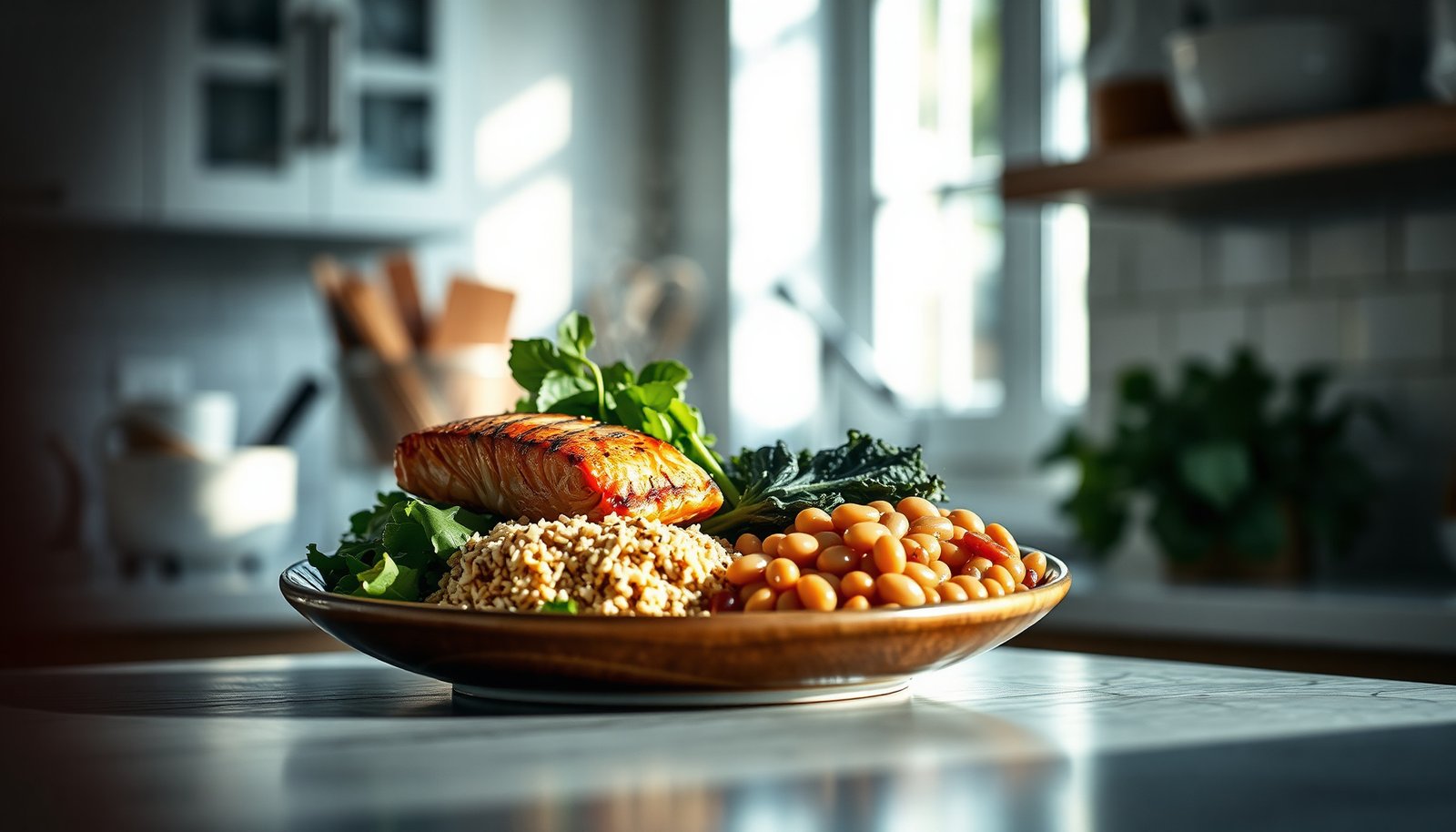

If you have diabetes, choosing foods by “low sugar” alone can backfire because it ignores total carbohydrates, fiber, and portion size. A trustworthy eating plan is judged by how consistently it supports healthy blood-glucose targets, manages weight if needed, and reduces spikes from refined carbs and added sugars. For many people, a Mediterranean-style, high-fiber, lower-glycemic approach is the standout option.




The best diet for diabetes patients is one that keeps carbohydrates steady and shifts your meals toward high-fiber vegetables, lean proteins, and healthy fats. In practice, that usually means using a “smart carb” approach (consistent portions, mostly minimally processed carbs) and pairing carbs with protein and fiber to blunt blood-sugar spikes. This guide shows what to prioritize, what to limit, and how to plan meals safely with your diabetes care plan.
If you have type 1, type 2, or prediabetes—or you’re supporting someone who does—this is for you. It’s especially useful if you’re unsure where to start with meal structure, food choices, and the common pitfalls that can make blood sugars harder to manage.
Build your meals around blood-sugar control

The quickest path to better glucose control is consistency: keep carbohydrate amounts in a similar range at each meal, then balance those carbs with fiber and protein. That approach matters because carbohydrates drive most of the post-meal blood-sugar rise, while protein and fiber slow digestion and reduce the speed of glucose absorption.
– Choose a consistent carbohydrate pattern (same ballpark amount per meal) rather than “random” carb portions.
– Pair carbs with protein and fiber to slow digestion and reduce spikes.
– Use portioning tools (like the plate method) so decisions happen at the meal, not after readings change.
For diabetes patients, “consistent carbs” doesn’t mean eating the exact same foods every day—it means maintaining a predictable carbohydrate load. Many clinicians use individualized targets (often based on blood-glucose logs, A1C, activity level, and medication type). If you take insulin or a glucose-lowering medication that can cause hypoglycemia, consistency becomes even more important because sudden carb reductions can outpace insulin action.
According to the American Diabetes Association (ADA), many nonpregnant adults aim for an A1C target of about <7% depending on individual risk and comorbidities (American Diabetes Association, Standards of Care in Diabetes—2024). Even when your target differs, the mechanism is the same: steady intake helps you avoid large glucose swings that can make diabetes harder to manage day to day.
Follow one of the most practical diet patterns
A strong diabetes diet pattern is one you can sustain while still keeping carbohydrate portions consistent. For many diabetes patients, that’s a Mediterranean-leaning structure or a lower–refined-carb plan—both reduce glucose volatility without demanding extreme restriction.
– A Mediterranean-style pattern (more vegetables, olive oil, nuts, legumes, fish; fewer refined carbs) is often a strong fit for diabetes.
– Lower–refined-carb approaches (whole grains/legumes instead of white bread, soda, sweets) tend to improve overall glycemic control.
– If you’re aiming for a lower-carb plan, treat it like medication-adjacent: work with your clinician to adjust diabetes meds and prevent lows.
Mediterranean-leaning eating tends to work well for diabetes patients because it naturally upgrades the “quality” of carbs (more legumes, whole grains, fruit, and vegetables) and also increases unsaturated fats (olive oil, nuts, seeds) that help you feel full. A lower–refined-carb pattern usually means swapping white bread and sugary beverages for minimally processed carbohydrate sources that contain more fiber. Fiber (the non-digestible part of plant food) is key for diabetes patients because it slows digestion and supports more gradual glucose release.
Here’s a practical comparison for diabetes patients choosing between common patterns:
| Diet pattern | Best for | Pros | Watch-outs |
|---|---|---|---|
| Mediterranean-leaning | Diabetes patients who want a sustainable, flexible framework | High fiber from vegetables/legumes; healthier fat sources; easier long-term adherence | Still requires carb portion awareness (olive oil doesn’t replace carb counting) |
| Lower–refined-carb | Diabetes patients who struggle most with cravings for sweets/white starches | Reduces fast-glucose foods; often improves meal satisfaction and energy stability | Portions can drift (e.g., “whole grain” still raises glucose) |
| Lower-carb (more intensive) | Selected diabetes patients under clinical guidance | May reduce post-meal glucose and improve weight for some people | Medication adjustments are often needed to prevent hypoglycemia |
Prioritize foods that help (and feel filling)
For diabetes patients, the most reliable “yes” foods are non-starchy vegetables, lean proteins, and healthy fats in reasonable portions. This combination keeps meals satisfying while reducing the speed and size of post-meal blood-sugar rises.
– Non-starchy vegetables (salads, broccoli, peppers, zucchini) for volume and fiber.
– Lean proteins such as fish, poultry, eggs, tofu, Greek yogurt (if tolerated) to support satiety.
– Healthy fats in reasonable portions (olive oil, avocado, nuts/seeds) to replace refined carbs, not just add on top.
Non-starchy vegetables are high volume and typically low in net carbs compared with starchy foods, which helps diabetes patients eat enough to feel full. Protein also matters: protein doesn’t spike glucose the way carbohydrate does, and it helps balance meals so you’re less likely to go back for another carb-heavy snack soon after eating.
Healthy fats—especially monounsaturated fats (olive oil, avocado) and omega-3-rich fish (salmon, sardines)—can improve meal quality and satiety. For diabetes patients, “healthy fat” should be a replacement strategy (swap refined carbs for fats/protein) rather than an “add-on.” Otherwise, calories rise without reducing glucose load, and weight gain can worsen insulin resistance.
According to the CDC, diabetes affects 37.3 million people in the United States (2022) (Centers for Disease Control and Prevention (CDC), National Diabetes Statistics Report—2022). With prevalence this high, nutrition guidance is often most effective when it’s practical: repeatable plates, predictable carb portions, and meals built to prevent both highs and lows.
7 Carb Sources Ranked by Typical Glycemic Impact (GI)
| # | Carb source (common serving) | Carbs (g) | Fiber (g) | Typical GI | Diabetes score |
|---|---|---|---|---|---|
| 1 | Lentils (1 cup cooked) | 39 | 15.6 | 32 | ★★★★☆ |
| 2 | Chickpeas (1 cup cooked) | 45 | 12.5 | 28 | ★★★★☆ |
| 3 | Apple (1 medium) | 25 | 4.4 | 36 | ★★★☆☆ |
| 4 | Steel-cut oats (1 cup cooked) | 27 | 4.0 | 55 | ★★★☆☆ |
| 5 | Brown rice (1 cup cooked) | 45 | 3.5 | 50 | ★★☆☆☆ |
| 6 | Banana (1 medium) | 27 | 3.1 | 51 | ★★☆☆☆ |
| 7 | White bread (1 slice) | 14 | 1.9 | 75 | ★☆☆☆☆ |
GI = glycemic index; diabetes scores reflect “typical glycemic impact” patterns seen with these common foods. Individual responses vary based on portion size, meal composition, cooking methods, and medication.
Limit the foods that commonly spike glucose
For diabetes patients, the fastest way to reduce high readings is to limit foods that enter the bloodstream quickly—especially sugary drinks and refined starches. This is less about “forbidden foods” and more about controlling the timing and magnitude of carbohydrate absorption.
– Sugary drinks and sweetened beverages (soda, juice, sweet tea/coffee drinks) usually hit glucose fast.
– Refined starches and sweets (white bread, pastries, many packaged snacks, desserts) with little fiber.
– Overeating “healthy” carbs if portions get uncontrolled (large servings of rice, pasta, dried fruit, or chips can still raise glucose).
Sugary drinks are a common problem because liquid calories often lack fiber and are absorbed quickly, which can create sharp glucose rises. For diabetes patients, juice is especially tricky: it may be “natural,” but it still removes most of the fiber found in whole fruit.
Refined starches (white bread, many crackers, pastries) tend to digest quickly and deliver less satiety. Even when meals “sound healthy” (like a large bowl of whole-grain pasta), portion size can be the real driver of glucose spikes.
From an observational standpoint in day-to-day coaching materials, the patterns that most often derail diabetes diets are the ones that happen outside the planned meals: grazing on packaged snacks, adding extra sides “because it’s whole grains,” and replacing water with sweet beverages.
Meal planning that’s actually doable
For diabetes patients, the best plan is the one that removes decision fatigue. When you pre-structure meals, you make fewer last-minute carb choices that can cause spikes—or medication-mismatch lows.
– Start with a simple plate: non-starchy vegetables + a protein + a measured carb (or a smaller carb portion if that’s your plan).
– Make carbs easier to control: pick specific carb sources (beans/lentils, whole grains, fruit) and portion them consistently.
– Use snack structure: if you snack, choose fiber/protein-forward options and avoid grazing on carbs without a plan.
A repeatable plate method is a practical framework: aim for about half your plate non-starchy vegetables, one quarter lean protein, and one quarter a measured carb source (then adjust portions based on your individualized plan). For diabetes patients on insulin, this structure also helps with carb counting consistency—one reason diet changes are most effective when they align with medication timing.
To make carbs easier to control, choose a short list of reliable carb “anchors,” such as beans/lentils, oats, brown rice (portion-controlled), quinoa, and whole fruit. Then practice consistent portions rather than frequent variety swaps. The goal is predictability, not restriction.
Snacks are often where diabetes patients lose control—especially when snacks turn into grazing. If you snack, build it the same way as meals: include protein and fiber first (e.g., nuts with berries, Greek yogurt if tolerated, or hummus with vegetables) and reserve higher-carb foods for planned portions.
What can go wrong (and when to be careful)
The biggest risks for diabetes patients come from changing carbs too aggressively or ignoring medication timing. When diet and medication aren’t aligned, you can see glucose swings in either direction—highs from under-moderating carbs, or lows from reduced carbs without treatment adjustments.
– Medication mismatch: insulin and some diabetes meds can cause hypoglycemia if carb intake drops suddenly—don’t change diet aggressively without a plan.
– “Extreme” carb cuts: very low-carb diets can be hard to sustain and may increase risk of lows for some people.
– Hidden carbs: sauces, dressings, and “healthy” packaged foods can contain significant added sugar or refined starch—check labels.
– Special situations: kidney disease, pregnancy, history of eating disorders, and frequent hypos are reasons to get individualized guidance before choosing a strict diet.
Hypoglycemia (low blood sugar) can happen when insulin or secretagogue medications (like sulfonylureas) remain unchanged while carbohydrate intake drops. That’s why diabetes patients—especially those on insulin—should coordinate diet changes with their diabetes care team.
Hidden carbs are another frequent issue. “Healthy” sauces (some barbecue sauces, sweetened dressings, teriyaki marinades) can contain added sugar, and some packaged foods labeled “high fiber” still include refined starch or sugar alcohols that may affect glucose differently.
Special situations matter. If you have kidney disease, pregnancy, a history of eating disorders, or frequent low blood sugar episodes, the safest approach is individualized nutrition guidance rather than following a strict generic plan. Even “good” foods may need different targets in these contexts.
Verdict: the best diet is the one you can safely maintain
A strong default for diabetes patients is a Mediterranean-leaning, fiber-rich eating pattern with consistent carbohydrate portions and fewer refined carbs. The downside: if you rely on “healthy carbs” without portion control, blood sugars may still rise; and if you cut carbs too fast without adjusting meds, hypoglycemia becomes a real risk.
Skip DIY changes and get clinician input first if you take insulin, have a history of frequent lows, are pregnant, or have complex medical conditions. The “best” diet is the one that stabilizes your blood sugar trend over weeks and months—not just one meal’s results. And for diabetes patients, that usually means steady carbs, balanced meals, and planned flexibility.
Quick checklist (scan/save)
| Goal | Choose more often | Limit/avoid |
|---|---|---|
| Carbs that work | Beans/lentils, non-starchy veg, whole grains in measured portions | Sugary drinks, pastries, white bread, desserts |
| Better meal balance | Protein + fiber with every meal | Carb-only meals that spike faster |
| Consistency | Similar carb portions across meals | Random carb “free-for-alls” |
| Safer adjustments | Coordinate changes with your diabetes plan | Sudden carb drops without med review |
Frequently Asked Questions
What is the best diet for diabetes patients to manage blood sugar?
The best diet for diabetes patients is one that emphasizes non-starchy vegetables, high-fiber whole grains or beans (when appropriate), lean proteins, and healthy fats while limiting added sugars and refined carbs. A balanced approach using the plate method—half non-starchy vegetables, one-quarter lean protein, and one-quarter high-fiber carbohydrates—can help keep blood glucose more stable. Many people also benefit from consistent meal timing and carb awareness to reduce blood sugar spikes.
How can I create a diabetes-friendly meal plan for the week?
Start by planning each meal around portion-controlled carbohydrates, focusing on high-fiber options like legumes, oats, quinoa, brown rice, or whole-grain bread in moderate amounts. Pair carbs with protein and healthy fats (such as fish, chicken, tofu, Greek yogurt, olive oil, nuts, or avocado) to slow digestion and support steadier glucose levels. Include snacks only if needed, and choose lower-glycemic options like nuts, cheese, or vegetables instead of juice or sweets.
Which foods should I avoid or limit with diabetes to prevent spikes?
To prevent blood sugar spikes, limit or avoid sugary drinks (soda, sweet tea, juice), desserts, candy, and refined grains like white bread, pastries, and many snack chips. Also reduce large portions of starchy foods (white rice, potatoes, and corn) and choose controlled portions instead. Checking labels for added sugars and watching total carbohydrates can make it easier to manage diabetes-friendly eating consistently.
Why does carbohydrate counting matter for diabetes management?
Carbohydrate counting is important because carbs have the most direct impact on blood glucose compared with protein or fat. Knowing how many grams of carbohydrates you eat helps you coordinate meals with activity and, for many people, diabetes medications or insulin dosing. This approach can improve time-in-range and reduce unexpected highs and lows when paired with regular blood glucose monitoring and guidance from a clinician.
What is the best way to balance carbohydrates and protein for type 2 diabetes?
A practical strategy for type 2 diabetes is to build meals with a steady carbohydrate baseline—such as beans, lentils, vegetables, or small portions of whole grains—then add sufficient lean protein to improve fullness and reduce hunger-driven overeating. Aim for high-fiber carbs and avoid very large carb portions at one sitting, which can contribute to post-meal glucose spikes. Consistency matters, so choosing repeatable meals you enjoy can make long-term diabetes diet success more achievable.
📅 Last Updated: November 09, 2026 | Topic: best diet for diabetes patients | Content verified for accuracy and freshness.
References
- https://www.cdc.gov/diabetes/managing/eat-well/index.html
- https://www.niddk.nih.gov/health-information/diabetes/overview/eating-well-diabetes
- Diabetes
- Diabetes diet: Create your healthy-eating plan – Mayo Clinic
- Diet in diabetes
- Simple Diabetes Meal Plan: Manage Blood Glucose with the Diabetes Plate
- https://pubmed.ncbi.nlm.nih.gov/?term=nutrition+therapy+type+2+diabetes+systematic+review+meta-analysis
- https://scholar.google.com/scholar?q=best+diet+for+type+2+diabetes+guidelines Google Scholar
- https://scholar.google.com/scholar?q=low+carbohydrate+diet+type+2+diabetes+systematic+review+meta-analysis Google Scholar
- https://scholar.google.com/scholar?q=mediterranean+diet+type+2+diabetes+meta-analysis Google Scholar