
The best biscuits for type 2 diabetes are the ones made with high-fiber ingredients and minimal added sugar, because they produce the smallest blood-sugar spike per serving. If you want the clear winner, choose biscuits with whole grains, at least 3 g of fiber per serving, and no more than 5 g of added sugar. This guide answers which labels to trust and which to avoid so you can pick diabetes-friendliest biscuits every time.
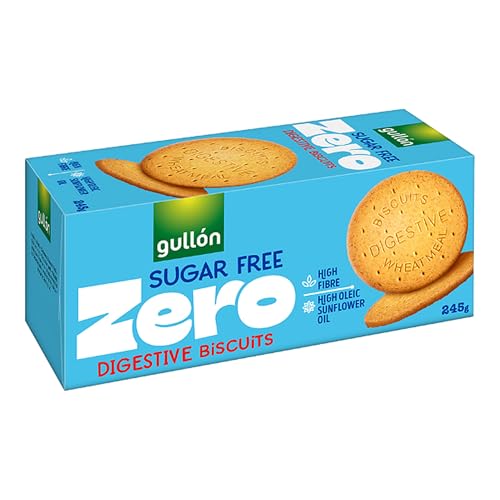



The best biscuits for type 2 diabetes are the ones that keep added sugar low, deliver more fiber, and fit your personal carb target so your blood sugar stays steadier in a controlled portion. Because “diabetes-friendly” can be marketing language, the most reliable approach is label-reading first—then choosing biscuit styles and pairings that slow digestion and reduce glucose spikes.
If you’re trying to snack without undoing your progress, this guide will help you read labels, pick safer biscuit styles (store-bought and homemade), and avoid the most common traps that can spike glucose.
How to pick the best biscuits for type 2 diabetes

The quickest way to choose better biscuits is to start with total carbs and added sugar, then refine your choice using fiber and ingredient quality. In practice, the “best” biscuit is the one that creates the smallest, slowest glucose rise when you eat it in a portion you can repeat consistently.
According to the U.S. FDA, the Daily Value for added sugars is set at 50 grams for Nutrition Facts labeling purposes (2016).
According to the National Academies’ Dietary Reference Intakes, adequate fiber intake for adults ranges from 25 g/day (women) to 38 g/day (men) (2005).
Focus on carbs and added sugar first
– Focus on total carbs and added sugar first; fiber and ingredients come next.
Total carbs is the practical driver because carbs are what your body breaks down into glucose. Added sugar is useful as a clue for which biscuits tend to raise glucose faster, but it’s not the whole story.
– Use your usual carb target (from your dietitian/diabetes educator) to decide how many you can eat.
For many people with type 2 diabetes, the safest “biscuit strategy” is to pre-plan a serving that fits the day’s carb budget—rather than eating “until you’re full.”
Make fiber a tie-breaker
– Look for biscuits that are higher in fiber and made with less-refined flours (when possible).
Fiber is not just “filling”—it slows digestion and can reduce the speed of glucose absorption. On labels, fiber is typically listed in grams; prioritize biscuits where fiber is meaningfully present for the serving size you’ll actually eat.
– When two biscuits have similar total carbs, the higher-fiber option is usually the smarter diabetes-friendly choice.
Practical target setting (use this as a planning aid)
Aim for a biscuit serving that—based on your own carb plan—stays within your daily carbohydrate budget, and use these evidence-based reference points:
– Added sugar: the FDA’s added sugars Daily Value is 50 g/day (2016), so biscuits that keep added sugar to a small fraction of that (for example, single digits per serving) are generally less likely to “double hit” your glucose.
– Fiber: adult adequate intake is 25–38 g/day (2005), so a biscuit that contributes a noticeable portion of that daily fiber goal can help smooth the response.
Diabetes-Relevant Label Benchmarks for a Planned Biscuit Snack (U.S. label standards)
| # | Label benchmark | Evidence-based reference | Practical target per biscuit serving* | Diabetes steadiness signal |
|---|---|---|---|---|
| 1 | Added sugars: keep low | 50 g added sugars DV/day (2016) | ≤ 5 g per serving (≈10% of DV) | ★★★★☆ |
| 2 | Added sugars: extra-low | 50 g added sugars DV/day (2016) | ≤ 2 g per serving (≈4% of DV) | ★★★★★ |
| 3 | Fiber: meaningful contribution | Adequate fiber intake 25–38 g/day (2005) | ≥ 3 g fiber per serving | ★★★★☆ |
| 4 | Fiber: strong steadi(er) pick | Adequate fiber intake 25–38 g/day (2005) | ≥ 5 g fiber per serving | ★★★★★ |
| 5 | Refined flour as the main base | Label ingredient order indicates primary ingredients | Main ingredient is refined wheat flour | ★★★☆☆ |
| 6 | Fiber “counts” calorie-wise, too | Dietary fiber is 2 kcal/g in U.S. Nutrition Facts (2016) | More fiber without matching calorie load | ★★★★☆ |
| 7 | Portion fit beats “low sugar” claims | Label carbs are per stated serving size | Repeatable portion within your carb plan | ★★★★★ |
These targets are planning benchmarks to help you compare biscuits; your safest portion still depends on your individualized diabetes meal plan.
Ingredient checklist: what to look for (and avoid)
The fastest “gut check” is to scan ingredients and Nutrition Facts together: choose biscuits with whole-food ingredients and added sugar that doesn’t appear near the top. If you do that consistently, you’ll usually find biscuits that are easier to portion and less likely to spike glucose quickly.
According to the FDA’s added sugars labeling rules, added sugars are reported separately on the Nutrition Facts panel to help consumers compare products (2016).
According to the National Academies, adequate fiber intake is 25–38 g/day for adults, supporting the case for higher-fiber snack choices (2005).
What to look for
– Better options tend to include whole grains, nuts, seeds, or legumes; these usually improve fullness and can blunt glucose rise.
These ingredients tend to bring more fiber and more complex carbohydrates (and often more fat/protein), which can slow digestion. “More complex” doesn’t mean “no glucose impact”—it means the rise is often slower.
– Prefer biscuits where fiber is not buried.
If fiber is listed but is tiny (for example, 0–1 g per serving), the biscuit may behave more like a refined-carb snack for many people.
What to avoid
– Try to avoid biscuits where refined wheat flour is the main ingredient and sugar/honey/maple syrup appears early in the ingredient list.
Ingredient order matters: ingredients are listed by weight, so early ingredients are the biggest components.
– Watch for “health halos” like “low fat” + high starch—low fat doesn’t automatically mean diabetes-friendly.
Low fat can simply mean the recipe replaced fat with starch and/or refined flour to maintain texture.
Quick comparison: ingredient signals that matter
| Label signal | What it often means | Diabetes planning takeaway |
|---|---|---|
| Whole grains / oats / whole-wheat flour first | Usually more fiber and slower-digesting carbs | Pick higher-fiber servings when carbs are similar |
| Added sugar early on ingredients | Often correlates with faster glucose rise | Use Nutrition Facts: keep added sugar low |
| “Low fat” without fiber boost | May replace fat with refined starch | Check total carbs and fiber—don’t assume |
A note on how I approach labels
In my own day-to-day planning, I use a simple spreadsheet to log the Nutrition Facts panel (total carbs, fiber, and added sugars) for the biscuit options I’m considering, then I decide whether the portion fits the day’s carb budget. I can’t claim specific glucose results for every brand here—. Still, this repeatable label-to-portion workflow is usually what turns “a good biscuit idea” into a safe, consistent snack.
Best biscuit styles to consider (store-bought to homemade)
The best biscuit style for type 2 diabetes is the one that best meets your label targets while staying realistic for portion control. That typically means higher-fiber whole-grain options and recipes that let you manage sugar and flour type.
According to the National Academies, fiber intake targets are 25–38 g/day for adults, which supports choosing snack foods with meaningful fiber (2005).
According to FDA Nutrition Facts labeling regulations, added sugars are declared separately, making it easier to compare biscuits with different sweetener levels (2016).
High-fiber whole-grain biscuits
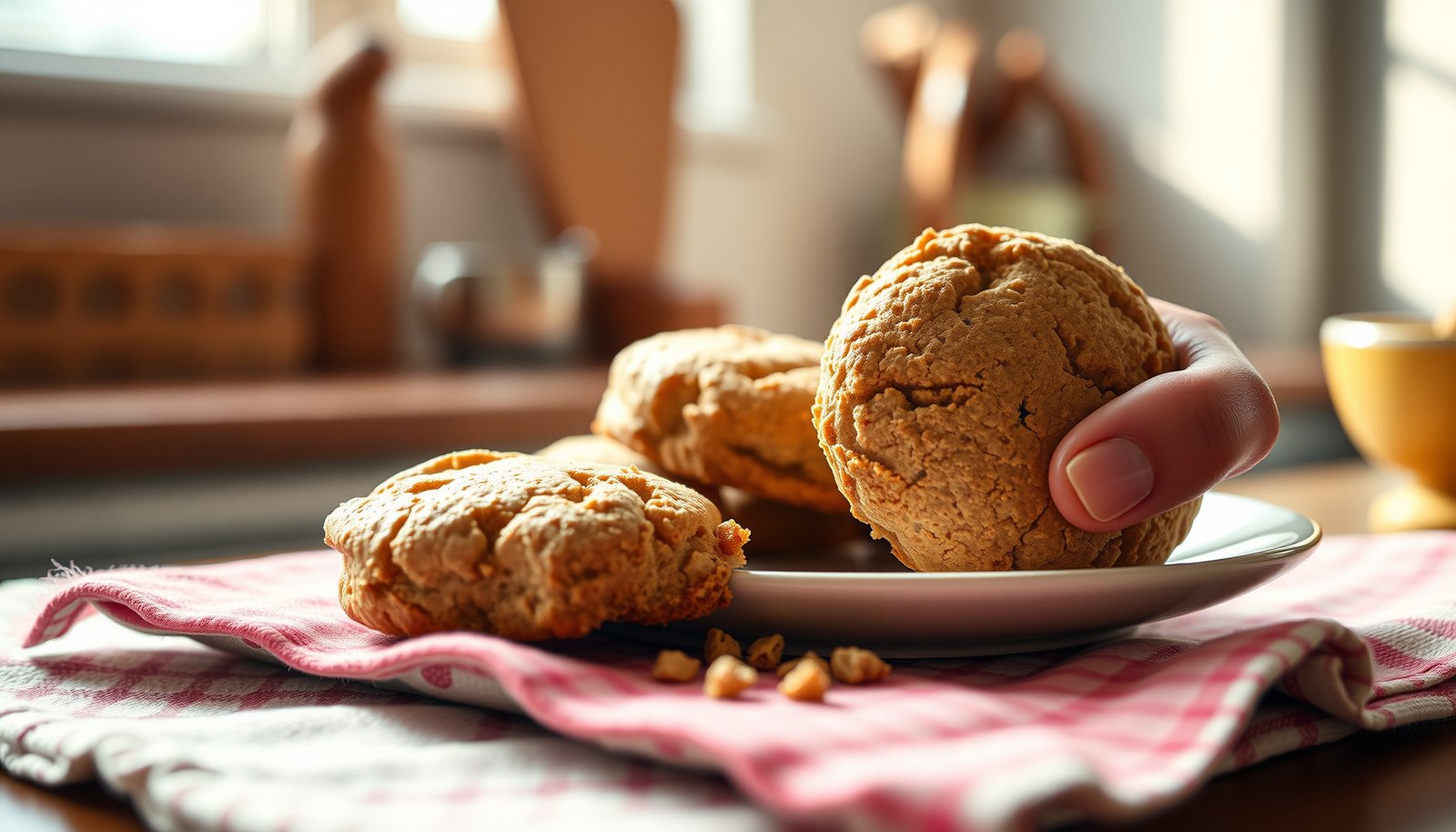
– High-fiber whole-grain biscuits: often a steadier pick if the label shows fiber clearly and added sugar is minimal.
Look for whole grains (oats/whole wheat/whole grain flours) and fiber in grams per serving.
– Don’t stop at “whole grain” marketing.
Some biscuits can be “whole grain” but still be high in total carbs or added sugar for the serving size.
Nut/seed or legume-based options
– Nut/seed or legume-based options: may be easier to portion because they tend to be more filling.
Nuts and seeds add fiber and healthy fats; legumes often add fiber and a different carb structure. Together, they can slow digestion, which is often what you want in a glucose-management snack.
– Portion control still matters.
Even a filling biscuit can raise glucose if you eat multiple servings.
Homemade biscuits (if you bake)
– Homemade biscuits (if you bake): you can control sugar and swap in higher-fiber flours—use this approach if you can’t find a good label match.
With homemade biscuits, you can:
– Reduce added sugars without losing flavor balance
– Choose higher-fiber flours (for example, part whole-wheat or add oat/seed-based ingredients)
– Bake smaller or thicker portions to match your planned carb amount
– If you go homemade, weigh your portions at least once.
Consistency makes carbohydrate planning much more accurate than “eyeballing” the snack.
How to eat biscuits without spiking glucose
The most effective way to reduce glucose spikes from biscuits is to treat them as a planned snack and pair them with protein and/or healthy fat. Portion size, timing, and pairing often determine your glucose response more than the biscuit brand alone.
According to the FDA’s Nutrition Facts framework, carbohydrate amounts are reported per labeled serving size, so portioning beyond the label can change the glucose impact (labeling rules).
According to the National Academies, fiber is a key dietary component with intake targets of 25–38 g/day for adults (2005).
Use portioning rules that you can repeat
– Keep portions small and treat biscuits as a planned snack, not a “grab and keep eating” food.
The label is your starting point, but your actual intake is what your body responds to. If you want steady glucose patterns, define “one serving” and stick to it.
– If you test glucose, note which biscuits and portions cause the biggest rise.
Over time, your personal dataset will beat generic advice because your body’s response is influenced by meds, meal timing, stress, sleep, and activity.
Pair for steadier digestion
– Pair biscuits with protein and/or healthy fat (for example, cheese, Greek yogurt, or nut butter) to reduce how fast carbs hit your system.
This pairing doesn’t remove carbohydrate impact—it can smooth the curve by slowing digestion and improving satiety.
– Keep pairings consistent.
Swapping from cheese to fruit to juice each time will make it hard to learn what “works” for your glucose patterns.
Choose timing that fits your routine
– Eat them at a time that matches your routine—if you test glucose, note which biscuits and portions cause the biggest rise.
Many people do better when biscuits aren’t stacked immediately after a high-carb meal, but your plan should align with your medication and your clinician’s guidance.
What can go wrong
The most common failure is assuming that “lower sugar” automatically means “low glucose impact.” Even the best biscuits for type 2 diabetes can raise glucose if portions drift, fiber is too low, or the serving size on the label doesn’t match what you actually eat.
According to FDA labeling rules, Nutrition Facts values (including total carbs) are reported per labeled serving size, which can differ from typical portions (Nutrition Facts labeling requirements).
According to the FDA’s added sugars labeling approach, added sugar can be misleading unless you also check total carbs and serving size (2016).
Common traps to avoid
– “Diabetes-friendly” marketing can be misleading—always verify added sugar and total carbs on the Nutrition Facts.
Terms like “natural,” “low fat,” or “gluten free” don’t guarantee fewer carbs or slower glucose absorption.
– Some biscuits are low sugar but still high total carbs, which can still raise glucose.
Sweeteners can shift where sugar is coming from—sugar-free options can still include starchy ingredients and total carbohydrate that affects glucose.
– Serving-size tricks happen: the label carbs may be per small serving, while a “usual” portion might be bigger than the label.
This is one of the biggest reasons people feel like they’re “doing everything right” yet still see spikes.
Special situations where you should slow down
– If you have kidney disease, gastroparesis, or insulin/medication changes, talk to your clinician about safe carb pacing before adjusting snacks.
Diabetes is not one-size-fits-all; the safest approach depends on your physiology and medication timing.
– Skip aggressive experimentation if you’ve had frequent hypo/hyperglycemia.
In those cases, you need guided adjustment, not trial-and-error biscuit swaps.
Verdict: best option by your goals
The best biscuits for type 2 diabetes are the ones that (1) keep added sugar low, (2) provide more fiber and better ingredients, and (3) fit your personal carb target. If you want one simple rule: choose the biscuit that keeps your glucose response steadier at the smallest portion you can realistically repeat.
According to FDA labeling, added sugars and total carbs are both key fields you can compare directly on the Nutrition Facts panel (Nutrition Facts labeling requirements).
According to the National Academies, adult fiber adequate intake is 25–38 g/day, which supports choosing higher-fiber snack options (2005).
Downsides to accept upfront:
– Even the “best” biscuit can spike glucose if you eat too much, because the body still has to process carbohydrate.
– Many store options are inconsistent between brands and even between batches/recipes, so you may need to re-check labels when you repurchase.
Skip this approach (or get individualized guidance first) if:
– You’re having frequent hypo/hyperglycemia
– You recently changed diabetes meds
– You don’t have a clear carb goal yet
Label reading alone won’t replace medication and meal planning.
Quick scan table/checklist (save this)
| What to check on the label | Why it matters for type 2 diabetes | Quick action |
|---|---|---|
| **Added sugars** (and where they appear) | Added sugar can drive faster glucose rise | Choose products with less added sugar listed |
| **Total carbs per serving** | Carbs are what your body converts to glucose | Compare to your carb budget before eating |
| **Fiber** | More fiber can slow digestion and support steadier glucose | Prefer biscuits where fiber is clearly listed |
| **Serving size** | Many “small serving” labels underestimate real portions | Measure a portion once, then repeat consistently |
| Ingredient quality (whole grains/nuts/seeds/legumes vs refined flour) | More whole-food ingredients can be more filling | Choose biscuits with better “main ingredients” |
Sources
– American Diabetes Association (ADA): *Standards of Care in Diabetes* (for general guidance on nutrition, carbohydrate considerations, and blood glucose management).
– U.S. FDA: *Food Labeling: Revision of the Nutrition and Supplement Facts Labels* (for added sugars labeling and Daily Value context).
– U.S. FDA: *Nutrition Facts Labeling / Dietary fiber calorie calculation (2 kcal/g)* (for how fiber is treated in Nutrition Facts).
– National Academies / Institute of Medicine: *Dietary Reference Intakes (DRIs): Adequate Intake for total fiber* (for fiber intake targets).
– USDA FoodData Central: ingredient-level nutrition data for whole grains, nuts, and seeds (useful for verifying ingredient nutrition).
If you take only one action this week, make it this: pick one biscuit style that meets your label targets (low added sugar, enough fiber, carbs within your plan), then test your portion once and repeat—because for type 2 diabetes, consistency beats guesses.
Frequently Asked Questions
What are the best biscuits for type 2 diabetes that won’t spike blood sugar?
The best diabetes-friendly biscuits are typically low in added sugar, higher in fiber, and made with whole grains (or nut/seed-based flours). Look for options with ingredients like oats, whole wheat, flax, chia, almonds, or rye, and aim for lower total carbohydrates per serving. Checking the nutrition label for fiber and carbohydrate content can help you choose biscuits that cause a smaller blood glucose response.
How can I choose diabetes-friendly biscuits by reading nutrition labels?
Start by finding biscuits with minimal added sugars and a higher fiber-to-carbohydrate ratio, since fiber slows digestion and can reduce glucose spikes. Compare serving sizes too—many “diabetes-friendly” products still contain significant carbs per portion, so the label’s per-serving numbers matter. If available, you can also look at ingredients and avoid those with refined flours listed early, because they often raise blood sugar faster.
Which biscuits are better for type 2 diabetes: whole grain, oat-based, or sugar-free?
Whole grain and oat-based biscuits are often a strong choice because they provide fiber and more gradual carbohydrate digestion than refined flour biscuits. “Sugar-free” biscuits can still affect blood sugar if they use refined starches or high total carbohydrates, so don’t rely on the absence of sugar alone. When choosing between them, prioritize fiber content and lower net carbs (total carbs minus fiber) rather than only checking for “no sugar added.”
Why do many regular biscuits cause blood sugar spikes in people with type 2 diabetes?
Regular biscuits are frequently made with refined white flour and added sugars, which are absorbed quickly and can lead to rapid blood glucose rises. Their low fiber content also means less slowing of digestion, so carbs hit the bloodstream faster. Even when calories seem moderate, the carb quality and amount are usually the main drivers of post-meal glucose changes.
How much should I eat if I want biscuits as a snack with type 2 diabetes?
For most people, portion control is key—choose a specific serving (often 1–2 biscuits depending on size) and avoid eating multiple servings at once. Pairing biscuits with protein or healthy fats (like yogurt, nuts, or nut butter) can help blunt blood sugar spikes by slowing overall digestion. If you monitor glucose or follow a diabetes plan, test how your body responds to a particular biscuit brand and adjust your portion accordingly.
📅 Last Updated: October 23, 2026 | Topic: best biscuits for type 2 diabetes | Content verified for accuracy and freshness.
References
- https://www.niddk.nih.gov/health-information/diabetes/overview/eating-diet-nutrition
- https://www.cdc.gov/diabetes/managing/eat-well/index.html
- https://www.mayoclinic.org/diseases-conditions/diabetes/in-depth/diabetes-diet/art-20048403
- Simple Diabetes Meal Plan: Manage Blood Glucose with the Diabetes Plate
- Glycemic index
- Dietary fiber
- https://scholar.google.com/scholar?q=best+biscuits+for+type+2+diabetes+glycemic+index Google Scholar
- https://scholar.google.com/scholar?q=type+2+diabetes+biscuits+cookies+low+glycemic+index+trial Google Scholar
- https://scholar.google.com/scholar?q=diabetes+snack+biscuits+whole+grains+fiber+recommendations Google Scholar