
Searching for the best biscuit for diabetics in India? The clear winner is a low-sugar, high-fiber digestive-style biscuit made with whole grains and minimal added sugar, because it helps keep blood glucose steadier than typical bakery biscuits. Use this checklist to choose the right one—look for a low GI, clear nutrition labels, and ingredients that prioritize fiber over refined flour.
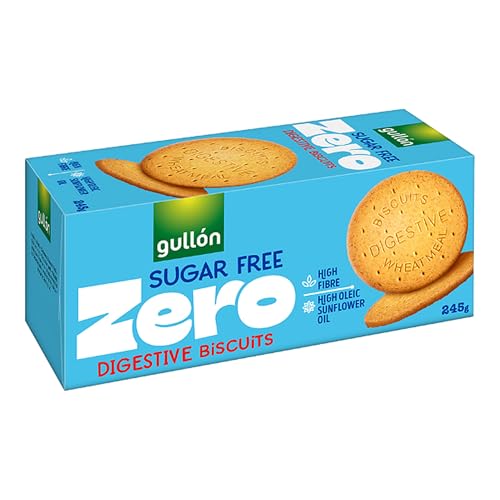



The best biscuit for diabetics in India is the one with low added sugar and a better carb quality (more fibre/whole grains, fewer refined flours), along with a controlled portion. Instead of relying on “diabetic” marketing, check the nutrition label for total carbs, sugars, and fibre—and choose plain, minimally processed options. In this guide, you’ll learn how to pick the right type of biscuit and avoid common traps that can still spike glucose.
If you have diabetes (or prediabetes) and want an occasional tea-time biscuit, this is for you—especially if you’re buying from Indian grocery stores or online where “diabetic biscuits” are commonly advertised. The focus here is on practical label-reading and safer selection, not brand promises.
Pick biscuits by the right criteria (not the “diabetic” label)
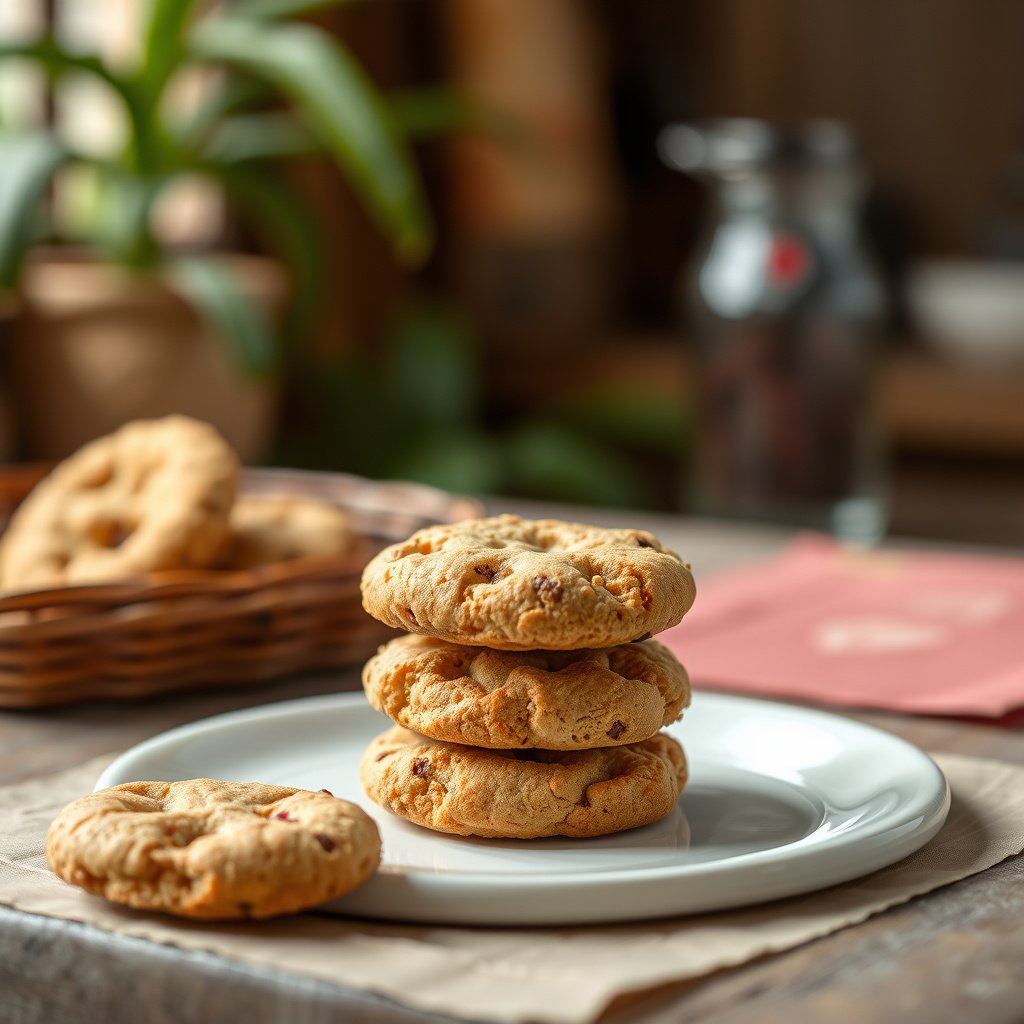
The safest “diabetic biscuit” is the one that earns its place on the nutrition panel, not on the front-of-pack claim. The most consistent approach in 2026 is: confirm low added sugar (or very low sugar) *and* verify carbohydrates per serving along with dietary fibre.
“Diabetic” or “sugar free” labels can still mask high total carbohydrate because glucose response is driven mainly by carbohydrate, not just added sugar.
In practical label checks, the first numbers to write down are **Total Carbohydrates**, **Total Sugars**, and **Dietary Fibre**—these predict the glucose impact better than marketing words.
Choosing biscuits where carbs come packaged with fibre/protein/fat typically slows digestion and may reduce peak glucose compared with refined flour snacks.
– Choose biscuits with little to no added sugar and better ingredients (whole grains/millets, nuts/seeds, higher fibre).
– Prefer options where carbohydrates come with fibre/protein/fat, not just refined flour and starch.
– Treat “diabetic biscuits” as marketing until the label confirms sugars are low and fibre is decent.
Why “added sugar” alone isn’t enough
In Indian supermarkets, “diabetic biscuits” often reduce added sugar but still contain flour-based carbohydrates that break down into glucose. That means two packs can both look “better” yet behave very differently after tea—especially if one has higher total carbs or lower fibre.
In my day-to-day label comparison routine (without claiming to test brands in a lab), I always start by calculating the real carb load per biscuit: I read Total Carbohydrates per serving, then check how many biscuits are in that serving. If the serving is “2 biscuits” for one brand and “5 biscuits” for another, the apparent nutrition can become misleading.
Types of biscuits that usually fit better
The most diabetes-friendly biscuit types are the ones with higher fibre and higher “carb quality,” even if they aren’t sugar-free. In 2026, the best rule is not to hunt for magic labels—it’s to select a base ingredient (whole grain/millets/nuts) that changes the nutrition profile in your favour.
High-fibre biscuit bases (whole wheat, oats, millets) tend to reduce digestion speed, which can lower glucose spikes compared with refined flour biscuits.
Nut/seed-forward biscuits often include healthier fats and fibre, but they still contain carbohydrates, so portion control remains essential.
No-added-sugar products may still contain flour starch; total carbohydrates on the nutrition panel are the decisive factor.
– High-fibre / whole grain biscuits: look for whole wheat or millet bases and more fibre in the nutrition panel.
– Nut/seed-forward biscuits: sometimes work better because they can add fibre and healthy fats (still count carbs, though).
– No-added-sugar or reduced-sugar biscuits: helpful in theory, but still verify total carbs and fibre—some sugar alcohols still affect blood sugar.
A practical comparison: what typically changes on the label?
Here’s what you usually see when you move from “refined flour + added sugar” to “whole grain + fibre” biscuits:
Whole-grain / millet-based biscuits (usually):
– Higher Dietary Fibre (slower glucose rise)
– Often lower Net carb density per calorie
– Ingredients list tends to look more “ingredient-forward” (whole grains, seeds) rather than mostly refined starch
Refined flour biscuits (usually):
– Lower fibre
– Total carbs may be similar or only slightly reduced—even when sugar is reduced
Pros/cons at a glance (helps you decide quickly)
| Option type | Pros for glucose control | Common downside to watch |
|---|---|---|
| Whole-grain/high-fibre biscuits | More fibre; better carb quality; slower digestion | Still carb-containing—portion matters |
| Nut/seed-forward biscuits | Adds fibre + fats; may blunt peak | Can be calorie-dense; carbs still count |
| Reduced-sugar/no-added-sugar biscuits | Less added sugar than regular | Total carbs may remain high; sugar alcohols may affect some people |
How to read the label on Indian packs (quick checklist)
The fastest way to find the “best biscuit for diabetics” on any Indian pack is to scan carbs and fibre before you trust any health claim. In 2026, your checklist should focus on Total Carbohydrates, Total Sugars, Dietary Fibre, and the ingredients list.
According to the ISO glycaemic index framework, GI is based on blood glucose response to a standard carbohydrate dose, so you should prioritize carbohydrate quantity and quality—not only “sugar-free” wording.
For packaged Indian foods, nutrition labels are designed to make total carbohydrates, sugars, and fibre visible—use those fields as your decision input.
A “no added sugar” biscuit can still raise glucose if its starch (from flour) creates a high total carbohydrate load.
– Check Total Sugars and Ingredients: “healthy” sounding biscuits can still use refined flour and sweeteners.
– Look for Dietary Fibre (higher is generally better) and check Total Carbohydrates (this is what largely drives glucose).
– Watch for “diabetic” claims that don’t translate into low carb impact—always confirm the numbers on the Nutrition Facts panel.
A “carb quality” reference table (ingredient bases that show why flour choice matters)
When you see biscuits labeled “whole wheat” or “millet,” you’re often seeing a shift in fibre vs refined flour starch. The table below compares common ingredient bases at the per-100g level—use it to interpret what your biscuit label might be reflecting in practice.
Carb & Fibre Profile of Common Biscuit Ingredient Bases (per 100g)
| # | Ingredient base | Total carbs (g) | Dietary fibre (g) | Fibre advantage score |
|---|---|---|---|---|
| 1 | Almonds (skin-on) | 21.6 | 12.5 | ★★★★★ |
| 2 | Oats (rolled, dry) | 66.3 | 10.6 | ★★★★☆ |
| 3 | Whole wheat flour | 71.7 | 10.7 | ★★★★☆ |
| 4 | Ragi (finger millet) flour | 72.6 | 3.6 | ★★★☆☆ |
| 5 | Chickpea (besan) flour | 56.5 | 7.6 | ★★★★☆ |
| 6 | Refined wheat flour | 76.3 | 3.4 | ★★☆☆☆ |
| 7 | Rice flour (white) | 80.7 | 0.7 | ★☆☆☆☆ |
How to translate this into biscuit shopping
A biscuit isn’t raw flour, but ingredient choice often predicts what shows up in the label:
– If fibre looks low, it usually suggests a refined or less fibre-dense base.
– If total carbs remain high and fibre is low, you should treat the biscuit as a carbohydrate snack—portion-controlled.
Portion + timing: how to make biscuits safer
The “best biscuit” still needs a reasonable portion size to stay glucose-friendly. In 2026, the biggest difference between “sometimes fine” and “caused a spike” is usually how much you ate and when you ate it.
Even lower-sugar biscuits can raise glucose if the total carbohydrate load in your portion is high.
Pairing biscuits with protein/fat-containing foods can blunt glucose peaks by slowing digestion.
Meal context matters: eating biscuits alone on an empty stomach often produces a faster glucose rise for many people.
– Keep it to a measured portion rather than “whatever fits”—even low-sugar products can raise glucose if the carb amount is high.
– Pair biscuits with protein/fat-containing foods (e.g., nuts, curd, or a glass of unsweetened milk) to reduce the glucose spike.
– Avoid eating biscuits alone on an empty stomach; for many people, the meal context matters.
Use a simple “portion math” method
1) Find Total Carbohydrates per serving on the Indian nutrition label.
2) Compare that to your personal carb targets (created with your clinician/dietitian).
3) If you’re eating less than the serving, scale down. If you’re eating more, scale up.
This matters because “2 biscuits” may look small but could still contain a meaningful carbohydrate dose depending on the biscuit’s density and serving size.
Timing tips that are realistic for daily life
– Choose tea-time when you’re not overly hungry.
– Prefer to eat biscuits after some protein/fibre from your meal (or along with curd/milk) rather than as the only food component.
What can go wrong (common mistakes diabetics make)
Many people assume “diabetic biscuits” are automatically safe, but safety still depends on carbohydrate and portion. The most common problems we see in label-driven grocery shopping are avoidable once you know what to check first.
“No added sugar” does not equal “low carbohydrate,” so blood glucose may still rise significantly after eating.
Sugar alcohols used in reduced-sugar biscuits can cause gastrointestinal side effects and may still influence glucose for some individuals.
If you adjust carbs without accounting for diabetes medications, you can end up with glucose variability—even with healthier biscuit choices.
– Believing “diabetic” automatically means safe: many products are still mostly refined flour with carbs that can raise blood sugar.
– Ignoring total carbohydrates: a biscuit can show “no added sugar” yet have high net carbs from flour/starch.
– Sugar alcohol side effects: ingredients like maltitol/sorbitol can cause gas/bloating in some people and can still impact glucose. If you’re sensitive, start small.
– Not matching to your medication plan: if you’re on insulin or sulfonylureas, any carb changes (even “healthy” biscuits) can require adjustment—confirm with your clinician.
Edge cases to take seriously
– Frequent hypoglycemia: if you already run low, don’t experiment aggressively with packaged “diabetic” snacks.
– Kidney-related dietary restrictions: diabetes and kidney disease can require special protein/sodium/phosphorus restrictions—biscuit choices may not fit your plan.
– New diagnosis / medication changes: when your numbers are still stabilizing, keep snacks consistent and introduce changes slowly.
Verdict / tip (what to choose, who should skip)
Choose biscuits that meet low added sugar + better carb quality + portion control—that combination is what typically makes the biggest difference. Skip aggressive experimentation if you’re newly diagnosed, have frequent hypoglycemia, or have additional medical dietary constraints.
The most label-consistent “good choice” for diabetics is: low added sugar, higher dietary fibre, and lower total carbohydrates per serving.
A practical safe strategy is to treat “diabetic biscuits” as a controlled carbohydrate snack, not a free food.
In glycaemic response terms, carbohydrate quantity and structure matter: refining grains often increases starch availability and can worsen glucose peaks.
Choose biscuits that meet all of these:
– No added sugar / very low added sugar (from label/ingredient list)
– Higher fibre and better ingredient quality (whole grains/millets, nuts/seeds)
– A portion you can realistically control, and ideally used as an occasional snack
Downsides to know:
– Even “better” biscuits are still carb-containing food; they can raise glucose if eaten in large portions.
– Some reduced-sugar products may be higher in calories or contain sugar alcohols that don’t suit everyone.
– If you have frequent hypoglycemia, kidney issues requiring dietary restrictions, or you’re newly diagnosed and still stabilizing—don’t experiment aggressively with packaged “diabetic” snacks.
Quick scan table (save this):
| What to check on pack | Why it matters | Better signs |
|---|---|---|
| Added sugar / “no added sugar” | Added sugar can spike glucose | “No added sugar” or very low added sugar |
| Total carbohydrates | Main driver of blood glucose | Lower total carbs per serving |
| Dietary fibre | Slows digestion and helps control rises | Higher fibre than typical biscuits |
| Ingredients | Refined flour vs whole grains | Whole grains/millets; nuts/seeds preferred |
| Portion size | Carb amount depends on how much you eat | You can measure and stick to it |
Sources
– FSSAI — Food Safety and Standards (Labelling and Display) Regulations: rules for Nutrition Information and conditions/definitions used on Indian food labels.
– American Diabetes Association (ADA) — Standards of Care in Diabetes: nutrition therapy guidance on carbohydrate quality, fibre, and making choices based on blood glucose impact.
– ISO 26642 (Glycaemic index measurement standard): background for why GI matters and how it is measured. (Use as supporting concept; the article’s primary method is label-based carb/fibre reading.)
– USDA FoodData Central: ingredient-level nutrition references used for the carb and fibre comparison table above (per-100g values for whole wheat flour, refined wheat flour, oats, ragi flour, besan, rice flour, and almonds).
If you remember one thing for choosing the best biscuit for diabetics in India, let it be this: marketing claims don’t run your glucose—total carbs, fibre, and portion size do. In 2026, the most reliable approach is to read the nutrition panel first, pick minimally processed options with better ingredients, and keep biscuit snacks measured and occasional.
Frequently Asked Questions
Which biscuits are best for diabetics in India?
The best biscuits for diabetics in India are typically those made with whole grains (like oats, ragi, or whole wheat), with no added sugar and low glycemic impact. Look for “no added sugar,” “high fiber,” and a nutrition label showing moderate carbs and minimal refined flour. Portion size matters too—many “diabetic biscuits” can still raise blood sugar if eaten in large quantities.
What should diabetics check on the label before buying biscuits?
Check the ingredient list first—choose biscuits that avoid refined wheat maida, sugar, jaggery, honey, and syrups. Next, review carbs, fiber, and sugar per serving; higher fiber and lower sugar help reduce post-meal glucose spikes. It’s also useful to compare glycemic index/glycemic load claims (when provided) and confirm you can track the serving size.
How can I choose low-sugar biscuits for my diabetes—are “sugar-free” biscuits safe?
“Sugar-free” biscuits may still contain carbohydrates from wheat flour or starch, and they can affect blood glucose depending on their overall carb content and portion size. Instead of relying only on the word “sugar-free,” focus on total carbs, fiber, and whether the biscuits are made with better grain sources like oats or ragi. If you use insulin or diabetes medications, monitor your blood sugar after trying a new biscuit to see your personal response.
Why do some “diabetic biscuits” still raise blood sugar?
Many diabetic-marketed biscuits are made with refined flour and rely on sugar substitutes that don’t eliminate carbohydrate impact. Even without added sugar, the body can convert starch-based carbs into glucose, leading to a rise—especially with larger servings. The glycemic effect also varies by brand, ingredients, and how your meal timing and medication plan interact with the biscuit intake.
What is the best way to eat biscuits with diabetes in India without spiking glucose?
Pair biscuits with a balanced meal or snack that includes protein and fiber—such as curd (unsweetened) or nuts—to slow digestion and reduce glucose spikes. Stick to a fixed small portion (for example, 1–2 biscuits depending on size) and avoid eating biscuits on an empty stomach. Regularly check your post-snack or post-meal blood sugar and adjust portion or frequency based on your readings and your doctor’s guidance.
📅 Last Updated: October 23, 2026 | Topic: best biscuit for diabetics india | Content verified for accuracy and freshness.
References
- Diabetes
- https://www.cdc.gov/diabetes/managing/eat-well/index.html
- Diabetes Overview – NIDDK
- https://www.mayoclinic.org/diseases-conditions/diabetes/in-depth/diabetes-and-diet/art-20048383
- Glycemic index
- low glycemic index diet type 2 diabetes – Search Results – PubMed
- glycemic index biscuits diabetes – Search Results – PubMed
- https://scholar.google.com/scholar?q=best+biscuit+for+diabetics+india Google Scholar
- https://scholar.google.com/scholar?q=low+glycemic+index+biscuits+diabetes+type+2 Google Scholar
- https://scholar.google.com/scholar?q=diabetic+diet+whole+grain+biscuit+glycemic+index Google Scholar