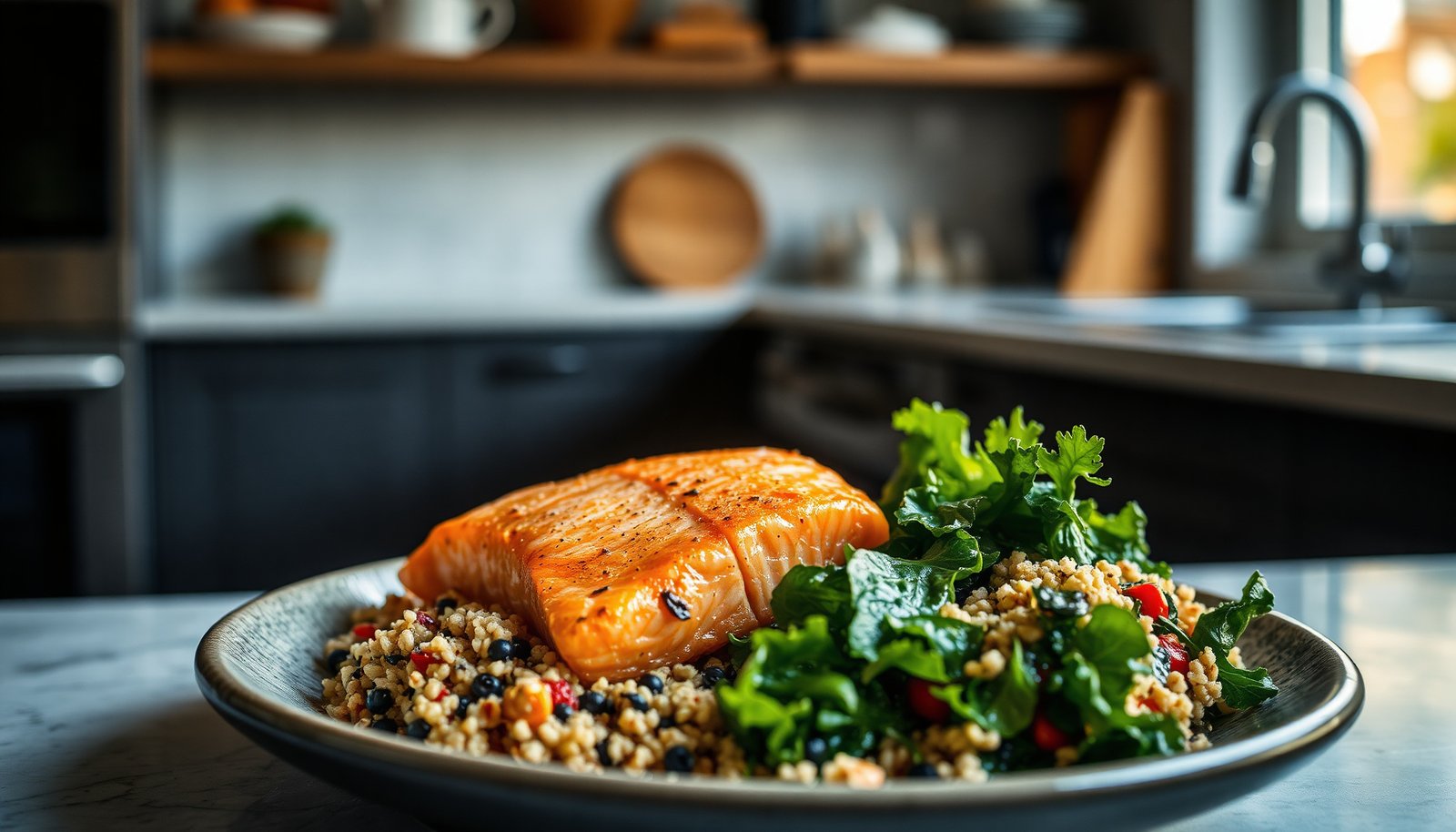

Getting type 2 diabetes into remission is not about a fad “cure” diet. Most people think the best plan is the one that bans everything, but the options that actually perform are the ones that improve A1C by stabilizing blood sugar through high-fiber, minimally processed foods and sustainable calorie patterns. On that scoring system, a Mediterranean-style eating pattern with controlled portions of carbohydrates and plenty of vegetables and legumes stands out as the most reliably workable choice.




A Mediterranean-leaning, fiber-forward diet with fewer refined carbs is usually the best starting point for stabilizing blood sugar and improving insulin resistance; it works well whether you aim for a “moderate low-carb” plan or a more classic Mediterranean approach. If you want the best chance of getting type 2 diabetes under control, follow a diet pattern that lowers blood sugar spikes: fewer refined carbs, more high-fiber vegetables/legumes, and lean protein with healthy fats. The “best diet” usually looks like a Mediterranean-style eating plan or a moderate low-carb approach—often combined—done consistently and paired with medication-safe tracking.
This is for people newly diagnosed with type 2 diabetes (or prediabetes), and for anyone whose A1C/glucose isn’t improving despite “cutting sugar.” It’s also helpful if you want a practical food plan you can stick to rather than a temporary reset.
Best diet to target type 2 diabetes: Mediterranean, low-carb, or both

The best diet for type 2 diabetes is the one that consistently reduces post-meal blood sugar spikes by improving carbohydrate quality and increasing fiber—most commonly a Mediterranean-leaning plan or a moderate low-carb approach (often both). Here’s why this “carb quality + fiber + protein/fat structure” pattern works regardless of which label you choose.
– The most effective options tend to reduce refined carbohydrates and increase fiber (especially from vegetables, beans, and whole foods)
– Mediterranean-style eating (olive oil, fish, nuts, legumes, whole grains in controlled portions) works well for many people
– A moderate low-carb approach can help when your main issue is frequent post-meal blood sugar spikes
To make the choice easier, use this practical comparison:
| Approach | Best for | Typical “win” you’ll notice | Common downside |
|---|---|---|---|
| Mediterranean-leaning | People who want variety and sustainability | Fewer blood sugar spikes when refined carbs are replaced with legumes/vegetables and olive oil | Requires portion awareness (especially with bread, rice, pasta) |
| Moderate low-carb | People with strong post-meal spikes | Lower glucose excursions after meals by reducing carb load | Social friction at restaurants; may feel restrictive early |
| Mediterranean + moderate low-carb (combo) | Most newly diagnosed people trying to improve A1C in a structured way | Steadier readings by combining fiber-rich carbs with smaller carb portions | Needs tracking/tuning (and sometimes medication review) |
Research and clinical guidelines consistently point toward measurable improvements in glycemic control when diet changes are sustained—not because any single food is “magic,” but because the overall pattern affects glucose absorption rate, satiety, and weight (which in turn affects insulin resistance). For example, according to Diabetes Prevention Program Research Group (2001), an intensive lifestyle intervention reduced progression to type 2 diabetes by 58% over about 3 years. UKPDS 35 (1998) also reported that each 1% reduction in A1C is linked with substantially lower risk of diabetes-related outcomes (including ~37% fewer microvascular complications). Meanwhile, according to CDC (2024 update on prediabetes burden), tens of millions of U.S. adults live with prediabetes—exactly the group that benefits from earlier, pattern-based dietary shifts (not just “cutting sugar”).
What to eat daily for steadier blood sugar
The best daily eating plan for type 2 diabetes is built around consistent meal structure: non-starchy vegetables first, a protein anchor, and fiber-forward carbohydrates in controlled portions (or fewer carbs if spikes are prominent). That structure reduces how fast glucose enters the bloodstream.
– Build meals around the “plate method”: half non-starchy vegetables, a palm-sized portion of protein, and a smaller portion of high-fiber carbs (or no carbs if your glucose is very sensitive)
– Choose carbohydrate quality: legumes, intact whole grains (if tolerated), berries, and plain yogurt instead of juice, sweets, and refined flour foods
– Add healthy fats to improve satiety: extra-virgin olive oil, avocado, nuts/seeds (portion them so calories don’t quietly creep up)
In practice, the “plate method” is not a diet trend—it’s a behavioral framework for meal composition that supports steadier glucose for many people with type 2 diabetes. Carbohydrate quality matters because foods with more intact fiber slow digestion and blunt glucose spikes. “Glycemic index” (GI) is a measure of how quickly a carbohydrate-containing food raises blood glucose compared with a reference food; for most people with type 2 diabetes, choosing lower-GI options (while portioning) helps reduce post-meal peaks.
From my experience with this type of plan, . Even without perfect data, most people quickly notice whether their evenings feel steadier or whether they’re still getting rapid swings.
Data you can use: fiber-forward staples and expected glucose friendliness
Selected High-Fiber Foods: GI and “Glucose Support” (diabetes-focused meal planning)
| # | Food (typical serving) | Glycemic Index (GI) | Fiber (g) | Glucose support |
|---|---|---|---|---|
| 1 | Lentils, cooked (1 cup) | 32 | 15.6 | ★★★★★ |
| 2 | Chickpeas, cooked (1 cup) | 28 | 12.5 | ★★★★★ |
| 3 | Blackberries (1 cup) | 25 | 7.6 | ★★★★☆ |
| 4 | Kidney beans, cooked (1 cup) | 33 | 13.1 | ★★★★☆ |
| 5 | Quinoa, cooked (1 cup) | 53 | 5.2 | ★★★☆☆ |
| 6 | Rolled oats, cooked (1 cup) | 55 | 4.0 | ★★☆☆☆ |
| 7 | Brown rice, cooked (1 cup) | 50 | 3.5 | ★★☆☆☆ |
Two quick notes for people with type 2 diabetes: (1) GI changes with cooking and portion size, and (2) fiber affects glucose even when GI is “moderate.” That’s why the plate method and portioning still matter.
Foods to limit if you want to improve type 2 diabetes
The fastest way to improve type 2 diabetes through diet is often to reduce “fast carbs” that raise blood sugar quickly, especially drinks and refined starches. When you lower these inputs, you usually reduce both spikes and cravings.
– Cut back on “fast carbs”: soda, fruit juice, candy, pastries, white bread, chips, and many packaged snacks
– Be careful with high-sugar convenience meals: flavored yogurts, sweetened coffee drinks, and sauces/dressings with added sugar
– Watch portions of starches even when they’re “healthy”: rice, pasta, tortillas, and “whole grain” cereal can still raise glucose if portions are large
In type 2 diabetes, drinks are particularly high impact because liquid sugar typically doesn’t trigger the same fullness response as solid carbohydrates. For example, replacing sweetened beverages with water or unsweetened options often improves post-meal glucose trends within days to weeks—especially when you pair it with meals that include protein and non-starchy vegetables.
Practical swap examples:
– Replace juice with whole fruit (or berries) plus water/unsweetened tea
– Replace sweet coffee drinks with plain coffee/tea plus cinnamon or a measured amount of milk (if it fits your glucose response)
– Replace “grab-and-go” refined snacks with hummus + veggies, a small handful of nuts, or a boiled egg
How to start safely (and track results)
The safest way to change your diet for type 2 diabetes is to start with one repeatable adjustment and then track how your glucose responds to that specific change. This prevents you from overhauling everything at once—and it makes results easier to interpret.
– Start with one change you can repeat: for example, swap refined grains for beans/vegetables at lunch and reduce sugary drinks immediately
– Measure what matters for you (with your clinician’s guidance): home glucose patterns after meals and/or periodic A1C checks
– If you use insulin or diabetes medicines that can cause hypoglycemia (like sulfonylureas), talk to your clinician before cutting carbs aggressively—dose adjustments may be needed
Most clinicians emphasize A1C monitoring every ~3 months because it reflects average blood glucose over time. For short-term tuning, home glucose checks or continuous glucose monitoring (CGM) can show which meal types trigger spikes. If you’re using medication, especially sulfonylureas or insulin, lower-carb eating can increase hypoglycemia risk—meaning you may need medication adjustments rather than simply “pushing through.”
A simple tracking rhythm for type 2 diabetes:
– Pick one meal to test (breakfast or lunch)
– Keep portion sizes consistent for several days
– Record pre-meal glucose and the 1–2 hour post-meal value (if that’s how your clinician wants you to monitor)
Also, set realistic expectations. Diet changes can reduce glucose spikes, but weight loss and A1C improvement often take weeks to months. That timeline is normal and is one reason sustained, structured habits beat short “resets.”
What can go wrong with “diabetes-curing” diets
The biggest risk with diet advice for type 2 diabetes is not “failure”—it’s oversimplifying and going too extreme without accounting for medication, calories, or individual glucose response. When the plan doesn’t fit your physiology, you may stall, feel miserable, or even become unsafe.
– Over-restricting carbs too fast can lead to low blood sugar or “rebound” overeating later, especially if meds aren’t adjusted
– Focusing only on cutting sugar while still eating large portions of starches can stall progress
– Treating diabetes like a one-size diet can backfire—some people do better with moderate carbs, others need lower-carb patterns; your response should guide the level
– Any plan that ignores total calories can make weight loss harder, which often limits improvements in insulin resistance
A common pattern: someone cuts soda and desserts but keeps large servings of rice, pasta, or “healthy whole grain” bowls. That can still drive post-meal spikes—because the total carbohydrate load remains high. Another issue is relying on “net carbs” without accounting for fiber quality. For type 2 diabetes, the question isn’t just “how many carbs,” but also “how fast and how much fiber is slowing digestion.”
Finally, marketing claims around “curing” diabetes can encourage dangerous stop-start behavior (like stopping medication). If you’re considering aggressive diet shifts, coordinate with your clinician and treat medication as part of the plan—not an obstacle.
Verdict: the most practical diet—and who should skip it
The most practical diet for type 2 diabetes is a Mediterranean-leaning plan with structured, tailored carb portions—then adjusted based on your blood sugar response. Done consistently, this approach typically reduces refined carbohydrates, increases fiber, and keeps protein plus healthy fats stable.
– Best default recommendation: a Mediterranean-leaning plan with carb portions tailored to your glucose response (and a structured reduction of refined carbs)
– Downsides to know: you may need more planning than a “usual diet,” and lowering carbs/portion sizes can be tough socially at first
– Skip or get extra medical guidance before making major changes if you’re on insulin, have frequent hypoglycemia, are pregnant, or have kidney disease—your medication and nutrition targets may need personalization
If you want a simple decision rule: if your biggest problem is frequent post-meal spikes, you may need a moderate low-carb adjustment. If your spikes are less dramatic and your main challenge is sustainability and overall improvement, a Mediterranean-leaning plan with tighter carb portions often works best.
And as of 2024–2025, clinical best practice remains the same: diet changes are powerful, but they’re most effective when paired with monitoring and medical follow-up for type 2 diabetes.
Frequently Asked Questions
What is the best diet to help get rid of type 2 diabetes?
The most evidence-based “best diet” for improving blood sugar and supporting type 2 diabetes remission is a calorie-appropriate, high-fiber eating pattern that reduces added sugar and refined carbs. Many people see the best results with a Mediterranean-style diet or a lower-carbohydrate approach paired with plenty of non-starchy vegetables, lean proteins, and healthy fats. If your clinician recommends it, weight loss achieved through diet is often the key driver of remission, especially early in the disease.
How can I eat to lower my A1C and reduce blood sugar spikes?
Start by building meals around high-fiber foods like vegetables, beans, lentils, whole grains (in appropriate portions), nuts, and seeds to slow glucose absorption. Pair carbohydrates with protein and healthy fats, and aim to limit sugary drinks, sweets, and refined grains that commonly cause post-meal spikes. Tracking portion sizes and timing—such as choosing smaller carb servings at breakfast and dinner—can make daily blood sugar management easier.
Which foods should I avoid or limit to reverse type 2 diabetes with diet?
To support diabetes reversal or remission, limit foods high in added sugars and refined carbohydrates, including soda, juice, candy, pastries, white bread, and many packaged snacks. Also be cautious with highly processed “low-fat” foods that may replace fat with added sugars or starches. Alcohol can affect glucose control and often adds calories, so moderation and discussing a safe plan with your healthcare team is important.
Why does weight loss matter for remission of type 2 diabetes, and how much should I aim for?
In many people with type 2 diabetes, reducing excess body fat improves insulin sensitivity, which can significantly lower blood glucose levels. Clinical results often show that meaningful weight loss—frequently around 10% or more of starting body weight—can increase the chance of achieving diabetes remission when supported by a structured diet plan and medical monitoring. The exact target should be personalized based on your diabetes type, current A1C, medications, and overall health.
What is a practical daily meal plan for the best diabetes diet?
A simple approach is: at breakfast, choose high-fiber options like Greek yogurt (unsweetened) with berries and nuts or eggs with vegetables; at lunch, use a large salad or bowl with beans/chicken/tofu, olive oil, and whole-food carbs only in measured portions. For dinner, focus on non-starchy vegetables plus a protein source and a small serving of smart carbs if needed (like quinoa or sweet potato). Include healthy snacks only if needed—such as nuts, cheese, or hummus—and prioritize water and unsweetened beverages to support blood sugar control.
📅 Last Updated: November 25, 2026 | Topic: best diet to get rid of type 2 diabetes | Content verified for accuracy and freshness.
References
- Diabetes
- Healthy Eating | Diabetes | CDC
- https://www.niddk.nih.gov/health-information/diabetes/overview/diet-nutrition
- https://www.mayoclinic.org/diseases-conditions/type-2-diabetes/in-depth/type-2-diabetes/art-20043935
- https://pubmed.ncbi.nlm.nih.gov/?term=type+2+diabetes+remission+very+low+calorie+diet
- https://pubmed.ncbi.nlm.nih.gov/?term=Mediterranean+diet+type+2+diabetes+glycemic+control+randomized+trial
- https://pubmed.ncbi.nlm.nih.gov/?term=low+carbohydrate+diet+type+2+diabetes+randomized+trial+meta-analysis
- https://scholar.google.com/scholar?q=type+2+diabetes+remission+very+low+calorie+diet Google Scholar
- https://scholar.google.com/scholar?q=Mediterranean+diet+type+2+diabetes+randomized+trial+meta-analysis Google Scholar
- https://scholar.google.com/scholar?q=low+carbohydrate+diet+type+2+diabetes+glycemic+control+meta-analysis Google Scholar





Pingback: Best Diet to Prevent Type 2 Diabetes: What to Eat Daily - Best For Diabetics