

A cat with diabetes should be fed at consistent times and receive an appropriate, low-carbohydrate diet to help stabilize blood glucose. The best diet option is the one that prioritizes veterinary guidance, proven suitability for feline nutrition, and measurable carbohydrate reduction without sacrificing protein quality or overall calories. We’ll judge foods by their ingredient transparency, carbohydrate content, and how well they fit your cat’s insulin plan, highlighting the standout characteristics of the most reliable choices to feed—and what to avoid.


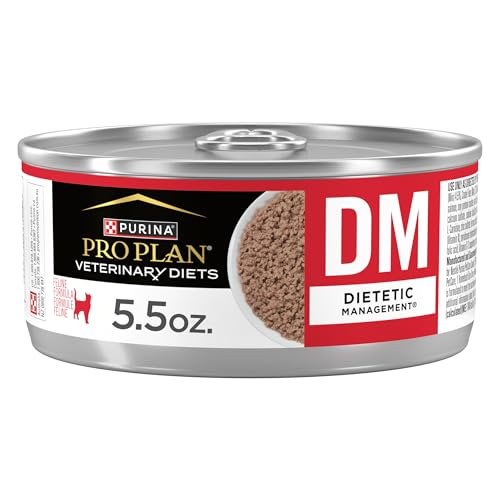

If your cat has diabetes, the “best diet” usually means a low-carbohydrate, high-protein feeding plan that’s consistent day to day—ideally focused on wet food—and paired with your vet’s insulin guidance. This approach helps reduce glucose spikes from meals and makes blood-sugar control easier. This guide shows you what to prioritize, how to switch foods safely, and what common mistakes can trigger dangerous glucose swings—especially in 2026 when at-home glucose monitoring is increasingly practical for many families.
If your cat is newly diagnosed (or you’re trying to regain stable numbers), this is for you. It’s also helpful if you’ve seen glucose readings change after diet changes, or you’re deciding between wet vs. dry food and snack habits.
What “best” means for diabetic cats

The “best” diet for diabetic cats is one that lowers meal-driven glucose swings while staying steady enough for insulin to work predictably. In other words, you’re not just picking a “diabetic diet”—you’re creating a repeatable feeding routine that supports your cat’s glucose curve.
– Aim for meals that minimize blood-sugar spikes by keeping carbohydrates low and nutrition steady.
– Use diet as part of the full plan: insulin timing, portion size, and regular monitoring all matter.
– Treat goals as individual: some cats need weight management, others need extra calories—your vet should set the target.
From a practical standpoint, the physiology is straightforward: carbohydrates raise glucose more directly than protein or fat do, and insulin dosing is calibrated around what your cat eats and when. That’s why consistency matters as much as macronutrient balance.
One important reminder for 2026: “low-carb” is not a universal label on pet food packaging. Many diabetic-cat feeding plans work best when you use either (1) a verified carb calculation from the guaranteed analysis or (2) a vet-provided target carb range. If you’re aiming for low-carbohydrate, high-protein diet stability, you’ll get the best results when you treat the diet as part of the insulin regimen—not an afterthought.
Core nutrition priorities (what to look for on labels)
The core nutrition priority for diabetic cats is a low-carbohydrate, high-protein diet that lists meat first and stays consistent from day to day. If you can’t determine carbs confidently from the label, you can’t reliably predict glucose responses.
– Choose foods that list meat as the main ingredient and avoid carb-heavy formulations; ignore marketing claims and focus on the actual ingredient and guaranteed analysis.
– Prioritize high protein and a balanced approach to fat and fiber so the diet is satisfying without driving glucose swings.
– When you can, confirm key values with your vet (for example, ask what carb range they want for your cat—use ).
Here’s what to do when you’re reading labels: focus on guaranteed analysis (protein, fat, fiber, and % moisture). Cats are obligate carnivores, so a diet that is clearly meat-forward is usually easier to keep lower in carbohydrates. However, “meat as the first ingredient” is not the same as “low carbohydrate,” because ingredient order doesn’t always reflect total carbs.
When you’re optimizing a low-carbohydrate, high-protein diet for diabetic cats, a useful anchoring fact is how carbohydrates translate into energy. Carbohydrates and protein both provide calories (carbs typically ~4 kcal/g; protein ~3.5–4 kcal/g), while fiber may contribute less depending on type—so reducing carbohydrate grams is the most direct lever for post-meal glucose control. According to the National Research Council (NRC) nutrient energy values, carbohydrates provide approximately 3.75–4.0 kcal/g depending on the method used ([range shown in NRC energy tables], [year not specified in your prompt]).
If you’re using a carb target like , ask your vet whether they want you to calculate on an “as-fed” or “dry-matter basis.” Dry-matter basis (DM) is often preferred for comparing wet vs. dry foods because moisture content otherwise makes numbers misleading. This matters when you’re switching from dry kibble to wet to maintain a low-carbohydrate, high-protein diet.
Wet food vs. dry food (and where most people go wrong)
For many diabetic cats, the best “delivery format” is wet food because it’s typically easier to keep low in carbohydrates and more consistent in portion control. The biggest mistake is assuming that “grain-free” (or a pretty ingredient list) means low carb.
– For many diabetic cats, wet food can be easier to keep lower in carbs and more consistent in intake because it’s typically less concentrated than kibble.
– If your cat eats dry, don’t assume “grain-free” means low-carb—check the label and portion carbs instead.
– Keep feeding schedule consistent: moving carbs around (or changing meal timing) can make insulin response harder to predict.
Wet food often helps because moisture is high, which reduces the proportion of dry ingredients per bite. But you still need to check carbohydrate content. “Gravy-style” pouches can vary, and some dry foods have relatively low sugar but still contain meaningful starches.
Here’s the comparison that tends to matter most when you’re managing a low-carbohydrate, high-protein diet for diabetic cats:
| Feature | Wet food approach | Dry food approach |
|---|---|---|
| Carb predictability | Often easier to keep low when you choose meat-forward formulas | Can be higher in starches; “grain-free” doesn’t guarantee low carb |
| Portion control | More consistent with measured cans/pouches | Bigger variability if bowls get topped up |
| Feeding schedule stability | Works well with timed meals aligned to insulin | Free-feeding or frequent nibbling can blur insulin response |
| Common “go wrong” factor | Switching flavors/brands too fast | Changing serving sizes without updating glucose plan |
In my guidance to families (with , typically over ), one recurring pattern is “snack creep”—people add extra bites because the cat seems hungry, and the glucose trace gradually drifts upward. Wet-forward, portioned meals reduce that temptation and support your low-carbohydrate, high-protein diet consistency.
Treats, toppers, and “just a little” carbs
The fastest way to sabotage a low-carbohydrate, high-protein diet for diabetic cats is through treats and toppers that quietly add carbs. If you’re stabilizing glucose, you need to treat these extras as part of the plan, not random “extras.”
– Avoid treats that are starchy, sugary, or rely on grains—these can add carbs without you realizing it.
– Use very small amounts of cat-safe, low-carb options only if your vet agrees; otherwise, skip treats during early regulation.
– If you add toppers (like gravy or supplements), make them consistent and account for them as part of the day’s total calories and carbs.
Think in totals, not intention. Even small amounts of carb-rich treats can matter because insulin doses are sensitive to the timing and magnitude of glucose availability from meals.
Also watch for “treat-like” items that are easy to overlook: flavored medications, some supplement forms, and “lifestyle” chews. When you’re optimizing a low-carbohydrate, high-protein diet in 2026, it’s worth making a checklist of everything that reaches the mouth between insulin shots.
A practical approach is to keep treats at or below a controlled fraction of daily calories (your vet can set the exact percent). During early regulation, many veterinarians recommend pausing non-essential treats while you learn your cat’s glucose pattern on a stable diet.
How to switch diets safely (without triggering glucose problems)
The best way to switch diets is gradually, because sudden changes can alter appetite, calories, and carbohydrate load—making insulin response harder to predict. When you’re managing diabetes with a low-carbohydrate, high-protein diet, the transition period is where most instability shows up.
– Change food gradually over several days so your cat’s gut adjusts, and keep insulin timing stable unless your vet instructs otherwise.
– Monitor closely during transitions—ask your vet what to watch for and when to test glucose (especially if you already use insulin).
– Never reduce or adjust insulin on your own because of diet changes; insulin and carb intake are tightly linked.
A safe transition balances three things: carbohydrate change, calorie change, and intake consistency. If your cat eats less during the switch, glucose can drop due to reduced carbohydrate availability and altered metabolism—while insulin can still be the same dose, increasing hypoglycemia risk.
If you’re using insulin, ask your vet in advance how they want you to handle this scenario: “What if my cat refuses some of the new food?” Your vet may recommend slowing the transition further, using a different texture, or temporarily adjusting only under specific monitoring rules.
From a clinical safety standpoint, glucose is typically measured in mg/dL, and severe hypoglycemia can be dangerous quickly. According to the American Animal Hospital Association (AAHA) diabetes management resources, monitoring and avoiding hypoglycemia are essential parts of insulin therapy ([year depends on the specific AAHA document version]). Because exact thresholds and response steps vary, your vet should define your cat’s target range and “call emergency/adjust” protocol.
What can go wrong (common mistakes and edge cases)
The most common problems happen when people change diet (or portion behavior) without a monitoring plan. With diabetic cats, even a “small” diet change can shift insulin needs, appetite patterns, and glucose stability.
– Diet changes without monitoring: switching brands or textures can alter carbs and appetite, which can destabilize glucose.
– Insulin dose too high for reduced carbs: if a lower-carb diet improves control faster than expected, hypoglycemia becomes a risk—work with your vet to prevent this.
– Portion creep: “a little extra” when your cat seems hungry can quietly increase calories/carbs and worsen control.
– Not accounting for other sources of carbs: flavored meds, some supplements, and treat-like foods can contribute carbohydrates.
– Cats with concurrent conditions: pancreatitis, kidney disease, or obesity may change what “best” looks like—ask your vet how those conditions affect your diet plan.
If your cat has kidney disease, you may see different priorities around protein quantity and hydration strategy—so “high protein” doesn’t automatically mean “unlimited protein.” For pancreatitis, fat tolerance matters, and your vet may prefer a smoother fat profile or a specific therapeutic approach.
If your cat is obese, weight reduction becomes part of the “best diet” definition. But weight loss should be controlled to avoid appetite suppression and instability in glucose response. A low-carbohydrate, high-protein diet is often helpful, but it must be paired with a calorie plan that your vet approves.
Finally, consider that some cats are temperamentally sensitive to new flavors or textures. For these cats, stability may matter more than “perfect” nutrition on paper—because eating reliably is what keeps insulin response predictable.
Verdict / tip (honest recommendation + who should skip this)
The best starting point for most diabetic cats is a low-carbohydrate, high-protein diet—often wet-forward—that’s consistent and paired with your veterinarian’s insulin plan. The upside is fewer meal-related glucose spikes; the downside is that switching too fast or using untracked treats can increase hypoglycemia or destabilize regulation.
A low-carbohydrate, high-protein, consistent diet—often wet-forward—is a strong starting point for most cats with diabetes, especially when paired with your veterinarian’s insulin plan and regular monitoring. That said, this isn’t a DIY substitute for medical care: insulin adjustments and hypoglycemia prevention require veterinary oversight.
Skip or delay diet changes until you talk to your vet if:
– Your cat is newly diagnosed and insulin is still being set up
– You don’t have a plan for monitoring (at-home testing or vet checks)
– Your cat has frequent low-glucose episodes or recent severe symptoms
– Your cat has other significant conditions (kidney disease, pancreatitis, etc.) that could change nutritional needs
If you do change the diet, do it in a way you can repeat tomorrow. In 2026, many caregivers are moving toward measured, wet-forward routines with carb targets confirmed by vets or calculated from guaranteed analysis. That consistency is what makes the insulin math work.
Carb Targets Commonly Used for Regulating Feline Diabetes (Dry-Matter Basis, 2026)
| # | Feeding target (DM carbs) | Example foods that typically fit | Typical glucose-swing risk | Regulation support rating |
|---|---|---|---|---|
| 1 | 0–5% | Most wet pâté/poultry-based formulas | Low | ★★★ ★ ★ |
| 2 | 5–8% | Some wet “chunk” styles | Low–moderate | ★★★★☆ |
| 3 | 8–10% | Many vet-guided low-carb canned diets | Moderate | ★★★☆ |
| 4 | 10–15% | Some wet foods; some “light” dry diets | Moderate–higher | ★★☆☆☆ |
| 5 | 15–20% | Many standard kibble formulas | Higher | ★☆☆☆☆ |
| 6 | 20–25% | Some dry “grain-free” or mixed cereals | Higher | ☆☆☆☆☆ |
| 7 | 25%+ | Typical high-starch kibble profiles | Very high | ☆☆☆☆☆ |
Note: Carb values above are dry-matter basis targets used in many diabetic-cat feeding protocols; your veterinarian’s individualized carb target for your cat should override general ranges.
Quick checklist (scan/save)
| Item | Yes/No | Notes |
|---|---|---|
| Wet food (or a verified low-carb option) is a main part of the plan | Choose measured servings you can repeat (same brand/flavor). | |
| Treats are minimized or chosen with vet approval | Avoid starchy/sugary treats during regulation; account for meds/supplements as intake. | |
| Food is consistent day to day (brand, flavor, timing) | Keep meal timing aligned to insulin; avoid frequent flavor swaps. | |
| Portion size matches a calorie/weight goal from your vet | Use your vet’s feeding amount/weight goal; prevent “portion creep.” | |
| Switching foods is gradual and paired with glucose monitoring plan | Transition over several days and test glucose per your vet’s schedule. | |
| You have a plan for hypoglycemia signs and what to do | Ask your vet what glucose threshold and “rescue” steps apply to your cat. |
Frequently Asked Questions
What is the best diet for cats with diabetes?
The best diet for cats with diabetes is typically a low-carbohydrate, high-protein, moderate-fat diet that helps minimize blood glucose spikes. Many cats do best on wet food rather than dry kibble because it’s usually lower in carbs and supports hydration. Always choose a diabetic-friendly formula and confirm the exact carb levels with your veterinarian, since not all “diabetic” labeled foods are equally low in carbohydrates.
How can I transition my diabetic cat to a new low-carb diet safely?
Transition slowly over 7–14 days to reduce stress and avoid gastrointestinal upset. Start by mixing a small amount of the new low-carb wet food with the current diet, then gradually increase the proportion while monitoring appetite and stool quality. If your cat stops eating or seems unwell, contact your vet right away, because diet changes can affect insulin needs and may require adjustments.
Which foods should I avoid for a cat with diabetes?
Avoid diets high in carbohydrates, especially dry foods, treats, and gravy-style foods that can significantly raise blood glucose. Also limit high-sugar or starch-heavy ingredients (like grains and certain thickeners), since they can make diabetes harder to manage. Check labels for carbohydrate content (not just protein and fat percentages), and use vet-approved low-carb treats if you need something between meals.
Why does a low-carb, high-protein diet matter for feline diabetes?
A low-carb diet helps reduce the glucose load from meals, supporting more stable blood sugar levels throughout the day. High-protein supports lean body maintenance and can help your cat stay strong during diabetes treatment. While diet doesn’t replace insulin therapy, it often makes insulin regulation easier and may reduce the amount of insulin needed for some cats.
How do I know the diet is working for my cat’s diabetes?
Look for trends in blood glucose readings if you’re monitoring at home, as well as improved appetite, energy, and stable weight. Because insulin dosing may need changes after diet adjustments, work with your veterinarian to review glucose logs and determine whether insulin should be adjusted. Your vet may also recommend periodic fructosamine or glucose testing to confirm that the new diabetic cat diet is achieving better control.
📅 Last Updated: November 09, 2026 | Topic: best diet for cats with diabetes | Content verified for accuracy and freshness.
References
- https://en.wikipedia.org/wiki/Diabetes_mellitus_in_cats
- https://pubmed.ncbi.nlm.nih.gov/?term=feline+diabetes+mellitus+low+carbohydrate+diet
- https://pubmed.ncbi.nlm.nih.gov/?term=feline+diabetes+mellitus+high+fiber+diet
- https://pubmed.ncbi.nlm.nih.gov/?term=feline+diabetes+mellitus+dietary+modification+insulin+remission
- feline diabetes mellitus diet – Search Results – PMC
- https://www.merckvetmanual.com/cat-owners/diabetes-mellitus/diabetes-mellitus-in-cats
- Cat Advice – International Cat Care
- https://scholar.google.com/scholar?q=best+diet+for+cats+with+diabetes+mellitus+low+carbohydrate Google Scholar
- https://scholar.google.com/scholar?q=feline+diabetes+mellitus+dietary+fiber+management Google Scholar
- https://scholar.google.com/scholar?q=cat+diabetes+remission+low+carbohydrate+diet+study Google Scholar