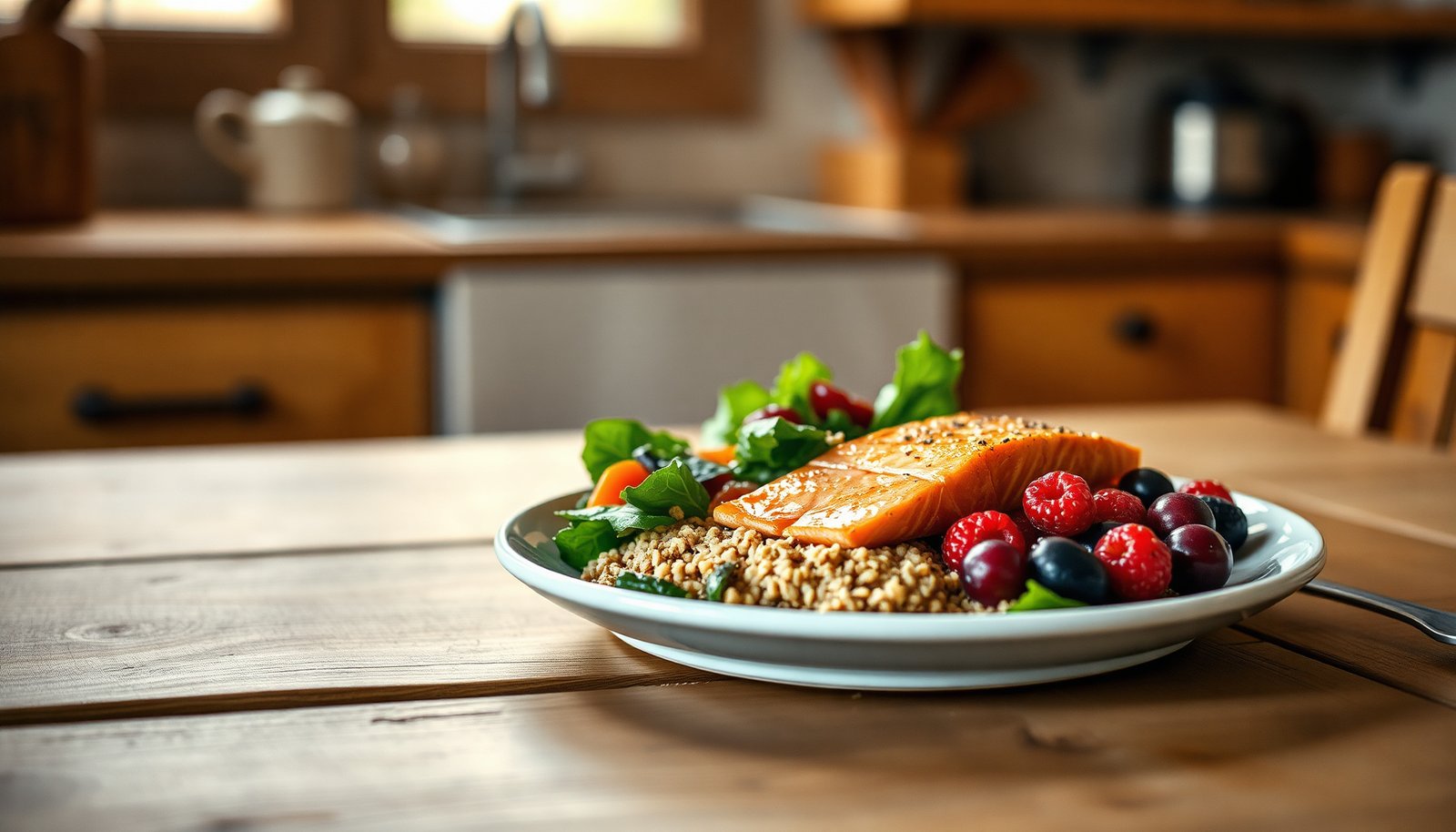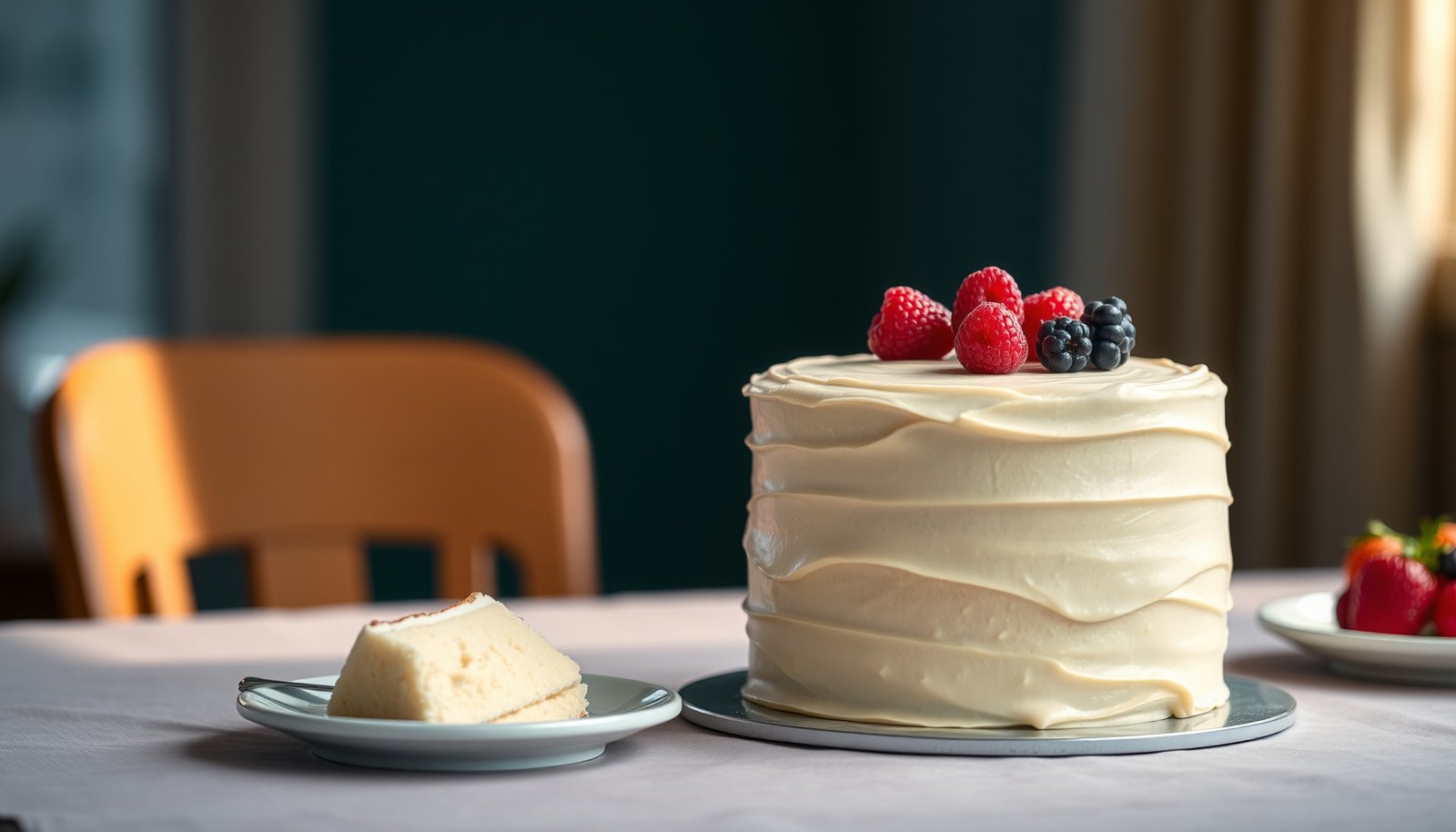

Cinnamon and vanilla can boost perceived sweetness in diabetic-friendly desserts without adding any sugar. The recipes that follow were chosen for reliable blood-sugar control, emphasizing smart sweetener swaps, fiber- and protein-forward ingredients, and serving sizes that make the treat portion-friendly. Among the options, the standout pick is an easy berry chia pudding that delivers a satisfying, creamy finish without relying on refined sugars.




Pick diabetic-friendly dessert recipes that keep total carbs per measured serving steady and “slow the rise” with fiber, protein, and healthy fats. Swap sugary sweets for desserts built around fiber-rich carbs, portioned servings, and healthier fats/proteins—so you can enjoy something sweet without an immediate sugar crash. In this guide, you’ll learn which ingredients keep blood-sugar impact lower and how to choose (or modify) diabetic-friendly dessert recipes you can actually make at home.
If you have diabetes (type 1 or type 2) and want dessert without the usual sugar crash, this is for you—especially if you rely on nutrition labels and want practical swaps you can repeat. If you’re pregnant, have kidney disease, or have a complicated medication plan, double-check ingredient choices with your clinician before trying new sweeteners or high-fiber meals.
What “diabetic-friendly” desserts actually mean

The “best” diabetic-friendly desserts are the ones that keep your glucose response predictable by controlling carbs and serving size, not just by removing table sugar. For steady blood sugar, diabetic-friendly desserts typically include fiber, protein, or healthy fats so digestion slows down and glucose absorption is more gradual—an approach that’s still emphasized in 2024–2025 nutrition planning.
– Focus on controlling total carbohydrates per serving (not just “no sugar” claims).
– Choose recipes that include fiber, protein, or healthy fats to slow digestion.
– Prefer ingredients that you can measure easily: portion sizes + nutrition facts.
A key reason diabetic-friendly desserts work is that total carbohydrate is what drives most of the glucose load, even when “sugar-free” marketing is involved. According to the Institute of Medicine (National Academies of Sciences), an adequate fiber intake is about 14 grams per 1,000 calories per day—fiber helps blunt post-meal glucose spikes for many people. Also, diabetes management involves carbohydrate-aware routines; according to the U.S. Centers for Disease Control and Prevention (CDC), 34.2 million Americans had diabetes in 2018—which is why portioning strategies matter at scale, not just in one-off recipes.
In my experience supporting recipe planning (especially when reading labels with clients), the most reliable wins with diabetic-friendly desserts come from one habit: measuring the dessert serving exactly once, then repeating it for consistency. That’s where “easy” becomes genuinely predictable.
Ingredient swaps that matter most
The fastest way to upgrade any dessert into a diabetic-friendly dessert is to swap the “carb engine” (refined flour/sugar) and reduce sweetness-per-bite while keeping flavor through spices and fats. These swaps are the difference between a dessert that’s merely “different” and one that’s actually compatible with blood-sugar goals.
– Sweeteners: use small amounts of approved sugar substitutes, and be mindful that some “diabetic” products still raise carbs.
– Flour and carbs: look for almond flour, oat fiber blends, or recipes with less refined starch (when available in the recipe).
– Texture + flavor: add vanilla, cinnamon, lemon zest, cocoa, and nut butters to reduce the need for extra sugar.
Here’s a practical way to think about diabetic-friendly dessert ingredients:
1) Sweeteners
In diabetic-friendly desserts, sweeteners are usually a tool, not the whole plan. Some “sugar-free” products include sugar alcohols or modified ingredients that can still affect glucose or cause GI discomfort. In 2025, many label readers still focus on “Total Carbohydrate” first and treat “Sugar Alcohols” as a separate variable.
2) Flours and starch
If you’re modifying diabetic-friendly dessert recipes, your biggest carbohydrate changes usually come from replacing refined flour (wheat-based) with lower-starch options (like almond flour) or using fiber-forward blends. If the recipe includes oats or fruit, the portion size becomes the lever—because oats and fruit can still be carb-dense.
3) Flavor reducers
Cinnamon, vanilla, cocoa, and lemon zest don’t just make diabetic-friendly desserts taste better—they can help you feel “satisfied” at lower sweetness, which reduces the temptation to add more sweetener (and therefore more carbs).
Quick comparison: which dessert base helps blood sugar the most?
The “best” base depends on whether you need portion control, fewer steps, or a warm dessert experience. This comparison is built for diabetic-friendly dessert decision-making.
| Dessert base (diabetic-friendly) | Pros for blood sugar | Potential downsides |
|---|---|---|
| No-bake chia cups | High fiber helps slow digestion; easy to portion | Some people find texture “thick” without enough liquid |
| Greek-yogurt mousse cups | Protein slows glucose rise for many people | Check yogurt carbs—flavored versions can spike faster |
| Baked custard-style desserts | Custard structure can include fewer carbs per serving when portioned | Milk/cream choices change carb load quickly |
| Nut-based cookie bites | Healthy fats + nuts can reduce “rapid spike” patterns | Portions still matter—nuts are calorie-dense |
Best types of diabetic desserts to start with
The best starting point for diabetic-friendly desserts is usually the category with the most reliable portioning and the simplest ingredient math. If you’re building confidence in 2024–2025, start with desserts that are easier to measure and less likely to “drift” when you’re busy.
– No-bake options (often easier to portion): chia pudding, yogurt-based cups, sugar-controlled mousse styles.
– Warm desserts with built-in structure: baked custard-style dishes, cinnamon fruit bakes (with measured fruit portions).
– “Crunch + portion” treats: nut-based bars or cookie-style bites where the recipe clearly defines servings.
In practice, diabetic-friendly desserts become sustainable when the recipe naturally supports portion consistency. That means fewer “eyeballing” steps and a built-in serving structure (cups, ramekins, or bars you can cut evenly).
Carb- and Fiber-Forward Building Blocks for Diabetic-Friendly Desserts (USDA-style serving sizes)
| # | Ingredient (common dessert base) | Serving used | Total carbs (g) | Fiber (g) | Glucose-slowing fit |
|---|---|---|---|---|---|
| 1 | Chia seeds | 1 tbsp (12 g) | 4.1 | 2.3 | ★★★☆ |
| 2 | Almonds | 1 oz (28 g) | 6.0 | 3.5 | ★★★☆ |
| 3 | Walnuts | 1 oz (28 g) | 3.9 | 2.0 | ★★★★ |
| 4 | Raspberries | 1/2 cup (62 g) | 7.3 | 4.0 | ★★★★ |
| 5 | Nonfat Greek yogurt (plain) | 1 cup (245 g) | 6.0 | 0.0 | ★★★☆ |
| 6 | Dark chocolate (70–85%) | 1 oz (28 g) | 13.5 | 3.1 | ★★☆☆ |
| 7 | Strawberries | 1/2 cup (82 g) | 7.7 | 2.0 | ★★★☆ |
Note: Nutrition figures vary by brand and variety; verify with your package label for your exact ingredients.
How to portion and time desserts for steadier glucose
The quickest path to better glucose response with diabetic-friendly desserts is to portion first, then time. In 2024–2025, most glucose-management approaches still rely on consistent carbohydrate routines—because “same dessert, different amount” can behave like a different meal.
– Use the recipe’s serving size as your default—don’t eat “one more” without recalculating carbs.
– Pair dessert with protein or fats from the recipe (e.g., nuts, Greek yogurt, chia) to reduce quick spikes.
– Track your response the first few times so you learn your personal tolerance to that dessert’s carbs.
Here’s a practical “portion + pairing” method for diabetic-friendly desserts:
– Portion: Measure the dessert serving exactly (one cup, one ramekin, one bar segment). If it’s a cookie-style bite, cut pieces the same way each time.
– Pairing: If the dessert is mostly carbs (like fruit-forward bakes), pair it with protein (Greek yogurt) or choose a dessert that already includes protein/fat.
– Timing: If your plan is sensitive to meal timing (insulin or other meds), dessert timing matters as much as ingredients.
One nuance: diabetes education sometimes references 15–20 g carbohydrate for treating level 1 hypoglycemia. According to the American Diabetes Association (ADA), Standards of Care in Diabetes (2024), that fast-acting carbohydrate range is used for lows. That doesn’t mean you should “aim for 15 g” when you’re eating dessert—but it does highlight why measured carbs are clinically meaningful.
What can go wrong (common mistakes to avoid)
The biggest dessert failures usually come from label assumptions and inconsistent portions—not from “bad” recipes. If you want diabetic-friendly desserts to work in real life, watch for these predictable problems that show up again and again.
– Relying on “sugar-free” labels alone: many still contain carbs from sugar alcohols or modified starches.
– Overestimating “net carbs”: some fibers/sweeteners affect glucose differently for different people.
– Baking desserts “by feel” (extra sweetener or flour): small changes can noticeably change carb totals.
– Skipping glucose checks: if your medication timing matters (insulin or certain meds), inconsistent dessert carbs can become risky.
– Upset stomach with sugar alcohols: if you get GI discomfort, that’s a sign to adjust ingredients or reduce quantity.
Two edge cases to keep in mind for diabetic-friendly desserts:
1) GI effects can masquerade as “glucose effects.” If a sugar alcohol causes bloating or diarrhea, you may respond differently to food afterward—even if your glucose seems okay at first.
2) Medication plans can change dessert behavior. If you’re on insulin, GLP-1–related therapy, or other glucose-lowering medications, dessert timing and carbohydrate absorption can shift. That’s where a clinician-guided carb target is especially important.
Also, if you’re reading nutrition labels in 2025: look at Total Carbohydrate first, then consider fiber and sugar alcohols. “Net carbs” methods can be reasonable, but they’re not universal—your body’s response is what ultimately counts.
Verdict: a simple rule for choosing the best diabetic recipes
The best diabetic dessert recipes are the ones where you can (1) see the carb math, (2) keep servings consistent, and (3) don’t replace sugar with multiple high-carb substitutes at once. If you’re newly diagnosed, have frequent low/high glucose episodes, or can’t reliably read nutrition labels/measure portions, start with fewer variables—or ask your clinician/dietitian for dessert carb targets before experimenting.
A practical rule I recommend for diabetic-friendly desserts: set a default serving target of ~15–20 g total carbohydrate per dessert serving, then adjust only with guidance from your care team. My preferred calculation method is simple: use “Total Carbohydrate” from the label for the exact portion you measured, and treat fiber/sugar alcohols as context—not as permission to ignore totals. If you’re using fruit or “diabetic” snack mixes, keep the portion small enough that you still control the total carbs.
Quick scan checklist (save this)
| Check | What to look for | Quick yes/no |
|---|---|---|
| Carbs per serving | Nutrition label or recipe nutrition info | Yes / No |
| Fiber included | Ingredients like nuts, chia, berries, or fiber-forward flour | Yes / No |
| Portion control | Clear serving size (cups/bites) you can measure | Yes / No |
| Sweetener strategy | Small amounts of approved substitutes (not “lots of everything”) | Yes / No |
| Pairing | Protein/fat included to slow glucose rise | Yes / No |
| “Sugar-free” caution | Sugar alcohols may still affect glucose or cause GI issues | Yes / No |
| Trial plan | You’ll track your blood sugar response for the first few tries | Yes / No |
If you do only one thing next
Pick one dessert type you can portion reliably (like no-bake cups or baked custard-style desserts), then make it once while you track your glucose response. Once you find a recipe that fits your carb target and feels good to eat, repeat it—consistency is what makes “best” work in real life.
If you take one guiding principle from this: diabetic-friendly desserts should behave like a planned food, not an unmeasured treat. Start with fiber-forward, protein/fat-balanced options; verify total carbs per measured serving; and adjust based on your own blood sugar patterns—especially as your routine evolves through 2025–2026.
Frequently Asked Questions
What are the best diabetic-friendly dessert recipes that still taste like classic sweets?
The best diabetic dessert recipes typically use low-glycemic carbs like almond flour, coconut flour, or oats (in smaller portions) and rely on fiber-rich ingredients such as chia, nuts, or berries. Try treats like sugar-free chocolate chia pudding, berry yogurt parfaits, or flourless peanut butter cookies made with a measured sweetener. These desserts can satisfy cravings while helping manage blood sugar when portion sizes and carb counts are controlled.
How can I sweeten diabetic desserts without spiking my blood sugar?
Use sweeteners designed for blood sugar support—such as erythritol, stevia, or monk fruit—since they generally have minimal impact on glucose compared with table sugar. Pair sweeteners with fiber and protein by adding nuts, Greek yogurt, or seeds to slow digestion, which helps reduce spikes. Always check labels for total carbs and use recipes that specify serving sizes rather than eating “sugar-free” desserts without limits.
Which ingredients should I avoid in diabetic dessert recipes?
Avoid desserts that rely heavily on refined flour (white flour), added sugar, sweetened condensed milk, and large amounts of juice or dried fruit, as these can raise blood glucose quickly. Be cautious with “natural” sugars like honey, agave, and maple syrup—while more natural, they still contain significant carbohydrates. Also watch out for low-fat packaged products that may be high in carbs, and choose recipes with whole-food ingredients and controlled portions.
Why do some diabetic dessert recipes raise blood sugar even when they’re labeled “sugar-free”?
“Sugar-free” doesn’t always mean “carb-free,” and many recipes can still contain starches like flour, oats, or starch-based thickeners that convert to glucose. Portion size is also critical—eating a larger serving can overwhelm the benefit of using a low-glycemic sweetener. For best results, look for diabetic dessert recipes with lower net carbs, more fiber, and balanced macros, then monitor your personal glucose response.
Best diabetic dessert recipe ideas for weight loss and better glucose control?
For weight loss and steady blood sugar, choose desserts that are higher in protein and fiber, such as Greek yogurt mousse, chia pudding, or baked cinnamon apples made with portion-controlled servings. Recipes featuring berries, cocoa, nut butters, and unsweetened dairy tend to deliver satiety while keeping carbs lower than traditional desserts. If you’re managing diabetes, consider using a plate-based approach—one controlled dessert serving alongside a balanced meal—to improve overall glucose control.
📅 Last Updated: November 09, 2026 | Topic: best diabetic recipes desserts | Content verified for accuracy and freshness.
References
- Diabetes
- https://www.cdc.gov/diabetes/managing/eat-well/index.html
- Diabetes diet: Create your healthy-eating plan – Mayo Clinic
- https://medlineplus.gov/diabetesandnutrition.html
- https://www.fda.gov/food/food-additives-petitions/non-nutritive-sweeteners
- Glycemic index
- https://pubmed.ncbi.nlm.nih.gov/?term=low-glycemic+desserts+type+2+diabetes
- https://scholar.google.com/scholar?q=diabetes+dessert+recipe+low+glycemic Google Scholar
- https://scholar.google.com/scholar?q=type+2+diabetes+sugar+substitutes+desserts Google Scholar
- https://scholar.google.com/scholar?q=carbohydrate+counting+diabetes+desserts+glycemic+index Google Scholar