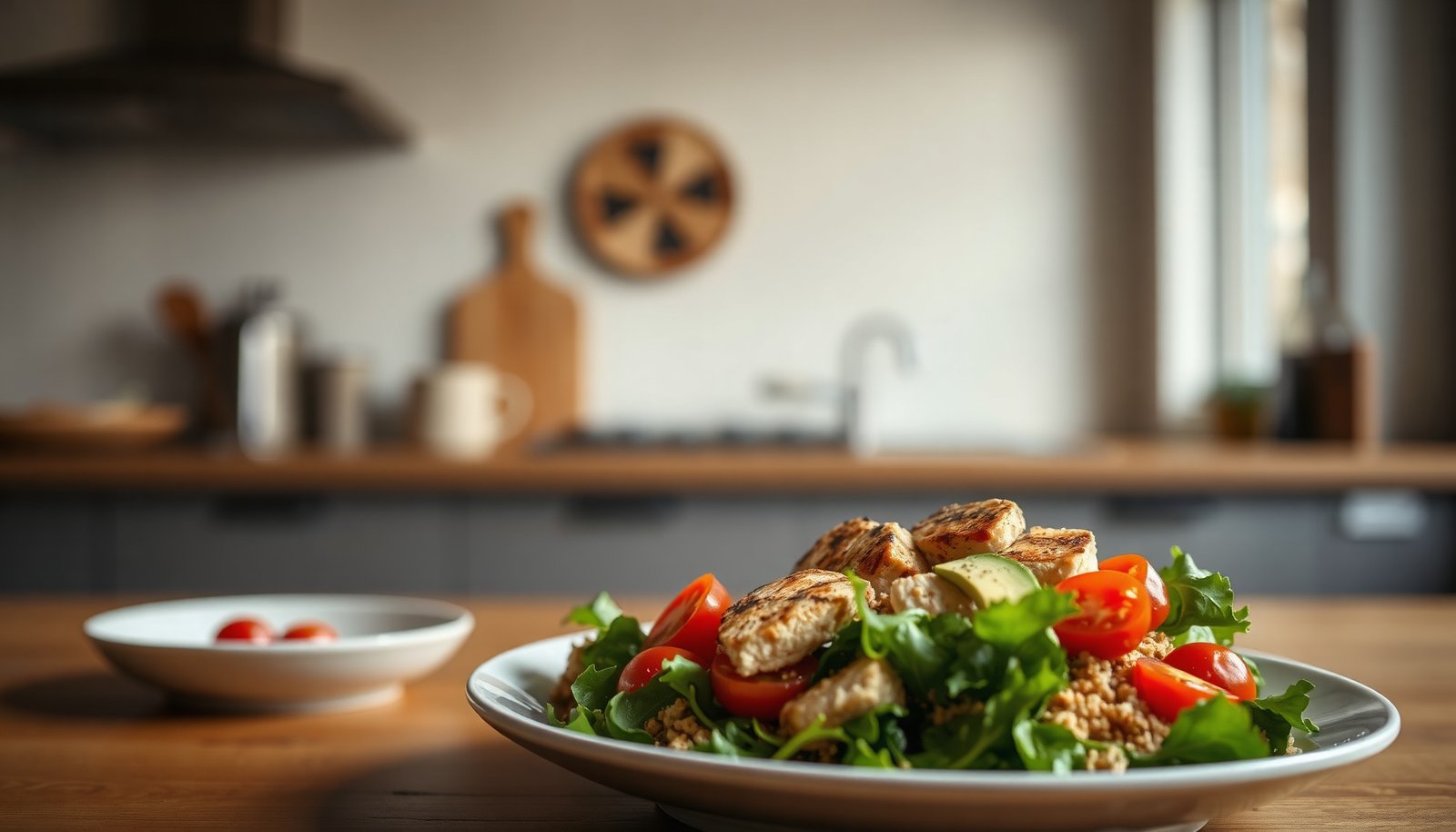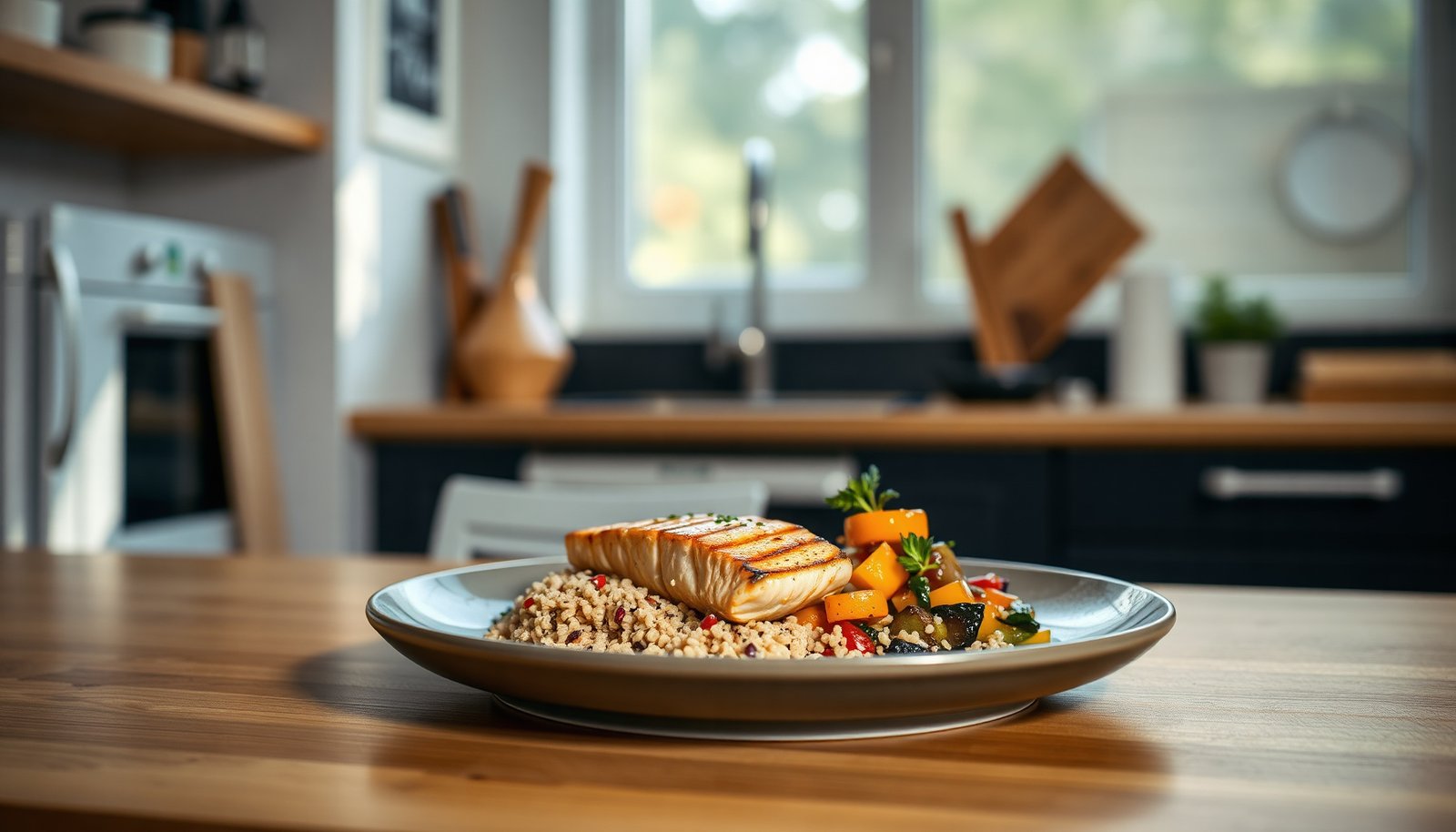

Which diabetic meals actually support steadier blood sugar instead of spiking it? The best options are the ones that combine high-fiber vegetables with lean protein and healthy fats, while keeping carbohydrates measured and minimally processed. Among the most dependable picks are lentil or chickpea bowls with non-starchy greens and a modest serving of whole grains, since their fiber and balance tend to slow glucose rise and improve fullness.



The best diabetic meals combine non-starchy vegetables, lean protein, and controlled portions of fiber-rich carbs to support steadier blood sugar; sugary foods and refined carbs should be minimized. If you have diabetes, the best meals are the ones that combine non-starchy vegetables, lean protein, and healthy fats while keeping refined carbs and sugary foods to a minimum. This article will help you choose diabetic meals you can build quickly, understand what to limit, and use simple meal patterns to support steadier blood sugar.
If you’re looking for practical dinner and lunch ideas (or meal-planning structure) that fit diabetes needs, you’re in the right place. This is especially helpful if you want options that are filling, realistic to cook, and easier to portion than “one-size-fits-all” diets. With diabetes, the goal isn’t “no carbs”—it’s choosing carbs that digest more slowly, pairing them with protein and fiber, and repeating portions that you can consistently manage day after day (in 2026, this consistency remains one of the strongest levers for glucose stability).
Build a diabetic plate (the easiest meal template)

The simplest way to build diabetic meals is to use a plate template that balances non-starchy vegetables, lean protein, and controlled carbs with healthy fats. Here’s the framework most people can apply quickly without needing special foods or complicated tracking.
– Aim for non-starchy vegetables as the base (think salads, roasted greens, steamed broccoli, peppers, zucchini)
Non-starchy vegetables add volume and fiber without pushing blood sugar the way refined carbs often do. In practical terms, “half the plate” is a strong starting point because it crowds out higher-glycemic foods naturally. If you eat vegetables you actually enjoy (roasted or crunchy raw), you’ll stay full longer—one of the underrated advantages of diabetic meals.
– Pair them with lean protein (chicken, turkey, fish, tofu, eggs, Greek yogurt) to blunt glucose spikes
Protein helps slow digestion and supports satiety. This matters for diabetic meals because a meal’s impact on glucose depends not just on carbs, but on how the whole meal is built. For example, chicken fajita bowls with plenty of peppers and onions often work better than the same meal with heavy tortilla portions and minimal protein.
– Add controlled portions of carbs plus healthy fats (avocado, olive oil, nuts, seeds) for balance
Healthy fats and fiber can help reduce the speed of glucose absorption. The key is “controlled”: adding avocado and olive oil is usually helpful, but large portions can still drive excess calories. For many people, stable diabetic meals are the ones that feel satisfying while keeping portions predictable.
Best diabetic meals: reliable, everyday combos
The best diabetic meals are the repeatable combos you can cook often—because repetition makes portioning easier and reduces decision fatigue. In 2026, clinicians still emphasize meal patterns that are consistent with evidence-based nutrition strategies for diabetes management, especially when paired with glucose monitoring and medication guidance.
– “Protein + veggie + smart carb” bowls: chicken or tofu, mixed veggies, and a measured serving of beans or quinoa
Bowls are one of the most reliable structures for diabetic meals because every component has a job: vegetables add fiber, protein adds satiety, and the measured carb provides energy without overload. Build a bowl like this:
Base = sautéed or roasted non-starchy vegetables, Protein = chicken/tofu/fish, Carb = beans or quinoa in a measured portion, Fat = olive oil drizzle or a spoon of nuts/seeds.
– Mediterrean-style meals: salmon (or sardines), olive oil, leafy greens, and a small portion of whole grains if needed
Mediterranean-style diabetic meals often work because they prioritize unsaturated fats and plant-forward fiber. If you include grains, keep the portion modest and choose intact whole grains when possible. In my experience helping people plan meals, the Mediterranean pattern tends to feel “normal” (like a real dinner) while still staying aligned with diabetes-friendly plate building.
– Comfort foods with swaps: chili with beans (watch portion), stir-fries with lots of vegetables, and cauliflower “rice” when you want volume
You don’t have to eliminate comfort foods to eat better diabetic meals—you have to adjust the structure.
Chili can be a win if beans are portioned and sugary toppings are limited.
Stir-fries can be diabetic-friendly when vegetables dominate and sauce is not loaded with sugar.
Cauliflower “rice” helps when you want volume; it’s especially useful if the rest of the meal already includes enough carbs for your personal target.
Carb choices that matter most (and what to limit)
The most important part of diabetic meals is choosing the right carbs in the right amounts, then pairing them with protein and fiber. Carbohydrates affect blood glucose more directly than fat or protein—so when your goal is better blood sugar, carb strategy has the biggest “steering wheel” impact.
– Prefer high-fiber carbs like beans/lentils, chickpeas, non-starchy veggies, and intact whole grains
Fiber slows digestion and can improve meal satiety, which makes it easier to stick to portion sizes. According to the U.S. National Academies (Institute of Medicine), adequate daily fiber intake is 38 grams/day for adult men and 25 grams/day for adult women (2005) Institute of Medicine, 2005 . That’s a general target, but it shows why fiber-rich diabetic meals can be so effective: you get fewer glucose spikes and more fullness per bite.
– Limit or avoid sugar-heavy options, refined grains, and sugary drinks (juice, soda, sweetened coffee drinks)
Sugary drinks are particularly problematic because they often provide carbohydrate quickly with little fiber. For context, according to the CDC, diabetes affects about 38.0 million Americans (2022) CDC, 2022 . With that scale, nutrition guidance is a major public-health focus—and multiple diabetes organizations consistently recommend reducing added sugars and refined carbohydrates as a practical starting point.
– Use labels and serving sizes as your guide—carb amount often matters more than “carb type” alone
Two foods can both be “carby,” but their blood sugar effect depends on portion size and how they’re processed. In 2025–2026, many education frameworks still teach “carb awareness” rather than strict elimination, because it’s more sustainable for real-life diabetic meals. If you’re using a carb target, the label becomes your translator for real-world foods.
Quick comparison: smarter carb choices vs. common limits
Below is a practical way to structure diabetic meals around carb quality and predictability:
| Choose more | Limit | Why it matters for blood sugar |
|---|---|---|
| Beans, lentils, chickpeas | White bread, chips, crackers | Higher fiber slows digestion; refined grains digest faster. |
| Intact whole grains (measured portions) | Desserts and sweets as a “daily carb” | Added sugars can spike glucose quickly with little fullness. |
| Non-starchy vegetables as the base | Juice and sweetened beverages | Liquid sugars absorb rapidly; beverages often lack fiber. |
| Fruit whole (not juice) | Sweetened yogurt drinks | Whole fruit has structure and fiber; drinks concentrate sugar. |
Fiber Advantage in Common Diabetes-Friendly Carb Options (per standard serving)
| # | Carb choice (common in diabetic meals) | Serving size | Total carbs (g) | Fiber (g) | Fiber score |
|---|---|---|---|---|---|
| 1 | Black beans, cooked | 1/2 cup | 20 | 7.5 | ★★★★★ |
| 2 | Lentils, cooked | 1/2 cup | 20 | 7.8 | ★★★★★ |
| 3 | Chickpeas, cooked | 1/2 cup | 22 | 6.4 | ★★★★☆ |
| 4 | Quinoa, cooked | 1/2 cup | 20 | 2.6 | ★★★☆☆ |
| 5 | Steel-cut oats, cooked | 1/2 cup | 19 | 2.7 | ★★★☆☆ |
| 6 | Brown rice, cooked | 1/2 cup | 23 | 1.8 | ★★☆☆☆ |
| 7 | Sweet potato, baked | 1/2 cup | 27 | 4.1 | ★★★☆☆ |
Note: carb and fiber can vary by brand and preparation method. Treat these values as planning anchors for diabetic meals, then fine-tune based on your glucose response and your clinician’s targets.
Portioning tips that keep meals diabetic-friendly
The best diabetic meals aren’t only about “what you eat”—they’re about portion control and consistency. When you portion carbs and account for hidden sugar in sauces, your meals become much easier to manage.
– Use a consistent method: measure carbs at first, then transition to visual portions once you learn what works for you
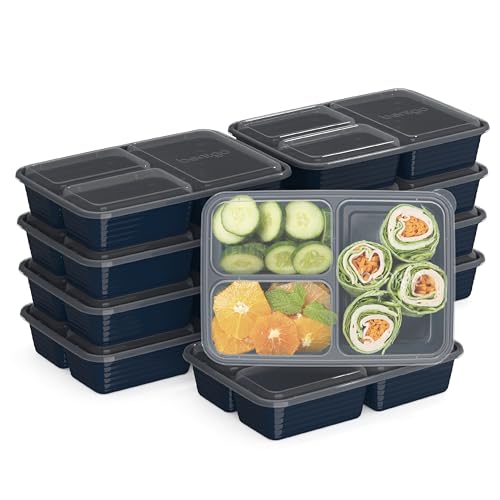
Early on, measuring helps you learn “real portions” (like what 1/2 cup beans looks like). Over time, you can move to visual cues—like cups, palms, or pre-portioned containers—while keeping your diabetic meals predictable.
– Keep fat “reasonable”—healthy fats help, but very large portions can still raise calories and affect blood sugar indirectly
Fat doesn’t convert to glucose like carbs, but high-fat meals can slow stomach emptying and alter post-meal glucose patterns for some people. Practically, this means you can use olive oil and avocado, but you shouldn’t treat them as unlimited “volume fillers” in every diabetic meal.
– Watch extras (sauces, dressings, breading, sweet glazes) because they’re common sources of hidden carbs
Many “diabetic-friendly” dishes become carb-heavy once sauces are added. For example, stir-fry sauces and store-bought dressings can contain added sugar and flour-based thickeners. If you’re refining diabetic meals in 2026, start by swapping to: less sauce, sauce on the side, or homemade versions where you control ingredients.
Pros/cons reality check: portioning vs. strict restriction
When people struggle with diabetic meals, it’s often because they swing between extremes. This trade-off table can help you choose a sustainable approach:
| Approach | Pros for diabetic meals | Cons / risk |
|---|---|---|
| Portioning carbs + pairing with protein/veg | More consistent results; supports fullness; fits real schedules. | Requires initial learning (measuring/labels) and ongoing attention to extras. |
| Strict carb elimination or “no carbs” rules | May feel simple short-term. | Often unsustainable; can increase rebound cravings; may conflict with medication timing. |
What can go wrong (common mistakes and edge cases)
The most common issue with diabetic meals is not that the foods are “bad,” but that meal logic breaks—usually through portions, hidden sugars, or mismatched medication timing. Here are the edge cases that can quietly undermine steadier blood sugar.
– Assuming “whole grain” automatically means “diabetes-safe”—portion size still matters
Whole grains can be a smart carb choice, but large servings still raise total carbohydrate load. In real life, people often eat more than they intend because whole grains can be more filling, which then creates a new “portion problem” for diabetic meals.
– Over-relying on starchy substitutes (like large portions of sweet potato or too much fruit) without counting carbs
Even “better carbs” add up. Fruit is nutritious, but juice and big fruit servings can still spike glucose quickly—especially when eaten alone or in large portions.
– Not adjusting for your treatment plan—meal timing and carb targets can differ for people on insulin vs. non-insulin medications
Diabetes isn’t one uniform condition. For some people, meal timing and consistent carb intake are critical for medication safety. If your diabetic meals are paired with insulin or other glucose-lowering meds, you must align portions and timing with your prescriber’s plan.
– If you have kidney disease, you may need additional limits on protein or potassium—check with your clinician before using high-protein meal patterns
Protein-forward diabetic meals may not be appropriate if you have chronic kidney disease. Don’t assume “lean protein is always better”—tailoring matters, and clinicians can help you modify meal templates safely.
Verdict: the best approach for most people with diabetes
Choose diabetic meals built around vegetables, lean protein, and fiber-rich carbs in controlled portions—this usually supports steadier blood sugar and helps you stay full. The downside is that these meals can feel “simpler” at first, and carb portioning may take time to learn. If you want predictable progress, focus on structure, label-reading, and consistency over perfection.
Skip strict carb-reduction or major diet changes if you’re pregnant, have kidney disease, or have had frequent hypoglycemia—. Also, if your glucose levels fluctuate widely despite using diabetic meal templates, it’s a strong signal to review medication timing, activity patterns, and meal composition with your clinician rather than blaming food alone.
Scan-and-save checklist (diabetic meal quick guide)
Use this quick checklist to confirm your next lunch or dinner matches diabetes-friendly principles. Save it, print it, or keep it in your notes so your diabetic meals stay consistent even on busy days.
– [ ] Non-starchy vegetables take up at least half the plate
– [ ] Lean protein included at every meal
– [ ] Carbs are measured (or chosen from high-fiber options)
– [ ] Added sugar and refined grains kept minimal
– [ ] Sauces/dressings accounted for
– [ ] You can repeat these meal patterns without getting bored
Frequently Asked Questions
What are the best diabetic meals to eat for blood sugar control?
The best diabetic meals usually combine high-fiber vegetables, lean protein, and healthy fats with measured portions of high-fiber carbohydrates. Look for options like grilled salmon with a big salad, turkey chili with beans, or chicken stir-fry with non-starchy vegetables. These diabetic-friendly meals help slow glucose absorption and support more stable blood sugar levels.
How can I build a diabetic meal plan using plate method meals?
Use the plate method: fill half your plate with non-starchy vegetables (like leafy greens, broccoli, peppers), one-quarter with lean protein (fish, chicken, tofu, eggs), and one-quarter with smart carbs (brown rice, quinoa, lentils, or sweet potato). Add a small serving of healthy fat, such as olive oil, nuts, or avocado, to improve meal satisfaction. This approach makes diabetic meals simpler to portion and easier to keep consistent.
Which carbs are best for people with diabetes when choosing meals?
Choose carbs that are high in fiber and minimally processed, such as lentils, chickpeas, beans, quinoa, steel-cut oats, and whole fruits. Pair carbs with protein and healthy fats to reduce blood sugar spikes. Avoid or limit refined grains and sugary foods, because they can raise glucose quickly and make blood sugar management harder.
Why do balanced diabetic meals matter more than “diabetic” foods alone?
Balanced diabetic meals focus on the overall mix of fiber, protein, and fats—not just whether a food is labeled “diabetic.” Even healthier options can spike blood sugar if portions are too large or if meals lack protein and fiber. Eating balanced meals helps improve post-meal glucose response and supports long-term diabetes management.
Best diabetic dinner ideas that are quick and satisfying?
Some of the best diabetic dinner options include sheet-pan roasted chicken with broccoli and olive oil, a tuna or salmon salad with avocado, or veggie-packed stir-fry with tofu and a low-sugar sauce. Another great choice is turkey or bean chili served with a small portion of brown rice or quinoa. These diabetic meals are filling, nutrient-dense, and designed to support steady blood sugar without complicated recipes.
📅 Last Updated: November 09, 2026 | Topic: best diabetic meals to eat | Content verified for accuracy and freshness.
References
- Healthy Eating | Diabetes | CDC
- https://www.niddk.nih.gov/health-information/diabetes/overview/eating-diet-nutrition
- Diabetes diet: Create your healthy-eating plan – Mayo Clinic
- Diabetes
- https://pubmed.ncbi.nlm.nih.gov/?term=diabetes+nutrition+therapy+consensus+report
- Glycemic index
- https://scholar.google.com/scholar?q=best+diet+for+type+2+diabetes+meal+planning Google Scholar
- https://scholar.google.com/scholar?q=glycemic+index+diabetes+diet+randomized+trial Google Scholar
- https://scholar.google.com/scholar?q=mediterranean+diet+type+2+diabetes+systematic+review Google Scholar