
The best sugar for diabetic diets isn’t table sugar—it’s sugar substitutes that deliver sweetness with minimal impact on blood glucose. If you’re choosing what to use instead of table sugar, the top pick depends on whether you want zero/near-zero carbs (for the tightest glucose control) or a low-glycemic option for everyday baking. This guide tells you which “diabetic sugar” wins by goal, taste, and real-world blood-sugar effect.


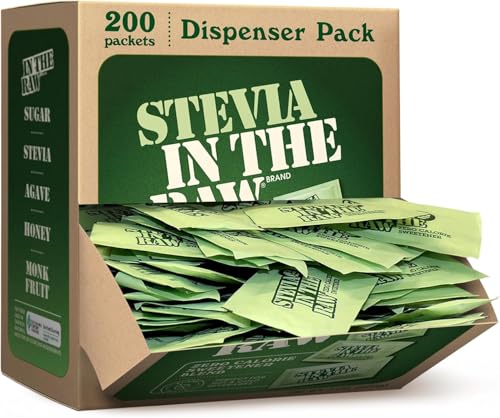

If you’re diabetic, the “best sugar” is usually a sweetener that helps you keep blood glucose steadier—most often stevia or monk fruit in typical amounts—while sugar alcohols can work for some people when portioned carefully. The safest choice depends on your blood-glucose pattern, your diabetes medication plan, and how many total carbohydrates you’re actually eating (not just how sweet something tastes).
If you’ve been searching for which sweetener won’t spike your blood sugar, this is for you—especially if you want to sweeten coffee, tea, yogurt, or baked foods without relying on regular table sugar. It also helps if you’ve noticed that “diabetic” products still affect your glucose.
Why “best” depends on blood sugar impact (not just the label)
The “best sugar” for diabetes is the one that produces the smallest rise in your blood glucose after you eat it. Labels like “diabetic” or “low sugar” can be misleading because what matters most is the total carbohydrate load and whether the ingredient is actually glucose-raising (or influences digestion/absorption).
Research confirms that blood glucose response is individualized: two people can react differently to the same sweetener, especially when portions differ or when the sweet taste is paired with starches or refined carbs. That’s why your glucose data (from your usual monitoring plan) is more actionable than marketing terms. As of 2026, nutrition labeling still provides the best starting point for carbohydrate math—especially “Total Carbohydrate” per serving—so you can predict the direction of your blood glucose response.
Glycemic index (GI) is measured by comparing blood glucose response after eating a food with 50 g of available carbohydrate versus a reference food in the same people. FAO/WHO GI methodology (Foster-Powell et al., 2002)
Diabetes guidance emphasizes carbohydrate awareness because carbohydrates—regardless of whether they taste sweet—are what drive most glucose increases in typical meals. American Diabetes Association (ADA), nutrition therapy/carbohydrate recommendations
FDA-style “nutrition facts” reporting centers on nutrients per serving, so different serving sizes can change the carbohydrate impact even when the label looks similar. U.S. FDA nutrition labeling regulations (labeling guidance)
– Many products marketed for diabetics still contain carbs (or glucose-raising ingredients), so the ingredient list matters more than the word “diabetic.”
– Sweeteners affect people differently; the same product can raise glucose more or less depending on the serving size and your overall meal composition.
– In practice, the pairing matters: sweetness in the presence of white flour, fruit juice, or large portions of yogurt can change the overall glucose curve—so you’re always managing the whole meal, not just the “sugar substitute.”
Top options: what to choose instead of sugar
The most common “diabetic-friendly” starting points are stevia (steviol glycosides) and monk fruit (mogrosides) because they are typically non-sugar sweeteners with minimal carbohydrate contribution. If you want a sugar-alcohol route, erythritol is often the least likely (among common polyols) to cause major blood-glucose movement, though it can still vary by person.
In my experience preparing diabetes-conscious meals, the easiest workflow is choosing a sweetener with near-zero carbohydrate impact, then verifying the result with glucose checks—because taste satisfaction matters for adherence. For packaged foods, the same principle applies: review Total Carbohydrate per serving, not just the “Sugar” line. *(Note: .)*
Non-nutritive sweeteners like steviol glycosides and mogrosides are not sugar carbohydrates in the way sucrose is, so they generally contribute negligible calories and available carbohydrate. FDA definitions and manufacturer nutrition labeling for steviol glycosides/mogrosides
Erythritol calories are far lower than sugar: it’s commonly listed at about 0.2 kcal per gram in food composition databases. USDA FoodData Central (erythritol)
Sugar alcohols (polyols) can contribute some carbohydrate impact and may still affect glucose and insulin in some people, even if typically less than table sugar. ADA carbohydrate guidance + polyol nutrition labeling/food data
– Stevia (steviol glycosides): Often has little to no impact on blood glucose for many people when used as a sweetener in typical amounts.
– Monk fruit (mogrosides): Similar idea—commonly used as a low/zero-carb sweetener; check the label for added fillers.
– Sugar alcohols (like erythritol or xylitol): May raise blood sugar less than sugar, but can cause gastrointestinal side effects for some people.
Quick comparison: pros/cons at a glance
- Stevia / Steviol glycosides
- Pros: Usually negligible carbohydrate impact; convenient for coffee/tea. Cons: Some blends include fillers; aftertaste can vary by brand.
- Monk fruit / Mogrosides
- Pros: Often low/zero carbs; works well in drinks and yogurt. Cons: Some products include added sugar alcohols or starch-based carriers.
- Erythritol
- Pros: Very low calories; often easier on glucose than sugar. Cons: Large amounts can still cause GI discomfort for some people.
- Xylitol / Sorbitol / Maltitol (polyols)
- Pros: Useful for baking texture; can satisfy “sugar-like” cravings. Cons: Can increase glucose more than erythritol for some people and commonly cause bloating/diarrhea at higher doses.
Calories per Gram for Common Diabetes-Friendly Sweeteners (USDA values)
| # | Sweetener | Calories (kcal/g) | Carb impact (practical) | Blood-sugar friendly rating |
|---|---|---|---|---|
| 1 | Steviol glycosides (stevia) | 0.0 | Negligible available carbs in typical use | ★★★★★ |
| 2 | Mogrosides (monk fruit) | 0.0 | Negligible available carbs in typical use | ★★★★★ |
| 3 | Erythritol | 0.2 | Often minimal glucose impact for many people | ★★★★☆ |
| 4 | Xylitol | 2.4 | May still raise glucose somewhat; watch portions | ★★★ ★ |
| 5 | Sorbitol | 2.6 | Often more glucose impact than erythritol | ★★★☆☆ |
| 6 | Maltitol | 2.1 | Can affect glucose more than “low-carb” expectations | ★★☆☆☆ |
| 7 | Table sugar (sucrose) | 4.0 | Glucose-raising; not a minimal-impact swap | ★☆☆☆☆ |
Calories per gram compiled from USDA FoodData Central entries for each sweetener (values can vary slightly by product and form).
Options to limit or avoid when you’re diabetic
The “best sugar” strategy is usually to limit ingredients that are still effectively sugar or concentrated carb sources. If you’re trying to minimize glucose swings, treat “natural” sugar syrups the same way you’d treat table sugar: they can raise blood glucose because they are glucose-raising carbohydrates.
In 2026, the biggest avoidable mistake is assuming “natural” or “no sugar added” automatically means “no carbs.” Many “no sugar added” products still have starches, fruit purees, or other carbohydrate contributors that can move glucose. The best diabetic-friendly choice is the one where the label’s carbohydrate numbers match your glucose goals and your clinician’s guidance.
“No sugar added” does not mean “no carbohydrates”—Total Carbohydrate can still be meaningful due to starches and other ingredients. U.S. FDA nutrition labeling framework
Natural sweeteners like honey, agave, and fruit juice concentrate still contain carbohydrate and are therefore not “sugar-free” in metabolic effect. USDA FoodData Central (honey/agave/juice concentrate nutrient profiles)
– Table sugar, brown sugar, honey, agave, fruit juice concentrate, and syrups: These are still forms of sugar and can raise blood glucose.
– “No sugar added” foods: These can still contain carbs from other ingredients; always check total carbohydrate per serving.
– Flavored yogurt or “diabetic desserts” that use hidden starches: Look for ingredients like maltodextrin, dextrose, or modified starches that can still raise glucose even when the “sugar” line looks low.
How to use sweeteners safely (so you don’t accidentally spike)
The safest way to find your “best sugar” substitute is to use a structured testing approach tied to your blood glucose readings. When you change sweeteners, you want to isolate the variable as much as possible—especially if you’re also adjusting meal size, timing, or medication.
Start low and treat sweeteners like a nutrition variable, not a flavor detail. According to GI methodology, carbohydrate dose affects glycemic response; practically, a “small” sweetened serving can still add enough available carbs to matter if you’re sensitive. That’s why pairing sweetened items with a balanced meal (fiber + protein) can blunt peaks for many people, but it’s not universal—your glucose data is the final referee.
A key GI concept is that the carbohydrate dose (measured as available carbohydrate) drives the measured blood glucose response. FAO/WHO GI methodology (Foster-Powell et al., 2002)
USDA food composition tables list carbohydrates and calories per gram, which you can use to estimate carbohydrate contribution when labels are unclear. USDA FoodData Central
– Start with small amounts and pair sweetened items with meals or higher-fiber foods when appropriate—then watch your glucose response.
– Test what works for you: use your usual blood glucose monitoring plan after trying a new sweetener/brand and record how you respond.
– For packaged foods, look at total carbohydrates per serving, not just “sugar” grams.
– If you use sugar alcohols, start at a low dose and monitor not only glucose but also digestion comfort—because GI effects can change your intake and eating patterns.
Practical approach for your next swap (simple and repeatable):
1. Choose one sweetener at a time (stevia/monk fruit first if you want minimal carb exposure).
2. Use the same meal pattern for at least a few days (same serving size, similar carb meal).
3. Track glucose response at your usual monitoring times (e.g., pre-meal and 1–2 hours post-meal per your clinician’s routine).
4. Keep a short log: sweetener type + product + serving + glucose result.
What can go wrong (common mistakes and edge cases)
The most common failure point isn’t the sweetener—it’s the mismatch between label math and real glucose response. Even “diabetic” products can contain carb sources (like maltitol or dextrose), and even low-impact sweeteners can add enough carbohydrate in large servings to matter.
In addition, sugar alcohols often create a second problem: gastrointestinal symptoms. Bloating, gas, or diarrhea may not only make you uncomfortable; they can also affect how much you eat next, which can indirectly change blood glucose patterns. Finally, certain medical situations (kidney disease, medication changes, GI disorders) may require clinician input before major dietary shifts.
Polyols and sugar alcohols can cause gastrointestinal symptoms in some people, which can indirectly affect eating patterns and glucose control. FDA/labeling and nutrition guidance for polyols and nutrition labeling
Glycemic impact varies by sweetener type and serving size, so “zero sugar” marketing does not always predict negligible carbohydrate effect. ADA nutrition therapy and carbohydrate awareness guidance
– Over-relying on “diabetic” branding: Some products contain maltitol, dextrose, or other carb sources that can still affect glucose.
– Ignoring serving sizes: Even low-impact sweeteners can matter if you consume large quantities.
– Sugar alcohol stomach issues: If you use sugar alcohols and get bloating or diarrhea, you may need to switch sweeteners or reduce the amount.
– Kidney or medication considerations: If you have specific medical constraints, ask your clinician before making major sweetener changes.
– Dental safety note: Some sugar alcohols behave differently for teeth than sugar, but they’re not “automatically tooth-safe.” Follow dental guidance.
Verdict: a practical “best sugar” starting point
For many people managing diabetes, stevia or monk fruit are often the first low-risk starting points because they’re typically non-sugar sweeteners with minimal glucose impact when used in normal amounts. Sugar alcohols can work too, but the downside is GI effects and variable glucose responses—so start small and monitor.
As of 2026, a practical “first choice” is one that gives you both metabolic safety and adherence support: minimal carbohydrate impact and a taste you can stick with. If you already know you tolerate sugar alcohols well, erythritol can be a reasonable alternative for recipes and bulk sweetening. But if you have a history of GI intolerance or significant GI disorders, start with stevia/monk fruit and get clinician guidance before experimenting with polyols.
Calories and available carbohydrate are strongly linked to blood glucose potential; sugar (4 kcal/g) differs substantially from many non-nutritive sweeteners (0 kcal). USDA FoodData Central
Because diabetes care is individualized, the safest “best sugar” choice is the one that keeps your monitored blood glucose within your target range. ADA standards and diabetes self-management guidance
Skip or get clinician guidance first if:
– You’ve repeatedly had GI intolerance with sugar alcohols.
– You have significant GI disease or active bowel symptoms.
– Your clinician has told you to limit certain polyols or carbohydrate sources.
Quick checklist: pick a sweetener that won’t surprise your glucose
– [ ] Check the ingredient list (avoid hidden glucose sources)
– [ ] Check total carbs per serving (not just “sugar” grams)
– [ ] Start with a small amount and monitor your response
– [ ] Watch for GI side effects if using sugar alcohols
– [ ] Prefer stevia/monk fruit for a simple starting point
Sources
– U.S. FDA nutrition labeling regulations and guidance (for how Total Carbohydrate and serving-based labeling are presented)
– American Diabetes Association (ADA) (for carbohydrate counting and nutrition therapy guidance relevant to glucose impact)
– USDA FoodData Central (for calories per gram of specific sweeteners like table sugar, erythritol, xylitol, sorbitol, maltitol)
– FAO/WHO GI methodology (as summarized in GI literature such as Foster-Powell et al., 2002) (for the 50 g available carbohydrate concept behind GI measurement)
If you want one clear takeaway, use stevia or monk fruit as your first “best sugar” swap, then verify with your glucose readings and total carbohydrate math. Sugar alcohols can be helpful for some foods, but portion size and GI tolerance are the two practical limits—so treat sweeteners as part of your overall carb strategy, not as a standalone fix.
Frequently Asked Questions
What is the best sugar for diabetics that won’t spike blood sugar?
Many people with diabetes choose sugars that have a slower impact on blood glucose, such as small amounts of fructose or sugar alcohols like erythritol. However, the “best sugar” depends on your diabetes type, medications, and total carbohydrate intake. Always prioritize checking the nutrition label for total carbohydrates and using your glucose meter to see your personal response.
How can I sweeten my coffee or tea with sugar if I have diabetes?
For coffee or tea, consider using zero- or low-calorie sweeteners such as stevia or monk fruit, or sugar alcohols like erythritol that generally have a smaller effect on blood sugar. If you use any sweetener, start with a small amount and monitor your blood glucose because different products can affect people differently. Avoid adding large amounts of honey, table sugar, or syrups, since they are still carbohydrates and can raise blood sugar.
Which sweeteners are safest for blood sugar control in people with diabetes?
In general, non-nutritive sweeteners like stevia and monk fruit are often considered safer for blood sugar because they don’t contain significant digestible carbohydrates. Sugar alcohols (especially erythritol) may be a better option than regular sugar for some people, but they can cause gas or diarrhea in larger servings. Even “diabetic-friendly” sweeteners vary by brand, so check carbs per serving and consider individual tolerance.
Why do some “sugar-free” products still affect blood sugar?
“Sugar-free” does not always mean “carbohydrate-free.” Many sugar-free foods use sugar alcohols or added fibers, which can still contribute to net carbs and may raise blood sugar for some individuals. Reading the total carbohydrate and net carb information on the label—and checking your glucose response—is the best way to understand how a product affects you.
Best sweetener for diabetes when baking or cooking—what should I choose?
For baking, erythritol or blends that include erythritol are commonly used because they measure like sugar and usually have a smaller blood glucose impact. You can also use stevia-based baking blends, but they may require recipe adjustments for sweetness and texture. Regardless of the sweetener, remember that portion size and total carbs matter most for diabetes, so track the carbohydrate content per serving and adjust your meal plan accordingly.
📅 Last Updated: October 22, 2026 | Topic: best sugar for diabetic | Content verified for accuracy and freshness.
References
- Glycemic index
- https://www.niddk.nih.gov/health-information/diabetes/overview/eating-nutrition
- Healthy Eating | Diabetes | CDC
- https://www.mayoclinic.org/diseases-conditions/diabetes/in-depth/diabetes-diet/art-20048483
- High-Intensity Sweeteners | FDA
- https://pubmed.ncbi.nlm.nih.gov/?term=non-nutritive+sweeteners+diabetes+glycemic+control+systematic+review
- https://scholar.google.com/scholar?q=diabetes+which+sweetener+is+best Google Scholar
- https://scholar.google.com/scholar?q=non-nutritive+sweeteners+aspartame+sucralose+stevia+diabetes+meta-analysis Google Scholar
- https://scholar.google.com/scholar?q=sugar+alcohols+erythritol+xylitol+diabetes+glycemic+index Google Scholar