

The best blood pressure medication for type 2 diabetes is an ACE inhibitor—especially when you have albumin in your urine—because it lowers blood pressure and protects the kidneys. If ACE inhibitors don’t agree with you, an ARB is the clear next choice with similarly strong kidney and cardiovascular benefits. Read on to see the single best pick based on your diabetes status and common comorbidities, plus what to avoid.
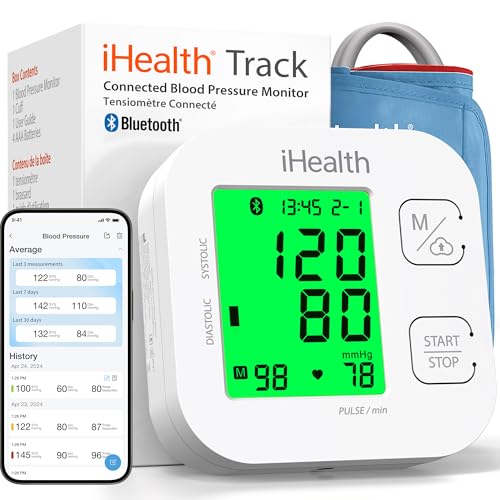



For most people with type 2 diabetes and high blood pressure, the best first-line option is an ACE inhibitor or an ARB—especially if you have albumin in the urine or early kidney changes. As of 2026, clinicians still default to these classes because they lower blood pressure and often offer kidney and cardiovascular protection, but they choose alternatives (like certain calcium channel blockers or thiazide-like diuretics) when labs, potassium, or tolerability don’t line up.
If you have type 2 diabetes and high blood pressure (or early kidney changes), this is for you—particularly if your clinician is deciding between common first-line drug classes.
Guideline priority for kidney protection in type 2 diabetes with hypertension + albuminuria (2021–2024)
| # | Medication class | Common generics | Typical daily use | Kidney/albuminuria priority |
|---|---|---|---|---|
| 1 | ACE inhibitors | lisinopril, enalapril | Often once daily | ★★★★★ |
| 2 | ARBs | losartan, valsartan | Often once daily | ★★★★★ |
| 3 | Dihydropyridine CCBs | amlodipine | Often once daily | ★★★☆☆ |
| 4 | Thiazide-like diuretics | chlorthalidone, indapamide | Often once daily | ★★☆☆☆ |
| 5 | Non-dihydropyridine CCBs | diltiazem, verapamil | Often 1–2x daily | ★☆☆☆☆ |
| 6 | Beta blockers | metoprolol, carvedilol | Often 1–2x daily | ☆☆☆☆☆ |
| 7 | Direct renin inhibitor | aliskiren | Often once daily | ☆☆☆☆☆ |
How clinicians pick BP meds in type 2 diabetes

The best medication choice starts with one goal: controlling blood pressure safely while protecting kidneys and lowering overall cardiovascular risk. In practice, “best” isn’t a single drug—it’s the class that fits your albuminuria (urine protein pattern), eGFR (kidney filtration), potassium, and comorbidities.
“In diabetes, kidney status and urine albumin often steer the choice of first-line BP drugs more than the starting BP reading alone.”
“Clinicians commonly target BP goals (often near 130/80 mmHg for many patients with diabetes) while balancing kidney function and electrolyte safety.”
“When potassium or renal function is a limiting factor, clinicians pivot among ACE inhibitors/ARBs, calcium channel blockers, and thiazide-like diuretics.”
The decision is driven by kidney status (for example, albumin in urine), heart risk, potassium level, and kidney function—not just the BP number. Many guidelines encourage ACE inhibitors or ARBs when kidney protection is a priority, particularly if you have albuminuria. Your other meds also matter; for instance, drugs that raise potassium (or worsen kidney perfusion) can increase the chance of hyperkalemia (high blood potassium), while some diuretics can shift sodium and potassium.
Here are the most common inputs clinicians use at the bedside:
– Kidney function (eGFR/creatinine): eGFR helps determine whether a diuretic is likely to work and how closely you need lab monitoring after starting renin-angiotensin system blockade.
– Urine albumin (often measured as urine albumin-to-creatinine ratio): albuminuria is a key “kidney-risk marker” in diabetes and frequently changes first-line selection.
– Potassium level: baseline potassium affects whether ACEi/ARB dosing is reasonable and how soon labs should be repeated.
– Heart history: prior coronary disease, heart failure, or rhythm issues may influence whether a beta blocker or a specific calcium channel blocker fits better.
– Medication interactions: nonsteroidal anti-inflammatory drugs (NSAIDs), potassium supplements, and some “herbal” supplements can alter kidney risk and potassium.
To anchor the approach in concrete guidance: According to the 2017 ACC/AHA Hypertension Guideline, a BP goal of <130/80 mmHg> is recommended for many adults with diabetes, if it can be safely achieved (2017). According to the ADA Standards of Care in Diabetes, ACE inhibitors or ARBs are recommended for diabetes with hypertension and albuminuria (commonly defined as urine albumin-to-creatinine ratio ≥30 mg/g) (latest edition in the ADA Standards). And according to the KDIGO 2021 Clinical Practice Guideline for the Management of Blood Pressure in CKD, a standardized office systolic target of <120 mmHg may be used for CKD patients if tolerated (2021).
Clinician-oriented “pros/cons” comparison (what gets weighed)
| Class question | Typical advantages | Typical trade-offs |
|---|---|---|
| ACE inhibitor or ARB | Often best for albuminuric kidney risk + BP lowering | Can raise potassium; requires creatinine/eGFR monitoring |
| Dihydropyridine CCB (e.g., amlodipine) | Effective BP lowering; useful when ACE/ARB not tolerated | Can cause ankle swelling; less “albuminuria-specific” kidney benefit |
| Thiazide-like diuretic (chlorthalidone/indapamide) | Often strong add-on for BP control | May lower sodium; can raise or lower potassium depending on context |
ACE inhibitors vs ARBs (often first-line)
For most people with type 2 diabetes and hypertension plus kidney involvement, ACE inhibitors and ARBs are the most common “best fits” because they both reduce BP and offer kidney protection signals. If you’re choosing between them, the practical difference is tolerability: ACE inhibitors are more likely to cause cough, while ARBs usually avoid that issue.
“ACE inhibitors (e.g., lisinopril) and ARBs (e.g., losartan) both target the renin-angiotensin-aldosterone system to lower BP and reduce albuminuria.”
“After starting an ACE inhibitor or ARB, monitoring serum creatinine and potassium within the first 1–2 weeks is a standard safety step.”
“If potassium rises too much or kidney function drops significantly, clinicians may reduce dose, adjust interacting meds, or switch classes.”
ACE inhibitors (like lisinopril or enalapril) and ARBs (like losartan or valsartan) both help protect kidneys and lower blood pressure. They’re commonly favored when there’s albuminuria and when diabetes-related kidney disease is a concern. They require monitoring for side effects like rising potassium and changes in kidney function—especially after starting or dose increases.
What clinicians look for before and after starting
1. Baseline potassium and eGFR: If potassium is already high, ACEi/ARB may be riskier without a plan to address the cause (for example, medication interactions).
2. A realistic “lab response” plan: a mild creatinine rise can occur due to kidney hemodynamics; clinicians monitor whether the change stabilizes.
3. Follow-up timing: the lab schedule is individualized, but the early window is where most safety signals show up.
Also, your other medications matter. If you take NSAIDs regularly, potassium supplements, or certain heart failure medications that can increase potassium, your clinician may adjust the plan. If you’re on a diuretic, potassium can move in either direction depending on the diuretic type and your kidney status.
ACE inhibitor vs ARB: quick “fit” logic
– If you had cough or angioedema on an ACE inhibitor: an ARB is often used instead.
– If your labs show potassium rise: dose reduction and removing potassium-raising contributors often comes before stopping.
– If eGFR is significantly reduced: clinicians may still use these drugs, but with closer monitoring and careful dosing.
Decision shorthand doctors often use (not a prescription)
- Albuminuria + diabetes: ACEi or ARB is usually preferred (unless contraindicated).
- ACEi side effects (not tolerated): switch to ARB rather than abandoning kidney-protective strategy.
- Potassium limits: reassess interacting meds and diet; consider alternative add-ons (e.g., certain CCBs or diuretics) rather than reflexively stopping.
- Kidney function change: repeat labs promptly; only escalate or continue if changes are acceptable and stable.
Other common first-line options when ACE/ARB aren’t ideal
When ACE inhibitors or ARBs aren’t the right fit—because of intolerance, potassium risk, or specific contraindications—clinicians still have strong first-line alternatives. The “best” second choice often depends on whether the priority is reliable BP lowering, heart-specific benefits, or avoiding electrolyte shifts.
“Dihydropyridine calcium channel blockers (such as amlodipine) are commonly used to lower BP when ACE inhibitors or ARBs are not tolerated.”
“Thiazide-like diuretics (such as chlorthalidone or indapamide) can improve BP control but require electrolyte monitoring.”
“When heart disease history is present, clinicians may select additional drug classes based on cardiovascular indications rather than kidney targets alone.”
Calcium channel blockers (typically the “dihydropyridine” group such as amlodipine) can lower BP effectively and may be used if ACE/ARB isn’t tolerated. Thiazide-like diuretics (such as chlorthalidone or indapamide) are often used to improve BP control, but they can affect electrolytes (like sodium or potassium) and sometimes glucose. Sometimes beta blockers or other add-on therapies are chosen based on heart history (for example, coronary disease or certain rhythm issues).
How clinicians decide between CCB vs thiazide-like diuretic
– If edema is an issue: a diuretic may help; a dihydropyridine CCB may worsen ankle swelling in some patients.
– If sodium is low or diuretic sensitivity is high: a clinician may prefer another class or adjust monitoring more tightly.
– If kidney function is reduced: diuretic choice and effectiveness can change with eGFR; clinicians use kidney-based dosing logic.
Trade-offs worth knowing (so you can anticipate follow-up)
Pros/cons are often about “what breaks first” after starting:
– CCBs: often effective for BP, but ankle swelling and headache can limit tolerability.
– Thiazide-like diuretics: often powerful for BP, but can cause low sodium, changes in potassium, and sometimes worsen glucose readings in susceptible people.
What can go wrong (and when to be cautious)
The biggest risks with diabetes-related BP therapy are usually lab-related (potassium and kidney function) and “context-related” (dehydration, NSAIDs, or stacking similar drugs). The safest plan is to start thoughtfully, monitor early, and have a clear rule for sick days.
“ACE inhibitors and ARBs can increase potassium, and the risk is higher with kidney impairment or other potassium-raising medications.”
“A temporary creatinine rise can occur after starting ACEi/ARB, so clinicians typically recheck kidney function soon after initiation or dose changes.”
“During dehydration from vomiting or severe illness, some BP/diabetes-related medications may need temporary adjustment to reduce kidney injury risk.”
Too much potassium: ACE inhibitors/ARBs can raise potassium; this risk increases with kidney impairment or when combined with certain other medicines. Kidney function changes after starting: a temporary change can happen—your clinician usually checks labs after initiation and after dose increases. Avoiding common mistakes: don’t “stack” multiple kidney-acting BP drugs (like ACE + ARB together) unless a specialist has a specific reason; and don’t stop meds abruptly without a plan. Sick-day risks: during dehydration (vomiting/diarrhea, severe illness), some diabetes/BP meds may need temporary adjustment—ask your clinician for a clear “sick day” rule.
Practical “watch-outs” to discuss before problems start
– Potassium-raising overlaps: potassium supplements, salt substitutes with potassium, and some heart failure regimens can compound risk.
– Kidney perfusion hits: NSAIDs, diuretics during dehydration, and illness that reduces fluid intake can raise acute kidney injury risk.
– Volume depletion: symptoms like dizziness on standing or very low home BP readings can signal you need adjustment.
Why “don’t combine ACE + ARB” is emphasized
In everyday primary care, clinicians avoid routine ACE + ARB “double renin-angiotensin blockade” because it can increase renal and potassium risks without proportionate benefits for most patients. The correct exception is specialist-directed therapy for a specific indication, with close monitoring.
Sick-day rule (what to ask for)
Ask your clinician for a concrete plan that covers:
– Which medications to hold during dehydration
– When to restart
– What symptoms should prompt urgent care
Verdict: the most common safe starting point (and who should skip)
For many people with type 2 diabetes, an ACE inhibitor or an ARB is the most common starting choice because it lowers BP and often provides kidney protection—when you can tolerate it and when labs are monitored. If you’ve had a prior reaction, have severe kidney impairment without close guidance, have consistently dangerous potassium levels, or your clinician flags a high-risk situation, you may need an alternative plan (like a calcium channel blocker or thiazide-like diuretic) tailored to your labs and health history.
“For diabetes with albuminuria, ACE inhibitors or ARBs are commonly recommended because they address both blood pressure and kidney risk.”
“The ‘best’ starting medication is the one that matches your potassium and kidney function, with follow-up labs scheduled soon after initiation.”
“As of 2026, clinicians still use ADA/ACC/AHA/KDIGO frameworks that prioritize kidney risk markers (like albuminuria) when selecting first-line BP therapy.”
If your question is “What’s the best blood pressure medication for type 2 diabetes?” the most defensible short answer is: ACE inhibitor or ARB—then adjust based on your potassium, eGFR, and tolerability.
Who should skip or modify the ACEi/ARB-first approach:
– Prior serious intolerance to these classes (for example, angioedema on an ACE inhibitor)
– High baseline potassium that can’t be safely corrected
– Rapidly worsening kidney function without a clear explanation and monitoring plan
– Situations where clinicians have flagged a specific contraindication in your chart
A reality check (important downside)
Even when ACEi/ARB is the “best starting point,” many people still need more than one class to reach target BP. The second medication is selected to complement the first while reducing risk—often using a dihydropyridine calcium channel blocker or a thiazide-like diuretic, depending on kidney function and electrolytes.
Quick scan checklist (save this)
| Decision point | What to ask your clinician |
|---|---|
| Kidney involvement | “Do I have albumin in my urine, and does that change my BP med choice?” |
| Lab monitoring | “Which labs will you check after starting (or changing) my ACE/ARB/diuretic?” |
| Potassium risk | “Is my potassium level a concern with ACE/ARB?” |
| Side effect plan | “What should I do if I get dizziness, swelling, or stomach illness?” |
| Add-on strategy | “If my BP isn’t at goal, what’s the next medication class you’ll add?” |
“Bring your most recent creatinine/eGFR and potassium results to help your clinician select a starting dose and monitoring cadence.”
“Ask about a stepwise add-on plan (which class comes next and why) so you’re not forced to guess when home BP readings remain high.”
Sources
– American Diabetes Association (ADA). *Standards of Care in Diabetes* (latest edition). (Guideline recommendations on BP management in diabetes, including ACE inhibitor/ARB considerations for kidney disease.)
– American College of Cardiology/American Heart Association (ACC/AHA). *Guideline for the Management of High Blood Pressure* (latest edition). (General hypertension treatment framework and first-line medication classes.)
– KDIGO (Kidney Disease: Improving Global Outcomes). *Diabetes Management in Chronic Kidney Disease* guideline (latest edition). (Kidney-focused recommendations relevant to ACE inhibitors/ARBs and albuminuria.)
– KDIGO. *Clinical Practice Guideline for the Management of Blood Pressure in Chronic Kidney Disease* (2021). (Kidney-focused BP targets and implementation considerations.)
– Drug labeling / prescribing information for ACE inhibitors, ARBs, calcium channel blockers, thiazide-like diuretics. (Safety warnings and monitoring guidance such as kidney function and potassium.)
Summing it up: for type 2 diabetes, the “best” blood pressure medication choice is most often an ACE inhibitor or an ARB, selected based on kidney involvement (like albumin in urine), baseline potassium, and eGFR, with early lab monitoring after starting or changing doses. If ACE/ARB isn’t ideal for you, clinicians commonly use alternatives such as dihydropyridine calcium channel blockers or thiazide-like diuretics—then fine-tune based on tolerability and lab results. Bring your latest kidney labs and potassium to your appointment and ask for a step-by-step monitoring plan so your BP treatment stays both effective and safe.
Frequently Asked Questions
Which blood pressure medication is usually best for people with type 2 diabetes?
Many clinicians prefer ACE inhibitors (like lisinopril) or angiotensin receptor blockers (ARBs like losartan) for type 2 diabetes because they help protect kidney function and lower blood pressure. They’re especially favored if you have diabetic kidney disease, elevated urine albumin, or protein in the urine. The “best” choice depends on your kidney function, potassium level, other medications, and side effects.
What blood pressure medications are safest for type 2 diabetes with kidney disease?
For people with type 2 diabetes and reduced kidney function, ACE inhibitors or ARBs are commonly first-line if tolerated and if potassium remains in a safe range. These drugs can slow progression of diabetic nephropathy, but they require lab monitoring for creatinine and potassium after starting or changing the dose. If additional control is needed, doctors may add a diuretic (like chlorthalidone) or a calcium channel blocker (like amlodipine), depending on your labs and overall health.
How do ACE inhibitors or ARBs help control blood pressure in type 2 diabetes?
ACE inhibitors and ARBs lower blood pressure by targeting the renin-angiotensin system, which reduces harmful pressure on blood vessels and the kidneys. In type 2 diabetes, they can also reduce albumin leakage in the urine, offering kidney-protective benefits beyond blood pressure lowering. It’s important to monitor blood pressure response and check kidney function and potassium shortly after initiation and dose adjustments.
Why might a clinician choose a calcium channel blocker instead of an ACE inhibitor/ARB for type 2 diabetes?
A clinician may choose a calcium channel blocker (such as amlodipine) if you can’t tolerate an ACE inhibitor or ARB or if additional blood pressure lowering is needed. Some patients develop side effects like a persistent dry cough with ACE inhibitors, or potassium may rise too much on ACE/ARB therapy. Calcium channel blockers can be effective for hypertension and are often used as add-on therapy to reach blood pressure goals.
Which blood pressure medications should be avoided or used with caution in people with type 2 diabetes?
Some blood pressure medicines can worsen glucose control or mask low blood sugar symptoms, so doctors use caution with certain older options like high-dose thiazides (they may slightly raise blood sugar) and some beta-blockers. Also, ACE inhibitors/ARBs require careful monitoring and are generally avoided in pregnancy and may be unsafe if potassium is already high or if there’s certain kidney artery problems. Always review your diabetes medications and kidney labs with your clinician before starting or switching hypertension treatment.
📅 Last Updated: October 23, 2026 | Topic: best blood pressure medication for type 2 diabetes | Content verified for accuracy and freshness.
References
- https://diabetesjournals.org/search-results?query=hypertension%20type%202%20diabetes%20ACE%20inhibitor%20ARB%20Standards%20of%20Care
- Recommendations | Hypertension in adults: diagnosis and management | Guidance | NICE
- https://www.ahajournals.org/doi/10.1161/HYP.0000000000000065
- https://academic.oup.com/eurheartj/article/39/33/3021/5071457
- https://en.wikipedia.org/wiki/Hypertension_in_diabetes_mellitus
- antihypertensive therapy type 2 diabetes ACE inhibitor ARB meta-analysis – Search Results – PubMed
- type 2 diabetes intensive blood pressure control trial UKPDS ACCORD ADVANCE – Search Results – Pu…
- https://scholar.google.com/scholar?q=best+antihypertensive+medication+type+2+diabetes+ACE+inhibitor+ARB+calcium+channel+blocker Google Scholar
- https://scholar.google.com/scholar?q=ACCORD+BP+ADVANCE+UKPDS+type+2+diabetes+intensive+blood+pressure+control Google Scholar
- https://scholar.google.com/scholar?q=guideline+hypertension+diabetes+ACE+inhibitor+ARB+NICE+ADA+ACC+AHA Google Scholar