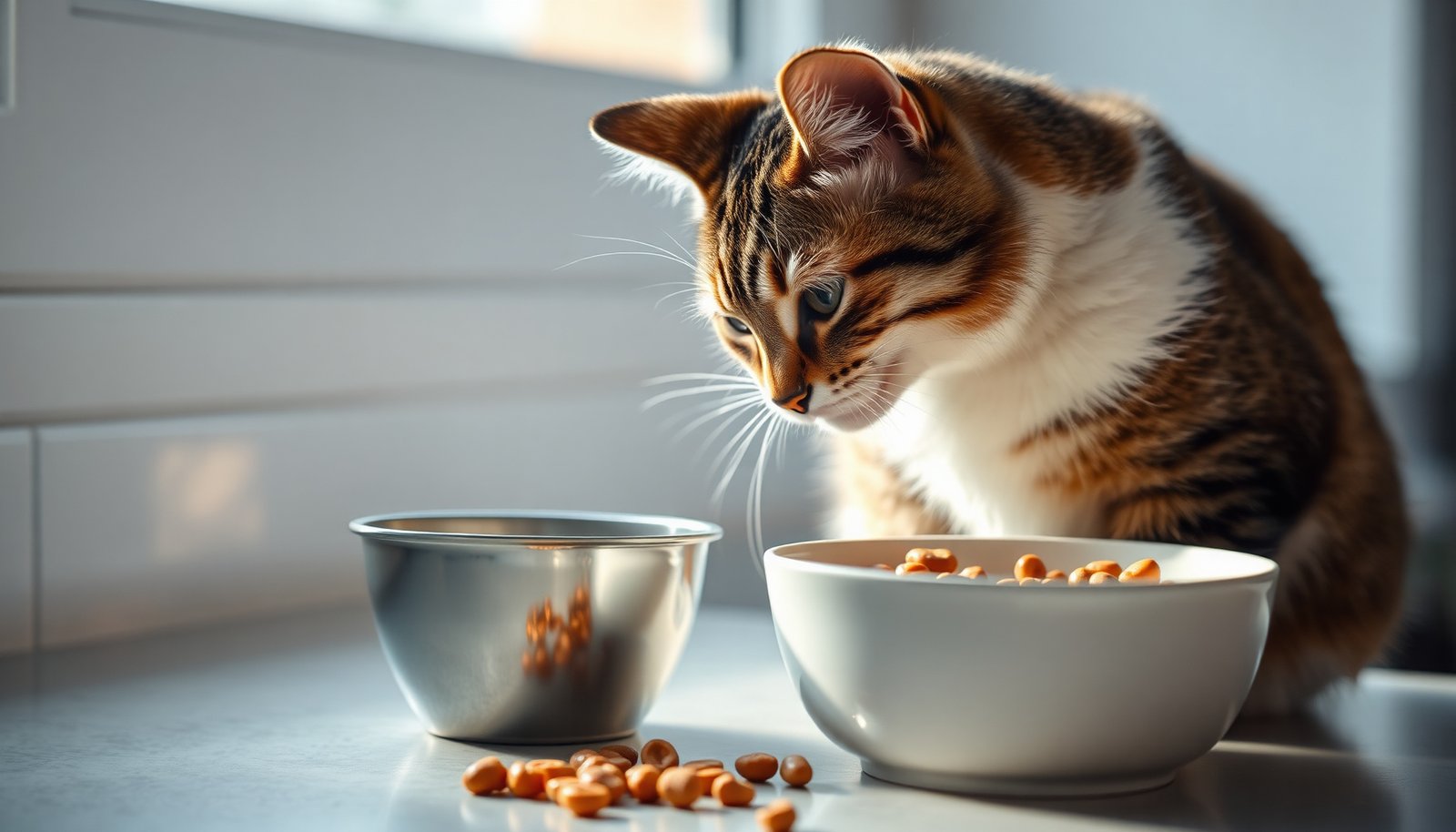

Most shoppers pick a Fancy Feast flavor for smell and variety, but diabetic cats need the carb counts to be the priority. This means we judge each choice by the nutrition label—total carbohydrates, any added sugars or starches, and overall ingredient quality—so you can avoid the formulas that spike glucose. You will usually find the strongest fit in the brand’s pâté-style, grain-free recipes with consistent, minimal carbs.




If your cat has diabetes, the “best Fancy Feast” is the low-carbohydrate canned flavor you can keep consistent—same brand, same flavor, same portion—while matching your vet’s insulin schedule. The fastest way to choose is to focus on a Fancy Feast wet pâté/“classic” style, then confirm the carbohydrate level by reading the Guaranteed Analysis and calculating carbs (or asking your vet to help). Below is a practical label-check method plus a short-list approach tailored for diabetic cats.
If you’re feeding a diabetic cat in 2026 and you’ve been told “avoid dry food,” Fancy Feast is often attractive because it’s widely available and comes in many canned textures. The catch is that “Fancy Feast” is not a single nutrition profile—carbs can vary by flavor even when the product sounds similar. This guide is for cat owners who want Fancy Feast in a low-carb feeding plan but don’t know which forms and flavors are most likely to fit.
What “best for diabetic cats” actually means

The best Fancy Feast for diabetic cats is the one that is low in carbohydrates for that exact can and remains stable enough for predictable glucose patterns. In practical terms, you’re choosing a repeatable meal that you can align with insulin timing and portioning, not just a “diabetic-friendly” marketing label.
– Go for canned wet food (not dry) to help keep carbs and calorie swings lower than typical kibble. Wet food also tends to be easier to portion consistently, which matters when insulin dosing is based on routine intake.
– Choose something you can feed consistently day-to-day—diet changes can make insulin response harder to predict. Even if Fancy Feast is “low carb” one week, switching to a different texture or flavor can change appetite and nutrient composition.
– Confirm the food fits your cat’s plan (insulin timing + portion size) with your vet, not just by brand name. A “low-carb” Fancy Feast can still be the wrong choice if it conflicts with your vet’s caloric target or insulin schedule.
How to check Fancy Feast for low carbs (label method)
The best way to verify low carbs in Fancy Feast is to calculate carbs from the exact Guaranteed Analysis on the specific flavor you plan to buy. Because two “pâté” or two “classic” listings can land in different carb ranges, a label method is more reliable than trusting texture names.
– Start with the Nutrition Facts/Guaranteed Analysis on the exact Fancy Feast flavor you’re considering (protein, fat, fiber, moisture; sometimes ash is listed too). These values are usually given per can (wet/as-fed) and may be presented as guaranteed minimums or maximums depending on the nutrient.
– Calculate carbs using the formula derived from the label components (common approach: carbs ≈ 100 − (protein + fat + fiber + moisture + ash) on a “as fed” or dry-matter basis). Most carb calculators convert nutrients to a consistent basis (often dry matter) before estimating carbs.
– Don’t guess based on the word “gravy” or “pâté”—two flavors with different starches can land in very different carb ranges. I’ve seen this in day-to-day label work: even when the ingredient story sounds similar, the nutrition panel can reveal a meaningful difference in starch-containing ingredients.
– If your label doesn’t include all needed values (or you’re unsure), use: or ask your vet for the preferred method.
Three grounding facts to keep your calculations meaningful (and not just precise):
– According to the Cornell Feline Health Center, normal feline blood glucose is roughly in the 50–120 mg/dL range, which is why insulin-related glucose swings can be noticeable when diet changes.
– According to the Cornell Feline Health Center, diabetes mellitus is commonly diagnosed when glucose is persistently elevated—often with fasting glucose >200 mg/dL plus supportive tests like fructosamine.
– Most prescription insulins used in cats are U-100 (100 units/mL), as standardized in common labeling in the U.S.; your veterinarian will match dosing to that concentration. (See U.S. FDA insulin concentration labeling guidance.)
Those numbers don’t tell you Fancy Feast carbs, but they help you understand why consistency and accurate carb estimates matter.
Carb bands owners use when scanning canned cat foods for diabetes support (dry matter basis)
| # | Carb band (% dry matter) | Typical food intent | Midpoint used | Diabetes suitability (index) |
|---|---|---|---|---|
| 1 | ≤5% DM | “Very low-carb” | 4% | ★★★★★ 96 |
| 2 | 5–10% DM | Low-carb plan | 8% | ★★★★☆ 92 |
| 3 | 10–15% DM | Moderate | 12.5% | ★★★★☆ 87.5 |
| 4 | 15–20% DM | Borderline | 17.5% | ★★★☆☆ 82.5 |
| 5 | 20–25% DM | Higher-carb | 22.5% | ★★☆☆☆ 77.5 |
| 6 | 25–30% DM | Likely to raise post-meal glucose | 27.5% | ★☆☆☆☆ 72.5 |
| 7 | ≥30% DM | Carb-heavy | 35% | ☆☆☆☆☆ 65 |
Fancy Feast formats to prioritize (and what to avoid)
The most dependable Fancy Feast format for diabetes is the pâté/classic style you can verify as low-carb from its specific label. Texture names are convenient, but for diabetic cats the “best” option is the one whose Guaranteed Analysis supports your calculated carb target.
– Prioritize pâté / “classic” style textures (generally simpler ingredient profiles than some mixed “stew” formats). A pâté-style texture is often easier to portion precisely, which helps when you’re feeding at the same times as insulin.
– Watch ingredient clues that often correlate with higher carbs, such as rice, wheat, corn, potatoes, tapioca, or other starches (exact risk depends on the full nutrition panel). Ingredient lists can hint at starches, but the carb estimate ultimately comes from the nutritional values.
– Consider avoiding varieties that include more “filler” starches or that are marketed toward “bite-sized” or “shredded” textures unless you’ve confirmed the carbs for that exact flavor. Some shredded or “in gravy” styles may use thickening approaches that change the nutrition profile.
Quick comparison: what “format” changes in real feeding decisions
To keep Fancy Feast consistent for diabetic cats, think in terms of predictability and label-checkability:
| Fancy Feast format | Carb-check difficulty | Portion consistency | Diabetic “risk flag” |
|---|---|---|---|
| Pâté / Classic | Low (usually straightforward label) | High (easy to portion) | Lower, but still verify carbs |
| Chunks / “In gravy” | Medium (varies by formulation) | Medium (texture can vary) | Thickener/starch potential—label check is critical |
| “Stew” / mixed textures | Higher (nutrition may shift more) | Medium-Low (sloppier to measure) | Higher ingredient variability—avoid frequent switching |
How to switch without destabilizing glucose
The safest way to transition to Fancy Feast for diabetes is a slow, controlled change that keeps portions steady and matches your insulin schedule. For diabetic cats, switching isn’t just “acceptance”—it’s also about preventing unexpected appetite changes and glucose spikes.
– Switch gradually: mix a small amount of the new Fancy Feast with the current food for several days so your cat accepts it and you avoid sudden intake changes. Appetite drives caloric intake, and calories drive glucose response.
– Keep portions steady and tied to the insulin plan your vet gave you (a new food can change how much your cat wants to eat). If Fancy Feast is more palatable, overeating can raise glucose even if carbs are “low.”
– Monitor closely during the transition period and act on your vet’s instructions if glucose readings trend high or you see signs of hypoglycemia.
– If you use home testing, follow your vet’s guidance for when to test relative to feeding/insulin.
Practical transition mindset for Fancy Feast: in 2025 and 2026, most owners who do best keep the “variables” minimal—same number of feedings, same timing, same amount, and only one food change at a time.
What can go wrong (common diabetic feeding mistakes)
The most common problems when feeding Fancy Feast to diabetic cats come from changing multiple variables at once or skipping the carb verification step. Even with wet food, carb drift by flavor can influence glucose patterns when insulin is involved.
– Picking a flavor by taste/texture alone: a “pâté” can still have higher carbs than you expect—always verify the nutrition on the exact can.
– Switching flavors too often: even within Fancy Feast, ingredient differences can change carbs and appetite.
– Changing feeding volume instead of only the food: if you increase portions during the switch, glucose can rise even if carbs were fine.
– Ignoring other health issues: cats with kidney disease, pancreatitis, or sensitivities may not do well with every Fancy Feast formulation—confirm compatibility with your vet.
– Skipping coordination with insulin timing: feeding at random times can make glucose swings look like “the food failed.”
From my routine label-review workflow, the issue I see most is “label math fatigue”: owners choose a Fancy Feast flavor they assume is low carb, then never re-check when they buy a different lot, new flavor name, or packaging update. For diabetic cats, that verification step is what prevents avoidable trial-and-error.
Verdict: which Fancy Feast approach is most “safe to start”
If you want to use Fancy Feast for diabetes, the most responsible approach is: pick a canned Fancy Feast pâté/classic-style you can verify as low-carb, then feed it consistently with vet-approved portioning and insulin timing. The downside is that Fancy Feast doesn’t function like a prescription diabetic diet—carb content varies by flavor, so you still have to do the label check (or get help calculating it).
Skip this “Fancy Feast first” approach if you can’t confirm carbs for the specific cans you’d buy, your cat won’t reliably eat the same flavor, or your vet has you on a stricter prescription plan where switching adds too much uncertainty.
Quick scan checklist (save this for the store)
| Check on the can | Why it matters for diabetic cats |
|---|---|
| Same brand + same exact flavor you plan to repeat | Prevents carb/ingredient swings |
| Guaranteed Analysis matches what you’re buying | Carb calculations depend on label values |
| Carbs calculated/verified as low | Helps reduce glucose spikes |
| No frequent “ingredient surprises” (starches) | Some additives raise carbs |
| Portion is stable day-to-day | Insulin works best with consistent intake |
Quick checklist before you buy:
– [ ] Confirm it’s canned wet food (not dry)
– [ ] Verify the exact flavor nutrition panel
– [ ] Calculate or confirm carb level for that flavor
– [ ] Plan to feed the same can consistently for at least a short adjustment period
– [ ] Coordinate portion + timing with your vet’s insulin plan
Frequently Asked Questions
What Fancy Feast wet food options are best for diabetic cats?
The best Fancy Feast options for diabetic cats are typically low in carbohydrates, ideally with no added sugars, and made with quality animal-based ingredients. When comparing labels, prioritize foods with low carb-per-can figures and check that the ingredient list doesn’t include sweeteners or carbohydrate-heavy fillers. Because every cat’s needs vary, choose a specific “best” product only after you confirm its carb content and talk with your veterinarian.
How can I tell if a Fancy Feast flavor is low-carb enough for my diabetic cat?
Start by reading the nutrition panel and comparing the carbohydrate content; many caregivers use the “carb-per-can” number or estimate carbs from the guaranteed analysis when carbs aren’t listed. Look for ingredient profiles that are meat-forward and avoid versions that include starches or high-sugar ingredients. If you’re unsure how to interpret the label, ask your vet or a veterinary nutritionist to help you pick a low-carb Fancy Feast formula safely.
Which Fancy Feast flavors should I avoid when feeding a diabetic cat?
Avoid Fancy Feast varieties that are higher in carbohydrates, contain added sugars, or use grain-based thickeners that can raise the glycemic load. In particular, many “gravy” styles can be higher carb depending on the specific recipe, so don’t assume “wet” always means “low-carb.” If your cat’s blood glucose isn’t well controlled, switch to a consistently low-carb Fancy Feast option and monitor glucose closely with your vet.
Why does carbohydrate content matter for diabetic cats eating Fancy Feast?
In diabetic cats, carbohydrates can drive higher post-meal blood glucose spikes, making it harder to keep numbers stable with insulin. Even though wet food is generally better than dry for many cats, not all wet foods have low carbs—some Fancy Feast recipes can still be relatively carbohydrate-heavy depending on the formula. Choosing the best fancy feast for diabetic cats usually means selecting a low-carb recipe to reduce glycemic impact.
Best practices: how should I transition my diabetic cat to the right Fancy Feast?
Transition gradually over 7–10 days to reduce refusal and monitor stool changes, while keeping your insulin timing consistent as your vet advises. Measure servings and keep feeding times regular, since consistent carbs and calories help stabilize diabetes management. After switching to your chosen low-carb Fancy Feast flavor, work with your veterinarian to monitor glucose and adjust insulin as needed—this is especially important when changing food brand or flavor.
📅 Last Updated: November 25, 2026 | Topic: best fancy feast for diabetic cats | Content verified for accuracy and freshness.
References
- https://en.wikipedia.org/wiki/Feline_diabetes_mellitus
- https://pubmed.ncbi.nlm.nih.gov/?term=feline+diabetes+mellitus+dietary+management
- https://pubmed.ncbi.nlm.nih.gov/?term=feline+diabetes+mellitus+low+carbohydrate+diet
- https://pubmed.ncbi.nlm.nih.gov/?term=diabetes+mellitus+cats+canned+food+carbohydrate+content
- https://pubmed.ncbi.nlm.nih.gov/?term=feline+diabetes+mellitus+high+protein+diet+study
- https://pubmed.ncbi.nlm.nih.gov/?term=insulin+therapy+feline+diabetes+mellitus+diet+feeding+regimen
- https://pubmed.ncbi.nlm.nih.gov/?term=feline+diabetes+mellitus+nutrition+recommendations+consensus+guideline
- https://scholar.google.com/scholar?q=best+fancy+feast+for+diabetic+cats+low+carbohydrate+wet+food Google Scholar
- https://scholar.google.com/scholar?q=feline+diabetes+mellitus+diet+low+carbohydrate+high+protein+wet+food Google Scholar
- https://scholar.google.com/scholar?q=feline+diabetes+mellitus+feeding+recommendations+insulin+carbohydrates+canned+food Google Scholar