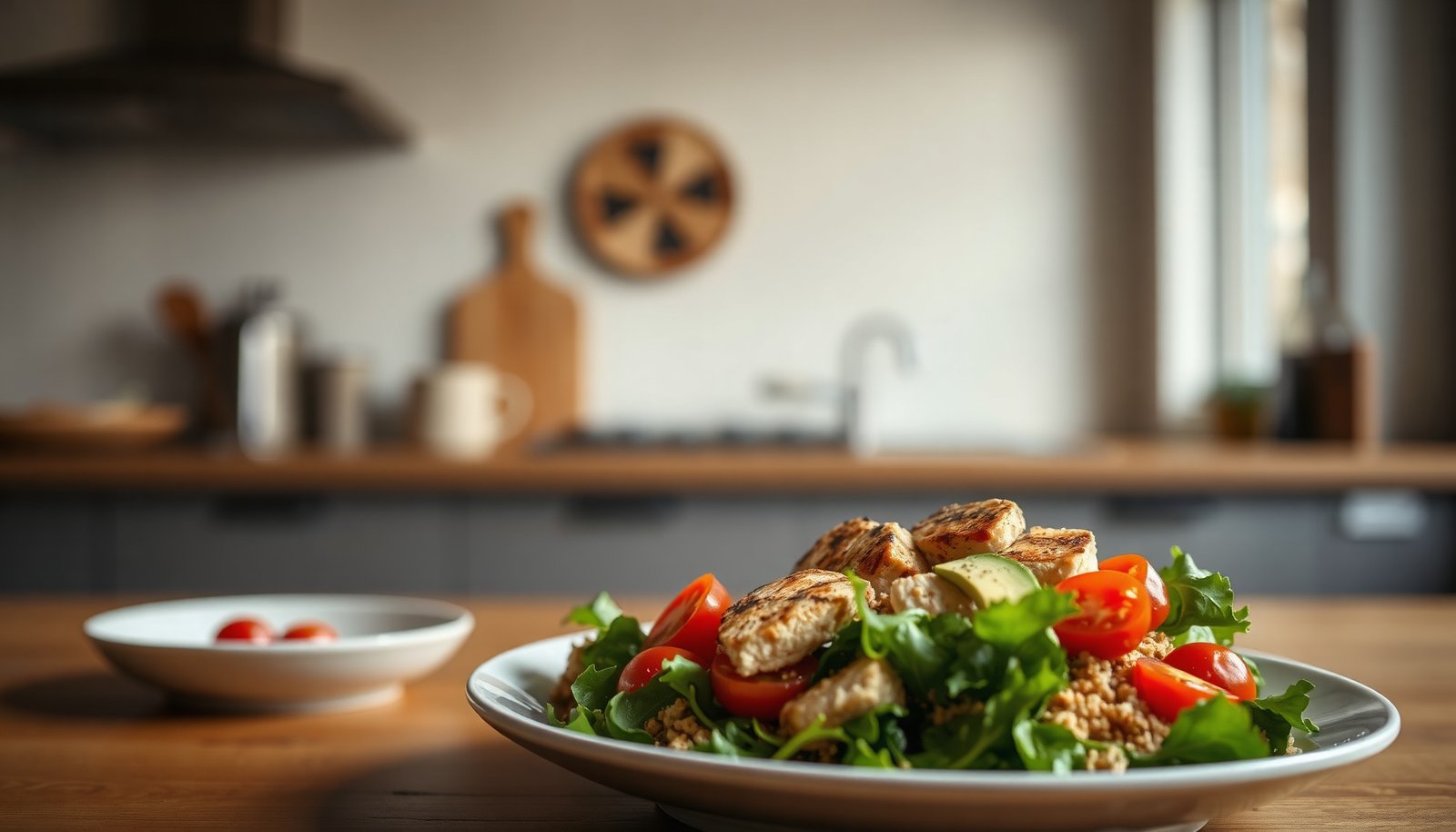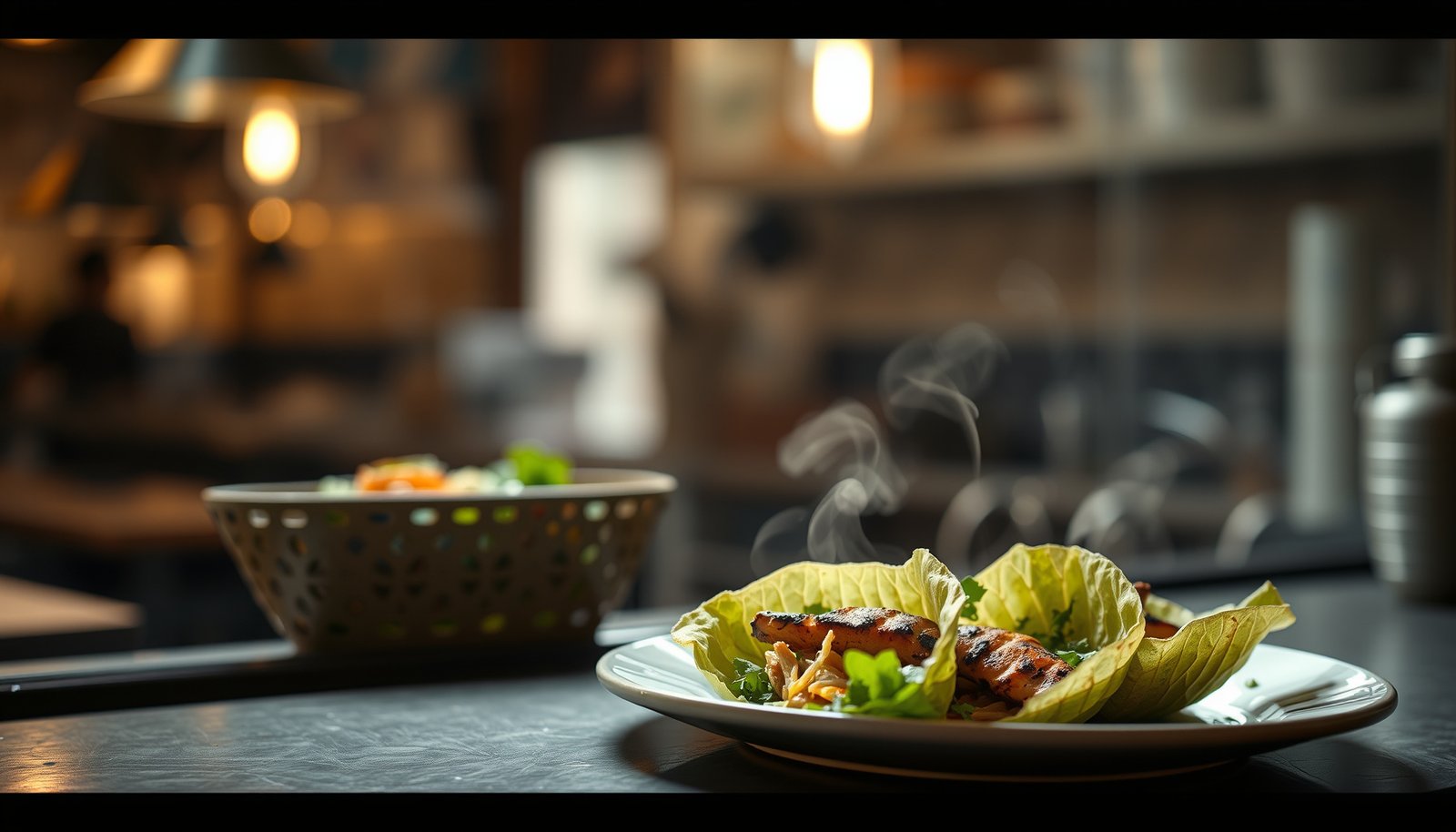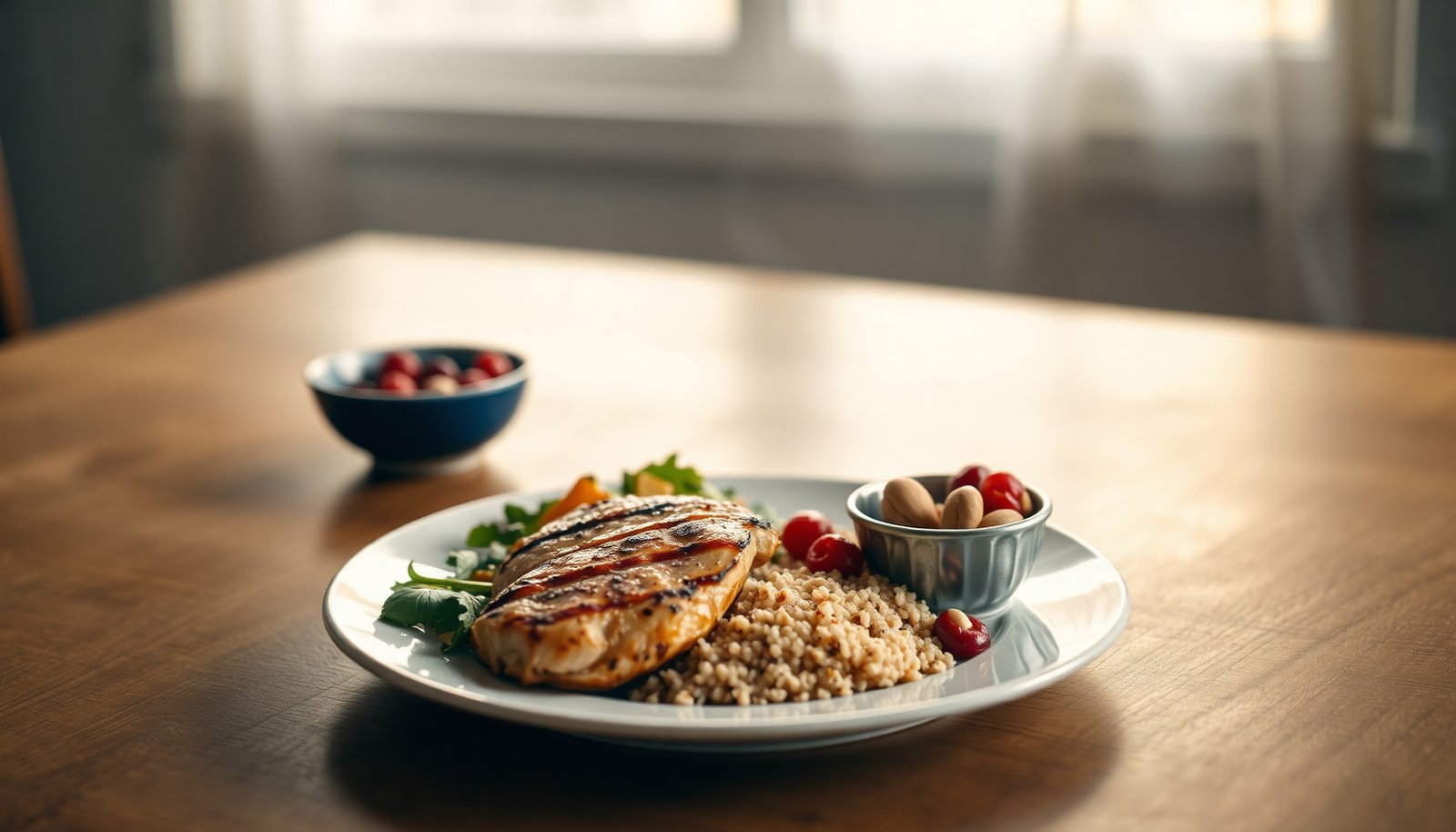

The best diabetic meals and snacks are built around fiber-rich carbs, lean protein, and healthy fats—ideal for anyone managing blood sugar through everyday eating. We prioritize options that keep added sugars low, portion carbs accurately, and fit common meal patterns without spikes. Among them, a balanced plate with non-starchy vegetables plus Greek yogurt or legumes is often the standout, because it is filling and predictable.




For most people with diabetes, the best diabetic meals and snacks are the ones that combine fiber-rich carbs, lean protein, and healthy fats so glucose rises more slowly; that’s the foundation to aim for every time you eat. In this guide, you’ll get practical “build-your-plate” meal ideas and snack options you can rotate, plus the common pitfalls that can quietly destabilize blood sugar.
Managing diabetes isn’t just about “what’s allowed”—it’s about structure: portion size, pairing (fiber + protein), and reducing hidden sugars in sauces and packaged foods. As of 2026, this approach aligns with mainstream diabetes nutrition guidance from major clinical organizations and remains the most consistent way to make diabetic meal planning easier without constant calculations.
Build-a-Plate Meals That Help With Blood Sugar
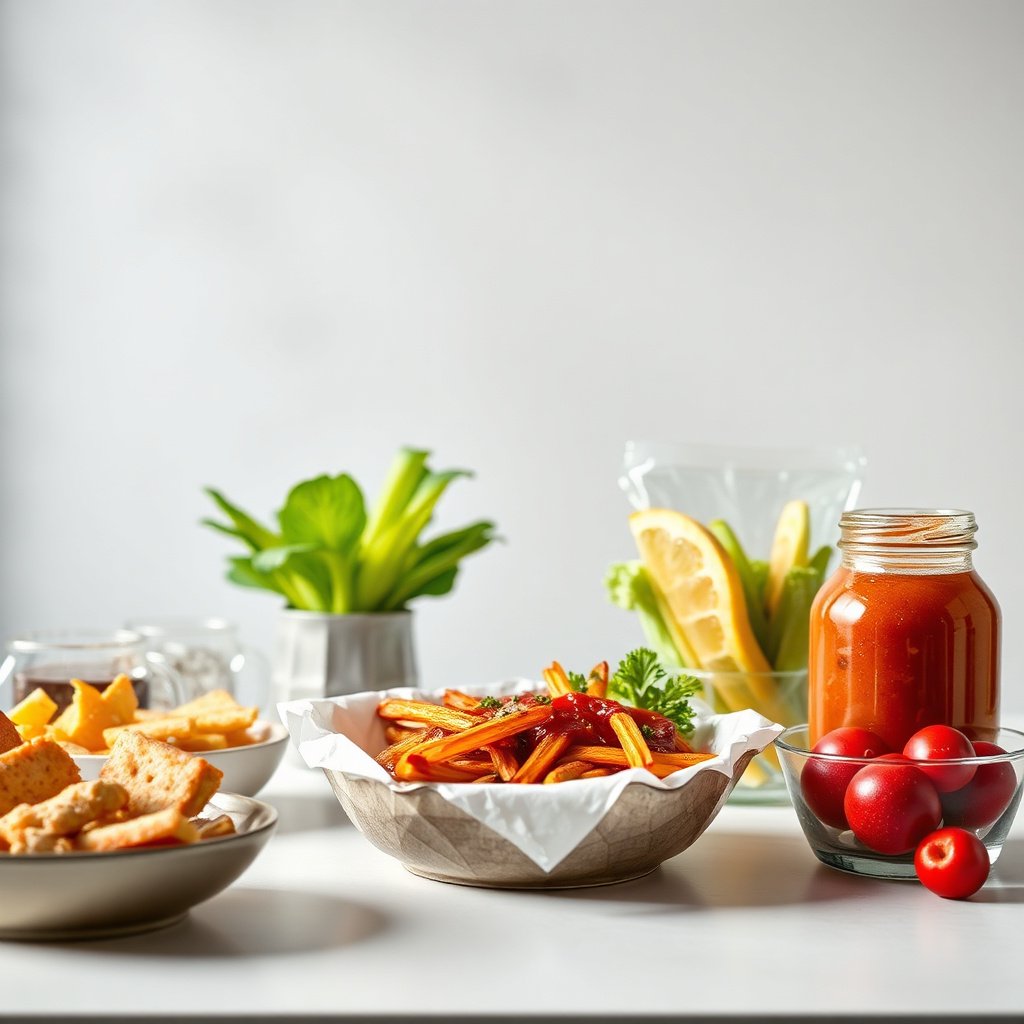
The fastest way to steady blood sugar with diabetic meals and snacks is to build meals in a repeatable sequence: non-starchy vegetables → protein → a controlled carb portion. When you do that, fiber and fat slow digestion, while protein helps reduce sharp spikes for many people.
Here’s the plate logic (and why it works):
– Aim for a balanced plate: non-starchy vegetables + protein + a controlled carb portion
– Choose carbs that tend to be more filling (e.g., beans, lentils, whole grains, fruit with fiber)
– Add healthy fats in moderation (e.g., olive oil, avocado, nuts) to slow digestion
One practical note: “carbs” are not automatically harmful—what matters is the type of carbohydrate and how much you eat. Dietary fiber (a type of carbohydrate found in plants) is especially relevant because it tends to increase fullness and blunts glucose absorption for many people.
According to the U.S. Centers for Disease Control and Prevention, diabetes affects 37.3 million people in the U.S. in 2022 (CDC, 2022). That same year, the CDC estimated about 96 million adults had prediabetes (CDC, 2022). In other words, “getting meals right” is not a niche problem—it’s a daily challenge for millions of people.
A simple “glucose-slowing” framework you can picture
In real-world meal planning, fiber-rich carbs paired with protein and healthy fats tend to produce the steadiest results for diabetic meals and snacks. In contrast, meals that concentrate refined carbs with little fiber or protein often lead to faster glucose rise.
Relative Effect on Slowing Blood Sugar Rise
When I’m helping someone tighten up their diabetic meal planning, the biggest “aha” is usually that the order matters less than the pairings: vegetables + protein + a fiber-forward carb portion is a repeatable system.
Best Diabetic Meal Ideas (Mix-and-Match)
The best diabetic meal ideas are the ones that let you mix flavors without breaking the structure: vegetables for volume, protein for stability, and carbs that are portioned and fiber-forward. The goal isn’t to eat “boring healthy”—it’s to keep the glucose response more predictable.
Use the following mix-and-match templates:
– Mediterranean-style bowls: leafy greens + chopped veggies + protein (chicken, fish, tofu) + beans or a small whole-grain base
– Protein-forward dinners: salmon/tuna, lean meat, or tofu with roasted vegetables and a side of lentils or a whole-grain option
– Stir-fries that don’t spike: load up on vegetables, use a moderate portion of rice/noodles, and keep sauces thicker/less sweet when possible
A useful analytical lens here is the glycemic response model: refined carbs tend to digest faster, while fiber, protein, and fat slow gastric emptying and carbohydrate absorption for many people. That’s why diabetic meal planning often performs better when you don’t treat “carbs” as the only variable.
Whole-food carbs vs refined carbs (what typically changes first)
In diabetic meals and snacks, the biggest early win is swapping refined carbs for higher-fiber options—then controlling portion sizes. If you keep portion sizes similar but change the carb quality, many people see smoother post-meal readings.
| Feature | Whole-food carb options | Refined carb options |
|---|---|---|
| Typical fiber | Higher (beans, lentils, whole grains, many fruits) | Lower (white bread, pastries, many sweets) |
| Satiety | Often higher, easier to stop at a portion | Often lower; hunger can return quickly |
| Digestion speed | Slower for many people | Faster for many people |
| Micronutrient density | Often higher (magnesium, potassium, antioxidants) | Often lower |
| Portion control | Easier with a defined portion and fiber | Portions drift because carbs feel “lighter” |
| Sauce pairing | Works well with olive oil, yogurt sauces, tomato, herbs | Can be destabilized by sugary sauces and glazes |
| Typical meal feel | Steadier energy and fewer cravings | More likely to cause “ups and downs” |
| Predictability | More consistent when portioned | Often harder to predict and manage |
| Best default “base” | Beans, lentils, barley, quinoa, oats, brown rice (portion-controlled) | White rice/noodles, chips, many desserts (usually harder to portion) |
| Common pitfalls | Overeating “healthy” carbs without measuring | Eating large portions before checking glucose response |
| Best For | Stability-focused diabetic meals and snacks | Occasional use, with careful portioning and pairing |
Tip for diabetic meals and snacks: if you want rice or noodles, keep the base portion smaller and “fill” the plate with vegetables and protein rather than trying to compensate by eating less of everything else.
Easy Diabetic Snacks You Can Keep on Hand
The best diabetic snacks are not the ones that taste sweet—they’re the ones that include protein or fiber (or both) so your blood sugar doesn’t jump quickly. If you keep a small rotation ready, you’ll be less likely to grab convenience foods that quietly contain sugar and refined starch.
– Greek yogurt (plain/unsweetened) + berries or a sprinkle of nuts for texture and staying power
– Crunch + protein: raw veggies with hummus, or cheese with berries (choose options without added sugar)
– Grab-and-go savory: hard-boiled eggs, tuna packet with olive oil + veggies, or roasted chickpeas in a measured portion
Fiber matters because it supports fullness and slower carbohydrate absorption. According to the National Academies’ Institute of Medicine (now part of the National Academies), adequate daily fiber intake is 38 g/day for men and 25 g/day for women (Institute of Medicine, 2005). While individual targets vary, this is a useful “north star” when building diabetic snacks that don’t backfire.
A quick nutrition “at-a-glance” table for smart snack structure
Below are common diabetic-friendly snack pairings with typical macro patterns that support steadier glucose—especially when you portion them consistently. For personalized targets, use your clinician’s guidance and your own glucose data.
7 Snack Pairings for Diabetic Meal Planning (per typical serving)
| # | Snack pairing | Carbs (g) | Fiber (g) | Protein (g) | Steadiness |
|---|---|---|---|---|---|
| 1 | Lentils (1/2 cup cooked) + olive oil drizzle | 20 | 8 | 9 | ★★★ ★ ★ |
| 2 | Chickpeas (1/2 cup) + lemon + herbs | 27 | 6 | 13 | ★★★ ★ ★ |
| 3 | Plain Greek yogurt (170g) + berries (1/2 cup) | 16 | 4 | 17 | ★★★ ★ ☆ |
| 4 | Hummus (2 Tbsp) + carrots (1 cup) | 15 | 4 | 4 | ★★★ ★ ☆ |
| 5 | Hard-boiled eggs (2) + spinach (1 cup) | 3 | 1 | 12 | ★★★ ★ ★ |
| 6 | Tuna packet in olive oil (1) + cucumber/tomatoes | 2 | 1 | 20 | ★★★ ★ ★ |
| 7 | White rice (1/2 cup cooked) without added protein/fiber | 22 | 0 | 3 | ★★ ☆ ☆ ☆ |
If you track glucose, use these snack structures as “starting templates,” then observe how your body responds—especially in the 2025–2026 period when schedules, activity, and stress can shift glucose patterns.
What Can Go Wrong (And How to Fix It)
The most common reason diabetic meals and snacks fail is that people accidentally break the pairing or underestimate portion sizes—even with “healthy” foods. If you recognize these patterns early, it’s much easier to adjust without abandoning your routine.
– “Healthy” carbs in big portions: even whole grains/fruit can raise blood sugar if the serving is too large—start with a conservative portion and adjust
– Hidden sugar and sweet sauces: salad dressings, marinades, and packaged snacks can add carbs quickly
– Sugar-free doesn’t mean carb-free: many “sugar-free” foods still contain carbs that affect glucose (check the label)
– Medication mismatch: if you use insulin or meds that can cause lows, don’t change eating patterns without your clinician’s guidance
Common “label traps” that derail diabetic snacks
Many packaged products market “low sugar” but still contain carbohydrate grams from starches, fruit concentrates, or sugar alcohols (which may still affect glucose in some people). For diabetic meals and snacks, the safest habit is to look at total carbohydrate grams per serving and—if available—fiber grams.
Also, sauces are often where glucose surprises happen. A stir-fry can turn into a spike meal if you use a bottled teriyaki or sweet chili sauce without measuring. In 2026, the practical workaround is to default to thicker, less sweet options: tomato-based sauces, salsa, vinegar-forward dressings, or yogurt-based sauces.
Quick comparison: where stability comes from (pros/cons)
Here’s an at-a-glance tradeoff view for diabetic meal planning that you can use when deciding what to change first.
| Strategy | Pros (stability) | Cons (friction) |
|---|---|---|
| Plate pairing (fiber + protein + fat) | More predictable glucose response for many people | Requires portion awareness at first |
| Portion-sizing carbs (measuring for 1–2 weeks) | Reduces “serving drift” that causes spikes | Can feel restrictive before it becomes routine |
| Snack rotation with protein/fiber | Fewer impulsive sugar-heavy grabs | Requires keeping staples on hand |
If you use insulin or medications that can cause hypoglycemia (low blood sugar), don’t treat food changes as “set-and-forget.” In these cases, adjust under your clinician’s guidance so you don’t risk lows.
Honest Verdict: What to Prioritize (and Who Should Skip)
The most reliable approach for diabetic meals and snacks is prioritizing balanced structure—fiber + protein + healthy fats—then choosing snacks that include protein or fiber, not just “carb-light” sweetness. The downside is that portion awareness can feel limiting at first, and some people need more individualized targets.
– Prioritize balanced meals (fiber + protein + healthy fats)
– Choose snacks with protein or fiber, not quick carbs alone
Here’s who should be cautious:
Skip DIY meal experiments and get personalized guidance first if you have kidney disease, frequent hypoglycemia, or you’re making significant changes to insulin/medication timing.
As a practical example from day-to-day planning (not a clinical trial), I’ve found that people often do better when they commit to 2–3 go-to meals for a few weeks rather than cycling endlessly. Diabetic meal planning improves faster when the system is repeatable, not constantly reinvented.
Diabetic meals vs “diabetic snacks that feel safe” (stability comparison)
Use this “VS” comparison to spot when a snack is actually undermining glucose stability.
| Criteria | Protein/fiber-forward snack | Sweet/“low sugar” snack |
|---|---|---|
| Primary goal | Slow glucose rise and improve satiety | Taste satisfaction with less attention to carbs |
| Fiber contribution | Often present (beans, veggies, berries) | May be minimal even if “lower sugar” |
| Protein contribution | Often included (yogurt, eggs, tuna) | Often low; can still spike |
| Portion risk | Usually easier to stop at one serving | Often easy to overeat because it feels “safe” |
| Label clarity | More transparent (whole foods) | Can hide carbs via starches/sweeteners |
| Glucose predictability | Higher when repeated consistently | Lower due to variable ingredients and serving sizes |
| Energy stability | Often steadier between meals | May lead to faster “crash and crave” cycles |
| Practical convenience | Easy to prep in advance | Convenience is real, but nutrition logic can be weak |
| Long-term adherence | Usually sustainable because it reduces decision fatigue | Can become a loop of substitutions and corrections |
| Typical “best use” moment | Mid-morning, mid-afternoon, or after activity | Occasional treat, not a default snack |
| Verdict | More reliable for diabetic meals and snacks ★★★★★ | More likely to destabilize ★★☆☆☆ |
If you want stable blood sugar, diabetic meals and snacks should feel boring in structure but satisfying in flavor: herbs, citrus, spice, and texture do a lot of work without pushing glucose quickly.
Quick Scan Checklist (Save This)
| Situation | Choose more of… | Watch out for… |
|---|---|---|
| Main meals | Veggies + protein + controlled carb | Sugary sauces, oversized starch portions |
| Snacks | Protein/fiber pairings (yogurt, nuts, hummus, eggs) | Snack foods that are “low sugar” but still carb-heavy |
| Cravings | Fruit with fiber, yogurt, or a savory protein snack | Straight sweets without a balancing food |
| Convenience days | Pre-cut veggies + simple protein options | Packaged meals/snacks with added sugars |
Frequently Asked Questions
What are the best diabetic meals for a healthy blood sugar range?
The best diabetic meals usually combine non-starchy vegetables, lean protein, and high-fiber carbs (like beans, quinoa, or brown rice) to slow glucose absorption. Aim for balanced plates such as grilled chicken or tofu with roasted broccoli and a serving of lentils. Including healthy fats (olive oil, avocado, nuts) can further improve satiety and help reduce blood sugar spikes after meals.
Which snacks are best for diabetics when cravings hit between meals?
For diabetes-friendly snacking, choose options with fiber and protein, such as Greek yogurt, cottage cheese, nuts, chia pudding, or hummus with veggie sticks. Fruit can be included, but pair it with protein or fat—like apple slices with peanut butter—to minimize rapid blood sugar rise. Avoid “sweet snacks” on their own (candy, cookies, sweetened yogurt) because they often cause bigger glucose swings.
How can I build a diabetic-friendly dinner that prevents post-meal spikes?
Start by filling half your plate with non-starchy vegetables, then add a palm-sized portion of lean protein and a measured serving of smart carbs. Cooking methods like baking, grilling, or sautéing with minimal oil help keep meals satisfying without excess refined carbohydrates. If you use grains or starchy sides, keep portions consistent and consider pairing them with fiber-rich foods or legumes to reduce after-meal glucose spikes.
Why is fiber important for the best diabetic meals and snacks?
Fiber helps slow digestion, which can lead to steadier blood sugar and better overall glycemic control. Many of the best diabetic meals and snacks feature high-fiber foods like beans, lentils, whole grains, berries, flax, chia, and vegetables. Higher-fiber options also support gut health and can improve fullness, making it easier to stick to a diabetes-friendly eating plan.
Best diabetic meal ideas for breakfast, lunch, and dinner—what should I rotate?
A strong rotation includes breakfast like veggie omelets or Greek yogurt with berries and chia, lunch like a tuna or chicken salad with olive oil dressing plus chickpeas, and dinner like salmon or tofu with a side of roasted vegetables and quinoa or brown rice. Mixing different proteins and plant-based ingredients keeps meals interesting while supporting blood sugar-friendly nutrition. If you want “best diabetic meals and snacks” that work long-term, focus on consistent portions of carbohydrates and prioritize whole, minimally processed foods.
📅 Last Updated: November 09, 2026 | Topic: best diabetic meals and snacks | Content verified for accuracy and freshness.
References
- https://www.niddk.nih.gov/health-information/diabetes/overview/eating-well-diabetes
- Healthy Eating | Diabetes | CDC
- https://www.mayoclinic.org/diseases-conditions/diabetes/in-depth/diabetes-diet/art-20044296
- Healthy diet
- https://pubmed.ncbi.nlm.nih.gov/?term=diabetes+nutrition+therapy+meal+planning
- https://scholar.google.com/scholar?q=best+diabetic+meals+snacks+nutrition Google Scholar
- https://scholar.google.com/scholar?q=diabetes+meal+planning+carbohydrate+counting+snacks Google Scholar
- https://scholar.google.com/scholar?q=type+2+diabetes+dietary+fiber+snack+recommendations Google Scholar