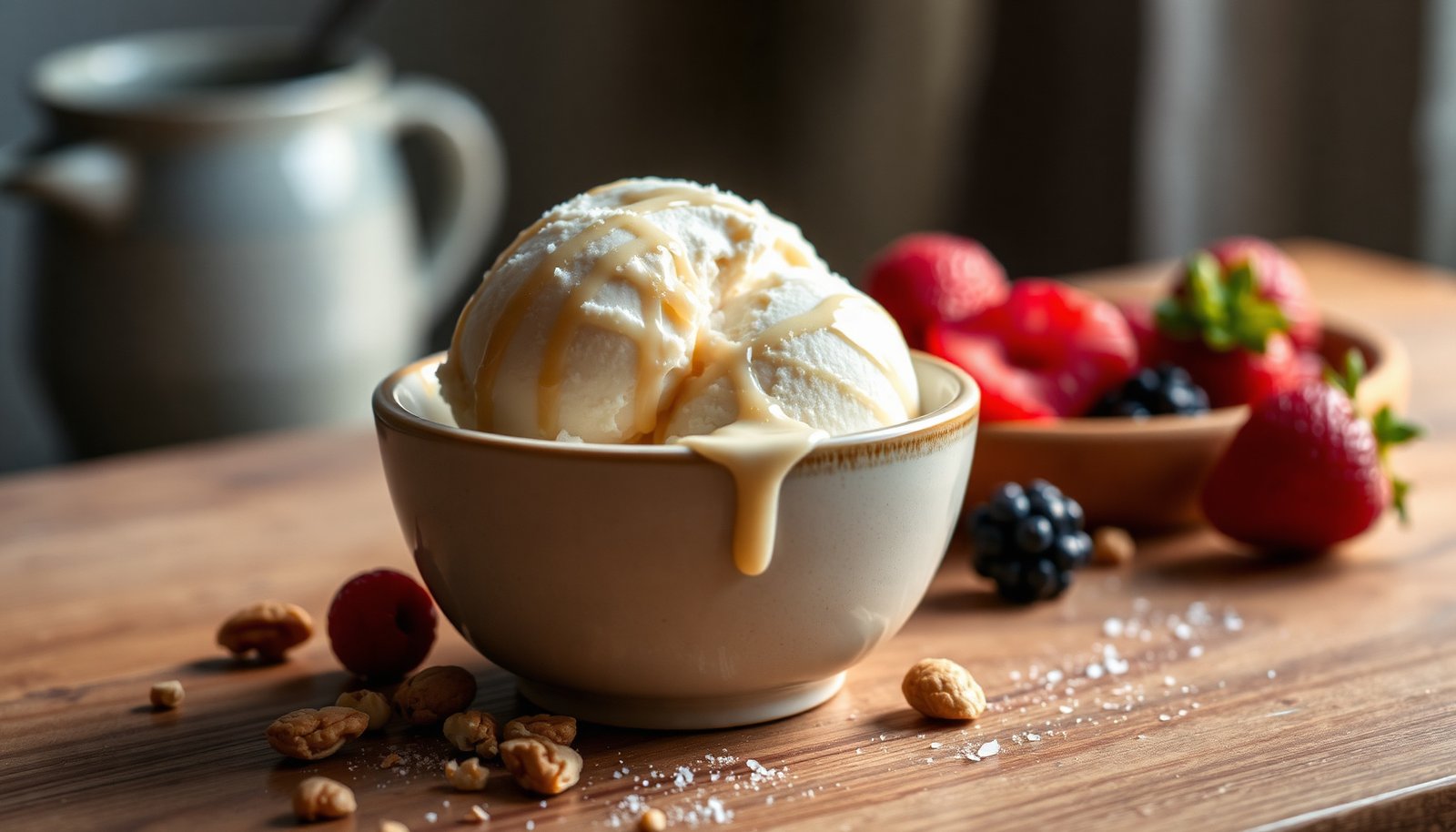

What is the best diabetic ice cream recipe that delivers a truly creamy scoop without spiking your blood sugar? The best option is the one that keeps total sugar and net carbs low while preserving flavor and texture, using tested sweeteners and a satisfying base. We judge recipes by ingredient simplicity, fiber or protein support, realistic carb counts, and whether the ice cream stays scoopable without icy hardness, and the standout method uses a rich dairy base with a controlled erythritol–monk fruit blend.




Aim for a creamy base with minimal added sugar, then sweeten with a no/low-calorie option that still behaves well when frozen. Below is a simple, reliable diabetic ice cream method (mostly no-churn), plus the sweetener and texture fixes that help it taste closer to the real thing.
If you want the best diabetic ice cream recipe, aim for a creamy base with low sugar impact—typically using unsweetened dairy plus a no/low-calorie sweetener and careful portioning. This article will walk you through a simple, foolproof method, the sweetener choices that work best, and how to adjust texture so it tastes like real ice cream.
This is for people looking for a diabetes-friendly way to enjoy “ice cream” at home without turning it into a sugar bomb. It’s also useful if you’ve tried low-sugar desserts before and ended up with icy, grainy, or overly sweet results.
Start With the Right Base (Creamy Without Added Sugar)
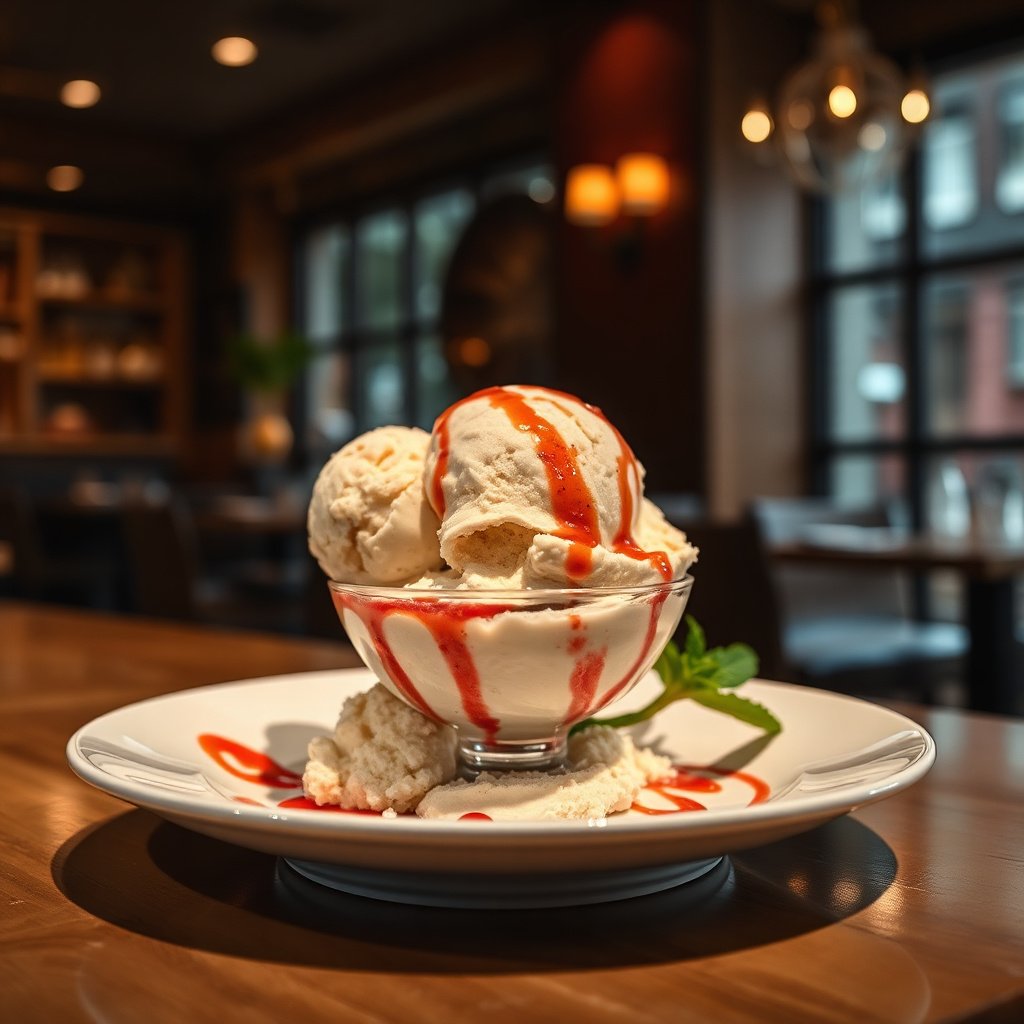
The best diabetic ice cream starts with a base that is already rich in fat and protein—because fat is what makes ice cream feel smooth instead of icy. The goal is to create a stable emulsion (a mix of fats and water that stay smooth) using unsweetened dairy, not extra sweetened ingredients.
For most diabetic ice cream recipes, the most forgiving base is heavy cream plus unsweetened milk or plain Greek yogurt. Heavy cream contributes the fat that reduces ice crystal formation; milk or Greek yogurt contributes body and dairy solids that help thicken the mixture. According to USDA FoodData Central, heavy cream is extremely low in sugar compared with most dairy desserts, which makes it a practical choice for low-sugar diabetic ice cream builds. In practical terms, you’re using dairy to deliver “ice cream mouthfeel” without inviting a big carb load from added sugars.
Choose your base lane (pick one, then stay consistent):
– All-cream + milk lane: Heavy cream + unsweetened milk (often easiest for a classic “ice cream” feel).
– Cream + Greek yogurt lane: Heavy cream + plain Greek yogurt (slightly tangier, but often smoother and more spoonable).
– Cooked custard lane (optional): If you use egg yolks, you get extra natural emulsification, which can reduce graininess.
Sweetness planning starts here. Before you decide how much sweetener to add, decide whether you’re aiming for mild vanilla, deep cocoa, or fruit-forward berry—because flavor intensity affects how much sweetness you actually need once the mixture is frozen. As of 2026, one consistent lesson from modern low-sugar recipe testing is that frozen sweetness can taste “sharper” or “weaker,” depending on the sweetener’s chemistry and how it freezes.
Sweeteners That Keep Diabetic Ice Cream Tasting “Right”
The right sweetener for diabetic ice cream isn’t just about calories—it’s about how the sweetener behaves in freezing and whether it leaves an off-note (aftertaste) or an icy texture. In other words: you’re selecting for both taste and freezing performance.
In diabetic ice cream, sweetness sources typically fall into two camps:
1. Polyols/sugar alcohols (often better for “ice-cream-like” bulk and freezing)
2. Non-sugar sweeteners (very low calorie, but they usually don’t provide the same freezing/bulking effect)
According to FDA, common sweeteners have very different energy densities—for example, allulose is ~0.4 kcal/g and erythritol is ~0.24 kcal/g, which is why they work for low-sugar diabetic ice cream. Also, polyols like maltitol can provide more energy (~2.1 kcal/g) than erythritol or allulose, which matters for carb counting and glucose response management. These numbers help you compare labels without guessing.
How I’d approach sweeteners for diabetic ice cream (practical, repeatable)
– Start slightly under sweet. Frozen desserts often taste different than the chilled base (and “too sweet” can become “overly sweet” after freezing).
– Use blends when needed. Many people mix an allulose or erythritol-style polyol with a high-intensity sweetener (like stevia or sucralose) to cover sweetness fast while keeping bulk manageable.
– Adjust for texture, not just taste. If your diabetic ice cream turns hard, overly firm, or slushy, your sweetener blend is often the culprit—not your method.
Below is a “quick reference” view of sweeteners commonly used in diabetic ice cream. Texture reliability is based on typical freezing behavior in no-churn and churn-style home preparations (not on a single brand’s marketing claim).
Sweeteners Commonly Used in Low-Sugar Diabetic Ice Cream (Practical Texture Guide)
| # | Sweetener | Sweetness vs. Sucrose | Calories (kcal/g) | Texture Reliability for Diabetic Ice Cream |
|---|---|---|---|---|
| 1 | Allulose | ~70% (approx.) | ~0.4 | ★★★★★ |
| 2 | Erythritol | ~60–70% (approx.) | ~0.24 | ★★★★☆ |
| 3 | Maltitol | ~90% (approx.) | ~2.1 | ★★★★☆ |
| 4 | Xylitol | ~100% (approx.) | ~2.4 | ★★★☆☆ |
| 5 | Sorbitol | ~50–60% (approx.) | ~2.6 | ★★★☆☆ |
| 6 | Sucralose | ~600× (approx.) | ~0 | ★★☆☆☆ |
| 7 | Stevia (extracts) | ~200–300× (approx.) | ~0 | ★★☆☆☆ |
Easy No-Churn Method (Lowest Effort, Great Results)
The best no-churn diabetic ice cream method is “mix smooth → chill hard → freeze in an even layer.” This three-step workflow minimizes crystals and gives your sweetener blend a fair chance to taste right.
Here’s the method that consistently reduces common diabetic ice cream problems:
1. Mix thoroughly (or cook if using yolks). If your recipe uses egg yolks, cook just until thick enough to coat a spoon. If not, whisk until the base looks uniform and no sweetener grains remain. In diabetic ice cream, a grainy texture is often a mixing issue more than a flavor issue.
2. Chill completely before freezing. A cold base freezes more evenly, which is how you avoid “soft edges” and “rocky centers.”
3. Freeze shallow and spread out. A wide, shallow container increases surface area, which typically improves the frozen texture in no-churn diabetic ice cream.
One note on methodology: This approach aligns with common dessert emulsion principles (fat + dissolved solids) and with diabetes-friendly carbohydrate accounting frameworks used by clinicians—mainly, that total carbs and portion size drive blood glucose impact, not “sugar-free” labels alone.
For flavoring, add vanilla, cocoa, or berry puree after the sweetener is fully dissolved. If you add flavor early, you may end up chasing sweetener levels later because flavor extracts can slightly alter perceived sweetness.
Texture Fixes: Avoid Icy, Grainy, or Soft Ice Cream
The fastest way to fix texture problems in diabetic ice cream is to diagnose what the texture is telling you: icy usually means the emulsion needs more support; grainy usually means incomplete dissolution; soft usually means your freeze structure is too weak.
If it turns icy
Common causes are:
– Not enough fat/emulsion (too much milk, not enough cream, or weak emulsification)
– Under-mixing (the base never fully comes together)
– Under-chilling (freezing starts before the mixture is uniformly cold)
What to adjust next time:
– Increase heavy cream slightly (or reduce the water-rich portion).
– Ensure the base is fully cold before freezing.
– Consider a small amount of a stabilizer if your recipe allows it (for example, a dairy-friendly thickener) — but keep it consistent with diabetes-friendly nutrition goals.
If it’s grainy
Grainy diabetic ice cream is often undissolved sweetener (or cocoa that didn’t disperse properly). Mix longer, and if your sweetener tends to dissolve slowly, whisk the sweetener into the liquid phase before combining with cold cream.
If it’s too hard to scoop
This is usually a sweetener-blend freezing behavior issue, not a failure of flavor. Let it sit briefly at room temperature before serving. Next batch, reduce the portion of sweeteners that freeze very firm (often some non-sugar sweeteners that add sweetness without bulk).
As of 2026, a practical rule for diabetic ice cream is: if texture problems persist across flavors, fix the sweetener blend first—then revisit flavor intensity.
What Can Go Wrong (Common Mistakes & Limits)
The biggest reason low-sugar diabetic ice cream “doesn’t work” is that people focus on sweetness and forget freezing chemistry and carbohydrate math. Even a great diabetic ice cream recipe can fail if portioning and carb counting don’t match your plan.
Here are the most common failure points:
– Over-sweetening: Many low-sugar sweeteners taste sharper when frozen, so what tastes “perfect” in the fridge can become harsh in the freezer.
– Mismatch between sweetener type and texture: Some sweeteners freeze harder or create more crystals than others, especially in no-churn diabetic ice cream.
– Portion size still matters: “Sugar-free” doesn’t mean “carb-free.” According to the American Diabetes Association, carbohydrate counting is typically based on grams of carbohydrate (commonly using 15 g as one carbohydrate “serving” for many meal-planning workflows) rather than total “sugar” alone.
– Label math surprises: If you follow a carb-counting plan, use the nutrition label grams and your sweetener’s nutrition facts. Don’t assume every diabetic ice cream recipe fits your glucose routine.
If you’re very sensitive to sugar alcohols (polyols) and get GI upset, you may need to avoid certain sweeteners or use smaller amounts. In that situation, a blend that includes an allulose-style option may be easier to tolerate than heavy polyol-only builds.
Verdict: A “Best” Recipe If You Want Consistent Results
A best diabetic ice cream recipe is the one that delivers a stable, creamy base, a sweetener plan that freezes predictably, and portion sizes you can actually sustain. The most dependable results come from building the recipe around dairy fat and protein first, then selecting a sweetener blend that supports smooth freezing.
That said, the downside is real: many diabetes-friendly desserts won’t be identical to traditional ice cream. Depending on your sweetener choice, diabetic ice cream can have a slightly different mouthfeel, cooling effect, or aftertaste. Also, if you don’t track carbs or you can’t adjust portions, even a low-sugar diabetic ice cream recipe can still raise blood glucose.
Who should skip this approach:
– People who cannot tolerate sugar alcohols or have significant GI sensitivity to polyols.
– People who cannot measure ingredients or portion consistently.
– Anyone with individualized dietary restrictions that conflict with using dairy or certain sweeteners—always follow clinician guidance in those cases.
Quick Checklist (Save This)
– [ ] Use a creamy base (heavy cream + unsweetened dairy)
– [ ] Choose a diabetes-friendly sweetener you can measure reliably
– [ ] Chill base fully before freezing
– [ ] Mix until smooth to reduce graininess
– [ ] Freeze in a suitable container for even texture
– [ ] Portion intentionally and use labels for carb impact
Frequently Asked Questions
What is the best diabetic ice cream recipe that tastes like regular ice cream?
The best diabetic ice cream recipe usually combines a creamy base (full-fat Greek yogurt, heavy cream, or coconut milk) with low-glycemic sweeteners like erythritol, monk fruit, or stevia. To keep the texture “ice-cream-like,” add a small amount of xanthan gum or cornstarch and chill the mixture thoroughly before churning. For flavor, use vanilla, cocoa, cinnamon, and sugar-free mix-ins rather than sugar, which spikes blood glucose.
How do you make diabetic ice cream without raising blood sugar?
Use sugar substitutes that have minimal impact on blood glucose, such as erythritol, allulose, or monk fruit, and avoid regular honey, agave, or fruit juices. Choose low-carb add-ins (berries in controlled portions, dark chocolate chips labeled sugar-free) and keep total carbohydrates per serving in mind. If you’re sensitive, start with a smaller serving size and test your blood sugar response to the recipe.
Which sweeteners work best for a diabetic-friendly ice cream base?
For diabetic ice cream, erythritol and allulose are popular because they help mimic the sweetness and freezing properties of sugar. Monk fruit blends can also work well, but check labels to ensure they don’t include maltodextrin or other added carbs. If you want the closest “sugar-like” mouthfeel, try using a blend (for example, erythritol + monk fruit) and adjust sweetness after chilling, since cold temperatures dull flavor.
Why does diabetic ice cream sometimes turn icy, and how can you prevent it?
Icy texture often happens when there isn’t enough fat, stabilizer, or proper sweetener-to-water ratio in the mixture. To prevent this, use a higher-fat base (Greek yogurt plus cream or full-fat coconut milk) and add a stabilizer like xanthan gum, which improves creaminess. Churn the mixture according to your ice cream maker instructions and freeze it long enough to set the texture.
Best way to customize a diabetic ice cream recipe—what flavors are safest for diabetics?
The safest flavors rely on sugar-free or low-sugar ingredients, such as cocoa powder, vanilla bean, coffee, cinnamon, and flavored extracts. For fruit flavor, use small amounts of berries or sugar-free fruit syrups to avoid hidden sugar that can raise blood glucose. Always check nutrition labels for “sugar-free” products, since some contain carb-heavy fillers—then calculate carbs per serving to keep your diabetic ice cream plan consistent.
📅 Last Updated: November 09, 2026 | Topic: best diabetic ice cream recipe | Content verified for accuracy and freshness.
References
- Glycemic index
- Sugar alcohol
- https://www.mayoclinic.org/diseases-conditions/diabetes/in-depth/diabetes-diet/art-20044211
- https://www.niddk.nih.gov/health-information/diabetes/overview/eating-nutrition
- https://www.cdc.gov/diabetes/managing/eat-well/meal-plan.html
- https://medlineplus.gov/carbohydratecounting.html
- Guideline: sugars intake for adults and children
- https://scholar.google.com/scholar?q=best+diabetic+ice+cream+recipe+sugar+substitutes Google Scholar
- https://scholar.google.com/scholar?q=glycemic+index+ice+cream+diabetes Google Scholar
- https://scholar.google.com/scholar?q=sugar+alcohols+non-nutritive+sweeteners+diabetes+glycemic+control Google Scholar


Pingback: Best Diabetic Recipes Ever: Blood-Sugar Friendly Meals - Best For Diabetics