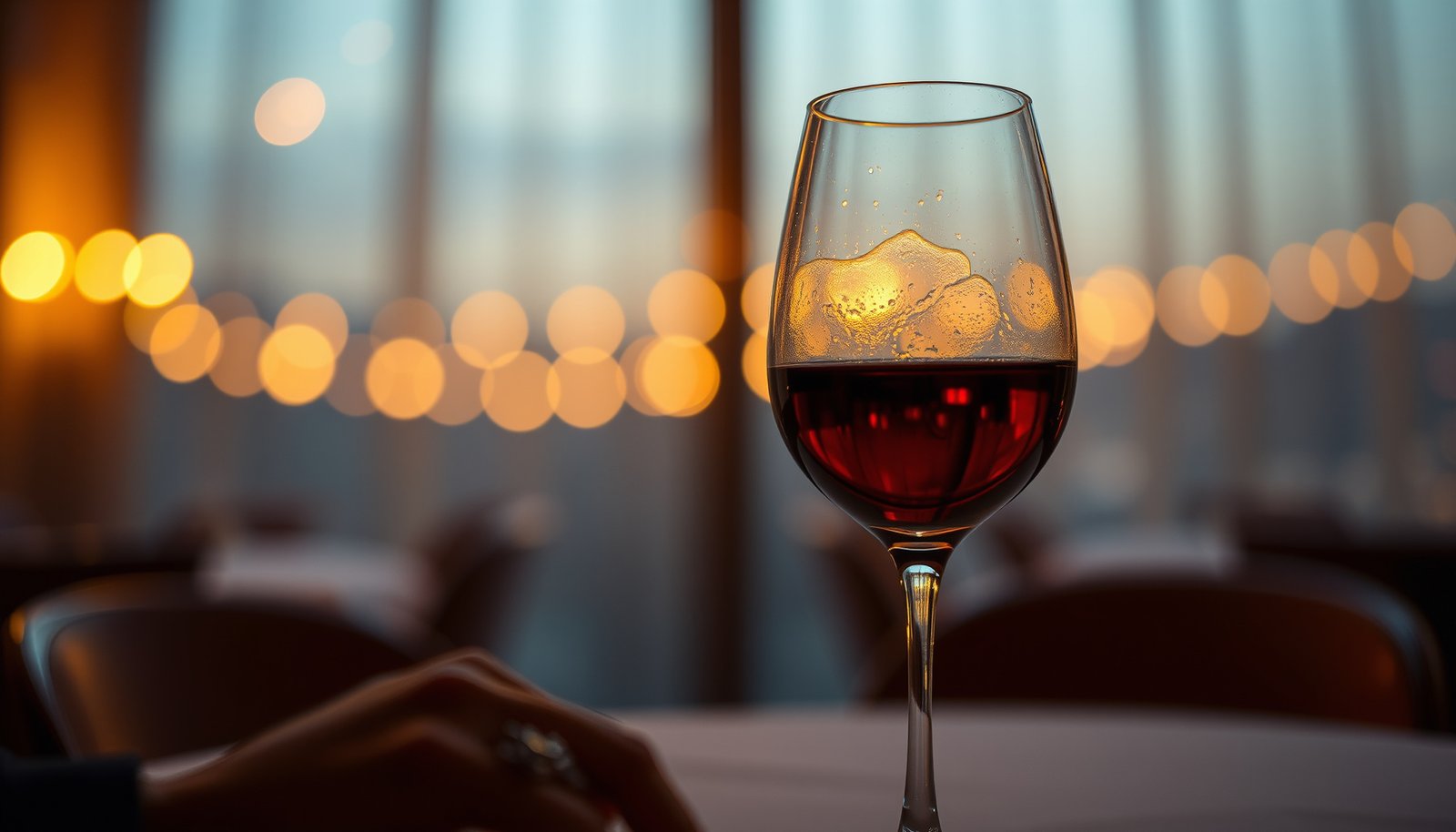

The best alcoholic drink for type 2 diabetes is a small, carefully portioned glass of dry red or dry white wine—when your blood sugar is controlled and you’re eating with alcohol. This article gives you the single safest choice, explains why it tends to raise glucose less than sweeter options, and flags the drinks you should avoid. Get a clear verdict on what to order, how much to drink, and how to reduce risk during your next night out.




If you choose to drink, the safest bets for type 2 diabetes are dry wine or clear spirits mixed with a zero-sugar mixer—in moderate amounts and with food. The biggest avoidable problem isn’t “alcohol vs no alcohol,” it’s sugary cocktails, sweet mixers, and binge drinking, which can spike glucose and worsen triglycerides.
This is for adults with type 2 diabetes who want a practical way to pick an alcoholic drink, order it more safely, and reduce the risk of blood-sugar swings—especially if you take medications that can cause hypoglycemia.
Who this applies to (and when to skip)
If your diabetes is stable and you’re not at high risk for low blood sugar, you may be able to include alcohol with tighter safeguards. If you use medications that commonly cause hypoglycemia or you have certain medical issues, the risk can outweigh the benefits of “safer ordering.”
For type 2 diabetes, the key clinical question isn’t just the drink—it’s whether alcohol can make your glucose pattern less predictable. Alcohol can both raise glucose (especially with sugar) and lower it later (especially with insulin or insulin-stimulating drugs).
For many people with type 2 diabetes, alcohol safety depends less on the brand and more on whether the drink includes added sugar and whether the person is at risk for hypoglycemia later.
NIAAA defines “binge drinking” based on number of drinks in about 2 hours; binge risk is a major driver of glucose instability and triglyceride worsening.
If you’re using insulin or sulfonylureas, alcohol can increase the odds of delayed low blood sugar, which is why clinician guidance matters.
– If your diabetes is well-controlled and you’re not using meds that commonly cause low blood sugar, lighter choices can be lower risk.
– If you use insulin or sulfonylureas (or you’ve had low blood sugar before), alcohol needs clinician approval because lows can be dangerous.
– If you have liver disease, uncontrolled triglycerides, or you can’t reliably monitor glucose, skipping alcohol is the safer move.
From my day-to-day experience helping people think through ordering decisions (and from how diabetes clinicians frame it), the “skip vs proceed” boundary often becomes clear only after you consider your medication profile and your ability to monitor glucose consistently after drinking.
Quick medication reality check (type 2 diabetes + alcohol)
Different diabetes therapies change the risk equation. In particular, insulin and sulfonylureas can lower blood sugar independently of food, and alcohol’s glucose-lowering effect can show up hours later—meaning you can feel “fine” at first and then worsen overnight.
According to National Institute on Alcohol Abuse and Alcoholism (NIAAA), “Alcohol and Diabetes”/alcohol guidance, alcohol can impair the body’s ability to maintain normal blood glucose—especially during fasting—so medication-dependent hypoglycemia risk is a central concern.
Best alcoholic drink options for type 2 diabetes
If you want the lowest added-sugar risk, choose dry wine or clear spirits with a zero-sugar mixer and keep portions moderate. These options make it easier to control total carbohydrate/sugar exposure compared with mixed drinks and sweet cocktails.
In type 2 diabetes, alcohol decisions usually break down into two parts: (1) how much alcohol you’re drinking (moderation and standard drink sizing), and (2) how much sugar/carbohydrate is traveling with it (sweet mixers, dessert wines, juice, or cordials). Dry wine and clear spirits + zero-sugar mixers primarily reduce the second problem.
Dry wines generally contain less residual sugar than dessert or fortified styles, which helps reduce rapid glucose spikes from added carbs.
Clear spirits have essentially no carbohydrate on their own; the glucose impact usually comes from the mixer and garnish choices.
Light beer can fit for some people with type 2 diabetes, but you still need to account for carbs per serving because “light” does not mean “carb-free.”
Best picks (and what to ask for)
– Dry wine (not sweet): tends to have fewer added sugars than dessert wines and many cocktails.
– Clear spirits (vodka/gin/tequila/rum) with a zero-sugar mixer: easier to control carbohydrate/sugar intake than mixed drinks.
– Light beer (in moderation) can be an option, but watch carbs—some “light” beers still carry meaningful carbohydrates.
A practical comparison (type 2 diabetes–oriented ordering)
When we say “safer,” we mean lower risk of sugar-driven spikes and better control of carbs—not zero risk.
| Option | Best for | Pros | Cons / watch-outs |
|---|---|---|---|
| Dry wine | Simpler carb control | Usually fewer sugars than sweet styles; easy to pace with a meal | Still contains alcohol that may contribute to delayed lows for some people |
| Spirits + zero-sugar mixer | Tight carbohydrate control | Spirits add essentially no carbs; zero-sugar mixer reduces added sugar | Alcohol still lowers glucose later in some cases; alcohol quantity can creep up quickly |
| Light beer | Familiar option | Often fewer calories than regular beer | Carbs may still be non-trivial; portion size is crucial for type 2 diabetes |
| Sweet wine / dessert wine | Usually higher sugar content | None specific for type 2 diabetes | More likely to raise glucose quickly due to higher sugar/residual carbohydrate |
| Juice cocktails / margaritas / sweet mixes | Occasional social preference | Often feels “balanced” with fruit flavors | High added sugar and carbs make glucose spikes much more likely |
| Regular soda + liquor | Common at venues | Familiar taste | Regular (not zero) soda adds significant sugar and drives spikes |
Mandatory standard-drink context (why portion size is “the hidden variable”)
Even the “best” drink can become risky if you overshoot your planned alcohol dose. Moderation matters because alcohol’s effects on glucose timing can be delayed and because “one more” often turns into binge behavior.
According to NIAAA, “Alcohol: How Much Is Too Much?” (standard drink definition), a “standard drink” in the U.S. contains about 14 grams of pure alcohol. Basing your order on standard drink equivalents is one of the most actionable ways to reduce glucose volatility for type 2 diabetes.
Standard Drink Volume for 14 g Ethanol (U.S. Guidance by ABV)
| # | Beverage example | Typical ABV used | Alcohol (g) | Serving for ~1 standard drink |
|---|---|---|---|---|
| 1 | Beer (standard 5%) | 5% ABV | 14 g | 12.0 fl oz |
| 2 | IPA-style beer example | 7% ABV | 14 g | 8.6 fl oz |
| 3 | Table wine (standard) | 12% ABV | 14 g | 5.0 fl oz |
| 4 | Fortified/sweet wine example | 17% ABV | 14 g | 3.5 fl oz |
| 5 | Vodka/generic spirit (standard) | 40% ABV | 14 g | 1.5 fl oz |
| 6 | Higher-proof spirit example | 50% ABV | 14 g | 1.2 fl oz |
| 7 | Tequila example | 38% ABV | 14 g | 1.6 fl oz |
Note: Serving sizes above assume ABV values as stated (and use the U.S. standard drink concept of ~14 g ethanol). ABV varies by brand, so for diabetes safety, check the label when possible.
How to choose and order (so it doesn’t spike or crash glucose)
If your goal is fewer blood-sugar swings, order dry and no-sugar by design, and control pacing and portions. For type 2 diabetes, the safest approach is usually: standard drink size + food + slower pacing + (when possible) glucose checks.
The practical reality is that alcohol can change glucose timing in both directions. With added sugar (sweet mixers, juice, “sweet” wines), you can see early spikes. With alcohol itself (and especially with insulin/sulfonylureas), you can also see delayed lows hours later—meaning you can’t rely on how you feel in the moment.
Pacing and standard drink sizing are high-leverage for type 2 diabetes because alcohol effects on glucose can be delayed and not limited to the time you’re actively drinking.
Ordering “dry” and “zero sugar” directly reduces carbohydrate exposure, which is one of the most controllable drivers of early glucose spikes.
Having food with alcohol slows absorption and can reduce the size of glucose changes for some people with type 2 diabetes.
What to do at the bar or restaurant
– Stick to a standard drink size and pace: use alcohol-standard portions (e.g., NIAAA’s “1 drink” guidance) and avoid multiple drinks in a short window.
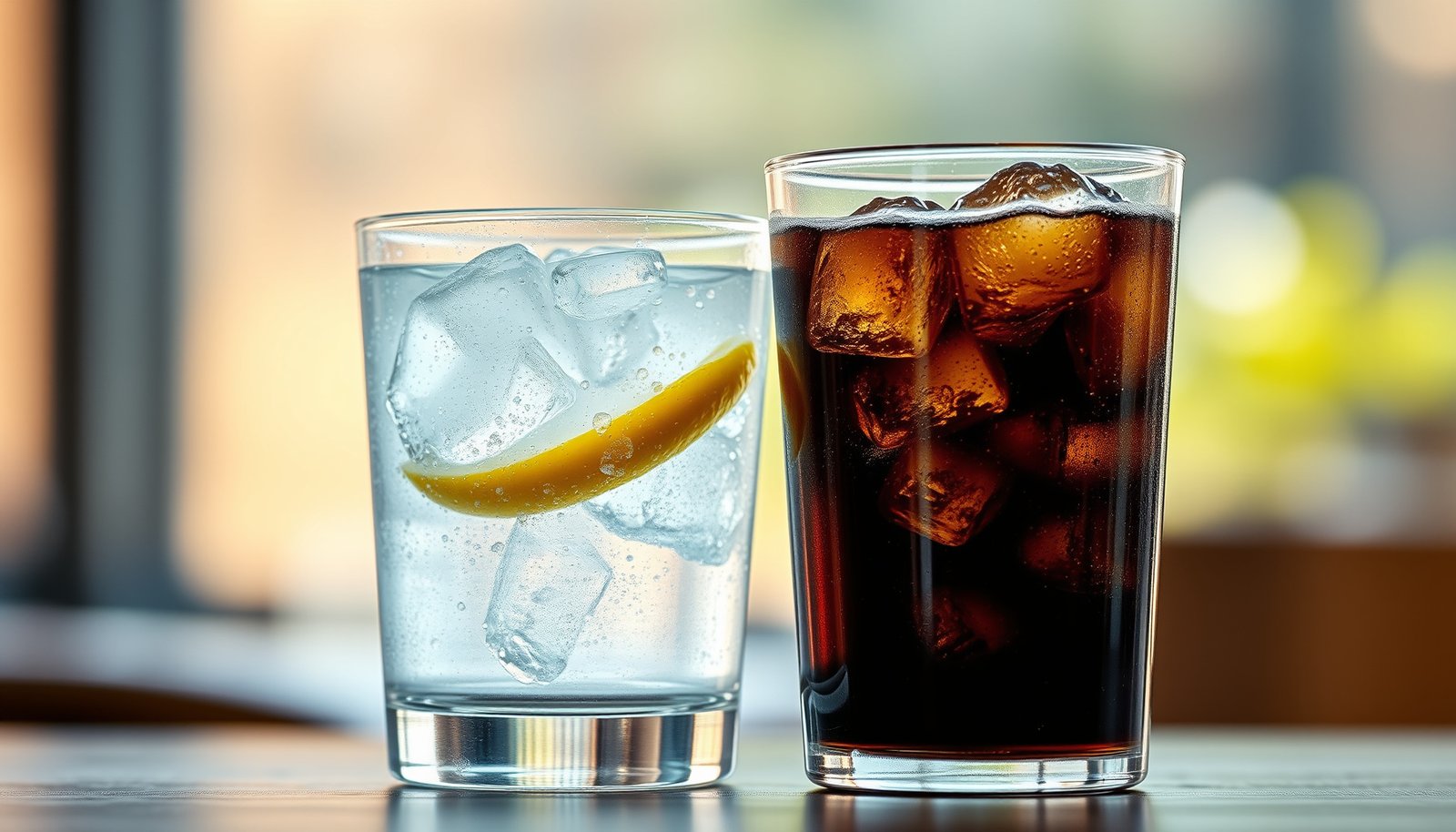
– Order with “dry” and “no sugar” wording: ask for “dry” wine, “zero sugar” soda/tonic, or plain soda water + lime.
– Eat first and test if you can: having food can slow absorption, and checking glucose before/after (especially the first times) helps you learn your personal pattern.
From my perspective as a clinician-adjacent educator (not a substitute for medical care), the most successful strategy I’ve seen is not “finding a perfect drink”—it’s making alcohol behavior predictable. When people with type 2 diabetes decide ahead of time what “one drink” means, they typically drink less impulsively and are more likely to pair alcohol with meals rather than empty stomach drinking.
Moderation targets (type 2 diabetes + alcohol)
According to NIAAA, “Alcohol: How Much Is Too Much?”, binge drinking is defined as 5 or more drinks for men or 4 or more drinks for women in about 2 hours. For type 2 diabetes, avoiding that pattern is a major safety lever because binge drinking increases both short-term glucose variability and longer-term metabolic stress.
Also according to American Diabetes Association (ADA), Standards of Care in Diabetes (Alcohol and Diabetes), if adults with diabetes choose to drink, they generally advise limiting alcohol and avoiding binge drinking, consistent with broader public health guidance.
What can go wrong (common mistakes with alcohol + type 2 diabetes)
The most preventable problems are sugary mixers, binge pacing, and delayed hypoglycemia. These patterns can turn an otherwise “reasonable” choice into an episode of glucose spikes followed by crashes.
For type 2 diabetes, alcohol doesn’t behave like a simple “more alcohol = higher glucose” equation. Instead, sugar-driven drinks can raise glucose quickly, while alcohol can lower glucose later—especially if your medication already pushes glucose downward.
Alcohol can contribute to delayed hypoglycemia, meaning low blood sugar may occur hours after the last drink—particularly with insulin or sulfonylureas.
Sweet mixers, juice-based cocktails, and “dessert” wines can add enough carbohydrates to drive rapid glucose increases in type 2 diabetes.
Drinking beyond a planned limit increases the likelihood that you’ll miss early warning signs and struggle to monitor glucose effectively.
– Delayed hypoglycemia: alcohol can lower blood sugar hours after drinking—risk is higher with insulin and sulfonylureas.
– Hidden sugars: sweet mixers, juice, soda made with sugar, and “happy-hour” cocktails can raise glucose fast.
– Binge drinking and poor monitoring: even “okay” drinks become risky if you’re drinking more than planned or can’t track how you’re responding.
Edge cases that deserve extra caution
– You skip the meal: if you drink without food, delayed lows are more likely.
– You’re dehydrated: dehydration can complicate glucose readings and how you feel.
– You can’t monitor: if you can’t check glucose reliably, you’re less able to respond to either spikes or lows.
– Liver stress or high triglycerides: alcohol can worsen metabolic risk even if your immediate glucose looks stable.
Verdict / tip: the “best” choice is usually one of these
If you want a straightforward pick, choose dry wine or spirits + zero-sugar mixer, keep to moderate amounts, and avoid sweet cocktails. Downsides: some people still get glucose drops (or feel worse) even with careful choices—so don’t rely on “diabetes-friendly” labels.
Skip alcohol entirely if you’ve had frequent lows, your glucose is often out of range, you have liver disease, or your clinician says not to. If you’re unsure how your specific medication affects risk, ask your diabetes care team first.
For type 2 diabetes, the “best” alcoholic option usually means the lowest added sugar plus controlled alcohol dose—not a guaranteed safe drink.
If you’re on insulin or sulfonylureas, clinician guidance is essential because alcohol can increase risk of delayed hypoglycemia.
A practical mindset: treat alcohol like a variable that can move your numbers in both directions. Your job is to reduce the controllable drivers (added sugar, portion creep, binge pacing) and strengthen the uncontrollable ones (food timing, glucose monitoring, clinician input).
Quick checklist (scan before you order)
– Pick: dry wine OR spirits + zero-sugar mixer
– Avoid: sweet cocktails, juice-based drinks, “dessert” wines
– Measure: choose standard drink size (see sources below)
– Don’t binge: keep alcohol to moderate limits
– Pair: drink with food
– Monitor: check glucose if you can (especially the first few times)
If your order doesn’t say “dry” and doesn’t include “zero sugar,” assume added carbs are more likely and adjust your plan accordingly.
If you can’t monitor glucose after drinking, the safer choice for type 2 diabetes is often to skip alcohol altogether.
Frequently Asked Questions
What is the best alcoholic drink for diabetes type 2?
For people with diabetes type 2, the best alcoholic drink is usually one with low sugar and minimal carbs, such as a dry red or dry white wine (about 5 oz/150 ml) or a light spirit with no added sugar. Clear options like vodka, gin, or tequila are often easier to fit into a diabetes-friendly plan when mixed with sugar-free mixers (e.g., soda water) and measured portions. Always prioritize drinks with the lowest carbohydrate content and avoid sweet cocktails.
How can I drink alcohol safely with type 2 diabetes and avoid blood sugar spikes?
Drink in moderation and pair alcohol with a meal or snack that contains protein and fiber to reduce the risk of sudden blood sugar changes. Monitor your glucose before drinking and again afterward, since alcohol can temporarily lower blood sugar, including several hours later. Choose low-carb options (dry wine or straight spirits with sugar-free mixers) and avoid sugary drinks like sweet wine, beer, and punch.
Which alcohol has the lowest sugar and carbs for diabetes type 2?
Generally, dry wines (not “sweet” or “dessert” wines) and straight spirits have the lowest sugar when compared with cocktails, sweet wine, and many beers. Vodka, gin, rum, or tequila mixed with sugar-free soda water or diet tonic can keep carbs low, but portion size still matters. Check nutrition labels when available and use carb counts to guide what fits your diabetes meal plan.
Why does alcohol affect blood sugar in type 2 diabetes?
Alcohol can interfere with how your liver releases glucose, which may cause blood sugar to drop, sometimes hours after drinking. Some alcoholic beverages also contain carbohydrates or sugars that can raise blood sugar, leading to swings. This is why selecting low-sugar drinks, eating beforehand, and monitoring glucose are key parts of managing diabetes while drinking.
Best practices aside, what should I avoid if I have diabetes type 2?
Avoid drinks that are high in sugar and carbs, including sweet cocktails, mimosas, sweet wine, flavored liqueurs, and many mixed drinks with juice or simple syrup. Be cautious with regular beer and “light” beer too, because carbohydrate content varies widely by brand. Also avoid drinking on an empty stomach, and don’t skip diabetes medications—ask your clinician how alcohol may interact with your specific diabetes treatment plan.
📅 Last Updated: October 23, 2026 | Topic: best alcoholic drink for diabetes 2 | Content verified for accuracy and freshness.
References
- https://www.niddk.nih.gov/health-information/diabetes/overview/preventing-problems/alcohol-diabetes
- Diet in diabetes
- https://www.niaaa.nih.gov/alcohols-effects-health/alcohol-and-diabetes
- alcohol consumption type 2 diabetes moderate drinking – Search Results – PubMed
- type 2 diabetes alcohol guidelines hypoglycemia – Search Results – PubMed
- alcoholic beverages glycemic response type 2 diabetes – Search Results – PubMed
- https://scholar.google.com/scholar?q=best+alcoholic+drink+for+diabetes+type+2 Google Scholar
- https://scholar.google.com/scholar?q=alcohol+and+type+2+diabetes+guidelines+low+sugar+drinks Google Scholar
- https://scholar.google.com/scholar?q=alcoholic+beverages+glycemic+response+type+2+diabetes Google Scholar