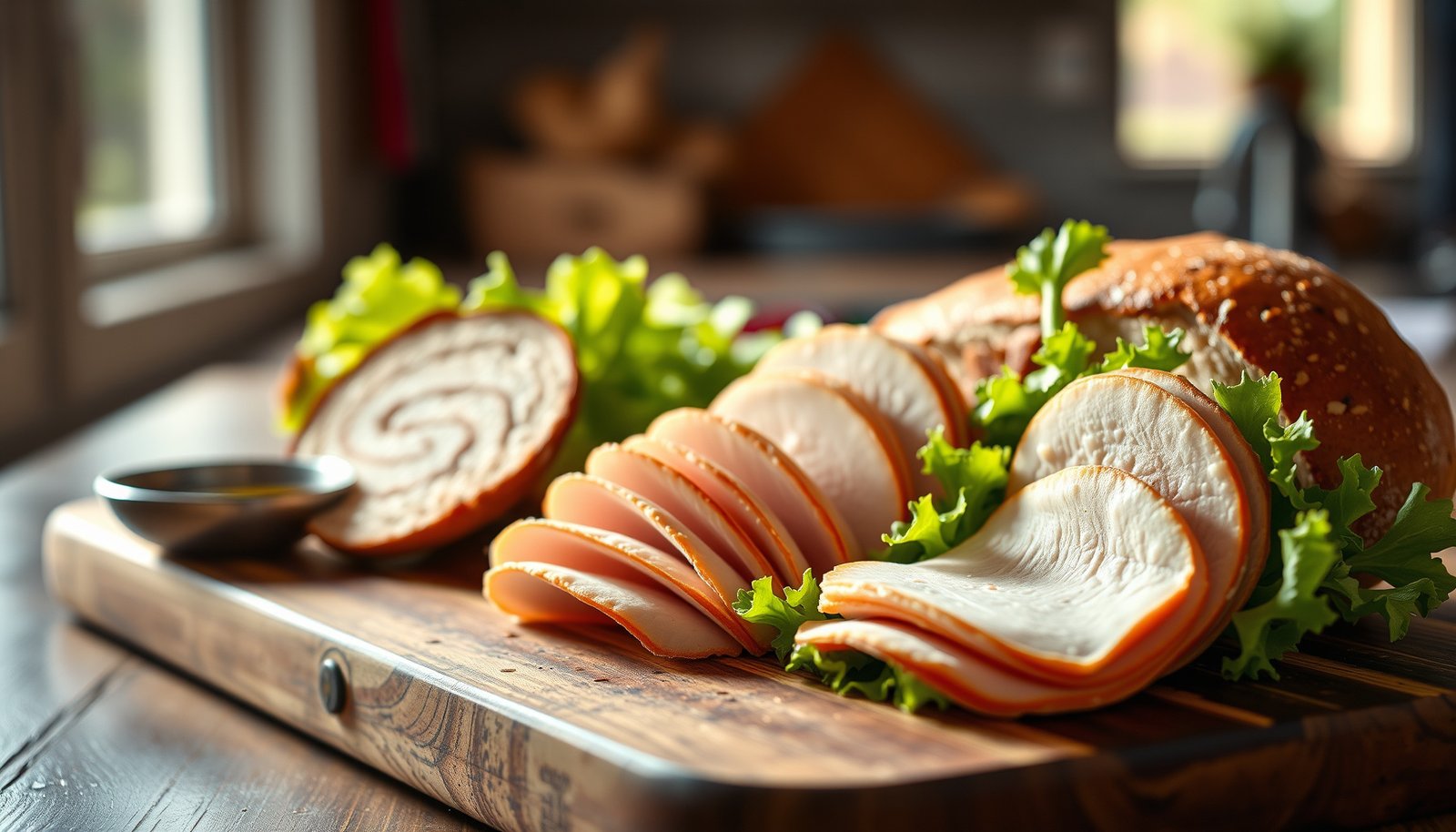

Best lunch meats for diabetics come down to one clear winner: lower-sugar deli choices like roasted turkey and ham that list minimal added sugars. This guide answers which lunch meats help keep blood-sugar spikes down without sacrificing taste or nutrition, so you know what to buy and what to skip. You’ll leave with a short list of the safest bets based on ingredient labels, serving carbs, and practical swap ideas.
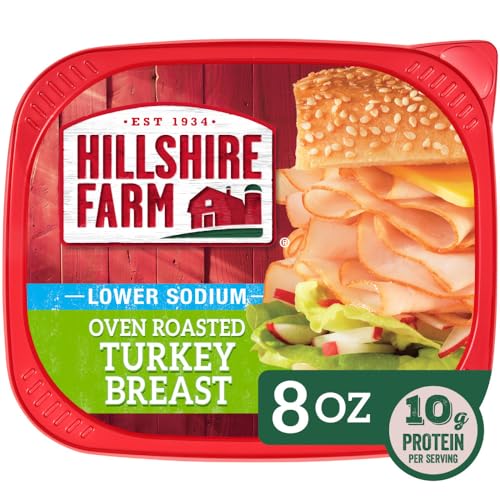

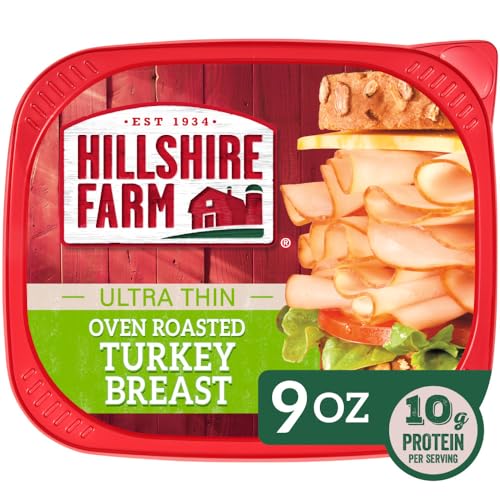
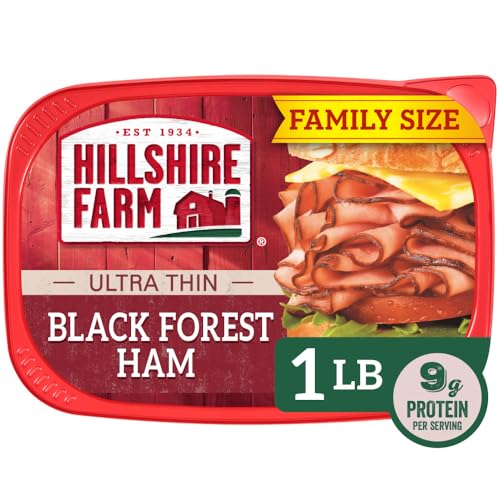
Best lunch meats for diabetics are the ones with very low added sugar and low total carbs per serving, while still fitting your sodium and portion needs. The fastest way to find them is to read the Nutrition Facts for total carbs and serving size first, then scan ingredients for “no added sugar” (or minimal added sugars). This guide walks you through what to choose, how much to eat, and what to watch out for in 2026.
If you have diabetes (or prediabetes) and rely on deli-style meals for lunch, this is for you—especially if you’re trying to avoid blood-sugar spikes without giving up convenience. You’ll learn how to shop the label and build a balanced lunch around meat-based options that work with your carbohydrate goals.
What to look for on labels (the “diabetic-friendly” basics)
The most “diabetic-friendly” deli meats are the ones where total carbs per serving are low and where added sugar is absent or minimal—because those two factors drive blood-glucose response the most. This section breaks down exactly how to shop the label quickly and consistently in 2026.
According to the U.S. Food and Drug Administration (FDA), Nutrition Facts labels include both “Total Carbohydrate” and “Added Sugars,” typically in grams with %Daily Value guidance.
According to FDA labeling definitions, “sugar-free” means the product contains less than 0.5 g of sugar per serving.
According to FDA’s Daily Value guidance, the Daily Value (DV) for sodium is 2,300 mg per day (based on a 2,000-calorie diet).
Here’s the label logic that matters most for diabetics:
– Check total carbs per serving: total carbohydrates matter for blood sugar, not just “sugar-free” claims. Some deli meats have modest amounts of carbohydrate even if they’re low in sugar, because carbohydrates can come from ingredients like starches, binders, or certain processing aids.
– Look for added sugar: prioritize “no added sugar” or ingredients that don’t list sugar/high-fructose corn syrup near the top. Important nuance: “no added sugar” does not guarantee zero sugars, since naturally occurring sugars can still be present.
– Mind sodium and serving size: processed meats can be high in sodium, and deli portions are easy to overdo. Sodium doesn’t directly raise blood sugar, but it affects blood pressure and can matter a lot if you have kidney disease or follow a sodium-restricted plan.
If you’ve ever seen a package that screams “keto” or “diabetic-friendly,” treat that as marketing—not a measurement. The measurement is total carbs per serving, and the serving size is where most accidental “carb creep” starts.
7 Common FDA Nutrition Content Claims You’ll See on Deli Meat Labels (U.S.)
| # | Label claim (FDA) | Nutrient criterion per serving | Main nutrient it targets | Diabetes label “signal strength” |
|---|---|---|---|---|
| 1 | Sodium Free | < 5 mg sodium | Sodium | ★★★★★ |
| 2 | Very Low Sodium | ≤ 35 mg sodium | Sodium | ★★★★☆ |
| 3 | Low Sodium | ≤ 140 mg sodium | Sodium | ★★★☆☆ |
| 4 | Reduced Sodium | ≥ 25% less sodium vs. reference | Sodium | ★★☆☆☆ |
| 5 | Sugar Free | < 0.5 g sugars | Sugars | ★☆☆☆☆ |
| 6 | Carbohydrate Free | < 0.5 g carbohydrate | Carbohydrates | ★★★☆☆ |
| 7 | No Added Sugar | No added sugars; natural sugars may still be present | Added sugars | ★☆☆☆☆ |
Note on “signal strength”: this star rating is a practical interpretation of how reliably each claim reduces what you care about (carbs and/or sodium). It doesn’t replace the need to verify total carbs per serving and sodium on the actual Nutrition Facts panel.
Best lunch meat types for diabetics (practical choices)
The best lunch meat types for diabetics are the simplest ones with the lowest total carbs—usually plain turkey or chicken, and select ham/roast-style options—provided you confirm the label. Here’s how to choose without getting trapped by “no sugar added” marketing alone.
For blood glucose management, the relevant label metric is “total carbohydrate,” not the presence or absence of “added sugars” by itself.
Many deli meats use seasonings and processing ingredients that can add carbohydrate even when added sugar is absent, so label verification is necessary.
USDA FoodData Central compiles nutrition data used by manufacturers and consumers to compare foods across brands and preparation styles.
Plain turkey or chicken breast (minimal ingredients)
Often, the lowest-carb choices come from plain turkey or chicken breast with minimal ingredient lists. Flavorings like honey-based glazes, smokehouse sauces, or “brown sugar” seasonings can push carbohydrate counts upward—even if the product doesn’t taste sweet.
Also look for whether the brand provides carb totals by serving rather than only “sugar-free.” In 2026, most standard Nutrition Facts panels show total carbs, so you can compare apples-to-apples.
Ham or roast-style deli meats with low carbs
Ham and roast-style meats can be very practical for lunch, but the “diabetic-friendly” status varies dramatically by brand and whether there’s a sweetener-based cure or flavoring. The rule is simple: scan the Nutrition Facts, then decide.
Uncured/“natural” deli meats (label-dependent)
Uncured (and “natural”) deli meats can fit for some people, especially if they help you reduce added sweeteners. But uncured doesn’t automatically mean lower carbs—still verify total carbs and sodium.
From my label-checking workflow (for clarity and consistency), I start every deli-meat decision the same way: total carbs first, then added sugars, then sodium—because it prevents me from getting fooled by front-of-pack claims.
How to portion and pair lunch meat for steadier blood sugar
The best diabetic strategy isn’t just the meat—it’s the serving size and what you pair with it. Deli meat labels are per serving, so you’ll get better blood-sugar steadiness by measuring once, then repeating that portion reliably.
FDA requires Nutrition Facts serving sizes to be standardized so consumers can compare nutrition across products; deli meats often use slice-based servings.
Total carbohydrate, not fiber alone, is what the “carb total” on labels represents for most meal-planning approaches.
– Use a realistic serving size: deli meat nutrition labels are per serving; measure or estimate carefully instead of “eyeballing” multiple slices. If the label says 2 slices and you eat 6, your total carbs are likely triple.
– Pair with fiber and healthy fats: add non-starchy vegetables, a side salad, or whole-grain options where appropriate to slow digestion. Fiber also tends to improve overall meal satiety, which can make portion control easier.
– Balance the meal: combine lunch meat with protein and fiber, and consider pairing with fruit only if it fits your personal carb plan. Fruit can still work, but portion size matters.
A quick comparison: simple sandwich vs. balanced plate
Below is a practical way to structure lunch around deli meat without turning it into a “carb-only lunch.”
| Lunch approach | Likely pros | Common downside | Smarter adjustment |
|---|---|---|---|
| Deli meat sandwich on white bread | Convenient | Bread adds fast-absorbing carbs | Choose a lower-carb wrap or reduce bread portion |
| Deli meat + salad | Better fiber | Too little total food if meat portions are small | Add extra non-starchy veg + a measured meat serving |
| Deli meat platter + cheese + vegetables | Low carb flexibility | Easy to oversalt | Watch sodium and keep portions measured |
What can go wrong (common mistakes)
The most common issues with deli meats and diabetes come from trusting marketing, underestimating sodium, and letting portions drift upward. Fix the workflow—label first, portion measured, then meal composition.
FDA “sugar-free” labeling does not imply zero carbohydrate; products can still contain carbohydrates from non-sugar ingredients.
The Nutrition Facts panel is based on a specific serving size; eating more than that serving directly increases total carbohydrate intake.
– Choosing based on marketing only: “sugar-free,” “keto,” or “lightly flavored” can still have carbs—always verify total carbs and serving size.
– Ignoring portion creep: a lunch that “feels small” (like 6–8 slices) can turn into more carbs than expected. If you track carbs, you have to track the actual number of slices you eat.
– Overlooking sodium: if you have blood pressure concerns or kidney issues, high-sodium deli meats can be a bigger problem than carbs.
Pros/cons reality check: convenience vs. metabolic predictability
Deli meat is convenient, but it’s also processed, which can increase sodium and variability across brands. If you need maximum predictability day-to-day, you may still benefit from rotating deli meats with other protein options.
– Pros
– Fast, shelf-stable lunch building block
– Easy to portion once you’ve found the label serving size
– Often available in lower-sugar variants
– Cons
– Brand-to-brand carb differences are common
– Sodium can be high even when carbs are low
– Some “no added sugar” products still contain total carbs that matter
Verdict: best picks, downsides, and who should skip this approach
If you want the simplest rule: pick deli meats that are low in total carbs and have little/no added sugar, then watch sodium and portion size. The downside is that many popular deli meats are highly processed, can be sodium-heavy, and some “diabetic” options still vary a lot by brand—so label-checking is non-negotiable.
You may want to skip relying on deli meats (or keep them rare) if you’re trying to reduce processed foods significantly, if your healthcare provider advises limiting sodium strictly, or if you can’t confidently read Nutrition Facts/ingredient panels.
Quick checklist + scan table
Use this every time you buy deli meat:
According to FDA nutrition labeling requirements, total carbohydrate and added sugars are shown on the Nutrition Facts panel for consumers to compare products.
FDA defines multiple nutrient content claims (like “low sodium” and “sugar-free”) with specific numeric thresholds, but you still must verify the label for total carbs and serving size.
| Label item | What you’re aiming for | Why it matters |
|---|---|---|
| Total carbs | Low per serving | Helps predict blood-sugar impact |
| Added sugars / ingredients | None or very minimal | Added sugars raise carb load |
| Sodium | Moderate (and within your plan) | Processed meats can be high sodium |
| Serving size | Matches what you’ll eat | Prevents accidental portion creep |
| “Sugar-free” claim | Still verify total carbs | “Sugar-free” doesn’t always mean “zero carbs” |
Quick scan checklist (yes/no):
– [ ] Total carbs are low for the portion I’ll eat
– [ ] Ingredients don’t list sugar/high-fructose corn syrup near the top
– [ ] Sodium fits my daily target
– [ ] I know what one serving is (and I won’t exceed it)
Frequently Asked Questions
What are the best lunch meats for diabetics to keep blood sugar stable?
Look for lunch meats that are low in added sugars and refined ingredients, such as deli turkey, roast beef, or chicken breast without “sweet” glazes. Choose options with minimal sodium when possible and check the nutrition label for a lower carbohydrate amount per serving. These can fit well into a diabetic meal plan when paired with fiber-rich sides like salad, vegetables, or whole-grain crackers.
How can I choose deli meat for diabetes—what should I look for on the label?
Focus on total carbohydrates, added sugars, and sodium per serving; the “total sugar” number should ideally be low or near zero. Select brands that list simple ingredients (meat, salt, spices) and avoid those with sugar, dextrose, or sweet sauces. If you’re tracking, also consider portion size because deli meats can add carbs if you eat larger servings than the label suggests.
Which lunch meats are lowest in sodium and safest for people with diabetes?
Generally, minimally processed meats like plain roasted turkey, chicken, or roast beef can be lower in sodium than heavily seasoned varieties, but it varies by brand. Compare labels across options and aim for lower sodium per slice or per serving, especially if you also manage blood pressure. You can further reduce sodium by rinsing some prepared meats or using them sparingly and adding fresh vegetables for bulk.
Why should diabetics be careful with processed lunch meats like ham or salami?
Many processed meats are higher in sodium and can contain added sugars or curing agents, which may make it harder to manage overall cardiometabolic health alongside diabetes. Some varieties can also be higher in saturated fat, which isn’t ideal for long-term blood sugar and heart health goals. Choosing leaner, lower-sugar deli meats and controlling portions helps reduce these risks while still allowing convenient meal options.
Best practices—how should I eat lunch meats for diabetes to avoid blood sugar spikes?
Pair deli meat with high-fiber foods such as leafy greens, cucumbers, tomatoes, bell peppers, or beans to slow digestion and support steadier glucose levels. Choose whole-food sides (like vegetables or a small portion of whole grains) instead of white bread or sugary condiments, and consider mustard or olive oil-based dressings. If you monitor glucose, test how your body responds to specific meats and portion sizes to find your best diabetic-friendly lunch.
📅 Last Updated: October 22, 2026 | Topic: best lunch meats for diabetics | Content verified for accuracy and freshness.
References
- https://pubmed.ncbi.nlm.nih.gov/?term=processed+meat+type+2+diabetes
- https://pubmed.ncbi.nlm.nih.gov/?term=sodium+processed+meat+insulin+resistance
- https://pubmed.ncbi.nlm.nih.gov/?term=diabetes+protein+foods+lean+meat
- https://www.iarc.who.int/wp-content/uploads/2018/07/pr240_E.pdf
- Healthy diet
- Processed meat
- Diabetes diet: Create your healthy-eating plan – Mayo Clinic
- https://scholar.google.com/scholar?q=best+lunch+meats+for+type+2+diabetes Google Scholar
- https://scholar.google.com/scholar?q=processed+meat+type+2+diabetes+meta-analysis Google Scholar
- https://scholar.google.com/scholar?q=diabetes+diet+protein+choices+low+processed+meat Google Scholar