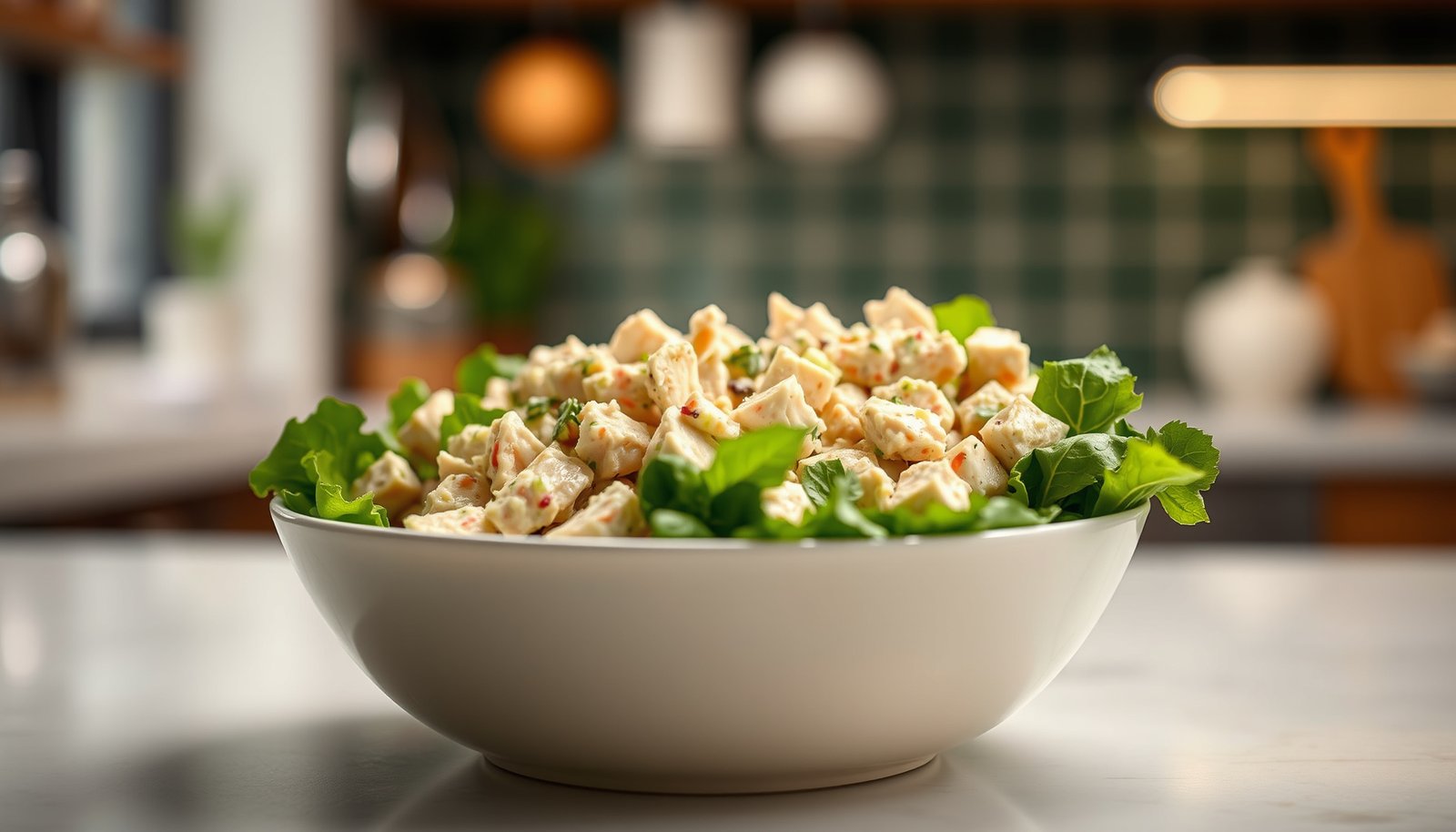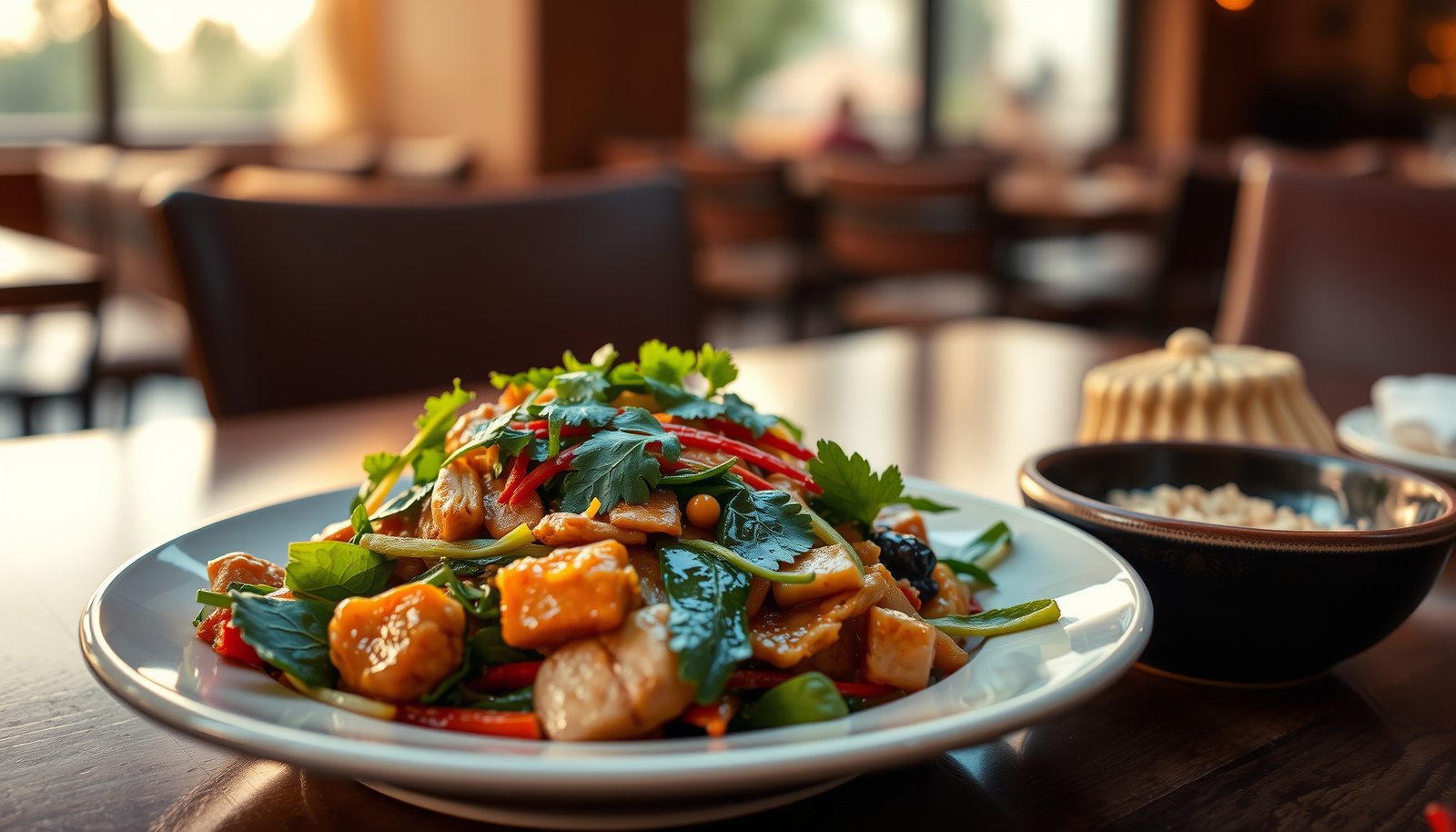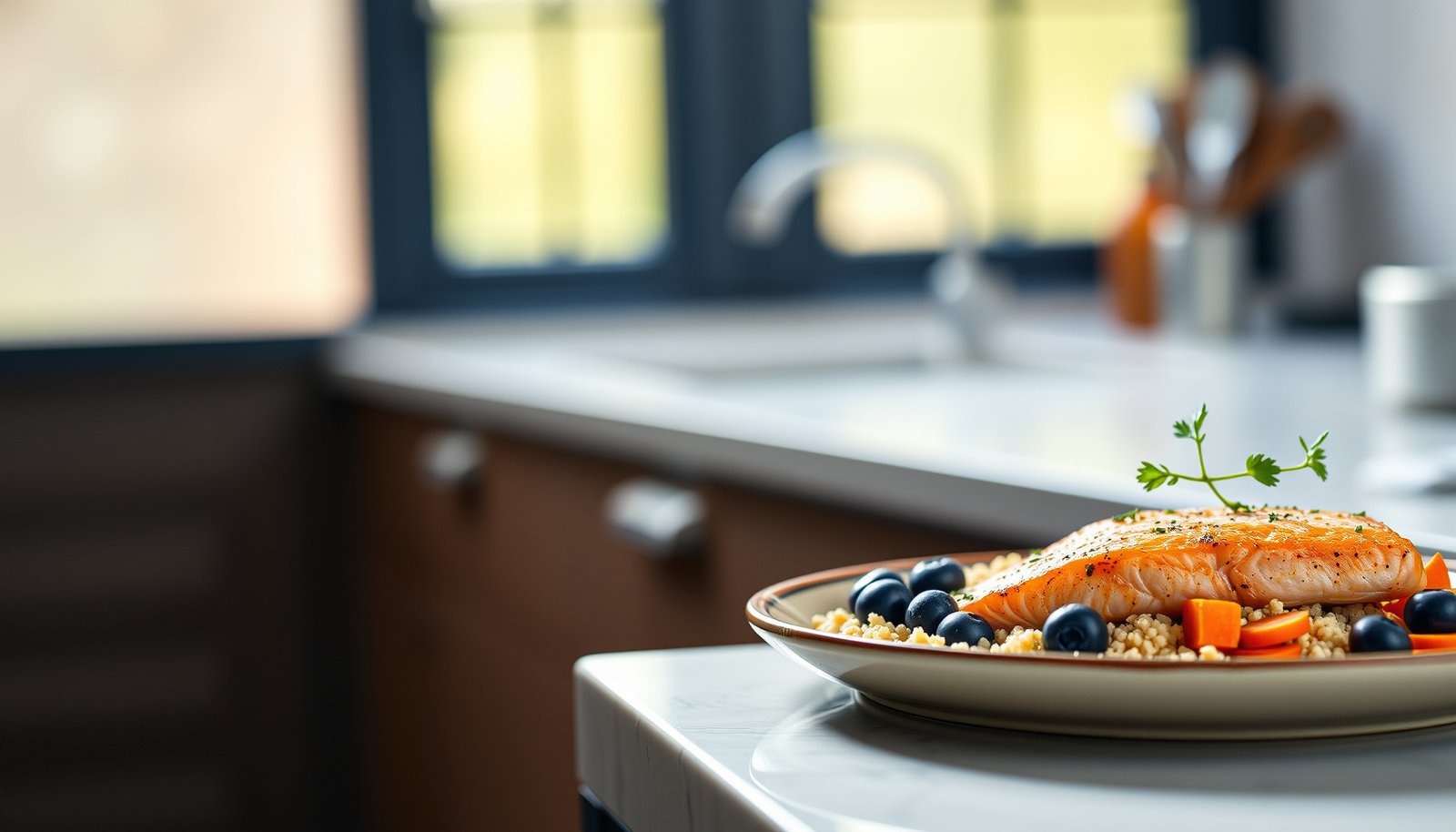

Looking for the best things to eat with diabetes that keep blood sugar steady? Your most reliable wins are high-fiber vegetables, lean proteins, and smart whole-food carbs paired in balanced meals—because they blunt glucose spikes and support longer-lasting fullness. This guide answers which foods consistently deliver steadier readings and how to choose them every day, meal after meal.




The best foods for diabetes-friendly blood sugar are the ones that slow digestion and reduce post-meal glucose spikes—non-starchy vegetables, high-fiber carbs in proper portions, lean proteins, and unsweetened drinks. Building meals by pairing carbs with protein and healthy fats (and then watching portions) is a practical way to keep glucose steadier day to day, whether you have type 1, type 2, or gestational diabetes.
If you have type 1, type 2, or gestational diabetes, these food ideas can help you plan meals that are more predictable for your body. Use the suggestions below alongside your clinician’s plan—especially if you take insulin or other glucose-lowering medicines.
Non-starchy vegetables and fiber-forward staples

Non-starchy vegetables and high-fiber staples are the foundation for steadier diabetes-friendly meals because they add volume with fewer net digestible carbs. In practical terms, you get more food for fewer glucose-raising inputs, which supports fullness and can blunt post-meal spikes.
Research and clinical guidance repeatedly point to fiber and low-glycemic-density foods as key tools for meal planning in diabetes. In my own meal planning process, the biggest difference has come from simply “starting the plate” with vegetables and consistently including a fiber-forward side—.
Non-starchy vegetables are low in net carbs, so they typically raise blood glucose much less than starchy foods for the same portion size (guidance aligned with American Diabetes Association (ADA), Standards of Care in Diabetes).
Fiber slows carbohydrate digestion and absorption, which can support a lower post-meal glucose rise (see nutrition therapy principles in American Diabetes Association (ADA), Standards of Care in Diabetes).
Key choices that keep glucose steadier
– Make vegetables the base of the meal. Aim to build the “bulk” of your plate around leafy greens, broccoli, cauliflower, peppers, mushrooms, and zucchini. Because these foods are low in net carbs, they’re easier to eat in satisfying volumes without overshooting your glucose targets.
– Choose fiber-forward staples. Beans/lentils, chia/flax, nuts, and whole grains where you tolerate them well tend to support slower digestion and steadier satiety. Fiber also helps many people naturally reduce how much refined carbohydrate they eat.
– Prioritize unsweetened beverages. Water, sparkling water, and plain tea/coffee help you avoid hidden sugars that can cause glucose spikes without triggering “meal” awareness.
A few anchor points (why fiber matters): According to the Institute of Medicine, adequate daily fiber intake is 38 g/day for men and 25 g/day for women (2005). (Institute of Medicine report on dietary reference intakes for fiber) That target may not be achievable immediately—but it’s a useful compass for how much fiber to aim for in diabetes-friendly eating.
How to portion vegetables (without overthinking)
A common mistake is treating vegetables as “free” in unlimited quantities. Vegetables are generally diabetes-friendly, but large portions of certain high-carbohydrate vegetables (and heavy vegetable-based sauces) can still affect glucose. If you track glucose, use that data to learn your personal response patterns—especially with raw vs. cooked vegetables, because cooking can change digestibility.
Carbs that work: high-fiber, minimally processed options
The best carbs for diabetes are the ones that include fiber and minimal processing, because they digest more slowly and often produce a gentler glucose curve. The second half of the equation is portion size and pairing—even high-quality carbs can raise blood sugar if you eat too much.
Carbohydrate quality (e.g., higher fiber, less processing) and total carbohydrate amount both influence post-meal glucose, which is why ADA recommends individualized nutrition therapy rather than one-size-fits-all rules (see ADA, Standards of Care in Diabetes).
Because individual responses vary, monitoring glucose patterns can help you learn which carbs and portions work best for your body (consistent with ADA Standards of Care in Diabetes emphasis on individualized medical nutrition therapy).
Carbs that tend to “work” for steadier glucose
– Pick fiber-containing carbs. Examples include beans, lentils, intact whole grains (like oats or brown rice), and whole fruit (preferably eaten whole, not as juice). Fiber slows digestion, and the “intact” structure of whole foods often digests more gradually than finely milled grains.
– Be strategic with starchy foods. Potatoes, corn, white rice, and pasta can fit into diabetes-friendly meals, but portions matter—and pairing them with protein and healthy fats is often what prevents sharp glucose spikes.
– Use your glucose data (if you monitor). Carb tolerance varies even among people with diabetes. Use your readings to learn your personal pattern with specific foods and portions.
A practical data view: typical glycemic impact of common choices
Typical Glycemic Index (GI) Ranges for Common Carb Choices
| # | Carb choice (typical serving) | Typical GI range | Fiber (approx.) | Glucose-friendliness score |
|---|---|---|---|---|
| 1 | Lentils (1 cup cooked) | 25–32 | ~15.6 g | ★★★★★ |
| 2 | Chickpeas (1 cup cooked) | 28–35 | ~12.5 g | ★★★★☆ |
| 3 | Black beans (1 cup cooked) | 20–35 | ~15.0 g | ★★★★★ |
| 4 | Steel-cut oats (1 cup cooked) | 42–55 | ~4.0 g | ★★★☆☆ |
| 5 | Brown rice (1 cup cooked) | 50–55 | ~3.5 g | ★★★☆☆ |
| 6 | Boiled white potatoes (1 medium) | 70–90 | ~5.0 g | ★☆☆☆☆ |
| 7 | Non-starchy vegetables (1 cup) | 0–15 | ~3.0 g | ★★★★★ |
Note: GI and fiber can vary by variety, cooking method, and portion. Use this table as a directional guide—not a substitute for personalized glucose tracking with your clinician.
Protein and healthy fats that pair well with carbs
The most diabetes-friendly way to eat carbs is to pair them with protein and healthy fats, because this combination slows digestion and improves meal balance. When you do, many people see smaller glucose spikes compared with eating carb-heavy foods alone.
Protein and healthy fats generally do not raise blood glucose as quickly as carbohydrates, making them useful partners when building balanced meals for diabetes (nutrition therapy principles summarized in ADA Standards of Care in Diabetes).
For medication users, meal composition and timing can matter for glucose safety, so pairing carbs with protein/fat is a common starting strategy discussed in clinical nutrition guidance (ADA Standards of Care in Diabetes).
What to choose (and how to combine)
– Lean proteins that support fullness: fish, chicken/turkey, eggs, tofu/tempeh, unsweetened Greek yogurt, and legumes. Legumes also add fiber, giving you a “double-duty” carb partner.
– Healthy fats in measured amounts: olive oil, avocado, nuts, and seeds. Fats are calorie-dense—so portion control matters even when fats are diabetes-friendly.
– Medication-aware meal building: If you use diabetes medications (especially insulin), meal size and timing can influence hypoglycemia risk. Pairing carbs with protein/fat is often safer than eating carbs alone.
Medication safety anchor: According to the American Diabetes Association (ADA), Standards of Care in Diabetes (2024), hypoglycemia is generally defined as blood glucose <70 mg/dL (3.9 mmol/L). If you change meal timing or carbohydrate amounts, discuss adjustments with your clinician—especially in insulin or sulfonylurea regimens.
Easy “build-a-meal” templates you can repeat
The fastest way to eat better with diabetes is to use repeatable meal structures: a vegetable base, protein support, and portion-controlled high-fiber carbs. Templates reduce decision fatigue and help you stay consistent, which is especially valuable when you’re managing glucose daily.
The ADA emphasizes individualized medical nutrition therapy and practical carbohydrate-aware meal planning rather than relying on a single universal diet rule (ADA Standards of Care in Diabetes).
Consistent snack and meal composition can reduce unpredictable glucose swings, which is why ADA meal-planning frameworks often stress pairing carbohydrates with protein and/or fat (ADA Diabetes food and nutrition / meal planning resources).
Plate method (simple default)
– Fill about half your plate with non-starchy vegetables.
– Split the other half between:
– protein
– controlled portions of high-fiber carbs
This structure supports steadier digestion and makes it easier to avoid “accidental” carb creep.
Carb + protein pairing (do this when you serve grains or fruit)
– When you eat rice, oats, fruit, beans, or whole grains, pair them with a protein source (or add non-starchy veggies).
– Think of carbs as the “carbohydrate component” of the meal—not the whole meal.
Snack upgrade (replace the spike, not just the ingredient)
Instead of sweets or refined carbs, try combinations like:
– nuts + whole fruit
– hummus + vegetables
– unsweetened Greek yogurt + chia/flax
Then keep portions consistent.
What can go wrong (common mistakes and limits)
Even smart food choices can backfire when portions, drinks, or medication timing aren’t aligned with your glucose response. The goal is not perfection—it’s recognizing the common failure points that create spikes or lows.
Healthy foods can still raise blood glucose if portions are too large, which is why carbohydrate quantity and portion size remain central to diabetes meal planning (ADA Standards of Care in Diabetes).
Beverages with added sugars can raise glucose quickly, which is why diabetes education repeatedly highlights limiting sugary drinks and choosing unsweetened options (ADA Standards of Care in Diabetes).
Common mistakes to watch for
– “Healthy” doesn’t mean unlimited. Whole grains, fruit, and beans can spike glucose if you oversize portions.
– Carb confusion in beverages and “healthy” snacks. Fruit juice, sweetened yogurt, flavored coffees, and many packaged snacks can contain enough sugar to affect glucose more than you expect.
– Medication mismatch. If you take insulin or sulfonylureas, changing meal size or timing without adjustments can increase hypoglycemia risk. Check with your clinician.
Pros/cons snapshot (decision-friendly)
| Approach | Potential pros | Potential cons |
|---|---|---|
| Vegetable-first meals | Lower net carb density, easier portion control, improved satiety | Sauces (sweet dressings, sugary marinades) can add glucose rapidly |
| Higher-fiber carb choices | Slower digestion, often gentler post-meal glucose response | Large portions still raise glucose; tolerance varies by person |
| Carb-with-protein pairing | Better meal balance; may reduce spikes vs. carbs alone | If medication doses aren’t adjusted, meal timing changes can increase hypoglycemia risk |
Verdict: a practical recommendation (and who should skip what)
If you want the biggest payoff with the least guesswork, eat in these categories most often: non-starchy vegetables, high-fiber carbs (especially beans/lentils/whole grains in portions), lean proteins, and unsweetened drinks. The downside: if you’re used to larger portions of refined carbs or sugary foods, the first few weeks can feel restrictive until you find your portion “sweet spot” with your glucose readings.
Skip “trial-and-error” without support if you have frequent low blood sugar, pregnancy, kidney disease, or complex medication regimens—ask your diabetes care team to tailor meal targets first.
In 2024 and into 2025, the most consistent clinical message from diabetes guidelines is that diabetes-friendly eating is individualized, structured, and medication-aware—not just “carbs bad.” The steady-blood-sugar strategy that holds up best is simple: build balanced meals, keep portions consistent, and adjust based on what your glucose data shows.
Scan checklist
– Choose: non-starchy vegetables + high-fiber carbs + protein + unsweetened drinks
– Pair carbs with protein/fat at the same meal
– Keep portions consistent; adjust based on your glucose response
– Watch hidden sugars in beverages and packaged snacks
Table: what to aim for vs. watch
| Choose more often | Why it helps | Watch/limit |
|---|---|---|
| Non-starchy vegetables | Lower carb impact for volume | Starchy veg in large portions (e.g., big servings of potatoes) |
| Beans/lentils | High fiber, steadier glucose for many people | Large portions without pairing/protein |
| Whole grains (portion-controlled) | Fiber supports slower digestion | Refined grains (white bread, pastries) |
| Lean proteins (fish, poultry, tofu, eggs) | Helps balance meals and fullness | Breaded/fried proteins with sugary sauces |
| Unsweetened drinks | Avoids quick sugar spikes | Soda, juice, sweetened coffee/tea |
| Nuts/seeds/avocado (measured) | Healthy fats + satiety | “Sugar-coated” or very large servings |
Frequently Asked Questions
What foods are best to eat with diabetes for steady blood sugar?
The best foods for diabetes are high in fiber and low in added sugars, such as non-starchy vegetables (leafy greens, broccoli, peppers), legumes (beans, lentils), and whole grains like oats or quinoa. Lean proteins—fish, chicken, tofu, and Greek yogurt—help slow digestion and reduce blood sugar spikes. Add healthy fats from nuts, seeds, and olive oil to improve satiety while keeping meals balanced.
How can I build a diabetes-friendly meal using the best food choices?
Aim for a balanced plate: fill about half with non-starchy vegetables, one quarter with lean protein, and one quarter with high-fiber carbohydrates like beans, lentils, or whole grains. Choose fruit whole (not juice) and keep portions consistent, pairing fruit with protein or fat to blunt glucose spikes. If you use starchy foods (rice, potatoes, corn), measure portions and prefer whole-food versions, then combine them with fiber and protein.
Which snacks are best for diabetes when I feel hungry between meals?
Good diabetes-friendly snacks include plain or unsweetened Greek yogurt, nuts (almonds, walnuts, pistachios), hummus with crunchy vegetables, or a small piece of cheese with whole-grain crackers. You can also try an apple or berries paired with nut butter to support steadier blood sugar levels. Avoid snacks high in refined carbs and added sugars, such as candy, sweetened granola bars, and sugary drinks.
Why should I limit added sugar and refined carbs, even if I “eat healthy”?
Added sugars and refined carbohydrates (white bread, pastries, soda, and many packaged snacks) can raise blood glucose quickly and make diabetes management harder. These foods often lack fiber, so they digest faster and may lead to blood sugar spikes followed by crashes. Focus on diabetes-friendly carbohydrates—high-fiber options like oats, beans, and vegetables—because they tend to have a slower, more predictable effect on blood sugar.
Best drinks for diabetes: what should I drink instead of sugary beverages?
Water, sparkling water, and unsweetened tea or coffee are generally the best choices for people with diabetes. If you want flavor, try adding lemon, lime, or cinnamon instead of sugar or syrups. For sweet cravings, choose drinks labeled “unsweetened” and watch for hidden carbohydrates, since many “sugar-free” products can still include carbs or affect appetite for some people.
📅 Last Updated: October 22, 2026 | Topic: best things to eat with diabetes | Content verified for accuracy and freshness.
References
- Diet in diabetes
- https://www.cdc.gov/diabetes/managing/eat-well/index.html
- https://www.niddk.nih.gov/health-information/diabetes/overview/eating-nutrition
- Diabetes diet: Create your healthy-eating plan – Mayo Clinic
- Diabetes
- Diabetes | Type 1 Diabetes | Type 2 Diabetes | MedlinePlus
- https://scholar.google.com/scholar?q=diabetes+meal+planning+carbohydrate+counting+glycemic+index Google Scholar
- https://scholar.google.com/scholar?q=type+2+diabetes+diet+fiber+whole+grains+recommendations Google Scholar
- https://scholar.google.com/scholar?q=best+diet+for+diabetes+Mediterranean+diet+randomized+trial Google Scholar