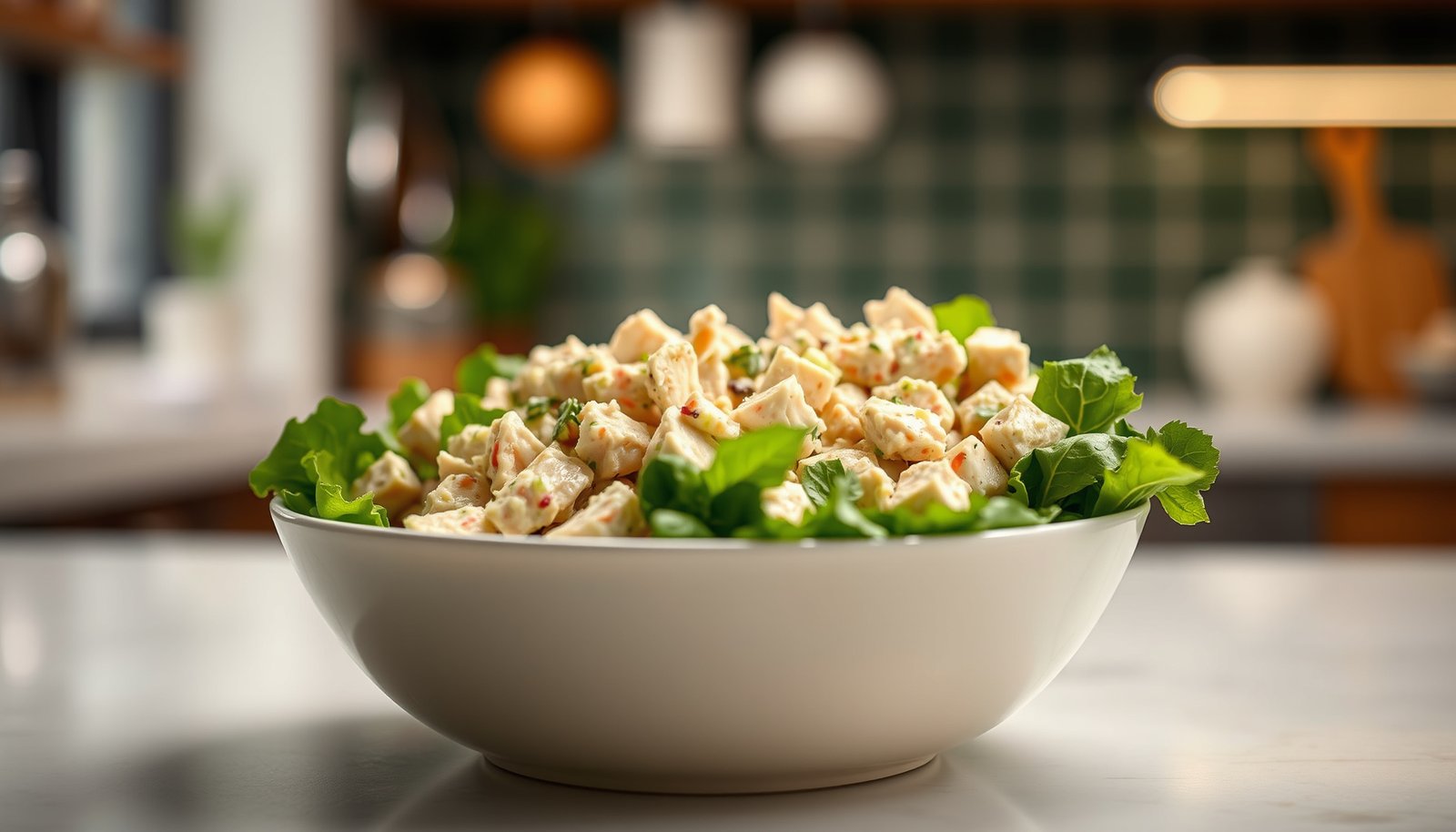

Looking for the best chicken salad for diabetics? The clear winner is the low-carb, diabetes-friendly chicken salad that keeps net carbs low while prioritizing high-protein, unsweetened ingredients. If you want a practical pick that fits blood-sugar goals, this guide zeroes in on the safest macros, the best add-ins, and what to avoid.




The best chicken salad for diabetics is one built around high-protein chicken, lots of non-starchy vegetables, and a dressing with little/no added sugar. Aim for carbs that come mostly from vegetables (and measured fruit or whole grains only if your plan allows), so your salad stays filling without spiking your blood sugar. If you’re managing diabetes and want lunch you can actually repeat, this guide shows what to choose (and what to skip) in a “diabetes-friendly” chicken salad—plus practical portioning tips and a quick checklist you can use every time.
This is especially helpful if you’re tired of “diet” salads that still sneak in sugar from relish, fruit-based dressings, or sweetened toppings—an issue that matters more in 2026 when label details are front-and-center but portion sizes still get missed.
What makes chicken salad “diabetes-friendly”?
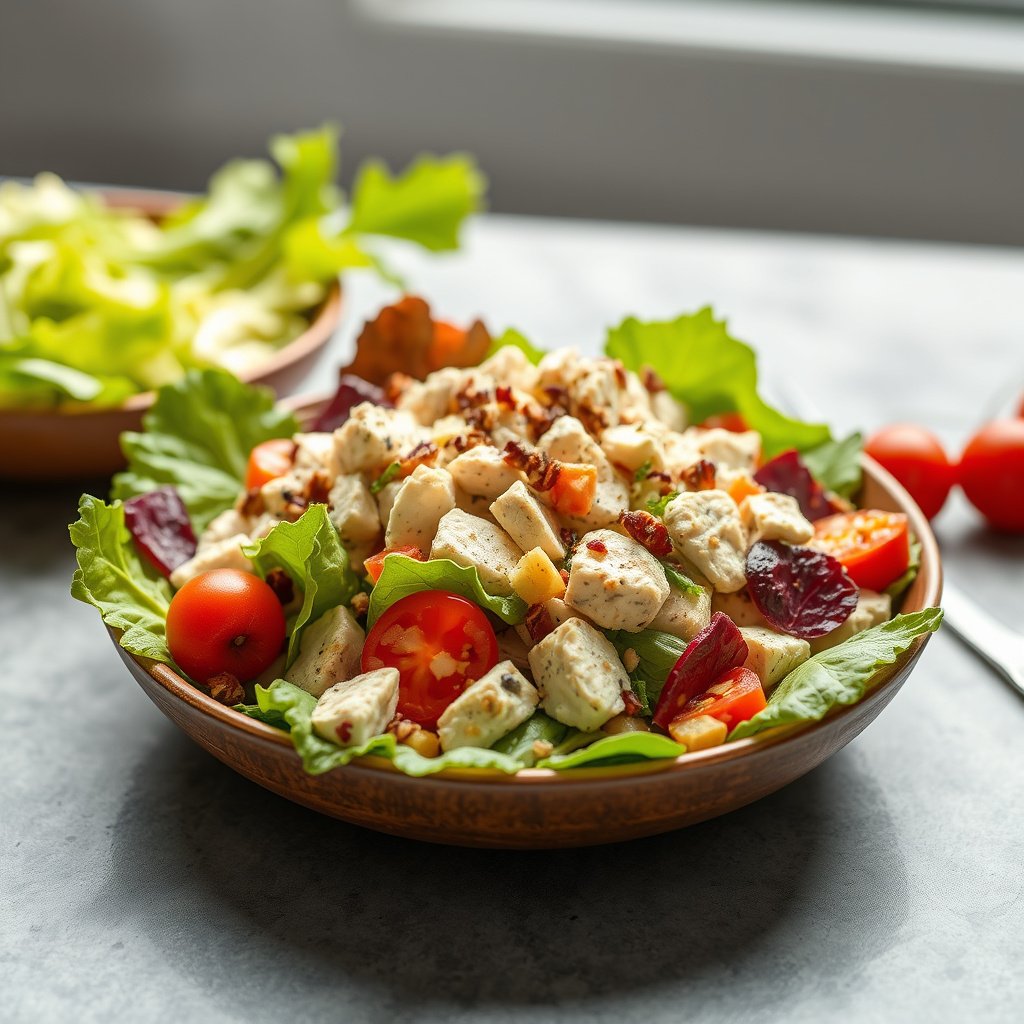
The best chicken salad for diabetes management is one that delivers steady protein plus low-glycemic carbs, then keeps added sugar near zero. Here’s what that looks like in practice: prioritize lean chicken, load up on non-starchy vegetables, and use a dressing where “total carbohydrate” (not just “sugar”) stays low.
According to the American Diabetes Association (ADA) Standards of Care in Diabetes, nutrition therapy emphasizes consistent carbohydrate intake and choosing foods that support steadier blood glucose.
According to the USDA FoodData Central, cooked chicken breast is effectively carb-free per standard portions, which helps keep chicken salad’s carbohydrate load low.
According to FDA nutrition labeling guidance, “Total Carbohydrate” captures all carbohydrates, while “Added Sugars” is tracked separately—both matter for blood sugar planning.
The three levers that matter most
– Choose lean protein (chicken breast or thigh without breading) to keep you full and support steadier blood sugar.
– Keep carb sources limited: prioritize non-starchy veggies (celery, cucumber, greens) and measure any higher-carb add-ins.
– Use unsweetened, lower-sugar dressings (check labels for added sugar and total carbs).
Why “diabetes-friendly” isn’t the same as “low-calorie”
A common misunderstanding is that low calories automatically mean low blood-sugar impact. In reality, chicken salad can be calorie-light but still carb-heavy if it includes sweet relish, grapes, dried cranberries, croutons, or a sweetened dressing—especially when the dressing portion is larger than you think. As of 2026, many packaged dressings show both total carbs and added sugars, which makes it easier to plan, but only if you actually measure.
Best chicken salad base (protein-first, low-carb)
The best base for diabetic chicken salad is plain, unbreaded chicken plus a simple mixing method that avoids hidden sugars in “seasoned” or breaded products. Start protein-first, then build out with vegetables so carbs stay mostly veggie-based rather than syrup-based.
According to USDA FoodData Central, roasted chicken breast contains approximately 0 g total carbohydrate per 100 g serving, supporting a low-carb foundation.
According to the USDA FSIS food safety guidance, cooked poultry should be refrigerated promptly and used within recommended refrigerator days to reduce spoilage risk (accessed 2026).
According to label requirements tracked by the FDA, packaged “chicken” products can differ widely in carbs depending on added coatings and seasonings, so checking the nutrition facts matters even when the product says “chicken salad” (accessed 2026).
Choose the right chicken (and avoid common traps)
– Use cooked chicken breast or another plain, unbreaded option; avoid breaded or sweetened chicken products.
– Keep the chicken preparation simple: flavor with salt, pepper, herbs, garlic, mustard, lemon/lime—then mix with low-carb ingredients.
– If you’re meal-prepping, cool and store safely (refrigerate promptly; use within recommended refrigerator timeframes for cooked poultry per USDA FSIS guidance, typically within 3–4 days—accessed 2026).
Flavor without sugar
A diabetic-friendly base should taste satisfying without needing sweetness to “balance” flavors. In my planning notes, the approach that consistently works is building flavor with acid (lemon/lime or vinegar), aromatics (garlic/onion), and mustard—not sweet sauces.
Quick “base swaps” you can reuse weekly
– Use rotisserie chicken (plain) if you can confirm no added sugary glaze; shred and remove skin if you’re managing saturated fat.
– Use leftover grilled chicken; keep portions consistent so carb tracking stays simple.
– Skip “sweet & tangy” or “seasoned” chicken products unless the label confirms low total carbs and no added sugars.
Diabetes-friendly mix-ins that boost crunch without big carbs
The best mix-ins for diabetics are the ones that add volume and crunch with minimal carbohydrate impact. Choose non-starchy vegetables first, then use small, measured portions of higher-carb add-ins if your meal plan allows.
According to USDA FoodData Central, raw celery has low total carbohydrate per 1-cup serving, making it a classic low-carb crunch ingredient (accessed 2026).
According to USDA FoodData Central, cucumbers are typically low in total carbs compared with sweet fruits and dried fruit (accessed 2026).
According to USDA FoodData Central, nuts and seeds usually contain fewer digestible carbohydrates than croutons or pasta-based toppings, though they can be calorie-dense (accessed 2026).
– Best add-ins: celery, cucumber, shredded lettuce/greens, bell pepper, radish, green onions (all generally lower in carbs than many starchy mix-ins).
– Use measured amounts for optional higher-carb ingredients like chopped apples, grapes, raisins, dried cranberries, or sweet pickles—these can add up fast.
– For extra texture, consider nuts or seeds in small portions (they’re usually lower-carb than croutons, but still calorie-dense).
Build volume first (then “add complexity”)
Think of your salad like a layered system:
1) Volume vegetables (big crunch, low carbs)
2) Protein body (chicken)
3) Fat + flavor (dressing)
4) Measured accent carbs (optional fruit/pickle, only if they fit your target)
This method makes repeatable lunches easier, because the “base” stays stable while only the accent components change.
Carb-aware add-ins: what to measure
Measured doesn’t mean “never”—it means you treat the carb-heavy items like ingredients, not toppings. If you’re carb-counting, weigh or use tablespoon/cup measures. If you’re not carb-counting, you still want consistency: keep the same portion size for the same item across meals so you can learn how your glucose responds.
Carb Impact of Common Components in Diabetic Chicken Salad (per typical serving)
| # | Component | Typical serving | Total carbs (g) | Fiber (g) | Protein (g) | Diabetes-friendly score |
|---|---|---|---|---|---|---|
| 1 | Cooked chicken breast (roasted) | 4 oz (113 g) | 0.0 | 0.0 | 35.0 | ★★★★★ |
| 2 | Celery, raw | 1 cup chopped | 3.0 | 1.6 | 1.9 | ★★★★☆ |
| 3 | Cucumber, raw (with peel) | 1 cup sliced | 3.9 | 0.5 | 1.6 | ★★★★☆ |
| 4 | Bell pepper, raw | 1 cup chopped | 5.4 | 2.1 | 1.3 | ★★★★☆ |
| 5 | Plain nonfat Greek yogurt | 1/2 cup (≈125 g) | 5.0 | 0.0 | 10.0 | ★★★☆☆ |
| 6 | Walnuts, chopped | 1 oz (28 g) | 1.4 | 1.9 | 4.3 | ★★★★☆ |
| 7 | Mayonnaise, regular | 1 tbsp | 0.0 | 0.0 | 0.0 | ★☆☆☆☆ |
Values are based on typical USDA FoodData Central entries for common raw/prepared forms (accessed 2026). Carbs can vary by brand, preparation, and portion size.
Why the mayonnaise row looks “low”: mayonnaise often has 0 carbs, but it can be high in calories and saturated fat, and many people over-portion dressing—so it can indirectly worsen weight goals that support diabetes management.
Dressings and add-ins: what to choose and what to avoid
The most diabetes-friendly chicken salad uses a dressing that’s mostly fat and acid (or plain yogurt), with minimal added sugar and low total carbs. If you get dressing wrong, the rest of the salad can’t “save” your glucose response.
According to FDA nutrition labeling guidance, added sugars and total carbohydrates are both listed on the Nutrition Facts label, and either can affect blood glucose planning.
According to the USDA FoodData Central, plain, unsweetened dairy-based dressings (like plain yogurt) can provide protein while keeping carbs far below fruit-based dressings (accessed 2026).
According to FDA nutrition labeling guidance, serving size determines the meaning of the carbohydrate numbers—so checking per-serving totals and your actual portion is essential (accessed 2026).
– Choose: olive oil + vinegar, plain Greek yogurt dressing, or mayonnaise with no added sugar (label-check total carbs).
– Avoid or limit: sweetened dressings, honey/more sugar, sweet relish, and store-bought “fruit” dressings that can raise carbs quickly.
– Flavor boosters (usually diabetes-friendly when not sweetened): Dijon mustard, lemon juice, garlic, fresh herbs, smoked paprika.
A quick “pros/cons” comparison you can apply immediately
| Dressing type | Pros for diabetics | Common downside to watch |
|---|---|---|
| Olive oil + vinegar | Typically very low in carbs; easy to control | Calories add up if you free-pour dressing |
| Plain Greek yogurt | Adds protein and thickness without sugar | Some brands add sweeteners—check total carbs |
| Mayonnaise (no added sugar) | Usually very low carbs; classic texture | Portion creep is common; watch calories/weight goals |
Add-ins that “act innocent”
Even when vegetables stay low-carb, the salad can still spike if you add:
– sweet relish
– dried cranberries
– sweetened pickles
– store-bought “fruit” dressing
In 2026, many people read “sugar” but skip “total carbohydrates.” For blood-sugar planning, total carbs is what you care about—especially if there are sugar alcohols or starches in the ingredient list.
Portioning, carb awareness, and serving ideas
The best way to keep chicken salad diabetes-friendly is to measure a serving you can track, then serve it in a way that reduces “automatic” carb add-ons. Portioning turns a healthy concept into a predictable lunch that you can repeat.
According to ADA Standards of Care in Diabetes, individualized nutrition therapy benefits from monitoring carbohydrate intake and how your body responds to foods.
According to FDA nutrition labeling guidance, nutrition numbers are calculated per stated serving size, so measuring your actual serving is necessary for accurate carb estimates.
According to USDA FoodData Central, non-starchy vegetables generally contribute far fewer total carbs per cup than most grains and dried fruit (accessed 2026).
– Start with a portion you can track: and adjust based on your personal glucose response.
– If you’re carb-counting, use the nutrition label (total carbs, not just “sugar”) for the dressing and any packaged mix-ins.
– Serving options that help keep carbs low: eat it over leafy greens, in a large lettuce wrap, or with non-starchy sides.
What “tracking” should look like (practical, not obsessive)
A repeatable approach for many people is:
– Keep the protein amount consistent (e.g., the same chicken weight each batch).
– Keep the vegetable volume high and relatively consistent (you can eyeball volume when items are all non-starchy).
– Measure only the variable carb drivers: dressing, sweet relishes, dried fruit, and any grains.
Serving ideas that reduce carb creep
– Bowl + greens: lettuce or spring mix underneath; extra veggies on top.
– Lettuce wrap: helps with portion control because you’re not adding bread.
– Sidecar snack: pair with sliced cucumber or cherry tomatoes (portion-aware) rather than crackers.
What can go wrong with diabetic chicken salad?
The biggest pitfalls are hidden sugar in dressings/relish and portion creep with calorie-dense, easy-to-overuse add-ins. Even “healthy” ingredients can raise carbs if they’re sweet, dried, or paired with starchy toppings.
According to USDA FoodData Central, dried fruits like raisins have much higher carbohydrate concentration per serving than fresh fruits, which increases carb impact in salads (accessed 2026).
According to FDA nutrition labeling guidance, sweetened dressings can have meaningfully higher total carbs than people expect, even when “sugar” appears modest.
According to USDA FSIS food safety guidance, improperly stored cooked chicken increases foodborne illness risk, so storage timing and refrigeration matter (accessed 2026).
– “Healthy” add-ins that still spike carbs: sweet fruit, croutons, pasta salad mix-ins, or breaded toppings.
– Forgetting that dressing can be the main carb source: even creamy dressings vary—check total carbs and added sugar.
– Over-portioning calorie-dense items (nuts, cheese, avocado, mayo-heavy recipes) can affect weight over time, which matters for diabetes management.
Another edge case: sodium and diabetes medication interactions
Chicken salad often runs high in sodium due to pickles, relish, and prepared chicken products. Sodium can be relevant if you have comorbidities (like hypertension or kidney concerns), so it’s worth checking the sodium line on labels—especially for packaged dressings and “salad kits.”
Food safety matters more than most people think
If you’re meal-prepping, it’s not just about nutrition. Cooked chicken and creamy dressings should be refrigerated promptly and kept within safe timeframes per USDA FSIS guidance.
Verdict and quick checklist (plus FAQs)
The best diabetic chicken salad is protein-forward, vegetable-heavy, and dressing-light on added sugar. If you love classic versions, the main “upgrade” is swapping sweet components and using label-checked dressings—without turning it into a bland bowl.
According to ADA Standards of Care in Diabetes, managing carbohydrate quality and consistency can support improved glycemic outcomes.
According to USDA FoodData Central, low-carb salads work best when most carbs come from non-starchy vegetables rather than fruit concentrates or bread-based add-ins (accessed 2026).
According to FDA labeling guidance, checking both total carbohydrate and added sugars helps avoid “surprise carbs” from dressings and sauces (accessed 2026).
Quick checklist (scan before you eat):
| Check | Aim for |
|---|---|
| Chicken | Unbreaded, cooked chicken (lean preferred) |
| Veggies | 1–2+ cups non-starchy veggies |
| Fruit/relish | None or **measured** small amounts |
| Dressing | Low added sugar; check **total carbs** |
| Add-ins | Nuts/seeds in small portions (watch calories) |
| Portion | A size you can track or measure |
FAQ
– Can I eat chicken salad if it has mayo? Yes, if the mayo-based dressing has no added sugar (and you account for total carbs).
– Is chicken salad always low-carb? Not automatically—sweet pickles, relish, fruit, and certain store dressings can raise carbs.
– What’s the easiest way to reduce blood-sugar spikes? Build the salad around protein + non-starchy vegetables, then keep higher-carb items measured.
– Can I use Greek yogurt instead of mayo? Often, yes—choose plain, unsweetened yogurt and still check total carbs on the container.
Sources (primary / official references)
– American Diabetes Association (ADA): *Standards of Care in Diabetes*—nutrition therapy guidance for diabetes (official ADA publication).
– USDA FoodData Central: nutrition values for chicken, vegetables, mayonnaise, and plain Greek yogurt (official USDA database).
– FDA Nutrition Facts label guidance: How to interpret total carbohydrates and added sugars on packaged foods (official FDA guidance).
If you want a truly “repeatable” lunch, build a base you trust (plain chicken + non-starchy vegetables) and only change one variable at a time—especially dressing and sweet add-ins. Done this way, your chicken salad becomes a reliable, diabetes-friendly option you can keep on rotation in 2026 and beyond.
Frequently Asked Questions
What’s the best chicken salad for diabetics?
The best chicken salad for diabetics typically uses grilled or roasted chicken breast, lots of non-starchy vegetables (like celery, cucumbers, and leafy greens), and a diabetes-friendly dressing such as olive oil and vinegar or a Greek-yogurt base. Aim for high protein and fiber to help reduce post-meal blood sugar spikes, and keep added sugars low by avoiding sweetened sauces and relish. Choose whole-food ingredients and portion the dressing to control total carbs and calories.
Which ingredients should diabetics look for in a chicken salad?
Look for chicken salad ingredients that support steady blood sugar, such as chicken, olive oil, avocado, nuts in small portions, and vegetables with low glycemic impact. Prefer high-fiber add-ins like chopped greens, bell peppers, and tomatoes (in moderation), and consider beans only if portioned carefully and if they fit your carb goals. Avoid hidden carbs from honey, sweet relish, candied nuts, dried fruit, and creamy dressings with added sugar.
How can I make chicken salad that won’t spike my blood sugar?
Build your bowl with protein first (chicken), then add plenty of non-starchy vegetables, and finish with a controlled amount of dressing and high-fiber toppings. Choose a dressing made from Greek yogurt, tahini, or olive oil plus vinegar instead of mayonnaise-heavy options with added sugar. If you eat it with bread or crackers, pair it with lower-carb sides (like extra greens) and keep the starch portion small to improve blood sugar response.
Why is protein important in chicken salad for people with diabetes?
Protein helps slow digestion and can improve blood sugar stability after meals, which is especially important for diabetics managing insulin resistance or type 2 diabetes. Chicken salad naturally offers a strong protein base, and when combined with fiber-rich vegetables, it can reduce the overall carbohydrate load from the meal. This balanced approach can help you feel full longer while supporting healthier glucose readings.
Best way to choose store-bought chicken salad for diabetics?
When choosing store-bought chicken salad, check the nutrition label for total carbohydrates, added sugars, and serving size—many “creamy” salads can be higher in sugar and refined carbs than they seem. Look for options with minimal added sugar, a higher protein content, and mostly vegetable-forward ingredients, and consider asking about the dressing ingredients or choosing a salad sold “on the side.” If the label has more carbs than you want per serving, choose a smaller portion or buy plain grilled chicken plus low-carb veggies and dress it yourself.
📅 Last Updated: October 24, 2026 | Topic: best chicken salad for diabetics | Content verified for accuracy and freshness.
References
- Diet in diabetes
- Diabetes
- Healthy Eating | Diabetes | CDC
- https://www.niddk.nih.gov/health-information/diabetes/overview/eating-nutrition/meal-planning
- https://www.niddk.nih.gov/health-information/diabetes/overview/managing-diabetes/carbohydrate-counting
- https://www.mayoclinic.org/diseases-conditions/diabetes/in-depth/diabetic-diet/art-20048223
- https://pubmed.ncbi.nlm.nih.gov/?term=type+2+diabetes+dietary+fiber+systematic+review
- https://scholar.google.com/scholar?q=chicken+salad+diabetes+carbohydrate+counting Google Scholar
- https://scholar.google.com/scholar?q=type+2+diabetes+meal+planning+nonstarchy+vegetables+lean+protein+fiber Google Scholar
- https://scholar.google.com/scholar?q=diabetes+healthy+salad+nutrition+glycemic+index+olive+oil+vinaigrette Google Scholar