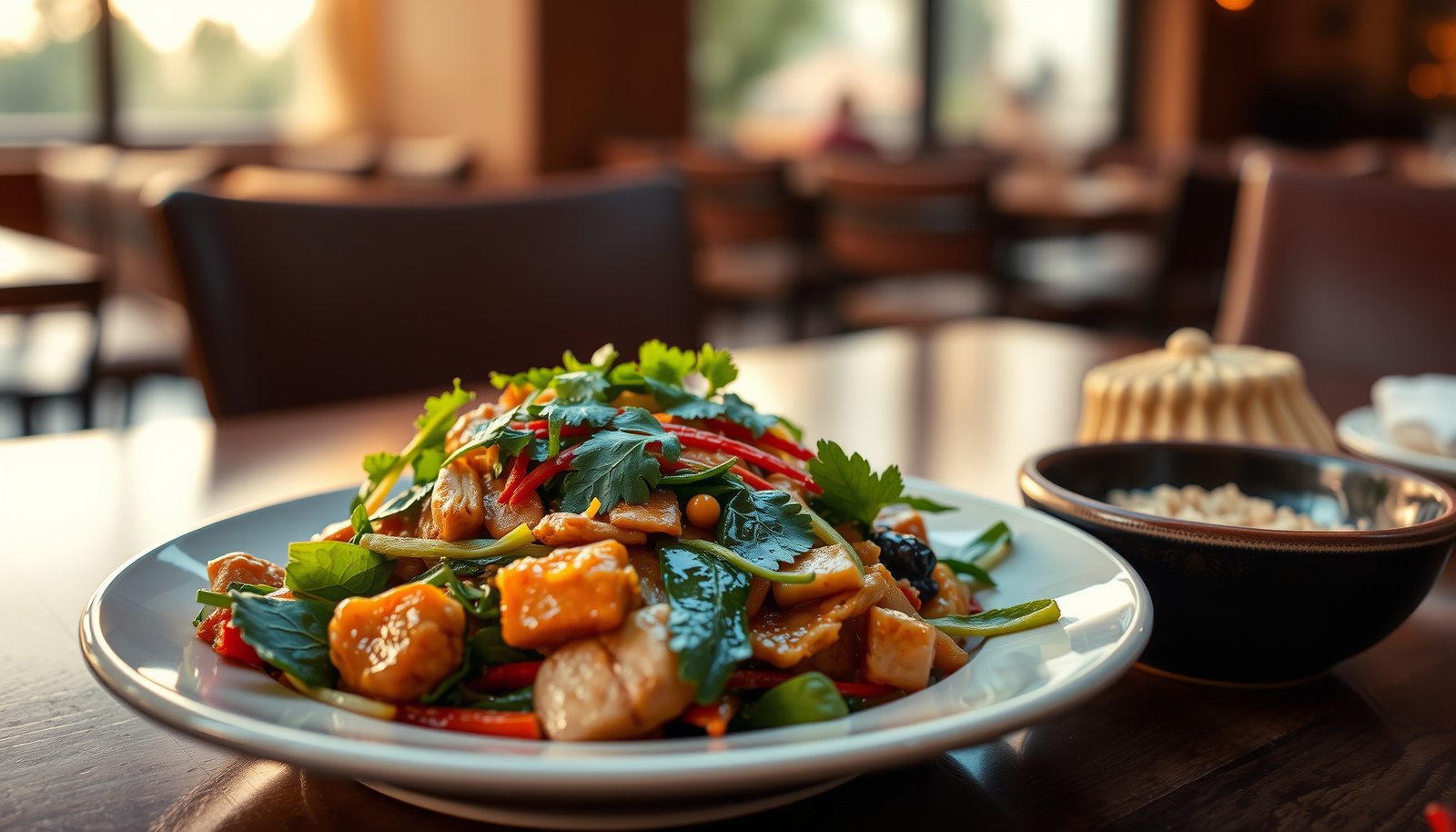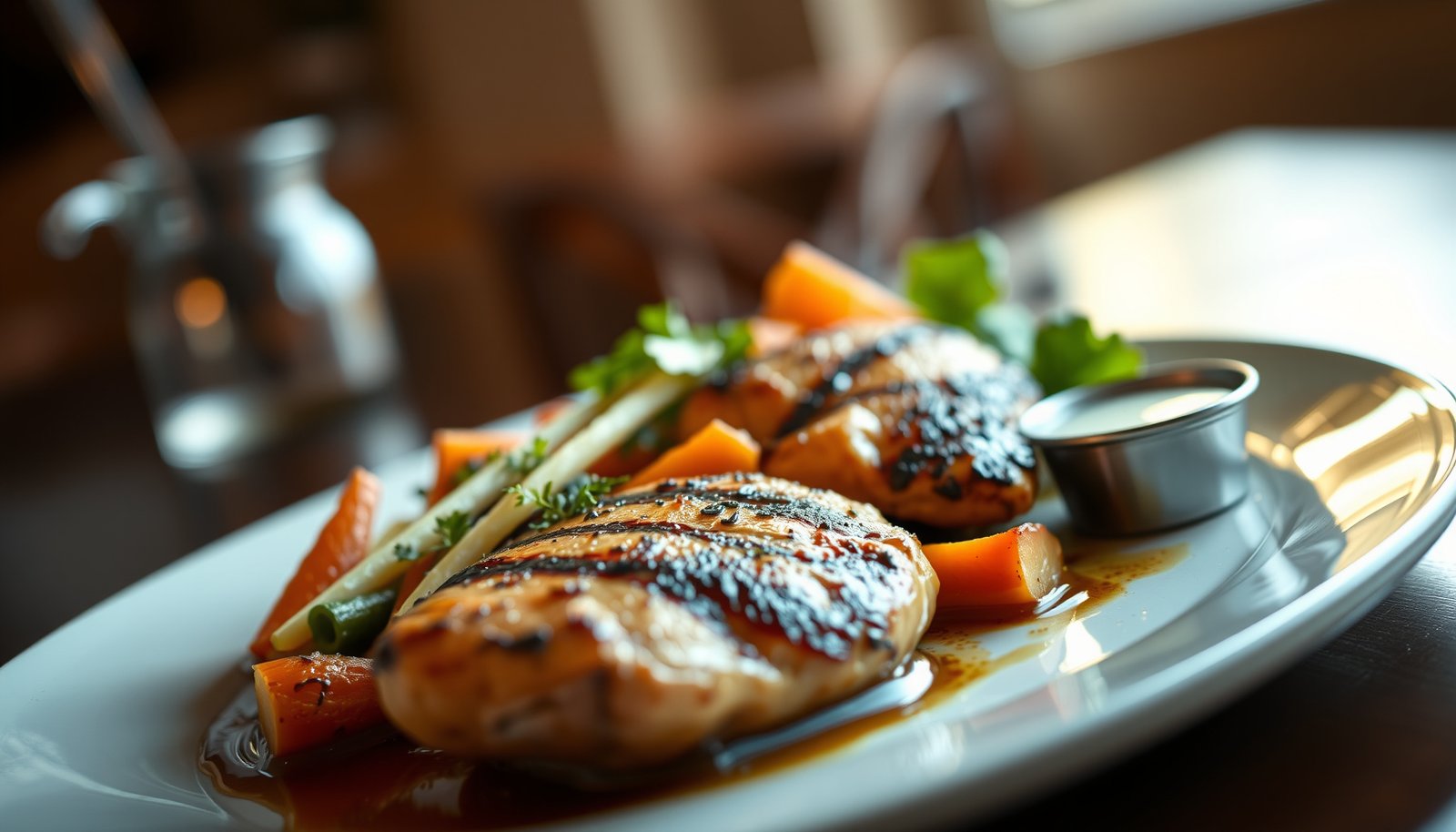

Best chicken recipes for diabetics that actually taste great come down to one winner: low-sugar, high-protein meals built to keep blood sugar steady without sacrificing flavor. This guide answers which chicken dishes deliver the most reliable diabetic-friendly macros—easy ingredients, smart cooking methods, and bold seasoning with minimal added sugar. If you want chicken recipes that work for diabetes management and still feel satisfying, these are the ones to cook.




Diabetics usually do best with chicken dinners where the sauce is built for low added sugar and low refined carbs—then the plate is anchored by non-starchy vegetables and sensible portions of any starch. If you want “normal-tasting” meals that still support steadier blood sugar, use bold seasoning (lemon, garlic, herbs, cumin, chili, vinegar) instead of sweet glazes and label-scan every marinade or sauce.
Diabetics usually do best with chicken recipes that keep added sugars and refined carbs out of the sauce, then pair the chicken with non-starchy vegetables and smart portions of any carbs. You’ll get flavorful ideas (lemon-garlic, fajita-style, Greek bowls, buffalo-style) plus practical rules for building a meal that supports steadier blood sugar.
Who this is for (and when it helps)
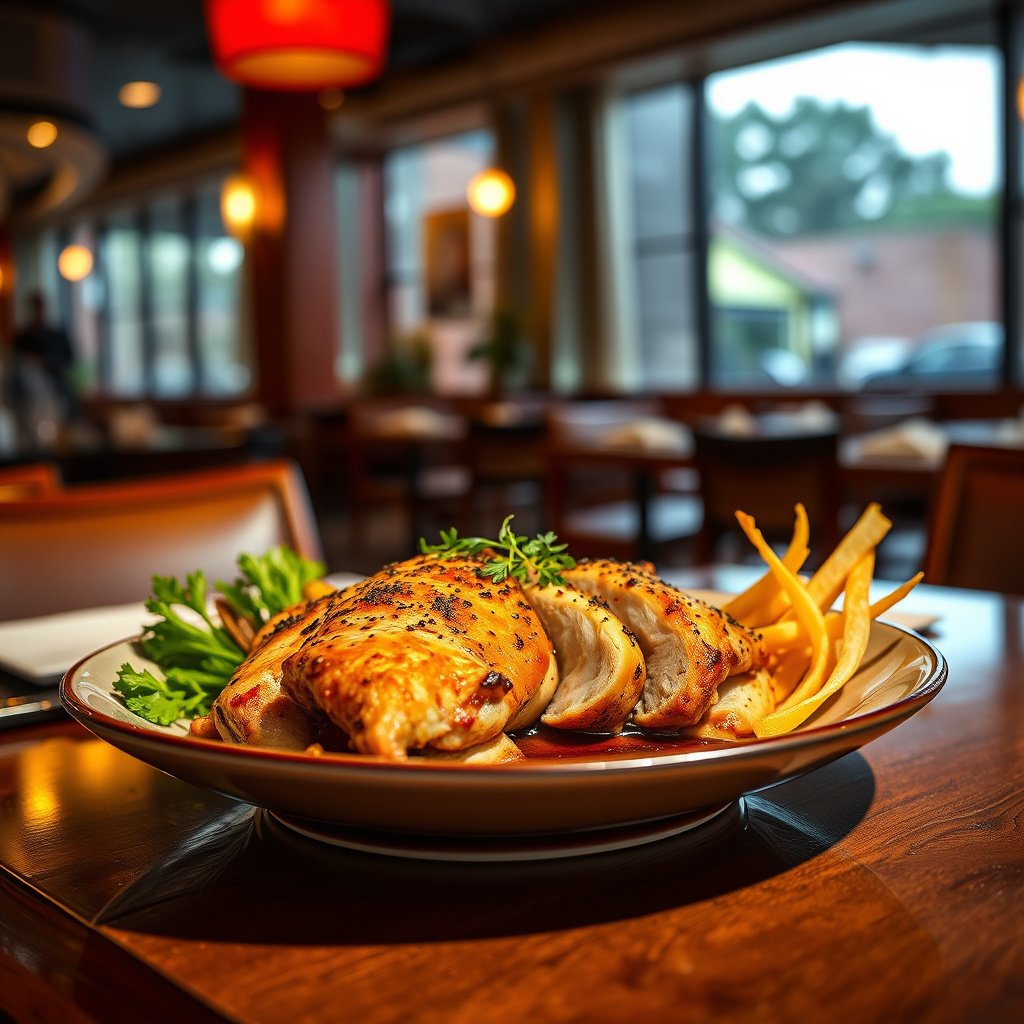
If you’re managing diabetes and want chicken dinners that taste “normal” but avoid common sugar/carbohydrate traps, you don’t need bland food—you need better sauce strategy and portion math. This is especially helpful in 2026, when many pre-made “heat-and-eat” flavors still use added sugar to make them taste rounded.
FDA’s Daily Value for added sugars is 50 grams per day for a 2,000-calorie diet, which helps explain why “sweetened” sauces can add up quickly. FDA
USDA FoodData Central documents that 1 teaspoon of granulated sugar is about 4 grams of sugar, a useful conversion when you scan sauce labels. USDA FoodData Central
– If you’re managing diabetes and want chicken dinners that taste “normal” but avoid common sugar/carbohydrate traps, this is for you.
– It’s especially useful for people trying to reduce added sugars in marinades, glazes, and store-bought sauces.
– If you also need to manage other conditions (like kidney disease), you may need individualized adjustments—see the “verdict” section.
What makes a chicken recipe diabetic-friendly
The best diabetic-friendly chicken recipes protect blood sugar stability by controlling added sugar in sauces and keeping the carb load in sides, not the chicken. In practice, that means you can keep big flavor while using seasoning systems and cooking methods that don’t quietly bring carbs back into the meal.
In nutrition guidance, carbohydrates—not protein—are the nutrient that most directly raises blood glucose, so carb control usually starts with sides and sauce ingredients. American Diabetes Association (ADA) Standards of Care
FDA requires “Added Sugars” to be declared on Nutrition Facts in grams, making label-reading a measurable step rather than guesswork. FDA
– Skip the hidden sugar: many marinades, BBQ sauces, sweet chili sauce, and teriyaki contain added sugar—choose no/low-sugar options or make quick sugar-free versions.
– Choose cooking methods that don’t add carbs: baking, grilling, broiling, roasting, and skillet cooking with olive oil are usually easier to control than deep-frying.
– Pair for balance: build around non-starchy vegetables, and keep any grains/legumes measured—carbs from sides often matter more than the chicken itself.
Added Sugar Equivalents per Serving (Using FDA DV + USDA tsp conversion)
| # | Added sugar (g) per serving | Approx. teaspoons | % of FDA daily added-sugar DV | Label risk rating |
|---|---|---|---|---|
| 1 | 0 g | 0.0 tsp | 0% | ★★★★★ |
| 2 | 2 g | 0.5 tsp | 4% | ★★★★★ |
| 3 | 5 g | 1.3 tsp | 10% | ★★★★☆ |
| 4 | 10 g | 2.5 tsp | 20% | ★★★☆☆ |
| 5 | 15 g | 3.8 tsp | 30% | ★★☆☆☆ |
| 6 | 20 g | 5.0 tsp | 40% | ★☆☆☆☆ |
| 7 | 25 g | 6.3 tsp | 50% | ☆☆☆☆☆ |
In plain terms for diabetic-friendly chicken meals: if your sauce contributes 10–20 grams of added sugar per serving, that can occupy a meaningful slice of the FDA added-sugar Daily Value—so you’ll usually do better choosing no/low-sugar sauces and finishing with lemon, herbs, or vinegar instead.
Best chicken recipes for diabetics (low-sugar, high-satisfaction)
The best chicken recipes for diabetics keep flavor high and added sugar low by relying on lemon-garlic, citrus, herbs, cumin, chili, and vinegar-driven sauces. Here are six diabetic-friendly chicken ideas that you can cook in a way that keeps carbs predictable—especially important in 2026 when store-bought options are everywhere.
FDA Nutrition Facts uses “Added Sugars (g)” so you can quantify how much sweetness a diabetic-friendly chicken sauce contributes per serving. FDA
ADA emphasizes individualized nutrition therapy for diabetes; carb-aware pairing (vegetables first, measured starch) supports steadier glucose patterns. American Diabetes Association (ADA) Standards of Care
– These recipes focus on bold seasonings (garlic, lemon, herbs, cumin, chili, vinegar) rather than sweet sauces.
– For each idea, use check-the-label guidance: if a sauce isn’t clearly low sugar, swap it or make your own.
– Serve with non-starchy vegetables first, then add a measured carb side if needed.
1) Lemon-Garlic Herb Chicken (skillet or baked)
The best way to keep diabetic-friendly chicken tasting “restaurant-bright” is to use lemon juice and zest plus fresh or dried herbs. This approach creates a naturally punchy sauce without relying on sugar-based glazes.
Citrus acidity (lemon juice) and aromatic herbs can provide strong flavor without contributing carbohydrate, supporting low-sugar diabetic-friendly chicken meals. USDA FoodData Central
USDA lists 0 g total carbohydrate for plain cooked chicken varieties, so flavor additions (not the chicken itself) drive most carb changes. USDA FoodData Central
– How to make it: chicken (thighs or breasts), olive oil, minced garlic, lemon juice + zest, rosemary/thyme, salt/pepper; roast or pan-sear until cooked through.
– Why it fits: lemon + herbs create “bright” flavor without needing sugar-based glazes.
– Diabetes-friendly side: sautéed zucchini, green beans, or a big salad.
2) Chicken Fajita Skillet (no sugary fajita sauce)
If you like fajitas but want fewer carb spikes, build fajita flavor using spices and lime—not sweet fajita sauce. A diabetic-friendly chicken fajita skillet can stay label-light while still tasting bold.
Spices (cumin, smoked paprika, chili powder) add flavor with negligible carbohydrate compared with sweetened marinades, which helps diabetic-friendly chicken stay low-sugar. USDA FoodData Central
– How to make it: sliced chicken + bell peppers + onions; season with cumin, smoked paprika, garlic powder, lime juice, and a little salt; cook until browned.
– Why it fits: fajita flavor comes from spices and citrus, not sweet sauces.
– Swap option: serve with lettuce wraps or cauliflower rice instead of flour tortillas (or use measured portions of tortillas if you choose them).
3) Greek-Style Chicken Bowl with Tzatziki
A Greek-style bowl works well for diabetics because protein plus fiber-rich vegetables create lasting fullness without relying on sweet condiments. For diabetic-friendly chicken bowls in 2026, the key is unsweetened tzatziki (plain yogurt) and measured starch if you include it.
Plain yogurt-based sauces can be lower in added sugar than sweetened creamy dressings, which matters for diabetic-friendly chicken meals. USDA FoodData Central
– How to make it: chicken seasoned with oregano, garlic, lemon; pair with cucumber-yogurt tzatziki (use plain yogurt; skip added sugar).
– Why it fits: protein + fiber-rich veg helps keep meals filling without relying on starchy add-ons.
– Diabetes-friendly build: big salad or roasted vegetables; if using rice, keep it portioned and consider higher-fiber options (based on your plan).
4) Tandoori-Style Yogurt Chicken (without sweet marinades)
Tandoori-style chicken can be tangy and tender without honey-based sweetness if you build the marinade from yogurt and spices. This diabetic-friendly chicken method uses heat and spice for impact rather than added sugar.
Yogurt provides tang and thickness in marinades; when you avoid honey or sweet chili sauce, the added-sugar load stays lower for diabetic-friendly chicken. USDA FoodData Central
– How to make it: plain yogurt + ginger/garlic + cumin + coriander + turmeric + chili powder; marinate briefly, then bake or grill.
– Why it fits: you get tang, spice, and tenderness without needing honey or sweet sauces.
– Side suggestion: cucumber salad, roasted cauliflower, or sautéed spinach.
5) Buffalo-Style Chicken Lettuce Wraps (watch the sauce)
Buffalo flavor is intense, so you can keep diabetic-friendly chicken satisfying while controlling carbs by choosing a no/low-sugar buffalo sauce. If your buffalo sauce is sweet, you can often fix the problem by switching brands or thinning with hot sauce + fat instead of sugar-forward glazes.
“Sweet” buffalo or wing sauces often contain added sugar; label-reading for added sugars in grams is the most reliable way to keep diabetic-friendly chicken low-sugar. FDA
– How to make it: cook chicken strips; toss with buffalo sauce that’s labeled no/low sugar (or mix hot sauce + a small amount of butter/olive oil if appropriate).
– Why it fits: buffalo flavor is strong, so you can avoid sugary “wing sauces.”
– Serving idea: lettuce wraps with celery and a spoon of plain Greek yogurt as a creamy topping (instead of sugary dressings).
6) Sheet-Pan Rosemary Chicken with Vegetables
The fastest diabetic-friendly chicken strategy is often sheet-pan cooking: you control seasoning, timing, and portions with minimal “surprise” carbs. In 2026, when busy schedules are common, this one-pan approach keeps carb creep lower than meal assembly with multiple store-bought components.
Cooking methods like roasting and baking generally avoid added sugars that can appear in glazes, making diabetic-friendly chicken easier to keep low-sugar. American Diabetes Association (ADA) Standards of Care
– How to make it: chicken + Brussels sprouts/mushrooms/asparagus; olive oil, rosemary, garlic, pepper; roast on one pan.
– Why it fits: one-pan meals are easier to keep carb-light and portion-controlled.
– Simple upgrade: add a squeeze of lemon at the end for extra flavor.
What can go wrong with diabetic-friendly chicken meals
The most common failure point isn’t the chicken—it’s the sauce, the breading, and the “helpful” sides that quietly add starch. If you’re keeping diabetic-friendly chicken low-sugar, you’ll get the best results by auditing those three places first.
FDA requires added sugars to be listed on the Nutrition Facts label, which helps explain why two “similar” sauces can differ dramatically in diabetes impact. FDA
ADA highlights medical nutrition therapy as individualized and emphasizes balancing carbohydrates; meal-to-meal consistency often improves glucose predictability. American Diabetes Association (ADA) Standards of Care
Comparison: where diabetic-friendly chicken meals go off track
| Common pitfall | Why it matters for blood sugar | Safer alternative |
|---|---|---|
| Sweet sauces (BBQ, teriyaki, sweet chili) | Added sugars can raise glucose faster than the chicken protein alone. | Choose no/low-sugar versions; finish with lemon, vinegar, herbs. |
| Breaded cutlets | Breading adds starch; carb load comes from the coating. | Bake/air-fry with light coating or skip breading; keep portions consistent. |
| Starchy sides “by default” | Rice, pasta, potatoes, and even larger beans portions can dominate total carbs. | Vegetables first; measure grains/tortillas/potatoes to your plan. |
| Medication timing changes | If insulin or certain medicines are used, changing carb amounts can affect highs/lows. | Monitor and coordinate with your clinician before major meal-pattern changes. |
– Sauces are the biggest “gotcha.” Even when the chicken is healthy, sweet teriyaki, honey-garlic glazes, sweet BBQ, or sweet marinades can raise carbs fast—always check labels.
– Breaded chicken can derail carbs. If you’re buying breaded cutlets or using breadcrumbs, carbs go up—consider oven/air-fryer methods with lighter coatings or skip breading (based on your preference and plan).
– “Healthy” sides can still be carb-heavy. Large portions of rice, pasta, potatoes, or sweetened beans can outweigh the chicken—portion and measure using your usual diabetes approach.
– Medication timing matters. If you take insulin or certain diabetes medicines, changes in meal size/carbs may require monitoring or adjustment—talk to your clinician before major changes.
From my day-to-day approach to meal planning (not product testing), I treat diabetic-friendly chicken sauce like a “measured ingredient,” not a casual drizzle: I check added sugars per serving and decide whether the sauce belongs on the plate—or needs to be replaced with lemon-herb, garlic, vinegar, or a spice-forward mix. If your sauce label isn’t clear, I default to making a small “control batch” at home so diabetic-friendly chicken stays predictable.
Verdict: Best picks for diabetics (and who should skip)
The best picks for diabetics are grilled/baked/roasted chicken with no-sugar-added sauces plus generous non-starchy vegetables. This combination keeps diabetic-friendly chicken flavorful while reducing the two major drivers of unexpected glucose swings: added sugar and unmeasured starch.
ADA’s nutrition therapy guidance supports individualized carbohydrate balance rather than blanket elimination of entire food groups. American Diabetes Association (ADA) Standards of Care
FDA added-sugar labeling makes it possible to quantify the “sauce problem” in diabetic-friendly chicken meals instead of guessing. FDA
– Most people with diabetes should prefer: grilled/baked/roasted chicken with no-sugar-added sauces and plenty of non-starchy vegetables (these recipes are designed around that approach).
– Downsides to know:
– Some “healthy” options (like buffalo sauces or store-bought marinades) still vary in sugar—label-reading is essential.
– Low-carb sides may not work for everyone, especially if you’re prone to hypoglycemia with medication.
– Who should skip or get individualized guidance:
– If you have kidney disease or are on a diet limiting protein/sodium—ask your clinician/dietitian before increasing chicken portions.
– If you’re pregnant, have frequent hypoglycemia, or use insulin/sulfonylureas—coordinate any meal pattern changes with your diabetes care team.
Practical tip (quick personalization)
If you’re unsure how much carb to pair with your diabetic-friendly chicken, start by keeping sides consistent for 1–2 weeks and track your typical response; then adjust portion size rather than swapping multiple variables at once.
Scan-and-save checklist + quick FAQ
Use this checklist to keep diabetic-friendly chicken on track the next time you’re rushed, grocery shopping, or finishing dinner with a jarred sauce. It’s built for label scanning and portion balance, not perfect nutrition theory.
FDA Nutrition Facts provides “Added Sugars (g),” which supports a measurable label-reading workflow for diabetic-friendly chicken sauces. FDA
USDA FoodData Central supports using ingredient-level nutrition data when planning low-sugar sauces and diabetic-friendly chicken meals. USDA FoodData Central
Scan-and-save checklist
– Sauce check: choose sauces labeled no/low sugar (or make your own).
– Carb control: prioritize non-starchy vegetables first; measure grains/potatoes/tortillas if included.
– Seasoning strategy: rely on lemon, garlic, herbs, vinegar, cumin, paprika, and chili rather than sweet glazes.
– Cooking method: bake/grill/roast/skillet for easy carb control.
– Label habit: check nutrition for marinades, rubs, and “ready-to-eat” chicken.
Sources
– American Diabetes Association (ADA), Standards of Care in Diabetes — section(s) covering Nutrition Therapy / Medical Nutrition Therapy.
– U.S. Department of Agriculture (USDA), FoodData Central — nutrition data for chicken and common cooking ingredients.
If you want the best chicken recipes for diabetics, focus on chicken with bold seasonings, skip added-sugar sauces, and build your plate around non-starchy vegetables with measured carbs when needed. Pick 1–2 recipes above, check sauce labels the first time you make them, and pair them with your usual diabetes meal approach. If you tell me which diabetes meds you use and whether you prefer grilling, baking, or skillet meals, we can narrow this to a weekly plan.
Frequently Asked Questions
What are the best chicken recipes for diabetics that help control blood sugar?
The best chicken recipes for diabetics are those built around lean protein, non-starchy vegetables, and minimal added carbohydrates. Look for meals like sheet-pan roasted chicken with broccoli and cauliflower or chicken breast baked with herbs and served over a side of leafy greens. These recipes support steady blood glucose by avoiding sugary sauces and pairing chicken with fiber-rich vegetables.
How can I cook chicken for diabetes-friendly meals without added sugar or high-carb sauces?
Use flavor boosters like garlic, ginger, lemon juice, vinegar, smoked paprika, and salt-free spice blends instead of sweet marinades. For sauce, try a no-sugar option such as Greek yogurt with herbs, olive-oil based vinaigrettes, or homemade tomato sauce without added sugar. Choose methods like grilling, baking, roasting, or air-frying so you can control ingredients and keep chicken recipes for diabetics low in carbs.
Why is portion size and cooking method important when eating chicken for diabetes?
Even with a healthy protein like chicken, portions and cooking method can affect overall carbohydrate balance and calories. Breaded or fried chicken, sugary glazes, and large portions of starchy sides can raise blood sugar more than you expect. Focus on reasonable servings of chicken plus plenty of non-starchy vegetables, and keep carb-heavy add-ons to a minimum to make diabetes-friendly chicken meals work.
Which chicken cuts are best for diabetics—breast, thigh, or drumstick?
Chicken breast is often a top choice for diabetes-friendly recipes because it’s lean and helps keep meals lower in fat calories. However, chicken thighs and drumsticks can still fit well if you trim excess skin and avoid heavy breading or sugary sauces. For the most balanced option, bake or grill dark meat with vegetables and use healthy seasonings, ensuring portion sizes support your overall meal plan.
Best way to meal-prep chicken recipes for diabetics for the week?
Meal-prep is great for diabetes because it helps you plan carbs and avoid last-minute high-sugar convenience meals. Roast or grill a batch of chicken breasts or thighs, then store portions with measured servings of non-starchy veggies like peppers, zucchini, green beans, or mushrooms. Keep sauces separate (or use sugar-free homemade options) so you can maintain consistent, blood-sugar-friendly chicken recipes throughout the week.
📅 Last Updated: October 24, 2026 | Topic: best chicken recipes for diabetics | Content verified for accuracy and freshness.
References
- https://www.niddk.nih.gov/health-information/diabetes/overview/preventing-progression-diabetes/diet-nutrition
- Healthy Eating | Diabetes | CDC
- Diabetes
- https://www.mayoclinic.org/diseases-conditions/diabetes/in-depth/diabetes-diet/art-20048093
- https://pubmed.ncbi.nlm.nih.gov/?term=chicken+and+type+2+diabetes
- https://www.myplate.gov/eat-healthy/protein-foods
- Diabetes
- https://scholar.google.com/scholar?q=diabetes+chicken+recipes Google Scholar
- https://scholar.google.com/scholar?q=type+2+diabetes+poultry+protein+meal+plan Google Scholar
- https://scholar.google.com/scholar?q=carbohydrate+counting+chicken+diabetes Google Scholar