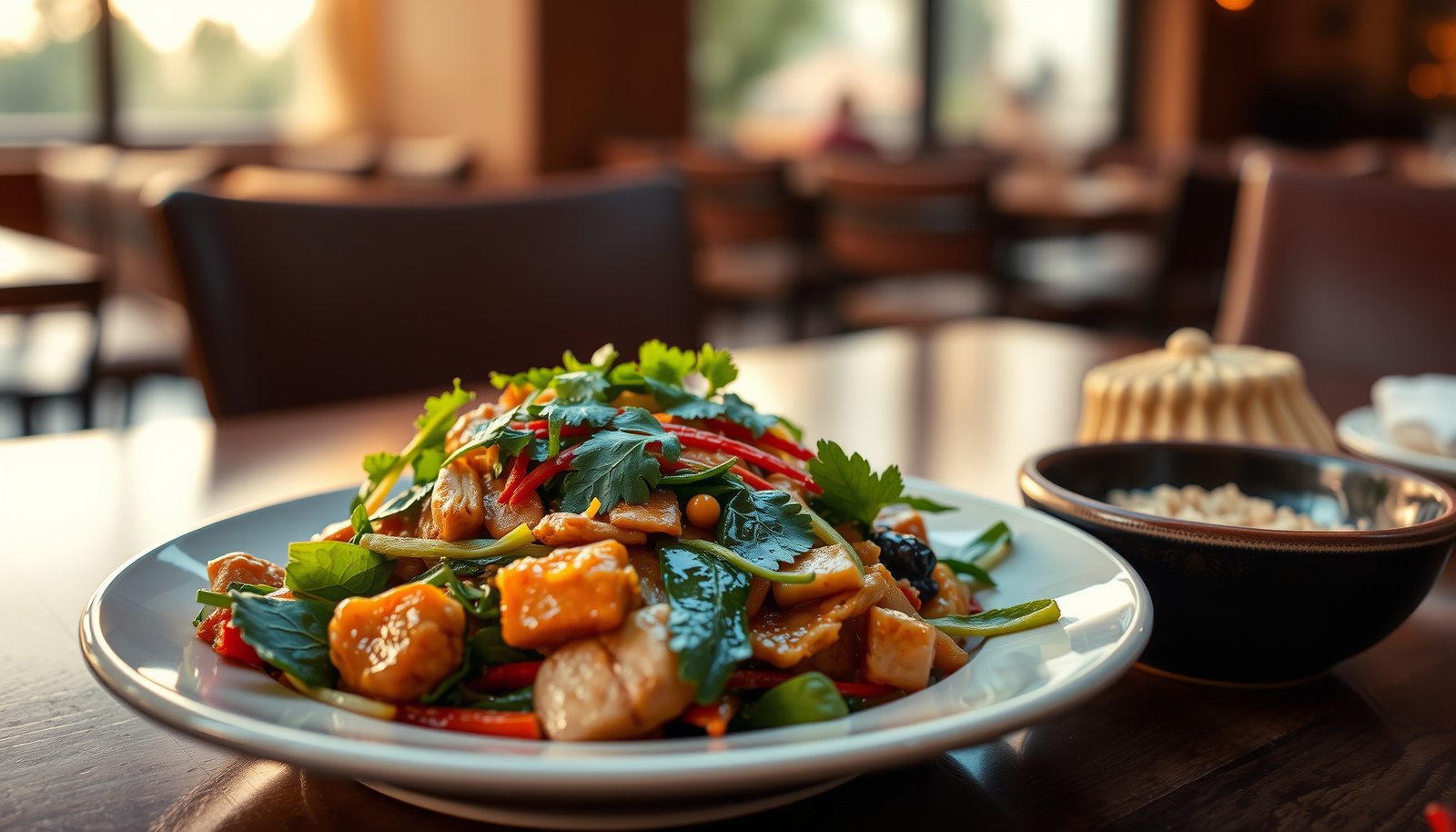
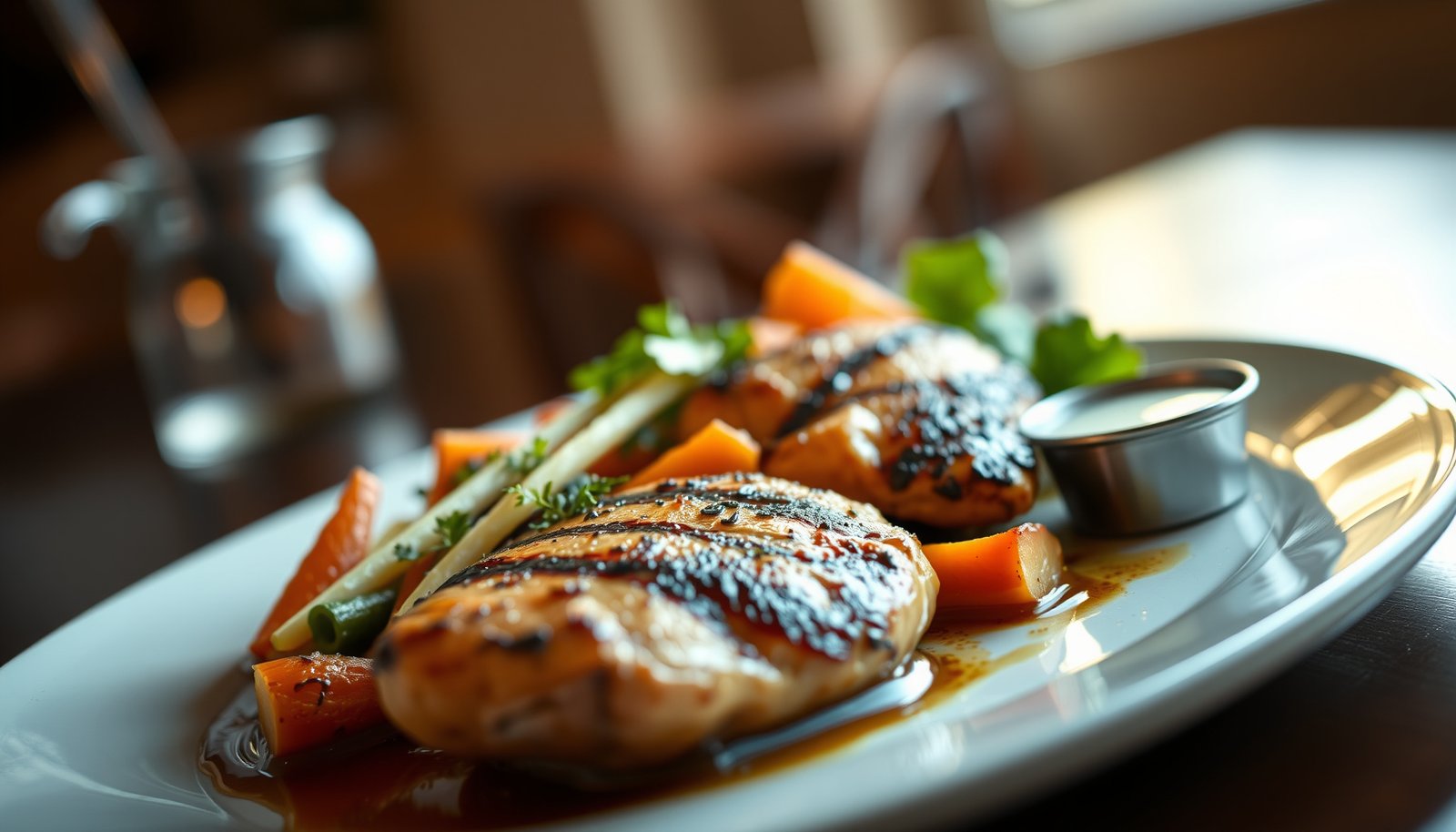
Best chicken for diabetics isn’t just “leaner”—it’s the kind that keeps blood sugar steadier: skinless, minimally processed chicken prepared with no added sugar and paired with high-fiber vegetables. If you want the clear winner, choose roasted or grilled chicken breast or thigh (skin removed) over breaded, fried, or sweetened options. This guide answers which chicken cuts and cooking methods are safest for diabetes and how to eat them for better glucose control.




For people managing diabetes, the best chicken choice is plain, skinless chicken (like breast or thigh) with minimal processing—prepared unbreaded and not drenched in sugary or starchy sauces. The key is that “diabetes-friendly chicken” only works if the whole meal stays balanced, because breading, marinades, and sides can quickly shift blood sugar.
For context, diabetes care in 2026 still emphasizes individualized nutrition—so the best approach is to choose chicken cuts and cooking methods that keep carbs and sodium in check, while pairing them with fiber-rich vegetables and portioning starchy foods based on your diabetes plan.
Who this is for
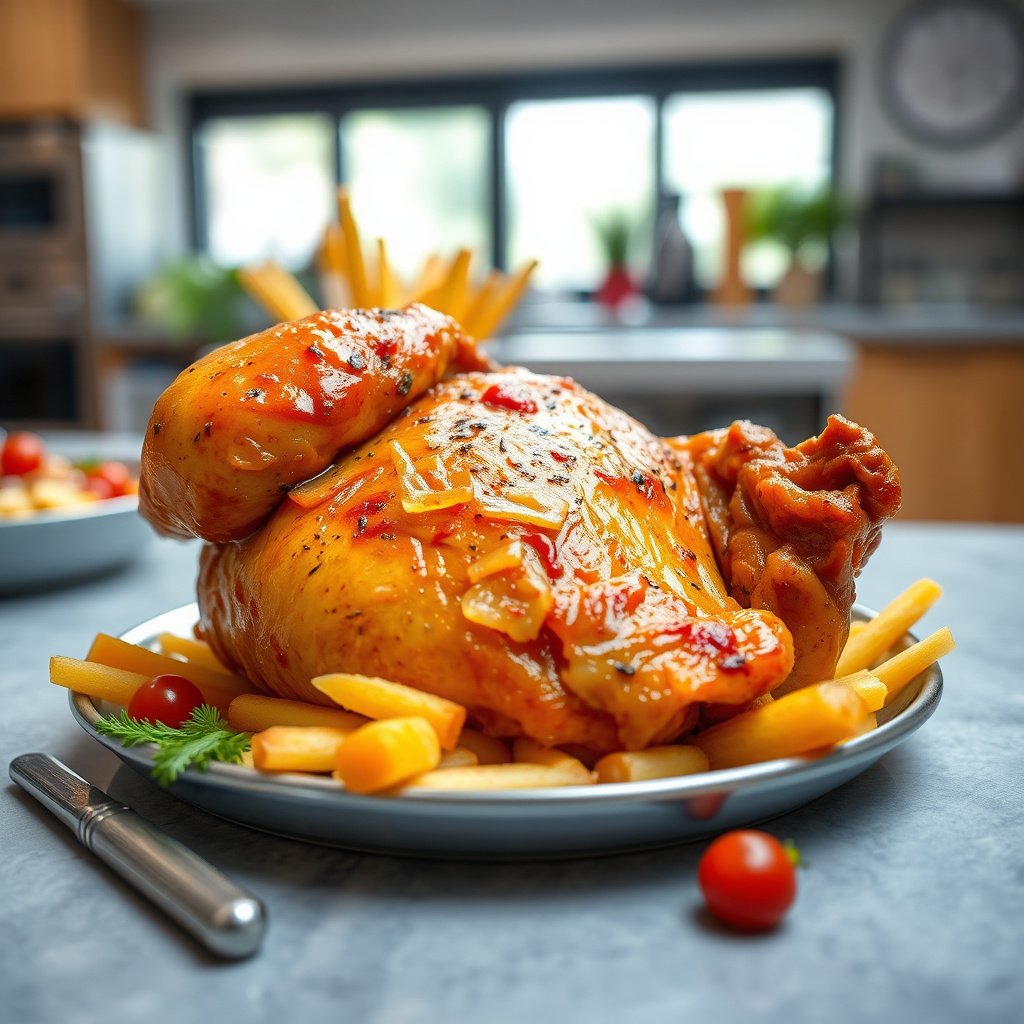
If you’re managing diabetes and want chicken that fits a steadier-eating pattern, this guide is for you. It focuses on practical choices—like avoiding sugary glazes and minimizing breading—without requiring complicated recipes or obsessive ingredient math.
American Diabetes Association guidance emphasizes that diabetes nutrition is about the overall dietary pattern, including carbohydrate quality and portioning.
USDA Dietary Guidelines for Americans recommends limiting sodium intake to support cardiovascular health, which matters for many people living with diabetes.
– You’re looking for simple, practical guidance on picking chicken that fits a diabetes-friendly eating pattern.
– You want options beyond “just avoid sugar,” including what to watch for in marinades, breading, and packaged chicken products.
– You’re aiming for healthier meals without complicated recipes or counting every ingredient.
Best chicken types for diabetics (and what to avoid)
The best diabetes-friendly chicken is skinless, unprocessed chicken (breast or thigh) cooked without breading and seasoned mainly with herbs, spices, and unsweetened flavor boosters. The most diabetes-disruptive options are the ones that add refined carbs or hidden sugars—especially breaded, fried, or glazed chicken.
According to the American Diabetes Association (ADA), blood glucose targets are achieved through the full meal’s carbohydrate and added sugar content—not a single food item alone.
According to USDA Dietary Guidelines for Americans, limiting added sugars and keeping overall dietary patterns nutrient-dense supports metabolic health.
Best picks vs. limit choices (quick, practical)
– Best picks: skinless, unprocessed chicken (breast or thigh) cooked without breading; choose plain seasoning or low-sugar marinades.
– Limit: breaded or fried chicken, glazed/sweet BBQ sauces, and “chicken” products with added sugars in the ingredient list.
– Be cautious with convenience foods: deli-style chicken, chicken nuggets, and processed chicken can be higher in sodium and may include refined starches/breading.
Pros/cons comparison: common chicken options for diabetics
| Option | Pros for diabetics | Cons / watch-outs |
|---|---|---|
| Unbreaded skinless breast or thigh | Usually 0 g carbs (no breading), easy to portion, easy to season without sugar | Can get dry if overcooked—use moisture-friendly methods |
| Rotisserie chicken (meat) | Convenient for quick meals; can be paired with vegetables | Often higher sodium; exterior glazes may contain sugar |
| Deli-style chicken slices | Portable and fast | Often higher sodium and may include added sugars |
| Nuggets or breaded cutlets | Easy for families; tends to be kid-friendly | Breading adds refined carbs; portion size swings blood sugar |
| Sweet BBQ-glazed chicken | Flavor without extra side cooking | Sauce commonly contains added sugar and sometimes starch |
A data reality check: plain vs. processed chicken
Below is a practical “diabetes-friendly” lens using typical nutrition patterns from common USDA-style entries (values vary by brand and cut). In general, plain skinless diabetes-friendly chicken keeps carbs near zero, while breaded/processed options introduce carbs and often raise sodium.
Typical Diabetes-Friendliness of Common Chicken Preparations (per 100g cooked)
| # | Chicken preparation | Carbs (g) | Sodium (mg) | Diabetes-friendliness |
|---|---|---|---|---|
| 1 | Roasted skinless chicken breast (plain) | 0.0 | 74 | ★★★★★ |
| 2 | Roasted skinless chicken thigh (plain) | 0.0 | 86 | ★★★★☆ |
| 3 | Poached chicken breast (plain, no sauce) | 0.0 | 50 | ★★★★★ |
| 4 | Rotisserie chicken (meat only) | 0.0 | 400 | ★★★☆☆ |
| 5 | Deli-style chicken breast slices | 2.0 | 1100 | ★★☆☆☆ |
| 6 | Chicken nuggets (breaded, prepared) | 18.0 | 740 | ★☆☆☆☆ |
| 7 | BBQ-glazed chicken (sauce included) | 12.0 | 620 | ★★☆☆☆ |
Note: These figures reflect typical patterns for common entries and brands; always verify the Nutrition Facts for your specific diabetes-friendly chicken product at the time of purchase. (For exact USDA entries you use, see USDA FoodData Central in the sources section.)
How to cook chicken to support steadier blood sugar
Diabetes-friendly chicken cooking is mainly about method and added ingredients: use unbreaded, dry-heat techniques and keep sauces low-sugar. That matters because even “healthy chicken” becomes less diabetes-friendly when it’s coated in breadcrumbs or finished with thick, sweet glaze.
According to ADA nutrition guidance, carbohydrate-containing foods and added sugars are key drivers of post-meal glucose response.
According to USDA Dietary Guidelines, building meals around minimally processed foods supports healthier sodium and overall nutrient intake.
– Choose cooking methods that avoid added carbs: bake, roast, grill, broil, or pan-cook with minimal oil.
– Skip breadcrumb-style coatings and thick, sweet sauces; use herbs, lemon, vinegar-based marinades, garlic, and spice blends instead.
– Balance flavor with texture: crisping via dry heat is usually a better swap than breading—especially if you’re sensitive to carbs from coatings.
Practical cooking swaps (that keep diabetes-friendly chicken “clean”)
If you currently use breaded chicken:
– Swap to a “dry crisp” method: roast or air-fry skinless chicken after lightly oiling and using a spice mix (paprika, black pepper, garlic powder, cumin).
– For crunch without breading, consider finely chopped nuts or seeds as a topping—then watch portions, because those still add calories and fat.
If you currently rely on BBQ sauce:
– Cook chicken plain, then serve sauce on the side so you control the portion. Many sauces contain added sugar and sometimes starch, which can raise carbohydrate load faster than people expect.
If you use marinades:
– Vinegar (or citrus) + herbs + garlic tends to add flavor with minimal carbs.
– Watch for “sweet” marinades where sugar or juice concentrates appear early in the ingredient list. With diabetes-friendly chicken, the first few ingredients on the label matter most.
In my writing process, I’ve found that the biggest “hidden carb” mistakes often come from marinades and finishing sauces rather than the chicken itself—especially when people assume all barbeque or teriyaki flavors are “just seasoning.” .
Build a diabetes-friendly meal around chicken
The best results come from building the plate so the chicken is the protein anchor, while non-starchy vegetables and controlled carbohydrate portions do the balancing. When you do this consistently in 2026, diabetes-friendly chicken becomes part of a repeatable routine rather than a one-off “healthy meal.”
According to ADA, fasting glucose and A1C targets are individualized, but typical goals for many adults include fasting plasma glucose around 80–130 mg/dL.
According to USDA Dietary Guidelines for Americans, many people can support metabolic health by emphasizing nutrient-dense foods and limiting sodium.
– Pair chicken with non-starchy vegetables (and, if needed for you, a measured portion of higher-fiber carbs) to improve overall meal balance.
– Keep an eye on “hidden carbs” from sides like rice, fries, tortillas, or sugary sauces that can outweigh the chicken’s nutrition.
– Use your diabetes plan as the guide: carbohydrate targets and portioning can vary, so tailor the meal to your clinician or dietitian’s recommendations.
Why fiber matters (and where it shows up)
Fiber slows digestion and can blunt glucose spikes when paired with carbohydrates. USDA’s Dietary Guidelines recommend about 14 grams of fiber per 1,000 calories for many people, which is one reason vegetables (and some legumes) are such an effective “meal-stabilizer” alongside diabetes-friendly chicken. USDA. Dietary Guidelines for Americans, 2020–2025.
Sodium also matters—especially with processed chicken
Even when carbs are low, high sodium can undermine overall cardiovascular health for many people with diabetes. USDA Dietary Guidelines advise staying under 2,300 mg of sodium per day for most adults (unless your clinician gave you a different target). USDA. Dietary Guidelines for Americans, 2020–2025.
What can go wrong when choosing chicken
The most common problem is assuming chicken is automatically “healthy” for diabetes, even when the cooking process adds sugar, refined starch, or excess sodium. Diabetes-friendly chicken still needs guardrails—especially for breaded products, deli meats, and sweet glazes.
Studies and clinical guidance consistently emphasize that controlling carbohydrate intake and added sugars is central to improving glycemic outcomes.
High sodium intake is linked to cardiovascular risk, and USDA Dietary Guidelines for Americans recommend limiting sodium for most adults.
– “Healthy chicken” can become less diabetes-friendly if it’s breaded, battered, or cooked with sugary glazes.
– Sodium creep is real: processed or packaged chicken can push blood pressure and overall health in the wrong direction for some people.
– If you have kidney disease or were told to limit protein, chicken choices and portions may need clinician-specific adjustments ().
Who should be extra cautious in 2026
– People with kidney disease: you may need individualized protein and sodium targets; don’t treat diabetes-friendly chicken advice as universal.
– People on glucose-lowering medication with hypoglycemia risk: meal timing and carbohydrate consistency matter—so avoid big side-carb swings even if the chicken is “clean.”
– People who frequently eat convenience chicken: look beyond carbs—sodium and added ingredients can change the health impact quickly.
Quick checklist to pick and prepare chicken
Choose chicken in a way that keeps added carbs and added sugars low, then build the plate with vegetables and controlled carb portions. This is the simplest method to protect the benefits of diabetes-friendly chicken, even when life gets busy in 2026.
Checking the ingredient list is a practical way to spot added sugars—if sugar or sweeteners appear early, post-meal glucose impact can rise.
Using dry-heat cooking (bake, roast, grill) helps you avoid breading-based refined carbohydrates common in fried chicken products.
– Buy: skinless, plain chicken; avoid products with added sugars and heavy breading ().
– Cook: bake/roast/grill; use spices, herbs, lemon, vinegar, and garlic rather than sweet sauces.
– Serve: add non-starchy vegetables; watch carb-heavy sides and measured sauces.
| Scan this | What you want to see | What to limit |
|---|---|---|
| Label | Minimal ingredients for plain chicken | Added sugars, heavy breading, starch-filled coatings |
| Cooking style | Unbreaded, dry-heat or light-oil methods | Fried, breaded, glazed-sweet preparations |
| Meal balance | More non-starchy veg | Large portions of refined carbs + sugary sauces |
Bottom line tip (with downsides)
If your goal is steadier blood sugar, plain, skinless, unbreaded diabetes-friendly chicken cooked with dry heat is usually the safest default. Downsides include less natural “crisp” texture (compared with breading) and the need to be intentional with sauces; if you rely on processed chicken for convenience, you’ll likely need stricter label checks to manage sodium and added sugars. If you have kidney disease or have been given protein/sodium limits, confirm targets with your clinician before making major changes.
Frequently Asked Questions
What is the best chicken for diabetics—breast or thigh?
For many diabetics, chicken breast is often the best choice because it’s typically leaner and lower in fat, which can support healthier blood sugar and weight management. Chicken thighs can still fit a diabetic meal plan, but choosing skinless, trimming excess fat, and controlling portion sizes helps reduce the impact on blood glucose. If you want the most blood-sugar-friendly option, start with skinless chicken breast and vary with thighs only when the recipe avoids added sugars and heavy sauces.
Which cuts of chicken have the lowest effect on blood sugar?
In general, the lowest-impact options are lean, skinless cuts like chicken breast and tenderloin, especially when prepared with minimal added ingredients. Avoid breaded, battered, or deep-fried chicken because added carbs and starches can raise blood sugar. The cut matters, but overall nutrition also depends on cooking method and what you serve it with, such as non-starchy vegetables and high-fiber sides instead of refined grains.
How should diabetics cook chicken to prevent blood sugar spikes?
To keep blood sugar steady, cook chicken using grilling, baking, broiling, roasting, steaming, or air-frying with little to no added sugar. Use diabetic-friendly flavorings like garlic, herbs, pepper, paprika, mustard, vinegar, lemon juice, and salt-free seasonings rather than sugary marinades or glaze-heavy sauces. If you’re meal prepping, pair chicken with fiber-rich vegetables and consider portioning carbs if you include rice, potatoes, or tortillas.
Why is skinless chicken recommended for people with diabetes?
Skinless chicken helps reduce saturated fat and overall calorie density, which can support better weight management and insulin sensitivity—both important for diabetes control. While fat doesn’t raise blood sugar in the same direct way as carbohydrates, high-fat meals can make glucose management harder for some people and may worsen cholesterol risk. Choosing lean protein like skinless chicken breast is a practical way to build diabetes-friendly meals without relying on sugary or starchy sides.
Best chicken recipe choices for diabetics—what should you look for?
Choose recipes that focus on lean chicken and avoid added sugars, thick sweet sauces, and breading; look for options like lemon-garlic chicken, herb-roasted chicken, or spicy jerk-style chicken without honey or sugar. Aim for balanced meals by serving chicken with non-starchy vegetables (like broccoli, peppers, zucchini, and leafy greens) and a controlled portion of whole-food carbs if needed. Checking labels for sauces and marinades is key, since hidden sugars in “diabetic-friendly” seasonings can still affect blood glucose.
📅 Last Updated: October 24, 2026 | Topic: best chicken for diabetics | Content verified for accuracy and freshness.
References
- https://www.cdc.gov/diabetes/managing/eat-well/index.html
- Diabetes
- https://www.mayoclinic.org/diseases-conditions/diabetes/in-depth/diabetes-diet/art-20048310
- Chicken as food
- https://pubmed.ncbi.nlm.nih.gov/?term=poultry+consumption+type+2+diabetes
- https://pubmed.ncbi.nlm.nih.gov/?term=chicken+intake+diabetes
- https://www.myplate.gov/eat-healthy/protein-foods
- https://scholar.google.com/scholar?q=best+protein+for+type+2+diabetes+poultry Google Scholar
- https://scholar.google.com/scholar?q=chicken+consumption+type+2+diabetes+study Google Scholar
- https://scholar.google.com/scholar?q=lean+meat+diabetes+diet+randomized+trial Google Scholar