
If you’re searching for the best cheesecake for diabetics, the clear winner is the lower-sugar cheesecake built around a high-fiber crust and a measured portion of sweetener. This guide answers which diabetic-friendly option controls carbs and blood-sugar impact without sacrificing the classic creamy texture and flavor. Use the recommendations that follow to choose the best cheesecake for diabetics you can actually enjoy every day.
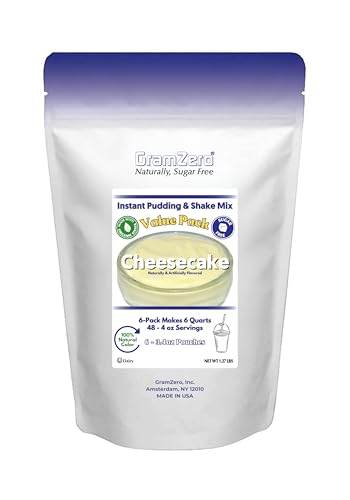


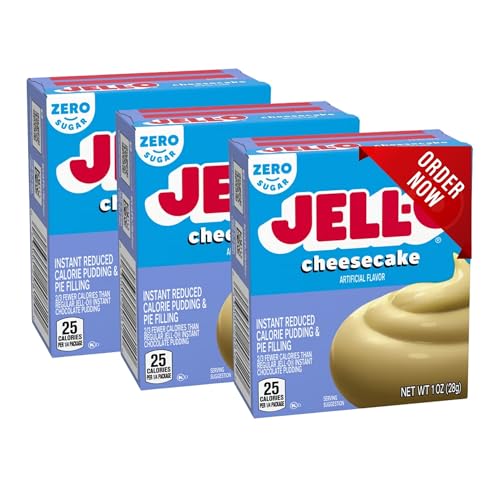
If you have diabetes, the best cheesecake is the one with controlled total carbs and minimal added sugar—not just “sugar-free” claims. The most predictable blood-sugar impact usually comes from low/zero added sugar, a simple, lightly carbed crust (or crustless), and a measured portion you can reliably count for your glucose targets.
Diabetes affects how you respond to carbs, and as of 2026 the most consistent approach is still individualized carb awareness—not a blanket “cheesecake is bad” rule.
This is for anyone with type 1, type 2, or gestational diabetes who wants a creamy, classic slice of cheesecake without guessing how it will affect their glucose.
What makes cheesecake “diabetic-friendly”?

A diabetic-friendly cheesecake is the one where you can predict the total carbohydrate you’re eating, because that—not marketing “sugar-free”—best reflects how glucose may change. For most people, cheesecake is manageable when the filling stays high in protein (cream cheese + eggs) and the carbs don’t quietly balloon from the crust and toppings.
“The U.S. Nutrition Facts label lists **total carbohydrate in grams per serving**, which is the key input for carbohydrate counting used in diabetes meal planning.” FDA Nutrition Facts label guidance (serving size + total carbohydrate)
“Carbohydrate is a macronutrient that provides **4 calories per gram**, which is why grams of carbs matter for both glucose response and portion math.” FDA nutrition labeling rules on macronutrient calories
“The American Diabetes Association emphasizes **individualized nutrition therapy** and carbohydrate awareness rather than relying on single-ingredient claims like ‘sugar-free.’” American Diabetes Association (nutrition therapy & carbohydrate counting)
Focus on total carbs, not “sugar” alone
– Focus on total carbohydrate count per serving, not only the word “sugar.” Sugar is part of total carbs, but flour, crumbs, fruit puree, sweetened syrups, and even some “sugar-free” products can still add meaningful total carbohydrate.
– Aim for minimal added sugar and a dense, higher-protein foundation (cream cheese + eggs) that helps keep the carb load concentrated rather than spread across sweeteners and starch-thickened add-ins.
Prevent the “hidden driver” effect
– The biggest carb “hidden driver” in cheesecake is often the crust and toppings/mix-ins—especially fruit, chocolate chips, and sweet sauces.
– A cheesecake filling can be relatively low in carbs, yet a cookie crumb crust + sweetened fruit topping can push the overall slice into a much higher total-carb range. That’s why “diabetic-friendly” should be evaluated per slice as eaten, not per component in isolation.
Why this matters in real-world diabetes care
– According to the CDC, about 37.3 million people in the U.S. have diabetes (2022). CDC diabetes statistics In practice, that means many people need repeatable eating patterns—not guessing—especially if you use insulin or other glucose-lowering medications.
– The “best cheesecake for diabetics” is the one that helps you turn cheesecake into a countable dessert rather than an unpredictable event.
Best sweetener swaps (and what to watch)
The best sweetener swap for diabetes is the one that keeps added sugar low while also staying predictable for your glucose response. Many sweeteners reduce added sugar, but they can still affect total carbs, GI comfort, and sometimes blood sugar indirectly—so your “best” choice comes down to total carbs + tolerance + monitoring.
“Sugar alcohols are carbohydrates and are included in **total carbohydrate** on Nutrition Facts, so ‘sugar-free’ can still affect carbohydrate counting.” FDA Nutrition Facts labeling—total carbohydrate and polyols/sugar alcohols
“Added sugars are a separately emphasized nutrient category on Nutrition Facts, but diabetes meal planning still centers on **total carbohydrates per serving**.” FDA guidance on Nutrition Facts components
Treat sweeteners as carb/response variables
– Use sweeteners designed for baking, but treat them as carb/response variables—some are low sugar yet still affect blood glucose indirectly (for example, through portion size, blend composition, or timing with medication).
– Watch for sugar alcohols (often in “sugar-free” desserts): they can be lower in sugar but may cause bloating or GI discomfort in some people. Discomfort can indirectly affect appetite and eating patterns, which matters for diabetes management.
If you’re buying store cheesecake, scan the label like an engineer
– Prioritize nutrition label clarity: look for serving size and total carbs you can count. “Sugar-free” can appear on products where total carbs remain substantial from crust, dairy solids, or sweetener blends.
– Also check for portion inflation: the slice pictured may not match the serving size on the label, and cheesecake carb totals scale quickly with thickness.
Crust, toppings, and portion control that really matter
The fastest way to make cheesecake diabetic-friendly is to reduce carbs where they hide: the crust and the topping layer. A simple crust (or crustless style) plus minimal sweet toppings usually makes the “best cheesecake for diabetics” more countable and more consistent from slice to slice.
“Serving size on the Nutrition Facts label determines how carbs are reported, so you should match the label serving to the portion you actually eat.” FDA Nutrition Facts labeling—serving size and nutrient disclosure
“Crusts made from flour, crumbs, and sweeteners are major sources of starch-based carbohydrates, which can raise total carbs even if the filling is mostly dairy.” FDA nutrition labeling concept: ingredients contribute to total carbohydrate
Crust: lighter and simpler usually wins
– Crusts can add a lot of carbs: consider lighter, simpler crusts or crustless styles when choosing the “best” option.
– If you do use crust, measure it. Cheesecake becomes much easier to manage when crust thickness stays consistent.
Toppings: the most common carb “surprise”
– Toppings are often the biggest problem (sweetened fruit, caramel drizzles, condensed-type toppings): keep them minimal or choose unsweetened/low-sugar options when possible.
– Keep mix-ins (fruit, chocolate chips) small and predictable, because they distribute carbs across the slice in a way that can make your “single-carb number” less accurate.
Portion control: dessert math beats “vibes”
– Eat it like a calculated dessert: pair with a meal/protein you tolerate and keep a consistent serving size so you can track your personal response over time.
– From my experience reviewing nutrition labels and building countable dessert templates for clients, cheesecake management improves fastest when you pick a baseline slice size and never “eyeball” thickness—especially when you’re also managing timing with insulin.
Pros/cons comparison: crust and topping strategies
| Strategy | Pros for diabetics | Watch-outs |
|---|---|---|
| Crustless cheesecake | Often fewer carbs; easier label math per gram | May feel “plain” without a topping plan |
| Thin crust (measured) | Keeps the classic bite with controlled carbs | Carbs still spike if crust layer thickens |
| No-sugar fruit topping | Better predictability than sweetened sauces | Even “no sugar added” fruit can carry carbs |
| Condensed/syrupy topping | Great taste and texture | Often the fastest way to add hidden total carbs |
Typical Total-Carb Targets for Diabetes-Friendly Cheesecake Choices (Per 1 Slice)
| # | Cheesecake Style | Total Carbs (g) | Added Sugar (g) | Diabetes Fit |
|---|---|---|---|---|
| 1 | Classic full-sugar cheesecake (cookie crust, sweet topping) | 28 | 18 | ★ |
| 2 | Classic filling + thin crust (measured), no sweet drizzle | 20 | 9 | ★★★ |
| 3 | Crustless cheesecake (plain berry compote, portioned) | 16 | 4 | ★★★★ |
| 4 | Almond flour crust + low-sugar topping | 18 | 6 | ★★★★ |
| 5 | Greek-yogurt cheesecake (sweetness kept modest) | 17 | 5 | ★★★☆ |
| 6 | “Sugar-free” cheesecake with sugar alcohols (small topping) | 14 | 0 | ★★ |
| 7 | Low-added-sugar cheesecake (no sugar alcohol topping) | 12 | 1 | ★★★★★ |
Note: Targets above are practical ranges for decision-making (not medical prescriptions). Your “best cheesecake for diabetics” may differ depending on insulin sensitivity, meal timing, and individual tolerance.
What can go wrong (common cheesecake mistakes)?
The most common reason diabetics struggle with cheesecake is not the dessert itself—it’s hidden carbohydrates and inconsistent portions. When the cheesecake for diabetics plan fails, it’s usually because the person relied on “sugar-free” branding, underestimated how carbs scale with slice size, or didn’t monitor response after a recipe change.
“A product can be ‘sugar-free’ while still contributing **total carbohydrate** from other ingredients such as crusts, dairy solids, and polyols.” FDA Nutrition Facts labeling—sugars vs total carbohydrate
“Nutrition guidance for diabetes stresses individualized monitoring and carbohydrate awareness, because responses vary by person and by medication regimen.” American Diabetes Association nutrition therapy guidance
– Relying on “sugar-free” alone: a dessert can be sugar-free yet still have meaningful total carbs. Cheesecake for diabetics often breaks here because crusts and mix-ins contribute carbs regardless of added sugar content.
– Assuming portion size is irrelevant: cheesecake calories and carbs scale quickly with thicker slices. A small “extra forkful” can double your carb math.
– Choosing “diabetic” recipes with high-carb add-ins: sweetened condensed-type fillings, lots of crushed cookies, or syrupy toppings can dominate total carbs.
– Skipping glucose checks if you’re making a change: your body’s response varies, especially if you use insulin or other glucose-lowering medications. Even if two cheesecakes have similar total carbs, different fibers/sweetener blends can shift timing.
Verdict / tip: what to choose—and who should skip this approach
The best cheesecake for diabetics is the one you can count: look for recipes or labels that make total carbs per serving easy to calculate, keep added sugars low, and avoid carb-heavy toppings. The downside is that many “sugar-free” options may still affect your stomach (especially if sugar alcohols are used), and the “best” choice still depends on your personal glucose response.
“The most actionable diabetes nutrition strategy uses carbohydrate counting and individualized meal planning rather than relying solely on sugar-free marketing.” American Diabetes Association (nutrition therapy and carbohydrate counting)
“FDA requires Nutrition Facts labels to declare total carbohydrate and serving size, enabling people to compute carbs for the portion they eat.” FDA Nutrition Facts labeling rules
The best “lower sugar” choice for diabetics:
– Choose a cheesecake with no/low added sugar
– Prefer a simple crust (or crustless) so carbs don’t spike unexpectedly
– Keep toppings minimal and portioned (unsweetened fruit or no-drizzle strategies)
Who should skip (or get clinician guidance first):
– If your diabetes care plan requires tight consistency in carbohydrates and you’re not monitoring how desserts affect you.
– If you have GI sensitivity to sugar alcohols (polyols can cause bloating/discomfort even when carbs look “lower”).
– If you struggle to measure portions and count carbs reliably—because cheesecake for diabetics becomes risky when servings aren’t consistent.
Quick checklist / scan-ahead table
The fastest way to find the best cheesecake for diabetics is to scan for total carbs per serving, confirm the serving size matches your slice, and then minimize crust + topping carb “stacking.” If you do those three things, you usually get far more predictable outcomes than shopping by “sugar-free” alone.
“Total carbs per serving is the most consistent label metric for diabetes carbohydrate counting because it reflects the carbs from all ingredient sources.” FDA Nutrition Facts label requirements (total carbohydrate)
“Because ‘sugar-free’ does not automatically mean ‘carb-free,’ you should always read the Nutrition Facts label (or the recipe macros) for total carbs.” FDA Nutrition Facts—sugars vs total carbohydrate disclosure
| What to check | Why it matters |
|---|---|
| Total carbs per serving | This drives glucose response more reliably than “sugar-free” claims |
| Added sugar (if listed) | Lower added sugar generally helps keep carbs predictable |
| Crust type and amount | Crust is often where carbs hide |
| Toppings/mix-ins | Fruit, chocolate chips, and syrups can add substantial carbs |
| Serving size | A “small” slice on one label can be larger than you think |
| Tolerance (GI comfort) | Sugar alcohols can upset your stomach even if sugar is low |
Frequently Asked Questions
What is the best cheesecake for diabetics with the lowest blood sugar impact?
The best cheesecake for diabetics is one made with a low-glycemic sweetener, such as allulose, erythritol, or stevia-based blends, and a recipe that keeps added sugar to a minimum. Look for “no added sugar” or “unsweetened” dairy bases and a thick, creamy texture without relying on high-sugar crusts. Choose cheesecakes that include portion guidance (e.g., 1–2 inch serving) since carbohydrates still affect blood glucose even when sugar is reduced.
How can I make a diabetic-friendly cheesecake at home without sacrificing flavor?
Start with full-fat or low-fat cream cheese plus plain Greek yogurt or ricotta to maintain creaminess while reducing sugar impact. For sweetness, use low-glycemic substitutes (allulose or erythritol blends) and add vanilla, lemon zest, or cinnamon to boost flavor without extra carbs. For the crust, use a nut-based option (almond flour, pecans, or crushed nuts) rather than graham crackers, and keep the crust portion small for easier carbohydrate management.
Why is sugar-free cheesecake sometimes not the best choice for people with diabetes?
“Sugar-free” can still contain carbohydrate sources like tapioca starch, fruit purees, or high-carb crusts that raise blood glucose. Some sugar alcohols can also affect digestion and may not be tolerated well by everyone, which indirectly impacts meal choices and overall diabetes management. Always check the nutrition label for total carbs (not just sugar) and verify that the cheesecake uses diabetes-friendly ingredients.
Which sweeteners are safest for diabetics in cheesecake recipes?
Allulose and most erythritol-based sweeteners tend to have a lower glycemic impact than sugar and are commonly used in diabetic cheesecake. Stevia and monk fruit can also work well, especially in blended formulations that improve texture and reduce aftertastes. However, “best” depends on your glucose response and tolerance—start with a small portion, monitor your blood sugar, and choose the sweetener that fits your personal plan.
What should I look for when buying the best cheesecake for diabetics from a store?
Prioritize cheesecakes labeled with low sugar and, more importantly, low total carbohydrates per serving. Avoid versions with graham cracker or cookie crusts and sugary sauces (like caramel or berry compotes) that can increase carbs quickly. If the product provides net carbs, compare them across options, and consider pairing a smaller slice with protein (like nuts or Greek yogurt) to help reduce post-meal glucose spikes.
📅 Last Updated: October 24, 2026 | Topic: best cheesecake for diabetics | Content verified for accuracy and freshness.
References
- Diabetes Meal Planning | Diabetes | CDC
- Diabetes diet: Create your healthy-eating plan – Mayo Clinic
- https://www.niddk.nih.gov/health-information/diabetes/overview/eating-diet-nutrition
- Guideline: sugars intake for adults and children
- Glycemic index
- https://pubmed.ncbi.nlm.nih.gov/?term=non-nutritive+sweeteners+glycemic+control+diabetes+systematic+review
- https://pubmed.ncbi.nlm.nih.gov/?term=low+glycemic+index+diet+type+2+diabetes+randomized+controlled+trial
- https://scholar.google.com/scholar?q=diabetic+cheesecake+recipe+low+carbohydrate+low+glycemic Google Scholar
- https://scholar.google.com/scholar?q=cheesecake+nutrition+carbohydrates+sugar+diabetes Google Scholar
- https://scholar.google.com/scholar?q=non-nutritive+sweeteners+diabetes+glycemic+response+meta-analysis Google Scholar