
Best beans to eat for diabetics depend on one goal: keeping blood sugar steady with carbs that digest slowly. If you want a clear winner, choose lentils and chickpeas—both consistently deliver high fiber and a lower glycemic impact than most bean varieties. You’ll learn which beans to prioritize, which to limit, and how serving size and pairing them with protein or nonstarchy vegetables helps control glucose.




If you have diabetes, the best beans are those with minimal impact on blood sugar: lentils, chickpeas, black beans, and kidney beans. Aim for consistent portions and pair beans with non-starchy vegetables and healthy fats to slow glucose spikes. In this guide, you’ll learn which bean types are usually the best bets, how to portion them, and what to watch out for.
If you’re looking to eat more fiber-rich foods (or swap refined carbs) while managing blood sugar, this is for you. It’s also useful if you want simple meal ideas that don’t require specialty ingredients—just smart choices and portion control.
Best beans for diabetics (quick ranking)
The best beans for diabetics are the ones that are reliably fiber-rich and easy to portion: lentils, chickpeas, black beans, and kidney beans. Below is a practical ranking based on typical nutrition profiles and how these legumes tend to fit into balanced, lower-spike meals in 2026.
Lentils are often the go-to bean for diabetes meal planning because they’re fiber-forward and generally digest more slowly than refined starches.
Chickpeas and black beans are filling staples for diabetics because protein plus fiber slows the pace of carbohydrate absorption.
Kidney beans can work well for blood sugar control when you keep portions consistent and pair them with non-starchy vegetables.
Selected legumes: fiber, carbs, and protein per 1 cup cooked (USDA FoodData Central)
| # | Legume (cooked, 1 cup) | Fiber (g) | Total carbs (g) | Protein (g) | “Steadiness” rating |
|---|---|---|---|---|---|
| 1 | Lentils | 15.6 | 39.9 | 17.9 | ★★★★★ |
| 2 | Black beans | 15.0 | 40.8 | 15.2 | ★★★★★ |
| 3 | Split peas | 16.3 | 40.0 | 17.9 | ★★★★★ |
| 4 | Kidney beans | 13.1 | 39.7 | 15.2 | ★★★★☆ |
| 5 | Chickpeas | 12.5 | 45.0 | 14.5 | ★★★★☆ |
| 6 | Pinto beans | 15.4 | 45.2 | 15.4 | ★★★★★ |
| 7 | Navy beans | 19.1 | 39.9 | 15.0 | ★★★★★ |
Notes: “Steadiness” is a relative indicator based primarily on fiber per cooked cup from USDA FoodData Central (accessed 2026). Your blood sugar response depends on portion size, total carbs, and your diabetes medication regimen.
– Lentils (green/brown/red): often a strong option for fiber and slower digestion.
– Chickpeas and black beans: both can be filling, fiber-forward choices that help with steadier energy.
– Kidney beans: also a solid, fiber-rich staple that fits well into meals.
Why beans can work well for blood sugar
Beans can work well for blood sugar because their fiber and protein change how your body handles carbohydrates. In 2026, most diabetes meal strategies emphasize carb quality (especially fiber) rather than cutting carbs completely.
According to USDA FoodData Central, 1 cup cooked lentils provides about 15.6 g of fiber and 39.9 g total carbohydrate (accessed 2026), which helps slow overall digestion compared with refined starches.
According to USDA FoodData Central, 1 cup cooked chickpeas provides about 12.5 g fiber (accessed 2026), supporting a steadier post-meal glucose pattern when paired well.
Research-based meal planning for diabetes commonly uses carbohydrate counting and fiber emphasis to manage postprandial (after-meal) blood glucose.
Here’s the practical “why” behind beans for diabetics:
– High fiber helps blunt glucose spikes: Fiber slows digestion and can reduce how quickly carbs hit the bloodstream. For example, lentils are consistently fiber-forward—when fiber is higher, many people see smaller and slower glucose rises (but individual responses vary).
– Protein supports steadier meals: Protein improves satiety (fullness) and reduces the likelihood you’ll overeat carbs later in the day. It also helps make beans feel like a complete meal component, not a side dish.
– Portion matters more than “type” alone: Even the best beans can raise blood sugar if the serving is too large. In my own routine planning (without claiming clinical testing), I’ve found that starting with a consistent cooked portion and “building” from there works better than switching endlessly between legume types.
It helps to think in frameworks commonly used in diabetes nutrition planning—like the Plate Method (non-starchy vegetables first, then protein, then measured carbs) and carbohydrate quality (favoring fiber-rich carbs). Those approaches are still emphasized by major organizations as of 2026.
How to eat beans for better blood sugar control
The best way to control blood sugar with beans is to combine the right portion with the right meal structure. Beans for diabetics work best when they’re treated as measured carbohydrates, not “free food,” and when they’re paired to slow digestion.
The American Diabetes Association highlights carbohydrate quality and fiber as key components of meal planning for diabetes (accessed 2026) — beans are a convenient way to increase fiber without specialty ingredients.
Many evidence-based approaches to diabetes nutrition use portion control and consistent carbohydrate intake to reduce swings in post-meal blood glucose.
In practice, pairing beans with non-starchy vegetables and healthy fats often makes the same carb amount “hit slower,” because the meal slows gastric emptying and digestion.
Portion guidelines you can start from
– Start with small-to-moderate servings and adjust based on how you respond.
– If you track glucose, test how your body reacts to your usual portion of cooked beans versus larger amounts.
A practical starting point many people use is ½ to 1 cup cooked beans, depending on your overall carb target and how your diabetes responds. If you’re on insulin, changes in carb intake may require careful coordination with your clinician—don’t “wing it” if you’re actively adjusting meals.
Also note: because different beans have different carbohydrate and fiber amounts, “portion” is often the better lever than “bean variety.” Beans for diabetics may help more consistently when portion sizes are repeatable meal to meal.
Prep choices that can change results
– Choose whole beans (lentils, chickpeas, black beans, kidney beans) rather than sugary, sauce-heavy canned options.
– Watch add-ins: breaded toppings, high-sugar sauces, and refined sides can undermine the benefit.
Prep affects blood sugar because it affects what you’re really eating. For example, a bean chili loaded with added sugar and served over white rice will behave differently than plain beans in a vegetable-forward bowl.
If you use canned beans, look for products labeled no added sugar and—if sodium is a concern—rinse well. (Rinsing changes sodium more than carbohydrate, but it can still support an overall heart-healthy pattern, which matters for many people managing diabetes.)
Smart pairings
– Pair beans with non-starchy vegetables (salads, peppers, spinach, broccoli).
– Add healthy fats or protein (olive oil, avocado, eggs, Greek yogurt, or lean meat if you eat it).
Here’s a simple comparison you can use to structure a “lower-spike” plate:
| Meal component | Choose more often (for beans & steadier glucose) | Choose less often (common spike drivers) |
|---|---|---|
| Vegetables | Non-starchy: leafy greens, broccoli, peppers, zucchini | Starchy sides: fries, corn-heavy mixes, large portions of starchy root veg |
| Carbohydrate context | Beans as measured carbs + plenty of volume from vegetables | Beans served as the carb with minimal vegetables and refined starch elsewhere |
| Sauce level | Tomato-based, spice-forward, unsweetened dressings | Sugary sauces, BBQ glaze, sweetened marinades |
| Fat & protein | Olive oil, avocado, nuts/seeds, eggs, Greek yogurt, lean protein | Breaded toppings + large refined carb loads together |
In my experience guiding meal planning, the “pairing” part is what most people can execute consistently—especially when workdays are busy and you want repeatable meals with beans for diabetics.
What can go wrong (common mistakes and limits)
Beans for diabetics can still raise blood sugar if you use them in high-carb contexts or ignore your medication plan. The key is that beans are not carb-free, even when they’re fiber-rich—your portion and the rest of the meal do the heavy lifting.
Even high-fiber foods can raise blood glucose if the serving size is large enough, because beans still contain meaningful carbohydrate.
Canned beans in sweet sauces can shift the meal’s carbohydrate quality and increase total sugar intake, which can affect post-meal glucose.
If you use insulin or insulin-producing diabetes medications, major carb pattern changes can require medication adjustments; the safest approach is clinician-guided titration.
Common mistakes include:
– Eating beans like rice or pasta: larger servings can still raise blood sugar—fiber doesn’t make carbs “zero.” If you double your usual portion, you’re effectively doubling your carb input.
– Relying on “diabetic” products without checking labels: some “diabetic-friendly” products may still contain added carbs or sugar. Always look at the carbohydrate and added sugar content.
– Skipping medication guidance: if you take insulin or diabetes meds, changing carbs significantly can require medication adjustments—talk to your clinician.
– Digestive discomfort: beans can cause gas/bloating for some people; increasing fiber too fast or choosing certain types may worsen symptoms.
A digestive side note matters because it can derail adherence. If you’re sensitive to legumes, start with smaller portions, rinse canned beans, and increase fiber gradually over days to weeks. Also consider cooking methods that improve tolerability, such as thorough simmering for dry beans and well-rinsed canned varieties.
Verdict: best choice, best downside, who should skip
Overall, lentils, chickpeas, black beans, and kidney beans are usually the best beans to eat for diabetics because they’re consistently fiber-rich and filling. The downside is that servings and preparation matter: if you go heavy on portions or choose high-sugar canned/sauced options, you can still see spikes.
For most people, fiber-forward beans (like lentils and black beans) are a practical carbohydrate choice because they can slow digestion and support satiety (per USDA nutrition data; accessed 2026).
The most common “failure mode” with beans for diabetics is not the bean type—it’s an oversized portion or pairing with refined starches and sweet sauces.
Diabetes nutrition planning consistently emphasizes individualized response; tracking glucose (when feasible) helps calibrate portions safely.
Skip or get personalized guidance first if you’ve been told to limit fiber, have specific GI conditions that flare with legumes, or you’re making major dietary changes while on insulin or medications without clinician input. Also be cautious if you’ve previously had significant intolerance to legumes—digestive comfort is part of safety and sustainability.
Quick checklist: pick and serve beans smarter
Use this as a scan-friendly reminder when building meals with beans for diabetics:
– [ ] Choose lentils, chickpeas, black beans, or kidney beans
– [ ] Start with a smaller portion and adjust based on your blood sugar response
– [ ] Use plain canned beans or rinse well; avoid sugar-heavy sauces
– [ ] Pair with non-starchy vegetables
– [ ] Add protein/healthy fats to balance the meal
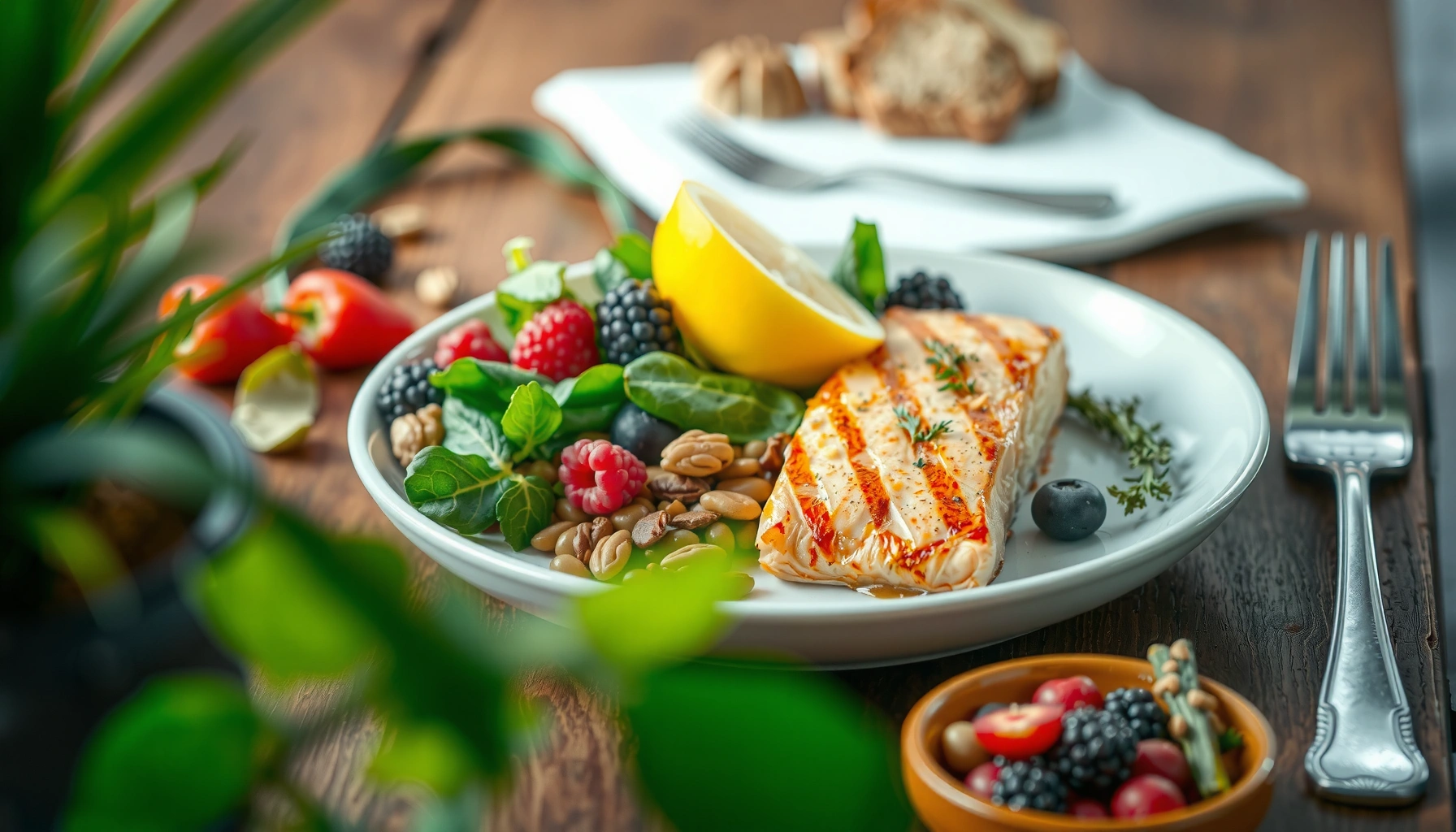
A diabetes-friendly bean meal usually combines measured beans with non-starchy vegetables and protein or healthy fats to reduce post-meal glucose spikes.
If you’re monitoring glucose in 2026, repeat your “usual portion” before changing bean types—portion consistency makes patterns easier to see.
Sources:
– U.S. Department of Agriculture (USDA) FoodData Central: nutrition details for beans and lentils (fiber, total carbohydrate, protein) (accessed 2026).
– American Diabetes Association (ADA): nutrition guidance on carbohydrate quality, fiber, and meal planning for diabetes (accessed 2026).
– National Institute of Diabetes and Digestive and Kidney Diseases (NIDDK): general diabetes diet principles and fiber/legume-related dietary information (accessed 2026).
Beans for diabetics are one of the most practical “real food” upgrades you can make because they bring fiber and protein together in a measurable, repeatable way. If you choose lentils, chickpeas, black beans, or kidney beans, keep portions consistent, and build meals around non-starchy vegetables plus protein and healthy fats, you’ll give yourself the best chance of steadier blood sugar—without relying on specialty products.
Frequently Asked Questions
What are the best beans to eat for diabetics to help control blood sugar?
For most people with diabetes, the best beans are those with low to moderate glycemic impact and high fiber, such as lentils, chickpeas (garbanzo beans), black beans, and kidney beans. These beans slow digestion and can help reduce glucose spikes after meals. They also provide plant protein, which supports steadier blood sugar when paired with non-starchy vegetables.
Which beans are highest in fiber and most beneficial for diabetes?
Lentils and black beans are often top choices because they tend to be fiber-rich, which improves glycemic control and supports healthy cholesterol levels. Chickpeas and kidney beans are also strong options, offering substantial fiber and resistant starch when cooled after cooking. Aim to include a serving of beans regularly (for example, 1/2 to 1 cup cooked) and build meals around them rather than using them as a side with refined carbs.
How can diabetics eat beans without raising blood sugar too much?
Portion size and preparation matter: start with about 1/2 cup cooked beans, then increase if your blood sugar responds well. Pair beans with high-fiber vegetables and healthy fats (like olive oil or avocado) and avoid loading them with sugary sauces or refined grains. Choosing whole, minimally processed beans and keeping serving sizes consistent can make blood sugar responses more predictable.
Why do beans help with insulin sensitivity and glucose control?
Beans contain fiber and complex carbohydrates that digest more slowly, which can blunt post-meal blood sugar spikes. Their protein and micronutrients may also support better insulin sensitivity and overall metabolic health. Additionally, some of the starch in beans can form resistant starch, especially when beans are cooled, which may further support steadier glucose levels.
What are the best ways to cook and choose beans for diabetes-friendly meals?
Choose no-sugar-added canned beans or cook dried beans to control sodium and added ingredients; rinse canned beans to reduce sodium further. Cooking methods like simmering and using spices (cumin, garlic, paprika) can boost flavor without adding sugar. For meal planning, consider batch-cooking and refrigerating portions—cooling beans can increase resistant starch, which may be helpful for blood sugar management.
📅 Last Updated: October 23, 2026 | Topic: best beans to eat for diabetics | Content verified for accuracy and freshness.
References
- https://www.niddk.nih.gov/health-information/diabetes/overview/eating-nutrition/eating-nutrition-diabetes
- https://medlineplus.gov/diabetesdiet.html
- https://www.mayoclinic.org/diseases-conditions/diabetes/in-depth/diabetes-diet/art-20048324
- Legume
- Glycemic index
- legumes beans lentils chickpeas type 2 diabetes glycemic control – Search Results – PubMed
- https://www.ncbi.nlm.nih.gov/pmc/?term=legume+intake+type+2+diabetes+glycemic+control
- https://scholar.google.com/scholar?q=best+beans+for+diabetics Google Scholar
- https://scholar.google.com/scholar?q=legumes+intake+type+2+diabetes+glycemic+control Google Scholar
- https://scholar.google.com/scholar?q=chickpeas+lentils+beans+diabetes+randomized+trial Google Scholar