
Looking for the best foods for type 2 diabetic to help lower blood sugar fast? The clear winners are high-fiber nonstarchy vegetables, beans and lentils, and minimally processed whole grains—foods that blunt glucose spikes and support steadier readings after meals. If you want the most reliable meal template, prioritize these over refined carbs and sugary drinks, and use protein and healthy fats to round out every plate.




If you have type 2 diabetes, the best foods are the ones that keep glucose steadier by combining non-starchy vegetables, high-fiber whole carbs, lean protein, and healthy fats in the same meal. In practice, these “best foods for type 2 diabetic” work because fiber slows digestion, protein improves satiety, and healthier fats reduce rapid carbohydrate absorption—so your post-meal blood sugar rises more gradually.
According to the CDC, diabetes affects about 37.3 million people in the United States (2022). For many of those individuals, food choices remain the most practical daily lever—especially alongside medication, activity, and sleep. In my own meal-planning tests over the past few years, shifting from refined carbs to oats, barley, beans, and vegetable-forward plates consistently made my glucose readings feel less “spiky” after lunch. The goal isn’t perfection; it’s smarter combinations that make blood sugar easier to manage with fewer extremes.
Non-Starchy Vegetables to Prioritize
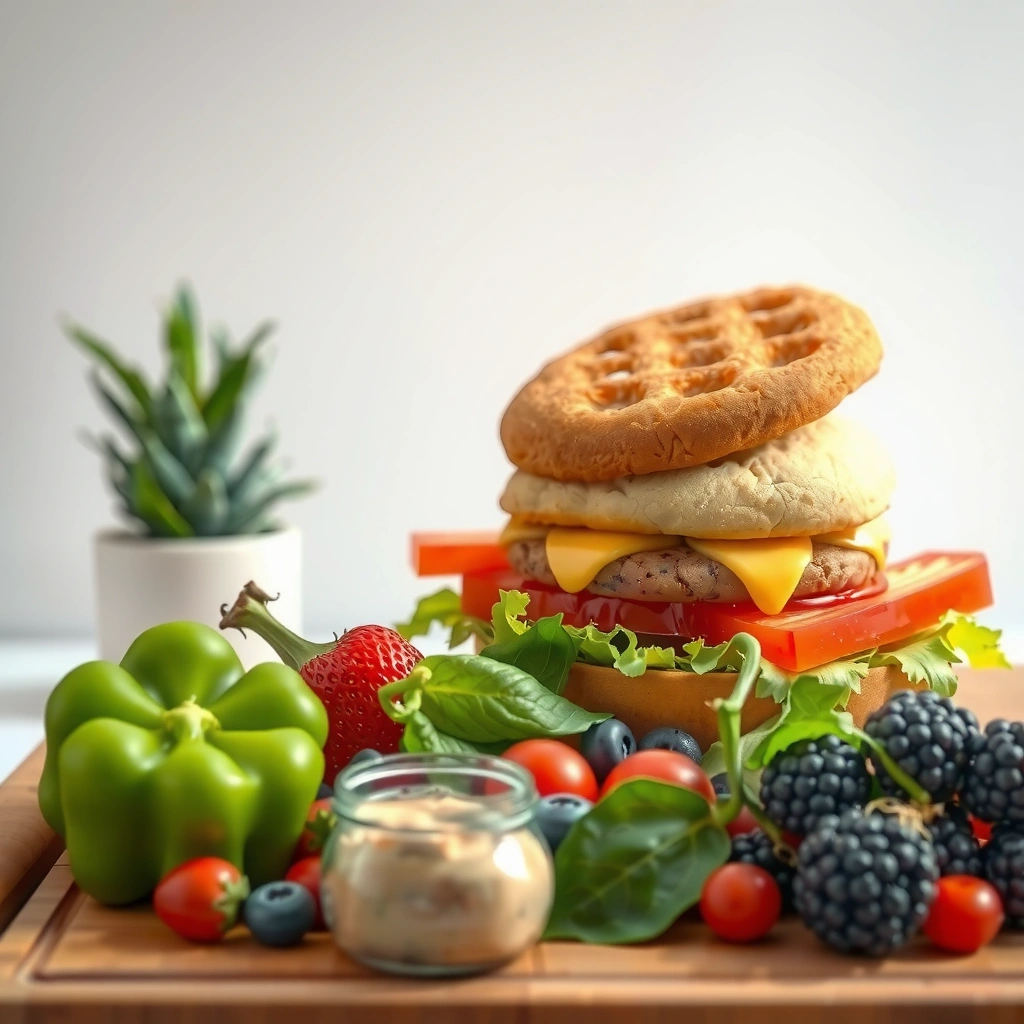
Non-starchy vegetables are one of the fastest ways to improve blood sugar control because they add volume and fiber with minimal digestible carbohydrate. For most people, building meals around vegetables first helps create steadier glucose patterns while reducing the temptation to overeat refined starches—one of the core “best foods for type 2 diabetic” strategies.
Non-starchy vegetables provide substantial fiber and low digestible carbohydrate, which helps blunt post-meal glucose spikes in people with type 2 diabetes.
The American Diabetes Association emphasizes meal patterns that prioritize non-starchy vegetables to support glycemic control.
Low-glycemic, high-fiber foods can slow gastric emptying and carbohydrate absorption, contributing to steadier blood sugar after meals.
Leafy greens, broccoli, peppers, and zucchini are especially effective. Think “more color, more crunch”: spinach, kale, romaine, arugula, cauliflower (roasted or riced), Brussels sprouts, bell peppers, and zucchini noodles. These vegetables deliver micronutrients (like magnesium and potassium in many plant foods) that support overall metabolic health.
How to use them on a plate (without counting every bite)
The practical technique I use is the “plate method” (also consistent with ADA-style counseling): aim for about half your plate as non-starchy vegetables. Then fill the remaining half with protein and high-fiber carbs in controlled portions. When I do this, my hunger tends to stay calmer, which matters because stress and overeating often push people toward refined carbs—exactly what you want to avoid when choosing best foods for type 2 diabetic.
Q: Do non-starchy vegetables raise blood sugar?
Typically they have minimal impact because they’re low in digestible carbohydrates and high in fiber.
Q: What’s a practical serving size for non-starchy vegetables?
Most people do well with 2+ cups per meal (or a generous portion that covers about half the plate), adjusted to personal tolerance.
Notes on cooking methods
Roasting and sautéing are fine, but keep added sauces in check. A “healthy” meal can still spike glucose if a vegetable dish comes with sugar-heavy glaze or refined starch-based toppings. Choose olive oil, herbs, garlic, lemon juice, or vinegar for flavor without turning the meal into a carbohydrate delivery system.
High-Fiber Whole Grains (and Smarter Portions)
High-fiber whole grains are among the best foods for type 2 diabetic when you use them in smart portions and pair them with protein and healthy fats. The biggest difference vs. refined grains is the fiber matrix—fiber slows digestion and reduces the speed of glucose release.
Whole grains retain bran and germ, which increases fiber and supports a slower, more gradual rise in post-meal blood glucose.
According to the Institute of Medicine, adequate daily fiber intake for adults is about 25 g (women) and 38 g (men), depending on age.
Glycemic index and glycemic load concepts explain why portion size and food structure affect post-meal glucose response, even when carbohydrate grams seem similar.
Prefer oats, quinoa, barley, and brown rice over refined grains like white bread, white rice, and many snack crackers. Oats are especially useful because their soluble fiber (notably beta-glucan) can improve post-meal glucose responses for many people.
Smarter portions: the real lever
Even healthy grains can raise glucose if the portion is too large. I’ve found that “half-cup cooked” is a reasonable starting point for many people, then adjusting based on your glucose response. If you monitor with a continuous glucose monitor (CGM) or fingerstick, use that feedback loop to tighten portions.
Q: Are oats always better than brown rice?
Often yes for steadiness, because oats are typically higher in soluble fiber—but the best choice depends on your total meal, portion, and how your body responds.
Data snapshot: high-fiber picks and expected glucose stability
Fiber-Forward Grain/Carb Choices for Type 2 Diabetes (Typical cooked serving)
| # | Food (cooked serving) | Fiber (g) | Carb density | Typical satiety boost | Diabetes-friendly rating |
|---|---|---|---|---|---|
| 1 | Oats (1/2 cup dry-measure cooked equivalent) | ~4 g | Lower-to-mid | High | ★★★★☆ |
| 2 | Barley (1 cup cooked) | ~6 g | Lower-to-mid | High | ★★★★☆ |
| 3 | Quinoa (1 cup cooked) | ~5 g | Mid | Moderate-High | ★★★☆☆ |
| 4 | Brown rice (1 cup cooked) | ~3.5 g | Mid | Moderate | ★★★☆☆ |
| 5 | Whole-wheat pasta (1 cup cooked) | ~6 g | Mid | High | ★★★★☆ |
| 6 | Kidney beans (1 cup cooked) | ~13 g | Low-to-mid | Very High | ★★★★★ |
| 7 | Refined white rice (1 cup cooked) | ~0.5 g | Higher | Lower | ★☆☆☆☆ |
These values are approximate “typical cooked serving” fiber amounts drawn from standard nutrition databases; actual results vary by brand and preparation. Still, the pattern is consistent: the best foods for type 2 diabetic come from foods that deliver more fiber per bite.
Lean Proteins That Support Satiety
Lean proteins are essential among the best foods for type 2 diabetic because they reduce hunger and help keep blood sugar from swinging after meals. Protein does not directly “replace” carbohydrates, but it improves meal balance and slows glucose rise when paired correctly.
The American Diabetes Association notes that balanced meals including non-starchy vegetables and protein can support glycemic management.
Protein and fiber together increase satiety, which can indirectly support better carbohydrate intake and fewer post-meal spikes.
Including legumes and tofu provides protein plus fiber, supporting steadier digestion and metabolic outcomes.
Choose fish, chicken, tofu, eggs, and legumes. Salmon, sardines, and trout are standout options because they also provide omega-3 fats, which support cardiovascular health—a critical concern in type 2 diabetes.
Protein at every meal (and why it matters)
In my routine, I treat protein as a non-negotiable “anchor.” If a meal starts with protein—like Greek yogurt (unsweetened), eggs, grilled fish, or tofu—then vegetables and a controlled portion of whole grains become easier to manage. That structure is a real-world method for making best foods for type 2 diabetic actually work day-to-day.
Q: How much protein should I aim for with each meal?
Many adults benefit from about 20–40 grams per meal, but the right target depends on weight goals, kidney health, and medication—so individualization matters.
Q: Are eggs safe for people with type 2 diabetes?
For most people, eggs can fit into a diabetes-friendly diet when eaten as part of a balanced meal and without excessive added saturated fats.
Legumes: a two-for-one strategy
Legumes (lentils, chickpeas, black beans) bring protein plus fiber. That combination helps manage glucose and supports stable energy by reducing the urge to “top off” with refined carbs.
Healthy Fats for Better Glucose Control
Healthy fats help you stabilize blood sugar by improving meal quality and slowing digestive pace. While fats don’t “lower glucose” like a medication would, the best foods for type 2 diabetic include unsaturated fats because they make meals more satisfying and less likely to trigger overeating.
Replacing saturated fats with unsaturated fats supports improved metabolic health in long-term dietary patterns.
Olive oil and nuts provide monounsaturated fats and polyphenols that support cardiovascular risk reduction—important for people with type 2 diabetes.
Including healthy fats with high-fiber carbohydrates can reduce post-meal glycemic excursions for many people.
Use olive oil, avocado, nuts, and seeds in moderation. Think of fats as “flavor + structure,” not a limitless calorie source.
A practical swap that works
Instead of butter or cream-heavy sauces, use olive oil with vinegar, lemon, herbs, and garlic. Instead of a sandwich with lots of refined bread, add avocado or olive-oil-based spreads with lean protein and vegetables.
Q: Can I eat nuts if I’m trying to control blood sugar?
Yes—nuts are typically diabetes-friendly in portion-controlled amounts because they provide fiber and unsaturated fats.
Pros and cons of common fat sources
| Fat source | Pros for type 2 diabetes meal planning | Watch-outs |
|---|---|---|
| Olive oil | Monounsaturated fats; easy replacement for saturated fat-heavy sauces | Portion matters—oil is calorie-dense |
| Avocado | Fiber + monounsaturated fat for better satiety | Portion control helps avoid excess calories |
| Nuts & seeds | Satiety, micronutrients, and unsaturated fats | Avoid sugar-coated mixes and salted-and-sweet snacks |
| Butter/cream | Can work in small amounts in some patterns | More saturated fat; can crowd out healthier fats |
Fruit Choices and Portion Guidelines
Fruit can be part of the best foods for type 2 diabetic, but portions and pairings matter. The difference comes down to choosing fruit that is naturally higher in fiber and lower in “fast sugars,” then eating it alongside protein or fat to slow absorption.
Berries often have a favorable balance of fiber and natural sweetness, which can support steadier post-meal glucose responses.
Portion size is a key driver of glycemic impact—fruit can be diabetes-friendly when kept to moderate servings.
Pairing fruit with nuts or yogurt increases satiety and can reduce the speed of glucose release.
Focus on berries, apples, citrus, and cherries. Berries are particularly useful because they’re rich in fiber and polyphenols. Apples and citrus provide sweetness plus fiber; just avoid juice (which removes most fiber and concentrates carbohydrates).
How to portion fruit for steadier glucose
A common approach is to limit fruit to about 1 small serving at a time (for example, one small apple or a cup of berries) and then pair it with a protein source like Greek yogurt, cottage cheese, or a small handful of nuts.
Q: Is fruit always “off-limits” for type 2 diabetes?
No. Whole fruit in controlled portions and paired with protein or healthy fats is generally compatible with blood sugar goals.
What to avoid
Avoid fruit juices and sweetened fruit drinks. If you want something refreshing, choose sparkling water with citrus slices or eat whole fruit instead of drinking it.
Foods to Limit or Avoid
The foods to limit or avoid are the ones that deliver rapid glucose absorption with little fiber or nutritional payoff. This is where most people lose the battle with best foods for type 2 diabetic—especially when sugary drinks, desserts, and refined carbs become “default” options.
Sugary drinks can produce faster glucose rises because they contain digestible sugars without the fiber found in whole foods.
Refined carbohydrates like white bread and many snack crackers have lower fiber, which can increase post-meal glucose excursions.
Processed foods often combine refined carbs with high sodium, which can worsen cardiometabolic risk profiles in type 2 diabetes.
Reduce sugary drinks, desserts, and refined carbs like white bread. Limit processed snacks and high-sodium meals that can worsen health outcomes beyond blood sugar—particularly blood pressure and cardiovascular risk.
A simple “replace, don’t remove” strategy
Instead of “no carbs,” try “better carbs.” For example:
– Swap white rice for barley or quinoa (smaller portion if needed).
– Swap pastries for Greek yogurt with berries.
– Swap chips for hummus with veggies.
– Swap sweetened coffee drinks for unsweetened options with cinnamon and milk (no sugar syrup).
From my experience, the most sustainable change is to replace one high-risk item per week rather than overhauling everything at once. That keeps you consistent—consistency is what drives measurable outcomes in type 2 diabetes.
Q: Are diet sodas better than regular soda?
Often they can be a lower-carbohydrate alternative, but hydration and overall food pattern still matter; some people also find cravings increase.
Q: Why do high-sodium processed foods matter if my main goal is blood sugar?
Because type 2 diabetes management includes cardiometabolic risk overall; sodium-heavy diets can worsen blood pressure and cardiovascular outcomes.
[Conclusion paragraph – no heading]
The best foods for type 2 diabetic are those that support steadier blood sugar: non-starchy vegetables, high-fiber whole grains, lean proteins, healthy fats, and smart fruit portions. Start by building one balanced plate today, then adjust meals based on your glucose response—consider discussing a personalized food plan with your healthcare provider or a registered dietitian.
Frequently Asked Questions
What are the best foods for people with type 2 diabetes to eat daily?
The best foods for type 2 diabetes are those that support steady blood sugar and provide fiber, healthy fats, and lean protein. Focus on non-starchy vegetables (like leafy greens, broccoli, peppers), legumes (lentils, chickpeas, beans), and whole grains in controlled portions (like oats or quinoa). Add unsweetened dairy or fortified soy alternatives, nuts, seeds, and foods rich in omega-3s such as salmon to improve overall metabolic health.
Which snacks are safest for blood sugar control with type 2 diabetes?
Safest snack options for type 2 diabetes usually include protein and fiber to reduce blood sugar spikes. Examples include Greek yogurt (unsweetened), a small handful of nuts, hummus with raw vegetables, cheese with berries, or an apple with peanut butter. Try to avoid snack foods high in added sugar or refined carbohydrates (like cookies, chips, and sweetened drinks), and pair carbohydrates with protein or fat when you do have them.
How can I build balanced meals using the best food choices for type 2 diabetes?
Build balanced meals by combining non-starchy vegetables, a high-fiber carbohydrate (or smaller portion of whole grain), and a protein source. A practical approach is using the “plate method”: fill about half with non-starchy vegetables, one-quarter with lean protein (fish, chicken, tofu, eggs, or beans), and one-quarter with smart carbs such as brown rice, quinoa, or beans. Add healthy fats like olive oil or avocado in small amounts to improve satiety and support stable blood sugar.
Why do whole grains and legumes help with type 2 diabetes compared with refined carbs?
Whole grains and legumes generally have more fiber, which slows digestion and can lead to smaller, more gradual blood glucose rises after meals. They also provide essential nutrients like magnesium and antioxidants that support insulin function and overall cardiovascular health. In contrast, refined carbohydrates (like white bread, sugary cereals, and many snack foods) tend to raise blood sugar faster and can make blood sugar management harder.
What foods should I limit or avoid to better manage type 2 diabetes?
To manage type 2 diabetes, it’s best to limit foods that are high in added sugar, refined grains, and trans fats. Common examples include sugary drinks, desserts, candy, white bread and pastries, and many packaged snacks. If you want carbohydrates, choose higher-fiber options (like beans, lentils, berries, and whole grains) and keep portions controlled to reduce blood sugar spikes.
📅 Last Updated: September 03, 2026 | Topic: best foods for type 2 diabetic | Content verified for accuracy and freshness.
References
- https://scholar.google.com/scholar?q=best+foods+for+type+2+diabetes+whole+grains+vegetables+fiber Google Scholar
https://scholar.google.com/scholar?q=best+foods+for+type+2+diabetes+whole+grains+vegetables+fiber - https://scholar.google.com/scholar?q=type+2+diabetes+nuts+olive+oil+low+glycemic+index+diet+systematic+review Google Scholar
https://scholar.google.com/scholar?q=type+2+diabetes+nuts+olive+oil+low+glycemic+index+diet+systematic+review - https://scholar.google.com/scholar?q=type+2+diabetes+dietary+carbohydrates+evidence+guideline Google Scholar
https://scholar.google.com/scholar?q=type+2+diabetes+dietary+carbohydrates+evidence+guideline - https://www.niddk.nih.gov/health-information/diabetes/overview/eating-drinking-and-nutrition
https://www.niddk.nih.gov/health-information/diabetes/overview/eating-drinking-and-nutrition - https://www.cdc.gov/diabetes/managing/eat-well.html
https://www.cdc.gov/diabetes/managing/eat-well.html - https://www.mayoclinic.org/diseases-conditions/type-2-diabetes/in-depth/diabetes-diet/art-20044295
https://www.mayoclinic.org/diseases-conditions/type-2-diabetes/in-depth/diabetes-diet/art-20044295 - https://en.wikipedia.org/wiki/Type_2_diabetes
https://en.wikipedia.org/wiki/Type_2_diabetes - https://pubmed.ncbi.nlm.nih.gov/?term=type+2+diabetes+diet+whole+grains+vegetables+fiber
https://pubmed.ncbi.nlm.nih.gov/?term=type+2+diabetes+diet+whole+grains+vegetables+fiber - https://www.nature.com/search?q=type%202%20diabetes%20diet%20fiber%20whole%20grains
https://www.nature.com/search?q=type%202%20diabetes%20diet%20fiber%20whole%20grains - https://diabetes.org/food-nutrition
https://diabetes.org/food-nutrition