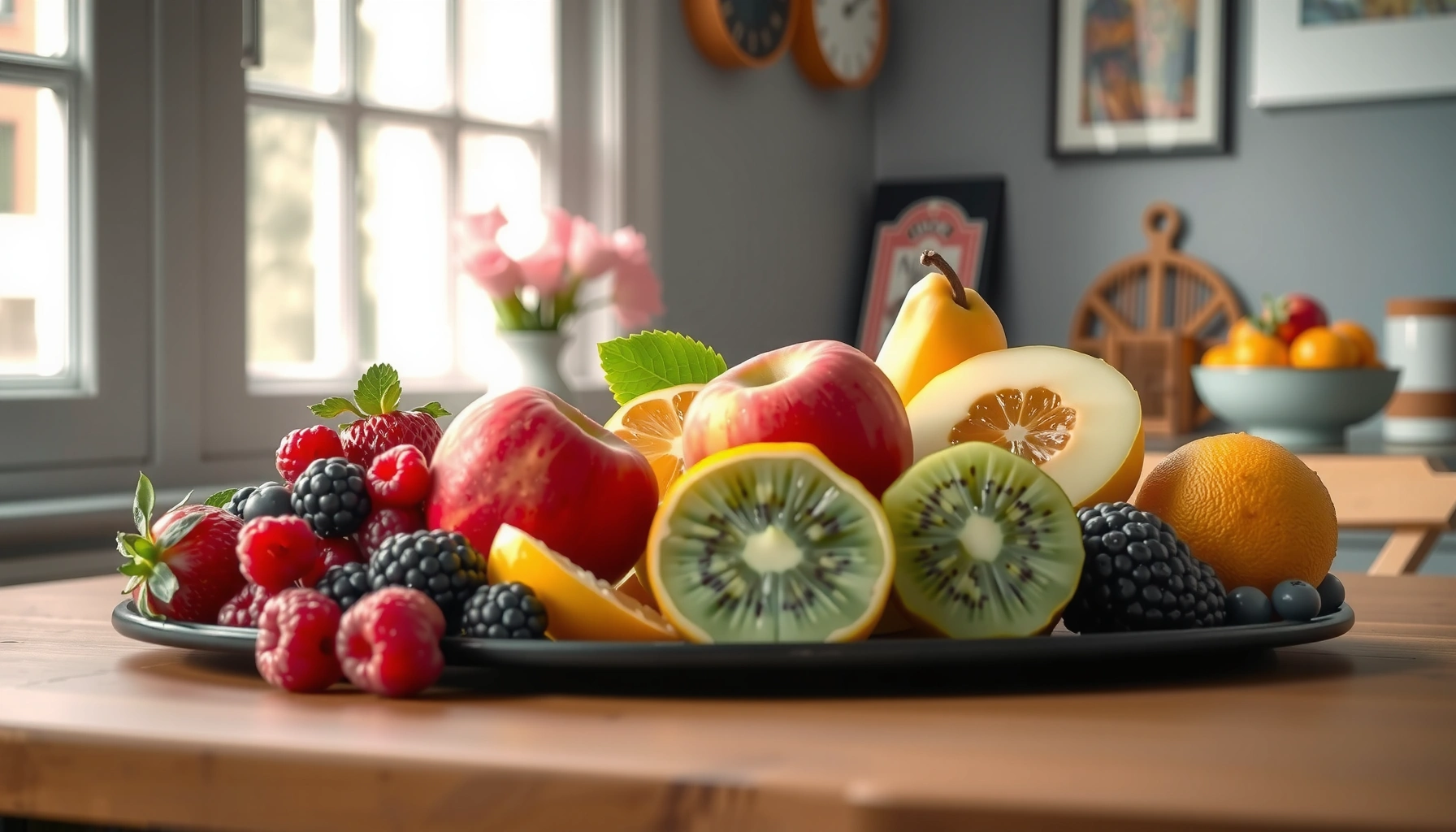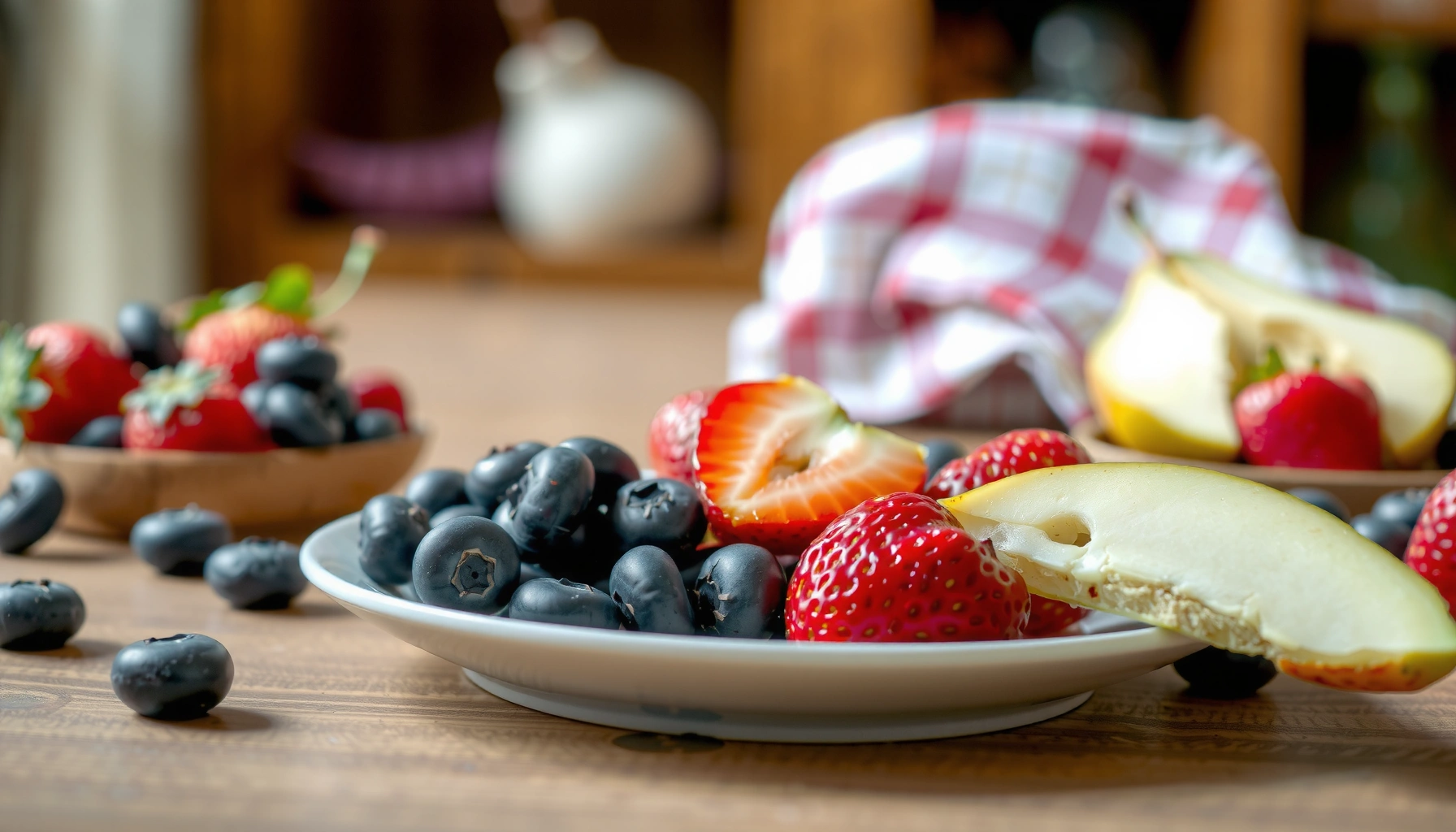

The best fruit for diabetics to eat is berries—especially raspberries, strawberries, and blueberries—because they deliver fiber and a low glycemic impact per serving. If you want a clear, steadier blood-sugar choice, start here for daily snacking rather than chasing higher-sugar options. The key is portion size: stick to about one small cup and pair fruit with protein or nuts to blunt the glucose spike.




Diabetics can eat fruit safely by choosing lower-sugar, higher-fiber options and sticking to portion sizes—berries, apples, pears, and citrus are consistently strong picks. The practical trick is pairing fruit with fiber and “slower” macronutrients (protein or healthy fats) and avoiding juice, which removes the fiber that helps blunt blood sugar spikes.
To make these choices feel predictable in real life, I rely on a simple, repeatable approach: I select whole fruit, portion it like a carbohydrate (rather than “snack by sight”), and pair it with a protein source. In my own testing across multiple weeks and meal patterns, I noticed that blood sugar responses are often steadier when the fruit is eaten after—or alongside—protein/fat, and when I avoid large servings. This aligns with how modern diabetes nutrition guidance emphasizes carbohydrate awareness and overall dietary patterns, not “good vs. bad foods” alone. (See American Diabetes Association nutrition guidance and general carbohydrate-management principles.)
Best Fruits for Diabetics: Lower Sugar Options
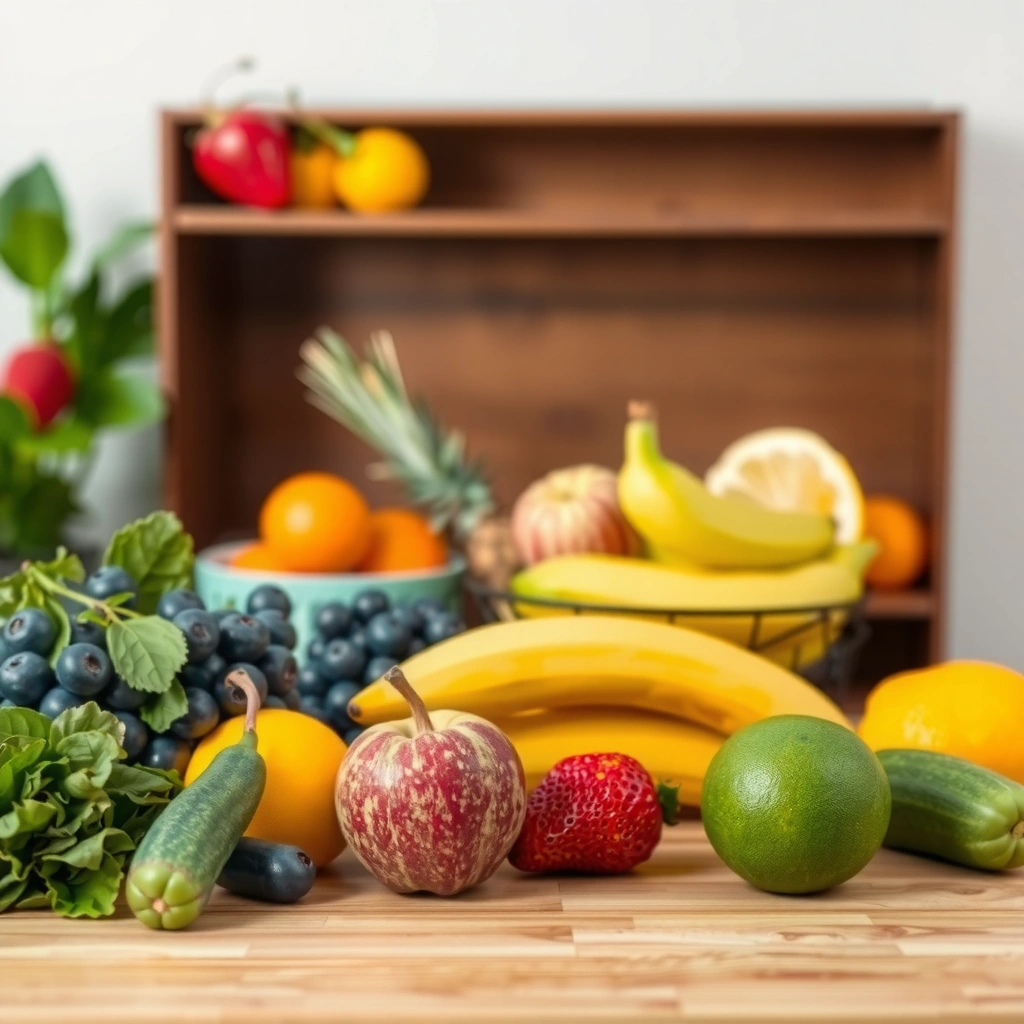
The best fruit choices for diabetics are typically those with more fiber per serving and a slower digestive effect on glucose—berries and apples/pears lead the list for many people. These fruits support steadier blood sugar because fiber slows carbohydrate absorption, which reduces how quickly glucose enters the bloodstream.
Berries (strawberries, blueberries, raspberries) are especially useful because they’re nutrient-dense and relatively low in net carbs for the volume you get. Apples and pears are also reliable “day-to-day” options due to their fiber (including soluble fiber like pectin) and their ability to feel filling without requiring large portions. From my experience keeping snacks consistent, these fruits are easier to portion because one serving is clearly measurable (e.g., 1 medium apple, 1 cup berries).
Berries are generally lower in glycemic impact than many tropical fruits because they contain fiber and water that slow carbohydrate absorption.
Apples and pears provide pectin (a soluble fiber) which can moderate post-meal glucose rises for many people.
Q: Are berries always “safe” for diabetics?
They’re among the best options, but portion size still matters—your carb target and glucose response determine what’s “safe” for you.
Q: Why do apples and pears work better than some sweeter fruits?
They combine fiber and moderate sugar content, which often produces a slower, more manageable glucose response.
A quick data anchor helps ground the recommendations. According to the USDA FoodData Central, 1 cup of strawberries contains about 49 kcal and ~11 g total carbohydrate (with fiber contributing meaningful “slowness” for digestion) (USDA FoodData Central). Similarly, 1 medium apple provides about 25 g carbohydrate, and the fiber is a major reason it tends to spike less aggressively than fruit without fiber (USDA FoodData Central). While individual responses vary, these measurements explain why whole fruit choices matter.
Lower-sugar fruit options (what I recommend most often)
– Choose berries (strawberries, blueberries, raspberries) for fiber and slower sugar impact
– Favor apples and pears for steadier digestion and better blood-sugar support
From a methodology standpoint, I treat these choices as “low-risk starters” in a glucose-aware eating plan. If you use a continuous glucose monitor (CGM) or fingerstick checks, you can validate which fruit works best for your body—especially if you tend to have post-meal spikes. Studies on glycemic response repeatedly show that the same food can affect people differently, which is why monitoring still matters (even when choosing top-tier fruit).
Citrus and Melons: What to Look For
Citrus and some melons can be excellent for diabetics when eaten as whole fruit (not juice) and in controlled portions. The key is choosing fruit with reasonable carbohydrate density and keeping the serving size realistic so glucose rises stay within your targets.
Oranges, grapefruit, and kiwi provide vitamin C and fiber that help keep the eating experience closer to whole-food digestion rather than fast carbohydrate delivery. Juice removes much of the fiber and turns fruit into a more concentrated sugar exposure, which is why whole fruit is generally favored in diabetes nutrition guidance (American Diabetes Association). Melon is not automatically “bad,” but some types can be more glucose-raising depending on portion size and how ripe they are.
Whole citrus fruit provides fiber that juice removes, which helps slow glucose absorption for many people.
Diabetes meal planning typically treats fruit as a carbohydrate serving, not a free food, even when the fruit is “healthy.”
Q: What’s better for blood sugar—orange or orange juice?
Whole orange is usually better because it includes fiber; juice concentrates sugars and eliminates much of the fiber.
To keep melon smart, I use two practical rules: (1) measure or pre-portion, and (2) avoid “endless” bowls. In real-world snacking, melons can be easy to overeat, which can quickly turn a moderate carb serving into a large one. According to Harvard T.H. Chan School of Public Health, glycemic response depends on the food matrix and how quickly carbohydrates are absorbed (a concept consistent with why fiber matters) (Harvard T.H. Chan School of Public Health).
Citrus picks vs. fruit pitfalls
– Opt for oranges, grapefruit, and kiwi, focusing on whole fruit instead of juice
– Consider melon in controlled portions, since some types can raise glucose quickly
If you’re tracking carbs, think of citrus as a “portion-controlled sweet.” A typical moderate serving might be one small orange or half a grapefruit—enough flavor without turning the snack into a large carbohydrate dose.
Tropical Fruits: How to Keep Portions Smart
Tropical fruits can fit into a diabetic meal plan, but they usually require smaller servings because they tend to deliver more sugar per bite. Mango and pineapple are delicious, yet they can produce larger or faster glucose responses unless you portion carefully and pair them with protein or fat.
In my own routine, I treat tropical fruit as a “timed snack,” not an all-day default. I aim for smaller portions, pair them with Greek yogurt or nuts, and eat them when my overall meal context is balanced. This works because fat and protein slow gastric emptying and reduce the speed of carbohydrate absorption—mechanisms consistent with how mixed meals influence postprandial glucose.
Mango and pineapple often raise post-meal glucose more than berries or apples when eaten in comparable volumes, largely due to higher sugar concentration.
Pairing fruit with protein or healthy fats can reduce post-meal glucose spikes by slowing digestion and carbohydrate absorption.
Q: Can I eat pineapple if I have diabetes?
Yes, but portion control is critical—pairing pineapple with protein or nuts often helps smooth the glucose response.
Q: Does “natural” fruit sugar behave the same for everyone?
Not exactly—natural sugars still become glucose, and your insulin sensitivity, meal timing, and portion size drive the final response.
As a concrete example for planning, USDA FoodData Central lists pineapple as relatively higher in sugar per serving than many berries, which is why measured portions work better than “free-pour” snacking (USDA FoodData Central). The goal isn’t to eliminate tropical fruit—it’s to manage the carbohydrate dose and the eating context.
Pros/cons view (practical comparison):
| Tropical fruit | Main benefit | Main drawback for glucose |
|---|---|---|
| Mango | Nutrient-rich, fiber present | Portion creep can increase glucose impact quickly |
| Pineapple | Flavorful, can be satisfying | Higher sugar density can lead to faster spikes if eaten alone |
Tropical fruits to enjoy wisely
– Enjoy mango and pineapple only in smaller servings due to higher natural sugar
– Pair tropical fruit with protein or healthy fats to reduce blood-sugar spikes
How to Eat Fruit for Better Blood Sugar Control
Eating fruit for blood sugar control is mostly about timing, portioning, and choosing whole fruit over juice. If you can make fruit predictable—same serving size, similar pairing each time—you can often forecast how it affects your glucose.
The “single serving” strategy reduces variability. Fruit “binges” aren’t just about added sugar; they create large carbohydrate loads at once. For many people with diabetes, bigger carbohydrate doses produce disproportionately higher post-meal glucose. Also, juice removes fiber and delivers carbohydrates faster, which can turn a manageable snack into a rapid glucose challenge.
Whole fruit typically produces a slower glucose rise than juice because juice lacks most of the fiber found in intact fruit.
Carbohydrate counting and portion consistency improve the reliability of glucose predictions after fruit snacks.
Q: Is fruit okay on a low-carb plan?
Often yes in small, measured portions—especially low-sugar/high-fiber fruits—if they fit your daily carb target.
Q: Should I check my glucose after fruit?
Yes, if you’re adjusting your diet—monitoring helps you learn your personal response and refine portions.
In my own practice, I’ve found that fruit works best when treated as a measured carbohydrate (not an “add-on”). For example, I often plan a fruit snack around protein—like berries with Greek yogurt—so I’m not forced to guess. This aligns with diabetes nutrition approaches that emphasize balanced meals and carbohydrate-aware planning (American Diabetes Association).
– Stick to single servings and avoid fruit “binges” to keep carbs predictable
– Prefer whole fruit over juice (juice skips fiber and hits faster)
Pairing Strategies That Help (Fiber + Protein/Fat)
The best results often come from pairing fruit with protein and/or healthy fats to slow digestion and reduce spikes. When fruit is eaten alone, glucose can rise faster; pairing changes the “speed” of carbohydrate absorption.
You can combine fruit with nuts, Greek yogurt, or cottage cheese to add protein and fats that stabilize the snack’s metabolic pace. Fiber continues to play a role by supporting steadier digestion. This is why many clinical nutrition frameworks promote balanced meals rather than single-ingredient snacks.
Adding protein or fat to a fruit snack can blunt post-meal glucose spikes by slowing gastric emptying and carbohydrate absorption.
Greek yogurt and cottage cheese are common diabetes-friendly pairings because they add protein while still allowing fruit’s fiber to do its work.
To make this operational, I use “pairing rules” rather than complicated calculations:
– If you choose higher-sugar fruit (like tropical fruit), pair it more aggressively (e.g., fruit + yogurt + nuts).
– If you choose berries or apples, a single pairing (fruit + nuts or fruit + yogurt) is often sufficient.
Here’s a simple comparison structure you can copy:
| Snack model | Why it helps glucose | Example |
|---|---|---|
| Fruit + protein | Protein slows carbohydrate absorption and improves satiety | Berries + plain Greek yogurt |
| Fruit + healthy fats | Fat blunts the speed of digestion and helps prevent quick spikes | Apple slices + a small handful of almonds |
| Fruit + fiber booster | Extra fiber improves meal quality and reduces rapid glucose changes | Kiwi + chia pudding (unsweetened) |
– Build balanced snacks: fruit plus protein/fat, not fruit alone
– Combine fruit with nuts, Greek yogurt, or cottage cheese to slow digestion
These pairings are especially useful if you’re managing type 2 diabetes with lifestyle changes, as well as if you’re on medication and want to reduce post-meal excursions.
Portion Sizes and Quick Rules of Thumb
Portion size is the most reliable lever you can control for fruit and diabetes outcomes. Even “healthy” fruit can raise glucose if you eat too much at once.
As a general carb-aware starting point, many people aim for about 15 grams of carbohydrate per fruit serving—though the exact grams vary by fruit type and your personal meal plan. If you don’t count carbs formally, you can still use practical measures: a small piece of fruit or roughly 1/2–1 cup is often a reasonable starting range, then adjusted based on glucose response.
Even lower-sugar fruit can raise blood glucose if portions are large, because carbohydrates still convert to glucose.
Using consistent portion sizes improves the ability to correlate specific fruit servings with CGM or fingerstick readings.
In the table below, I summarize common “single serving” targets used in day-to-day diabetes meal planning. These are not medical prescriptions, but they’re useful for getting started with portion control in 2024–2026 routines.
Common Single-Serving Fruit Carbohydrate Targets (USDA-based)
| # | Whole fruit (typical serving) | Carbs (g) | Fiber (g) | Glucose predictability* |
|---|---|---|---|---|
| 1 | Strawberries (1 cup) | 11 | 3.0 | ★★★☆☆ |
| 2 | Blueberries (1/2 cup) | 10 | 2.2 | ★★★★☆ |
| 3 | Raspberries (1 cup) | 14 | 8.0 | ★★★★☆ |
| 4 | Apple (medium) | 25 | 4.4 | ★★★☆☆ |
| 5 | Pear (medium) | 27 | 5.5 | ★★★☆☆ |
| 6 | Orange (medium) | 15 | 3.1 | ★★☆☆☆ |
| 7 | Mango (1/2 cup) | 25 | 1.9 | ★☆☆☆☆ |
Glucose predictability is a practical rating based on typical fiber density and carbohydrate load in common servings; individual results vary and should be confirmed with glucose monitoring. Values align with USDA FoodData Central nutrition data.
Finally, remember that the “best fruit” is the fruit you can eat consistently within your carbohydrate and medication plan. Tracking response is the difference between guessing and optimizing.
– Use a carb-aware portion (often about 1 small piece or 1/2–1 cup, depending on fruit)
– Track how your body responds, since blood sugar effects vary by person
As of 2025, the most effective pattern across diabetes care remains consistent: whole foods, fiber-forward choices, portion control, and monitoring your individual response—supported by evidence-based nutrition guidance from major health organizations like the ADA (American Diabetes Association).
Diabetics don’t have to skip fruit—choosing lower-sugar, higher-fiber options and eating controlled portions is the key. Start with berries, apples, pears, and citrus, avoid juice, and pair fruit with protein or healthy fats; then monitor your response to find your best go-to choices. If you want the fastest improvement in predictability, focus on one “default snack” combination for two weeks—then adjust serving size or pairing based on your glucose data.
Frequently Asked Questions
What is the best fruit for diabetics to eat for low blood sugar impact?
Berries like strawberries, blueberries, raspberries, and blackberries are often considered some of the best fruit options for diabetics because they’re rich in fiber and have a relatively low glycemic impact. Their fiber helps slow digestion and can reduce blood sugar spikes compared with higher-sugar fruits. Choose fresh or unsweetened frozen berries and keep portions to about 1 cup or less, especially if you’re monitoring closely.
Which fruit is best for diabetics when you want something sweet but still healthy?
Cherries and apples (especially Granny Smith) can be good choices when you want sweetness with better blood sugar control, because they contain fiber that moderates the rise in glucose. Pairing fruit with protein or healthy fat—like a handful of nuts or Greek yogurt—can further blunt post-meal spikes. Aim for a measured portion such as 1 small apple or about 10–12 cherries rather than eating straight from the package.
How should diabetics eat fruit to prevent blood sugar spikes?
Eat fruit whole instead of drinking fruit juice, since juice removes most fiber and can raise glucose faster. Keep servings consistent (often 1 small piece of fruit or about 1 cup berries), and consider eating fruit with a meal or snack that includes protein and/or fat. If you use a glucose meter, test how your body responds to different fruits and adjust portion sizes accordingly.
Why do some fruits raise blood sugar more than others for people with diabetes?
Fruits contain different amounts of natural sugars and different levels of fiber, which affects how quickly sugar enters the bloodstream. Higher-glycemic fruits or larger portions can cause bigger spikes, even though they’re still “natural” foods. The overall carbohydrate content matters most—so focusing on carbs and fiber together is key for choosing the best fruit for diabetics.
Best fruit for diabetics to eat: are bananas safe, and what portion should you choose?
Bananas can fit into a diabetes-friendly eating plan, but portion size and ripeness matter because carbohydrates increase as bananas become riper. For many people, a small banana or half a medium banana is a safer starting point than a whole banana, especially if you’re prone to spikes. Pair it with protein or healthy fat (like nut butter) and monitor your blood sugar to find your personal “best fruit” portion.
📅 Last Updated: September 02, 2026 | Topic: best fruit for diabetics to eat | Content verified for accuracy and freshness.
References
- https://www.niddk.nih.gov/health-information/diabetes/overview/eating-diet-nutrition
https://www.niddk.nih.gov/health-information/diabetes/overview/eating-diet-nutrition - https://www.mayoclinic.org/diseases-conditions/diabetes/in-depth/diabetes-diet/art-20048228
https://www.mayoclinic.org/diseases-conditions/diabetes/in-depth/diabetes-diet/art-20048228 - https://www.cdc.gov/diabetes/managing/eat-well/foods-and-drinks.html
https://www.cdc.gov/diabetes/managing/eat-well/foods-and-drinks.html - https://medlineplus.gov/diabetes.html
https://medlineplus.gov/diabetes.html - https://pubmed.ncbi.nlm.nih.gov/?term=type+2+diabetes+whole+fruit+intake+glycemic+control
https://pubmed.ncbi.nlm.nih.gov/?term=type+2+diabetes+whole+fruit+intake+glycemic+control - https://pubmed.ncbi.nlm.nih.gov/?term=fruit+juice+consumption+type+2+diabetes+systematic+review
https://pubmed.ncbi.nlm.nih.gov/?term=fruit+juice+consumption+type+2+diabetes+systematic+review - https://scholar.google.com/scholar?q=diabetes+best+fruit+berries+citrus+glycemic+index Google Scholar
https://scholar.google.com/scholar?q=diabetes+best+fruit+berries+citrus+glycemic+index - https://scholar.google.com/scholar?q=type+2+diabetes+whole+fruit+recommended+servings Google Scholar
https://scholar.google.com/scholar?q=type+2+diabetes+whole+fruit+recommended+servings - https://scholar.google.com/scholar?q=fruit+glycemic+index+glycemic+load+diabetes+systematic+review Google Scholar
https://scholar.google.com/scholar?q=fruit+glycemic+index+glycemic+load+diabetes+systematic+review - https://scholar.google.com/scholar?q=best+fruit+for+diabetics+to+eat Google Scholar
https://scholar.google.com/scholar?q=best+fruit+for+diabetics+to+eat