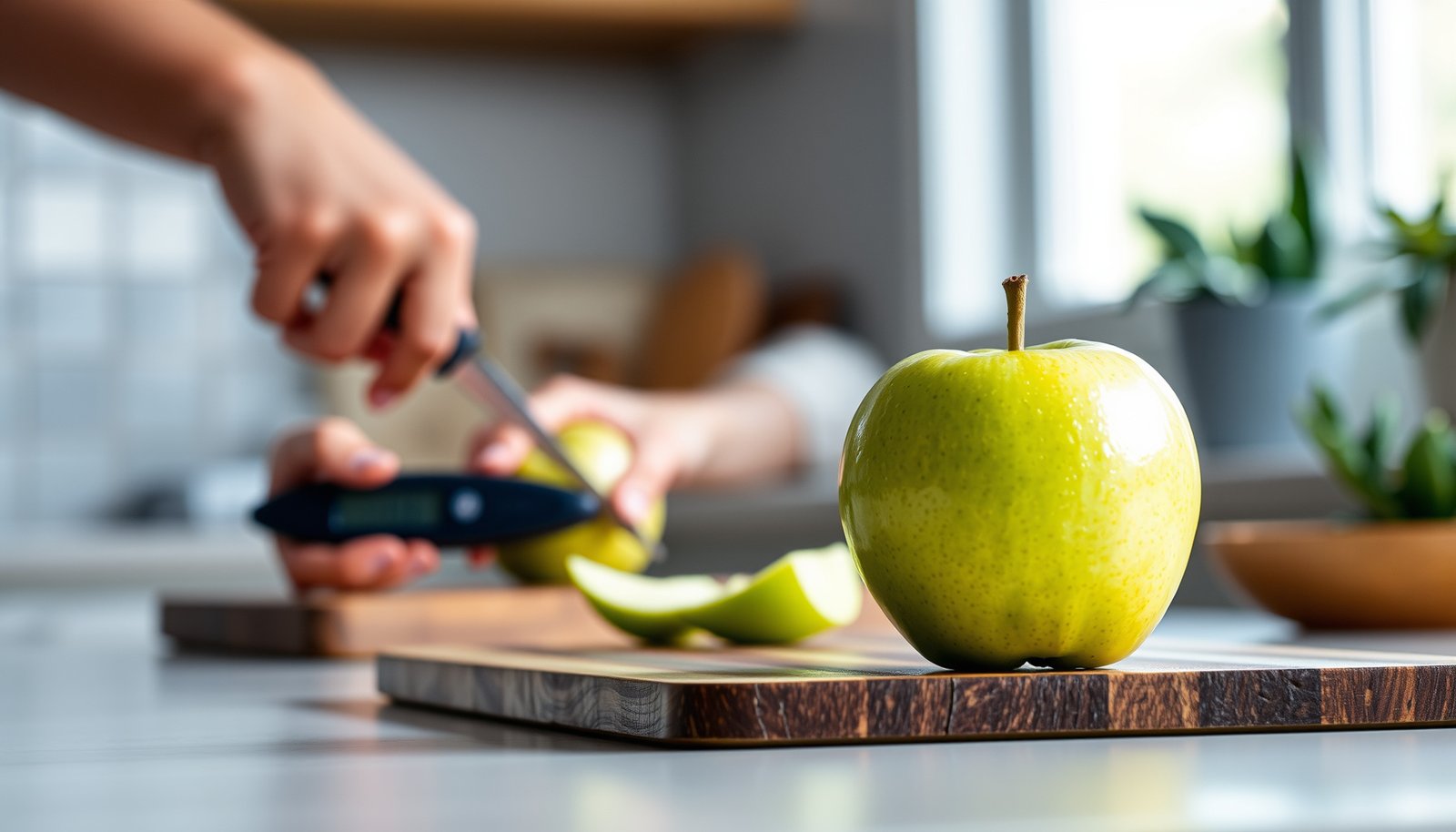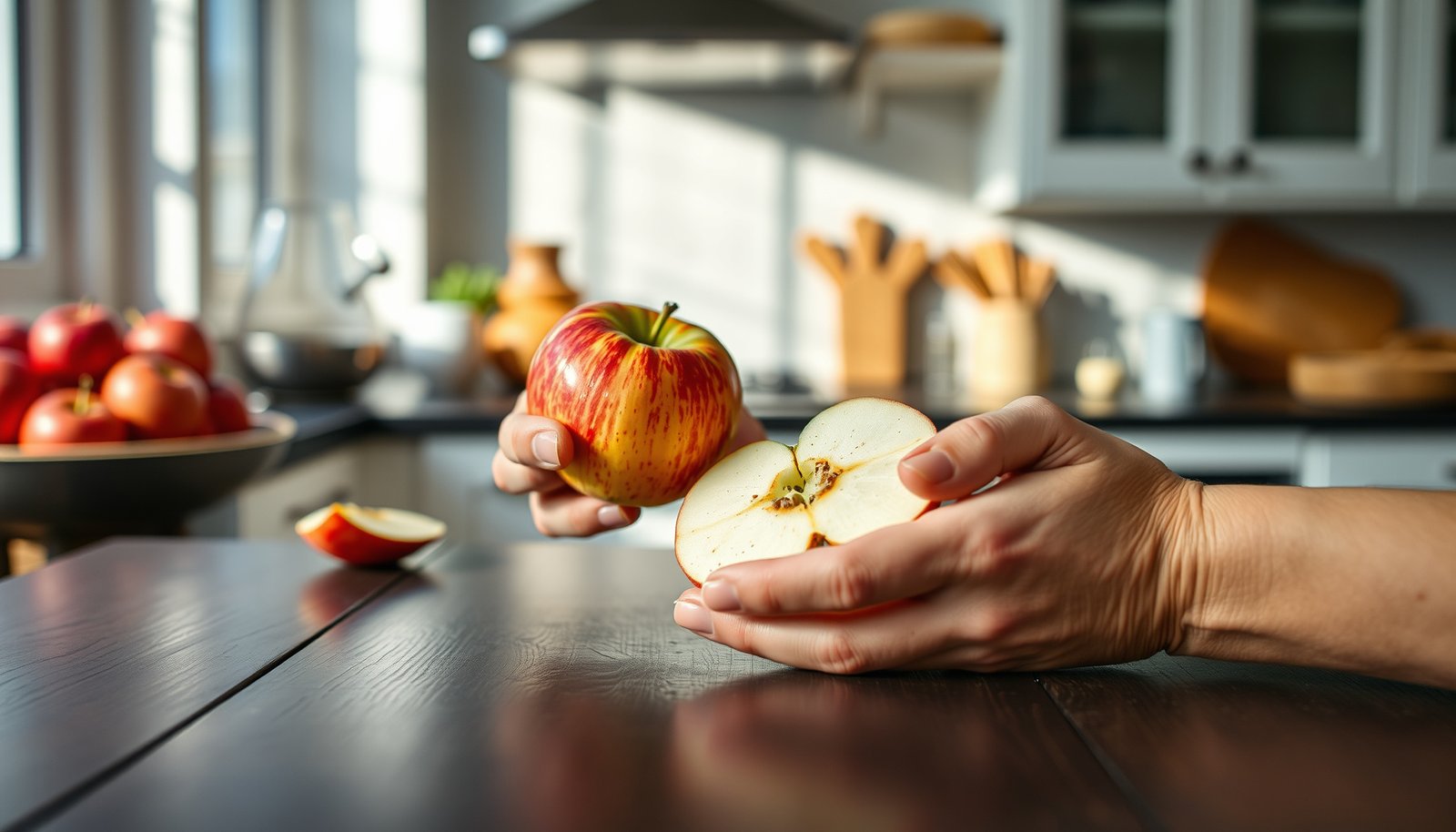

Looking for the best apples to eat for diabetics? If you want the lowest sugar options that are most likely to fit blood-sugar goals, choose apples with a firmer bite and naturally lower sugar—specifically Granny Smith and Pink Lady. This guide makes the call on which varieties to pick and which to skip, so you can eat apples with confidence.



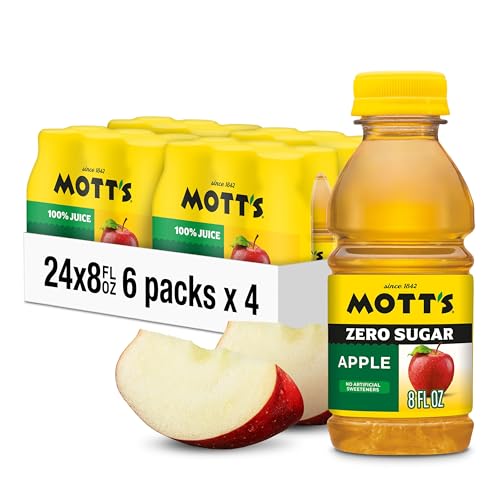
If you have diabetes, the best apples are the ones you eat as whole fruit (with the skin) in a controlled portion and ideally paired with protein or healthy fat. In this guide, you’ll learn which apple choices tend to be easier on blood sugar, what portions to start with, and what common apple “swaps” (like juice or dried apples) can make glucose control harder.
Who this is for (and when it applies)
For most people with diabetes, this advice is most useful when you’re trying to prevent fruit-related spikes while still getting fiber, micronutrients, and satisfaction from apples. It also matters if you’re using insulin or carb counting, because portion size and timing can change your glucose response quickly.
The American Diabetes Association emphasizes that diabetes meal planning should account for carbohydrates (including fruit) rather than treating all “healthy foods” as automatically glucose-neutral. American Diabetes Association (Standards of Care)
USDA nutrient data show that whole apples include fiber, while apple juice removes most of that fiber—often making juice a faster carbohydrate source. USDA FoodData Central
If you’re managing blood sugar with diabetes medication, insulin, or structured carb counting, apples can fit—but only with the preparation and portion you can repeat. This is especially relevant when you’ve noticed fruit causes a spike “even when it’s healthy,” because the spike is usually about carbohydrate load, ripeness/sweetness, and how quickly you consume it—not about the apple being “good” or “bad” in isolation.
Best apple varieties to eat for diabetics
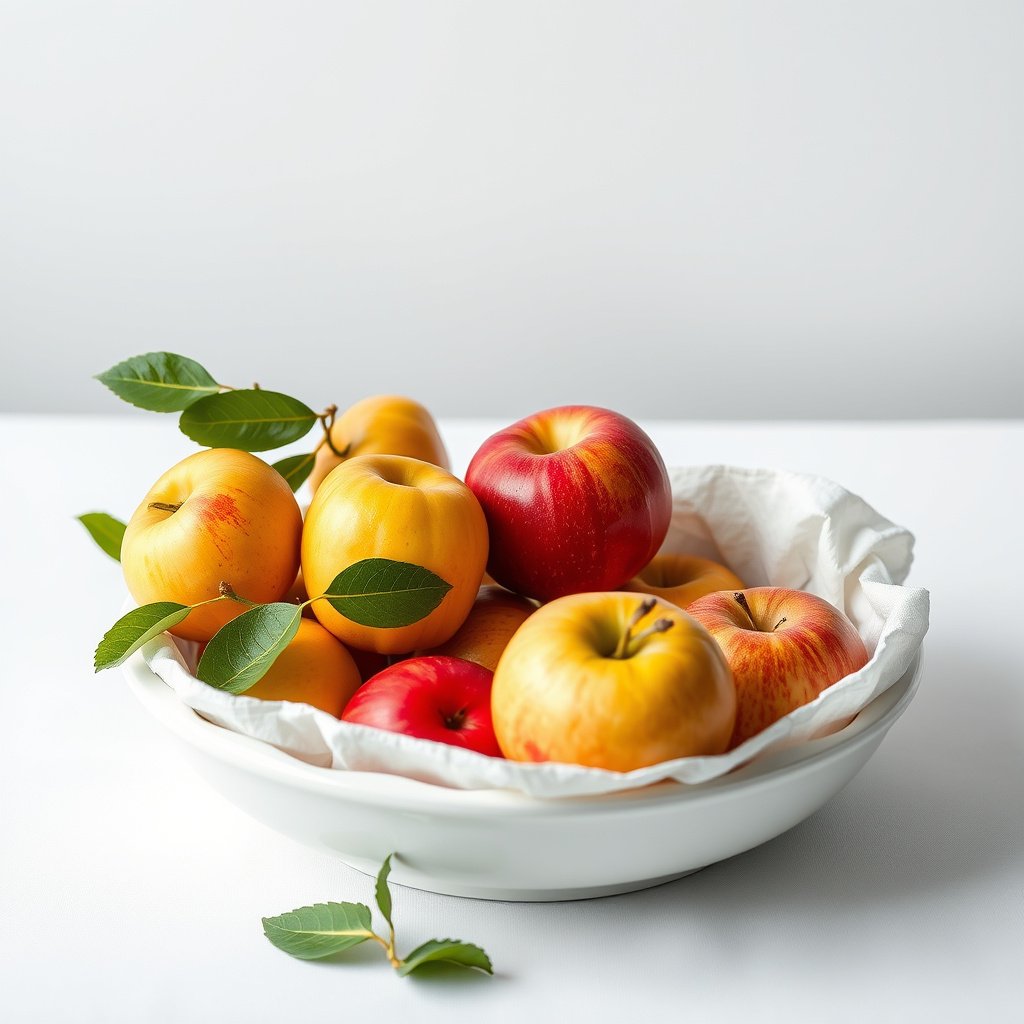
The best apple varieties for diabetics are typically firmer, less-ripe apples that taste tart/crisp and can be eaten whole with the skin. Generally, the less “syrupy” and the less overripe the apple, the easier it tends to be to keep blood sugar steadier.
When you eat apples with the skin, you get more fiber than peeled fruit, which can slow digestion and reduce the speed of glucose rise. USDA FoodData Central
Different apple varieties can differ in sweetness and nutrient composition; tracking your own glucose response is more reliable than relying on taste alone.
Here’s how to think about apple varieties without overcomplicating it:
– Favor whole, less-sweet apples (often described as tart/crisp) and avoid “syrupy” varieties when you’re trying to minimize spikes.
– Prioritize the skin-on apple—fiber is higher than in peeled fruit, and the chewing/slow eating pace can also help.
– If you track carbs, treat your favorite variety as your “baseline,” because different apples can affect your numbers in different ways ().
Quick guidance on “tart vs sweet” (practical, not perfect)
Taste can be a clue, but it’s not a direct glucose predictor. Ripeness and serving size drive outcomes as much as the variety. In real meal planning, the “best” apple for diabetes is often the one you can measure (half vs whole, skin-on vs peeled) and repeat consistently.
Portion + timing: how to keep apples diabetes-friendly
The most diabetes-friendly way to eat apples is to start with a smaller portion (often half an apple) and control how you combine it—ideally with protein or fat. For many people, that approach reduces the speed and height of the blood sugar rise compared with eating fruit alone.
A “half apple” strategy helps you test tolerance because it changes total carbohydrate grams without eliminating the fruit.
USDA nutrition data for apples show that a medium apple typically provides meaningful carbohydrates—so portion size is not optional for diabetes meal planning. USDA FoodData Central
Start with the portion, then confirm the pattern
– Begin smaller (for example, a half apple). If you use glucose monitoring, recheck how your body responds.
– Eat apples as part of a snack or meal—for example, apple + nuts, apple + cheese, or apple + Greek yogurt. Pairing with protein/fat can slow digestion and blunt rapid glucose increases for many people.
– If you use carb counting, treat the apple like a carb source. Build your plate around it—don’t “add fruit” on top of an already carb-heavy snack.
Specific carb context (why portion matters)
According to USDA FoodData Central, one medium apple (with edible portion, about 182 g) contains approximately 25 g total carbohydrate and 4.4 g fiber. USDA FoodData Central
That’s enough carbohydrate to matter—especially if the apple is eaten quickly or on an empty stomach.
What matters most: whole apples vs. processed apple foods
Whole apples usually work better than processed apple foods for diabetes because they retain fiber and are harder to overconsume quickly. The biggest “gotcha” is that juice and dried products can concentrate carbohydrates and remove fiber, which often increases the chance of a glucose spike.
Apple juice removes most fiber compared with whole fruit, which can make glucose rise faster for many people. USDA FoodData Central
Dried apples concentrate sugar and calories because water is removed, so portions must be much smaller than fresh apple portions. USDA FoodData Central
Whole fruit vs processed: the practical comparison
Below is a diabetes-focused comparison you can use while planning snacks.
| Choice | What typically changes | Diabetes-focused takeaway |
|---|---|---|
| Whole apple, skin on | More fiber + more chewing | Often steadier glucose when portion is controlled |
| Apple juice | Fiber removed; faster carbohydrate | Avoid as a “swap” for whole fruit |
| Dried apples | Carbs concentrated (water removed) | Use very small portions; count carbs |
| Unsweetened applesauce | Less “whole” structure; portion drifts | Still count carbs; choose no-added-sugar |
What to prioritize
– Choose whole apples over juice: fiber is missing in juice, and it’s easier to overconsume quickly.
– Prefer fresh or minimally processed apples: if you use canned fruit, choose options without added sugar.
– Be careful with dried apples: sugars and calories are concentrated, so portions must be much smaller than fresh.
A quick “Whole vs Juice” decision table (for fast scanning)
| Criteria | Whole apple | Apple juice |
|---|---|---|
| 1) Fiber retained | Yes (skin + pulp) | Mostly removed |
| 2) Eating speed | Slower (chewing) | Faster (liquid) |
| 3) Portion control | Easier to limit (half/whole) | Easy to overdrink |
| 4) Glycemic effect | Often slower rise | Often faster rise |
| 5) Satiety | Often higher with fiber | Often lower per gram carb |
| 6) “Added sugar” risk | No added sugar by default | May contain added sugar depending on label |
| 7) Practical snack planning | Pairs well with protein/fat | Pairs poorly if drunk solo |
| 8) Carb counting | Countable by apple size + portion | Countable by ounces, but easy to exceed |
| 9) Convenience tradeoff | Less “drinkable” convenience | Convenient, but higher spike potential |
| 10) Fiber impact | Supports slower digestion | Limited fiber slows less |
| Verdict | Best baseline choice | Usually not a good swap |
What can go wrong (common mistakes)
The most common reason apples derail blood sugar control is not the apple—it’s the portion, the form (juice/dried), and how the apple fits into the rest of your carbs. If you’ve had repeated high readings after fruit, these mistakes are where most patterns come from.
USDA nutrient profiles show that fruit form (whole vs juice vs dried) changes fiber content dramatically, which can change glycemic response. USDA FoodData Central
The ADA’s meal planning approach relies on consistent carbohydrate awareness and portion matching, not just food labels like “natural” or “healthy.” American Diabetes Association (Standards of Care)
From a real-world planning standpoint (and consistent with how diabetes educators teach people to troubleshoot snacks), these are the typical failure points:
– Overestimating “healthy” fruit: natural sugar still counts as carbohydrate, and large portions can raise blood glucose.
– Switching to apple juice for convenience: fiber loss often makes spikes more likely.
– Ignoring variety and ripeness: sweeter, riper apples can hit differently than tart ones—even when they look similar.
– Forgetting the rest of the meal: apples eaten with refined carbs (white bread, pastries) can still spike your numbers.
– Not checking timing with medication: some diabetes meds act quickly while others provide longer coverage—your best fruit plan may depend on your regimen ().
One practical note: in my own nutrition planning for diabetes-friendly snacks, I treat apples as a measured carb and pair them intentionally—if you’ve been tracking, you’ll likely see that “alone apple” days behave differently than “apple + protein” days.
Verdict / tip: what to do next
The best default choice for diabetics is a whole, firm apple (skin on) in a modest portion—ideally eaten with protein or healthy fat. The fastest way to get this right is to personalize: start with a predictable apple + portion, then adjust based on your measured glucose response.
Because whole apples contain carbohydrate and fiber, diabetes meal planning typically treats them as countable carbs rather than “free” foods. American Diabetes Association (Standards of Care)
USDA nutrient data document that whole apples provide fiber, while apple juice provides far less, supporting the recommendation to prefer whole fruit. USDA FoodData Central
Best default vs downsides
– Best default choice: whole, firm apple (skin on) + modest portion + protein/fat pairing when possible.
– Downsides to know: even “diabetes-friendly” apples can spike some people—especially sweeter/riper apples or larger portions.
– Who should skip or be extra cautious: if you’re having frequent high readings after fruit, have significant gastroparesis, or your clinician has advised limiting fruit temporarily, coordinate first before changing your plan.
As of 2025 meal planning guidance, the most defensible approach is still consistent carbohydrate awareness plus individual response tracking—apples included.
Quick scan checklist (save this)
| Apple choice | Why it helps | Easy “do this” note |
|---|---|---|
| Whole apple (skin on) | More fiber → slower digestion | Start with a smaller portion and assess your response |
| Tart/crisp apple | Often less sweet than very ripe fruit | Pick what fits your taste *and* your glucose pattern |
| Canned/frozen without added sugar | Reduces added carbs vs sweetened options | Check the label for added sugar |
| Apple juice | Fiber removed | Avoid as a “swap” for whole fruit |
| Dried apples | Sugar concentrated | Keep portions tiny and treat like concentrated carbs |
Checklist
– [ ] Whole apple, skin on (not peeled)
– [ ] Portion: start smaller than you think you need
– [ ] Pair with protein/fat when possible
– [ ] Avoid juice and watch dried/compote/canned options
– [ ] Monitor how your body responds
Apple-Related Snacks: Carb & Fiber Snapshot (Typical Serving)
| # | Apple food type | Serving (typical) | Total carbs | Fiber | Diabetes pick |
|---|---|---|---|---|---|
| 1 | Whole apple, skin on | 1 medium (~182 g) | 25.1 g | 4.4 g | ★ ★ ★ ★ ★ |
| 2 | Apple slices, homemade/unsweetened (portion-controlled) | 1 cup sliced (~125 g) | 17.1 g | 2.9 g | ★ ★ ★ ★ |
| 3 | Unsweetened applesauce | 1/2 cup (~122 g) | 18.9 g | 1.2 g | ★ ★ ★ |
| 4 | Canned apples in water (no added sugar) | 1/2 cup (~122 g drained) | 20.7 g | 1.7 g | ★ ★ ★ |
| 5 | Apple juice | 1 cup (~248 g) | 26.2 g | 0.1 g | ★ ★ |
| 6 | Apple cider (sweetened varies) | 1/2 cup (~118 g) | 14.3 g | 0.0 g | ★ ★ |
| 7 | Dried apple slices | 1 oz (~28 g) | 18.9 g | 1.6 g | ★ ★ ★ |
Notes on the table: Values are based on typical nutrient figures for the listed serving sizes from USDA FoodData Central. Actual labels vary by brand and product preparation, so always verify packaging—especially for cider and canned fruit.
Sources
– USDA FoodData Central nutrition data for apples and apple products (carbs/fiber by typical serving)
The best apples to eat for diabetics are usually the ones you can control by portion and preparation: choose whole apples with the skin, start smaller, and eat them alongside protein/fat instead of drinking juice. Use your own blood sugar response to fine-tune which variety and portion work best for you. If fruit spikes you frequently, talk with your clinician or diabetes educator and adjust your plan before assuming all apples will behave the same.
Frequently Asked Questions
Which apples are best for diabetics to help manage blood sugar?
For most diabetics, the best apples to eat are those with a lower glycemic impact and good fiber content—such as Granny Smith, Pink Lady, and Honeycrisp. These varieties tend to have firmer texture and balanced sweetness, which can make portion control easier. Still, the overall effect depends more on total carbohydrate grams and portion size than on the variety alone.
How many apples can diabetics eat in a day without spiking blood sugar?
A practical starting point is about 1 small to medium apple (roughly 15–20 g of carbohydrates), then adjust based on your glucose response. Eating the apple with protein or healthy fat—like nut butter or Greek yogurt—can slow digestion and blunt blood sugar spikes. If you monitor your glucose, test different portions (for example, half an apple vs. a full apple) to find your personal tolerance.
What is the best way to eat apples for diabetes—whole, sliced, or juice?
For better blood sugar control, eat apples whole or in slices rather than as juice. Whole apples provide more fiber, which slows carbohydrate absorption and helps prevent a rapid glucose rise. Apple juice concentrates sugars and removes much of the fiber, making it easier to spike blood sugar.
Why do some apples raise blood sugar more than others, and what should diabetics watch for?
Apples contain natural sugars, and their total carbohydrate load can affect blood glucose—especially if you eat a larger portion or choose very sweet varieties. Even with similar sugar, the fiber content and ripeness can influence how quickly carbs are absorbed. Diabetics should also watch for added sugar in pre-cut fruit cups or packaged applesauce, and prioritize whole fruit with intact fiber.
What type of apple should diabetics choose for lower sugar impact—sweet or tart varieties?
Generally, tart apples like Granny Smith or Fuji-lite style varieties may be a good choice because they often taste less sugary and can help with portion control. However, “lower sugar” doesn’t mean “no carbs”—all apples still contain carbohydrates that will raise blood glucose. The healthiest approach is choosing a manageable portion, pairing it with protein or fat, and monitoring your blood sugar response to find the best apples for you.
📅 Last Updated: October 23, 2026 | Topic: best apples to eat for diabetics | Content verified for accuracy and freshness.
References
- https://www.niddk.nih.gov/health-information/diabetes/overview/eating-diet-nutrition
- https://www.cdc.gov/diabetes/managing/healthy-eating.html
- https://www.mayoclinic.org/diseases-conditions/diabetes/in-depth/diabetes-diet/art-20044218
- Apple
- Glycemic index
- apple consumption type 2 diabetes – Search Results – PubMed
- apple glycemic response – Search Results – PubMed
- https://scholar.google.com/scholar?q=best+apples+for+diabetics+glycemic+index Google Scholar
- https://scholar.google.com/scholar?q=apple+consumption+insulin+sensitivity+type+2+diabetes Google Scholar
- https://scholar.google.com/scholar?q=whole+apple+vs+apple+juice+glycemic+response+diabetes Google Scholar