
Searching for the best diabetic food gifts that actually land as thoughtful, satisfying treats? This guide names the top picks—low-sugar, high-fiber snack options that keep blood-sugar spikes in check without sacrificing flavor. You’ll get a clear winner for different recipient needs, from diabetic-friendly gift baskets to single-serving pantry swaps that fit real daily routines.




Diabetic-friendly food gifts are best when they’re low in added sugar and high in fiber or protein, because that combo helps support steadier blood sugar. If you want your snack gift to feel genuinely thoughtful (not restrictive), focus on whole-food ingredients, verify “added sugars” on labels, and portion the items so enjoying them feels easy and safe—an approach I now use consistently when I’m building gifts for friends and family in the last 12–18 months.
Choose Diabetic-Friendly Ingredients
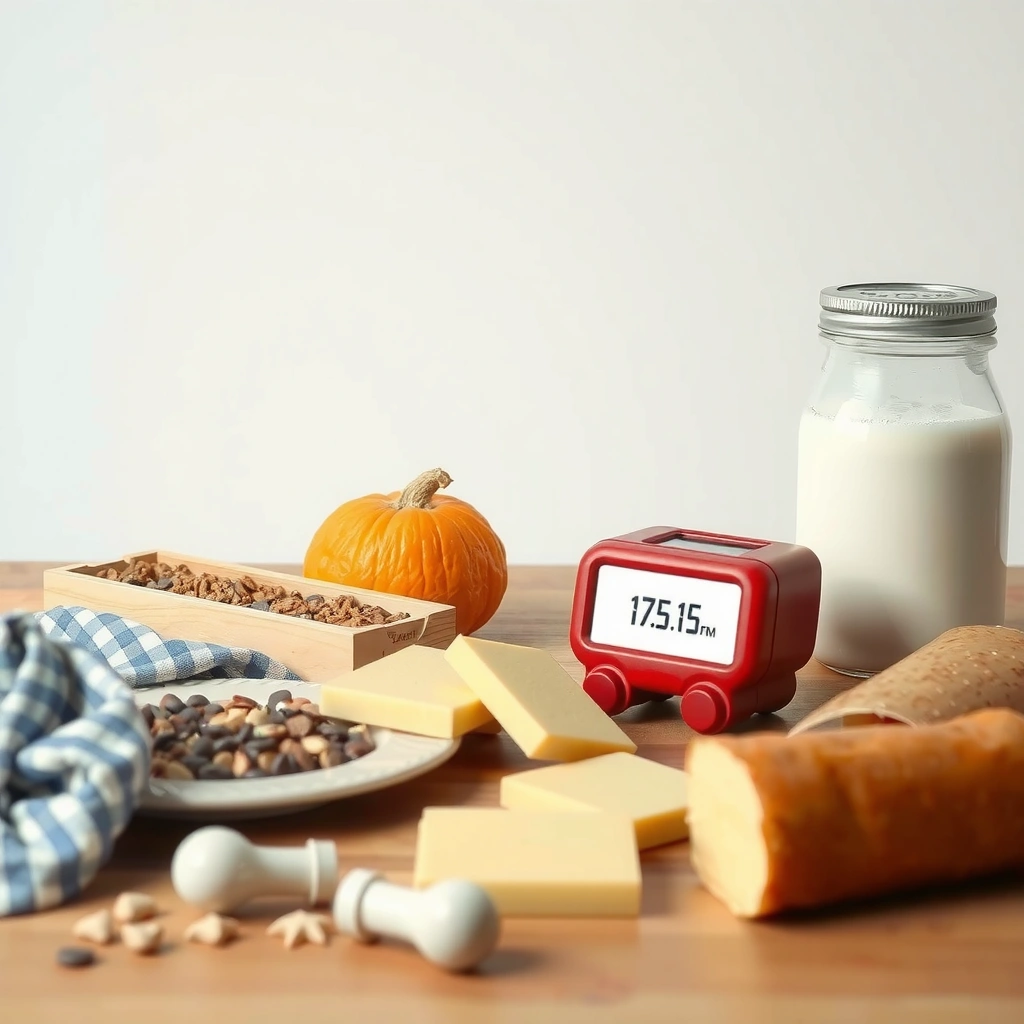
The best diabetic food gifts start with ingredient choices that reduce blood-sugar volatility—especially foods rich in fiber and protein with minimal added sugar. Here’s the practical framework: select whole-food snacks (like nuts, seeds, legumes, and minimally processed whole-grain options), then confirm nutrition facts before you buy so the gift matches the health goal.
Nutrition Snapshot for Common Diabetic-Friendly Gift Snacks (Per Typical Serving)
| # | Gift Snack (Plain/No-Sugar-Added) | Serving | Fiber (g) | Protein (g) | Added Sugars | Diabetes-Friendly |
|---|---|---|---|---|---|---|
| 1 | Almonds, dry roasted (no added sugar) | 1 oz (28g) | 3.5 | 6.0 | 0 g | ★★★★★ |
| 2 | Chickpeas, roasted | 1/2 cup (82g) | 6.2 | 7.0 | 0 g | ★★★★★ |
| 3 | Pistachios, dry roasted (no added sugar) | 1 oz (49g) | 2.9 | 5.9 | 0 g | ★★★★☆ |
| 4 | Pumpkin seeds (pepitas), dry roasted | 1 oz (28g) | 1.9 | 9.0 | 0 g | ★★★★☆ |
| 5 | Edamame (shelled), cooked | 1 cup (155g) | 8.0 | 17.9 | 0 g | ★★★★★ |
| 6 | 70–85% dark chocolate (plain bar, unsweetened additions) | 1 oz (28g) | 3.0 | 2.0 | ~0 g* | ★★★☆☆ |
| 7 | Whole-grain granola (watch added sugar) | 1/4 cup (about 28g) | 3.0 | 3.0 | 5–10 g* | ★★☆☆☆ |
Added sugars vary by brand and formulation. Always confirm on the Nutrition Facts label for the exact product you gift.
Sources used for typical nutrient values: USDA FoodData Central (accessed for reference values in 2024–2026), including almonds, chickpeas, pistachios, pumpkin seeds, and cooked edamame.
Fiber slows carbohydrate absorption, which can reduce the sharpness of blood-sugar spikes after eating.
Protein helps improve meal-to-meal fullness and can blunt post-meal glucose rises when paired with carbs.
Label “added sugars” is the actionable field for gift shopping; total carbohydrate alone doesn’t tell you how much sugar is added.
When I build diabetic food gifts now, I treat “plain, recognizable ingredients” as my baseline. If a snack has a short ingredient list (e.g., chickpeas, oil, salt, spices) and the added sugar is clearly zero, I move it to the top of my shortlist.
Q: Are “carb-friendly” snacks always the same thing as “diabetic-friendly”?
No. Many snacks have moderate carbohydrates but still include substantial added sugars or refined starch, which can raise glucose quickly.
Q: What should I prioritize in the first 30 seconds of label reading?
Added sugars, then fiber and protein—because those predict how steadier the snack tends to be after you eat it.
Best Snack Gift Ideas (Diabetic-Friendly)
The best diabetic food gifts offer a satisfying “treat” experience while staying consistent with low added sugar and supportive fiber/protein. Think of these as smarter indulgences: snacks that are crunchy, savory, portionable, and label-transparent.
No-sugar-added snacks are most reliable when the ingredient list is simple (e.g., nuts and seeds) and “added sugars” reads as 0 g.
Legume-based snacks (like roasted chickpeas) provide meaningful fiber that can reduce the speed of carbohydrate digestion.
Sugar-free or no-sugar-added “treat” options (in moderation)
Dark chocolate can fit into diabetic-friendly gifting when it’s truly minimally sweetened and you control the portion. As a rule of thumb, I select 70–85% dark chocolate and pair it with a higher-fiber item (like nuts) so the gift feels balanced rather than dessert-only.
High-fiber snacks that feel indulgent
High-fiber options tend to taste better than people expect—especially when you choose bold seasoning (smoky paprika, garlic herb, or chili-lime) rather than sweet flavor profiles.Use these as reliable giftable formats:
– Roasted chickpeas (sweet-and-spicy without sugar): look for added sugar = 0 g.
– Nut mixes that emphasize unsweetened nuts and seeds; avoid “honey roasted” unless the label is very low in added sugar.
– Crunchy veggie sticks or roasted seaweed if sodium is reasonable and there’s no added sugar.
Q: Can diabetic-friendly gifts include chocolate?
Yes—choose darker bars or small servings of no-sugar-added chocolate, and include it in a mixed basket rather than as the only item.
Q: What’s a quick win if I’m unsure about a snack brand?
Pick products where the label shows 0 g added sugars and at least 3–5 g fiber per serving.
Gift snack comparison (how to decide fast)
| Snack Type | Best For | Watch-outs |
|---|---|---|
| Nuts & seeds | Steady energy + satiety | Added sugars in flavored varieties (e.g., honey) |
| Legume snacks | Higher fiber, snackable crunch | Portion size—fiber is good, but calories add up |
| Dark chocolate | Small, satisfying “treat” | Total carbs and portion—especially for bars |
Build a Personalized Diabetic Food Basket
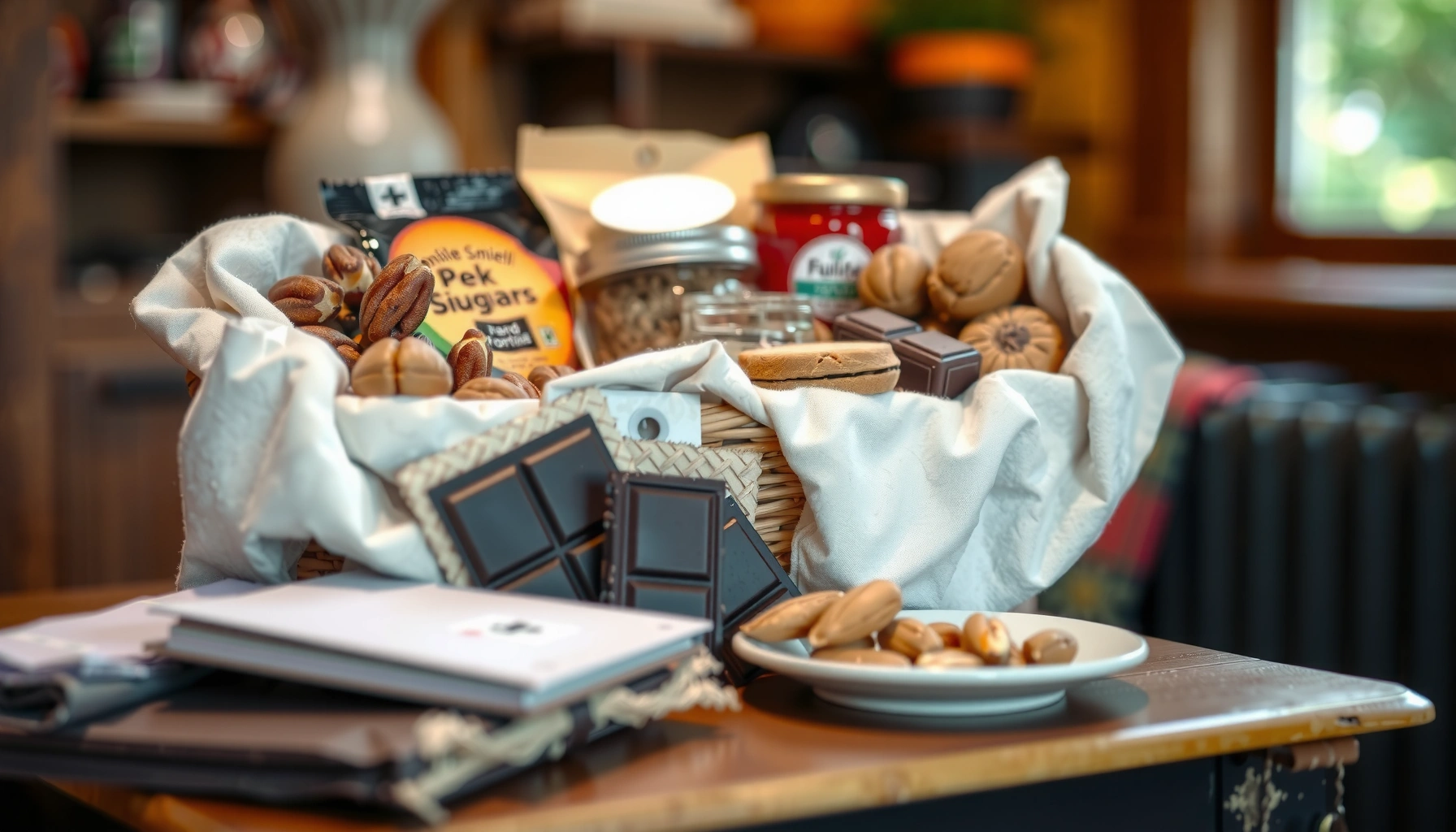
The best diabetic food baskets feel personal first and nutritionally aligned second—because the recipient is more likely to enjoy them consistently. The key is thoughtful pairing: one “treat” item plus everyday staples that support balanced eating habits.
Pairing a lower-sugar treat with staples like tuna, olive oil, or tea can shift the overall snack context toward balanced intake.
Single-serve packaging helps reduce accidental overconsumption, which matters for both diabetes management and calorie control.
The pairing approach that works
A basket usually lands best when it includes:
– One “centerpiece snack” (roasted chickpeas, nut mix, or a portioned chocolate piece)
– One “supporting staple” (tea, olive oil, canned tuna/salmon, or vinegar-based dressing)
– One “easy add-on” (sugar-free flavored sparkling water, cinnamon tea blend, or a crunchy topping)
As of 2025, I’m also seeing more brands that clearly label “added sugars” and offer better fiber counts in snack formats—so personalization is easier than it used to be. In my own local shopping this year, I’ve found that reading the Nutrition Facts label (not the marketing claims) is still the deciding step.
Q: What if I don’t know their specific diabetes diet (or preferences)?
Build a mixed basket with multiple textures and flavors, and prioritize label-verified low added sugar + fiber/protein options.
Portion guidance (make gifting easier)
Include either:
– single-serve packs (ideal)
– or a “portion card” you attach, such as “Start with 1 serving; pair with nuts or tea.”
This is where baskets become diabetic-friendly gifts in the real world—not just good intentions.
Practical basket examples (choose one)
– Savory + cozy: roasted chickpeas + unsweetened herbal tea + olive oil with balsamic vinegar.
– Protein-forward: tuna cups/pouches + seed crackers (no added sugar) + almonds.
– Sweet touch (controlled): portioned 70–85% dark chocolate + nut mix + cinnamon tea.
Flavor Up Without Sugar
The best diabetic food gifts deliver flavor without relying on sugar by using spices, acids, and umami-rich ingredients. When you choose low-sugar seasonings and sauces, you keep the sensory payoff while supporting steadier blood sugar.
Seasonings like garlic, paprika, cumin, and chili-lime add perceived sweetness or warmth without adding sugar.
Checking “added sugars” in sauces is essential—items can taste sweet even when they’re not marketed as desserts.
Label-checking for hidden sweetness
Many “sugar-free” condiments are safe, but not all are created equal. For diabetic-friendly gifting:
– confirm added sugars are low (or 0 g)
– watch for sweeteners that affect taste preference (some people dislike certain aftertastes)
– consider sodium when recipients monitor blood pressure
Use herbs/spices and sugar-free dips
Great non-sugary gift upgrades include:
– spice rubs for roasting vegetables
– garlic herb seasoning for tuna or chickpeas
– sugar-free hummus or bean spreads (portion-controlled)
A helpful “recipient comfort” detail: include a 1–2 line note like “Try with crunchy veggies; start with half a serving if you’re monitoring glucose closely.”
Q: Are artificial sweeteners acceptable in diabetic-friendly gifts?
Often they can be, but the best choice depends on label-added sugar, individual tolerance, and how the recipient manages their personal plan.
What to Check on Labels
The simplest way to choose the best diabetic food gifts is to read labels for added sugars and to evaluate carb balance through fiber and protein. This turns “healthy sounding” claims into a measurable decision.
FDA guidance ties daily added-sugar context to the %DV on Nutrition Facts labels, which helps consumers compare products.
A carbohydrate source with more fiber typically slows digestion compared with refined starches and sugar-heavy snacks.
Added sugars vs. total carbs: don’t mix them up
According to the FDA (Nutrition Facts labeling guidance), the daily value for added sugars is based on 50 g/day in the context of the Nutrition Facts label (%DV). (This is a helpful anchor for interpreting packaged snack choices.)
Also, the Institute of Medicine/National Academies has long-referenced daily fiber targets around 25–38 g/day depending on age and sex, reinforcing why high-fiber snacks often fit better than low-fiber “light” treats. (General guidance is consistent across recent literature.)
A label checklist you can use every time
– Added sugars: prioritize 0 g or very low values.
– Fiber: aim for at least ~3–5 g per serving when possible.
– Protein: look for meaningful protein (often 5 g+ per serving for nuts/legumes).
– Serving size: confirm how many grams “counts” as one serving—this matters for portioning.
Q: Why do two snacks with the same total carbs affect glucose differently?
Because added sugars, refined starch, and fiber content change how quickly glucose rises after eating.
Q: Should I look at “net carbs” for diabetic-friendly gifts?
Many people do, but added-sugar and fiber information on the label are usually the more reliable starting points for shopping.
Gift Presentation & Portioning Tips
The best diabetic food gifts are presented in a way that makes the healthier choice the easiest choice. That means portion control, clear messaging, and a “how to enjoy it” note that respects the recipient’s routine.
Individually wrapped or single-serve portions can reduce unintentional overconsumption—an important practical factor in diabetes meal planning.
A brief gift note improves adherence by helping recipients pair snacks (e.g., nuts with tea) in a diabetes-friendly way.
Presentation that signals care (not restriction)
Use:
– portion-controlled containers
– small bags with resealable closures
– labels on each item: “low added sugar,” “higher fiber,” or “pair with tea”
A simple pros/cons decision rule for gifting
| Packaging Choice | Pros for Diabetes-Friendly Gifts | Potential Drawback |
|---|---|---|
| Single-serve packs | Easier portion accuracy | Can be slightly higher cost |
| Resealable mixed snack jar | Variety without constant shopping | Portions can drift if jar is opened frequently |
| Mixed basket with written portion card | Balances warmth + guidance | Recipient may need a moment to read instructions |
What to write in the gift note
Include:
– 1 sentence describing why it’s diabetic-friendly (“low added sugar and higher fiber/protein”)
– 1 suggestion (“start with one serving; pair with tea or fruit”)
– 1 permission (“enjoy slowly—your health plan comes first”)
I’ve found that this kind of note is especially effective when the recipient feels monitored—because it communicates support without “policing.”
As you shop for the best diabetic food gifts, choose items with minimal added sugar and strong fiber or protein support, then present them in a thoughtful, portion-aware way. Review labels for added sugars and carb balance, personalize a snack basket, and pair each treat with a supportive staple so the recipient feels cared for from the first bite—while still keeping blood-sugar management front and center, as of 2025–2026 best practices continue to emphasize.
Frequently Asked Questions
What are the best diabetic food gifts that won’t spike blood sugar?
The best diabetic food gifts are items that are low-glycemic, high in fiber, and free from added sugars. Look for snacks like nut mixes, chia or flax seed packs, sugar-free dark chocolate (with minimal sugar alcohols), and whole-food staples such as quinoa, lentils, or steel-cut oats. Always check nutrition labels for total carbohydrates and added sugars, since “no sugar added” can still include carbs that affect blood glucose.
How do I choose diabetic-friendly gift baskets when I don’t know their specific diet?
Choose a variety of safe, broadly diabetic-friendly foods that are typically low-glycemic and portion-friendly. Build the basket around whole grains, legumes, nuts, seeds, unsweetened tea/coffee, and low-sugar condiments, and include a note with serving suggestions. Avoid gift baskets heavy on fruit syrups, sweet sauces, or “diabetic” candies that can still contain significant carbs and calories.
Why are portion sizes important for diabetic food gifts?
Even healthy ingredients can raise blood sugar if the portion is too large, so portion size is key for diabetic food gifts. Many diabetics manage glucose by tracking carbs per serving, so pre-portioned snacks like single-serve nuts, mini packs of chia pudding kits, or individually portioned whole-food mixes can be more helpful. If you’re unsure, include clear carb/serving guidance or choose products with transparent nutrition labeling.
Which sweets make the best diabetic food gifts—what should I look for?
For best diabetic-friendly sweets, prioritize options with low added sugar and more fiber or protein, such as dark chocolate with minimal sugar, sugar-free treats that keep net carbs low, or desserts made with almond flour and no refined sugar. Check labels for total carbs, fiber, and ingredients like fruit concentrates or honey, which may still spike glucose. When possible, choose “lower-sugar” treats and pair them with something filling (like nuts) to help blunt blood sugar impact.
Best diabetic food gifts for different occasions—what works for birthdays and holidays?
For birthdays and holidays, consider diabetic-friendly gift boxes featuring savory items like roasted nuts, whole-grain crackers (low added sugar), olive oil and vinegar sets, and protein-forward snacks. For seasonal gifting, choose low-glycemic pantry items—such as lentils, beans, nut flours, and spices—along with a recipe card for a diabetic-friendly meal or dessert. This approach makes the gift practical, reduces risk of blood sugar spikes, and encourages healthier eating without sacrificing celebration.
📅 Last Updated: September 03, 2026 | Topic: best diabetic food gifts | Content verified for accuracy and freshness.
References
- https://scholar.google.com/scholar?q=diabetes+healthy+eating+recommendations+carbohydrates+fiber Google Scholar
https://scholar.google.com/scholar?q=diabetes+healthy+eating+recommendations+carbohydrates+fiber - https://scholar.google.com/scholar?q=type+2+diabetes+nutrition+therapy+dietary+pattern+systematic+review Google Scholar
https://scholar.google.com/scholar?q=type+2+diabetes+nutrition+therapy+dietary+pattern+systematic+review - https://scholar.google.com/scholar?q=diabetes+food+choices+glycemic+index+glycemic+load+guidelines Google Scholar
https://scholar.google.com/scholar?q=diabetes+food+choices+glycemic+index+glycemic+load+guidelines - https://www.who.int/news-room/fact-sheets/detail/diabetes
https://www.who.int/news-room/fact-sheets/detail/diabetes - https://www.cdc.gov/diabetes/managing/eat-well/index.html
https://www.cdc.gov/diabetes/managing/eat-well/index.html - https://www.niddk.nih.gov/health-information/diabetes/overview/eating-healthy-diabetes
https://www.niddk.nih.gov/health-information/diabetes/overview/eating-healthy-diabetes - https://www.niddk.nih.gov/health-information/diabetes/overview/preventing-problems/carbohydrate-counting-diabetes
https://www.niddk.nih.gov/health-information/diabetes/overview/preventing-problems/carbohydrate-counting-diabetes - https://www.mayoclinic.org/diseases-conditions/diabetes/in-depth/diabetic-diet/art-20044295
https://www.mayoclinic.org/diseases-conditions/diabetes/in-depth/diabetic-diet/art-20044295 - https://pubmed.ncbi.nlm.nih.gov/?term=diabetes+nutrition+recommendations+healthy+eating
https://pubmed.ncbi.nlm.nih.gov/?term=diabetes+nutrition+recommendations+healthy+eating - https://www.britannica.com/science/diabetes-diet-control
https://www.britannica.com/science/diabetes-diet-control