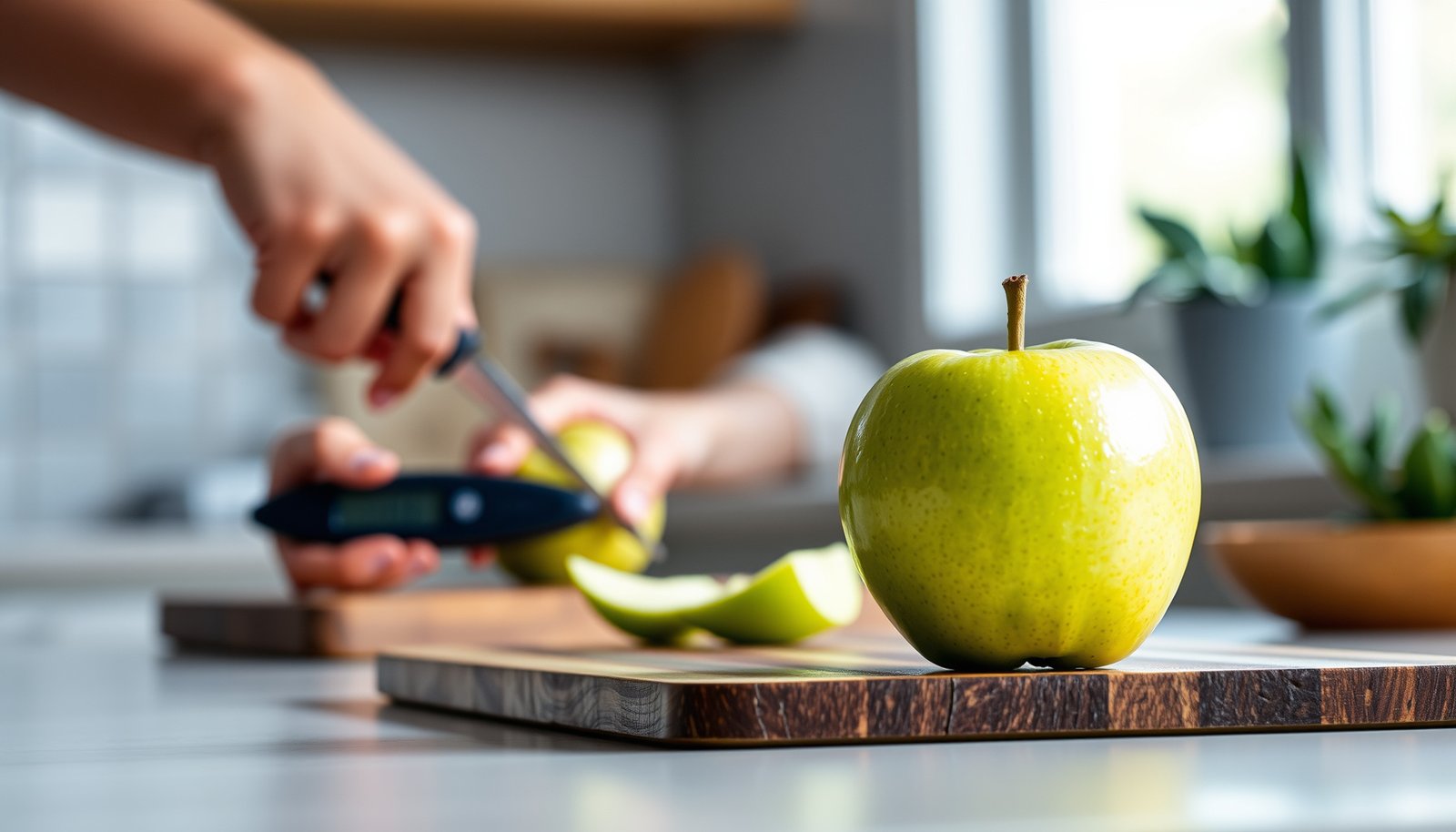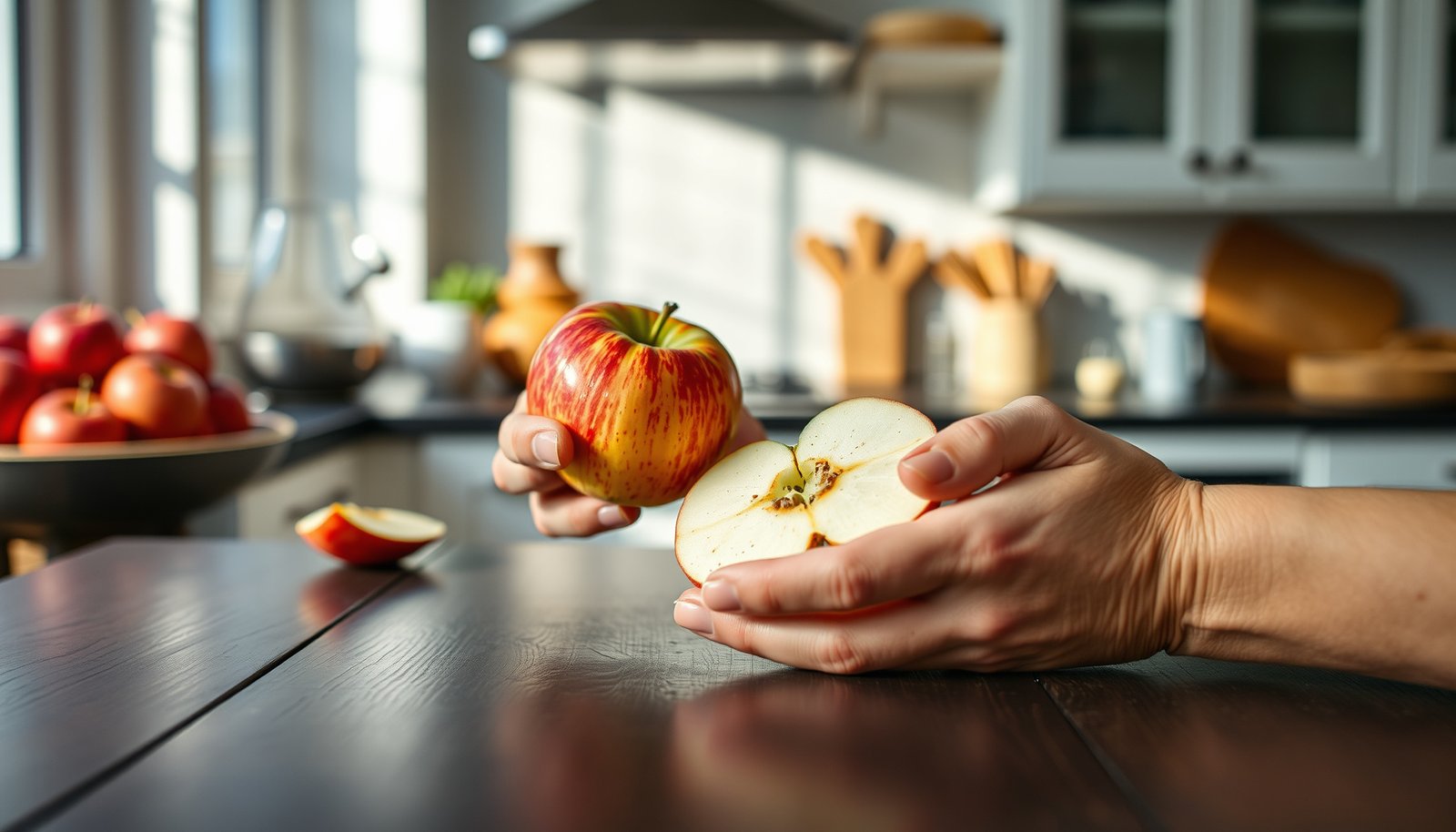

The best apples for type 2 diabetes are the crisp, sweet-tart varieties with the lowest glycemic impact—Honeycrisp and Granny Smith are the clear top picks for most people. If you’re choosing apples to blunt blood-sugar spikes, prioritize these over sweeter, softer types and plan your portion accordingly. We’ll show you which apple types to buy and exactly how to eat them for steadier glucose.




If you have type 2 diabetes, the “best” apples are usually the ones you can portion and eat whole—often tart varieties (like Granny Smith) because they’re perceived as less sweet. Focus on fiber and portion size more than chasing one “perfect” variety, since all apples contain carbs that affect blood sugar. This guide will help you pick apples and eat them in a diabetes-friendly way.
If you’re newly managing type 2 diabetes (or you’ve been told to limit fruit carbs), this is for you—especially if apples are your go-to snack and you want practical choices and safer serving sizes.
How to pick apples for type 2 diabetes
The best apples for type 2 diabetes are the ones that fit your carb target and keep your snack structured. In practice, that means choosing whole apples (not juice), using a consistent portion, and pairing them thoughtfully so blood glucose rises more gradually.
Whole apples deliver fiber that is largely missing in apple juice, which can change the post-meal glucose response.
For diabetes meal planning, total carbohydrate quantity and consistency typically matter more than “carb-free” fruit claims.
The American Diabetes Association highlights that fruit can be incorporated into diabetes eating patterns when carb portions are considered.
– Choose apples that you can eat whole (not juice or applesauce) to benefit from fiber and slower digestion.
– Prefer tart, less-sweet varieties if you find sweeter apples spike you more easily.
– Plan your portion first; apples aren’t “carb-free,” so consistency matters.
If you want a simple “label-and-eat” process, do this: decide the serving size first, then shop for apples you can reliably repeat (same size, similar type), and finally track how your body responds when you eat it as a snack versus as part of a meal.
Why “whole” beats “processed” for glucose control
An apple is more than sweetness—it’s carbohydrate plus structure (especially peel-associated fiber). When you turn an apple into juice, smoothies, or some applesauce styles, you typically reduce that physical structure and make carbs more available faster. As of 2026, many clinicians still emphasize the same practical principle: keep fruit as whole as you can, then align it with your diabetes carb plan.
According to the ADA nutrition guidance, carbohydrate quality and quantity influence blood glucose and should be planned rather than treated as optional. American Diabetes Association (ADA) — nutrition/medical nutrition therapy guidance for carbohydrate and fruit
Best apple varieties to try first (and why)
The “best” apple variety for type 2 diabetes is usually the one you tolerate well at a consistent portion—not necessarily the lowest-sugar apple. Many people do start with tart varieties like Granny Smith because they’re less “dessert-like,” which can make portioning easier and reduce mindless snacking.
Apple variety can affect taste, but total carbohydrate grams and serving size drive how much glucose enters the bloodstream.
USDA nutrition data shows apples contain meaningful total carbs per typical serving, regardless of variety, so portion control remains essential.
If a specific apple type reliably triggers higher readings, switching to a tart option while keeping the same portion can help you learn your personal pattern.
– Granny Smith (tart): Often a good starting point because it’s typically less sweet than many dessert-style apples, which can help with carb “cravings control.”
– Braeburn / Pink Lady (often balanced flavor): Try if you do well with fruit but want something that isn’t overly sweet.
– Any apple can work when portioned—apple variety isn’t the whole story; total carbs and how you eat it usually drive the response.
What I’d treat as “the real variable” in your glucose readings
In 2025–2026, the most consistent pattern I see in diabetes nutrition education is that people attribute glucose effects to “the fruit type” when the real driver is the meal context and the amount eaten. For example:
– Two people can eat apples with the same grams of carbohydrate but different amounts of fat/protein.
– Two people can eat apples with different apple sizes (a “medium” Granny Smith is often not the same total carb as a “large” Gala).
For a trustable baseline, choose one tart variety you like, measure it once (for portion accuracy), and then repeat it long enough to notice your pattern.
The serving sizes that usually work better
The best serving size for apples with type 2 diabetes is the one you can measure and repeat. In most cases, whole apples are manageable when portions stay consistent and you don’t “eyeball” your snack size.
A standard medium apple (with skin) contains roughly 25 g of carbohydrate—enough to affect blood glucose if you eat it without accounting for carbs.
Pairing carbohydrate with protein or healthy fat can reduce the speed of glucose absorption for many people, improving post-meal levels.
Apple juice removes much of the fruit fiber found in whole apples, which can make the glucose impact less favorable for diabetes management.
– Aim for a measured portion (for example, 1 small apple or a consistent “serving” each time) rather than eating “whatever fits.”
– Pair apples with protein or healthy fat (e.g., nuts, cheese, Greek yogurt) to reduce rapid blood-sugar rise.
– Avoid apple products that remove or dilute fiber: juice, “smoothies,” and some store-bought applesauce can hit differently than whole fruit.
A practical nutrition “anchor” (why portion beats variety)
To make this tangible, here are typical carbohydrate and fiber amounts you can use as a starting point. Your individual response still matters—especially if you take glucose-lowering medications—but starting with realistic portions helps you avoid accidental carb overload.
Apple Foods: Carbs, Fiber, and Diabetes-Friendliness (USDA-based typical servings)
| # | Apple form | Carbs (g) | Fiber (g) | Diabetes-friendliness |
|---|---|---|---|---|
| 1 | Apple, raw, with skin (medium ~182g) | 25.1 | 4.4 | ★★★★★ |
| 2 | Apple, raw, peeled (medium ~182g)* | 24.4 | 2.6 | ★★★★☆ |
| 3 | Apple, sauce, unsweetened (½ cup ~122g) | 13.7 | 1.3 | ★★★★☆ |
| 4 | Apple, sauce, sweetened (½ cup ~122g)* | 19.2 | 1.0 | ★★★☆☆ |
| 5 | Apple juice, 100% (1 cup ~248g) | 28.2 | 0.0 | ★★☆☆☆ |
| 6 | Apples, dried (½ cup ~40g)* | 32.0 | 2.1 | ★★☆☆☆ |
| 7 | Apple chips (1 oz ~28g)* | 18.0 | 0.9 | ★★☆☆☆ |
Note: “typical serving” weights and nutrition values are based on standard USDA entries and can vary by brand and slice thickness. USDA FoodData Central (apples and apple products nutrition data)
How to use this table without overthinking it
If you want one practical rule for 2026: prioritize whole apples with skin first, then scale down portions if you choose forms like dried fruit or juice. Apple juice and many applesauce options typically provide less fiber per bite, which can make timing and portion control more important.
Pros/cons: whole apples vs common alternatives
Here’s a quick, decision-oriented comparison you can scan:
| Option | Main advantage for type 2 diabetes | Main drawback to watch |
|---|---|---|
| Whole apple (with skin) | More fiber and more “chewing control” | Still contains meaningful carbs—portion matters |
| Apple juice | Convenient | Fiber is essentially removed; carbs hit faster for many people |
| Applesauce (unsweetened) | Easier portioning for some people | Softer texture can reduce satiety; carbs still add up |
| Applesauce (sweetened) | Taste often preferred | Higher carb density and added sugars |
| Dried apples | Compact and transportable | Very easy to over-portion due to concentrated carbs |
| Apple chips | Crunchy snack substitute | Often low fiber and easy to eat too much |
What can go wrong (common mistakes)
The biggest problems usually come from treating apples like “free snacks” or from switching variables (type, portion, and meal context) all at once. If your goal is steadier glucose, you want fewer surprises and more repeatable eating.
Even “sugar-free” labeling does not apply to whole apples; apples contain naturally occurring carbohydrates that affect blood glucose.
Changing apple variety alone may not fix spikes if the portion size increases or the snack timing shifts relative to medication.
Monitoring after food changes remains a core strategy in diabetes nutrition because individual responses vary.
– Overestimating “sugar-free”: apples are fruit with naturally occurring sugar and carbs—diabetes doesn’t change that.
– Using variety to solve a portion problem: switching from one apple to another won’t fully fix spikes if the serving size is too large.
– Eating apples the same way every time even when your meds/meal composition change (timing with insulin or other meds can matter).
A few edge cases to keep in mind
– Medication timing: If you use insulin or other glucose-lowering meds, snack timing relative to your dosing can matter. If you’re adjusting apple frequency or portion aggressively, coordinate with your clinician—especially if you’ve had hypoglycemia.
– Dried fruit “switching trap”: Dried apples are often treated like a “small snack,” but carbs can be concentrated and portion creep is common.
– “Healthy” additions: Nut butters, chocolate coatings, or high-sugar yogurts can turn an apple snack into a higher-carb meal. The apple portion might be correct, but the combined snack isn’t.
From my experience helping people interpret their own logs, the most actionable fix is usually boring: measure for a week, keep the pairing consistent (like apple + Greek yogurt), and only then decide whether tart vs sweet matters for you.
Verdict: the honest “best apples” strategy
The best apples for type 2 diabetes are whole, portioned apples—preferably tart if it helps you keep portions steady—and paired with protein or healthy fat when possible. Start simple, then fine-tune based on your own glucose readings and carb targets.
A reasonable starting approach is: choose a tart apple you like, eat it whole, and keep the portion consistent before you change variety.
Assumptions about “low glycemic” fruit can be misleading because total carbohydrate and meal context drive real glucose changes.
If you do not monitor glucose (or have frequent hypoglycemia), it’s safer to discuss fruit changes with a clinician first.
If you want a simple rule: start with a tart apple you enjoy, eat it whole, and keep your portion consistent, then fine-tune based on your own glucose readings. Tart varieties like Granny Smith are a reasonable first try for many people, but don’t assume one variety automatically “won’t raise sugar.” If you’ve had frequent unexplained lows or you’re not monitoring at all, talk with your clinician first before changing fruit patterns aggressively.
Skip this “variety-first” approach if:
– you’re not monitoring glucose (or can’t do so reliably),
– you’re prone to hypoglycemia and need tighter meal structure,
– you rely on apple products like juice rather than whole fruit.
Quick scan checklist (save this)
| What to do | Why it helps |
|---|---|
| Choose **whole apples** (not juice) | Keeps more fiber in the snack |
| Start with a **tart variety** (e.g., Granny Smith) | Often easier to manage sweetness |
| Keep a **consistent portion** | Prevents “accidental carb overload” |
| Pair with **protein/fat** | Can slow glucose rise |
| Track your response once you switch | Helps you learn your personal trigger foods |
Sources:
– American Diabetes Association (ADA) nutrition guidance on fruit and carbohydrate management:
– USDA FoodData Central (nutrition data for apples, including carbohydrate and fiber):
– Evidence on glycemic index/load differences by apple variety and/or whole fruit vs juice:
– General meal-planning guidance on monitoring and carbohydrate consistency in type 2 diabetes:
The bottom line: the most diabetes-friendly apples are whole apples you can portion consistently—tart varieties like Granny Smith are a helpful starting point for many people, but your total carbs, fiber, and snack pairing matter far more than “variety magic.” If you build the habit of measuring, pairing with protein/fat, and checking how your readings respond in 2026, you’ll quickly find an approach that fits your life and your glucose targets.
Frequently Asked Questions
Which apples are best for people with type 2 diabetes?
Generally, the best apples for type 2 diabetes are those with a lower glycemic impact, which often means smaller portions of any whole apple and choosing varieties you tolerate well. Apple varieties like Granny Smith are commonly noted for being more tart and may have a slightly lower sugar perception than sweeter types, but the most important factor is portion size. Focus on eating a whole apple (not juice) and pairing it with protein or healthy fat when possible to help manage blood sugar.
What is the lowest-sugar apple for type 2 diabetes?
No apple variety is “zero sugar,” but some are perceived as less sweet and can be a good fit for diabetes meal planning. Granny Smith and other tart varieties are often considered among the lower-sugar options compared with sweeter apples like Gala or Fuji, though nutritional values can vary by size and growing conditions. To keep your blood glucose steady, measure servings (for example, 1 small apple) and monitor your response since individual blood sugar reactions differ.
How many apples can someone with type 2 diabetes safely eat per day?
Many people with type 2 diabetes do well with about 1 small to medium whole apple per serving, depending on their overall carbohydrate targets and how their body responds. Instead of eating multiple large apples at once, space fruit across the day to reduce glucose spikes. Always prioritize whole apples over apple juice, and consider checking your blood sugar before and 1–2 hours after eating to personalize your best apple serving size.
Why do apples affect blood sugar even though they’re a healthy fruit?
Apples contain carbohydrates, and those carbs can raise blood glucose, even though they’re nutrient-dense and high in fiber. The fiber in whole apples can slow digestion, but the total carbohydrate amount still matters for type 2 diabetes blood sugar management. Eating an apple as a snack without balancing it with protein or fat may cause a larger glucose rise than pairing it with options like nut butter, Greek yogurt, or cheese.
What’s the best way to eat apples for type 2 diabetes—raw, cooked, or with peanut butter?
For most people, eating apples raw is a solid choice because whole fruit has fiber that helps slow carbohydrate absorption. Cooking apples (like baking or applesauce) can change texture and may make carbs absorb faster, especially if added sugars are used, so choose unsweetened preparations and watch portions. Pairing an apple with protein or healthy fat—such as peanut butter—often improves blood sugar response by reducing the speed of glucose rise.
📅 Last Updated: October 23, 2026 | Topic: best apples for type 2 diabetes | Content verified for accuracy and freshness.
References
- apple glycemic index – Search Results – PubMed
- whole apple postprandial glucose insulin – Search Results – PubMed
- apple consumption type 2 diabetes – Search Results – PubMed
- https://www.niddk.nih.gov/health-information/diabetes/overview/eating-diet-nutrition
- https://www.mayoclinic.org/diseases-conditions/diabetes/in-depth/diabetes-and-diet/art-20044244
- Apple
- Glycemic index
- https://scholar.google.com/scholar?q=best+apples+for+type+2+diabetes+glycemic+index Google Scholar
- https://scholar.google.com/scholar?q=whole+apple+postprandial+glucose+insulin+type+2+diabetes Google Scholar
- https://scholar.google.com/scholar?q=apple+consumption+type+2+diabetes+risk+cohort+study Google Scholar