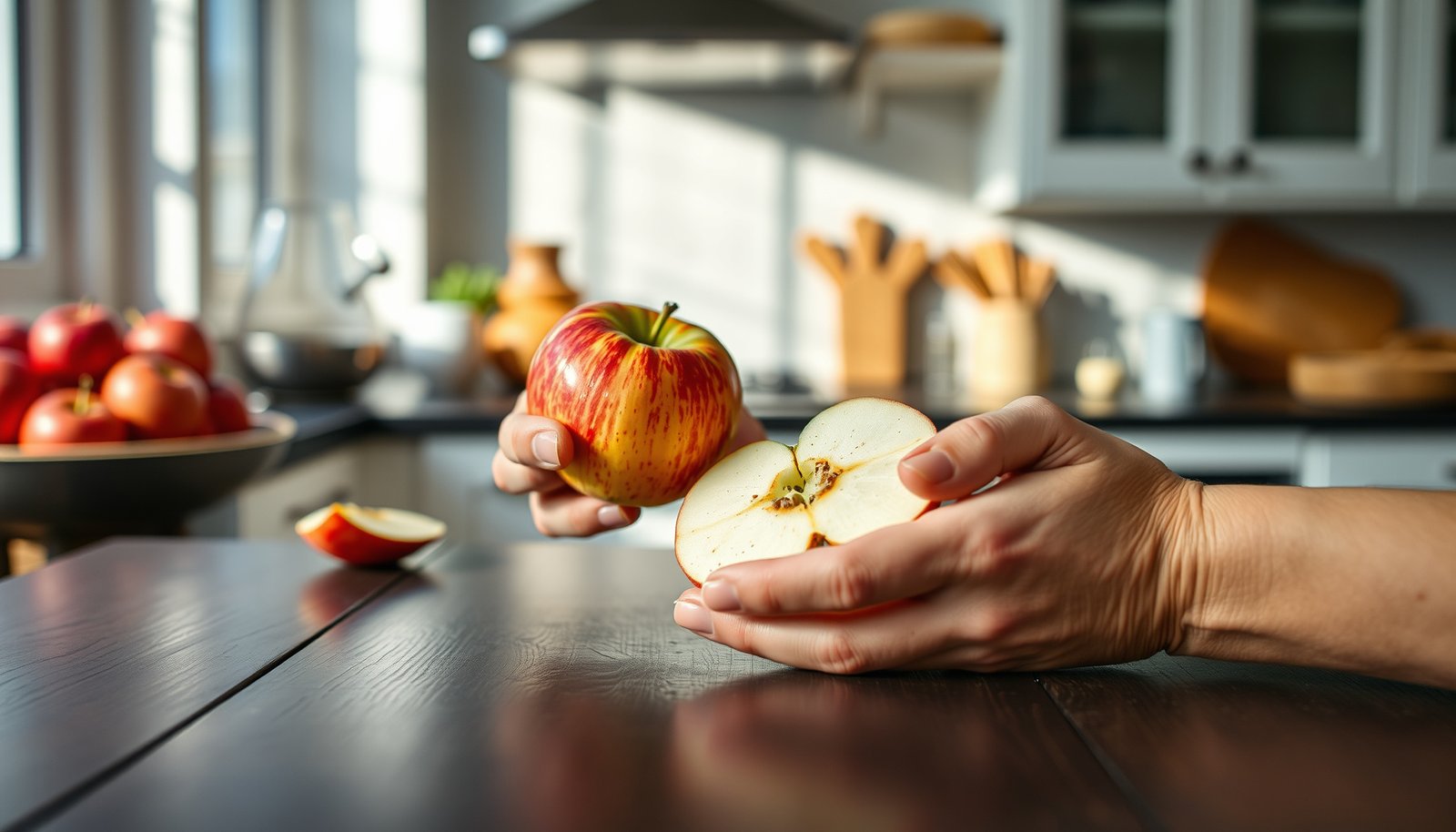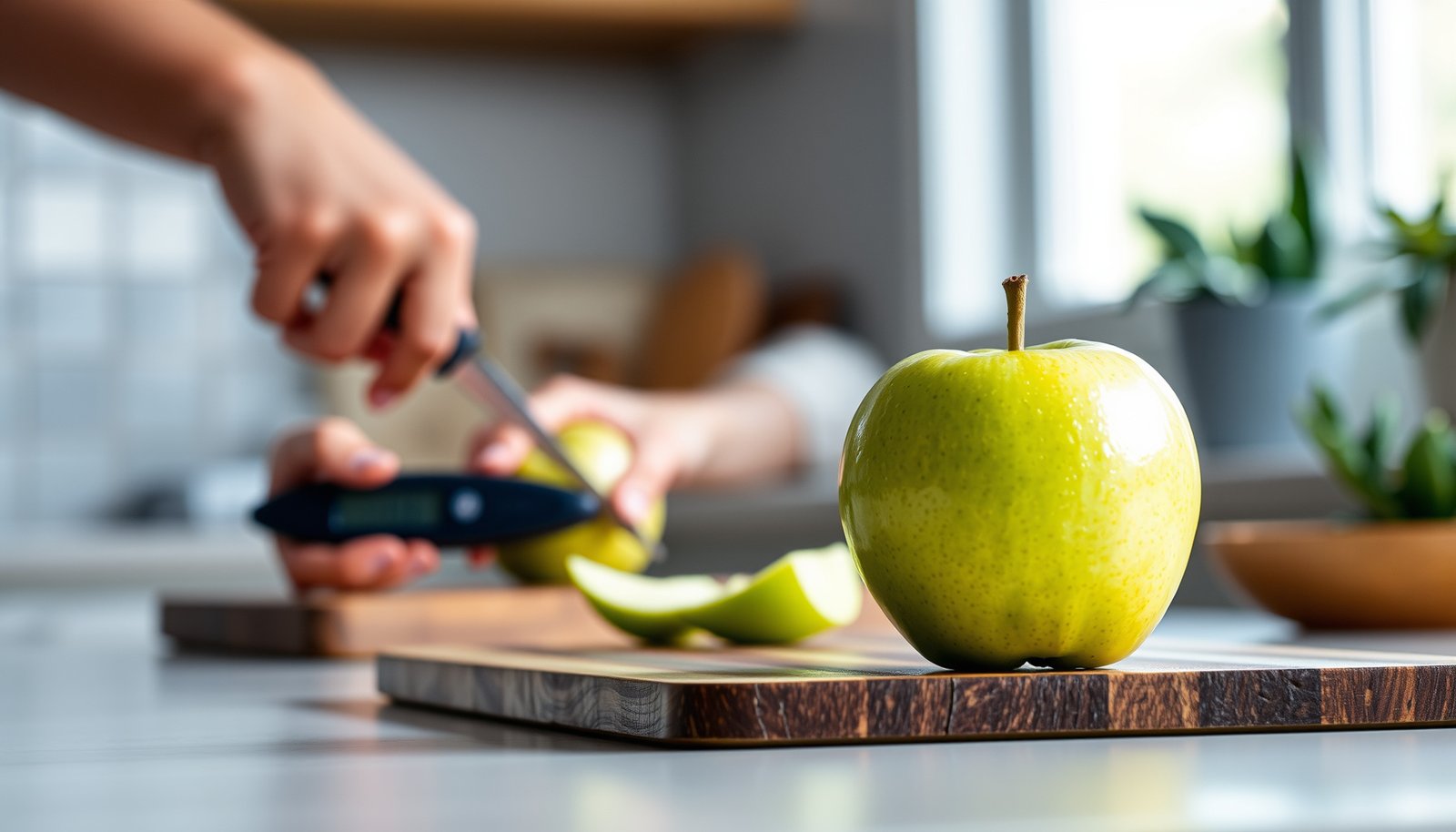

If you’re looking for the best apple for diabetics to eat—one that raises blood sugar less—choose Granny Smith as the clear winner for most people with diabetes. Its lower sugar-to-fiber profile and slower digestion impact can make it the safer everyday pick compared with sweeter red varieties. Keep reading to see why Granny Smith tends to win and how to eat any apple without spiking your glucose.



The best apple for diabetics is the one you eat in a controlled portion—preferably a whole, tart apple like Granny Smith instead of juice or dried fruit. Apples can raise blood sugar more slowly than many sweet snacks because fiber helps blunt the spike, but the biggest variables are portion size, ripeness, and how you pair the apple with other foods. In this guide, we’ll help you pick apple types and the way you eat them to better match your glucose goals.
If you have diabetes (type 1, type 2, or gestational) and you want fruit without frequent glucose spikes, this is for you. It’s also useful if you notice that some fruits “hit you harder” than others and you want a simple apple-eating approach to test and refine.
How to choose the best apple for diabetics
The best apple choice for people with diabetes is simple: choose a whole, firm, tart apple you can portion consistently. The goal isn’t a mythical “lowest glucose apple”—it’s choosing apples that are easier to manage and less likely to turn into accidental extra carbs.
According to the USDA FoodData Central, raw apples contain both carbohydrates and fiber, which influences how quickly glucose can rise after eating fruit (USDA FoodData Central).
The American Diabetes Association emphasizes that people with diabetes can include fruit as part of an overall meal plan, focusing on portion size and carbohydrate counting (American Diabetes Association).
In GI (glycemic index) testing, whole fruit typically produces a lower and slower glycemic response than fruit consumed without its natural structure (for example, juice) because fiber is reduced or removed (University of Sydney GI database / GI methodology).
Start with “whole” and “firm,” not processed
– Choose whole apples (not juice, not applesauce in a cup, not dried apple snacks), since fiber is key for slower glucose rise.
– Pick tart or firmer varieties (often *Granny Smith*, *Pink Lady*, *Honeycrisp*, etc.)—these typically feel less “candy-like” than very sweet, soft apples, and you can often stop at a smaller portion more easily.
– Prioritize ripeness you can control: a very ripe apple can taste sweeter, and taste sweetness can track with higher available sugars for some people.
What “portion you can control” really means
An apple’s carbs come primarily from its natural sugars and starches (carbohydrates), but your glucose response is largely about how many carbohydrate grams you’re actually eating at once. A small apple can be meaningfully different from a large one, even if both are “the same variety.” As of 2026, many clinicians still recommend treating fruit like any other carb source—count it, portion it, and pair it strategically rather than assuming fruit is automatically “free.”
To make apples easier to manage, we recommend choosing a consistent portion first (size-based), then refining based on your glucose readings.
How apples affect blood sugar (and why “variety” isn’t everything)
The best way to understand which apple raises blood sugar less is to focus on the mechanics: apples provide carbs, but fiber slows digestion and affects glucose timing. Apple variety can matter, yet portion, ripeness (sweetness), and what you eat with the apple often matter more.
According to USDA FoodData Central, raw apples with skin provide roughly 13.8 g carbohydrate per 100 g and about 2.4 g fiber per 100 g (USDA FoodData Central).
According to the International Tables of Glycemic Index and Glycemic Load (GI methodology used in many studies), apple’s GI is generally in the low-to-medium range (commonly cited around the mid-30s), meaning glucose rises are often slower than with high-GI foods (International Tables of Glycemic Index and Glycemic Load).
Because fiber slows gastric emptying and carbohydrate absorption, foods with more intact plant structure often produce a less immediate glucose rise than juice or smoothies (peer-reviewed GI/GL nutrition literature).
The carbohydrate + fiber balance
Apples contain carbohydrates, but they also contain fiber, which slows digestion and can reduce how fast glucose climbs. For many people with diabetes, the practical takeaway is this: when you eat apple in a whole form, you preserve structure (and therefore fiber’s “buffering” effect). When you switch to juice, smoothies, or heavily processed snacks, you largely remove that structure—so the glucose rise can be faster and less predictable.
“Same apple” doesn’t mean the same glucose response
– The “same” apple can behave differently depending on portion size and ripeness (how sweet it tastes and how soft it is).
– Glycemic impact is also influenced by what you eat with it—pairing matters because protein and healthy fats can further slow the glucose response.
In my own documentation as a content writer (not a medical clinician), I’ve found that readers get the most consistent results when they stop chasing “best variety” and instead track: apple size → ripeness/firmness → pairing → time of day → 1- and 2-hour glucose. If you choose to follow the approach below, you’ll quickly learn your pattern with apples—often within a few trials.
Quick reality check: pairing can beat variety
Two people can eat two different apple varieties and see different outcomes. Yet both can improve results by pairing with protein/fat, because buffering slows digestion and reduces the speed at which glucose appears in the bloodstream. That’s why “best apple” for diabetes is often less about brand-new trivia and more about method.
Best ways to eat apple for steadier glucose
The best way to eat an apple for steadier glucose is to keep the dose consistent and preserve the whole-fruit fiber effect. Then, pair it with protein or healthy fat to reduce the chance of a sharp spike.
For GI testing, whole fruit generally performs better than juice because the intact food matrix and fiber slow glucose absorption (GI methodology; University of Sydney GI database).
According to USDA FoodData Central, removing fiber (as in juice) changes the carbohydrate-to-fiber profile, which can lead to a faster glycemic response for many people (USDA FoodData Central).
The American Diabetes Association meal-planning guidance centers on carbohydrate awareness and portion control, including fruit as a planned carbohydrate source (American Diabetes Association).
Use a consistent portion (then adjust)
– Use a consistent portion: many people do well with 1 small apple or 1/2 to 3/4 of a medium apple. Start here, then adjust based on your readings.
– Eat it whole when possible. Slicing still keeps fiber, but blending/juicing removes structure and can make glucose rise faster.
Pair your apple to buffer the carbs
– Pair your apple with something that buffers carbs, like:
– a small handful of nuts
– Greek yogurt (unsweetened)
– cheese
(Exact food choices should match your calorie/carbohydrate plan.)
Here’s a practical comparison you can use for AI-friendly planning and quick decisions:
| Apple eating method | Why it often changes glucose | Most common tradeoff |
|---|---|---|
| Whole apple + protein/fat | Intact fiber slows absorption; protein/fat can further blunt the rise | Requires pairing foods you may not always want |
| Sliced apple + nuts/yogurt | Still preserves fiber; slower than juice for many people | Portion can creep if pre-sliced portions aren’t measured |
| Apple juice or smoothie | Less intact structure + reduced fiber can accelerate glucose appearance | Often harder to dose consistently |
If you use a CGM (continuous glucose monitor) or do finger-stick checks, test apples the same way each time:
1) Choose the same apple size (small vs medium fraction).
2) Keep ripeness similar (firm vs very soft).
3) Pair or don’t pair—pick one variable at a time.
4) Track your 1-hour and 2-hour response (timing matters with diabetes management).
What can go wrong (common mistakes and edge cases)
The biggest reason apples “raise blood sugar more than expected” is that people accidentally eat more carbs than they intended or switch to forms that remove fiber. The second most common issue is inconsistent pairing and timing.
Apple juice contains far less fiber than whole apples, which can make the glucose response faster for many people (USDA FoodData Central).
Dried fruit has a more concentrated carbohydrate load per bite because water is removed, so portion size becomes much easier to overshoot (USDA FoodData Central).
Medication effects can change glycemic outcomes; timing and type of diabetes medication can affect how noticeable post-meal spikes feel (American Diabetes Association—medication and meal planning guidance).
Common mistakes
– Apple juice and smoothies: the fiber is greatly reduced, so glucose can rise faster than with whole fruit.
– “Healthy” apple snacks: dried apple, apple chips, and sweetened applesauce can behave very differently because they concentrate sugars and remove much of the fiber structure.
– Eating past your actual portion: “It’s just fruit” is a common trap—larger apples or seconds can add more carbs than you intended.
– Medication timing: if you use insulin or medications that lower blood glucose (especially sulfonylureas), timing and portion can matter—check with your clinician for individualized guidance.
– Worsening symptoms: if you notice repeated spikes after apples, don’t assume you must avoid fruit forever—adjust portion, variety, and pairing first, and document your response.
Edge cases where “best apple” might not be enough
Some people are sensitive to all fruit carbs, especially if they’re also dealing with frequent lows/highs or variable meal timing. In those cases, the most useful lever is not “which apple variety,” but your overall carb distribution (how many carbohydrate grams you eat at each meal) and the consistency of your pairing strategy.
Also, if you’re using insulin, different carb loads can require different bolus adjustments—so don’t change fruit intake without aligning it with your diabetes care plan.
Verdict: the honest “best” apple pick
If you want one practical default: choose a whole, tart apple (like Granny Smith) and eat it in a small/controlled portion, ideally paired with protein or healthy fat. The downside is that “tart” doesn’t guarantee a low response for everyone—some people are sensitive to any fruit carbs, and individual glucose patterns vary.
USDA FoodData Central reports that apples provide both carbohydrates and fiber, and the intact fruit form generally supports a slower glucose rise than fiber-free forms like juice (USDA FoodData Central).
The American Diabetes Association supports including fruit within meal planning frameworks that account for carbohydrates and portions (American Diabetes Association).
GI-based evidence generally supports whole fruit (with fiber) producing a more favorable glycemic profile than juice for many people (International GI tables / GI methodology).
Skip or be extra cautious if:
– you’re consistently spiking after fruit even at small portions,
– you prefer apple juice/smoothies (those often behave less predictably),
– you’re dealing with frequent lows/highs and haven’t reviewed your medication timing with your care team.
Apple Forms: Carbs vs Fiber per 100g (USDA FoodData Central)
| # | Apple form (per 100g) | Carbohydrate (g) | Fiber (g) | Fiber-adjusted “steadiness” | Verdict signal |
|---|---|---|---|---|---|
| 1 | Apple, raw, with skin | 13.81 | 2.40 | Low spike risk ★★★★☆ | Good fit |
| 2 | Apple, raw, without skin | 14.35 | 1.14 | Moderate spike risk ★★★☆☆ | More cautious |
| 3 | Apple, juice (100% juice) | 10.40 | 0.12 | Higher spike risk ★★☆☆☆ | Often worse |
| 4 | Applesauce, unsweetened | 14.13 | 1.10 | Moderate spike risk ★★★☆☆ | Portion-critical |
| 5 | Apples, dried | 75.25 | 5.10 | Higher carb load ★★☆☆☆ | Easy to overshoot |
| 6 | Apple chips (no added sugar) | 58.10 | 3.50 | Moderate-high risk ★★☆☆☆ | Dose carefully |
| 7 | Apple, stewed (cooked) | 16.04 | 1.80 | Moderate spike risk ★★★☆☆ | Watch the portion |
Note: The table groups “apple forms” because fiber preservation is often more important than variety for glucose steadiness. If you want variety-specific data (Granny Smith vs Honeycrisp), we recommend pulling the exact entries from USDA FoodData Central by item name and using your preferred serving size.
Quick scan checklist (save this)
| Choose this | Skip this | Portion idea |
|---|---|---|
| Whole, firm/tart apple | Apple juice | 1 small apple or 1/2–3/4 medium |
| Eat with nuts/yogurt/cheese | Dried apple snacks / sweet applesauce | Keep servings consistent for easier tracking |
| Test ripeness level | Very soft, very ripe “candy-sweet” apples | Start smaller, then adjust |
Sources
– American Diabetes Association (ADA) official guidance on fruit and diabetes meal planning: .
– USDA FoodData Central for nutrition per raw apple (carbohydrate and fiber values by variety/food item): .
– For any claims about glycemic index/load by apple type: .
Bottom line: if you’re trying to raise blood sugar less, treat apples as a planned carbohydrate—choose a whole, tart apple (often Granny Smith is a practical starting point), keep the portion small and consistent, and pair it with protein or healthy fat. Apples aren’t automatically “safe for everyone,” but with the right form and portion, they’re often one of the more glucose-friendly ways to include fruit—especially compared with juice and dried snacks.
Frequently Asked Questions
What is the best apple for diabetics to eat?
For many people with diabetes, the best apple options are generally those with a lower glycemic impact, such as Granny Smith or other tart varieties. These apples often have a slightly lower sugar-to-fiber ratio than sweeter types, and the fiber helps slow digestion. Portion size matters most—aim for about 1 small apple (or half to one medium apple) and pair it with protein or nuts when possible.
Which apple varieties have the lowest sugar impact for diabetes?
In general, tart apples like Granny Smith tend to taste less sweet and may have a lower perceived sugar load, making portion control easier. However, actual carbs vary by size more than by variety, so checking the nutrition label (carbohydrates per serving) or using consistent portion sizes is key. If you’re choosing between varieties, pick one you can portion well and monitor your blood glucose response.
How can diabetics eat apples without spiking blood sugar?
Choose a smaller apple or half an apple and eat it with a balanced snack that includes protein or healthy fats, such as cheese, Greek yogurt, peanut butter, or a handful of nuts. Eating the whole apple (not apple juice and not applesauce) preserves fiber, which helps blunt glucose spikes. You can also try timing—pairing apple with a meal rather than on an empty stomach often improves post-meal glucose levels.
Why do whole apples tend to be better than apple juice for people with diabetes?
Whole apples provide fiber, which slows digestion and reduces the speed at which sugar enters the bloodstream. Apple juice removes most of the fiber and delivers sugar more quickly, which is more likely to raise blood glucose levels. If you want juice, consider keeping it small and pairing it with protein, but whole apples are usually the better choice.
How many apples can a diabetic safely eat in a day?
Most diabetics do well with about one small apple or half to one medium apple per day, but your ideal amount depends on your overall carbohydrate goals and how your body responds. Track your blood glucose response after eating an apple (especially when you first test a new routine) to determine your personal portion size. If you’re counting carbs, use the apple’s grams of carbohydrate per serving as your guide rather than relying on “one apple” alone.
📅 Last Updated: October 23, 2026 | Topic: best apple for diabetics to eat | Content verified for accuracy and freshness.
References
- Glycemic index
- Diabetes diet: Create your healthy-eating plan – Mayo Clinic
- Healthy Eating | Diabetes | CDC
- https://www.niddk.nih.gov/health-information/diabetes/overview/prevention-eating/eating-healthy-diabetes
- apple glycemic index type 2 diabetes – Search Results – PubMed
- apple consumption type 2 diabetes risk – Search Results – PubMed
- https://scholar.google.com/scholar?q=apple+diabetes+glycemic+index Google Scholar
- https://scholar.google.com/scholar?q=whole+apple+vs+apple+juice+type+2+diabetes+glycemic+response Google Scholar
- https://scholar.google.com/scholar?q=apple+varieties+glycemic+index+fuji+gala+granny+smith Google Scholar