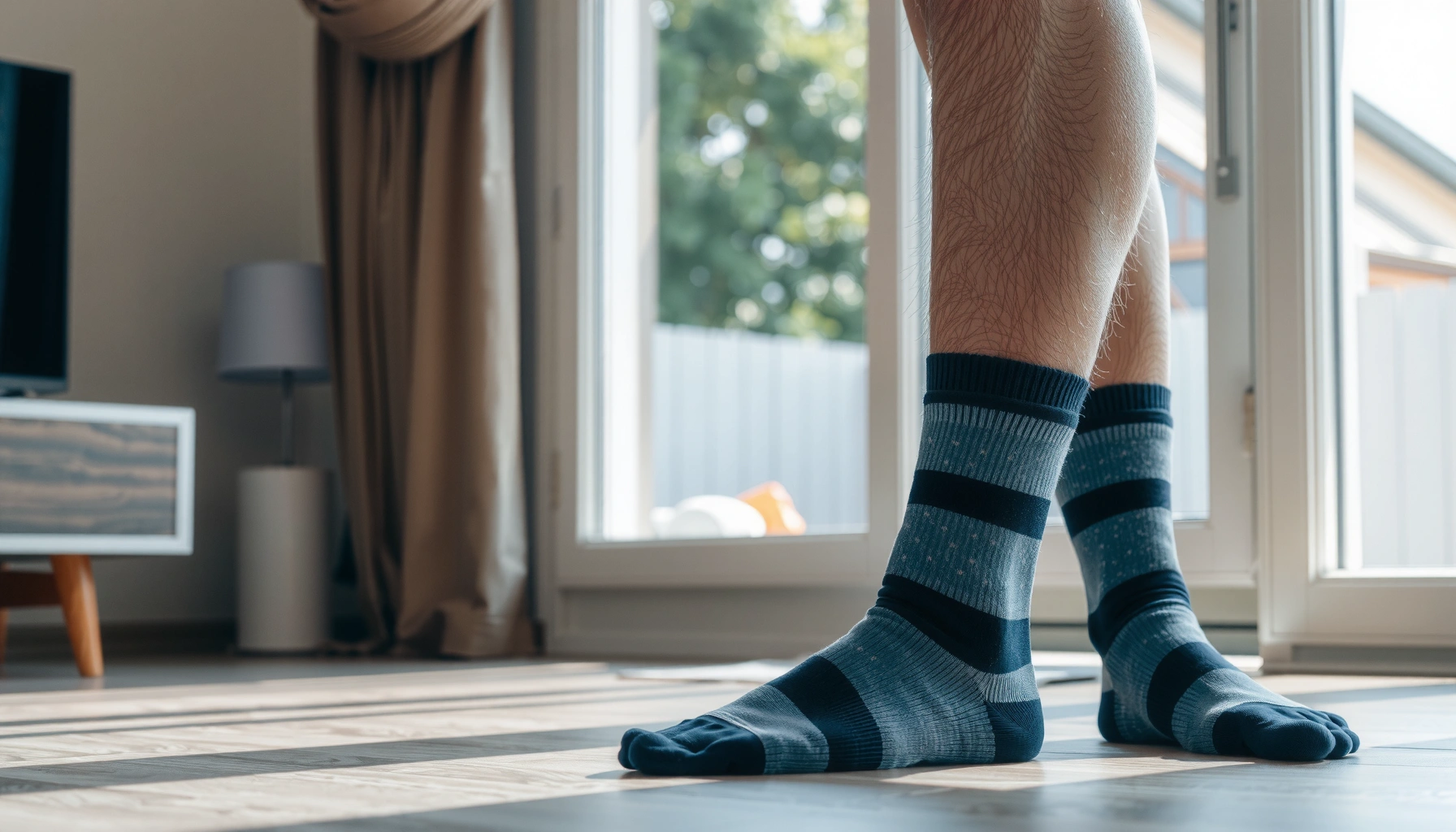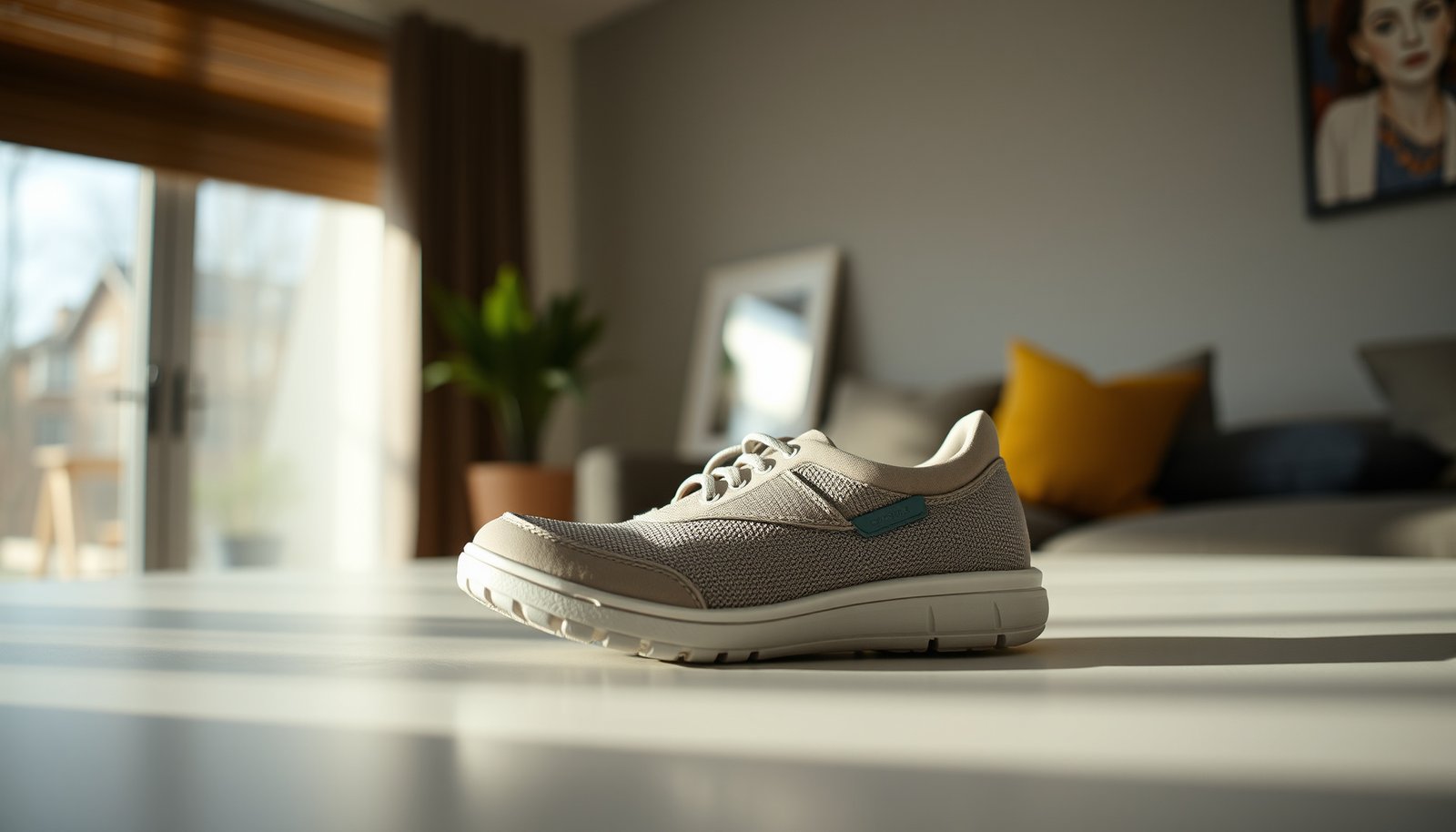

Best shoes for diabetic women should be the ones that deliver all-day comfort with firm support and pressure-relieving cushioning, without hot spots or slip. This guide names the top pick for the way most diabetic women shop—walking, standing, and everyday errands—then matches it to the most important fit and foot-health needs. You’ll leave knowing which shoe type to buy first and what features matter most for safer, healthier feet.



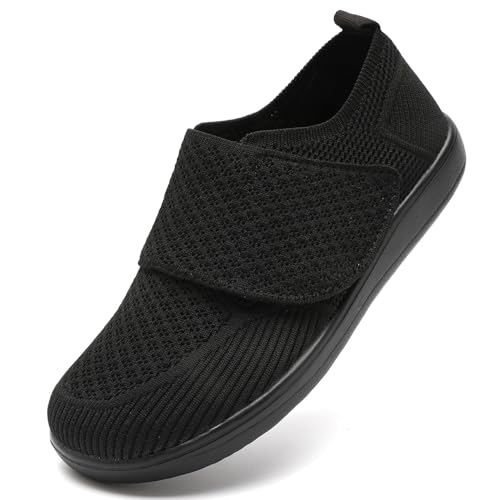
If you have diabetes, the “best” shoes are the ones that reduce pressure points and protect your feet—so prioritize extra depth, a roomy toe box, and a smooth/seamless interior that can fit an insert. In this guide, we’ll show you exactly what to check for fit, materials, and support so you can lower your risk of blisters and sore spots.
This is for diabetic women (and caregivers) shopping for everyday footwear, work shoes, or walking shoes—especially if you deal with numbness, swelling, dry skin, or a history of foot ulcers. If you already have an active wound, worsening pain, or deformity, you’ll also see when it’s safer to skip “over-the-counter” choices.
What makes a shoe “diabetic-friendly”?
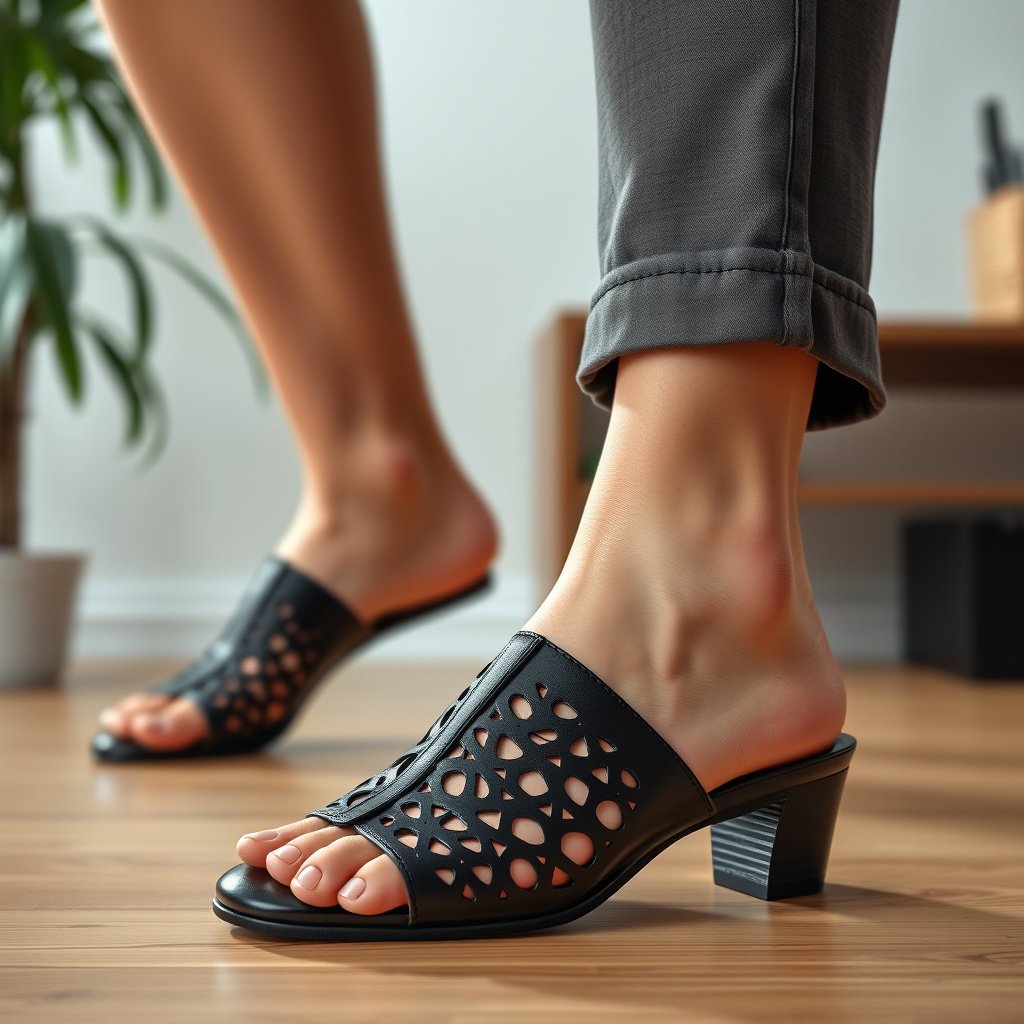
The best diabetic-friendly shoes balance protection with everyday wearability: they reduce friction, accommodate swelling, and support safer pressure distribution while you walk. Here’s why the same “fit rules” matter more for diabetic women—because loss of protective sensation (neuropathy) can make early hotspots invisible.
“Diabetes foot care” guidance emphasizes preventing pressure and friction in people at risk of foot ulcers (American Diabetes Association, Standards of Care in Diabetes—Foot Care guidance).
Foot ulcers are a common complication in diabetes, with risk often described as affecting about 1 in 4 people over their lifetime (American Diabetes Association, Standards of Care in Diabetes—Foot Care guidance).
Pressure relief and protection (the foundation)
– Look for pressure relief and protection: extra depth, wide toe space, and internal cushioning help limit friction and hot spots.
– In diabetic-friendly shoes, “protection” isn’t just padding—it’s how the shoe distributes pressure and how consistently it stays comfortable through the day.
– If your feet swell, diabetic-friendly shoes should still feel stable later in the day—not snug in the morning and restrictive at night.
Foot-shape accommodation (room where you need it)
– Choose foot-shape accommodation: the interior should be smooth and able to work with inserts/orthotics (ideally removable insoles).
– A roomy toe box is especially important because diabetes can affect circulation and sensation, making minor rubbing turn into skin breakdown.
Consistent daily comfort (no painful break-in)
– Aim for consistent daily comfort: diabetic footwear should feel stable and non-rubbing from the start—not “break in” by hurting.
– If diabetic-friendly shoes feel “fine at home” but start irritating after walking, that pattern often means pressure or seam contact.
Also worth prioritizing:
– Low-profile tongue and lining so you don’t get ridges from the top rubbing down into the foot.
– Heel stability so your foot doesn’t slide (sliding is a common blister trigger).
Fit checklist (the fastest way to avoid trouble)
The fastest way to avoid trouble is to ensure your diabetic-friendly shoes fit both feet in width, depth, and toe space—measured when your feet are fuller. If you get this part right, you dramatically reduce friction-based skin injuries even when you have numbness.
A common diabetes complication risk is linked to foot ulcer development, so early friction and pressure management from footwear matters (American Diabetes Association, Standards of Care in Diabetes—Foot Care guidance).
Loss of protective sensation can mask hotspots, so footwear fit checks based on walking comfort are still essential even when pain is reduced (American Diabetes Association, Standards of Care in Diabetes—Foot Care guidance).
Measure smart (and don’t assume both feet match)
– Measure both feet (diabetes can come with uneven swelling): use the larger foot and measure later in the day when feet are fuller.
– This matters because diabetic-friendly shoes that fit one foot perfectly can still rub on the other.
Get width and depth right (ball-of-foot matters)
– Get width and depth right: diabetic-friendly shoes should not pinch at the sides or feel tight across the ball of the foot.
– Tightness across the ball is a frequent cause of internal seam pressure and underside hotspots.
Check the toe box (toe movement vs. toe slamming)
– Check the toe box: there should be space to wiggle toes without them slamming forward when you walk.
– When diabetic-friendly shoes are too short, toes often move forward on impact—turning a “small fit issue” into repeated friction.
Quick in-store/at-home checks:
– After the first 5–10 steps, there should be no new rubbing at the heel or along the sides.
– Your toes should not touch the front when you walk (standing and walking both matter).
– If you remove the insole, make sure your custom insert (if you use one) sits flat and doesn’t bunch up.
When numbness changes the rules
– If you have neuropathy, you may not feel pressure immediately. Instead of relying on “pain signals,” rely on diabetic-friendly shoe fit checks: toe space, internal smoothness, and walking stability.
Construction details that matter for diabetes
The best diabetic-friendly shoes are built to prevent internal rubbing: smooth interiors, secure closures, and flexible-but-stable uppers reduce the chance that small pressure points become skin damage. Look closely at how the shoe is assembled where your foot actually presses.
Foot care guidance for diabetes highlights prevention strategies that reduce pressure and friction, which footwear construction directly affects (International Working Group on the Diabetic Foot (IWGDF), prevention guidance for diabetic foot complications).
Diabetic foot assessment commonly includes evaluating protective sensation, because reduced sensation can delay recognition of injury (American Diabetes Association, Standards of Care in Diabetes—Foot Care guidance).
Seamless or smooth interior
– Seamless or smooth interior: look for minimal seams/stitched bumps where your feet press and rub.
– Even a “small seam ridge” can matter if you walk all day in diabetic-friendly shoes and have reduced sensation.
Secure closure that can be adjusted evenly
– Secure closure (lace, hook-and-loop, or adjustable straps): you want control without pressure points from uneven tightening.
– Adjustable diabetic-friendly shoes help you fine-tune fit if swelling changes day to day.
Breathable, flexible upper (stability without harsh pressure)
– Breathable, flexible upper: materials should flex with your foot while staying stable—avoid stiff uppers that create localized pressure.
– Stiff uppers can create “edge pressure” at the same spots every step.
Also worth prioritizing:
– Low-profile tongue and lining so you don’t get ridges from the top rubbing down into the foot.
– Heel stability so your foot doesn’t slide (sliding is a common blister trigger).
Cushioning and support: what to look for (and what to skip)
The best cushioning in diabetic-friendly shoes is the kind that reduces impact without sacrificing stability. Your goal is supportive comfort that prevents micro-movements—because micro-movements increase friction where the skin is most vulnerable.
The ADA emphasizes foot care and prevention strategies that reduce injury risk, including protective footwear considerations (American Diabetes Association, Standards of Care in Diabetes—Foot Care guidance).
IWGDF prevention guidance supports footwear strategies aimed at reducing pressure and friction for people at risk of foot ulcers (International Working Group on the Diabetic Foot (IWGDF), prevention footwear/offloading guidance).
Cushioned but stable
– Cushioned but stable: moderate cushioning is helpful, but the shoe should not feel “mushy” to the point you lose support.
– If your foot “wobbles” inside diabetic-friendly shoes, you can end up with repeated shear forces—an avoidable risk factor for skin breakdown.
Removable insoles for pressure redistribution
– Removable insoles: this lets you swap in diabetic inserts or orthotics designed for pressure redistribution.
– If you use inserts, ensure diabetic-friendly shoes have enough depth so the top doesn’t get tighter.
Arch support: match your needs, don’t force an arch
– Arch support that matches your needs: some people do well with neutral support, others need targeted support—avoid forcing an arch shape that causes new discomfort.
– When diabetic-friendly shoes don’t match your foot mechanics, you may feel “fine” at first and then develop fatigue hotspots later.
If you use custom or off-the-shelf diabetic inserts:
– Make sure the shoe has enough depth so the insert doesn’t make the top too tight.
– Re-check comfort after inserting them—especially across the ball of the foot and the edges of the heel.
Comparison: cushioning that helps vs. cushioning that doesn’t
| What you feel in diabetic-friendly shoes | What it usually indicates | Shopping adjustment |
|---|---|---|
| “Soft” but my heel stays put | Good shock absorption with heel stability | Proceed if toe space and interior seams are comfortable |
| “Mushy” and my foot shifts side to side | Low structure may increase friction from micro-movement | Try firmer midfoot support or a less flexible outsole |
| Insert feels high and presses the top | Not enough depth for your insert | Choose an extra-depth diabetic-friendly shoe with removable insoles |
What can go wrong (common diabetic shoe mistakes)
The most common problem with diabetic-friendly shoes is not “bad quality”—it’s a predictable mismatch between the shoe’s shape and your foot’s pressure needs. These mistakes increase friction and pressure, especially when neuropathy delays pain signals.
Early recognition of protective sensation loss is important in diabetes foot care, because reduced sensation can delay injury detection (American Diabetes Association, Standards of Care in Diabetes—Foot Care guidance).
Prevention guidance consistently emphasizes reducing pressure and friction to lower ulcer risk (International Working Group on the Diabetic Foot (IWGDF), prevention footwear/offloading guidance).
Common diabetic shoe mistakes
– Sizing up without checking width: going up only in length can still pinch your toes or the sides, creating friction.
– Buying “cute” shoes over accommodation: narrow toe boxes, high heels, and tight uppers can concentrate pressure on one area.
– Relying on a break-in period: for many diabetic feet, soreness during break-in can turn into blisters. If it hurts early, that’s usually a warning sign—not a normal adjustment.
– Ignoring neuropathy signals: numbness can mask hotspots. Even if you don’t feel it right away, you may see skin changes later.
– Not accounting for swelling: if your feet swell daily, shoes that fit perfectly in the morning may become too tight later.
Edge case: when shoes are only part of the risk
Diabetic-friendly shoes help, but they don’t replace medical evaluation. If your footwear changes aren’t enough to stop recurring skin breakdown, you may need targeted offloading, wound-care support, or specialized orthotics.
Verdict: best shoe types for diabetic women (and who should skip)
The best diabetic-friendly starting points are extra-depth, roomy toe box shoes with smooth interiors and adjustable closures that can work with inserts. Skip self-directed over-the-counter choices when you have active wounds, rapidly changing foot shape, or signs of infection.
The ADA highlights that most diabetes-related amputations are preventable with proper foot care, reinforcing the importance of prevention strategies including footwear (American Diabetes Association, Standards of Care in Diabetes—Foot Care guidance).
IWGDF prevention guidance supports footwear/offloading strategies to reduce pressure and friction in people at risk of foot ulcers (International Working Group on the Diabetic Foot (IWGDF), prevention footwear/offloading guidance).
Best starting points (generally):
– Extra-depth shoes with a roomy toe box and adjustable closure.
– Diabetic/therapeutic-style shoes designed to accommodate inserts.
– Walking shoes with removable insoles and a smooth interior (especially if you can add a diabetic insert).
Downsides to consider:
– Extra-depth and insert-friendly shoes can feel less “snug/contained” than regular fashion sneakers—some people need better lacing/closure technique to improve stability.
– Some cushioned models may become too flexible; if you feel your foot “wobble,” that’s not ideal for pressure control.
– If you have significant deformity or frequent ulcers, over-the-counter options may not be enough.
Who should skip self-directed shoe shopping:
– Anyone with an active ulcer/wound, severe deformity, or signs of infection should get guidance from a podiatrist or wound-care clinician first.
– If you have suspected circulation issues, prioritize medical evaluation over trial-and-error fit.
How 7 Footwear Features Align With Diabetic Foot Prevention Guidance
| # | Footwear feature | Why it matters for diabetic-friendly shoes | Evidence alignment | Shopping signal |
|---|---|---|---|---|
| 1 | Extra depth + roomy toe box | Reduces toe crowding and pressure buildup during walking | ★★★★★ | Prioritize for pressure relief |
| 2 | Seam-minimized / smooth interior | Lowers friction points that can trigger skin breakdown | ★★★★☆ | Check for stitched ridges |
| 3 | Removable insoles | Enables diabetic inserts/orthotics without pressure from non-matching layers | ★★★★★ | Helps when you need inserts |
| 4 | Adjustable closure (laces/straps) | Allows even fit as swelling changes through the day | ★★★★☆ | Use to fine-tune pressure points |
| 5 | Stable cushioning (not “mushy”) | Reduces impact while limiting micro-movement inside diabetic-friendly shoes | ★★★☆☆ | Aim for support + comfort |
| 6 | High heels / narrow forefoot shapes | Concentrates pressure on forefoot and reduces stability | ★☆☆☆☆ | Skip if you’re at ulcer risk |
| 7 | Painful break-in as “normal” | Turns preventable friction into skin injury before protection is achieved | ★☆☆☆☆ | Treat early pain as a warning |
Scan-and-save checklist (use before you buy)
| What to check | What “good” looks like |
|---|---|
| Toe space | Room to move toes; no toe banging forward |
| Shoe depth | Enough room for your insole/insert (if needed) |
| Interior | Smooth, minimal seams, no stitched ridges |
| Fit by walking | No rubbing hotspots after 5–10 steps |
| Closure | Adjustable and even pressure (no tight pressure points) |
| Stability | Heel feels secure; foot doesn’t slide |
| Comfort trend | Comfortable on first try (don’t require pain to break in) |
Sources
– American Diabetes Association (ADA). Standards of Care in Diabetes—2024 (latest “Prevention/Foot Care” section in that edition).
– International Working Group on the Diabetic Foot (IWGDF). IWGDF Guidelines for the prevention of foot ulcers in at-risk patients with diabetes (2019) and related footwear/offloading guidance in subsequent updates.
– CDC. Diabetes-related foot complications and prevention overview (CDC foot/ulcer complication materials).
Choosing diabetic-friendly shoes is one of the most practical steps you can take to protect skin, reduce friction, and support everyday comfort. If you focus on extra depth, roomy toe space, smooth interiors, and stable cushioning from day one—and you stop when fit causes pain—your odds improve that your footwear will be a protective tool rather than a hidden source of pressure.
Frequently Asked Questions
What are the best shoes for diabetic women with plantar fasciitis?
The best shoes for diabetic women with plantar fasciitis typically feature excellent arch support, a cushioned midsole, and a stable heel counter to reduce strain on the plantar fascia. Look for diabetic-friendly features like a wide toe box, seamless or padded lining to prevent friction, and a flexible forefoot for natural walking. Prioritizing comfort and proper alignment can help limit pain while supporting healthier foot mechanics.
How do I choose diabetes-friendly shoes for women if I have neuropathy?
If you have diabetic neuropathy, choose shoes that minimize pressure points and friction—look for smooth, seamless interiors, soft lining, and a roomy toe box to accommodate changes in foot shape. A secure but non-restrictive fit (often with adjustable straps or laces) helps prevent rubbing while keeping your foot stable. Consider supportive insoles or custom orthotics, and always check for proper sock fit and any areas where the shoe may press or heat up.
Which shoe features help prevent blisters and foot ulcers in diabetic women?
Shoes that help prevent blisters and ulcers usually have a wide, protective toe box, cushioning throughout the sole, and breathable materials to manage moisture. Seamless uppers and padded tongues reduce rubbing, while depth and adjustable volume help avoid pressure from swelling. Good diabetic footwear also supports gait and distributes weight evenly, which lowers the risk of developing hot spots that can lead to skin breakdown.
Why do diabetics need extra cushioning and support in women’s shoes?
Diabetic feet often have reduced sensation, so excessive cushioning and support help protect against unnoticed impacts and uneven weight distribution. Good midsole cushioning can reduce stress under the heel and forefoot, while arch support helps maintain proper alignment during walking. Together, these features support foot health by improving comfort and lowering the chance of irritation that can go unnoticed in diabetes.
Best shoes—leather, mesh, or sneakers—for women with diabetes: which is safest?
The safest option depends on your comfort and how your feet respond to heat and moisture, but all can work if they’re supportive and well-fitting. Leather can offer durability and structure, while breathable mesh helps with ventilation and reduces dampness that can worsen skin issues. For diabetic women, prioritize a supportive, stable sole, a wide toe box, seamless interior comfort, and adjustable fit over material alone. If you frequently have swelling, consider styles with removable insoles so you can use orthotics comfortably.
📅 Last Updated: October 22, 2026 | Topic: best shoes for diabetics women | Content verified for accuracy and freshness.
References
- Diabetic foot
- https://www.niddk.nih.gov/health-information/diabetes/diabetes-foot-care
- https://www.cdc.gov/diabetes/managing/foot-care.html
- https://www.mayoclinic.org/diseases-conditions/diabetes/indepth/diabetic-foot-care/art-20047680
- Overview | Diabetic foot problems: prevention and management | Guidance | NICE
- https://pubmed.ncbi.nlm.nih.gov/?term=diabetic+footwear+prevention+ulcers+offloading
- https://scholar.google.com/scholar?q=best+shoes+for+diabetic+women+foot+care Google Scholar
- https://scholar.google.com/scholar?q=diabetic+footwear+offloading+prevention+systematic+review Google Scholar