
Looking for the best Chinese tea for diabetes? Green tea is the clear winner for most people because its catechins can help improve insulin sensitivity and lower post-meal blood sugar. If you want a specific “what to drink and why” answer tied to diabetes management, keep reading for the practical choice and how it fits into a daily routine.



The best Chinese tea for diabetes is plain, unsweetened green tea made from Camellia sinensis, because it’s the most studied tea style for glucose/insulin-related outcomes and it’s easy to use without accidentally adding sugar. As of 2026, the most practical approach is to pick a tea you can drink consistently, brew it the same way each time, and monitor your blood sugar response—tea can affect people differently.
If you’ve been wondering whether Chinese tea can help with diabetes, this guide focuses on what’s biologically plausible, what the evidence supports, and how to avoid common “healthy-sounding” mistakes like sweetened bottled tea. It also covers how tea fits alongside—never instead of—medication or insulin.
Who this is for / when it applies
This article is for adults with type 1 diabetes, type 2 diabetes, prediabetes, or insulin resistance who want a low-friction beverage choice from Chinese tea that won’t sabotage glucose control. It’s especially useful if you want a clear starting point (tea type + brewing method) and a monitoring plan you can run in real life during 2026.
Best Chinese teas for diabetes (by tea type)
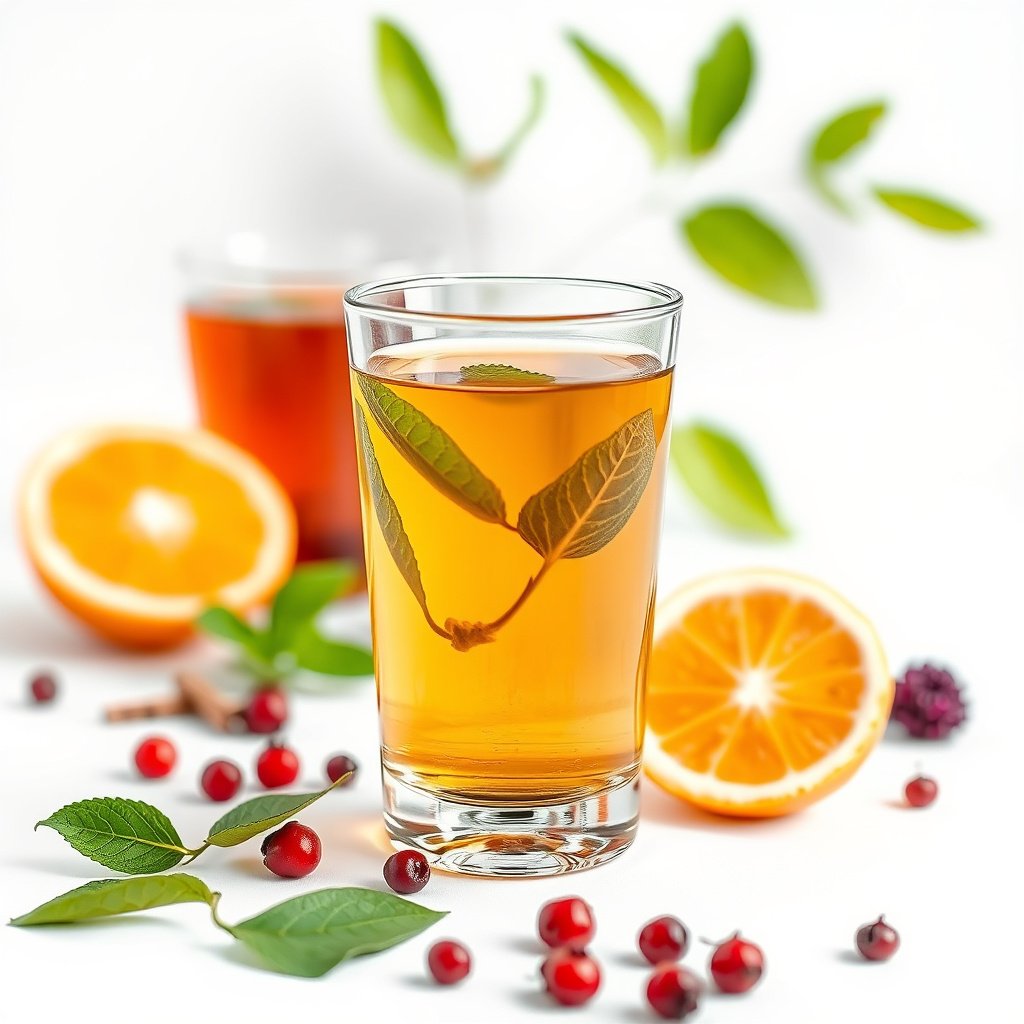
If you want the most defensible starting point, choose plain (unsweetened) Chinese green tea from Camellia sinensis. Here’s why: green tea is the most commonly studied Chinese tea style for metabolic outcomes, and it’s easier to keep unsweetened than many “tea drinks.”
Green tea is the most studied Chinese tea style for glucose- and insulin-related outcomes, largely due to its catechins, including EGCG.
All “true tea” comes from Camellia sinensis; herbal “teas” marketed as tea may not contain the same compounds.
If you’re managing diabetes, avoiding added sugar is often more important than choosing between green, oolong, or black.
Quick tea-type ranking (practical, not mystical)
Green tea (best starting point): Examples in Chinese styles include Longjing (Dragon Well) and Bi Luo Chun. Green tea typically has higher levels of catechins (polyphenols) because it’s minimally oxidized.
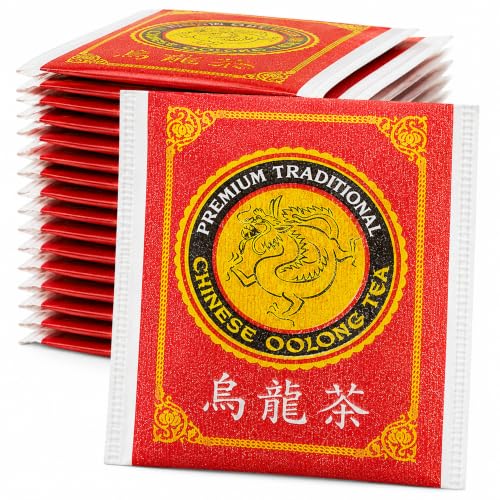
Oolong tea (good alternative): Often processed “between” green and black tea, oolong can be a good option if green tea feels too strong or if you prefer a smoother taste for daily consistency.
Black tea (use plain): Black tea is also from Camellia sinensis. If you tolerate caffeine, plain black tea can work—just avoid sweetened “milk tea” or flavored bottled versions.
7 Camellia sinensis Tea Styles: Typical Caffeine & Catechin-Rich Potential for Glucose-Friendly Choices
| # | Chinese tea style (example) | Tea processing | Typical caffeine (mg per 8 oz / 240 ml) | Polyphenol “direction” | Catechin-rich potential |
|---|---|---|---|---|---|
| 1 | Longjing (Dragon Well) | Green (minimally oxidized) | 20–45 | Higher catechins / EGCG | ★★★★★ |
| 2 | Bi Luo Chun | Green (minimally oxidized) | 20–45 | Catechin-forward profile | ★★★★★ |
| 3 | Tieguanyin (Iron Goddess) | Oolong (partially oxidized) | 30–50 | Mixed polyphenols | ★★★★☆ |
| 4 | Wuyi rock oolong (Yancha) | Oolong (partially oxidized) | 30–50 | Less catechin, more oxidized polyphenols | ★★★☆☆ |
| 5 | Zhengshan / Qimen (black tea style) | Black (fully oxidized) | 40–70 | Theaflavins & thearubigins | ★★☆☆☆ |
| 6 | Bai Mudan (white tea) | White (very low oxidation) | 15–30 | Catechins present, usually gentler | ★★★☆☆ |
| 7 | Shou pu-erh (ripe pu-erh) | Post-fermented | 30–60 | Complex fermentation metabolites | ★☆☆☆☆ |
Note: caffeine and catechin intensity vary by harvest, leaf grade, and brewing strength. This table is meant for choosing a starting tea style—not for medical dosing.
How to drink Chinese tea safely when you have diabetes
If you have diabetes, the safest routine is unsweetened tea + consistent brewing + glucose monitoring. The most important safety rule is to treat tea as a supportive habit, not a replacement for diabetes medication.
Unsweetened tea avoids added carbohydrates that can raise blood glucose more than tea’s polyphenols reduce it.
Brewing parameters (water temperature and steep time) change caffeine and polyphenol extraction, which can change how you feel and how your glucose responds.
If you take insulin or glucose-lowering medication, you should confirm any diet change—including tea timing—with your clinician.
Keep it unsweetened (non-negotiable)
Avoid sugar, honey, syrups, and “powdered” sweetened mixes. This includes “diabetic-friendly” marketing that still leaves room for sweeteners or hidden carbs in bottled and concentrate products. When you choose plain Chinese green tea, you remove the biggest variable: added glucose.
Brew the same way each time
Follow the package steep time and water temperature. In practice, that means you’re controlling tea strength, which affects how much caffeine and catechins you extract from Camellia sinensis. From my own kitchen experience making tea for myself, brewing too strong tends to be harsher and more likely to cause stomach discomfort—so sticking to the label makes daily consistency easier.
Pair tea with your glucose routine
Tea can influence appetite and timing, which indirectly influences glucose. Choose a consistent moment (for example, with or shortly after a meal), then monitor the same way you already do—fasting readings for fasting control, and post-meal readings for after-meal spikes.
Simple pros/cons: “Plain tea” vs “sweetened tea drinks”
| Option | Pros for diabetes | Cons / risks |
|---|---|---|
| Plain, unsweetened Chinese green tea | No added sugar; easier to standardize brewing; catechin-rich style | Caffeine may worsen reflux or sleep; effects vary by person |
| Sweetened “tea drinks” / milk tea | Often tastes good immediately; convenient | May contain significant sugar/carbs; concentrates/bottles can hide sweeteners |
What’s behind the “tea helps glucose” idea
If tea helps glucose, the most plausible mechanism centers on catechins and polyphenols from green tea (especially EGCG), alongside effects on insulin signaling and metabolic pathways. Human findings aren’t uniform, but the biology is why green tea remains the default recommendation for diabetes-focused Chinese tea routines.
Green tea contains catechins (including EGCG), which are studied for potential effects on glucose handling and insulin signaling.
Different Chinese tea processing (green, oolong, black) changes the polyphenol profile, so “best” depends on both compounds and sugar risk.
Caffeine can affect alertness and appetite, and in some people it may influence glucose patterns indirectly.
Catechins and polyphenols (EGCG) — the core rationale
Catechins are a class of plant polyphenols (antioxidant compounds). Green tea tends to preserve more of these catechins because it’s minimally oxidized. That’s the main reason researchers often start with plain Chinese green tea when investigating insulin sensitivity and glucose outcomes.
Processing matters more than most labels suggest
When you move from green tea to oolong and then to black tea, oxidation changes the chemical makeup—so the polyphenol “direction” shifts. That’s why green tea is usually the first choice for a diabetes-related tea trial, but why oolong can be a practical “second lane” if it helps you stay consistent with drinking.
Caffeine can be a benefit—or a confounder
Caffeine can make you feel more energized, which may change your activity, snack behavior, or sleep timing. All of these can affect glucose readings. That’s why the safe workflow is: start modestly, brew consistently, and track your own response.
What can go wrong (common mistakes and edge cases)
If you’re careful, tea usually doesn’t create major problems—but common mistakes can make glucose control worse. The biggest risks are hidden sugar, over-brewing, and using tea as a substitute for diabetes treatment.
Sweetened bottled tea and tea concentrates can contain added sugar even when marketed as “tea” or “better for you.”
More concentrated tea is not automatically better; higher caffeine and polyphenol levels can worsen reflux, anxiety, sleep, or stomach upset.
Tea should never replace prescribed diabetes medication or insulin; diet changes can affect glucose patterns and require monitoring.
Accidentally adding carbs/sugar
This is the most frequent issue in real-world routines. “Diabetic-friendly” claims don’t guarantee zero sugar. Check labels for sugar, syrups, sweeteners, and carbohydrate totals—especially for bottled tea, ready-to-drink “tea latte” products, and concentrates.
Overdoing it for “stronger effects”
More brewed strength can mean more caffeine and more polyphenols—so you might feel worse, and your glucose patterns can become harder to interpret. If you notice stomach discomfort, jitteriness, or sleep disruption, step down brew strength and consider drinking earlier in the day.
Swapping tea for prescribed treatment
Tea is supportive; it isn’t a medication. If you reduce meds based on tea alone, you risk hypoglycemia or poor overall diabetes control. If your clinician wants you to adjust your plan, do it with them—not based on a beverage trial.
Medication interactions and monitoring gaps
If you use insulin or medications that can cause hypoglycemia, tea changes in appetite or timing can make your pattern less predictable. The practical fix is simple: keep tea timing consistent and monitor more frequently when you start.
Herbal “teas” confusion
True Chinese tea should come from Camellia sinensis. Herbal infusions sold as “tea” may not contain the catechins you’re looking for and may interact with medications in unpredictable ways. If it’s not the tea leaf, don’t assume it behaves like green tea.
Verdict / tip: the honest “best choice”
If you want the simplest, defensible choice for diabetes support, drink plain Chinese green tea from Camellia sinensis—or plain oolong if green tea doesn’t fit your palate. Keep it unsweetened, brew it per the package, and verify impact with your glucose monitoring routine.
A consistent, unsweetened Chinese green tea trial is the most practical way to align tea intake with glucose monitoring.
Diabetes care standards still rely on medication, nutrition, activity, and monitoring—tea is an adjunct, not a replacement.
If caffeine aggravates reflux or sleep, reducing strength or switching to a gentler tea style is a safer adjustment than abandoning monitoring.
Skip this approach (or ask your clinician first) if you:
– have significant GI issues that worsen with caffeine/polyphenols,
– have a history of medication-related hypoglycemia that’s hard to predict,
– are currently relying on tea while delaying standard diabetes care.
As of 2026, the most reliable “tea strategy” is behavioral: standardize the tea, remove sugar, and treat your glucose meter/log as the referee.
Quick checklist (save this for your next tea choice)
| What to choose | Why it may fit | How to use it | Watch-outs |
|---|---|---|---|
| **Plain Chinese green tea** | Most studied Chinese tea style for metabolic/glucose pathways | Unsweetened; brew per package directions; start small and monitor | Too much caffeine; reflux; strong blends |
| **Plain Chinese oolong** | Often easier to drink; also tea-leaf polyphenols | Same rules: no sugar; consistent timing | Bottled/instant versions may add sweeteners |
| **Plain Chinese black tea** | Another Camellia sinensis option | Unsweetened; use your usual caffeine tolerance | Milk/sugar additions can raise glucose |
| **Avoid sweetened “tea drinks”** | Often contains added sugar/carbs | Choose leaf tea or unsweetened prepared tea | Flavoring, syrups, concentrates |
Sources
– American Diabetes Association, Standards of Care in Diabetes—2024 (diagnostic A1C threshold and general treatment framework for diabetes management)
– U.S. Food and Drug Administration (FDA), caffeine information for general safe adult intake (commonly cited 400 mg/day)
– USDA FoodData Central (nutrition facts conversions related to sugar and carbohydrates)
The honest bottom line in 2026 is that the best Chinese tea for diabetes is plain, unsweetened green tea (Camellia sinensis), brewed consistently and paired with your glucose monitoring plan. If green tea doesn’t work for your body, a plain oolong can be a smart alternative—just keep sugar out and avoid treating tea like medication.
Frequently Asked Questions
What is the best Chinese tea for diabetes?
Many people consider green tea (including Chinese Longjing/Lung Ching) one of the best Chinese teas for diabetes because it’s rich in catechins, which may support blood sugar control. Some traditional options like oolong tea also contain polyphenols that can help with insulin sensitivity. While tea can complement diabetes management, it shouldn’t replace diabetes medications or dietary changes.
Which Chinese tea is best for lowering blood sugar spikes after meals?
Oolong tea is often chosen for post-meal blood sugar support because it may help slow carbohydrate digestion and reduce glucose spikes. Pu-erh tea is another option people use after meals, as it contains polyphenols and may support metabolic health. For best results, drink it without sugar or sweeteners and pair it with a balanced meal rather than using tea alone.
How should I brew Chinese green tea to maximize its blood sugar benefits?
Brew Chinese green tea like Longjing with water around 70–80°C (158–176°F) and steep for 1–2 minutes to preserve beneficial catechins without excessive bitterness. Using loose-leaf tea and repeating short infusions can help you get a steady intake without over-concentrating caffeine. Avoid adding honey or sugar; if you need sweetness, choose non-caloric options after checking what’s safe for your diabetes plan.
Why do Chinese teas like oolong and pu-erh get recommended for diabetes support?
Teas from China are naturally high in polyphenols (such as catechins and other antioxidants) that may improve insulin sensitivity and help the body regulate glucose. Some studies suggest these compounds can also influence blood sugar metabolism and reduce oxidative stress associated with diabetes. The key is consistency and safe use alongside your prescribed diabetes treatment.
What precautions should I take when drinking Chinese tea for diabetes?
Check with your healthcare provider if you take diabetes medications, because adding tea to your routine could slightly affect glucose levels and may require monitoring. Avoid tea blends or powders that include added sugar, starch, or “detox” herbs, which can worsen blood sugar control. Also watch for caffeine sensitivity—too much caffeine can affect sleep and stress hormones, which may indirectly impact blood sugar.
📅 Last Updated: October 24, 2026 | Topic: best chinese tea for diabetes | Content verified for accuracy and freshness.
References
- Green Tea: Usefulness and Safety | NCCIH
- https://www.hsph.harvard.edu/nutritionsource/food-features/tea-and-health/
- Tea
- https://pubmed.ncbi.nlm.nih.gov/?term=green+tea+type+2+diabetes+systematic+review+meta-analysis
- https://pubmed.ncbi.nlm.nih.gov/?term=black+tea+glucose+diabetes+randomized+trial
- https://pubmed.ncbi.nlm.nih.gov/?term=oolong+tea+insulin+resistance
- https://pubmed.ncbi.nlm.nih.gov/?term=pu-erh+tea+blood+glucose
- https://scholar.google.com/scholar?q=Chinese+tea+type+2+diabetes+green+oolong+pu-erh Google Scholar
- https://scholar.google.com/scholar?q=green+tea+diabetes+HbA1c+randomized+trial+meta-analysis Google Scholar
- https://scholar.google.com/scholar?q=black+tea+diabetes+systematic+review Google Scholar