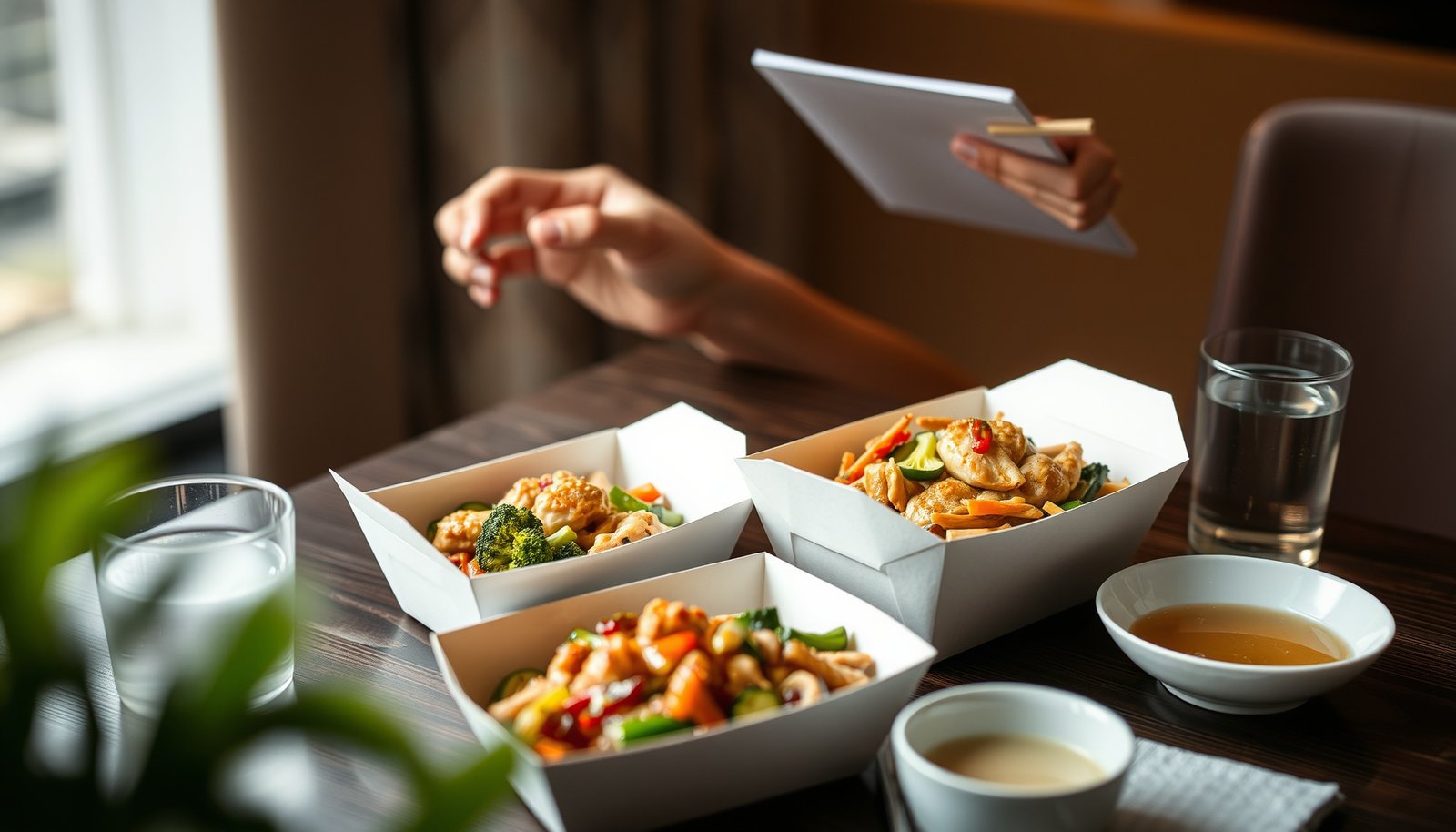

Looking for the best Chinese takeout for diabetics? Under typical “diabetes-friendly” limits—low added sugar, smart carb control, and sauce-on-the-side ordering—this guide names the single best go-to order and tells you exactly what to request. You’ll learn which menu staples to prioritize, what to avoid, and how to order so your meal stays steady on blood sugar.



The best Chinese takeout for diabetics is built around protein + non-starchy veggies with minimal sweet sauce and a controlled rice/noodle portion. If you skip the sweet sauces and plan carbs based on what you actually eat, you can make most standard takeout orders feel far more predictable for blood sugar—especially when restaurant nutrition isn’t listed.
Skip the sweet sauces and focus on protein + non-starchy veggies (steamed or stir-fried without sugary glaze). When you order, ask for sauce on the side, choose smaller portions of rice/noodles, and plan your carbs using what you actually eat. This guide shows what to pick, what to avoid, and the exact requests that usually make Chinese takeout easier to fit into a diabetes meal plan.
If you have diabetes (type 1, type 2, or gestational) and want takeout that’s steadier for blood sugar, this is for you—especially when the menu doesn’t list nutrition. It’s also useful if you take insulin or other glucose-lowering meds and need a practical way to estimate and control carbs.
Order like this (fast script that works)
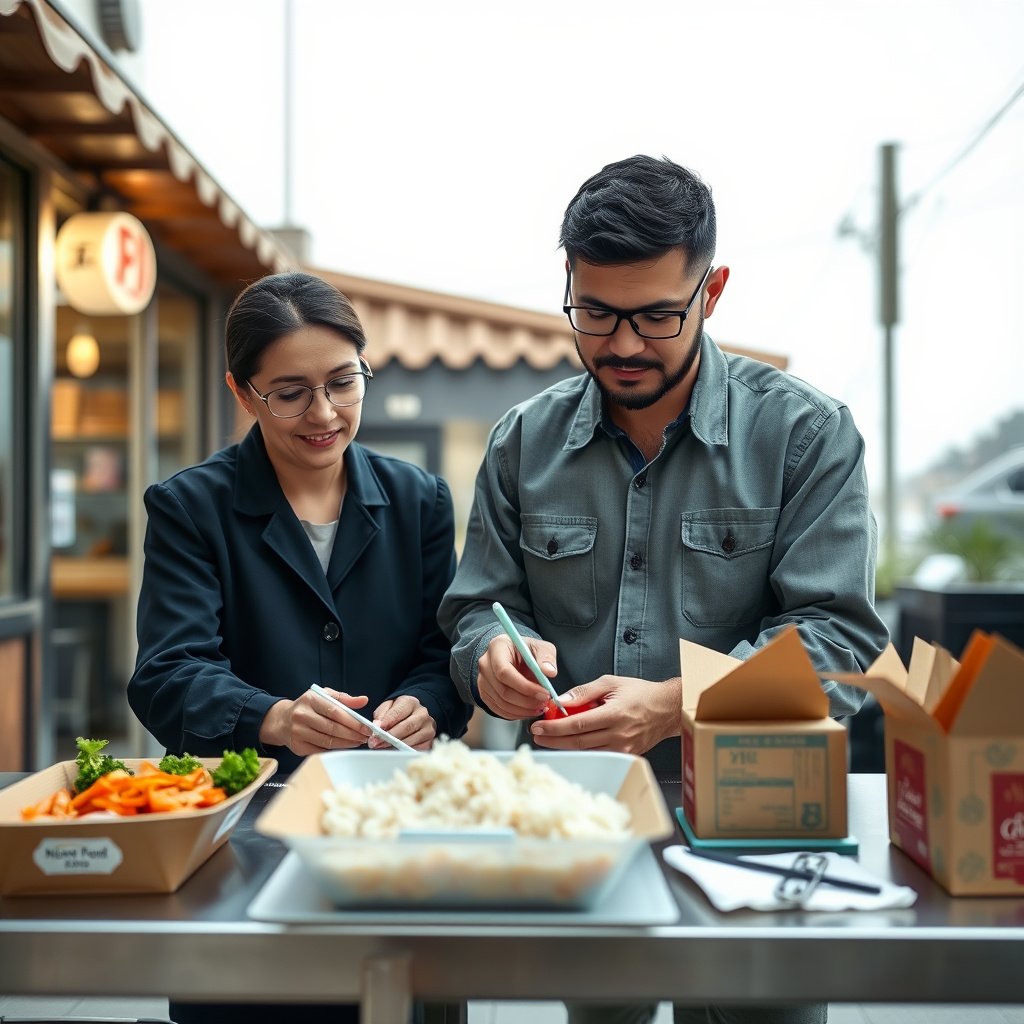
Order diabetes-friendly Chinese takeout by defaulting to “sauce on the side” and choosing a protein-first entrée—then controlling carbs at the end. This approach prevents the two biggest takeout variables (hidden sweeteners and portion drift) from doing the work you don’t want.
“Sauce on the side” helps you control how much added sugar and starch reaches your plate, rather than having it pre-mixed into the dish.
Carbohydrate counting works best when you measure what you actually eat (especially rice/noodles), not what was listed on the menu. American Diabetes Association (ADA), Standards of Care in Diabetes
– Ask for “no sugar added” or “not glazed” sauces when possible, and sauce on the side by default.
– Request steamed or stir-fried with minimal sauce (and specify less oil if that’s an option).
– Choose an entree first, then decide your rice/noodle portion last so carbs don’t sneak up.
What this looks like in real ordering language (use this verbatim):
– “Can you make it not glazed and send sauce on the side?”
– “Please steam the broccoli/bok choy, or stir-fry with minimal sauce.”
– “I’m doing less rice/noodles—I’ll add what I want after.”
Why this matters for diabetes meal planning:
Most “diabetes risk” from Chinese takeout isn’t the protein—it’s the sugar in sauces and the carb volume in rice/noodles, both of which can change from one restaurant to the next. Even if two meals look similar, the sauce amount can alter your effective carbs and your post-meal glucose response.
A couple of anchor points for how to think about carb load:
– According to USDA FoodData Central (accessed 2026), cooked white rice provides about 44.5 g carbohydrate per 1 cup.
– According to U.S. Food and Drug Administration (FDA) (2016 nutrition labeling basis), carbohydrate provides 4 calories per gram, which is why “small” carb portions can still add up quickly.
Best Chinese takeout picks for diabetics
The best Chinese takeout picks for diabetics are protein-forward entrées paired with non-starchy vegetables, prepared steamed or dry-stir-fried/light sauce. This combination gives you volume and micronutrients without relying on sweet glaze to carry flavor.
Protein plus non-starchy vegetables tends to keep meals more filling while avoiding the “carb-heavy” pattern of noodle-forward or breaded dishes.
Choosing dishes described as **steamed**, **dry stir-fry**, or **light sauce** usually signals less added sugar than “glazed” or candy-like sauce styles.
– Look for chicken, beef, shrimp, or tofu dishes paired with broccoli, bok choy, mushrooms, or mixed vegetables.
– Prefer meals described as steamed, dry stir-fry, or light sauce (wording varies by restaurant).
– If you want “classic” options, aim for garlic/ginger/pepper flavors rather than sauces that sound sweet (orange, honey, sweet-and-sour, teriyaki-style).
Quick comparison: what to order vs what to skip
Below is a practical “menu scan” view you can use when you’re deciding fast (especially when you’re ordering by phone).
| Feature | Better Pick (diabetes-friendly Chinese takeout) | Higher-risk Pick |
|---|---|---|
| Primary carb source | Controlled rice/noodles portion | Rice/noodles as the centerpiece |
| Vegetables | Non-starchy: broccoli, bok choy, mushrooms, mixed veg | More starchy sides (extra noodles/rice, thickened veggie mixes) |
| Sauce style | Light sauce, steamed, “dry” stir-fry | Glazed, sweet-and-sour, orange/honey/teriyaki |
| Sweetness signal | Garlic/ginger/pepper-forward | Candy-like, syrupy, overly glossy |
| Coating/frying | Minimal breading; prioritize grilled/steamed | Breaded or crispy “crunch” entrees |
| Portion control | You choose rice/noodles at the end | Combo meals bundle carbs automatically |
| Ordering flexibility | Easy to request “sauce on the side” | Harder to customize (pre-glazed, mixed sauces) |
| Likely added sugar | Lower (no glaze; sauce controlled) | Higher (sweet sauces common) |
| How you estimate carbs | Carbs mainly come from rice/noodles | Carbs hidden in sauce + sides + coatings |
| Overall meal pattern | Plate tends to be protein + veggies first | Plate tends to be starch-and-sauce first |
| Best For | A steadier glucose response with predictable carb counting | |
A note on tofu and seafood
Tofu can work very well, but the “best” version is the one prepared without sweet glaze (for example, tofu with steamed vegetables and sauce on the side). Shrimp dishes are often carb-lighter than noodle-heavy combos—yet you still want to watch for sweetened sauces.
Rice & noodles: how to keep carbs under control
You control the blood-sugar impact of Chinese takeout mostly by setting your rice/noodle portion before you eat, not by hoping the entrée “balances it out.” If you keep the rest of the plate protein + non-starchy veggies, smaller carb portions usually behave more predictably.
According to USDA FoodData Central (accessed 2026), cooked white rice averages about 44.5 g carbohydrate per 1 cup, so portion size can quickly double or halve your meal carbs.
ADA meal-planning guidance emphasizes matching carbohydrate intake to glucose-lowering medications using individualized carb counting or meal planning methods. American Diabetes Association (ADA), Standards of Care in Diabetes
– If you eat rice/noodles, use a smaller portion and let the rest of the plate be veggies + protein.
– If brown rice or lo-mein style options exist, don’t assume they’re automatically “safe”—the portion size and sauce matter more than the label.
– Consider requesting extra vegetables and saving remaining carbs for later (or splitting the meal) to avoid a large glucose spike.
A practical portion mindset (no nutrition label required)
When menus lack nutrition, you can still estimate. Here’s a simple reference table built from USDA carbohydrate values for cooked rice, then scaled by portion size.
Estimated Carbohydrate Load for Cooked Rice Portions (USDA)
| # | Rice option | Carbs (g) | Portion (cups) | Diabetes-friendly score |
|---|---|---|---|---|
| 1 | Cooked white rice | 11.1 | 0.25 | ★★★★☆ |
| 2 | Cooked white rice | 22.3 | 0.50 | ★★★☆☆ |
| 3 | Cooked white rice | 33.4 | 0.75 | ★★☆☆☆ |
| 4 | Cooked white rice | 44.5 | 1.00 | ★☆☆☆☆ |
| 5 | Cooked brown rice | 11.5 | 0.25 | ★★★★☆ |
| 6 | Cooked brown rice | 22.9 | 0.50 | ★★★☆☆ |
| 7 | Cooked brown rice | 45.8 | 1.00 | ★☆☆☆☆ |
How to use it: for diabetes-friendly Chinese takeout, think “How many *cups* did I actually eat?” If you only eat 1/2 cup of rice, you’re usually dealing with roughly half the carbs of a full restaurant bowl.
> Note: Actual restaurant portions and sauce ingredients vary. Use this as an estimating tool, then refine with your meter/CGM patterns over time.
Sauces and add-ons: where sugar and starch hide
You reduce sugar spikes from Chinese takeout by avoiding sweet-glaze sauce styles and watching for thickened sauces, crispy coatings, and fried sides. In many orders, the entrée is “fine,” but the sauce and add-ons quietly raise both carbs and post-meal glucose impact.
Sauces described as orange, sweet-and-sour, honey, teriyaki-style, or “glazed” are more likely to contain added sugar than garlic/ginger/pepper-forward flavor profiles.
Thick, glossy sauces often use starch-based thickening (commonly cornstarch), which can add carbohydrate load beyond what you’d expect from the label.
– Sweet sauces are the biggest red flag: orange/sweet-and-sour, honey, teriyaki, hoisin-heavy glaze, “general” sauces that taste candy-like.
– Watch for thickened sauces (often starch-based) and crispy coatings (can add extra carbs and raise the “effect” even if protein looks like the main item).
– Add-ons like egg rolls, fried wontons, and sweet dessert drinks can quickly make the meal carb-heavy—plan those separately or skip.
Pros/cons snapshot (so you can decide fast)
| Option | Pros for diabetes | Cons / common failure points |
|---|---|---|
| Sauce on the side | You control how much hits your food | You still have to estimate how much you add |
| Steamed vegetables + protein | Typically lower carb density than noodle-forward dishes | Some “steamed” items come with a sauce—ask first |
| Fried wontons/egg rolls | Often easy to skip or portion | Frying + wrappers add carbs that stack fast |
| Sweet drinks | Tastes great, portion might be smaller | Liquid sugar can spike faster and is easy to overdrink |
Customization requests to make every time
You make Chinese takeout diabetes-friendly by using consistent customization phrases—“sauce on the side,” “no glaze,” “less sauce,” and “extra veggies.” These requests reduce variability, which is the difference between “I can guess carbs” and “I’m surprised every time.”
Carb counting guidance from the ADA emphasizes estimating based on foods and portions you actually consume, which makes customization (and consistency) particularly valuable. American Diabetes Association (ADA), Standards of Care in Diabetes
If a dish is prepared with thickened glaze, asking for thinner sauce can reduce both sweetness and carbohydrate density.
– Ask for: “sauce on the side,” “less sauce,” “no glaze,” and “extra veggies, light noodles/rice.”
– If cornstarch-thickening is noticeable, request thinner sauce or skip thickening (availability varies—use the restaurant’s language).
– For sodium (often high in takeout), ask for lighter seasoning or less soy-based sauce, especially if you also manage blood pressure.
Practical language that gets results
When you call or use the online order notes, you can paste a short block like this:
– “Please make it not glazed.”
– “Sauce on the side; less sauce.”
– “Cook with minimal oil if possible.”
– “Add extra broccoli/bok choy; reduce rice/noodles portion.”
This is especially important “as of 2026,” because many restaurants still don’t post full nutrition for every sauce variation, so your best tool is standardizing what gets delivered.
Also, sodium deserves attention because it can affect overall health beyond glucose. For context:
– According to U.S. FDA (2016), the Daily Value (DV) for sodium is 2,300 mg on the Nutrition Facts label—takeout can exceed that in a single meal.
What can go wrong (and why some meals backfire)
Diabetes-friendly Chinese takeout can still backfire when sugar is hidden in sauce, fried sides add unexpected carbs, or your combo meal bundles rice/noodles for you. The pattern is usually the same: the meal looks “mostly protein,” but carbs creep in through sauce, coatings, and portion drift.
Even savory entrées can include sugar in cooking sauces; if you don’t control the sauce amount, your carb estimate can be off.
Combo meals often include rice/noodles by default, making it easy to eat more carbohydrate than you planned—even when the entrée is protein-based.
– Hidden carbs: even “savory” dishes can contain sugar in the sauce, and fried items add carbs beyond the obvious rice/noodles.
– Portion drift: combo meals often bundle rice/noodles + sides, making it easy to eat more carbs than you planned.
– Medication mismatch: if you adjust insulin or meds based on carbs, guessing wrong can cause highs (or lows if you’re over-correcting). When in doubt, follow your clinician’s guidance.
The “meds” edge case you should not guess on
If you use insulin (rapid-acting for meals, basal for background coverage) or other glucose-lowering medications, carb estimation errors can matter more than taste. ADA guidance supports using individualized meal planning and carb-counting practices that align with your treatment plan. American Diabetes Association (ADA), Standards of Care in Diabetes
If you don’t have a clear dosing plan for restaurant portions, the safest approach is conservative portions, consistent ordering, and close monitoring (meter/CGM), then adjust with your clinician rather than improvising.
Verdict / tip (honest recommendation)
The best “diabetes-friendly” Chinese takeout is usually the same strategy every time: protein + non-starchy veggies, minimal sweet sauce, sauce on the side, and a controlled rice/noodle portion. The trade-off is real: you’ll miss some classic favorites—especially anything clearly sweet or heavily glazed—and you’ll need to be comfortable customizing.
A consistent ordering pattern—protein + non-starchy vegetables plus minimal sweet sauce—is the most reliable way to make Chinese takeout easier to fit into a diabetes meal plan. American Diabetes Association (ADA), Standards of Care in Diabetes
When nutrition labels are missing, estimating carbs from your actual rice/noodle portion (rather than the whole dish) improves predictability for blood sugar.
The downside is that you may miss some restaurant favorites (especially anything clearly sweet or heavily glazed), and you’ll need to be comfortable requesting customizations.
Skip this approach (or talk to your care team first) if you have a strict sodium restriction, advanced kidney disease, or you can’t reliably estimate carbs or match them to your medication plan.
To make the verdict practical, compare your likely outcome with this “pattern match” table:
| Criteria | If you follow this guide | If you don’t customize |
|---|---|---|
| Sweet sauce exposure | Reduced by “no glaze” + sauce on side | Higher (glaze coats food) |
| Carb predictability | Improves because rice/noodles are portioned last | Often unpredictable in combos |
| Meal structure | Protein + non-starchy veggies first | Starch-first pattern more common |
| Hidden starch risk | Lower if coatings/frying are minimized | Higher with fried add-ons |
| Consistency across orders | Better because customization is repeated | Changes from order to order |
| Sodium variability | You can request lighter seasoning | Typically higher sodium without requests |
| Likelihood of over-eating carbs | Reduced with smaller rice/noodle portions | Increased from bundle meals and automatic sides |
| Carb-to-med match | More aligned with carb counting plans | More mismatches if you guess |
| Effort required | Moderate (a few consistent phrases) | Less effort, but higher likelihood of glucose surprises |
| Glucose stability potential | Higher chance of steadier post-meal trends | Higher chance of spikes |
| Verdict | Use the protein + non-starchy veggies + sauce-on-the-side + smaller rice/noodles pattern for the most reliable results. | |
Quick checklist to scan before you order
Use this as a last-second screen before you place the order—especially in 2026 when menus may still omit complete nutrition details.
– [ ] Entree is protein + veggies (broccoli, bok choy, mushrooms, mixed vegetables)
– [ ] Sauce on the side / request light sauce / avoid “glazed” descriptions
– [ ] Rice/noodles reduced (smaller portion or shared meal)
– [ ] Skip or limit fried sides (egg rolls, wontons) and sweet drinks
– [ ] Ask about sweeteners if a sauce sounds “orange/honey/teriyaki/sweet-and-sour”
Sources
– American Diabetes Association (ADA). Standards of Care in Diabetes; guidance on carbohydrate counting/meal planning principles.
– USDA. USDA FoodData Central (baseline carbohydrate references for ingredient/portion estimation).
– U.S. Food and Drug Administration (FDA). Nutrition Labeling guidance for carbohydrate calorie conversion and label-based sodium context.
If you want the simplest next step: pick a dish that’s already built around protein + vegetables, order sauce on the side, and control the rice/noodles portion before you add any extras. Then watch your meter/CGM patterns and tighten your portions for steadier glucose over time—without giving up Chinese takeout completely.
Frequently Asked Questions
What Chinese takeout options are best for diabetics?
Look for dishes built around non-starchy vegetables and lean protein, such as steamed chicken with broccoli, beef and mixed vegetables, or shrimp with vegetables. Choose sauces that are “light” or served on the side, because sweetened glazes and thickened gravies can quickly raise blood sugar. Ask your takeout spot if they can prepare stir-fries with minimal sugar and starch to keep Chinese takeout diabetic-friendly.
How can I order Chinese takeout without spiking my blood sugar?
Request steamed rice in a smaller portion (or substitute cauliflower rice if available), and add extra non-starchy vegetables to your plate. Skip or limit sauces like General Tso’s, sweet and sour, and teriyaki, and instead choose dishes described as “garlic sauce,” “black pepper,” “chopped pepper,” or “brown sauce” with sauce on the side. Pair your meal with a protein-forward option (chicken, tofu, shrimp) to help blunt glucose spikes.
Which Chinese food dishes should diabetics avoid when ordering takeout?
Avoid breaded or battered items such as sweet-and-sour pork, egg rolls, crab rangoon, and most general-style crispy entrees, since refined carbs can raise blood sugar. Be cautious with rice noodles, lo mein, fried rice, and thick-sauced noodle dishes because they often contain hidden sugar and starch. Also limit “sticky” or syrupy sauces, which are common in Chinese takeout and can be high in carbohydrates.
Why do some Chinese takeout meals raise blood sugar more than others for diabetics?
Many Chinese restaurant dishes include added sugar, cornstarch thickening, and refined flour in batters, all of which increase carbohydrate load. Portions of rice, noodles, and sauce often vary widely, so two “similar” meals can have very different net carbs. Even when the main ingredient is protein, the sauce and starch components can be the biggest drivers of blood glucose spikes in Chinese takeout for diabetics.
Best way to customize the healthiest Chinese takeout meal for diabetics—what should I ask for?
Ask for “no added sugar” or “light sauce,” and request sauces served separately so you can control how much you consume. Choose stir-fried dishes with extra vegetables, request sauces made with garlic/ginger/pepper rather than sweet glazes, and ask whether the chef can reduce or omit cornstarch thickener. If rice is included, ask for a half portion or substitution, and consider ordering steamed vegetables and protein to make Chinese takeout diabetic-friendly while still tasting great.
📅 Last Updated: October 24, 2026 | Topic: best chinese takeout for diabetics | Content verified for accuracy and freshness.
References
- https://www.cdc.gov/diabetes/managing/eat-well/index.html
- https://www.niddk.nih.gov/health-information/diabetes/overview/eating-healthy-diabetes
- Diabetes management: How lifestyle, daily routine affect blood sugar – Mayo Clinic
- Diabetes
- Glycemic index
- Carbohydrate counting
- https://pubmed.ncbi.nlm.nih.gov/?term=glycemic+index+low+glycemic+index+diets+type+2+diabetes
- https://scholar.google.com/scholar?q=chinese+takeout+diabetes+order+low+sugar+options Google Scholar
- https://scholar.google.com/scholar?q=chinese+food+glycemic+index+rice+noodles+diabetes Google Scholar
- https://scholar.google.com/scholar?q=takeout+restaurant+meals+type+2+diabetes+carbohydrate+counting Google Scholar