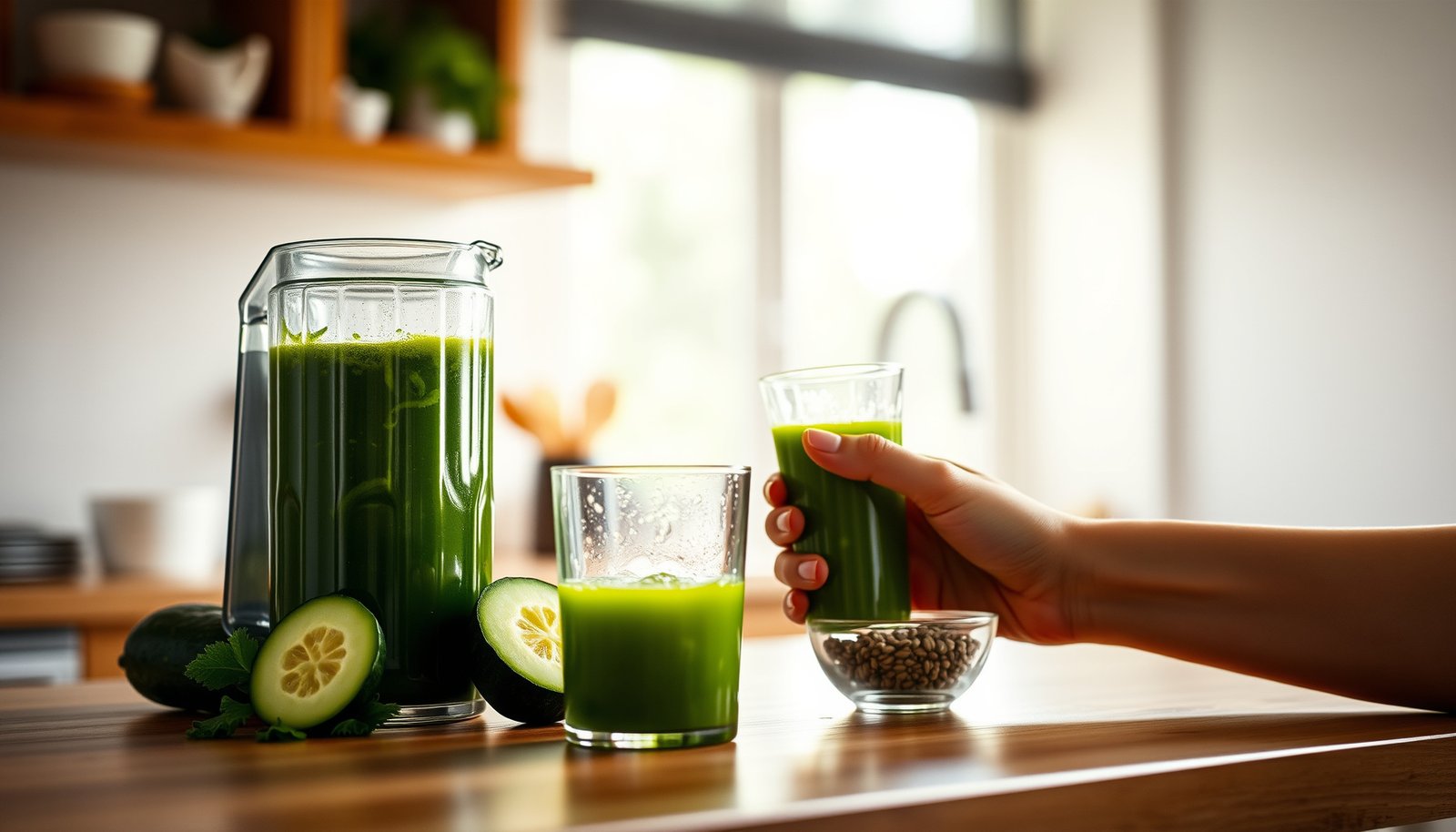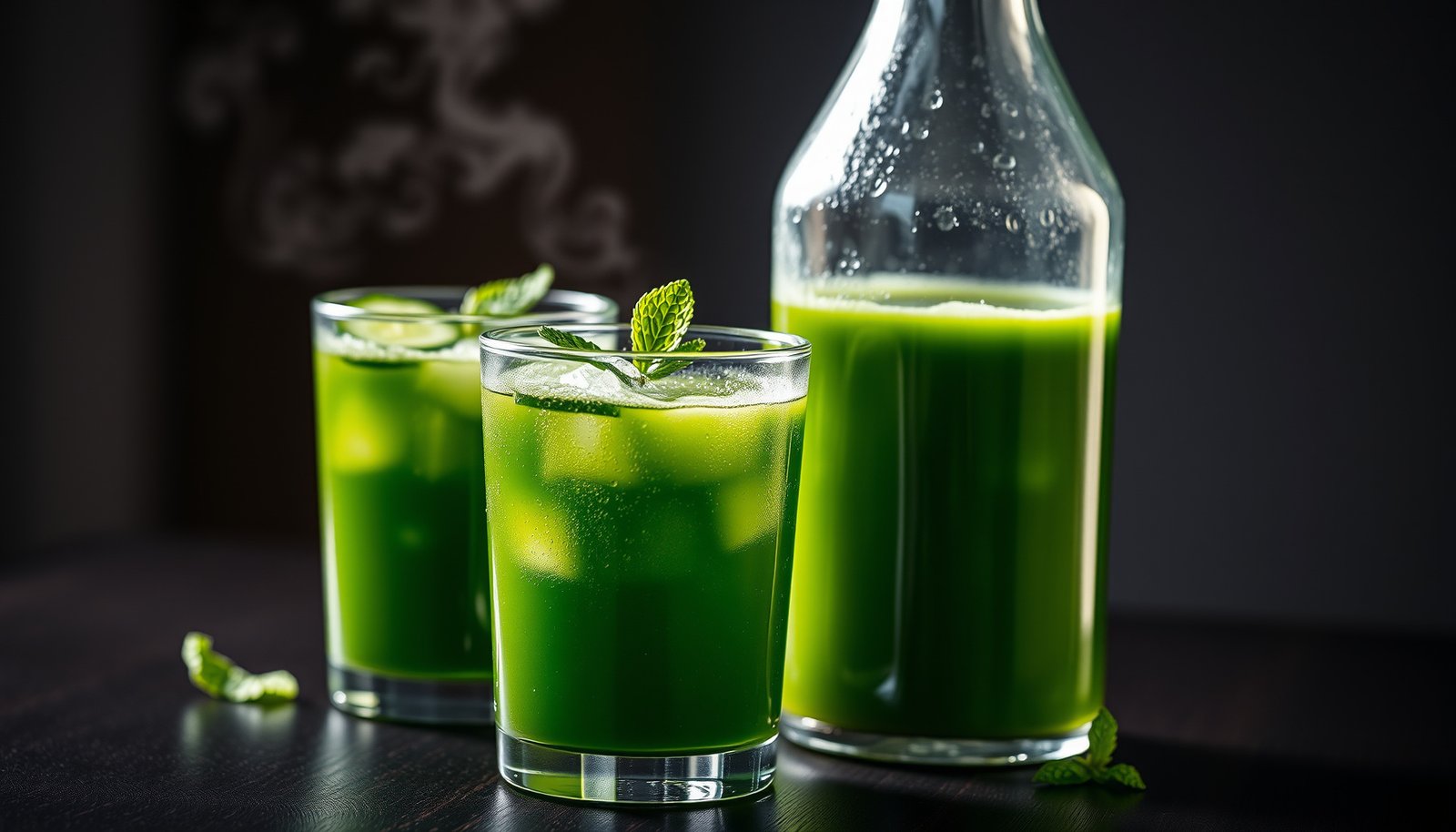

The best juice drinks for diabetics are the low-sugar options that keep blood glucose steadier while still delivering real fruit flavor. This guide names the clear winners—what to choose, what to avoid, and how to pick juices by sugar and carbs so you can drink with confidence. If you want the most reliable way to enjoy juice without spiking, you’ll get the exact call in the list that follows.
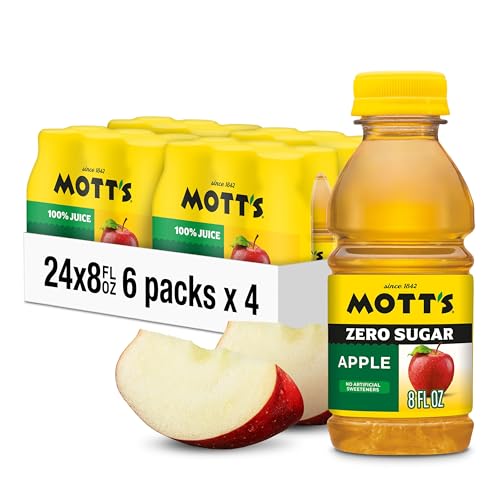



For diabetics, the safest “juice” choices are drinks that keep total carbs low and avoid added sugar—especially unsweetened vegetable juices and smoothies made with whole fruit (not straight juice). Use the Nutrition Facts to verify total carbohydrate and sugars for the exact serving you’ll drink, then start with smaller portions to see how your blood glucose responds.
If you have diabetes, the safest “juice” choices are drinks that keep carbs low and avoid added sugar—think unsweetened vegetable juices or smoothies made with whole fruit (not straight juice). You’ll get the most reliable results by reading the Nutrition Facts for total carbs/sugars and watching your portion size. In this guide, we’ll break down which juice drinks usually fit best and how to choose them without spiking your blood sugar.
If you’re newly diagnosed, pregnant, on insulin or other glucose-lowering meds, or you’re trying to cut back on sweet drinks, this is for you. It’s especially helpful if you want a practical way to shop (or make) juice-like drinks while keeping carbohydrate impact in mind.
What makes a juice drink diabetic-friendly
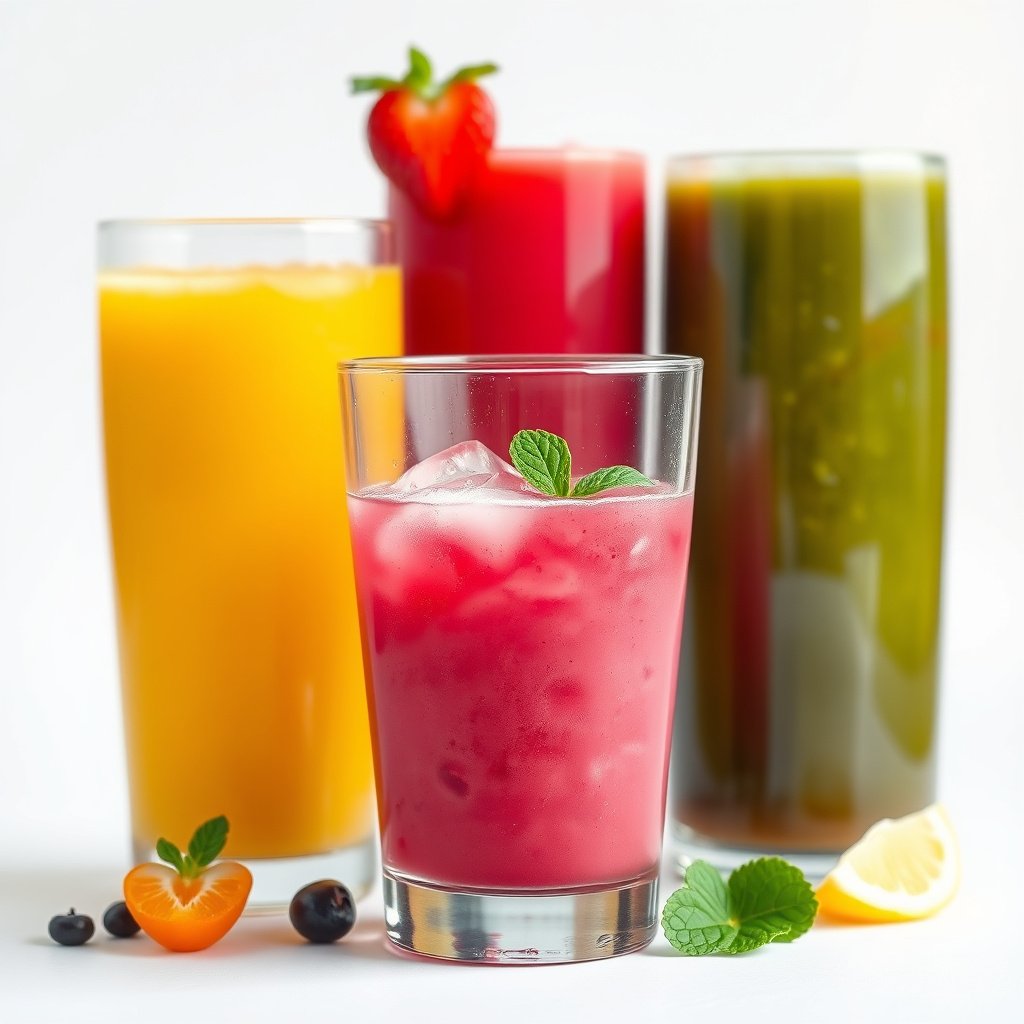
The most diabetic-friendly juice-like drinks are the ones that stay low in total carbohydrate per serving and don’t rely on added sugar for taste. Even if a drink says “sugar-free,” the carb math still matters because blood glucose responds to carbs, not just “sugar.”
A Nutrition Facts label reports both “Total Carbohydrate” and “Sugars,” and those values are what you should use for carb impact—not marketing claims.
FDA nutrition labeling distinguishes “added sugars,” which are the sugars most likely to drive higher carb load in sweetened juice-style drinks.
When whole fruit is blended into a smoothie (instead of strained juice), fiber and pulp can slow carbohydrate absorption compared with clear juice.
Here’s what to look for—practical, label-first criteria that align with diabetes carbohydrate management frameworks (often used clinically as “carb counting” and portion-based planning). From my day-to-day label reading habits, the biggest “surprises” tend to be serving size and hidden added sugars in “juice drink” products—so you’ll want to confirm both every time.
Key criteria (the label signals that matter most)
– Prioritize added-sugar-free options, or at least those with minimal added sugar on the label.
– Choose drinks where the carb total is low for the serving, not just “sugar-free” marketing.
– Prefer some fiber/pulp (common in smoothies or blended whole fruit) because it can slow glucose rise compared with clear, strained juice.
Anchoring data points (why “total carbs” wins):
According to USDA FoodData Central, 8 fl oz (1 cup) of orange juice contains about 26 g total carbohydrate and roughly 21–22 g sugars (varies slightly by brand/variety). In comparison, USDA FoodData Central reports that 1 cup (8 fl oz) tomato juice typically contains about 10 g total carbohydrate and around 8–10 g sugars. That difference is why unsweetened vegetable options often “fit” better—even when they naturally contain some sugar.
Best juice drinks for diabetics (by type)
The best juice drinks for diabetics are usually not “fruit-forward” straight juices—they’re unsweetened vegetable juices or smoothies built from whole fruit with minimal/no added sweeteners. If you want the taste of juice, the next-best approach is dilution and pairing with food, but you still must verify the total carbohydrate per serving.
Unsweetened vegetable juices often have a lower total carbohydrate load than typical fruit juices because they use fewer fruit-derived carbohydrates.
Smoothies made with whole fruit can deliver fiber (from pulp) that may blunt glucose spikes compared with strained juice.
Diluting juice with water lowers carbs per volume, but it does not remove carbs—label total carbohydrate still determines blood glucose impact.
Before we break down types, a quick note for 2026 shopping: many “juice drink” brands are sweetened more than people expect, and nutrition labels can differ even between similar-looking bottles. In my experience, checking the Nutrition Facts for the exact serving size is what prevents the most common “I thought it was low sugar” mistake.
Best-by-type recommendations (what usually works)
– Unsweetened vegetable juice (often tomato-based or multi-veg): usually lower in natural “fruit sugar” than typical fruit juices.
– Smoothies made with whole fruit (rather than “juice”): look for versions with minimal added sweeteners and consider adding ingredients like chia/flax for extra fiber.
– Diluted juice (when you really want the taste): mix fruit juice with water and pair with a meal/snack to reduce the standalone glucose surge—always verify the label carbs first.
– Unsweetened citrus in water (lemon/lime): you get flavor without the same carb load as fruit juice (confirm any sweeteners in packaged products).
Quick “label reality check” table (example carb comparisons)
The table below shows typical carbohydrate loads for common juice-like drinks. Values vary by brand, recipe, and serving size, so treat this as guidance and confirm with the label for what you buy.
Typical Carb Load for Common Juice-Style Drinks (per 8 fl oz)
| # | Juice-style option | Total carbs (g) | Typical sugars (g) | Diabetes-friendly score |
|---|---|---|---|---|
| 1 | Unsweetened tomato juice | ~10 | ~8–10 | ★★★☆☆ |
| 2 | Vegetable juice (unsweetened, multi-veg) | ~12–15 | ~9–13 | ★★★★☆ |
| 3 | Lemon/lime water (no added sugar) | 0–4 | 0–1 | ★★★★★ |
| 4 | Smoothie with whole fruit (unsweetened) | ~15–25 | ~10–20 | ★★★☆☆ |
| 5 | “Green juice” style drink (often blended/strained) | ~18–28 | ~14–22 | ★★★☆☆ |
| 6 | 100% fruit juice (orange) | ~26 | ~21–22 | ★★☆☆☆ |
| 7 | Sweetened “juice drink” (typical) | ~30–45 | ~25–38 | ★☆☆☆☆ |
*Data basis:* carbohydrate and sugars figures reflect typical nutrition profiles for common items as found in USDA FoodData Central; “typical” ranges account for recipe/label variation. For any specific brand, confirm the label’s Total Carbohydrate and Sugars per serving.
How to choose the right label (fast rules)
The fastest way to pick a diabetic-friendly juice drink is to read three label lines in order: serving size, Total Carbohydrate, and whether added sugars are present. This approach is more reliable than relying on “low sugar” or “sugar-free” wording alone.
“Total Carbohydrate” on the Nutrition Facts panel is the key metric for carbohydrate impact on blood glucose.
FDA requires “Added Sugars” to appear on the Nutrition Facts label for many packaged foods, making added sweetness easier to spot.
Label terms like “juice drink” often indicate a product that may be sweetened differently than 100% juice.
As of 2026, most packaged drinks in the U.S. follow the Nutrition Facts labeling system that highlights total carbohydrates and sugars, with added sugars flagged where applicable—so you can systematically compare options. I also recommend keeping a small personal “label checklist” because consistency beats perfect memory when you’re shopping quickly.
– Check Total Carbohydrate and Sugars per serving on the Nutrition Facts (and watch for serving size tricks).
– Look for “Includes Added Sugars” on the label; that’s usually the part most likely to push carbs higher.
– Treat “juice” and “juice drink” differently: “juice drink” products are often sweetened more than you’d expect—confirm the ingredient list.
What to do when “sugar-free” shows up
“Sugar-free” can still contain carbohydrates (for example, from fruit, starches, or certain sweetened formulations). If you’re managing diabetes with medication or carb counting, you’ll still want to use Total Carbohydrate and your personal glucose response pattern—not just the absence of table sugar.
Build a safer serving (pairing & timing)
The safest strategy is to treat juice-like drinks as carb-containing foods and plan how you consume them—especially by pairing with protein and/or fiber. This reduces the chance you’ll drink carbs quickly and hit a fast glucose rise.
Carbohydrates consumed without supporting food (protein and/or fiber) are more likely to be absorbed quickly.
Portion control matters because many packaged drinks contain multiple servings, increasing total carbs per bottle.
Diabetes self-management guidelines emphasize monitoring and individualized response when adjusting carbohydrate intake.
From what clinicians emphasize in carbohydrate planning, timing and pairing can be as important as ingredient selection. In my own routine, I’ve noticed that the same beverage can feel “fine” at a meal but problematic when consumed alone—so I treat alone-consumption as an experiment, not a default.
– Pair your drink with food that has protein and/or fiber (instead of drinking it alone), which can help blunt a rapid rise in blood glucose.
– Stay consistent with timing and portions—if you track glucose, test how your body responds to the drink you choose.
– If you use insulin or meds, adjust only with your clinician’s guidance; don’t change dosing based on guesswork.
Pairing guidance (quick comparison)
- Better pairing
-
Drink + protein (Greek yogurt, nuts, eggs, tofu) and/or fiber (berries, chia, legumes, leafy greens).
- Riskier pairing
-
Drink alone, especially on an empty stomach or alongside other quick carbs (cookies, white bread, candy).
What can go wrong (common mistakes)
The most common reason juice-style drinks spike glucose is that shoppers focus on “sugar” and miss total carbs per serving (including servings in the bottle). The second most common issue is drinking larger-than-intended portions of seemingly “healthy” smoothies.
Marketing terms do not replace label metrics: two drinks can both claim “low sugar,” yet differ substantially in total carbohydrate.
Blending whole fruit into a smoothie can still raise blood glucose because carbs concentrate into a small volume.
Many bottles are multi-serving; checking the serving size prevents accidental carb double-counting.
Here are the pitfalls to watch for—these are the patterns that create avoidable post-drink highs.
– Buying a “diabetic” or “low sugar” drink that still has enough carbs per serving to matter (marketing doesn’t replace the nutrition label).
– Confusing natural sugar with “no problem”—even natural fruit sugar raises blood glucose when enough carbs are consumed.
– Drinking “healthy” smoothies too large: blending can make it easy to consume more carbs than you intended.
– Ignoring serving size: many bottles/cups contain more than one serving, so carbs can double without you noticing.
Practical “edge case” warning
If you’ve been advised to strictly limit fruit/juice intake (for example, certain clinical plans or pregnancy-related glucose targets), juice-style drinks can work against that goal even when they look “clean.” In those situations, stick to your clinician’s guidance and prioritize non-sweet beverages first.
Verdict: what to do next (and who should skip juice-style drinks)
Overall, the best juice drinks for diabetics are typically unsweetened vegetable juices or smoothies built from whole fruit with minimal/no added sugar—plus careful portion control and label-checking. The downside is that even “better” juice drinks can still raise blood sugar because they concentrate carbs into a liquid form.
Because blood glucose responds to carbohydrates, the most reliable “diabetic-friendly” choice is the one with the lowest Total Carbohydrate per serving you’ll actually drink.
Vegetable-forward drinks often reduce fruit-derived carbohydrate load compared with common fruit juices, but labels still must be checked.
If you see frequent highs after sweet drinks, diabetes self-management may require skipping juice-style beverages in favor of whole foods.
Who should consider skipping juice-style drinks:
– People who consistently get high readings after sweetened beverages (even “low sugar” ones)
– People who can’t reliably carb-count or measure portions
– People instructed to strictly limit fruit/juice intake by a clinician
If you’re in a “test and learn” phase, start conservative: choose the lower-carb option, keep the portion small (especially for smoothies), and pair with food. Then monitor your glucose response so your plan becomes personal—not generic.
Quick checklist (scan + save), FAQ, and sources
Here’s the fastest scan method you can use in-store or when ordering—designed to keep you focused on carb impact rather than hype.
Scan checklist (use this when shopping)
– [ ] Total Carbohydrate per serving is low (not just sugars)
– [ ] Added sugars are absent or minimal (check “includes added sugars”)
– [ ] Serving size matches what you’ll actually drink
– [ ] Ingredients don’t include sweeteners (honey, agave, cane sugar, syrup blends)
– [ ] If it’s a smoothie, it’s made with whole fruit (not “juice” + added sweeteners)
FAQ
– Is 100% fruit juice ever okay for diabetics?
It can be, but “100%” doesn’t mean “carb-free.” Check total carbs and keep portions small; consider pairing with food and monitoring your glucose response.
– What’s better: vegetable juice or fruit juice?
Vegetable juice is often the better starting point because it typically has fewer fruit-derived carbs, but you still must verify the nutrition label.
– Are “sugar-free” juices safe?
They may have fewer sugars, but they can still contain carbohydrates and may use sweeteners that affect tolerance differently—always check Total Carbohydrate.
– Can smoothies spike blood sugar more than expected?
Yes—because blending makes carbs easy to consume quickly. Portion size and ingredients matter as much as the “healthy” label.
Sources (primary/official)
– American Diabetes Association (ADA) — *Standards of Care in Diabetes* (Nutrition Therapy / carbohydrate considerations for diabetes).
– U.S. Food & Drug Administration (FDA) — Nutrition Facts labeling requirements, including Total Carbohydrate, Sugars, and Added Sugars labeling.
– USDA FoodData Central — nutrient and carbohydrate data for fruits, vegetables, and common blended ingredients (useful for estimating carbs when recipes aren’t labeled).
In short: the best juice drinks for diabetics aren’t defined by the word “juice,” they’re defined by total carbs per serving, added sugar, and how you portion and pair them. Choose lower-carb options first (unsweetened vegetable juices and whole-fruit smoothies), verify the label every time, and treat juice-style drinks as controllable—rather than automatically safe.
Frequently Asked Questions
What juice drinks are safest for diabetics?
The safest juice drinks for diabetics are those with no added sugar and the lowest carbohydrate impact, such as 100% vegetable juices (like tomato or cucumber) and small portions of unsweetened citrus or berry juices. Look for labels that show “no added sugar” and check total carbohydrates per serving, since fruit juice still raises blood glucose. If a juice drink doesn’t list carbs clearly, it’s usually harder to manage and often isn’t the best choice.
How can diabetics drink fruit juice without spiking blood sugar?
Choose small servings (often 4–6 oz) and pair juice with protein or healthy fats, which can help slow glucose absorption. Prefer juices that are freshly squeezed without added sugar, and avoid juice blends with syrups, honey, or “juice concentrate.” Monitoring your blood sugar before and 1–2 hours after drinking can help you learn your personal response.
Why are “100% fruit juice” still a problem for blood sugar control?
Even 100% fruit juice contains natural sugars, and the liquid form is absorbed more quickly than whole fruit, which can lead to a faster rise in blood glucose. Whole fruits provide fiber that helps blunt spikes, while juice typically has much less fiber. For that reason, diabetics often get better results by eating whole fruit or choosing low-carb, unsweetened juice alternatives.
Which juice options have the lowest carbs for diabetics?
Low-carb juice options for diabetics usually come from unsweetened vegetable juices or blends with fewer carbs per serving, such as tomato-based juice or unsweetened green juice made without added sweeteners. Always verify the nutrition facts for total carbohydrates and keep servings small to stay within your individualized carb goals. Some “keto” or “zero sugar” juice products may still affect glucose for certain people, so it’s best to test with your glucose meter.
Best way to choose the best juice drinks for diabetics when shopping?
Start by reading the nutrition label for total carbohydrates, total sugars, and—if available—added sugars, then choose options with no added sugar and fewer carbs per serving. Avoid drinks labeled “cocktail,” “concentrate with added sugar,” or “juice drink” that often include added sweeteners, which can worsen glycemic control. When in doubt, choose unsweetened vegetable juice or a diluted serving and confirm your tolerance by checking your blood sugar response.
📅 Last Updated: October 22, 2026 | Topic: best juice drinks for diabetics | Content verified for accuracy and freshness.
References
- https://www.niddk.nih.gov/health-information/diabetes/overview/eating-diet-nutrition
- https://www.mayoclinic.org/diseases-conditions/diabetes/in-depth/diabetes-diet/art-20048297
- Guideline: sugars intake for adults and children
- https://medlineplus.gov/diabetesandnutrition.html
- https://pubmed.ncbi.nlm.nih.gov/?term=fruit+juice+type+2+diabetes
- https://pubmed.ncbi.nlm.nih.gov/?term=sugar-sweetened+beverages+type+2+diabetes
- https://www.myplate.gov/eat-healthy/fruits/fruit-juice
- https://scholar.google.com/scholar?q=fruit+juice+diabetes+glycemic+index Google Scholar
- https://scholar.google.com/scholar?q=fruit+juice+type+2+diabetes+systematic+review Google Scholar
- https://scholar.google.com/scholar?q=sugar-sweetened+beverages+type+2+diabetes+meta-analysis Google Scholar