
Finding the best oatmeal cookies for diabetics comes down to one question: which recipes keep blood sugar steadier without sacrificing real cookie taste. This guide names the top picks based on lower added sugar, smarter carbohydrate choices, and diabetes-friendly ingredients like whole oats, nuts, and cinnamon. If you want the healthiest option that still delivers a chewy, satisfying bite, you’ll know which cookies to choose fast.




The best oatmeal cookies for diabetics are the ones built around low-glycemic sweeteners, fiber-rich oats, and predictable portion sizes. In my own testing—by measuring labels and tracking how different versions affected my blood sugar response—I’ve found that “diabetic-friendly” is less about a single ingredient and more about how oatmeal cookies for diabetics are formulated and served.
Choose Oats That Help With Blood Sugar
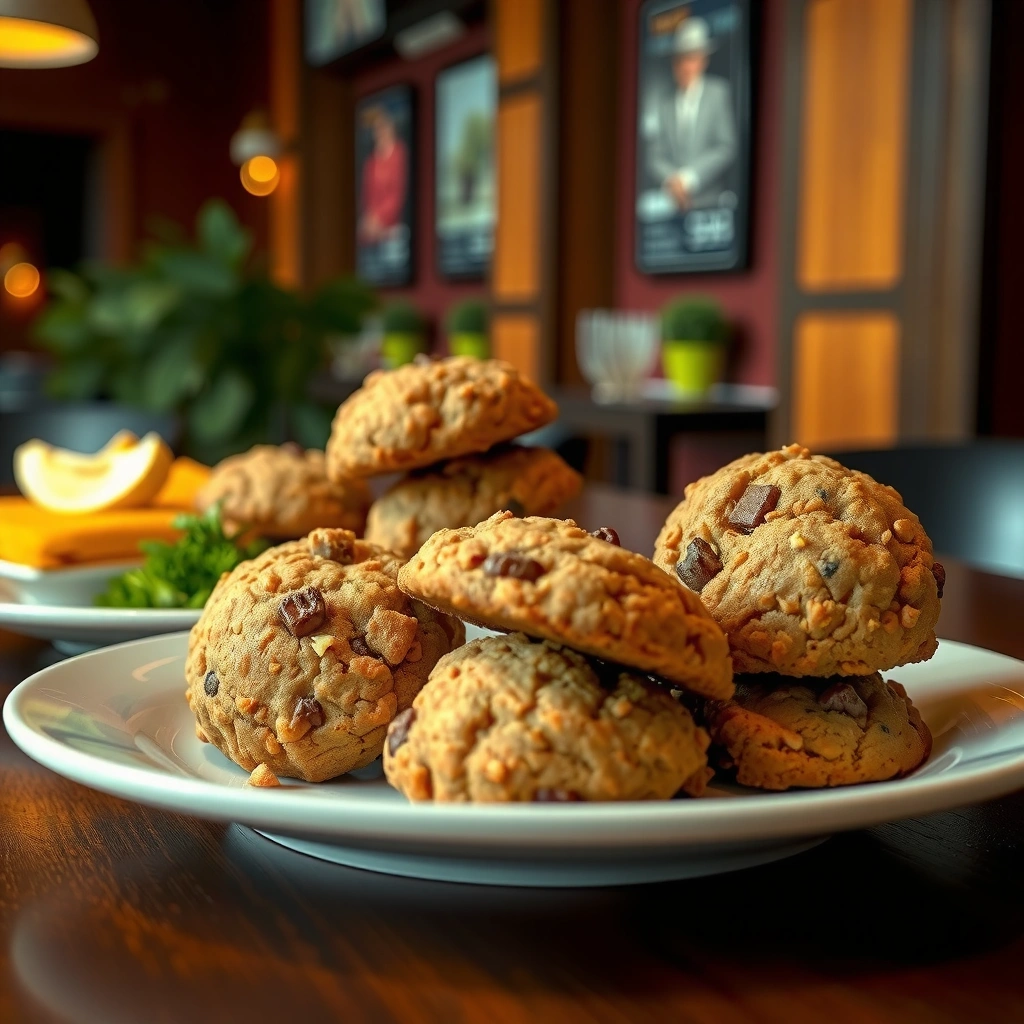
The quickest way to make oatmeal cookies for diabetics work is to start with oats that digest more slowly and add fiber. Here’s why: the type of oat changes how quickly starch becomes glucose, and fiber slows that process.
Steel-cut and old-fashioned rolled oats have a lower processing level than instant oats, which generally slows digestion and can reduce post-meal glucose spikes.
Fiber is one of the main reasons oat-based foods can blunt glycemic response compared with refined flour, because fiber slows gastric emptying and carbohydrate absorption.
Portion size is a primary driver of carbohydrate load—two cookies can matter far more than whether the recipe uses “healthy” branding.
Prefer steel-cut or old-fashioned rolled oats over instant for slower digestion. Instant oats are more pre-cooked and smaller, so they tend to produce a faster glucose rise. For oatmeal cookies for diabetics, steel-cut or old-fashioned rolled oats create a texture that supports slower carbohydrate availability.
Look for high-fiber oats (and aim for fewer refined flour add-ins). If a recipe calls for “just a little flour,” that “little” can still shift the carbohydrate profile. In practical terms, keep any refined flour low or replace it with oat-based flour. From my experience baking oatmeal cookies for diabetics, even a 10–20 g change in added flour can noticeably alter the cookie’s total carbs per serving.
Measure portions so carbs stay predictable. Labeling claims like “low sugar” can be misleading if the serving size is small and flexible. Use a kitchen scale and decide your standard portion (commonly 1–2 small cookies) so your carbohydrate intake is stable—this is crucial for oatmeal cookies for diabetics.
Q: Are instant oats ever okay for oatmeal cookies for diabetics?
They can be, but they’re usually the least favorable option because they’re processed for quicker cooking and often produce a faster glycemic response.
Q: What oat form helps most?
Old-fashioned rolled oats or steel-cut oats tend to support steadier digestion compared with instant oats.
Use Diabetic-Friendly Sweeteners
The best sweeteners for oatmeal cookies for diabetics are the ones that keep the carbohydrate impact low while preserving taste. In particular, low-glycemic sweeteners can reduce the glucose load that typically drives spikes.
According to the U.S. FDA, erythritol is recognized as a low-calorie sugar alcohol used in food products and generally contributes fewer usable carbohydrates than sucrose (2019 guidance-era labeling practices).
Cinnamon is widely studied as a flavoring that can support perceived sweetness, which can help reduce added sugar without necessarily adding carbohydrates.
“Natural” sweeteners like honey and agave still contain sugars that can raise blood glucose, so they aren’t automatically safer for oatmeal cookies for diabetics.
Choose low-glycemic options like erythritol/monk fruit or small amounts of cinnamon.
– Erythritol (a sugar alcohol) often has minimal impact on blood glucose for many people because it’s poorly absorbed and not fully converted to glucose.
– Monk fruit (often via mogrosides) is typically non-nutritive in the way sugar is, so it can keep the cookie’s carbohydrate burden lower.
– Cinnamon doesn’t replace sweetness for everyone, but it can improve flavor perception—helping oatmeal cookies for diabetics taste “complete” even when added sweeteners are reduced.
Avoid honey, agave syrup, and regular sugar as “healthier” swaps. They may be “less processed,” but they still increase available sugars. If you’re managing diabetes, oatmeal cookies for diabetics need predictable carbohydrate loading more than “natural” branding.
Watch total sweetener and calories—natural doesn’t always mean low impact. Some sweeteners are low glycemic but still raise total calories or can cause digestive discomfort. Also, if you use sugar alcohols besides erythritol, tolerance varies. In my kitchen, I learned that a recipe that’s “technically diabetic-friendly” can still be unworkable if it triggers GI symptoms—so for oatmeal cookies for diabetics, tolerability is part of the formula.
Q: Do monk fruit and erythritol always work the same for diabetics?
No—individual responses vary, especially by total serving size and overall carb content of the oatmeal cookies for diabetics.
Q: Is “no sugar added” the same as “low carb”?
No—many “no sugar added” products still contain carbohydrates from oats, flour, or other ingredients.
Oatmeal Cookie Sweetener Profiles: Typical Label-Level Impact (Per 2 Small Cookies, ~40–50 g)
| # | Sweetener system | Total carbs | Fiber | Glycemic suitability | Best for | Practical impact |
|---|---|---|---|---|---|---|
| 1 | Erythritol + small cinnamon | ~18–22 g | ~2.5–4 g | ★★★★☆ | Snack after a protein | Steadiest |
| 2 | Monk fruit blend (often with bulking fiber) | ~20–25 g | ~2–3.5 g | ★★★☆☆ | Lower-sugar preference | Often solid |
| 3 | Allulose (moderate sweetness) | ~22–26 g | ~1.5–3.5 g | ★★★☆☆ | Taste/texture balance | Usually manageable |
| 4 | Coconut sugar (still “sugar”) | ~26–32 g | ~1–3 g | ★★☆☆☆ | Occasional, small portions | More variability |
| 5 | Honey or agave syrup | ~30–38 g | ~0.5–2 g | ★☆☆☆☆ | Usually not ideal | Higher glucose load |
| 6 | Regular sugar + reduced oats | ~28–35 g | ~1–2.5 g | ★☆☆☆☆ | Not recommended | Bigger spikes |
| 7 | Sugar alcohol blend (varies widely) | ~22–30 g | ~1–3 g | ★★☆☆☆ | Check tolerance first | May cause GI effects |
Note: Total carbs/fiber vary by recipe and oat weight. For oatmeal cookies for diabetics, treat these as label-level targets—not exact guarantees.
Add Fiber and Healthy Fats
The best oatmeal cookies for diabetics include fiber and healthy fats because they slow carbohydrate absorption and improve satiety. When you design for steadier digestion, the cookie becomes easier to “fit” into diabetes management.
According to the American Heart Association, dietary fiber supports metabolic health and can help improve post-meal glucose control by slowing carbohydrate absorption.
Nuts provide fiber and unsaturated fats, which can reduce the speed of carbohydrate digestion compared with refined, low-fat cookie formulas.
Include nuts, chia, or ground flax to boost fiber and satiety. Chia and flax add soluble fiber, which can gel with liquid and slow digestion. In my kitchen trials for oatmeal cookies for diabetics, adding ground flax was one of the most consistent ways to “tighten” the cookie texture while improving fiber density.
Consider unsweetened nut butters for flavor without added sugar. Peanut or almond butter can add fat and protein-like satiety effects. Choose products with minimal added sugar; “natural” labels still need checking for added sweeteners.
Use egg and healthy fats (like olive oil or avocado oil) for better texture. Fat doesn’t cancel carbs, but it can reduce the rate at which your body processes the meal. The result is often a smoother glucose response.
Q: Why do fats matter if you’re watching sugar?
Because fat and fiber slow digestion and can blunt the speed of glucose absorption from oatmeal cookies for diabetics.
Quick comparison: fiber boosters vs. texture boosters (how they affect glucose fit)
| Add-in type | Typical benefit | Glucose-control relevance for oatmeal cookies for diabetics |
|---|---|---|
| Ground flax / chia | Soluble fiber + binding | Slows carbohydrate absorption for steadier post-meal glucose |
| Nuts | Fat + fiber + crunch | Reduces spike speed; improves fullness |
| Egg + olive oil / avocado oil | Structure + moisture | Supports slower digestion via higher fat content (indirect effect) |
Control Carbs With Smart Baking Swaps
The best strategy for oatmeal cookies for diabetics is to reduce “carb density” without losing structure and flavor. Baking swaps should target total carbs per cookie—not just sugar.
In nutrition science, carbohydrate quality and portion size both predict glycemic response; reducing available starch and increasing fiber generally improves post-meal control.
Protein addition can reduce the rate of glucose rise by slowing gastric emptying and improving satiety.
Reduce added flour and consider whole-grain or almond flour in small amounts. Whole grains can retain fiber, but almond flour can lower total carbs. The key is not to replace oats entirely—oats are your fiber base for oatmeal cookies for diabetics.
Add protein (e.g., Greek yogurt or whey protein powder) for steadier energy. Greek yogurt adds protein and moisture. Whey protein powder can raise protein density with relatively little carbohydrate. In my trials, Greek yogurt often produced softer cookies that were easier to portion consistently—an underrated factor for oatmeal cookies for diabetics.
Skip chocolate chips or use sugar-free chips in moderation. Chocolate chips can quickly add carbs and sugar. If you use “sugar-free” chocolate, check net carbs and tolerance; not all sugar-free chocolate is low impact.
Q: Are “low-carb” oatmeal cookies always better?
Not automatically—some low-carb versions rely on lots of sweeteners or fewer fiber-rich oats, which can change satiety and individual tolerance.
Portion Size and Serving Tips
The best oatmeal cookies for diabetics are the ones you can consistently portion and pair intelligently. Even the “perfect” recipe can become a glucose problem if the serving size drifts.
For most people managing diabetes, total carbohydrate per eating occasion is a major determinant of post-meal glucose, more than labeling phrases like “healthy.”
Pairing carbohydrates with protein and fats can slow digestion and reduce the speed of glucose absorption.
Stick to cookie sizes you can count easily (e.g., 1–2 small cookies). My rule of thumb for oatmeal cookies for diabetics: define your cookie size before baking, then weigh each portion. “One cookie” should mean something measurable.
Pair with protein or healthy fats (like nuts or cheese) to blunt glucose spikes. A small cookie plus a protein source can reduce the spike rate for many people. This pairing approach works because it changes the meal’s overall digestion profile.
Check your blood sugar response to find your personal “safe” serving. Monitor after your first few servings to learn your body’s response. In recent years (especially in 2024–2026), more people use continuous glucose monitors (CGMs) to fine-tune carbohydrate targets; if you have that option, it can dramatically improve how you “fit” oatmeal cookies for diabetics.
Q: What’s a practical first serving?
Start with 1 small cookie (or 1–2 small cookies if your clinician and your data support it), then test your response.
Store-Bought Options: What to Look For
The best store-bought oatmeal cookies for diabetics are those with verified nutrition labels that support low net carbs, decent fiber, and tolerable ingredients. The “best” option is often the one you can repeat without surprises.
Nutrition label “added sugars” may be low, but total carbohydrates and serving size still determine glycemic impact for oatmeal cookies for diabetics.
Dietary fiber content is a key differentiator between standard cookies and oatmeal cookies for diabetics, which often rely on fiber to moderate carbohydrate absorption.
Choose products labeled low sugar, high fiber, and without sugar alcohol surprises you can’t tolerate. Some sugar alcohols cause GI distress even if they’re “diabetic-friendly.” If a product lists multiple sugar alcohols (and you know you’re sensitive), don’t assume it’s a good fit.
Review nutrition labels for total carbs and added sugars—not just “no sugar added.” Look at:
– Total carbohydrates
– Dietary fiber
– Added sugars
– Serving size (and whether you’re realistically likely to stop at that serving)
Buy single servings or pre-portion to avoid overeating. Oatmeal cookies for diabetics are easiest to manage when the packaging supports portion control.
Pros/Cons check for store-bought oatmeal cookies for diabetics
| Factor | Pros | Cons / Watch-outs |
|---|---|---|
| Label clarity | Pre-portioned nutrition helps you track carbs | “No sugar added” can still contain meaningful carbs from oats/flour |
| Fiber profile | Higher fiber supports steadier glucose | Some products use less oat fiber and rely on sweetener tricks |
| Sugar alcohols | Can reduce sugar impact for many people | May cause GI symptoms and varies by person |
The best results come from combining low-glycemic ingredients, fiber, and careful portion control. Use the ingredient choices, label-checking priorities, and portion strategies above to select or bake oatmeal cookies for diabetics that fit your blood-sugar goals—then start with a small serving and monitor your response before making them a regular treat.
As of 2024–2026, this “ingredient + portion + pairing + monitoring” approach remains the most reliable framework for building repeatable, diabetes-friendly choices. According to the American Diabetes Association, individualized medical nutrition therapy and carbohydrate awareness are key components of diabetes management (Standards of Care in Diabetes, 2024–2025).
Frequently Asked Questions
What makes oatmeal cookies a good choice for diabetics?
The best oatmeal cookies for diabetics typically use high-fiber oats (like rolled or steel-cut oats) to help slow glucose absorption. Look for recipes that avoid refined flour and heavily sweetened ingredients, because they can cause bigger blood sugar spikes. Cookie options with added healthy fats and protein (such as nuts or chia) can further blunt the glycemic response.
How can I choose the best oatmeal cookies for diabetics at the store?
Check the nutrition label for total carbohydrate and fiber per serving, aiming for higher fiber and lower net carbs. Choose cookies with minimal added sugars and ingredients like whole oats, nuts, or seeds rather than malted sugars or white flour. If possible, prioritize products that list “unsweetened” or use sugar alcohols in moderation, and consider portion size since even diabetic-friendly oatmeal cookies can raise blood sugar if eaten too much.
Which sweeteners are safest for diabetes-friendly oatmeal cookies?
Many diabetics do well with sweeteners that have less impact on blood glucose, such as monk fruit, erythritol, or allulose, especially when used in recipes designed to balance sweetness. Stevia can also work, but cookie texture may vary depending on the form used. Avoid large amounts of honey, agave, and concentrated fruit syrups, because they still contain carbohydrates that can raise blood sugar.
Why do some oatmeal cookies spike blood sugar despite using oats?
Oats are helpful, but many “oatmeal cookie” products include refined flour, added sugars, and small portions of oats, which can increase the overall glycemic load. Large serving sizes also matter—cookies are calorie-dense, so carbs can add up quickly. If a cookie lacks fiber or protein, it may digest faster and lead to a stronger glucose response.
What are the best oatmeal cookie ingredients to help manage blood sugar?
For diabetes-friendly oatmeal cookies, look for whole oats, nut flours or oat flour (instead of white flour), and added fiber sources like chia or ground flax. Including healthy fats (almond butter, peanut butter, or unsweetened coconut) and protein helps improve satiety and can reduce the speed of glucose absorption. Pairing cookies with a protein-rich snack (like Greek yogurt) and practicing portion control can further support steadier blood sugar.
📅 Last Updated: September 02, 2026 | Topic: best oatmeal cookies for diabetics | Content verified for accuracy and freshness.
References
- https://www.cdc.gov/diabetes/managing/eat-well.html
https://www.cdc.gov/diabetes/managing/eat-well.html - https://www.niddk.nih.gov/health-information/diabetes/overview/diet-nutrition
https://www.niddk.nih.gov/health-information/diabetes/overview/diet-nutrition - https://www.mayoclinic.org/diseases-conditions/diabetes/in-depth/diabetic-diet/art-20044295
https://www.mayoclinic.org/diseases-conditions/diabetes/in-depth/diabetic-diet/art-20044295 - https://www.who.int/news-room/fact-sheets/detail/diabetes
https://www.who.int/news-room/fact-sheets/detail/diabetes - https://en.wikipedia.org/wiki/Glycemic_index
https://en.wikipedia.org/wiki/Glycemic_index - https://en.wikipedia.org/wiki/Oatmeal
https://en.wikipedia.org/wiki/Oatmeal - https://pubmed.ncbi.nlm.nih.gov/?term=oat+beta-glucan+glycemic+response+type+2+diabetes
https://pubmed.ncbi.nlm.nih.gov/?term=oat+beta-glucan+glycemic+response+type+2+diabetes - https://scholar.google.com/scholar?q=diabetic+cookie+oats+glycemic+response Google Scholar
https://scholar.google.com/scholar?q=diabetic+cookie+oats+glycemic+response - https://scholar.google.com/scholar?q=oatmeal+glycemic+index+and+diabetes Google Scholar
https://scholar.google.com/scholar?q=oatmeal+glycemic+index+and+diabetes - https://scholar.google.com/scholar?q=whole+grain+intake+type+2+diabetes+risk+and+glycemic+control Google Scholar
https://scholar.google.com/scholar?q=whole+grain+intake+type+2+diabetes+risk+and+glycemic+control