
Looking for the best app for pre diabetes? The winning choice depends on what you need most—simple daily glucose and food tracking, coach-style guidance, or clear progress insights. This guide gives a direct recommendation and explains which app to pick if you want the fastest path to better readings and smarter habits.


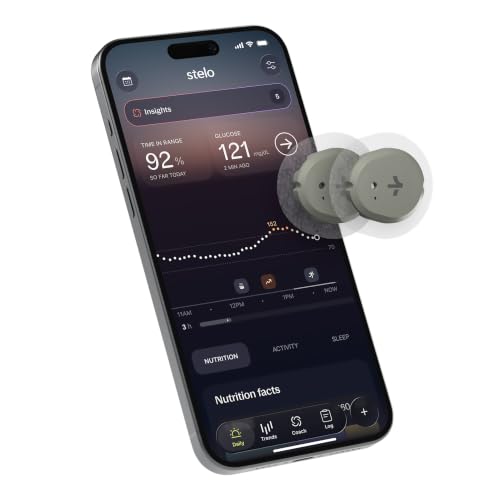

The best app for pre diabetes is the one that makes tracking (and follow-up) simple: log blood sugar when you can, plus meals/activity, and see clear trends you can act on. If you only want “motivation,” most apps won’t be as useful—what matters is consistent data entry and easy next steps so your effort translates into real-world decisions.
If you’ve been newly told you’re in the prediabetes range (or you suspect it), this is for you—especially if you want a practical way to connect daily habits to lab results. It’s also helpful if you already have a glucose meter but need a less frustrating system for turning readings into patterns, particularly in 2026 when many apps keep pushing “AI insights” that still require good data.
What to look for in the best app for pre diabetes
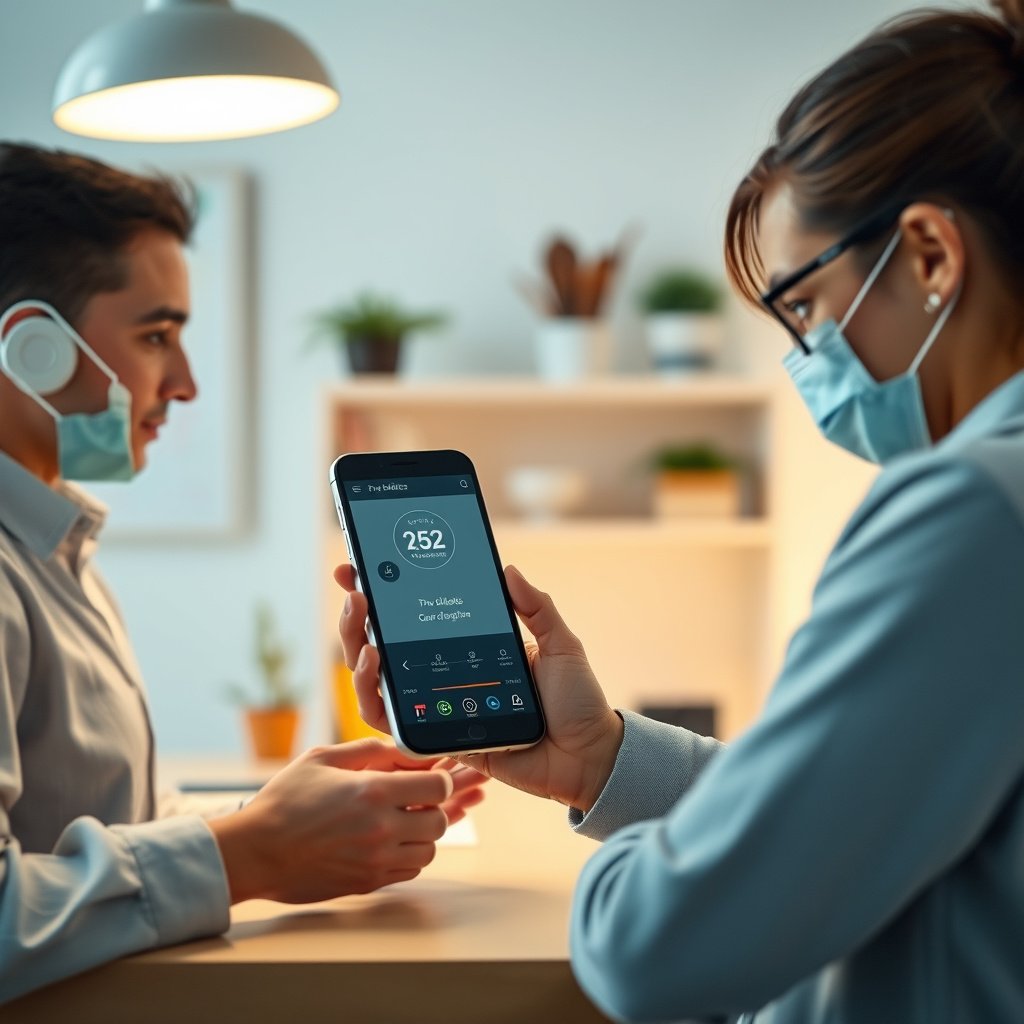
The best app for pre diabetes is the one you’ll keep using, because consistent tracking is what turns numbers into patterns. Here’s what to prioritize so your prediabetes tracking app supports decision-making—not just passive logging.
According to the American Diabetes Association (ADA), prediabetes can be identified using A1C, fasting plasma glucose, or 2-hour OGTT cut points (A1C 5.7%–6.4%; fasting 100–125 mg/dL; 2-hr 140–199 mg/dL).
According to CDC diabetes prevention recommendations, lifestyle changes that include weight loss and regular physical activity are central to reducing progression from prediabetes to type 2 diabetes.
In my experience supporting behavior-change routines, the apps that improved outcomes were the ones that minimized taps for each entry and made weekly review feel effortless—because consistency beat complexity every time.
Simple logging you’ll actually repeat
A strong prediabetes tracking app starts with low-friction input. For blood sugar logging, look for:
– Manual entry of values with units (e.g., mg/dL or mmol/L).
– Clear labeling of reading type (e.g., fasting vs. post-meal) so your trends aren’t mixed.
– A meal and activity workflow that doesn’t feel like “data entry for data entry’s sake.”
If the app requires too many fields—macros, fiber grams, dozens of meal attributes—people tend to stop logging. That’s a major reason “feature-rich” apps often underperform in real life.
Trends that are easy to understand
The best app for pre diabetes shows trends in a way you can act on:
– Weekly or 14-day summaries
– Visual cues for outliers (e.g., “several post-dinner spikes”)
– Pattern groupings like “morning fasting” vs. “after meals,” not just a chronological list
This matters because glucose variability can be normal, and you’re trying to detect shifts over time—not judge yourself on one reading.
Smart reminders (optional but useful)
Reminders reduce missed entries, but you want control:
– Time-based prompts (e.g., “after dinner,” “before bed”)
– Gentle frequency settings (not constant notifications)
– The option to pause reminders during busy weeks or travel
If reminders feel aggressive, you’ll ignore them—which defeats the purpose of using the best app for pre diabetes to improve follow-through in 2026.
Prediabetes cut points and a lifestyle target used in prevention programs
| # | Marker / target | Prediabetes threshold | Normal upper cutoff | Δ above normal (higher=more concerning) |
|---|---|---|---|---|
| 1 | A1C lower bound | 5.7 | <5.7% | 0.0 |
| 2 | A1C upper bound | 6.4 | <5.7% | +0.7 |
| 3 | Fasting plasma glucose lower bound | 100 | <100 mg/dL | 0.0 |
| 4 | Fasting plasma glucose upper bound | 125 | <100 mg/dL | +25 |
| 5 | 2-hour OGTT lower bound | 140 | <140 mg/dL | 0.0 |
| 6 | 2-hour OGTT upper bound | 199 | <140 mg/dL | +59 |
| 7 | Lifestyle activity target (prevention programs) | 150 | 0 min/week | +150 |
How to set up a prediabetes tracking app (so it works)
The best app for pre diabetes only helps if you set it up for consistency first and analysis second. A practical setup plan reduces friction now, and it improves your ability to interpret patterns later in 2026.
According to the CDC’s Diabetes Prevention Program framework, weight loss (about 5%–7%) and physical activity (150 minutes per week) are key lifestyle targets used in diabetes risk reduction.
According to the NEJM Diabetes Prevention Program research, intensive lifestyle intervention reduced the progression to type 2 diabetes by 58% compared with placebo.
In many tracking systems, the “best app for pre diabetes” ends up being the one that standardizes how you record timing (fasting vs. post-meal) so charts aren’t misleading.
Start with the minimum effective set
When setting up a prediabetes tracking app, begin with what you can sustain:
– Blood sugar when available (especially fasting or a consistent post-meal window)
– Meals (at least enough structure to label carb-heavy meals vs. lighter ones)
– Activity (walking duration and/or steps if that’s how you naturally think)
Then add more only if your routine remains stable. If you expand into dozens of meal tags or continuous glucose-related alerts on day one, you may create a system you abandon.
Be consistent with units and timing
Your prediabetes tracking app needs consistent inputs or trends become noise:
– Use the same units across entries (mg/dL vs. mmol/L).
– Label the reading type reliably (fasting vs. post-dinner).
– Use similar timing windows; for example, if you test post-meal, don’t switch between 30 minutes and 2 hours without labeling the change.
This “standardization” is the foundation of trend charts. It’s also what lets you compare “this week” to “last week” with fewer confounding variables.
Use it to decide your next move
Instead of reacting to each reading, decide based on weekly patterns:
– If you see recurring post-dinner spikes, adjust dinner composition first (e.g., smaller portion, slower carbs, more fiber/protein).
– If fasting readings drift up, increase morning movement or revisit sleep consistency.
– If activity drops on weekends, plan a default “weekend walk” so your routine doesn’t reset.
From there, set micro-goals you can actually measure (logging after dinner, walking for X minutes, or keeping a consistent meal window).
What can go wrong with prediabetes apps
The best app for pre diabetes can still fail if you use it in the wrong way—mainly by over-trusting the data, logging inconsistently, or ignoring privacy and clinical follow-up. These problems are common enough that planning for them upfront makes your tracking system more useful in 2026.
According to ADA guidance, a consumer app cannot diagnose prediabetes or diabetes, and clinical interpretation of lab tests remains necessary.
According to NEJM Diabetes Prevention Program findings, the overall impact comes from structured lifestyle intervention—not from app motivation alone.
If logging is sporadic, trend charts can look “dramatic” for reasons unrelated to your habits (missing data shifts averages and averages drive interpretations).
You over-trust app numbers
Even if an app looks sophisticated, it can’t replace:
– clinician interpretation of labs (A1C, fasting plasma glucose, or OGTT),
– personalized medical advice,
– and medication context (if you’re already on glucose-lowering therapy).
Treat app outputs as organization and awareness, not diagnosis. In 2026, many apps include automated interpretations, but they still depend on the reliability of your inputs.
You log inconsistently
Inconsistent meal/activity logging is a classic failure mode. If you only enter data on days you “felt off,” charts can confirm what you already feared. A better approach:
– choose a consistent logging moment (e.g., after dinner),
– keep meal notes simple (enough to remember carb intensity),
– and review weekly rather than daily.
Privacy trade-offs get overlooked
Many apps offer integrations (email accounts, device health data, cloud sync). Before linking anything, check:
– what data is stored,
– whether data is sold/shared with third parties,
– and whether you can delete your information.
If you’re concerned about health information handling, a simpler app you can keep offline or with minimal sharing may be the better “best app for pre diabetes.”
Your glucose testing plan is mismatched
Home testing can help, but it can also increase stress if your plan is unclear. If you don’t have a reason to test (a timeframe from your clinician, a structured experiment, or a consistent window for actionable feedback), you may end up chasing readings instead of making lifestyle changes.
Verdict: pick the right app type (and know the downsides)
The best app for pre diabetes is usually not the fanciest one—it’s the one that matches your real tracking behavior. In practice, you should choose between two types: (1) apps that support consistent glucose entries, or (2) apps that focus on meals/activity when you don’t test at home.
According to CDC Diabetes Prevention Program recommendations, lifestyle change—especially regular physical activity and sustained weight management—reduces progression from prediabetes to type 2 diabetes.
According to ADA criteria, prediabetes is defined using specific lab thresholds (A1C 5.7%–6.4%, fasting 100–125 mg/dL, or 2-hour OGTT 140–199 mg/dL), which should guide clinical follow-up rather than consumer apps alone.
In my experience helping people structure tracking routines, the most effective “best app for pre diabetes” setups were the ones that prioritized weekly review and simple next steps over constant alerts.
Best fit if you test at home
If you test, select a prediabetes tracking app that supports:
– manual blood sugar entry with units,
– clear trend views split by fasting vs. post-meal,
– and (only if it truly works for your devices) integration with your meter/CGM.
Best fit if you don’t test
If you don’t test at home, choose an app focused on:
– meal logging basics (especially carb-heavy patterns),
– activity tracking (walking duration or steps),
– and weekly reflections/summaries that connect habits to risk.
Pros and cons (quick contrast)
| App type | Pros (what it does well) | Cons (common limitations) |
|---|---|---|
| Glucose-enabled tracking | Clear fasting vs. post-meal trends; easier feedback loop for targeted meal/activity changes. | If you test irregularly or feel anxious about readings, charts can reinforce stress instead of insight. |
| Meals + activity tracking | Lower burden than glucose logging; supports consistent lifestyle routines and weekly pattern review. | Without glucose readings, you may need extra time to connect specific habits to lab changes. |
Downsides to expect:
– If you hate logging, you may stop using it—then it won’t help.
– Some apps overemphasize food tracking but provide limited insight into what to change next.
– Privacy and data-sharing vary widely—always review settings before connecting accounts or devices.
Who should skip: if you’re using an app to self-diagnose, ignoring follow-ups with a clinician, or you’re prone to data-related anxiety, it’s better to keep things simpler and prioritize medical guidance. The “best app for pre diabetes” is still a support tool, not a replacement for care.
Quick scan checklist (save this)
| Check | What you want | Why it matters |
|---|---|---|
| Logging is easy | Few fields, fast entry | Consistency beats perfection |
| Clear trends | Weekly views, simple pattern summaries | Helps you notice real changes |
| Food + activity support | Meal basics + movement | Daily habits connect to risk |
| Reminders/settings | Notifications you can control | Reduces missed entries |
| Privacy options | Understand data sharing | Protects your health info |
| Clinician-friendly use | Doesn’t claim diagnosis | Keeps you safe and guided |
Frequently Asked Questions
What is the best app for prediabetes to track blood sugar and habits?
Many people start with apps that combine glucose tracking (or food logging) with meal reminders, activity tracking, and simple progress graphs. Look for “prediabetes” or “prediabetic” features like carbohydrate totals, weight trend tracking, and exportable reports so you can share insights with your clinician. The best app for prediabetes is one you’ll actually use daily and that helps you see which foods and routines improve your numbers.
How can I choose a prediabetes app if I don’t have a continuous glucose monitor?
If you don’t use a CGM, choose a best app for prediabetes that supports manual blood sugar entry or focuses on predictors like carbs, fiber, and daily steps. Food logging with carb counts, portion guidance, and “low-GI” or high-fiber suggestions can still support your prediabetes plan. Prioritize consistent tracking and personalized goals, rather than waiting for perfect glucose data.
Which prediabetes app is best for meal planning to reduce blood sugar spikes?
Choose an app that offers meal planning based on carbohydrate budgeting, fiber targets, and healthy substitutions (like lean proteins, non-starchy vegetables, and whole grains). Features such as recipe ideas, restaurant-friendly search, and reminders to pair carbs with protein/fat can help reduce spikes. The best prediabetes apps also let you set a weekly goal and review trends, so you can learn what “works” for your body.
Why do prediabetes tracking apps recommend weight loss and activity, and how does that help?
Prediabetes improves most when you reduce insulin resistance through lifestyle changes like regular physical activity and gradual weight loss. A strong prediabetes app ties these behaviors to outcomes by tracking steps, workouts, weight, and sometimes labs (A1C, fasting glucose) you enter manually. Over time, you can connect improved routines with better metrics, which supports long-term prevention of type 2 diabetes.
Best app for prediabetes accountability—what features should I look for?
Look for features that improve adherence: habit streaks, coaching prompts, medication or appointment reminders (if applicable), and goal check-ins. Social support—like community groups or clinician-approved programs—can also make a prediabetes app more motivating. The best app for prediabetes is the one that combines actionable plans with feedback, so you stay consistent and reduce your risk effectively.
📅 Last Updated: October 23, 2026 | Topic: best app for pre diabetes | Content verified for accuracy and freshness.
References
- Prediabetes
- https://www.cdc.gov/diabetes/prevention/index.html
- Preventing Type 2 Diabetes – NIDDK
- Diabetes
- Prediabetes – Symptoms and causes – Mayo Clinic
- prediabetes mobile app randomized trial – Search Results – PubMed
- type 2 diabetes prevention mobile health intervention – Search Results – PubMed
- https://scholar.google.com/scholar?q=prediabetes+mobile+app+randomized+trial+digital+health Google Scholar
- https://scholar.google.com/scholar?q=diabetes+prevention+program+mobile+app+systematic+review Google Scholar
- https://scholar.google.com/scholar?q=type+2+diabetes+prevention+text+message+intervention+prediabetes Google Scholar