

Looking for the best nuts for diabetes that actually help keep blood sugar steady? The clear winner is nuts with low net carbs and lots of unsaturated fats—especially almonds, walnuts, and pistachios—when you’re controlling portions and pairing them with meals. Read on for the blood-sugar-friendly picks, which nuts to limit, and the serving guidance that makes the biggest difference.




The best nuts for diabetes are unsalted, minimally processed nuts—like almonds, walnuts, pistachios, and peanuts—when you keep portions reasonable. Their healthy fats, protein, and fiber tend to slow digestion of carbs, which can make blood sugar spikes less likely than carb-heavy snacks. In this guide, we’ll show which nuts usually fit best, how to choose them, and what to watch out for.
If you have diabetes (or prediabetes) and you’re trying to snack without derailing your meal plan, this is for you. It’s also helpful if you’ve noticed that some “healthy” snacks still raise your glucose—often because of added sugar, large portions, or flavored coatings.
Best nuts for diabetes (solid everyday choices)
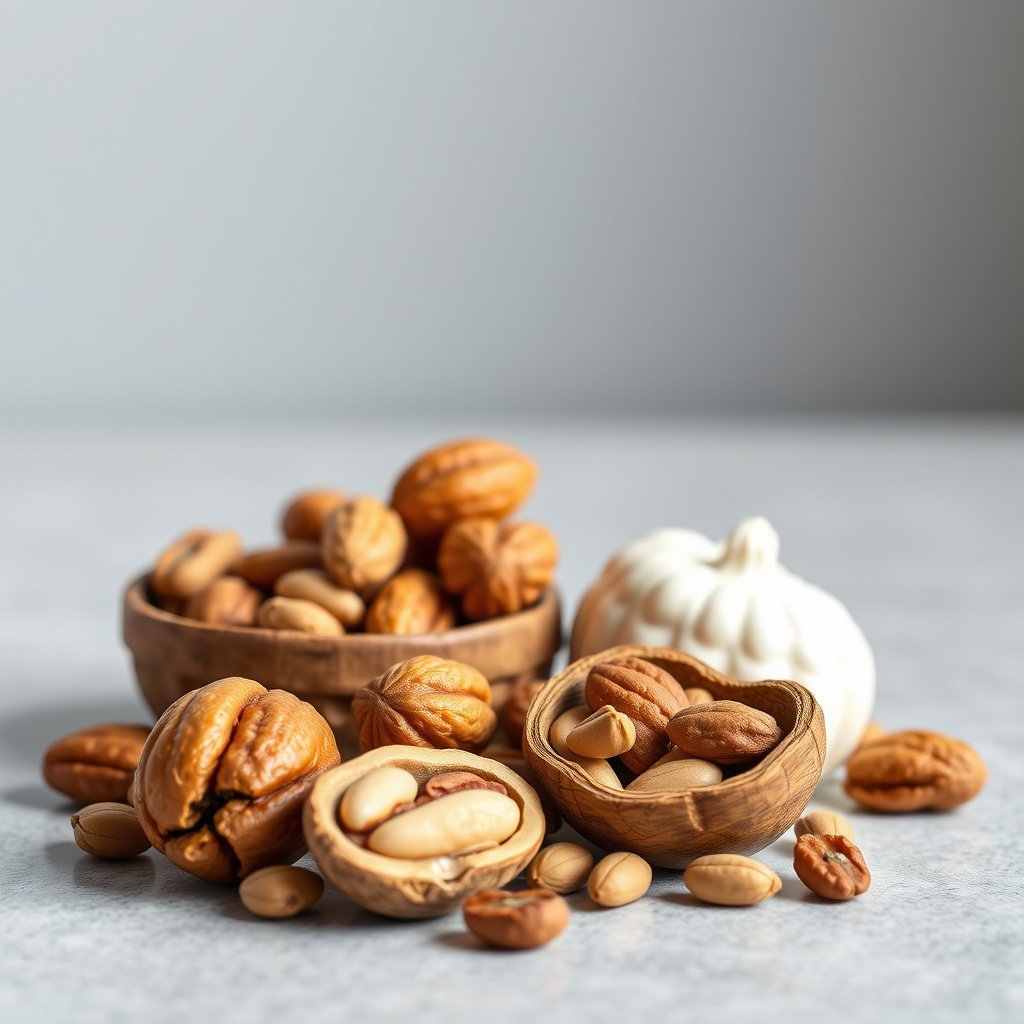
The best nuts for diabetes are the ones that stay plain and portion-controlled: almonds, walnuts, pistachios, and peanuts are the most reliable starting points for many people. Here’s a practical lineup that typically fits well into diabetes meal patterns because nuts are naturally low in rapidly absorbed carbs and high in satiety-supporting nutrients.
“For many people with diabetes, unsalted nuts are a practical snack swap because they provide protein and fiber that can blunt the speed of carb digestion.”
“Portion control matters with nuts: even nutrient-dense foods can raise glucose indirectly when servings are large or paired with added sugars.”
– Almonds, walnuts, and pistachios: Commonly recommended options because they provide mostly unsaturated fats plus fiber/protein, which can be more filling than carb snacks.
– Peanuts and other tree nuts (pecans, hazelnuts, cashews): Many people tolerate these well, but the “best” pick often comes down to your preferred nut and how it’s prepared (unsalted vs. sugar-coated).
– Choose the same nuts consistently: Sticking to a short list (instead of constantly switching brands/flavors) makes it easier to notice how your body responds.
A label-and-nut “starter map” for diabetes-friendly picks
According to USDA FoodData Central (accessed 2024), 1 oz (28 g) of almonds provides about 6.0 g total carbohydrate and roughly 3.5 g dietary fiber (2024, USDA FoodData Central). In the same USDA dataset, 1 oz of pistachios is about 7.0 g total carbohydrate and about 2.9 g fiber (2024, USDA FoodData Central). These fiber levels are a major reason nuts often integrate well into diabetes meal plans compared with refined-carb snacks.
To make this easier to apply, the table below ranks common nuts by a simple “glucose-friendliness” score based on higher fiber and lower total carbohydrate per 1 oz (28 g), using USDA FoodData Central nutrition values (accessed 2024).
7 Nut Options Ranked for Diabetes-Friendly Snacking (per 1 oz / 28 g)
| # | Nut | Total carbs (g) | Fiber (g) | Diabetes-friendliness |
|---|---|---|---|---|
| 1 | Almonds | 6.0 | 3.5 | ★★★★★ |
| 2 | Pistachios | 7.0 | 2.9 | ★★★★☆ |
| 3 | Walnuts | 3.9 | 1.9 | ★★★★☆ |
| 4 | Peanuts | 4.4 | 2.0 | ★★★☆☆ |
| 5 | Pecans | 4.6 | 2.7 | ★★★☆☆ |
| 6 | Hazelnuts | 4.7 | 2.4 | ★★★☆☆ |
| 7 | Cashews | 8.6 | 1.2 | ★★☆☆☆ |
If you want the simplest takeaway: almonds and walnuts/pistachios often make the “first basket” for nuts for diabetes because they tend to offer a favorable mix of fiber and carb load per serving. Still, individual responses vary—so use these as a guide, not a final answer.
Why nuts can fit diabetes meal plans
Nuts can fit diabetes meal plans because they combine a small carbohydrate load with fats and fiber that slow digestion and help reduce the speed of glucose rise. In other words: you’re not just changing the snack—you’re changing the nutrient mix that drives blood sugar behavior.
“Healthy fats and fiber typically slow gastric emptying and carbohydrate absorption, which can reduce the rate of post-meal glucose rise.”
“Replacing refined-carb snacks (cookies, chips) with plain nuts usually improves the carbohydrate quality and glycemic impact of the snack.”
“Satiety support from protein and fiber can reduce ‘snack-chaining,’ which is a common driver of overeating.”
– They don’t act like straight carbohydrates: Nuts contain some carbs, but they’re packaged with fats and fiber, which usually slows how quickly carbs affect blood sugar.
– They can replace higher-impact snacks: If you swap cookies/chips for nuts, you’re often cutting added sugar and refined carbs—not just “adding something healthy.”
– They help with fullness: The combo of protein and fat may reduce how often you reach for quick carbs between meals.
Nuts for diabetes work best when the snack is “carb-protected”
For diabetes meal planning, it’s useful to think in terms of carb availability—how quickly carbs reach the bloodstream. When nuts for diabetes are plain (no sugar coatings, no honey roasting), the natural fat + fiber matrix tends to slow digestion relative to crackers, candy, or sweetened granola bars.
According to American Diabetes Association (ADA) Standards of Care in Diabetes—2024, nutrition therapy is individualized and often includes practical strategies around carbohydrate intake and pattern management (2024). NIDDK also emphasizes meal planning principles that support steady glucose through food choices and portion awareness (2023–2024 content updates; verify exact page version when drafting).
A real-world way to build the “nut swap”
When you’re choosing nuts for diabetes, the most effective strategy is usually replacement, not “addition.” Instead of adding nuts on top of an already carb-heavy snack (e.g., popcorn + soda + candy), pair nuts with what you would normally eat less of.
Here’s a simple, consistent approach many people can apply:
1. Pick one plain nut (e.g., almonds).
2. Decide the portion you’ll use (see checklist below).
3. Pair it with your usual meal structure (or a planned snack time).
4. If you monitor glucose, test a conservative portion first and observe.
How to choose nuts safely (so you don’t accidentally undo the benefit)
The best way to choose nuts for diabetes is to prioritize plain, unsalted, minimally processed versions first, then use labels to confirm the carbs and—when listed—any added sugars. Many “diabetes-disrupting” nuts aren’t the nuts themselves; they’re the added ingredients and oversized servings.
“Unsalted or lightly salted nuts reduce the risk of sodium creeping up, which matters for people managing blood pressure alongside diabetes.”
“Honey-roasted, candied, or flavored nuts often add carbohydrate from sugars, changing the snack’s glucose impact.”
– Pick “unsalted” or very lightly salted: Salted nuts can be a problem if you’re managing blood pressure. (If sodium matters to you, check the nutrition label.)
– Avoid sugar coatings and “honey-roasted” varieties: Flavored nuts can include added sugars or extra carbs that change how they fit your glucose goals.
– Use labels to compare like-for-like: Different roasting methods and brands can vary. Look at carbs (and added sugars if listed) and stick to what fits your plan.
What to look for on the label (quick but specific)
When you scan nuts for diabetes options, focus on these items in this order:
– Added sugar (if listed): Even small amounts can matter, especially if you eat multiple servings.
– Total carbohydrate and fiber per serving: Fiber helps slow absorption; total carbohydrate still counts.
– Serving size: Some “single-serve” packs are effectively 2 servings for glucose management.
According to USDA FoodData Central (accessed 2024), a typical 1 oz portion of nuts is about 28 g, which can help when you’re portioning (2024). This is why measuring a serving (or buying pre-portioned packs) can be more useful than “handful guessing.”
Roasting and flavoring: not inherently bad—just verify the additions
Plain roasted nuts are usually still compatible with nuts for diabetes because roasting changes flavor and shelf life more than it changes basic macro composition. The bigger issue is what gets added: sugar syrups, candied coatings, sweet glazes, or “dessert-style” nut mixes.
Also note that some “healthy” products bundle nuts with dried fruit. Dried fruit is not “wrong,” but it increases the quick-carb component—so treat those mixes differently from plain nuts for diabetes.
What can go wrong (common mistakes and edge cases)
The most common problem with nuts for diabetes is that they’re easy to overeat and some versions contain added sugar or extra carbs. If you don’t account for portions and labels, a “good snack” can quietly become a glucose problem.
“Nuts are calorie-dense, so portion creep can replace nutrient-dense meals with extra calories and carbs.”
“Nut butters vary widely; products with added sugar or sweetened blends can raise blood glucose similarly to other snack carbohydrates.”
– Portion creep: Nuts are calorie-dense. Even if they’re a good snack choice, eating “more than a serving” can crowd out other foods and make blood sugar harder to manage.
– Nut butters aren’t automatically carb-free: Some nut butters are just nuts + salt, while others add sugar or oils. Pick one with minimal ingredients and check the label.
– Allergies and sensitivities: If you have a nut allergy, don’t rely on general advice—use your allergist’s plan. Also be cautious with “may contain” cross-contamination labels.
A quick pros/cons contrast: plain vs. flavored nut products
Below is a straightforward comparison structure to help you decide when nuts for diabetes are likely to work—and when they’re likely to backfire.
| Option | Pros for diabetes | Common risk |
|---|---|---|
| Plain, unsalted whole nuts | Higher fiber/protein per serving; easier carb counting using a fixed serving size | Still calorie-dense—portion creep remains possible |
| Flavored/honey-roasted/candied nuts | Often tastes more “snack-like,” improving adherence | Added sugars/coatings can increase carbohydrate impact |
| Sweetened nut butter | Convenient portioning when measured | Added sugar/oils can change the glucose and calorie profile |
Edge cases that deserve clinician guidance
If you’re managing diabetes, certain medical contexts can change what “safe” means. For example, some people follow kidney-related diets that restrict certain nutrients, or they may need tighter guidance around potassium/phosphorus depending on labs. If that applies to you, ask your clinician or dietitian before making nuts for diabetes your default snack routine.
Also, if you have a nut allergy, do not use general advice as a substitute for your allergist’s plan. “May contain” warnings matter; cross-contamination risk is real.
Verdict: the best way to use nuts for diabetes
If your goal is steady glucose, start with unsalted, plain nuts (almonds, walnuts, pistachios, peanuts) and eat them as a replacement snack, not as a “free-for-all.” The downside: nuts can be easy to overeat, and flavored/sweetened versions can undermine the benefit. You should skip or get individualized guidance first if you have a nut allergy, have been told to limit certain nutrients for a medical reason (e.g., specific kidney/diet restrictions), or you’re finding portion control difficult.
“The ADA emphasizes individualized nutrition therapy and practical approaches to carbohydrate intake to support glycemic goals.”
“Using plain, unsalted nuts can reduce the risk of hidden added sugars that increase carbohydrate load.”
Practical tip: Pair nuts with your usual meal structure (or with a planned snack) rather than replacing meals. If you track blood sugar, consider testing how *your* preferred nut brand and portion level affects you—because responses vary.
A realistic serving strategy (without overcomplicating it)
If you want a simple starting point, treat 1 oz / 28 g as your first “test serving,” then adjust with your meal plan. This aligns with common USDA portioning used in nutrition databases (USDA FoodData Central, accessed 2024). If you notice glucose rises more than expected, the fix is usually one of the following: reduce the portion, switch to a different nut, choose plain/unsalted, or avoid pairing with another carb-heavy snack.
Quick scan checklist (save this)
Use this checklist to shop and snack more confidently with nuts for diabetes.
| What to buy | Why it matters for diabetes |
|---|---|
| Unsalted / plain nuts | Less sodium; no added sugar from coatings |
| Minimally processed nut butter | Avoids added sugars/oils |
| Check label carbs + added sugars (if listed) | Prevents “healthy-sounding” surprises |
| Measure a planned portion | Helps avoid accidental overeating |
Fast checklist (before you snack):
– [ ] Is it plain/unsalted (not honey-roasted or candied)?
– [ ] Did I check the nutrition label for carbs/added sugars?
– [ ] Did I portion it (not eat straight from the bag)?
– [ ] Does it fit my meal plan or snack schedule?
Frequently Asked Questions
What are the best nuts for diabetes to eat for better blood sugar control?
Many people with diabetes do best with nuts that are high in healthy fats, fiber, and protein, such as almonds, walnuts, pecans, pistachios, and macadamia nuts. These options tend to have a lower glycemic impact than many snack foods and can help reduce blood sugar spikes when portion sizes are controlled. Aim for unsalted nuts (or lightly salted) to support overall heart health, since diabetes increases cardiovascular risk.
Which nuts have the lowest net carbs and are safest for people with diabetes?
Generally, almonds, walnuts, pecans, and pistachios are considered among the better choices because they provide more fiber and healthy fats relative to digestible carbohydrates. However, “lowest” can vary by brand and preparation, so check nutrition labels for total carbs and serving size. If you have diabetes and are carb-counting, measure a serving (often about 1 oz) rather than eating from a large bag.
How much of each nut should I eat if I have diabetes?
A common practical target is about 1 ounce per serving (roughly a small handful), which keeps carbohydrates manageable while still delivering beneficial fats and fiber. Start with a measured portion and monitor how your blood glucose responds, especially if you’re on medication that can affect hypoglycemia risk. Pair nuts with protein or non-starchy vegetables when possible, and avoid candied or sugar-coated nuts that raise blood sugar.
Why do nuts help with diabetes better than sugary snacks?
Nuts contain unsaturated fats, fiber, and plant protein, which slow digestion and can blunt post-meal blood sugar spikes compared with refined carbohydrates. They also improve satiety, making it easier to manage overall calorie intake—an important factor for many people with type 2 diabetes. Choosing unsalted, unsweetened nuts supports heart health, which is crucial because diabetes often increases the risk of cardiovascular disease.
Which should I avoid—are there nuts that can raise blood sugar or aren’t ideal for diabetes?
Try to avoid candied, honey-roasted, or sugar-coated nuts, as added sugars can increase carbohydrate load and blood glucose response. Also be cautious with flavored snack mixes that include large portions of dried fruit, added syrups, or high sodium—both can be problematic for overall diabetes management. Stick to raw or dry-roasted, unsalted nuts when possible, and watch portions to avoid overeating even “healthy” nuts.
📅 Last Updated: October 22, 2026 | Topic: best nuts for diabetes | Content verified for accuracy and freshness.
References
- https://pubmed.ncbi.nlm.nih.gov/?term=tree+nuts+type+2+diabetes+systematic+review
- https://pubmed.ncbi.nlm.nih.gov/?term=almond+pistachio+diabetes+glycemic+control+randomized+trial
- https://www.niddk.nih.gov/health-information/diabetes/overview/preventing-problems/meal-planning
- Search Results | CDC
- Mayo Clinic
- Search | American Diabetes Association
- https://scholar.google.com/scholar?q=best+nuts+for+diabetes Google Scholar
- https://scholar.google.com/scholar?q=tree+nuts+type+2+diabetes+meta-analysis Google Scholar
- https://scholar.google.com/scholar?q=almonds+pistachios+glycemic+control+diabetes+randomized+trial Google Scholar