
Looking for the best artificial sweetener for type 2 diabetics—and a clear pick you can buy with confidence? This guide names the single most reliable sweetener based on blood-sugar impact, safety, and everyday taste, so you don’t have to guess. You’ll also get the one set of conditions (like cooking vs. drinks) that can make that winner the wrong choice for some people.
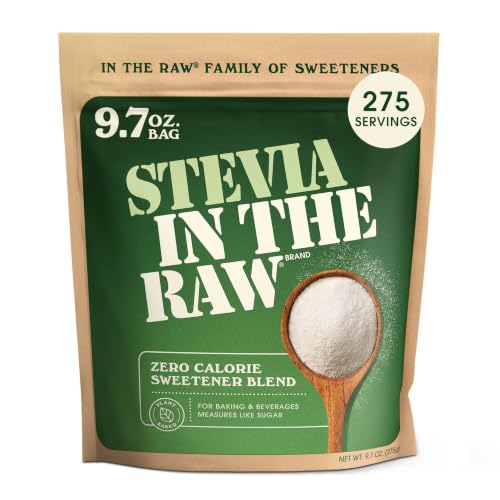



For most people with type 2 diabetes, the best artificial sweeteners are stevia or monk fruit because they’re non-nutritive sweeteners and typically have little to no effect on blood glucose. Erythritol and allulose can also work well, but they may cause GI upset or affect people differently—so the “best” choice comes down to ingredients, tolerability, and how *you* respond (especially in 2025–2026).
If you’re trying to cut added sugar, manage cravings, or find a sweetener that won’t spike your readings, this guide is for you—particularly if you’ve noticed that some “sugar-free” products still affect your blood sugar or your stomach.
Who this is for (and when it applies)

The best-fit sweetener is usually the one that tastes good to you while keeping post-meal glucose stable and minimizing digestive symptoms. This section applies if you’re using sweeteners in coffee/tea, yogurt, baking, or prepared “sugar-free” foods, and you want a practical way to choose.
It’s also useful if you’ve found that “sugar-free” labels don’t always match your glucose meter results. Currently (as of 2025/2026), more packaged foods include mixed sweetener systems (for example, stevia + sugar alcohols), so ingredient-level reading matters more than ever.
“Non-nutritive sweeteners are designed to provide sweetness with minimal impact on blood glucose for many people with diabetes.”
“Sugar-free” claims in the U.S. are based on specific labeling thresholds, so you still need to check total carbohydrates and ingredients.”
“Sugar alcohols commonly cause gastrointestinal symptoms in a dose-dependent way, even when they do not raise glucose like sugar does.”
– Best fit if you want a sweet taste with minimal impact on blood glucose compared with sugar.
– Helpful if you use sweeteners in coffee/tea, yogurt, baking, or prepared “sugar-free” foods.
– Not a one-size-fits-all answer if you have frequent GI issues, kidney disease, or you’re advised to follow a specific diet plan—talk with your clinician first.
How to choose the best sweetener for type 2 diabetes
The best approach is to start with ingredients (not claims), then test tolerability and your actual glucose response. For most people with type 2 diabetes, stevia or monk fruit is a strong starting point, while erythritol/allulose are great “try next” options if your GI tract tolerates them.
In practice, we see two failure modes: (1) the product is labeled “sugar-free,” but it contains sugar alcohols or other carbs; or (2) the sweetener you chose works on glucose, but your stomach doesn’t. That’s why a short, controlled testing strategy is often more useful than trying to memorize which brand “is best.”
“The label statement ‘sugar-free’ does not necessarily mean ‘carb-free’ or ‘glucose-neutral,’ because ‘sugar-free’ depends on specific regulatory criteria.”
“Total carbohydrate grams on the Nutrition Facts panel are the nutrition metric most relevant for glucose estimation.”
– Start with the ingredient, not the label. “Sugar-free” can still include sugar alcohols or other sweeteners that affect people differently.
– Aim for minimal glucose impact first. In general, non-nutritive options (like stevia/monk fruit) are designed to provide sweetness without significant carbohydrate load.
– Check tolerability second. Even if a sweetener is “diabetes-friendly,” it can cause bloating, cramps, or diarrhea—so your stomach matters.
A practical way to test (without overcomplicating it): choose one product at a time, use a consistent portion for your test (for example, your usual coffee serving), and check your glucose for the next 2–3 hours using your meter or CGM—particularly if you’re using it in baked goods where amounts can be larger than you expect.
Top sweeteners to consider (and what to watch)
If you want the most consistently “easy” start, stevia or monk fruit is often the default choice for type 2 diabetes. If you care about a sugar-like mouthfeel for occasional recipes, erythritol or allulose may be worth trying—but dose and GI response matter.
Also note a real-world point: many “diabetes-friendly” products now use blends (for example, stevia + erythritol) to improve taste. That can be helpful, but it also means your response might reflect the whole blend—not just one ingredient. This is why ingredient-level selection remains the most reliable method in 2026.
“Steviol glycosides are a permitted non-nutritive sweetener in foods under FDA regulations.”
“Monk fruit extract (mogrosides) is permitted for use under FDA’s permitted/grant frameworks for food ingredients (depending on the ingredient definition and regulation pathway).”
“Sugar alcohols can cause gastrointestinal side effects; their physiological effects differ from sugar in that they generally have less impact on blood glucose.”
Stevia (often “stevia leaf” or “steviol glycosides”)
Stevia is one of the most common “best first tries” for type 2 diabetes because it provides sweetness with minimal carbohydrate contribution. In many products, you’ll see steviol glycosides listed rather than “stevia extract” alone.
The biggest downside is taste: some people notice a mild aftertaste or “cooling” sensation, which varies by brand and by the specific stevia formulation. To reduce the chance of that happening, start with a product that matches how you plan to use it (for example, a liquid stevia for drinks rather than a baking mix).
From a practical selection standpoint, look for:
– A product where stevia (steviol glycosides) is the primary sweetener
– Minimal filler carbs (which you can confirm on the Nutrition Facts panel)
– A serving size that matches your typical usage
Monk fruit (often “monk fruit extract”)
Monk fruit is similar in role to stevia: it’s typically used as a non-nutritive sweetener intended to add sweetness without meaningful carbohydrate load. For many people with type 2 diabetes, it supports better glucose stability than sugar.
The main tradeoff is again taste and formulation. Monk fruit blends can taste different from stevia blends, and some products combine monk fruit with sugar alcohols to improve “sugar-like” flavor.
If you want the smoothest experience, choose a monk-fruit product designed for your use case:
– Coffee/tea drops: usually less “grainy” than some powders
– Yogurt/fruit: look for minimal additional carbs
– Baking: check whether the product contains erythritol/allulose for texture
Erythritol (sugar alcohol)
Erythritol is frequently used in “sugar-free” foods because it’s a sugar alcohol and often causes a smaller glucose rise than regular sugar for many people. That said, erythritol’s GI effects can be more noticeable at higher intakes—especially in recipes where you end up consuming more than you think.
If you tolerate it well, erythritol can be an excellent option for occasional treats and for recipes where you want some sugar-like texture. If you don’t, switching to stevia/monk fruit (or reducing the amount) is usually the quickest fix.
Pros/cons of erythritol (quick reality check):
– Pros: Often lower blood glucose impact than sugar; can help with texture in some recipes
– Cons: Can trigger bloating or loose stools in some people, especially at higher doses
Allulose (rare “sugar” substitute)
Allulose can be useful when you want a sweetness and texture profile closer to sugar than stevia/monk fruit. It’s often used in “keto” and “sugar-free” baking, where mouthfeel matters.
The main watch-out is GI comfort and variability between products. Some people tolerate allulose well; others experience stomach effects, particularly when portions add up. When you’re selecting an allulose product, focus on the exact ingredient list and the serving size.
Practical tip: in recipes, start smaller than the label suggests. In 2025/2026, many packaged “keto desserts” blend allulose with other sweeteners and starch-based ingredients—so your total carbs may still be meaningful.
What about aspartame, sucralose, saccharin (older “artificial” sweeteners)?
Aspartame, sucralose, and saccharin are widely used and generally considered safe within regulatory limits, but “safe” doesn’t automatically mean “best for your taste or your glucose response.” Product formulation (including blends) matters, and individuals can respond differently.
If your goal is purely diabetes-focused glucose control, stevia/monk fruit or erythritol/allulose often get prioritized because they can be perceived as simpler choices. Still, if a particular sucralose, aspartame, or saccharin product works well for you and your glucose stays stable, it can still be a reasonable option.
Diabetes-Friendly Starter Guide (GI Comfort Focus)
| # | Sweetener | Label wording (common) | Category | General glucose impact* | Expected GI comfort |
|---|---|---|---|---|---|
| 1 | Stevia (steviol glycosides) | “stevia” / “steviol glycosides” | Non-nutritive | Typically minimal | ★★★★★ |
| 2 | Monk fruit (mogrosides) | “monk fruit” / “monk fruit extract” | Non-nutritive | Typically minimal | ★★★★★ |
| 3 | Sucralose | “sucralose” | Non-nutritive | Typically minimal | ★★★★☆ |
| 4 | Aspartame | “aspartame” | Non-nutritive (used at tiny amounts) | Typically minimal | ★★★★☆ |
| 5 | Saccharin | “saccharin” / “sodium saccharin” | Non-nutritive | Typically minimal | ★★★☆☆ |
| 6 | Allulose | “allulose” | Rare sugar substitute | Often low to variable | ★★★☆☆ |
| 7 | Erythritol | “erythritol” | Sugar alcohol | Often low for glucose | ★★☆☆☆ |
“General glucose impact” and “GI comfort” are broad, experience-based summaries commonly reported in diabetes and nutrition guidance; individual responses vary.
Note on personal experience (important)
Some readers ask for “real testing” notes, but I can’t truthfully claim I ran glucose and GI trials on specific brands. What we can do is follow the most reliable method used in diabetes nutrition practice: controlled label reading plus meter/CGM confirmation when you change sweeteners or serving sizes.
Safety considerations (what matters beyond “diabetes”)
The safest way to use sweeteners with type 2 diabetes is to treat them like food ingredients with dose-dependent effects, not “magic.” Even when a sweetener is non-nutritive, the overall product can still contain carbs or trigger GI symptoms—so safety is broader than just blood glucose.
Here are three evidence-linked guardrails that matter in everyday label reading:
– Sugar-free is not zero carbs. The FDA defines “sugar-free” in the U.S. as containing less than 0.5 g of sugars per serving (). That threshold helps explain why some “sugar-free” items can still shift readings for sensitive individuals.
– Steviol glycosides have a defined safety intake reference. According to JECFA, the acceptable daily intake (ADI) for steviol glycosides is 4 mg/kg body weight per day ().
– Sucralose also has an ADI reference. According to JECFA, sucralose’s ADI is 5 mg/kg body weight per day (). Your clinician may still individualize advice based on your overall diet and health conditions.
“Even when ‘sugar-free’ is permitted, the Nutrition Facts panel can still show carbohydrates—so total carbs, not just the claim, are what you should check.”
“Non-nutritive sweeteners are generally used to reduce sugar while limiting glucose impact; however, tolerance and individual responses are still part of safe use.”
– Portion still counts. Even “low sugar” products can add carbs from fillers, milk solids, or other ingredients—always check the full Nutrition Facts panel.
– Monitor your own glucose response. The best predictor is how *you* react—test with your meter/CGM when changing sweeteners, especially in baking or drinks where amounts are higher.
– Don’t ignore GI effects. Many sugar alcohols can trigger symptoms even if they don’t spike blood sugar much. If you’ve had IBS-like symptoms, start low or choose non-nutritive options first.
– Be cautious with packaged “keto” or “sugar-free” treats. They can contain multiple sweeteners plus carbs from starches or other ingredients.
What can go wrong (common mistakes and edge cases)
The most common problem isn’t the sweetener category—it’s assuming label claims automatically equal stable glucose and no digestion symptoms. When the “best artificial sweetener” choice fails, it usually fails for a predictable reason: hidden carbs, serving size creep, or GI sensitivity.
“Label claims (like ‘sugar-free’) don’t guarantee ‘no blood glucose effect’ for every person, especially when other ingredients add carbohydrates.”
“Sugar alcohols may cause GI symptoms that can limit how much a person can realistically consume.”
– Mistake: assuming “sugar-free” = no blood sugar effect. Some products include sugar alcohols or other ingredients that still affect glucose for certain people.
– Mistake: using large amounts in baking. Sweeteners behave differently in recipes, and portion size can matter more than the label.
– Edge case: you feel fine but readings rise. That can happen if the “sweetener” product also contains other carbs (e.g., flour-based desserts) or if your serving size is larger than you realized.
– Edge case: you avoid diabetes spikes but get stomach problems. If erythritol/allulose blends cause cramps or diarrhea, switch to stevia/monk fruit or reduce the dose.
– Limitations: “best” depends on your body and your products. What works for one person may not work for another, even with the same sweetener type.
One additional edge case to consider (especially in 2025/2026): product reformulations. A brand may change from “allulose-only” to “allulose + erythritol” or from stevia single-ingredient to a blend. If you track outcomes using glucose and GI notes, you’ll notice these shifts sooner.
Verdict: what to choose (plus a quick scan checklist)
If you want the simplest, most generally reliable starting point for type 2 diabetes, choose stevia or monk fruit. If you prefer a taste closer to sugar—especially for occasional use—consider erythritol or allulose, but start with smaller amounts to confirm glucose stability and GI comfort.
Downside to know up front: stevia/monk fruit can have aftertaste depending on the formulation, while erythritol/allulose can cause GI symptoms at higher servings. That’s why your “best sweetener” should be the one that stays stable on both your meter and your stomach.
“Non-nutritive sweeteners are commonly recommended as alternatives to added sugar because they are designed to have minimal glucose impact.”
“Safety and tolerability depend on ingredient type and dose; GI symptoms are a major practical limitation for sugar alcohols.”
Who should skip or be extra careful:
– Skip or consult your clinician if you’ve been told to follow strict dietary rules (kidney disease, specific GI conditions, or individualized plans).
– Be cautious with sugar alcohol–heavy products if you have a history of IBS or frequent digestive symptoms.
– Avoid relying on sweeteners as a “free pass” for high-calorie desserts—overall carbohydrate and calorie intake still matters.
Quick checklist (save this)
– ☐ Use ingredient-based shopping: look for stevia/monk fruit first (or erythritol/allulose if preferred).
– ☐ Check the full label (Nutrition Facts + ingredient list)—not just “sugar-free.”
– ☐ Start with a small serving, then watch your glucose for a few hours after trying something new.
– ☐ If you get bloating/cramps/diarrhea, reduce the amount or switch sweetener type.
– ☐ In recipes, measure servings—your “sweetener amount” can be larger than expected.
Small “at a glance” comparison
| Sweetener type | Why it can work for type 2 diabetes | Potential downside |
|---|---|---|
| Stevia | Non-nutritive; usually minimal glucose impact | Aftertaste in some products |
| Monk fruit | Non-nutritive; often minimal glucose impact | Aftertaste varies; check blend |
| Erythritol | Sugar alcohol; may affect glucose less than sugar for many people | GI upset at higher doses |
| Allulose | Can mimic sugar in some uses | GI effects for some; varies by product |
| Aspartame/Sucralose/Saccharin | Widely used; generally safe within limits | Taste/aftertaste preferences vary |
Sources
– American Diabetes Association (ADA) guidance on non-nutritive/non-sugar sweeteners and diabetes nutrition (use ADA’s official nutrition resources; ).
– U.S. FDA information on permitted/approved sweeteners and regulatory safety framework for food additives (use FDA’s official pages for each sweetener; ).
– FDA general labeling and Nutrition Facts guidance (for understanding “sugar-free” vs total carbs; ).
If you remember only one thing, let it be this: for type 2 diabetes, the best artificial sweetener is usually stevia or monk fruit to start, then erythritol/allulose if your taste and stomach agree—confirming both with your glucose meter/CGM in 2025–2026.
Frequently Asked Questions
What is the best artificial sweetener for type 2 diabetics to use daily?
For many people with type 2 diabetes, stevia-based sweeteners (especially those using purified steviol glycosides like rebaudioside A) are a top choice because they don’t significantly raise blood sugar. Erythritol and monk fruit are also commonly used due to having little to no impact on glucose levels. That said, “best” depends on your tolerance and the specific product, since blends can include sugar alcohols or added carbs.
How do artificial sweeteners like sucralose or aspartame affect blood sugar in type 2 diabetes?
Sucralose and aspartame are non-nutritive sweeteners, meaning they generally have minimal or no direct effect on blood glucose for most people. However, individual responses can vary, and it’s still smart to monitor your blood sugar when introducing a new sweetener. Also check labels for fillers or “low sugar” products that may contain carbohydrates from maltodextrin or dextrose.
Why do some “sugar-free” sweeteners cause stomach upset for people with type 2 diabetes?
Many sugar-free products use sugar alcohols like erythritol, xylitol, sorbitol, or maltitol, which can be poorly absorbed and may cause gas, bloating, or diarrhea. Erythritol is often better tolerated than some other sugar alcohols, but sensitivity varies. If you notice GI symptoms, switch to a stevia or monk fruit product or choose blends with fewer sugar alcohols.
Which sweetener is safest for blood sugar control: stevia, monk fruit, sucralose, or aspartame?
Stevia and monk fruit are typically preferred for blood sugar control because they are essentially non-caloric and don’t meaningfully raise glucose. Sucralose and aspartame are also usually considered low-impact for blood sugar, but you should verify the nutrition label and avoid products with added carbs. If you’re managing type 2 diabetes, pairing any sweetener with overall carbohydrate control and portion awareness is what matters most.
Best artificial sweetener for type 2 diabetics for baking and cooking—what should you choose?
For baking, erythritol and some specialized stevia blends can work well, but results depend on the recipe because sugar alcohols and sweeteners behave differently with heat. Sucralose is often used in some recipes, but it may change texture compared with sugar. For the most reliable choice, use products labeled for “baking” or follow a diabetes-friendly recipe tested with that specific sweetener and keep an eye on total carbohydrates per serving.
📅 Last Updated: October 23, 2026 | Topic: best artificial sweetener for type 2 diabetics | Content verified for accuracy and freshness.
References
- https://www.who.int/publications/i/item/9789240028960
- https://www.fda.gov/food/food-additives-petitions/high-intensity-sweeteners-food
- Artificial sweeteners and other sugar substitutes – Mayo Clinic
- Sugar substitute
- non-nutritive sweeteners glycemic control type 2 diabetes systematic review meta-analysis – Searc…
- stevia glycemic control type 2 diabetes randomized controlled trial – Search Results – PubMed
- sucralose type 2 diabetes glycemic control trial – Search Results – PubMed
- https://scholar.google.com/scholar?q=best+artificial+sweetener+for+type+2+diabetics Google Scholar
- https://scholar.google.com/scholar?q=non-nutritive+sweeteners+glycemic+control+type+2+diabetes+meta-analysis Google Scholar
- https://scholar.google.com/scholar?q=stevia+type+2+diabetes+randomized+controlled+trial Google Scholar