Looking for the best chocolate cake for diabetics that keeps blood sugar steady without sacrificing rich chocolate flavor? The clear winner is a low-sugar, high-fiber recipe (or store-bought equivalent) that swaps in diabetes-friendlier sweeteners and focuses on portion-controlled carbs. If you need a diabetic-friendly chocolate cake you can actually enjoy, this guide shows the option most likely to deliver the taste you want with the glucose impact you can manage.




If you have diabetes, the “best” chocolate cake is the one that uses fewer fast-absorbing carbs, relies on a sweetener you can tolerate, and keeps portions measurable—usually through non-starchy flours, unsweetened cocoa, and a frosting approach that doesn’t add a second sugar layer. This guide shows what to look for (and what to avoid), plus practical ways to make a diabetic chocolate cake that fits your blood-sugar plan without sacrificing chocolate flavor.
If you’re trying to enjoy chocolate cake without the typical sugar-and-flour combo spiking your glucose, this is for you. It’s especially useful if you count carbs, use insulin, or you’re aiming to keep dessert to a predictable serving size.
What “best” means for diabetics (not just “low sugar”)
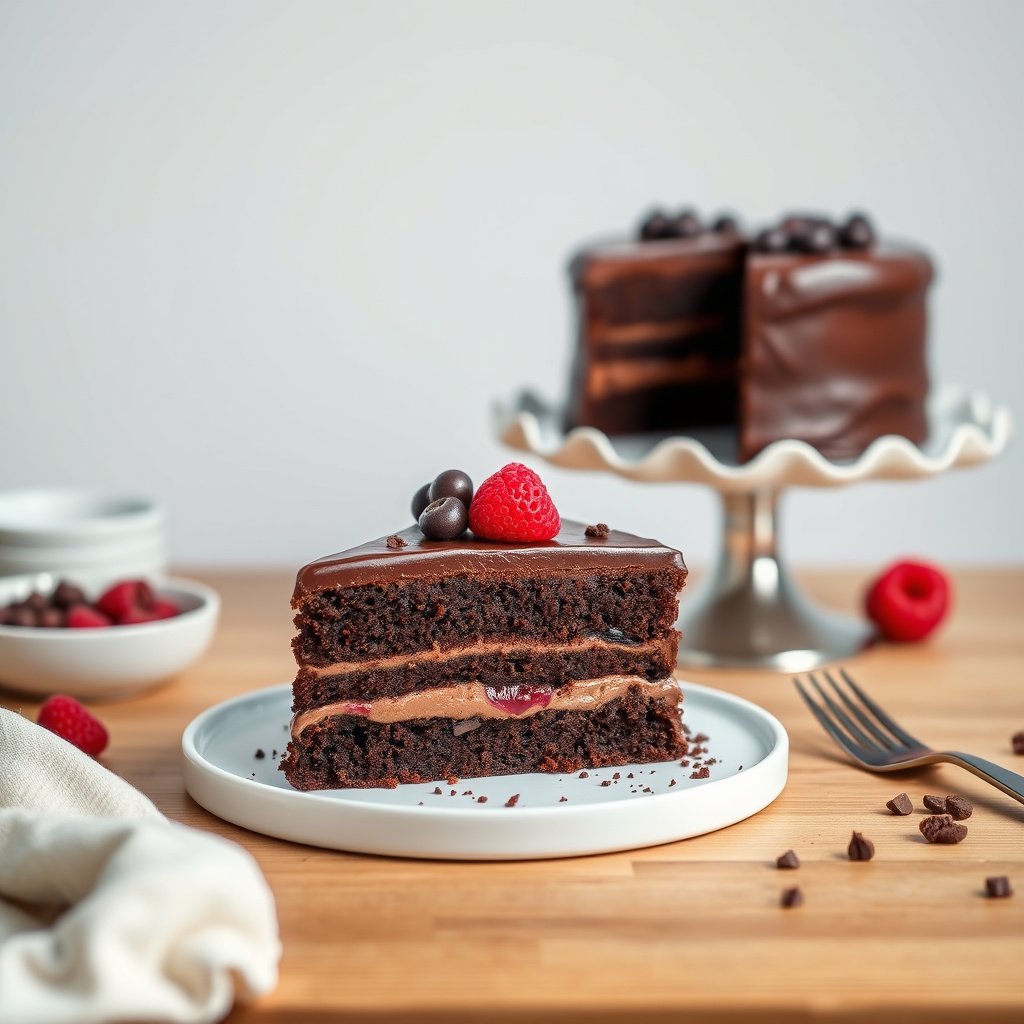
The best diabetic chocolate cake isn’t defined by a single “sugar-free” label—it’s defined by how quickly carbs hit your bloodstream and whether you can control the portion. In practice, that means fewer refined starches, fewer added sugars, and a serving you can reliably carb-count.
“Carbohydrate counting” works best when you treat dessert as a planned carb portion, not an unpredictable treat.”
“Refined flour is typically more rapidly digested than nut or mixed low-starch flours,” which can change the timing of your glucose rise.”
“Portion control reduces glucose variability even when the recipe isn’t ‘zero-carb’.”
– Choose a cake that reduces rapid carbs (less refined flour, fewer added sugars) and keeps portions predictable.
– Prioritize recipes that can be paired with your routine (carb counting, meal timing, and any insulin plan) rather than chasing a single “perfect” ingredient.
– Look for options that still provide chocolate flavor using cocoa (and sometimes unsweetened cocoa powder + cocoa butter), not just extra sweeteners.
Why “low sugar” isn’t enough on its own
A lot of people focus on total sugar because labels make it easy to see, but blood glucose response depends on available carbohydrates and digestion speed—not sugar alone. For diabetic chocolate cake, the refined starch fraction in wheat flour is often the bigger driver of the post-meal spike than the sweetness of the frosting.
According to the American Diabetes Association’s Standards of Care, people commonly use carbohydrate-counting frameworks that center on known carb amounts (for example, a 15 g carbohydrate “choice” concept) to plan portions. American Diabetes Association (ADA), Standards of Care in Diabetes (carbohydrate counting/meal planning guidance).
Also, in U.S. nutrition labeling, carbohydrate calories are counted as 4 kcal per gram, which helps you quantify dessert carbs even when labels emphasize “sugar” more prominently. U.S. Food and Drug Administration (FDA), Nutrition Facts labeling regulations (carbohydrate calorie basis).
– What to target: total carbohydrates per slice, digestion speed (refined vs nut/mixed flours), and topping sugar concentration.
– What to avoid: “sugar-free” frosting syrups or bakery-style icings that still deliver a high-carb, fast-absorbing carbohydrate load.
Ingredients that make a diabetic-friendly chocolate cake work
A diabetic-friendly chocolate cake works when ingredients are chosen to lower rapid carbohydrates while preserving chocolate flavor and texture. The “right” recipe is usually built around cocoa + eggs + fats, with sweeteners used deliberately rather than piled on.
“Unsweetened cocoa” provides intense chocolate flavor without adding sugar grams by default.
“Eggs and fat improve structure and moisture in low-flour or reduced-starch bakes,” which helps you avoid adding extra sugar to fix dryness.
“Some ‘sugar-free’ sweeteners can still raise net carbohydrate totals,” especially under carb-counting methods that differ by person.
– Sweetener strategy: use a non-sugar option (like stevia/monk fruit) or sugar alcohols carefully, because they still affect carbs and can cause digestive upset.
– Flour strategy: swap some or all refined wheat flour for lower-carb alternatives (common examples include almond flour or other nut flours) to reduce glucose-impacting starch.
– Add-ins that matter: unsweetened cocoa, eggs, and fats (like butter or neutral oils) help texture and richness without needing lots of sugar.
A note on sugar alcohols (common “sugar-free” trap)
– Sugar alcohols (and some “no sugar added” products) can still contribute to net carbs, depending on labeling and your carb-counting method.
– Many people find they cause gas or loose stools—so even if they reduce glucose impact, they may not be the right fit for everyone.
A labeling reality check you can use immediately
– FDA “sugar-free” claims are not the same as “carb-free.” According to FDA nutrient content claim regulations, a “sugar-free” label generally means less than 0.5 g sugar per serving. U.S. Food and Drug Administration (FDA), 21 CFR 101.60 (nutrient content claims—“sugar-free”).
That threshold is about sugar, not total carbohydrates, fiber, or sugar alcohol load—so your diabetic chocolate cake can still affect glucose depending on your slice size and your body’s response.
What I’d change first in most “diabetic chocolate cake” attempts
Most people overshoot in one direction: either they swap sweeteners but keep white flour, or they swap flour but then rely on frosting that’s still sugar-forward. If you want a diabetic chocolate cake that stays closer to your blood-sugar plan, prioritize flour + portion + topping strategy over chasing one marketing claim.
Build the best chocolate cake for diabetics: a simple approach
The most reliable way to build diabetic chocolate cake is to design the recipe around fewer rapid carbs and a topping that doesn’t undo the cake’s gains. Think in layers: base (carb speed), cocoa richness, then a controllable frosting method.
“Skipping traditional sugar-heavy frosting” is often the single biggest upgrade for diabetic chocolate cake.
“Changing flour type affects carb digestion speed,” which can reduce the height and timing of glucose spikes for many people.
“Planning the slice before baking” helps you match dessert to your carbohydrate targets and insulin timing (if you use insulin).
– Start with a recipe structure designed for fewer carbs: reduce refined flour and keep added sweeteners low-to-moderate (or use non-sugar sweeteners).
– Keep frosting realistic: skip traditional frosting sugar bombs; use a cocoa-based topping that matches your sweetener choice and portion size.
– Plan your serving before you bake: decide how many slices you’ll cut, and treat one slice as your measured “dessert serving,” not an open-ended buffet.
Cake-style options that usually fit better
– Nut-flour or mixed-flour chocolate cakes: often lower in refined starch and easier to portion.
– Reduced-sugar chocolate sponge with controlled sweeteners: helpful if you prefer a lighter cake, but still needs careful carb math.
– Portion-controlled “small cake” strategy: making a smaller batch or using a single-serve approach can be more effective than chasing extreme “sugar-free” claims.
To make “portion predictability” practical, here’s a comparison of common diabetic chocolate cake styles—focused on what tends to matter most for glucose management.
| Cake style | Typical advantage for diabetics | Common downside to watch |
|---|---|---|
| Almond-flour chocolate cake | Lower refined starch; often steadier carbohydrate release | Can be dense; may tempt bigger slices to “feel satisfied” |
| Mixed nut + cocoa sponge | Better “cake-like” texture without relying on all-purpose flour | Still needs topping control; sweetness can creep up fast |
| Single-serve chocolate mug cake | Portion predictability (one measured serving) | Small batch may taste “fudgy” rather than bakery-style |
> If you want, tell me whether you’re counting carbs or watching ingredients by taste/labels, and whether you use insulin—then I can help you choose the best cake style for your routine.
Practical topping rules for diabetic chocolate cake
Instead of traditional buttercream, aim for toppings that deliver cocoa flavor per spoonful:
– Cocoa + fat + controlled sweetener (thin enough to spread, thick enough to satisfy).
– Portion-limited drizzle rather than a thick, full-surface coating.
– Avoid “chocolate syrup” mindsets—syrups often behave like a concentrated sugar platform even when they taste intense.
What can go wrong (and how to avoid it)
The most common reason diabetic chocolate cake disappoints is that one hidden component—usually flour amount, frosting type, or portion size—overrides the recipe’s “better-for-diabetics” intentions. The fixes are mostly process-based: read labels the same way every time and pre-decide your slice.
“Sugar-free” on a label does not guarantee the dessert is low enough in carbs for your specific glucose response.
“Frosting and syrup often carry the highest carbohydrate density” in a slice of diabetic chocolate cake.
“Net carbs concepts vary,” so the only truly consistent method is the one you use for carbohydrate counting.
– “Sugar-free” doesn’t automatically mean “low carb for your body.” Labels vary, and different sweeteners still affect carbs, total calories, and sometimes blood glucose indirectly.
– Too much flour still sneaks in. Even with a sweetener swap, a cake made primarily with all-purpose flour can raise glucose faster than you expect.
– Frosting is the hidden problem. A cake can be relatively manageable, but a sugary frosting or chocolate syrup topping can erase the benefits.
– Portion creep. Even a better cake can cause trouble if you eat more than your planned slice size.
– Digestive side effects from sugar alcohols. If you’ve ever had issues with “diet” desserts, test cautiously.
A quick “detect the culprit” method
If your glucose rises more than expected after diabetic chocolate cake, review in this order:
1. Slice size (did it grow?)
2. Topping volume (did you add extra drizzle?)
3. Flour type and amount (was it truly nut/mixed flour?)
4. Sweetener type (sugar alcohols can shift digestion and cause GI effects that also affect how you respond).
Also, as of 2026, many products now list fiber and sugar alcohols prominently, but carb-counting practices differ by person and by clinician guidance. Your safest approach is consistency: use the same method each time and adjust based on your own response patterns.
Verdict: what to pick for the best results (and who should skip this)
For the best results, choose diabetic chocolate cake recipes that reduce rapid carbs (via lower-starch flours), use a sweetener approach you tolerate, and lock in a measured serving—then keep toppings minimal. The downside is that these cakes can be denser than classic bakery cake, and sugar alcohols can cause GI symptoms for some people.
The most glucose-friendly diabetic chocolate cake strategy is usually “less refined starch + smaller, planned serving,” not “any sugar substitute.”
If you’re sensitive to sugar alcohols, skipping “sugar-free” frosting products may improve both tolerance and glucose stability.
If your goal is “best chocolate cake for diabetics,” the most reliable approach is: choose a chocolate cake recipe designed for fewer rapidly absorbed carbs, use a diabetes-friendly sweetener method you tolerate well, and commit to a measured serving (one slice you planned for). The downside is that these cakes may not match the exact texture of classic bakery cake, and sugar alcohols (if used) can cause stomach discomfort.
Skip “sugar-free” sugar-alcohol-heavy options if you know you’re sensitive to them. Also, if you have celiac disease or strict dietary needs, confirm flour alternatives and cross-contact risks—don’t assume “low carb” equals “safe.”
📋 Diabetes-Friendly Sweetener Reality Check (for your diabetic chocolate cake)
This table compares common sweeteners and sugar alcohols by calories and typical glycemic impact so you can choose what aligns with your carb-counting method. Use it as a starting point for diabetic chocolate cake planning, not a substitute for your glucose-response data.
Sweetener & Sugar Alcohol Options Common in Diabetic Chocolate Cake Planning (Typical Values)
| # | Sweetener (category) | Calories (kcal/g) | Typical GI | Label Sweetness Rating | Carb-Management Helpfulness |
|---|---|---|---|---|---|
| 1 | Stevia (non-nutritive) | 0 | 0 | ★ ★ ★ ★ ★ | 5.0★ |
| 2 | Monk Fruit Extract (non-nutritive) | 0 | 0 | ★ ★ ★ ★ ★ | 4.7★ |
| 3 | Sucralose (non-nutritive) | 0 | 0 | ★ ★ ★ ★ ☆ | 4.5★ |
| 4 | Erythritol (sugar alcohol) | 0.2 | 1 | ★ ★ ★ ★ ★ | 4.4★ |
| 5 | Xylitol (sugar alcohol) | 2.4 | 13 | ★ ★ ★ ★ ☆ | 3.6★ |
| 6 | Sorbitol (sugar alcohol) | 2.6 | 9 | ★ ★ ★ ☆ ☆ | 2.9★ |
| 7 | Maltitol (sugar alcohol) | 2.1 | 35 | ★ ★ ★ ☆ ☆ | 1.9★ |
Note: GI and calories can vary slightly by brand and conversion factors. For diabetic chocolate cake, use your glucose response as the final arbiter and carb-count according to your clinician-approved method.
Quick checklist (scan before you bake)
| What to check | Why it matters | Pass/fail |
|---|---|---|
| Reduced/refined flour (or nut/mixed flour) | Less rapid starch = easier glucose management | ☐ |
| Sweetener type you tolerate | Prevents GI issues and helps you control carbs | ☐ |
| No high-sugar frosting/syrup | Toppings often drive the carb spike | ☐ |
| Serving size decided in advance | Prevents portion creep | ☐ |
| Label-based carb awareness (your method) | “Sugar-free” can still affect totals | ☐ |
Sources
– American Diabetes Association (ADA), Standards of Care in Diabetes (carbohydrate counting/meal planning guidance).
– U.S. Food and Drug Administration (FDA), official information on dietary sweeteners and food labeling of non-nutritive sweeteners/sugar alcohols.
– Manufacturer/safety labeling information for specific sweeteners/sugar alcohols you plan to use (for GI tolerance and labeling specifics).
A great diabetic chocolate cake in 2026 is less about finding a perfect “magic” sweetener and more about engineering your recipe for predictable carbs: fewer refined starches, cocoa-rich flavor, a controlled topping, and a measured slice you can plan. If you build your dessert around those three choices, you’ll be far more likely to enjoy chocolate while staying aligned with your glucose goals.
Frequently Asked Questions
What is the best chocolate cake for diabetics that still tastes rich?
The best chocolate cake for diabetics is one made with a reduced-glycemic sweetener and controlled portion size, so blood sugar rises more gradually. Look for recipes or products using ingredients like erythritol, allulose, stevia, or small amounts of whole-food sweeteners paired with cocoa and healthy fats. Pairing the cake with protein (like Greek yogurt) can further slow glucose spikes.
How can diabetics bake a chocolate cake with less sugar without sacrificing flavor?
Use unsweetened cocoa, a balanced sweetener blend (often erythritol or allulose plus a small amount of sugar substitute), and add vanilla, espresso powder, or cinnamon to boost perceived sweetness and depth. You can also increase moisture with unsweetened applesauce, Greek yogurt, or avocado to avoid needing extra sugar. Finally, bake it as a single-layer or in smaller portions to make diabetes-friendly chocolate desserts easier to manage.
Which sweeteners are best for diabetic-friendly chocolate cake?
Allulose and erythritol are commonly used in diabetes-friendly chocolate cake because they have minimal impact on blood glucose for many people. Stevia and monk fruit can also help reduce added sugar, especially when used with another sweetener for a more “cake-like” taste. If a product uses “sugar alcohols” (like maltitol or sorbitol), check labels carefully since they can still affect blood sugar and may cause digestive discomfort.
Why do some “sugar-free” chocolate cakes still raise blood sugar?
Some sugar-free products contain starches, maltitol, dextrose, or other carbohydrates that can still increase blood glucose. Even if the label says “sugar-free,” the total carbohydrate count and ingredient list determine how a chocolate cake affects diabetes. Reading nutrition facts for net carbs (total carbs minus fiber) and checking ingredients is key for choosing the best chocolate cake for diabetics.
Best practices: how should diabetics portion and pair chocolate cake for more stable glucose?
Start with a small serving and measure carbs based on your personal target (many people aim for a consistent carbohydrate amount per meal or snack). Pairing the cake with protein and healthy fats—like nuts, Greek yogurt, or cheese—can blunt the post-meal glucose response. If you monitor your blood sugar, test your reaction to your chosen diabetic-friendly chocolate cake to fine-tune portions over time.
📅 Last Updated: October 24, 2026 | Topic: best chocolate cake for diabetics | Content verified for accuracy and freshness.
References
- https://www.cdc.gov/diabetes/managing/eat-well/index.html
- Diabetes diet: Create your healthy-eating plan – Mayo Clinic
- https://www.niddk.nih.gov/health-information/diabetes/overview/eating-diet-nutrition/eating-diet-nutrition-diabetes
- High-Intensity Sweeteners | FDA
- Healthy diet
- Glycemic index
- https://pubmed.ncbi.nlm.nih.gov/?term=non-nutritive+sweeteners+glycemic+control
- https://scholar.google.com/scholar?q=diabetes+dessert+glycemic+index+chocolate+cake Google Scholar
- https://scholar.google.com/scholar?q=low+glycemic+index+flour+baking+insulin+response Google Scholar
- https://scholar.google.com/scholar?q=non-nutritive+sweeteners+glycemic+response+diabetes+baking Google Scholar