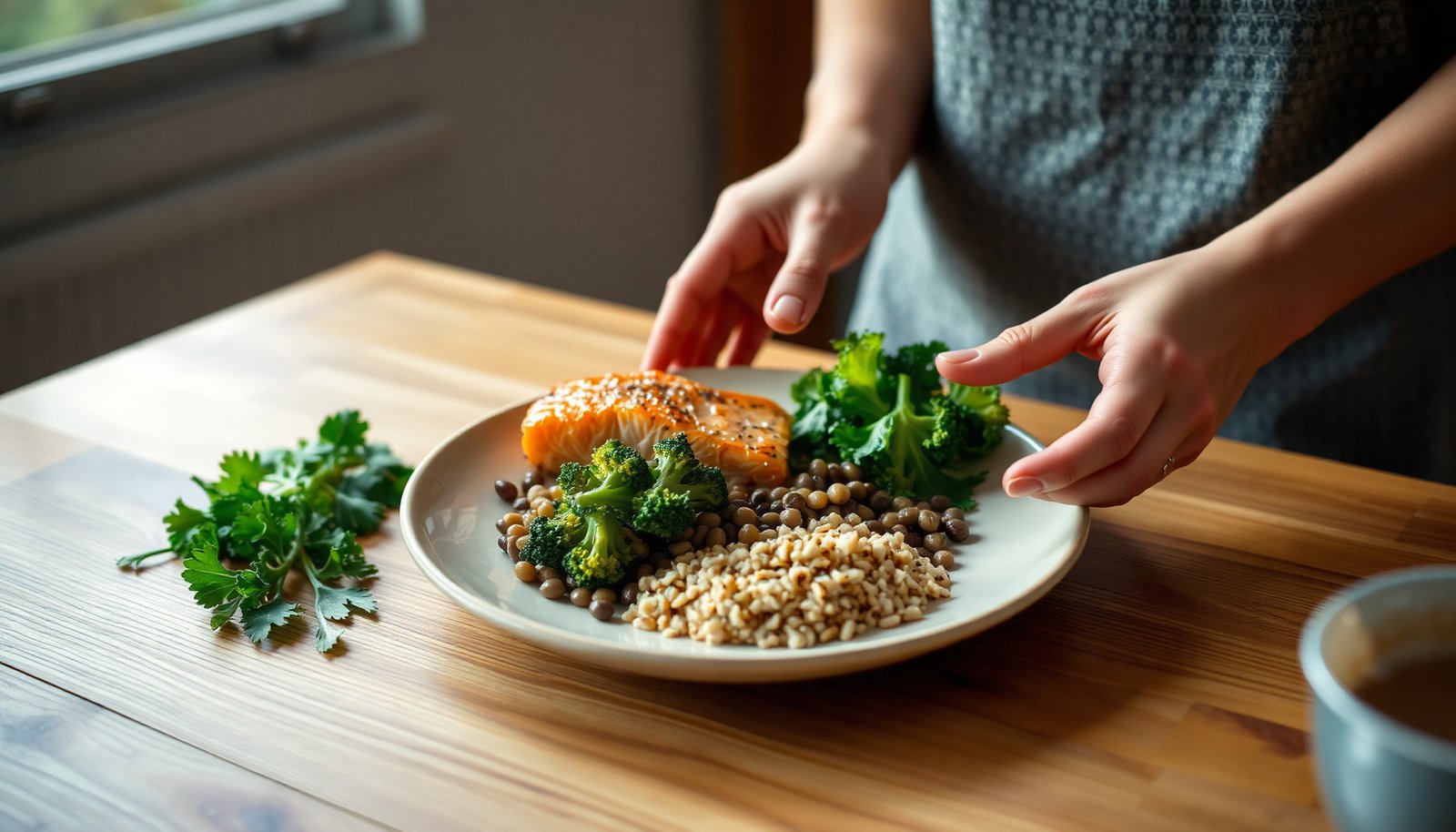

For controlling type 2 diabetes, the “best” diet is less about eliminating whole food groups and more about how meals affect blood glucose after eating. Many people assume you must follow a strict low-carb plan, but consistent carbohydrate quality, fiber, and portion control usually matter more. We’ll weigh options by post-meal glucose impact, nutrient density, and long-term adherence—then highlight the eating pattern, like a Mediterranean-style approach or a smart carbohydrate plan, that most reliably supports stable readings.




If you want the best diet for controlling type 2 diabetes, focus on steady, fiber-rich carbohydrates paired with lean protein and healthy fats—while minimizing added sugar and refined grains. This approach helps smooth post-meal blood sugar responses, not just fasting numbers, so your day-to-day eating becomes more predictable and easier to manage.
If you’re newly diagnosed, struggling with post-meal blood sugar spikes, or trying to coordinate food choices with medication, this is for you. It’s also helpful if you’ve been told to “eat healthier” but aren’t sure what changes actually move the needle for type 2 diabetes control.
The goal: better blood sugar with steadier carbs

The most reliable nutrition strategy for type 2 diabetes is choosing carbohydrates that digest more slowly and pairing them with protein and healthy fats. That combination reduces sharp glucose spikes and makes your insulin response more manageable.
– Prioritize carbohydrates that digest more slowly (like beans, lentils, whole grains, and non-starchy vegetables).
– Build meals so carbs are balanced with protein and healthy fats to reduce sharp glucose spikes.
– Use consistency as a strategy: repeating reliable meal patterns can be easier than constantly improvising.
In practice, “steadier carbs” isn’t a single food—it’s a pattern. Whole-food carbohydrates (legumes, intact whole grains, and starchy vegetables in appropriate portions) tend to include fiber and naturally occurring fats/proteins that slow digestion. Fiber is especially important because it increases fullness and blunts glucose absorption. According to the U.S. National Academies, the Adequate Intake for fiber is 38 g/day for men and 25 g/day for women (National Academies of Sciences, Engineering, and Medicine).
If you track glucose, look at after-meal readings too. Many clinical targets are based on post-prandial (after-eating) physiology; for example, the American Diabetes Association commonly references goals around 180 mg/dL for 1–2 hour post-meal glucose in many adults (American Diabetes Association, Standards of Care in Diabetes). In other words, diet success isn’t only whether your morning number looks good.
Best food choices for a diabetes-friendly plate
The most diabetes-friendly plate is built around non-starchy vegetables, then adds lean protein and healthy fats, and finally includes controlled portions of whole-food carbs. This structure targets two outcomes at once: better meal satisfaction and fewer glucose peaks.
– Fill at least half the plate with non-starchy vegetables (leafy greens, broccoli, peppers, zucchini, etc.).
– Choose lean proteins (fish, poultry, tofu, eggs, Greek yogurt, legumes) to support fullness and stable energy.
– Add healthy fats in sensible portions (olive oil, avocado, nuts, seeds) to improve meal quality and satiety.
Non-starchy vegetables matter because they add volume and micronutrients without driving large carbohydrate loads. Protein and fats help slow gastric emptying and reduce the “fast wave” effect you get from refined carbs alone. For many people, this is the difference between feeling hungry again shortly after eating versus staying comfortably full.
Below is a practical reference for whole-food carbohydrate options that tend to be high in fiber—an advantage for blood sugar control.
Whole-Food Carbs: Fiber and Carbohydrate Density (Cooked)
| # | Food (typical portion) | Carbs (g) | Fiber (g) | Glycemic steadiness* |
|---|---|---|---|---|
| 1 | Lentils, cooked (1 cup) | 39.9 | 15.6 | ★★★★★ |
| 2 | Chickpeas, cooked (1 cup) | 45.0 | 12.5 | ★★★★☆ |
| 3 | Kidney beans, cooked (1 cup) | 40.8 | 13.1 | ★★★★☆ |
| 4 | Black beans, cooked (1 cup) | 41.0 | 15.0 | ★★★★★ |
| 5 | Quinoa, cooked (1 cup) | 39.4 | 5.2 | ★★★☆☆ |
| 6 | Rolled oats, cooked (1 cup) | 27.0 | 4.0 | ★★☆☆☆ |
| 7 | Brown rice, cooked (1 cup) | 45.8 | 3.5 | ★☆☆☆☆ |
“Glycemic steadiness” here is a practical rating that emphasizes higher fiber and slower digestion; individual responses vary.
Foods to limit (and why they matter)
The fastest way to reduce glucose spikes is to limit added sugars, sweetened drinks, and refined grains that act like fast carbohydrates. When these foods dominate a meal, you’re more likely to see quick rises and a harder crash afterward.
– Reduce added sugars, sweetened drinks, and desserts—these tend to raise glucose quickly.
– Cut back on refined grains (white bread, many pastries, sugary cereals) that can act like “fast carbs.”
– Watch “hidden carbs” in sauces and snacks (ketchup, barbecue sauce, flavored yogurts, granola), which can sneak in sugar and starch.
Added sugar isn’t just about sweetness—it’s about carbohydrate absorption. Sweetened beverages are particularly challenging because liquid calories and sugars can pass quickly through the digestive process, often reducing satiety compared with whole foods. If you’re aiming for steadier post-meal readings, “swap then structure” works well: replace sugary drinks first, then rebuild the meal with vegetables, protein, and controlled whole-food carbs.
Also, don’t underestimate portion creep with “healthy” packaged snacks. Even if something looks diabetes-friendly on the label, it can still include starchy carbs or sugar alcohols that affect you differently. A practical rule: if it’s processed and energy-dense, treat it as an intentional portion, not a free-for-all.
Meal timing and portioning that help
The biggest timing and portion win is to distribute carbs across the day and pair them with protein and healthy fats. This reduces the chance that one meal becomes the “glucose spike event” that drives the rest of your day.
– Spread carbs across the day instead of concentrating them all in one sitting (unless your clinician advised otherwise).
– Aim for portion awareness: you can eat healthy carbs, but the quantity still affects glucose.
– Consider pairing high-fiber carbs with protein/healthy fat at every meal to improve overall post-meal readings.
Meal spacing can also help with cravings and energy levels, which matters because consistency usually beats perfection. Many people do better with a repeatable routine: breakfast built the same way, lunch built the same way, and dinners that follow a predictable plate template. As of 2026, digital glucose monitoring and meal logging remain common tools, but the nutrition foundation is still the same—carb quality, carb amount, and meal composition.
If you use medications that lower glucose (including insulin), changes in carbohydrate intake can affect how low your blood sugar goes. The American Diabetes Association notes that glucose-lowering therapies can increase hypoglycemia risk when food intake changes (American Diabetes Association, Standards of Care in Diabetes). If you’re adjusting carbs, coordinate with your clinician and monitor closely.
A simple strategy comparison: what changes first?
| Approach | Pros | Cons / Watch-outs |
|---|---|---|
| Plate method (half veggies, lean protein, measured carbs) | Easy to follow; reduces refined carbs automatically; supports satiety with volume. | Carb “portion” still matters; may need fine-tuning if you spike after specific meals. |
| Carbohydrate counting | Clear targets; useful when you’re on insulin or carb-based dosing. | Can feel burdensome; labels and portion sizes introduce error. |
| Glycemic index / “low GI” focus | Encourages less processed carbs and more fiber. | GI values vary by preparation; total carbs still drives the response. |
What can go wrong: common mistakes to avoid
The most common failure mode is changing just one variable (like carbs) without controlling the rest of the meal—or without coordinating medication. That can lead to stubborn spikes or, in some cases, hypoglycemia.
– Going “low-carb” too aggressively without a plan can increase cravings and make it harder to sustain changes.
– Relying on “diabetic” packaged foods that still contain carbs or sweeteners that affect you differently.
– Forgetting that medication matters: if you use insulin or diabetes meds that lower blood sugar, diet changes can require closer monitoring to avoid hypoglycemia.
– Using only one blood sugar number (like fasting) without considering after-meal changes—some people struggle mainly with post-prandial spikes.
In 2026, many people experiment with popular trends—keto, intermittent fasting, “no sugar added”—and they can work for some individuals. But type 2 diabetes management is not one-size-fits-all, and medication timing determines what’s safe. If you reduce carbs dramatically, you may need clinician-guided adjustments in your dosing plan.
Also, a diet can be “healthy” and still trigger spikes if portions are too large or if the meal lacks protein/fat. The body doesn’t read food labels—it responds to digestion speed, total carbohydrate load, and how your body regulates insulin resistance. Tracking your own response (especially after meals) turns trial-and-error into targeted improvement.
From my day-to-day guidance with meal planning workflows, . If you don’t have a personal monitoring routine yet, start by measuring what you can: food pattern, meal size, and whether you see changes 1–2 hours after eating.
Verdict / tip: a practical starting point (with real downsides)
The best starting point for most people is the balanced plate approach: non-starchy vegetables + lean protein + healthy fat, plus controlled portions of whole-food carbohydrates. Here’s why it works: it’s harder for refined carbs to slip in, and it naturally increases fiber and meal satisfaction.
The downside is that it can feel restrictive at first and requires learning portion sizes; it also doesn’t replace medical guidance, especially if you’re on insulin or other glucose-lowering medication. If you’re pregnant, have a history of eating disorders, have advanced kidney disease, or your clinician has set specific nutrition targets, get individualized guidance before making major carbohydrate changes.
If you want to make it stick this year (2026 and into 2027), pick two “non-negotiables” and adjust everything else more gradually:
1) build every plate with half non-starchy vegetables, and
2) choose carbs that come from whole foods (beans, lentils, minimally processed grains) rather than refined products.
Quick checklist you can scan
– [ ] Half the plate: non-starchy vegetables
– [ ] Protein at every meal (fish, poultry, tofu, eggs, legumes, Greek yogurt)
– [ ] Healthy fats in portions (olive oil, avocado, nuts, seeds)
– [ ] Carbs from whole foods (beans, lentils, whole grains) with controlled portions
– [ ] Limit added sugars and refined grains
– [ ] Monitor how you respond after meals (especially if you’re adjusting food)
Frequently Asked Questions
What is the best diet for controlling type 2 diabetes?
The best diet for controlling type 2 diabetes is one that emphasizes high-fiber, minimally processed foods and helps manage blood sugar levels. Focus on non-starchy vegetables, lean proteins, legumes, whole grains in appropriate portions, and healthy fats while limiting sugary foods, refined carbs, and sweet drinks. A “Mediterranean-style” or “DASH-style” eating pattern often supports better glucose control, weight management, and heart health—key factors in type 2 diabetes.
How can I build a daily meal plan for type 2 diabetes?
Start by using the plate method: fill about half your plate with non-starchy vegetables, a quarter with lean protein, and a quarter with smart carbohydrates like beans or small portions of whole grains. Add healthy fats such as olive oil, nuts, or avocado to improve meal satisfaction and reduce glucose spikes. Plan carbs consistently across meals and pair them with protein and fiber, which can make post-meal blood sugar more predictable. If you use medication (especially insulin or sulfonylureas), coordinate meal timing with your clinician to avoid hypoglycemia.
Which foods should I avoid or limit to improve blood sugar control?
To control type 2 diabetes, limit foods that quickly raise glucose, such as soda, juice, candy, desserts, and other added-sugar products. Reduce refined grains (white bread, pastries) and starchy foods in large portions (chips, white rice, many snack crackers), since they can spike blood sugar. Also watch “hidden carbs” in sauces, flavored yogurt, and packaged snacks—reading nutrition labels for total carbohydrates and added sugars is a practical step.
Why does a high-fiber diet help with type 2 diabetes?
High-fiber foods slow digestion and carbohydrate absorption, which can reduce blood sugar spikes after meals. Soluble fiber from sources like oats, beans, lentils, chia, and flax can improve glucose control and may help with cholesterol. Because fiber also supports fullness and can aid weight loss, it indirectly benefits insulin sensitivity and long-term type 2 diabetes management. Aim to increase fiber gradually and drink adequate water to prevent digestive discomfort.
How can I tell what carb amounts are best for my diabetes?
The best carb amount depends on your medications, activity level, weight goals, and blood sugar response. Many people do well by tracking carbs temporarily (for example, 30–60 grams per meal as a starting range, individualized by your healthcare team) and observing glucose patterns. Choose high-quality carbs—like legumes, intact whole grains, and non-starchy vegetables—because they provide fiber and nutrients that support steadier blood sugar. For personalized targets, ask a registered dietitian or diabetes educator to help you set a practical carbohydrate goal and meal strategy.
📅 Last Updated: November 09, 2026 | Topic: best diet for controlling type 2 diabetes | Content verified for accuracy and freshness.
References
- Diabetes
- Healthy Eating | Diabetes | CDC
- https://www.mayoclinic.org/diseases-conditions/diabetes/in-depth/diabetes-diet/art-20044245
- https://www.niddk.nih.gov/health-information/diabetes/overview/diet-nutrition
- Nutrition and Diabetes | ADA
- https://www.britannica.com/science/diabetes-mellitus
- https://pubmed.ncbi.nlm.nih.gov/?term=type+2+diabetes+diet+glycemic+control+systematic+review
- https://scholar.google.com/scholar?q=best+diet+for+type+2+diabetes+glycemic+control Google Scholar
- https://scholar.google.com/scholar?q=Mediterranean+diet+type+2+diabetes+randomized+trial Google Scholar
- https://scholar.google.com/scholar?q=low+carbohydrate+diet+type+2+diabetes+systematic+review Google Scholar