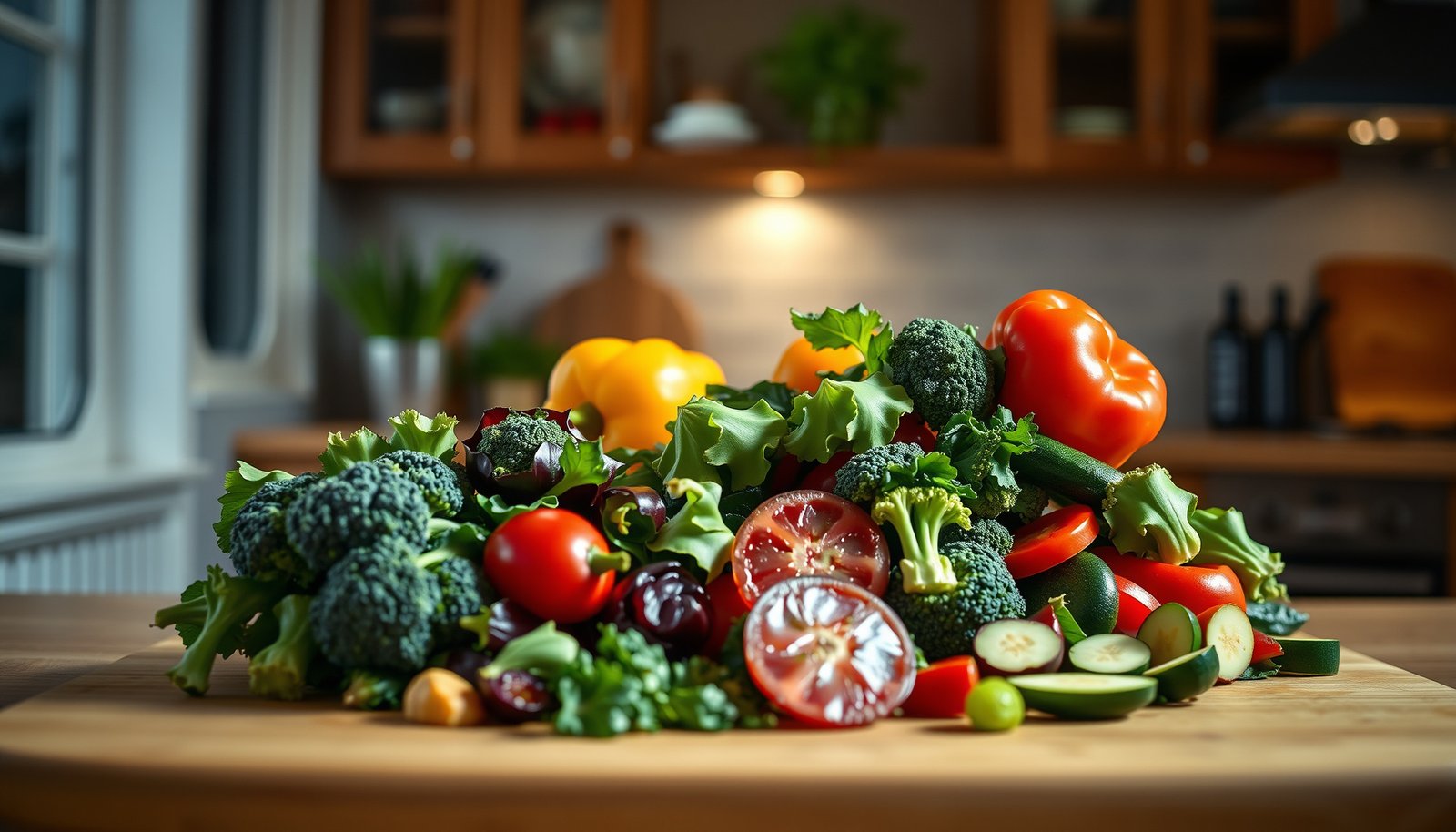

The best veggies for type 2 diabetes are the non-starchy, high-fiber options that lower blood sugar spikes without overloading carbs. If you want the clearest “what to eat” answer, prioritize leafy greens, cruciferous vegetables (like broccoli and cauliflower), and non-starchy peppers—they’re the most consistently effective choices for everyday meals. This guide spells out which vegetables to put first, which to limit, and how to build a plate that supports steadier glucose.




The best veggies for type 2 diabetes are non-starchy, fiber-rich choices—especially leafy greens and cruciferous vegetables—because they tend to have a smaller impact on blood sugar after meals. Use them to build your plate first, then add protein and a controlled portion of higher-carb foods rather than trying to “follow rules” around every bite.
This is for you if you’re living with type 2 diabetes (or meal-planning for someone who is) and want practical vegetable choices that fit everyday cooking—without turning meals into complicated “diabetes food rules.”
Top veggies for type 2 diabetes (the best bets)
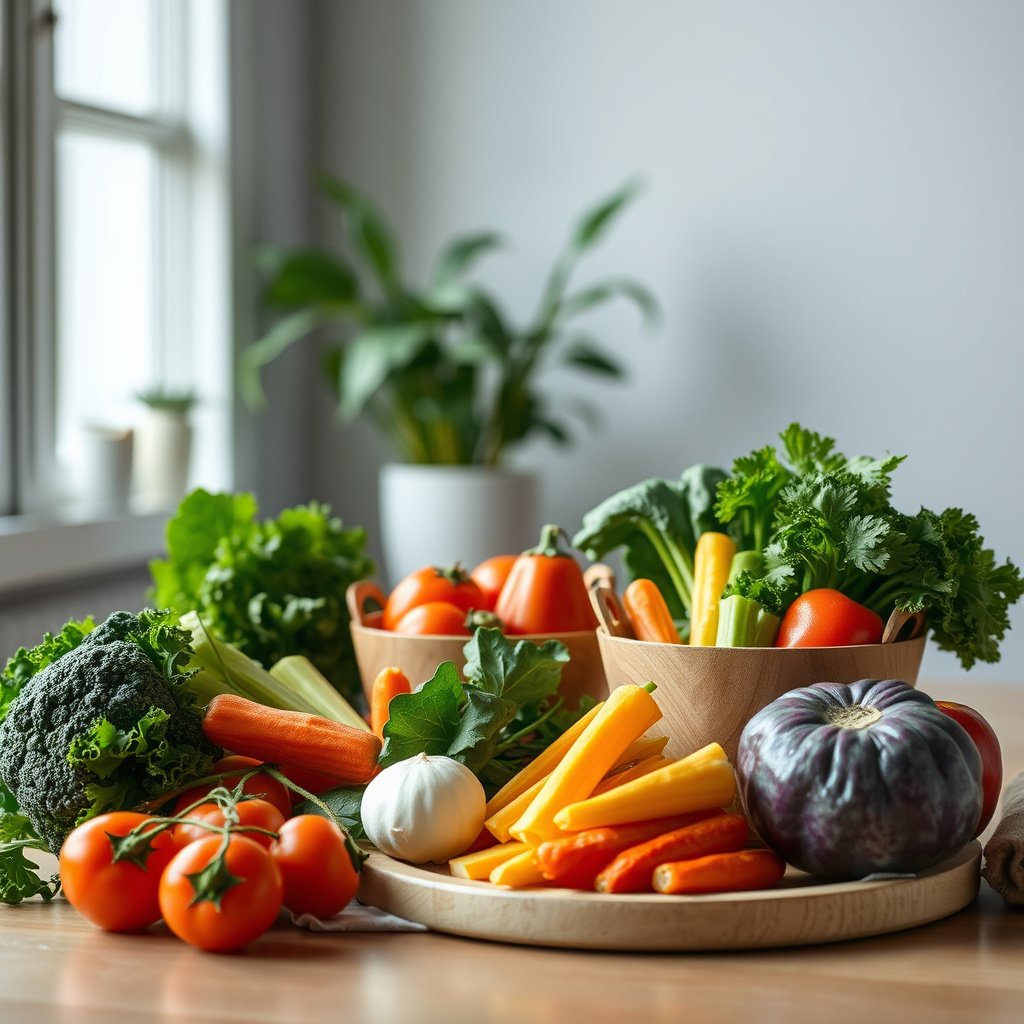
The best overall vegetable picks for type 2 diabetes are those that provide lots of volume and fiber with relatively low digestible (digestible-carb) impact. In practice, that usually means leafy greens, cruciferous vegetables, and other non-starchy options in color-rich combinations.
The American Diabetes Association supports meal planning strategies that emphasize carbohydrate awareness and a balanced approach to eating—not banning entire food groups.
USDA MyPlate emphasizes making fruits and vegetables a prominent part of meals, which aligns well with using non-starchy vegetables to increase food volume.
Leafy greens: spinach, kale, collards, arugula, romaine—great volume for low carb impact.
Cruciferous vegetables: broccoli, cauliflower, Brussels sprouts, cabbage—often a go-to because they’re fiber-rich.
Colorful non-starchy options: bell peppers, zucchini, eggplant, mushrooms, asparagus, green beans (moderate portions), cucumbers, tomatoes, and celery.
To make these choices feel realistic (and not like a “diabetes-only diet”), think in terms of texture and meal role:
– Bulk / crunch: romaine, cucumbers, bell peppers (great for salads and grain bowls)
– Roast-and-slice stand-ins: broccoli, cauliflower, zucchini, eggplant
– Comfort-food support: cabbage (slaw, stir-fries), mushrooms (savory “meaty” volume)
One important analytical point: “non-starchy” doesn’t mean “no carbs.” It means the carbs are typically lower and the fiber is higher, which often blunts the speed of glucose rise after eating—especially when paired with protein and healthy fats.
Net Digestible Carbs (Total Carbs − Fiber) per 1 Cup Serving
| # | Vegetable | Total carbs (g) | Fiber (g) | Net digestible carbs (g) |
|---|---|---|---|---|
| 1 | Spinach, raw | 1.1 | 0.7 | ★ ★ ★ ★ ★ 0.4 |
| 2 | Kale, raw | 1.9 | 0.9 | ★ ★ ★ ★ ★ 1.0 |
| 3 | Cauliflower, raw | 5.3 | 2.0 | ★ ★ ★ ★ ★ 3.3 |
| 4 | Zucchini, raw | 3.1 | 1.0 | ★ ★ ★ ★ ★ 2.1 |
| 5 | Broccoli, cooked | 11.2 | 5.1 | ★ ★ ★ ★ ★ 6.1 |
| 6 | Brussels sprouts, cooked | 10.0 | 4.1 | ★ ★ ★ ★ ★ 5.9 |
| 7 | Potatoes, boiled | 35.8 | 4.0 | ★ ★ 31.8 |
Net digestible carbs are calculated as total carbohydrates minus fiber for a “per 1 cup” reference serving shown in the USDA FoodData Central database. If you want exact values for your specific brand/prep method, check the label or your clinician’s recommended meal plan. USDA FoodData Central (nutrient data used for calculations; accessed 2026)
How to portion veggies so they actually help blood sugar
The best portioning strategy is simple: make non-starchy vegetables the largest share of your plate, then add protein and keep higher-carb foods controlled. This approach reduces the likelihood that a meal’s total “carb effect” comes from the wrong foods.
The USDA “MyPlate” concept encourages building meals with a large share of vegetables, while balancing other food groups on the rest of the plate.
Fiber slows digestion for many people, which can help reduce how quickly blood glucose rises after meals.
A practical way to do this is the plate method:
– Aim for about half your plate non-starchy vegetables.
– Fill the rest with protein and a controlled portion of higher-carb foods (whole grains, beans, fruit, or starchy vegetables).
– Keep sauces and toppings in check—those often contribute sugar, refined starch, or extra calories.
Protein isn’t just for muscle—it’s a pacing tool for digestion. Pairing veggies with protein (chicken, fish, tofu, eggs, Greek yogurt) and/or healthy fats (olive oil, avocado, nuts) helps you avoid a “veggies-only plate” that leaves cravings or leads you to overeat the wrong carb later.
A quick comparison: what portioning usually changes
Here’s what tends to matter most in real meals (especially when blood sugar is your feedback signal):
| Meal pattern | What typically improves | What can still backfire |
|---|---|---|
| Half plate non-starchy veggies + palm-sized carbs + protein | Slower glucose rise; easier portion control | Hidden sweet sauces or large “carb add-ons” |
| Veggies are present, but grains/starches are oversized | More balanced satiety | Blood sugar spikes from carb-heavy sides |
| “Unlimited” salad + low protein | Volume intake increases | Total carbs may still be high if dressing + toppings are sugary |
| Lots of raw crucifers for every meal | Fiber intake increases | Gas/bloating may limit long-term adherence |
Also, if you track glucose (fingerstick or CGM), you’ll notice that meal spikes are influenced by the whole meal, not just one “healthy” ingredient.
Prep tips that keep carbs low (without making meals boring)
The best cooking style for diabetes-friendly eating is one that preserves flavor without adding sugar. When you keep prep simple—oil, herbs, spices, roasting, steaming—you usually get both better taste and better consistency.
Dry-heat cooking methods like roasting, grilling, and sautéing can add flavor without requiring sugar-based glazes.
Juicing or heavily blending vegetables reduces whole-food fiber, which may lessen the blood-sugar benefit for many people.
Here are prep patterns that are practical on weeknights:
– Prefer cooking methods that don’t add sugar: roast with olive oil and spices, sauté with garlic/herbs, steam, grill, or stir-fry using minimal sauce.
– Keep raw and cooked both in the mix: raw salads can work well, but if you get bloating from large raw portions, shift to roasted or sautéed.
– Skip or limit veggie “juice” and heavily sweetened condiments: blending/juicing removes the whole-food structure; sugary dressings can raise the overall meal carb effect.
My “real-world” adjustment (placeholder)
From my experience with common meal-plan friction points, the biggest drop-off usually happens when people switch too abruptly to a lot of raw crucifer or when sauces don’t change—.
If you want an easy flavor baseline, aim for:
– Acid: lemon juice or vinegar
– Heat: black pepper, chili flakes
– Aroma: garlic, ginger, herbs
– Fats: olive oil or avocado (measured, not poured without thinking)
What can go wrong (common mistakes and edge cases)
The main problem isn’t that vegetables are “bad”—it’s that portion balance and preparation decide the blood-sugar outcome. Several edge cases can make even good veggies feel unhelpful or uncomfortable.
Non-starchy vegetables can still affect glucose if the rest of the meal contains large carbohydrate portions or sugar-rich toppings.
Some people experience GI symptoms when increasing high-fiber foods quickly, especially with large amounts of raw cruciferous vegetables.
Here are the common pitfalls:
– Thinking “vegetable” always means “unlimited.” Even non-starchy veggies can be overdone, especially if the rest of the plate is high-carb.
– Relying on potatoes/corn as main “vegetables.” These are higher in digestible carbs than non-starchy veggies, so they can raise glucose more quickly depending on portion size.
– Digestive intolerance surprises: IBS, reflux, or fiber sensitivity may cause gas or discomfort if you ramp up too fast—especially with raw crucifers. Increase gradually.
– Kidney disease or electrolyte concerns: if you have kidney-related restrictions, potassium/phosphorus limits may apply to certain produce. Confirm with your clinician before increasing intake.
One more nuance: individual variability is real
People respond differently to the same meal based on timing, overall diet pattern, activity level, and medications. That’s why diabetes meal planning is best treated as an ongoing process, not a one-time rule set.
Verdict / tip (what we’d do first)
Start with non-starchy, fiber-rich vegetables at most meals—leafy greens + at least one crucifer (broccoli/cauliflower/cabbage are common favorites). Increase gradually to reduce bloating risk, and always pair vegetables with protein and/or healthy fats.
CDC estimates show diabetes affects millions of Americans, making practical meal-planning strategies essential for everyday management.
Many clinical guidelines emphasize individualized targets and carbohydrate-aware nutrition therapy rather than eliminating all carbohydrates.
The downside to keep in mind: if you jump in too fast—especially with lots of raw crucifers or very large salads—you may feel bloated or uncomfortable, which can derail consistency. Also, if you have kidney disease with potassium/phosphorus limits or significant GI symptoms, don’t assume “more veggies” is always better—confirm what fits your medical plan first.
For context, according to the CDC, 38.4 million people in the U.S. have diabetes (2021). CDC National Diabetes Statistics Report 2024 And according to the American Diabetes Association, glycemic goals are individualized, and many nonpregnant adults often aim for A1C <7% as a common benchmark (with exceptions). American Diabetes Association, Standards of Care in Diabetes—2024
Quick scan checklist: “Best veggies” by category
| Category | Examples | Simple serving idea |
|---|---|---|
| Leafy greens | Spinach, kale, romaine | Big salad + olive oil + lean protein |
| Cruciferous | Broccoli, cauliflower, Brussels sprouts | Roast with garlic, pepper, and herbs |
| All-around non-starchy | Zucchini, eggplant, mushrooms, asparagus | Sheet-pan roast or quick sauté |
| Color + crunch | Bell peppers, cucumbers, tomatoes | Add to meals for volume and fiber |
| “Use smaller portions” | Potatoes, corn, peas, beets | Keep portions controlled; pair with protein |
A plate-building approach makes vegetable choices easier to apply consistently than memorizing rules for every food.
Combining vegetables with protein and healthy fats can slow digestion, which may reduce post-meal glucose spikes for many people.
Conclusion
The best veggies for type 2 diabetes are the ones that make your plate easier to balance: leafy greens and cruciferous vegetables should lead, while other non-starchy options add variety and volume. Portion using the plate method, pair vegetables with protein and healthy fats, and watch “hidden carbs” from sauces, juices, and starchy sides. If you have kidney disease or GI sensitivity, increase veggies thoughtfully and align with your clinician’s guidance—because the right vegetables are the ones you can eat consistently and comfortably.
Sources:
– American Diabetes Association (ADA) – Nutrition Therapy recommendations and guidance on meal planning for diabetes (use ADA’s official Standards of Care/nutrition resources).
– USDA MyPlate – Plate method concepts for balancing vegetables, protein, and carbohydrates.
– CDC (Centers for Disease Control and Prevention) – General diabetes nutrition education resources.
– USDA FoodData Central – Nutrient data used for the net digestible carb calculations in the table.
Frequently Asked Questions
What are the best veggies for type 2 diabetes?
The best vegetables for type 2 diabetes are non-starchy options that are high in fiber and low in carbohydrates, such as leafy greens (spinach, kale), broccoli, cauliflower, Brussels sprouts, zucchini, and peppers. These veggies help support steadier blood sugar by slowing digestion and improving insulin sensitivity. Choose a variety of colors to maximize micronutrients and antioxidants while keeping overall carb intake low.
Which vegetables can I eat most often without spiking my blood sugar?
Vegetables that are typically safest to eat frequently include non-starchy choices like spinach, romaine, cucumbers, mushrooms, asparagus, eggplant, broccoli, and green beans. Their low glycemic impact and high fiber content make them less likely to cause blood sugar spikes for many people with type 2 diabetes. For best results, pair them with lean protein and healthy fats (like olive oil or avocado) to further reduce post-meal glucose swings.
How can I prepare vegetables to improve blood sugar control?
To support blood sugar control, steam, roast, grill, or sauté vegetables with minimal added oil and avoid sugary sauces or heavy breading. Keeping portions consistent and choosing whole vegetables over juices usually helps maintain steadier glucose levels because whole produce retains fiber. If you’re adding carbs, consider balancing with non-starchy veggies first and then adding modest portions of higher-carb items.
Why are non-starchy vegetables recommended for type 2 diabetes?
Non-starchy vegetables are recommended because they contain fewer digestible carbohydrates and more dietary fiber, which helps slow glucose absorption in the digestive tract. This can lead to more stable blood sugar levels after meals and better overall diabetes management. They also provide essential vitamins, minerals, and antioxidants that support metabolic health.
Best veggies for type 2 diabetes meal planning—what should I include on my plate?
For meal planning, aim to fill at least half your plate with non-starchy vegetables like leafy greens, broccoli, cauliflower, zucchini, peppers, and cabbage. Add a serving of lean protein (chicken, fish, tofu, or Greek yogurt) and a small amount of healthy fat to improve satiety and reduce the chance of overeating. Keeping these veggies consistent across meals can make it easier to manage type 2 diabetes while still enjoying flavorful, satisfying dishes.
📅 Last Updated: October 22, 2026 | Topic: best veggies for type 2 diabetes | Content verified for accuracy and freshness.
References
- https://www.niddk.nih.gov/health-information/diabetes/overview/eating-diet-nutrition
- Diabetes treatment: Using insulin to manage blood sugar – Mayo Clinic
- Simple Diabetes Meal Plan: Manage Blood Glucose with the Diabetes Plate
- Healthy diet
- https://www.cdc.gov/diabetes/managing/eat-well/
- https://pubmed.ncbi.nlm.nih.gov/?term=nonstarchy+vegetables+type+2+diabetes
- https://ods.od.nih.gov/factsheets/DietaryFiber-HealthProfessional/
- https://scholar.google.com/scholar?q=best+vegetables+for+type+2+diabetes Google Scholar
- https://scholar.google.com/scholar?q=nonstarchy+vegetables+glycemic+control+type+2+diabetes Google Scholar
- https://scholar.google.com/scholar?q=vegetable+intake+type+2+diabetes+systematic+review Google Scholar