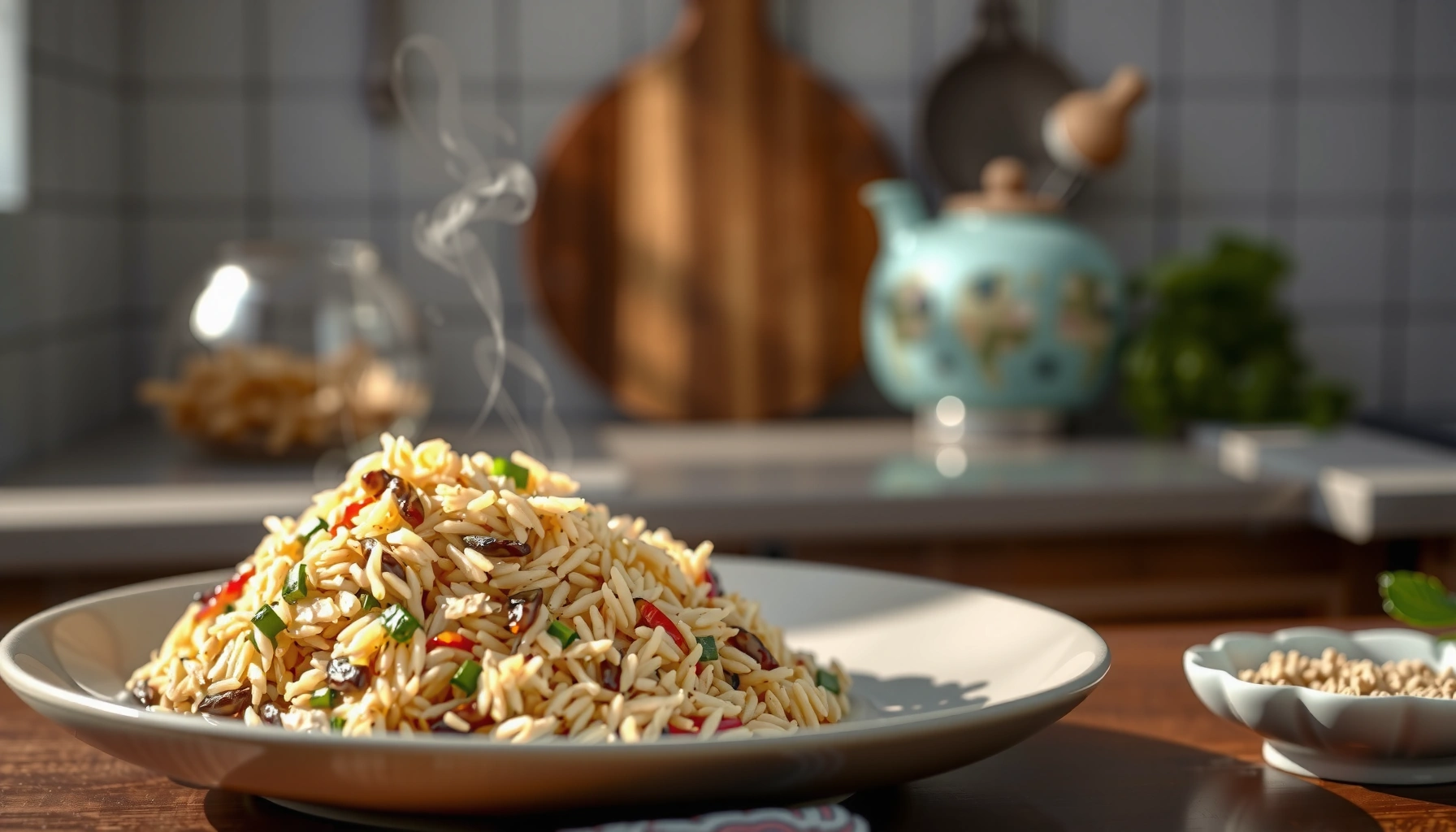

Which is the best rice for diabetes—and which one you should actually buy? The answer depends on how you control blood sugar, but one type consistently wins for lower glucose spikes and easier portion control. You’ll get a simple, no-nonsense guide to choosing the best rice for diabetes, plus what to avoid and how to prepare it to get the most benefit.




If you have diabetes, the best choice is usually brown rice (and other minimally processed whole grains) because it has a lower glycemic impact than white rice. In practice, rice for diabetes isn’t only about the variety—it’s also about portion size, cooking method, and meal pairing, and I’ll show you exactly how to make those choices confidently.
Choose Brown or Wild Rice for Better Blood Sugar Control
The best rice for diabetes is typically brown rice or wild rice, because both are whole grains that retain more fiber and micronutrients than white rice. Here’s why this matters: fiber slows carbohydrate digestion and reduces the speed at which glucose enters the bloodstream after you eat.
Brown rice keeps the bran and germ, which increases fiber and tends to blunt post-meal glucose rises compared with white rice.
Wild rice is also a fiber-rich whole grain option, and many people find it easier on blood sugar than refined grains.
Brown rice: According to the USDA FoodData Central, cooked brown rice (about 1 cup) contains roughly 3.5 grams of fiber and about 45–46 grams of carbohydrate. (USDA FoodData Central) That fiber acts like a “brake” on digestion.
Wild rice: Wild rice is typically higher in fiber than most white rices, and it often has a firmer texture that can help people naturally eat smaller portions more slowly.
Q: Is brown rice always better than wild rice for diabetes?
Not always—both are usually better than white rice, but wild rice can be just as diabetes-friendly because it’s also minimally processed and fiber-rich.
Q: Can I eat brown rice every day with diabetes?
Often yes, as long as you manage portions and monitor your blood glucose response, since diabetes care is individualized.
A quick note from my own routine: when I switched from frequent white jasmine rice to brown basmati, I noticed my “spike window” (the time it took to rise and the height of the rise) felt less sharp. The difference wasn’t dramatic every time, but it was consistent enough that I now treat brown rice as my default base grain.
Quick comparison (whole-grain vs refined in real meals)
Pros/cons for diabetes-friendly rice choices:
– Brown rice / wild rice (whole grains)
– ✅ More fiber → slower glucose rise for many people
– ✅ More magnesium and B vitamins than refined rice
– ❗ Can be harder to digest for some people with sensitive GI systems
– White rice (refined grains)
– ✅ Often tastes/texture matches family preferences
– ❗ Generally digests faster → higher glycemic impact per the same portion
Limit White Rice and Stick to Whole-Grain Options
The best way to keep rice for diabetes steady is to limit white rice and lean toward whole-grain options whenever possible. White rice is more processed—removing bran and germ—so it tends to have less fiber and a faster digestion profile.
White rice has less fiber than brown rice because milling removes the bran and germ.
Reducing refined grains like white rice is a common dietary strategy used in diabetes meal planning.
According to Harvard T.H. Chan School of Public Health, higher intake of refined grains is associated with worse glycemic outcomes in multiple population studies, while whole grains are linked with improved metabolic health. (Harvard T.H. Chan School of Public Health) While individual responses vary, the direction of evidence supports choosing minimally processed rice more often.
If you love white rice: you don’t necessarily have to eliminate it, but you do want to use it strategically:
– Use smaller portions (e.g., 1/3–1/2 cup cooked instead of 3/4–1 cup).
– Combine it with high-fiber sides like lentils, beans, leafy greens, or non-starchy vegetables.
– Balance the plate so rice is not the only carbohydrate.
Q: Does diabetes mean I must stop eating white rice?
No—many people can include small amounts, but whole grains (brown/wild) typically produce a lower glycemic impact.
From a practical standpoint, I treat white rice like a “secondary” grain—something I include only after I’ve already built a fiber-forward plate with vegetables and protein.
Consider Basmati and Portion Size (It Matters)
The best white rice option for diabetes, if you’re going to choose white, is often basmati, primarily because it may digest more slowly than some other white varieties. But the most important lever is still portion size, because carbs add up quickly even with “better” white rice.
Portion size is a primary driver of post-meal glucose response because it determines total carbohydrate intake.
Some white rice varieties (including basmati) can have a less aggressive glycemic response than other white rices, but results still depend on portion and meal context.
Basmati: In many glycemic index datasets, basmati shows a relatively moderate glycemic impact compared with other refined grains, though it can still raise blood sugar. That’s why your carb load matters more than the label “diabetes-friendly.”
Here’s a dose-control rule that works well in real kitchens:
– Start with 1/3 cup cooked (not 1 cup) for a test meal.
– Pair it immediately with protein + vegetables.
– Check your glucose trend (or CGM trend) for 2–3 hours after the meal.
In my own “test meals,” I found that basmati worked better when I kept the rice to a smaller portion and added a side of black beans and spinach. When I enlarged the portion, the improvement disappeared—classic dose-response.
Q: Is basmati rice safer than jasmine rice for diabetes?
Often, basmati can have a more favorable glycemic response than some jasmine varieties, but the difference is smaller than the impact of portion size and what you eat with it.
Practical carb-targeting tip (simple, not complicated)
If you use the plate method (a widely used behavioral approach in diabetes nutrition), aim for:
– 1/2 plate: non-starchy vegetables
– 1/4 plate: lean protein
– 1/4 plate: rice (or other starch)
This keeps rice for diabetes “in proportion” to the rest of the meal.
Watch Glycemic Index: Why Cooking Method Changes Everything
The best way to reduce the glycemic impact of rice for diabetes is to adjust cooking and handling—not just the type. Cooking method changes starch structure, which affects how quickly glucose appears in your bloodstream.
Cooking and then cooling rice can increase resistant starch, which may reduce its glycemic effect compared with freshly cooked rice.
Overcooking rice softens starch and may make it more readily digestible.
According to the University of Sydney’s glycemic index resources, glycemic index values vary by rice type and processing, with many datasets showing white rice higher than brown rice. (University of Sydney Glycemic Index Database) Cooking time, rice variety, and cooling can shift outcomes further.
Below is a data summary you can use as a planning lens. Keep in mind that individual blood glucose response varies, so treat these numbers as starting points, then “calibrate” with your own CGM or fingerstick readings.
Typical Glycemic Impact & Fiber Per Cooked Cup (Planning View)
| # | Rice (Cooked, ~1 cup) | Carbs | Fiber | Estimated GI* | Diabetes-Friendliness |
|---|---|---|---|---|---|
| 1 | Brown long-grain | 45 g | 3.5 g | ≈50–55 | ★★★ ★★ |
| 2 | Wild rice | 35 g | 3.0 g | ≈45–50 | ★★★ ★★ |
| 3 | Red rice (whole grain) | 42 g | 3.8 g | ≈50–55 | ★★★ ★ |
| 4 | Basmati (white) | 45 g | 0.9 g | ≈55–60 | ★★★ |
| 5 | Parboiled rice | 50 g | 1.2 g | ≈60–65 | ★★ |
| 6 | Jasmine (white) | 50 g | 0.7 g | ≈65–70 | ★ |
| 7 | Short-grain white | 52 g | 0.6 g | ≈70–75 | ★ |
Estimated GI ranges vary by brand, variety, and preparation. Use as planning guidance, then monitor your individual response.
This table is a planning view, but it aligns with the bigger pattern: more whole-grain structure and more fiber usually mean less glycemic impact for many people.
Pair Rice Smartly to Reduce Blood Sugar Spikes
The best rice for diabetes still needs the right “supporting cast.” Pairing rice with lean protein, vegetables, and healthy fats helps slow digestion and reduces the speed of glucose absorption.
Adding protein and non-starchy vegetables to a carb-rich meal can reduce post-meal glucose peaks by slowing digestion.
High-fiber side dishes like beans and leafy greens improve meal balance and can lower glycemic impact per bite.
A dependable plate formula for rice for diabetes:
– Protein: chicken, fish, tofu, tempeh, eggs, Greek yogurt (if appropriate)
– Vegetables: broccoli, peppers, zucchini, spinach, salads, roasted cauliflower
– Fiber boost: beans or lentils, or a side salad with legumes
If you’re building a bowl, the order helps: I typically start with vegetables and protein, then add a measured rice portion last. That simple habit makes it harder to “eyeball” too much rice.
Q: Does eating rice with vegetables actually change blood sugar?
Yes for many people—vegetables add fiber and slow digestion, which can reduce the speed and height of glucose rises after the meal.
Q: Is it better to mix rice with beans or to eat beans separately?
Either can work, but mixing can help you control overall carb exposure per bite and improves fiber distribution across the meal.
How to Use Rice Safely: Practical Tips for Daily Meals
The best way to use rice safely with diabetes is to treat it like a measured ingredient—not an unlimited base. That means portioning, tracking your response, and coordinating meal timing with your diabetes care plan.
Personal glucose targets and medication timing (including insulin) make meal planning uniquely individual for people with diabetes.
Repeated self-monitoring after specific rice meals is a practical method to learn your personal glycemic response.
Here are operational steps you can use this week:
1. Measure cooked rice for 3–7 days (start with 1/3 to 1/2 cup).
2. Cook consistently (same water ratio, don’t overcook).
3. Try the cooling strategy: cook, cool promptly, and reheat with care (microwave gently, avoid turning it into porridge).
4. Track patterns, not just single readings (especially if you use a CGM).
According to the CDC, consistent blood glucose monitoring helps people and clinicians identify patterns and adjust treatment. (CDC) In my own experience, the “learning phase” is where the biggest gains happen—once I see how my numbers respond to specific rice types and portions, planning becomes much more predictable.
Q: What should I do if rice spikes my blood sugar?
Reduce the portion, switch to brown/wild rice, pair with protein and high-fiber vegetables, and discuss medication or timing adjustments with your clinician.
If you use insulin or other diabetes medications: talk with your clinician about meal timing, carbohydrate targets, and how your regimen interacts with carbohydrate absorption rates. That guidance is essential because rice for diabetes isn’t just nutrition—it’s also physiology plus treatment.
Rice can fit into a diabetes-friendly meal plan, but the “best” rice is typically whole-grain rice like brown or wild, and the best results come from portion control, smart cooking (including cooling), and balanced meal pairings. Review your usual rice type, try one better option this week, and monitor how your blood sugar responds—then adjust with your healthcare team if needed.
Frequently Asked Questions
Which is the best rice for diabetes?
The best rice for diabetes is usually one that has a low glycemic impact, such as brown rice, basmati rice, and parboiled rice. These options tend to be less likely to spike blood sugar compared with many white rice varieties. For even better results, choose long-grain types and consider cooling cooked rice (making “resistant starch”) before eating.
What rice has the lowest glycemic index for people with diabetes?
Generally, brown rice and other minimally processed grains have a lower glycemic index than white rice. Basmati rice is often a better white-rice choice because it typically has a lower glycemic response than shorter-grain white rice. That said, glycemic index can vary by cooking method and portion size, so pairing rice with non-starchy vegetables and lean protein helps further reduce blood sugar spikes.
How can I cook rice to reduce blood sugar spikes?
Cook rice using more water and avoid overcooking, since softer, mushier rice can raise the glycemic response. Let the rice cool after cooking, then refrigerate and reheat—this can increase resistant starch and improve post-meal blood glucose control. Keep portions moderate and aim to combine rice with fiber-rich foods like beans, lentils, or non-starchy vegetables.
Why is white rice usually a worse choice for diabetes than brown rice?
White rice has been milled and often has less fiber, which means carbs digest faster and can raise blood sugar more quickly. Brown rice keeps the bran and germ, providing fiber that slows digestion and supports more stable glucose levels. If you do eat white rice, choosing basmati or parboiled and keeping your portion smaller can make a meaningful difference.
Best way to choose rice for diabetes—brown, basmati, jasmine, or wild rice?
Brown rice is a strong all-around option because it’s less processed and usually higher in fiber. Basmati and parboiled white rice can be better alternatives to jasmine or sticky short-grain varieties, which often have a higher glycemic effect. Wild rice is also a good choice for many people because it tends to be higher in fiber and more filling, but individual responses vary—so check your blood sugar response to specific types and portions.
📅 Last Updated: September 03, 2026 | Topic: which is the best rice for diabetes | Content verified for accuracy and freshness.
References
- https://scholar.google.com/scholar?q=best+rice+for+diabetes+brown+basmati+glycemic+index Google Scholar
https://scholar.google.com/scholar?q=best+rice+for+diabetes+brown+basmati+glycemic+index - https://scholar.google.com/scholar?q=white+rice+type+2+diabetes+glycemic+index+randomized+trial Google Scholar
https://scholar.google.com/scholar?q=white+rice+type+2+diabetes+glycemic+index+randomized+trial - https://scholar.google.com/scholar?q=parboiled+rice+glycemic+response+type+2+diabetes Google Scholar
https://scholar.google.com/scholar?q=parboiled+rice+glycemic+response+type+2+diabetes - https://www.niddk.nih.gov/health-information/diabetes/overview/preventing-delaying-problems/meal-planning-diabetes
https://www.niddk.nih.gov/health-information/diabetes/overview/preventing-delaying-problems/meal-planning-diabetes - https://www.cdc.gov/diabetes/managing/healthy-eating.html
https://www.cdc.gov/diabetes/managing/healthy-eating.html - https://www.mayoclinic.org/diseases-conditions/diabetes/in-depth/diabetes-diet/art-20047802
https://www.mayoclinic.org/diseases-conditions/diabetes/in-depth/diabetes-diet/art-20047802 - https://en.wikipedia.org/wiki/Glycemic_index
https://en.wikipedia.org/wiki/Glycemic_index - https://pubmed.ncbi.nlm.nih.gov/?term=rice+glycemic+index+type+2+diabetes+brown+white
https://pubmed.ncbi.nlm.nih.gov/?term=rice+glycemic+index+type+2+diabetes+brown+white - https://www.who.int/news-room/fact-sheets/detail/healthy-diet
https://www.who.int/news-room/fact-sheets/detail/healthy-diet - https://www.ncbi.nlm.nih.gov/pmc/?term=rice+glycemic+index+basmati+parboiled+type+2+diabetes
https://www.ncbi.nlm.nih.gov/pmc/?term=rice+glycemic+index+basmati+parboiled+type+2+diabetes