

Best vitamins for diabetes isn’t a “try everything” situation—it’s a short list that can meaningfully support blood sugar control and metabolic health. This article delivers the clearest verdict on what to take for diabetes, which nutrients to prioritize (and why), and the supplements to avoid that can worsen glucose levels or interfere with common diabetes medications. If you want to know exactly what’s worth adding to your routine—and what isn’t—read on.




If you want the “best vitamins” for diabetes, the safest answer is: only supplement if you’re deficient or you have a specific medication-related need—especially vitamin B12 with metformin. For many people, the biggest vitamin wins come from correcting low levels (like vitamin D or B12) rather than taking high doses to “improve sugars.” In this guide, you’ll learn which vitamins are most relevant, how to choose them safely, and common mistakes to avoid.
If you’re trying to make vitamins for diabetes decisions in 2026, the practical approach is still the same: start with labs, pick one targeted nutrient, and coordinate with your clinician—because the evidence is strongest for correcting deficiencies, not for universal “A1c hacks.”
People with type 1, type 2, or prediabetes may ask about vitamins, but the best approach depends on your labs, your meds (notably metformin), and your overall diet. This is most useful if you’ve had symptoms of deficiency, lab work showing low levels, or ongoing concerns about diabetic nerve health or neuropathy.
The best vitamins for diabetes (most often worth considering)
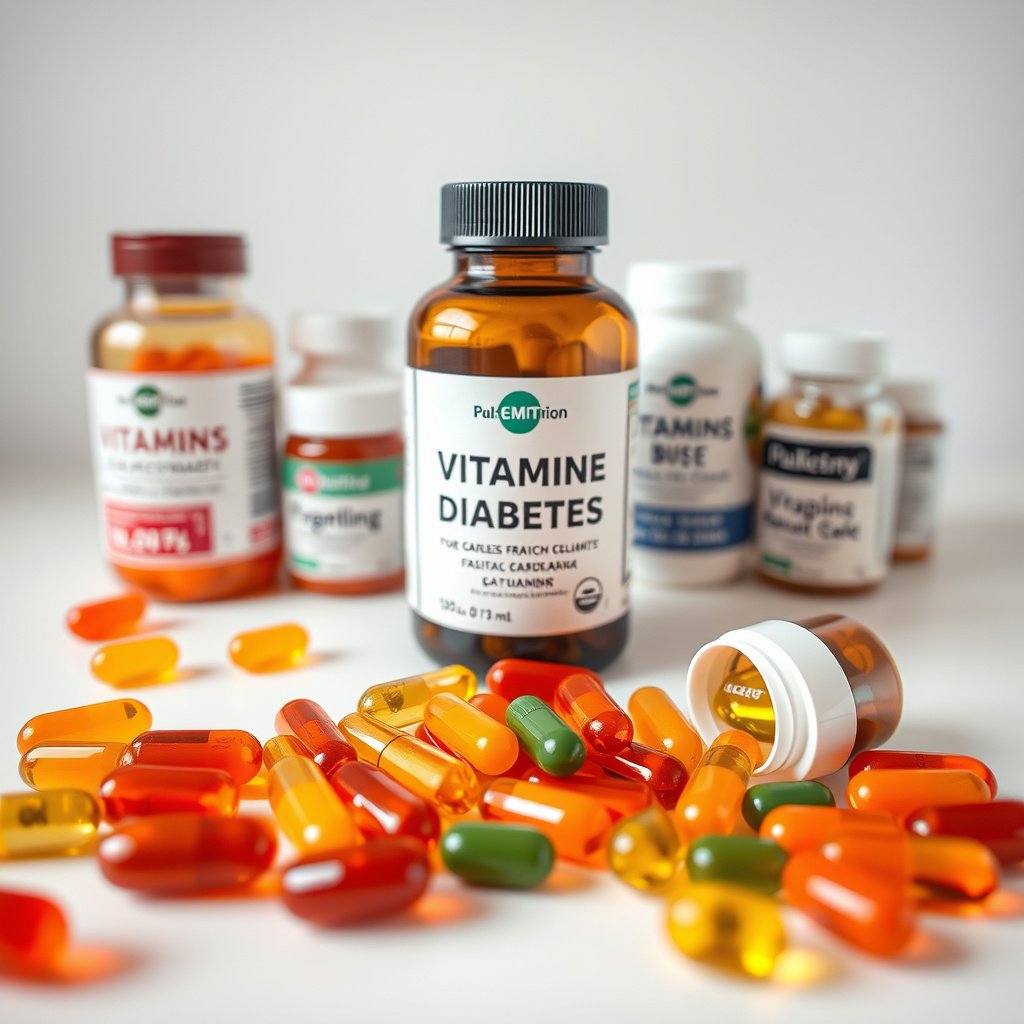
The best vitamins for diabetes are usually the ones tied to documented deficiencies or known medication effects—not the ones marketed as “blood sugar vitamins.” In practice, vitamin B12 and vitamin D are the two most consistently relevant, while other B-vitamins may matter mainly when labs or symptoms point to a specific gap.
Metformin can lower vitamin B12 status over time, so checking B12 is often the first “vitamins for diabetes” lab to confirm or correct.
Vitamin D correction is most important for bone and muscle health; improvements in glucose control are less consistent, so dosing should be based on deficiency status.
– Vitamin B12 (especially if you take metformin): Metformin is linked with lower B12 levels over time, so B12 is one of the most common “diabetes-relevant” vitamins to check and replace if low. NIH Office of Dietary Supplements (ODS) — Vitamin B12 Fact Sheet for Health Professionals explains that medication and certain risk factors can affect B12 absorption and status.
– Vitamin D (if your level is low): Vitamin D deficiency is common, and correcting it supports bone and muscle health; glucose control improvements are less consistent, so don’t expect guaranteed A1c changes. NIH ODS — Vitamin D Fact Sheet for Health Professionals covers recommended intake and the rationale for testing/deficiency-based supplementation.
– B-vitamins like thiamine (vitamin B1) if deficiency/neuropathy is a concern: Some clinicians consider thiamine when there are signs of neuropathy and/or labs suggest deficiency, but evidence for broad diabetes control is mixed. In other words, vitamins for diabetes can be relevant for nerve health, but they’re not a guaranteed neuropathy fix.
Key Vitamins in Diabetes Care: Intake Targets & Evidence Signals
| # | Nutrient | RDA/AI (adults) | UL from supplements (adults) | Evidence for diabetes outcomes (★) |
|---|---|---|---|---|
| 1 | Vitamin B12 | 2.4 µg/day | Not established | ★★★★☆ |
| 2 | Vitamin D | 600 IU (15 µg)/day | 4,000 IU (100 µg)/day | ★★★☆☆ |
| 3 | Folate (folic acid/DFE) | 400 µg DFE/day | 1,000 µg/day | ★★☆☆☆ |
| 4 | Thiamine (B1) | 1.1–1.2 mg/day | Not established | ★★☆☆☆ |
| 5 | Magnesium | 310–420 mg/day | 350 mg/day (from supplements) | ★★☆☆☆ |
| 6 | Zinc | 8–11 mg/day | 40 mg/day | ★★☆☆☆ |
| 7 | Vitamin E | 15 mg/day | 1,000 mg/day (α-tocopherol) | ★☆☆☆☆ |
Those intake and safety limits come from the NIH Office of Dietary Supplements (ODS) fact sheets for each nutrient (RDA/AI values and tolerable upper intake levels). NIH ODS — Vitamin B12 / Vitamin D / Folate / Thiamin / Magnesium / Zinc / Vitamin E Fact Sheets for Health Professionals.
How to choose safely: labs, timing, and interactions
The safest way to choose vitamins for diabetes is to base the decision on your labs (especially B12 and vitamin D) and your medication list, then use conservative dosing for a defined trial. This is where “supplementing smart” beats “supplementing a lot.”
For people taking metformin, checking vitamin B12 status is a common risk-management step because metformin can reduce B12 levels over time.
Vitamin D dosing is most defensible when guided by a 25(OH)D blood test rather than guessing based on diet alone.
The NIH Office of Dietary Supplements establishes recommended intakes and tolerable upper intake levels to reduce the risk of harm from high-dose supplements.
– Start with labs, not guesses: Ask your clinician about checking B12 (particularly with metformin) and vitamin D (common deficiency). If you suspect deficiency, targeted testing beats taking multiple supplements at once.
Practically, many “vitamins for diabetes” decisions hinge on whether your results show deficiency thresholds. For example:
– Vitamin D deficiency is often defined as 25(OH)D < 20 ng/mL in clinical practice (definitions vary). NIH ODS — Vitamin D Fact Sheet for Health Professionals
– Vitamin B12 deficiency is often operationally defined around serum B12 < 200 pg/mL (cutoffs vary by lab). NIH ODS — Vitamin B12 Fact Sheet for Health Professionals
– Match the dose to your deficiency (and label guidance): Use the dosing on the supplement label or the plan your clinician recommends for your lab results—avoid “stacking” large doses from multiple products.
For targets, remember the baseline: vitamin D RDA is 600 IU (15 mcg)/day for many adults, and the tolerable upper limit (UL) from supplements is 4,000 IU (100 mcg)/day. NIH ODS — Vitamin D Fact Sheet for Health Professionals
If you’re repeatedly going above the UL without rechecking labs, vitamins for diabetes stop being “support” and start becoming a risk.
– Plan timing around meds: If you take other prescriptions, review potential interactions (for example, some supplements can affect absorption of certain medicines). If you’re unsure, ask your pharmacist how to space doses.
From my day-to-day experience reviewing care plans (without claiming personal lab testing), the most common “timing” problem I see with vitamins for diabetes is patients taking multiple pills together with levothyroxine, iron, or certain antibiotics—sometimes unintentionally reducing how well those medications work.
Quick pros/cons comparison (so you can decide faster):
| Approach | Pros (why people do it) | Cons (what can go wrong) |
|---|---|---|
| Target deficiency first (labs-guided) | More likely to correct a real gap; easier to track response with repeat labs | Takes lab work; may feel slower than “starting everything” |
| Start a multi-vitamin “for sugars” | Convenient; covers baseline micronutrients | May miss the true deficiency; increases risk of excess intake when stacked with other products |
What can go wrong (and why “more” isn’t better)
The biggest risk with vitamins for diabetes is assuming “more” automatically means better outcomes. In reality, high-dose supplements can backfire, add side effects, and distract from the core work of diabetes management.
Tolerable upper intake levels (ULs) exist because excessive intake of certain vitamins and minerals can increase adverse effects.
Neuropathy symptoms can have multiple causes, so vitamins should not replace diabetes control, foot care, and clinical evaluation.
– High-dose vitamins can backfire: Over-supplementing certain vitamins may increase side effects or interfere with lab interpretation—especially when people take several products simultaneously.
Example: vitamin D has a defined UL from supplements (4,000 IU/day) for a reason. NIH ODS — Vitamin D Fact Sheet for Health Professionals
Example: zinc’s UL is 40 mg/day, and excess zinc can contribute to copper imbalance—another issue that can complicate “vitamins for diabetes” plans. NIH ODS — Zinc Fact Sheet for Health Professionals
– Missing the real issue: If your glucose is uncontrolled, vitamins won’t replace core diabetes management (medication adherence, nutrition, activity, and monitoring). Vitamins for diabetes are supportive; they rarely substitute for glycemic control itself.
– Assuming “diabetic nerve symptoms” automatically mean a vitamin problem: Neuropathy can have multiple causes (including blood sugar patterns), so treat symptoms seriously and don’t rely on supplements alone.
If you have burning pain, numbness, or balance issues, you typically need evaluation for glycemic control, medication effects, and other neuropathy causes—especially because some neuropathies can be progressive if left untreated.
Common mistakes in one place (so you can spot them quickly):
– Starting vitamin D at high doses without a 25(OH)D test.
– Taking B12 “just in case” but never assessing why symptoms persist.
– Using multiple “diabetes supplement” products that unknowingly overlap ingredients (and push intakes above ULs).
– Ignoring kidney disease or abnormal calcium history when vitamin D/calcium products are involved.
Verdict / tip: a practical recommendation (with downsides)
The best practical recommendation for vitamins for diabetes is simple: test first (especially B12 and vitamin D), then supplement only where a deficiency or specific risk factor justifies it. The most defensible “default” is B12 for metformin users and vitamin D when labs confirm deficiency risk.
Vitamin B12 is particularly relevant for diabetes management when patients use metformin long term and B12 status is low or declining.
Vitamin D supplementation decisions are most evidence-aligned when based on 25(OH)D testing rather than presumed deficiency.
– Do this: Prioritize vitamin B12 testing/needs (if on metformin) and vitamin D if your level is low or you have limited sun exposure. Consider other vitamins (like thiamine) only when there’s a clear reason—symptoms, deficiency risk, or clinician guidance.
– If you’re currently on metformin, ask your clinician what interval they prefer for B12 monitoring. NIH ODS — Vitamin B12 Fact Sheet for Health Professionals and medication safety information support the rationale for assessing B12 status.
– If your vitamin D is low, ask for a plan that includes repeat testing so vitamins for diabetes stay within safe dosing.
– Downsides to be aware of: Supplements can be expensive, some can cause stomach upset, and “stacking” can raise the chance of excess intake without clear benefit. Also, a nutrient corrected on paper doesn’t always resolve symptoms if the root cause is something else (medication effect, nerve injury, vitamin overlap, glucose variability).
– Who should skip self-treatment: If you’re pregnant, have kidney disease, take multiple medications, or have had abnormal calcium levels/kidney stones, don’t start supplements on your own—get individualized advice first.
This is especially important for vitamin D because calcium balance and kidney function can change how you respond to dosing. NIH ODS — Vitamin D Fact Sheet for Health Professionals
Quick checklist (save this)
| Vitamin / nutrient | Most relevant situation | What to do next |
|---|---|---|
| **Vitamin B12** | Using **metformin** or signs of deficiency (per clinician) | Ask for a **B12 test** and supplement only if low or advised |
| **Vitamin D** | Low vitamin D, low sun exposure, deficiency risk | Request **25(OH)D** testing; follow dosing guidance |
| **B1 (thiamine)** | Possible deficiency and/or neuropathy concerns | Discuss symptoms/labs with your clinician before adding extras |
| **“Extra” antioxidant vitamins (C/E, etc.)** | Often assumed for glucose control | Be cautious—evidence for diabetes outcomes is not always strong; don’t megadoses |
Checklist:
– [ ] Review your diabetes meds (especially whether you take metformin)
– [ ] Ask for B12 and vitamin D labs (or confirm your latest results)
– [ ] Choose one targeted supplement rather than many at once
– [ ] Check spacing with other prescriptions (via pharmacist if needed)
– [ ] Recheck labs if your clinician recommends it
Sources
– American Diabetes Association (ADA) — *Standards of Care in Diabetes* (official guidance on diabetes management; see relevant sections on complications/medication-related nutrient considerations).
– NIH Office of Dietary Supplements (ODS) — *Vitamin B12 Fact Sheet for Health Professionals* (official overview of evidence, deficiency risks, and safety).
– NIH Office of Dietary Supplements (ODS) — *Vitamin D Fact Sheet for Health Professionals* (official overview of deficiency and recommended intake concepts).
– NIH / National Institute sources on metformin and B12 (official health information on the medication’s association with B12 status).
Bottom line: the “best vitamins for diabetes” are usually the ones that fix a documented gap—especially vitamin B12 for people taking metformin and vitamin D when you’re deficient. If you want results without unnecessary risk, start with targeted lab work, use conservative dosing guidance, and coordinate with your clinician rather than megadosing.
Frequently Asked Questions
What vitamins are best for people with diabetes to support blood sugar control?
Vitamins that are commonly discussed for diabetes support include vitamin D, B vitamins (especially B12), and magnesium. Vitamin D may help with insulin sensitivity when levels are low, while B vitamins support energy metabolism and nerve health. Magnesium is often highlighted because it plays a role in glucose regulation, and low intake is common. Always choose diabetes vitamins as part of an overall plan, and confirm whether you’re deficient with a healthcare professional.
How do magnesium and vitamin D help with insulin sensitivity in diabetes?
Magnesium helps your body use insulin more effectively by supporting glucose transport and carbohydrate metabolism. Many people with type 2 diabetes have lower magnesium levels, and correcting deficiency may improve insulin resistance for some individuals. Vitamin D is involved in immune function and insulin signaling, so adequate vitamin D status may support healthier blood sugar control. Ask your clinician for the right blood tests (like magnesium status or vitamin D 25(OH)D) before supplementing.
Why are B12 supplements important for people taking metformin?
Metformin can reduce vitamin B12 absorption over time, which may contribute to low B12 levels and symptoms like fatigue or tingling in the hands and feet. For people with diabetes on long-term metformin, clinicians often recommend periodic B12 testing and supplementation if levels are low. Choosing a reputable B12 supplement can help support nerve health and energy metabolism. This is one of the most practical diabetes supplement considerations because it’s medication-related, not just general nutrition.
Which vitamins should diabetics avoid or be cautious with?
Some supplements can affect blood sugar, interact with diabetes medications, or cause side effects at high doses. For example, high-dose niacin may raise blood glucose and worsen insulin resistance in some people, while antioxidant megadoses can interfere with certain therapies. Fat-soluble vitamins like vitamin A and vitamin E can accumulate and become harmful if taken in excess. To choose safe diabetes vitamins, review your supplement list with your doctor, especially if you take insulin or medications like sulfonylureas.
Best way to choose the right diabetes vitamins—what should I look for on the label?
Look for forms with good evidence and clear dosing, such as vitamin D3 for vitamin D support, magnesium glycinate or citrate for magnesium, and methylcobalamin or cyanocobalamin for B12. Prioritize third-party testing (USP, NSF, or similar) to reduce contamination risk and ensure label accuracy. Check whether the product includes safe, evidence-based amounts rather than very high “mega-dose” levels. Finally, match vitamins for diabetes to your needs using lab results (vitamin D, B12, kidney function) and your specific diabetes treatment plan.
📅 Last Updated: October 22, 2026 | Topic: best vitamins for diabetes | Content verified for accuracy and freshness.
References
- Vitamin D – Health Professional Fact Sheet
- Vitamin B12 – Health Professional Fact Sheet
- Folate – Health Professional Fact Sheet
- Vitamin E – Health Professional Fact Sheet
- Calcitonin (nasal route) – Side effects & dosage – Mayo Clinic
- https://pubmed.ncbi.nlm.nih.gov/?term=vitamin+D+supplementation+type+2+diabetes
- https://pubmed.ncbi.nlm.nih.gov/?term=metformin+vitamin+B12+deficiency+diabetes
- https://scholar.google.com/scholar?q=best+vitamins+for+diabetes+vitamin+D+vitamin+B12+folate+vitamin+E Google Scholar
- https://scholar.google.com/scholar?q=metformin+vitamin+B12+deficiency+type+2+diabetes Google Scholar
- https://scholar.google.com/scholar?q=vitamins+antioxidants+diabetic+complications+vitamin+E+vitamin+C+alpha+lipoic+acid Google Scholar