
Looking for the best store bought snacks for diabetics? Our top picks make it easy to choose snacks that stay lower in carbs, won’t spike blood sugar as easily, and still deliver satisfying crunch or sweetness. If you want one clear winner by situation—between “grab-and-go” convenience and “treat-like” flavor—this guide tells you exactly what to buy.




If you’re looking for the best store bought snacks for diabetics, choose options built around fiber, protein, and minimal added sugar. Aim for snacks that keep total carbs predictable and label reading simple—then pair carbs with something that slows glucose spikes. In this guide, we’ll cover what to look for on packages, plus reliable categories you can find in most grocery stores. If you have diabetes (type 1, type 2, or gestational) and want convenient grab-and-go options without guessing, this is for you—especially when you’re busy, traveling, or planning snack breaks at home.
Shop smarter: what “diabetic-friendly” labels usually mean
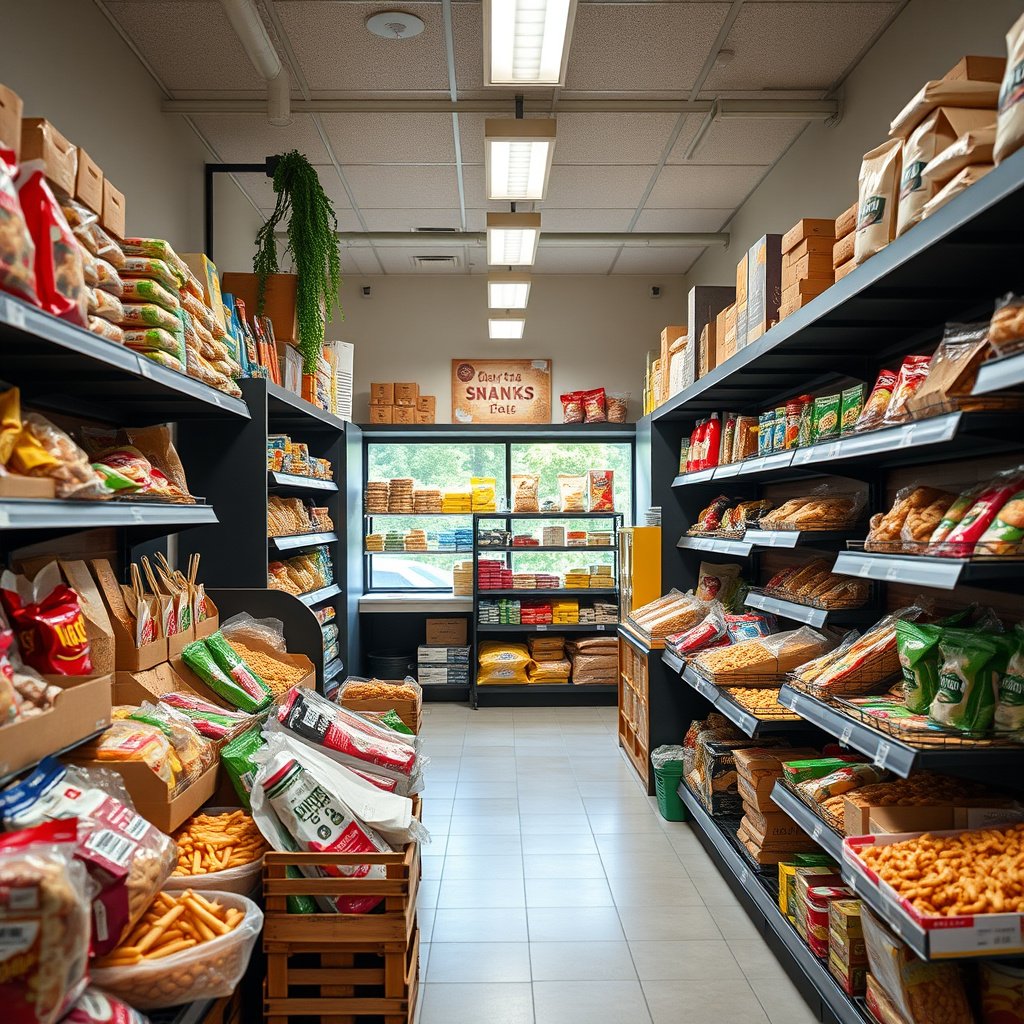
You don’t need special “diabetic” products—you need consistent nutrition facts that match your diabetes plan. The best store bought snacks for diabetics are the ones where total carbohydrate is clear, fiber is meaningful, and added sugar doesn’t sneak in under multiple names.
– Look for higher fiber and protein, and avoid “sugar” appearing as multiple ingredients (e.g., cane sugar, syrup, dextrose).
– Compare total carbohydrates to your personal target and prefer snacks where carbs aren’t all from refined starches.
– Watch serving size—many “low sugar” products still have meaningful carbs per portion.
Before you shop, here’s what “diabetic-friendly” often *really* means on modern packaging: it’s usually shorthand for “a better carb-quality profile,” not “guaranteed safe for blood sugar.” According to the National Academies’ dietary guidance, the recommended fiber intake level is 14 grams per 1,000 calories (2005), which is one reason fiber-rich snacks tend to be easier on glucose patterns National Academies of Sciences, Engineering, and Medicine (2005). For diabetes management, this matters because fiber slows digestion, which can reduce the speed of glucose absorption.
“Added sugars” are listed separately on the Nutrition Facts label in the U.S., so you can compare products using added sugar grams—not just the word ‘low’ on the front.
The Nutrition Facts label uses a Daily Value reference for added sugars of **50 grams per day** (2016 guidance), which helps interpret whether a snack is ‘small’ or ‘substantial’ for diabetes.
Total carbohydrate on the label includes all carb sources (sugar, starch, and other carbohydrate ingredients), so it’s the clearest number to track for diabetes snack decisions.
A quick label workflow (works in 30–60 seconds)
If you want a repeatable method, use this order every time for diabetes snacks—especially when you’re shopping quickly:
1. Start with total carbs per serving (not “net carbs,” not marketing claims).
2. Check fiber grams. If fiber is 0, the snack will usually digest faster unless protein/fat dominates.
3. Look for protein. Protein-forward snacks often produce steadier post-snack glucose responses.
4. Verify added sugar and ingredients. FDA-style definitions focus on added sugars (the ones included during processing), not naturally occurring sugars.
5. Confirm the serving size. A “single bar” might actually be two servings, or the “resealable” bag might contain multiple labeled portions.
The “added sugar” trap to watch in 2026
As of 2026, more packaged foods explicitly show added sugars, but that doesn’t automatically mean “low carb.” For diabetes, the most common mistake is relying on “low sugar” or “sugar-free” wording while ignoring total carbs. Also, some products use carbohydrate ingredients that can still affect glucose even if they aren’t listed as sugar (for example, some starches and certain sweeteners).
Best store bought snack categories (and what to pick)
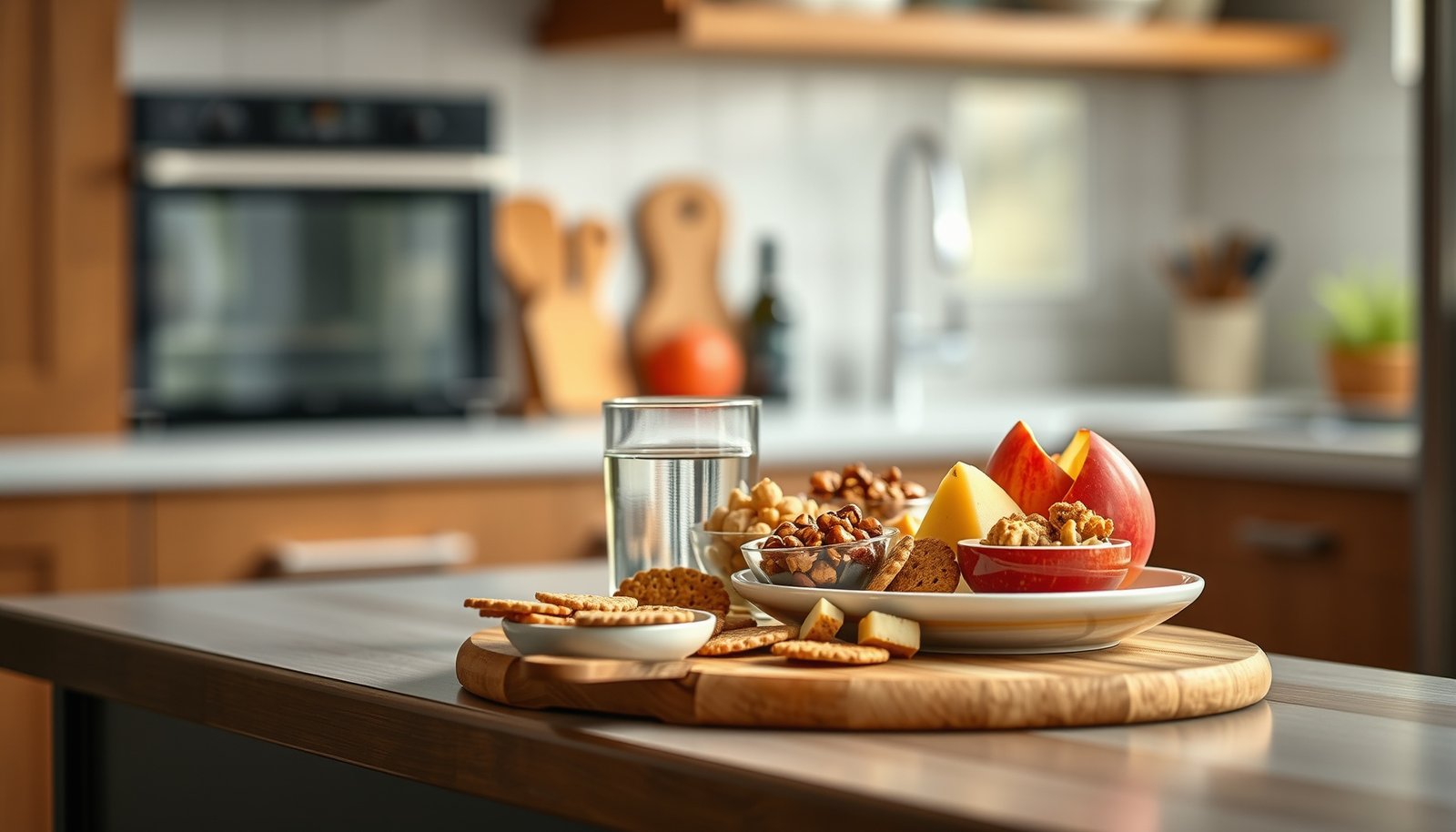
The best store bought snacks for diabetics come from a few dependable categories where carbs are lower, easier to portion, and/or balanced by protein and fiber. For diabetes snack choices, focus on plain nuts, unsweetened high-protein dairy (when tolerated), and legume-based crunchy snacks with clear carb math.
– Nuts and nut mixes: choose plain or lightly seasoned, and watch portion sizes to keep carbs steady.
– Greek yogurt and similar high-protein options: pick unsweetened or lower-added-sugar varieties when available.
– Cheese sticks, jerky (where appropriate), and other protein-forward snacks: confirm the carb grams, since marinades/flavors can add sugar.
In my experience reading labels in grocery aisles, the “simplest” diabetes snacks often share the same pattern: they look boring (plain, unsweetened, original) and the ingredient list doesn’t repeatedly announce sugar sources. That’s not a moral judgment—it’s just a practical way to avoid hidden carbs.
Nuts provide a mix of unsaturated fat and fiber, and their total carbohydrate is relatively low per typical serving size—often making portioned nuts a manageable option for diabetes.
Plain Greek yogurt is typically higher in protein than sweetened yogurt, and protein helps slow digestion compared with snack carbohydrates alone.
Protein-forward packaged snacks (like cheese sticks or unflavored jerky) can be easier for diabetes because their ingredients are less likely to spike blood glucose quickly than candy-like snacks.
What we’d prioritize in the aisle
If you’re building a diabetes-friendly snack routine, prioritize categories that “play nicely” with glucose variability:
Category priorities
– Plain nuts (measured): easy to pack; carb quantity becomes predictable when portions are consistent.
– Unsweetened high-protein dairy: protein is often higher, and added sugar can be minimized.
– Cheese/protein bites: lower carb count in many products; still verify carbs because flavors vary.
– Roasted legumes (measured portions): often higher fiber than crackers; still count total carbs.
A practical comparison snapshot (nutrition benchmarks)
Below are nutrition benchmarks from common foods (Nutrition Facts-style equivalents) to help you compare carb density, protein, and fiber for diabetes snack decisions. Values are from USDA FoodData Central records and represent typical formulations.
Typical Carb, Protein & Fiber in Diabetes-Friendly Snack Foods (USDA benchmarks)
| # | Snack food (typical form) | Serving | Total carbs | Protein | Fiber |
|---|---|---|---|---|---|
| 1 | Almonds, dry roasted | 1 oz (28 g) | 6.1 g | 6.0 g | 3.5 g ★★★★ |
| 2 | Walnuts, English | 1 oz (28 g) | 3.9 g | 4.3 g | 1.9 g ★★★ |
| 3 | Greek yogurt, plain, nonfat | 1 cup (170 g) | 6.0 g | 17.3 g | 0.0 g ★ |
| 4 | Mozzarella string cheese | 1 stick (28 g) | 1.0 g | 7.0 g | 0.0 g ★ |
| 5 | Beef jerky, original | 1 oz (28 g) | 3.9 g | 9.4 g | 0.0 g ★ |
| 6 | Chickpeas, roasted | 1/2 cup (82 g) | 22.0 g | 10.4 g | 6.5 g ★★★★ |
| 7 | Edamame, shelled, cooked | 1/2 cup (100 g) | 8.9 g | 11.9 g | 5.2 g ★★★★★ |
How to translate this table to packaged products
USDA benchmarks help you understand directionally what “better” looks like for diabetes snack foods, but brands vary. When you pick up a package:
– Match serving sizes (or adjust your portion).
– Compare fiber and total carbs per serving.
– Treat fiber 0 as a signal to rely more on protein and portion control.
Better carb snacks: how to choose without overdoing it
You can include carb-containing snacks, but you need structure so the carbs don’t become “surprise portions” for diabetes. The goal is to choose snacks where carbs come with fiber and/or protein—and to keep portions small enough that total carbs remain predictable.
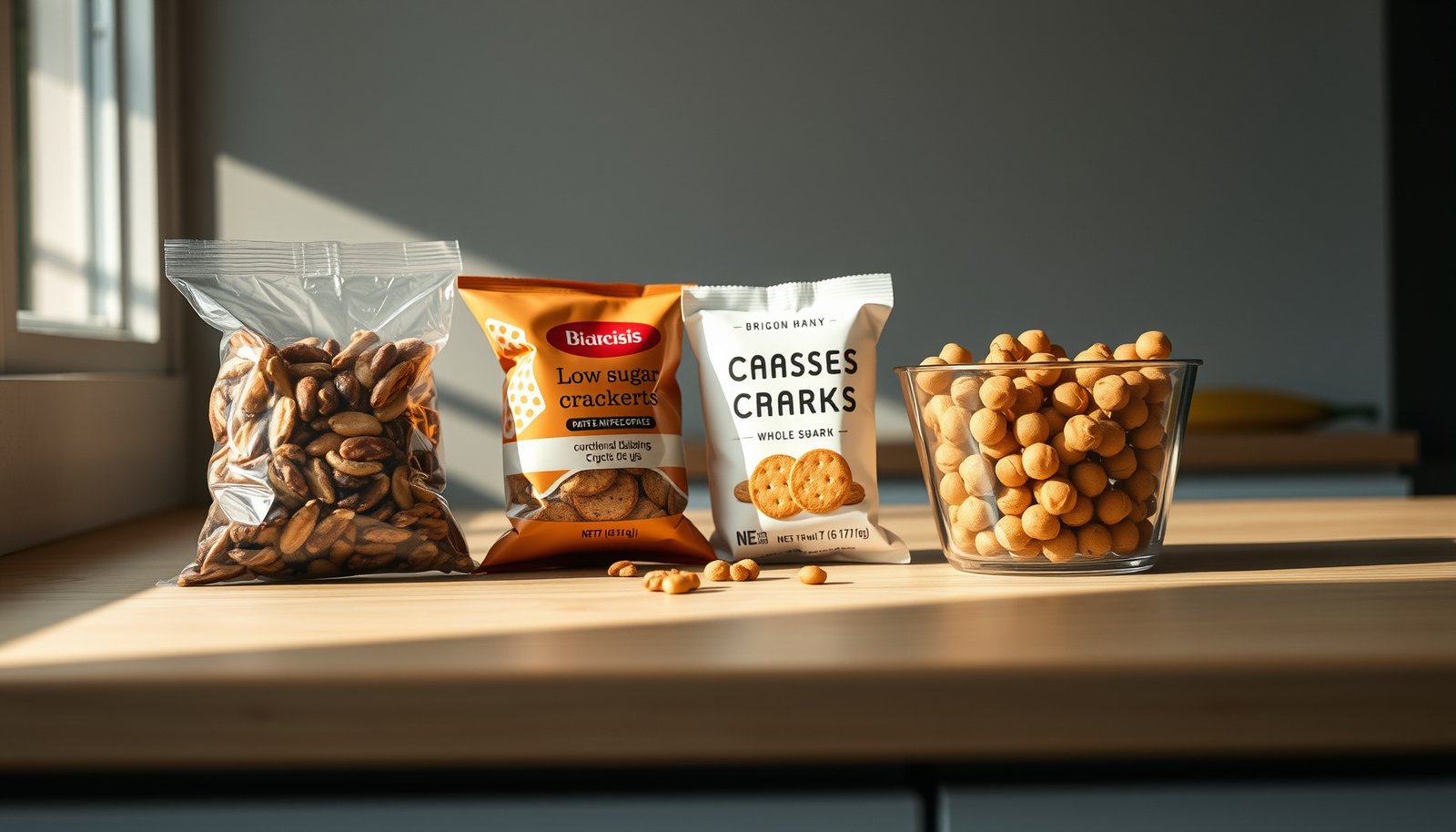
– Whole-grain or legume-based snack options (like roasted chickpeas or lentil chips): check fiber and total carbs per serving.
– Fruit snacks: if you buy them, treat them like carbs—prefer smaller portions and pair with protein (e.g., alongside nuts or cheese).
– Crackers and pretzels: choose higher-fiber options and avoid “white flour” varieties when possible; portion control matters.
A useful framework here is carb-quality + carb-quantity. Quantity is your total carbs per snack; quality is what those carbs are made of. According to the American Diabetes Association, carbohydrate targets and medication timing are individualized, and snack planning is one way to support safer glucose patterns American Diabetes Association (Standards of Care in Diabetes, current edition available at ADA). In 2026, the most reliable approach is still label-first and portion-first.
If a snack contains refined flour, its digestible carbs may absorb faster than legume- or fiber-rich snacks, making portion control especially important for diabetes.
Fruit-flavored “snack” foods should be treated as carbohydrate-containing foods because the body still digests the carbohydrate into glucose.
Pairing carbs with protein or fat can slow digestion, which often reduces the speed of post-snack glucose rise compared with carbs alone.
Whole-grain, legume, and “crunch” options
Look for packaging that makes fiber measurable. Whole-grain and legume snacks can be diabetes-friendly when they offer:
– Fiber you can actually see (not just vague claims like “made with whole grains”).
– Carbs per serving you can budget (not a 2-serving bag you eat mindlessly).
– No “candy coating” behaviors (e.g., sugary glazes on roasted snacks).
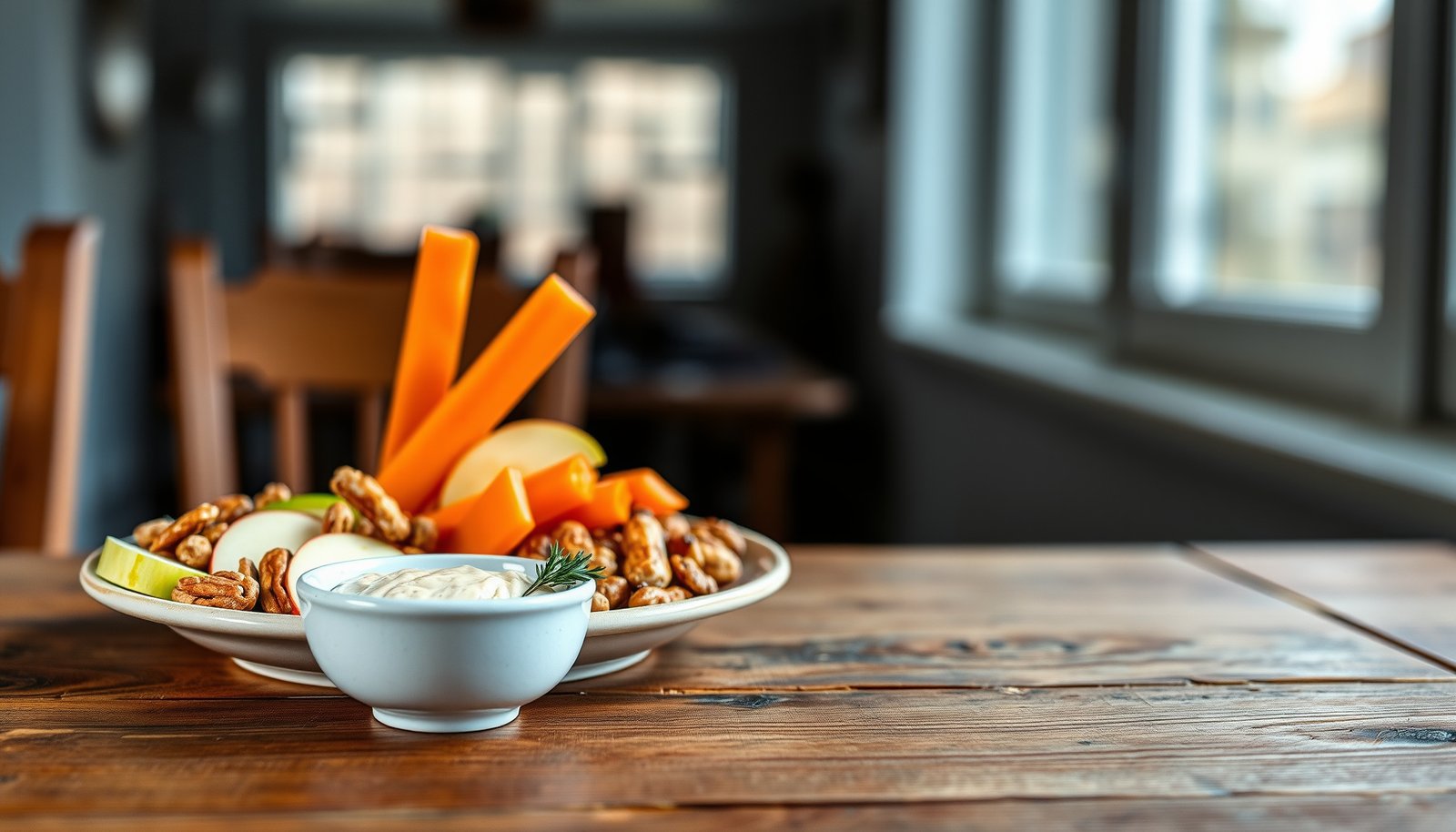
Practical pairing idea (simple): if you pick a carb snack (legume crunch or crackers), pair it with a protein item you already manage well—cheese, yogurt, or measured nuts.
Fruit snacks and flavored yogurts: what “safer” looks like
If you choose fruit gummies, fruit strips, or sweetened yogurt, treat it like a carb event—not an “extra.” That means:
– Keep the portion small.
– Consider adding a protein anchor (nuts, cheese, or plain yogurt if tolerated).
– Don’t assume “natural flavor” equals low impact.
Crackers & pretzels: the portion math issue
Pretzels and crackers are easy to overeat. Even when they’re “higher fiber,” many packaged crackers are still carb-dense. For diabetes, the label numbers are only useful if you respect serving size.
What to avoid (common label traps)
Smart label reading isn’t only about picking good products—it’s also about avoiding marketing phrases that can mislead diabetes snack planning. The biggest “traps” are claims that sound reassuring while carbs are still meaningful per serving.
– “No sugar added” doesn’t always mean low carb—often there are sugar alcohols or naturally occurring sugars that still affect total carbohydrates.
– “Gluten-free” or “keto” doesn’t automatically make a snack diabetes-friendly; always check carbs and added sugars.
– “Healthy” marketing can hide refined carbs—always use the nutrition facts panel, not the front label.
“No sugar added” refers to sugar added during processing, not the snack’s total carbohydrate content, so diabetes impact still depends on carbs per serving.
“Gluten-free” and “keto” labels don’t guarantee low total carbs; diabetes-friendly choices still require checking grams of carbohydrate on the Nutrition Facts label.
Front-of-pack claims like “healthy” are not a substitute for Nutrition Facts panel review, because multiple products can meet the same marketing theme while differing in total carbs.
Common label claims vs. what they can hide
Here’s a fast comparison table you can reuse while shopping for diabetes snacks:
| Label claim | What it often means | Diabetes checklist |
|---|---|---|
| “No sugar added” | Sugar wasn’t added, but carbs can still be present | Check total carbs and grams of added sugar (if listed) |
| “Sugar-free” | May use sugar alcohols or sweeteners; carbs still count | Use total carbs per serving; consider GI tolerance |
| “Keto” | Often very low carb, but not always realistic for every diabetes plan | Compare carbs per serving to your target and portion |
| “Gluten-free” | No gluten ingredient—carbs may still be high | Ignore gluten-free claims; check total carbs + fiber |
| “Healthy” | Broad marketing term, often compatible with refined carbs | Verify nutrition facts: carbs, fiber, and protein |
What can go wrong even with “good labels”
For diabetes, the biggest edge cases are usually behavioral and medication-related:
– You eat more than the serving size because packaged snacks are easy to “graze.”
– Your meds require specific timing, especially with insulin regimens, so a snack you planned for might not match your glucose pattern.
– You snack repeatedly. Even “small” carbs can add up across the day.
If you use insulin or medication that requires strict timing, coordinate snack choices with your clinician or diabetes educator rather than relying on label claims alone.
Verdict: what we’d pick first (and who should skip)
Start with snacks that are naturally low in added sugar and easier to portion: nuts (plain), cheese/protein options, and unsweetened high-protein dairy when you can tolerate it. Consider higher-fiber carb snacks (like roasted legumes) only after you’ve confirmed the carb math fits your routine. Skip or be extra cautious with candy-like bars, fruit gummies, and “sweetened” snack yogurts—especially if you’re prone to larger portions or frequent snacking without tracking.
Here’s the honest decision logic for diabetes-friendly shopping in 2026:
– Best first pick: plain nuts and measured portions—easy to repeat.
– Best “balanced” pick: unsweetened Greek yogurt or protein-forward dairy if you handle dairy well.
– Best convenience pick: cheese sticks or unflavored jerky varieties where you verify total carbs.
– Best “upgrade later” pick: roasted chickpeas or legume crunch when fiber is clear and carbs per serving fit your plan.
Many diabetes snack routines work best when you pick foods that let you control total carbs with predictable servings, rather than relying on “low sugar” wording alone.
Protein-forward snacks can be easier to manage for diabetes because they tend to provide fewer rapidly absorbed carbohydrates than sweets.
If you frequently snack without tracking, higher-carb “healthy” snacks (crackers, granola bars, gummies) can still push total daily carbs upward.
Who should skip (or be extra cautious)
– People with strict insulin-to-carb timing needs: don’t improvise without confirming your plan.
– Anyone prone to binge-snacking packaged crunchy foods: “healthy” chips can still be calorie- and carb-dense.
– Those with dairy intolerance or high sensitivity: adjust protein options (for example, choose alternatives you tolerate).
Also, “naturally low added sugar” doesn’t mean “zero carb impact.” Even the best diabetes snacks still contain carbohydrates when you look at total carbs per serving—so you still need to budget.
Quick scan checklist (save this)
– [ ] Total carbs per serving: matches your plan
– [ ] Added sugar: low (and not listed as multiple forms)
– [ ] Fiber: ideally present in meaningful grams
– [ ] Protein: helps balance the snack
– [ ] Serving size: realistic for how much you’ll actually eat
– [ ] Pairing: if carbs are present, combine with protein/fat when possible
Sources
– American Diabetes Association, Standards of Care in Diabetes (nutrition and diabetes self-management guidance) American Diabetes Association
– U.S. Food and Drug Administration (FDA), Nutrition Facts label requirements and the display of added sugars on the label U.S. FDA
– National Academies of Sciences, Engineering, and Medicine, Dietary Reference Intakes / fiber intake guidance (fiber adequacy framework) National Academies (2005)
– U.S. Department of Agriculture (USDA), FoodData Central (nutrient benchmarks used for the data table) USDA FoodData Central
If you want the simplest path to steadier snacks with diabetes, start with portioned protein and fiber-forward foods, then expand to higher-carb options only when the Nutrition Facts panel confirms the numbers you need. The best store bought snacks for diabetics aren’t the ones with the most labels—they’re the ones where total carbs are predictable, pairing is intentional, and serving size stays realistic for your day.
Frequently Asked Questions
What are the best store bought snacks for diabetics that won’t spike blood sugar?
Look for snacks that are high in fiber and protein, with low added sugars and minimal refined carbohydrates. Options like roasted nuts, peanut butter cups made without added sugar (or a small portion with accurate nutrition), chia pudding cups, and cheese sticks typically digest more slowly and help prevent blood sugar spikes. Always check the nutrition label for total carbohydrates and sugar alcohols, and choose products with lower net carbs when possible.
Which packaged snacks are safest for diabetics when you have cravings for chips or crackers?
For a crunchy snack, choose baked or whole-grain options with a better fiber-to-carb ratio, or consider roasted chickpeas/lentil chips that are higher in protein and fiber. If you want something similar to crackers, pick single-ingredient or whole-grain crackers with no added sugar and pair them with protein like tuna packets, hummus, or a cheese stick to blunt the glucose response. Portion control matters—many “diabetic-friendly” snacks are still calorie-dense and can raise glucose if you eat too much.
How do I choose store bought snacks for diabetics by reading the nutrition label?
Start by reviewing total carbohydrates and, if available, net carbs (carbs minus fiber). Aim for products with higher fiber (often 3–5g or more per serving) and lower added sugar, and look for ingredients like nuts, seeds, beans, Greek yogurt, and whole grains rather than refined flour and syrups. Also check serving size—brands sometimes list unrealistic serving amounts—so you know exactly how many carbs you’re eating per snack.
Why are protein and fiber important in diabetic snack foods?
Protein and fiber slow digestion and reduce how quickly glucose enters the bloodstream, which can help keep blood sugar steadier after eating. Snacks such as nuts, beef or turkey jerky (with no added sugar), edamame, hummus with veggies, and plain Greek yogurt can provide both protein and fiber (or fat plus minimal carbs) for better glucose control. Choosing balanced diabetic snacks can also reduce hunger later, helping with overall diet consistency.
Best store bought snack options for diabetics when you need something quick on the go?
Great grab-and-go choices include pre-portioned nuts, individual cheese sticks, sugar-free or no-added-sugar Greek yogurt cups, hummus cups with veggie sides, and snack packs of olives or sardines. If you prefer sweet snacks, look for small portions of dark chocolate (with minimal added sugar), fruit with nuts, or desserts made with low-sugar ingredients—then verify carbohydrate counts on the label. For “best” results, combine the snack with protein or fiber and keep consistent portions to support stable blood sugar.
📅 Last Updated: October 22, 2026 | Topic: best store bought snacks for diabetics | Content verified for accuracy and freshness.
References
- https://www.niddk.nih.gov/health-information/diabetes/overview/eating-nutrition/eating-diet-nutrition-diabetes
- Healthy Eating | Diabetes | CDC
- Nutrition and Diabetes | ADA
- https://www.mayoclinic.org/diseases-conditions/diabetes/diagnosis-treatment/diet-care/diet-dc-20371416
- Diabetes
- https://www.fda.gov/food/nutrition-facts-label
- Diabetes Mellitus: MedlinePlus
- https://scholar.google.com/scholar?q=best+store-bought+snacks+for+diabetes Google Scholar
- https://scholar.google.com/scholar?q=diabetes+snacks+low+glycemic+index+randomized+trial Google Scholar
- https://scholar.google.com/scholar?q=carbohydrate+counting+diabetes+snacks Google Scholar