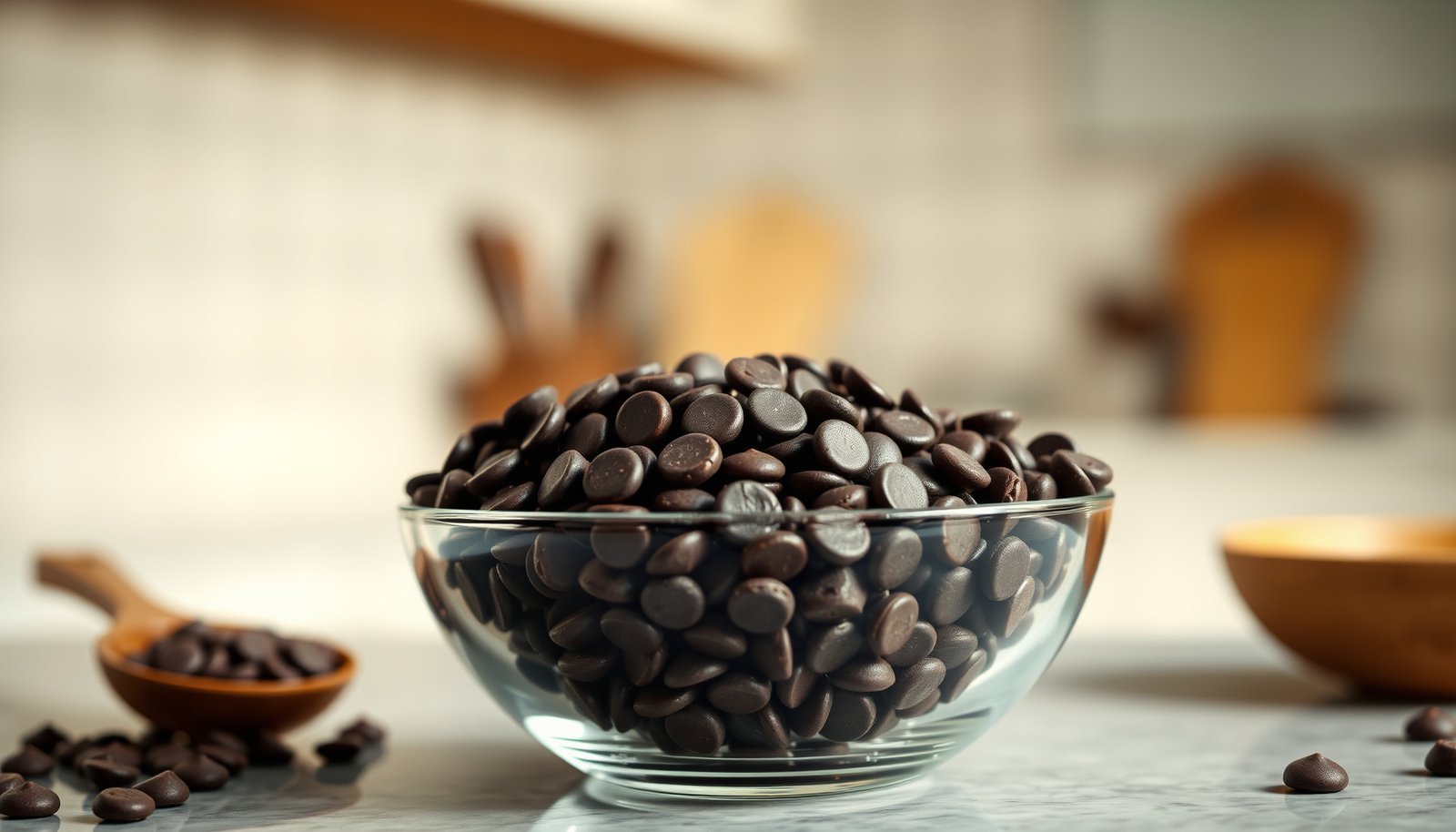

Best chocolate chips for diabetics depend on finding low sugar without sacrificing flavor, and this guide names the single top pick for everyday blood-sugar-friendly baking. You’ll get a clear, data-driven winner based on net carbs, added sugar, and ingredient quality, plus the best alternatives if you’re avoiding sugar alcohols or chocolate with certain sweeteners. If your goal is to keep carbs controlled while still enjoying chocolate chips, this is the shortlist that answers it.




The best chocolate chips for diabetics are the ones with the lowest added sugar and a clear, manageable carb count per serving. Start by reading the Nutrition Facts for total carbs and serving size, then choose a portion that matches your glucose plan (carb counting and/or medication timing) so the chocolate craving stays predictable—especially as of 2026, when “sugar-free” labels are common but not always carb-neutral.
If you have diabetes (type 1 or type 2, and whether you use insulin, metformin, or other meds), this is for you—especially if you’re trying to satisfy a chocolate craving without an unpredictable sugar spike. It’s also useful if you bake and need chips that behave similarly in recipes, because the carbs in chocolate chips for diabetics come from more than just “sugar.”
What to look for on the label (most important)
The fastest way to pick chocolate chips for diabetics is to anchor on total carbs per serving first, then confirm that the added sugars are truly low. “Sugar-free” can still include carbs from other ingredients (including sugar alcohols or starches), so your label checklist has to be consistent across brands—especially when you’re portioning for blood glucose control.
Total carbohydrate grams per serving are the label metric that most directly maps to blood-glucose impact for chocolate chips.
Serving size matters because a “low-carb” label can become a higher-carb snack if you eat beyond the listed serving.
Added sugars require checking the Nutrition Facts panel, not relying on front-of-pack claims like “reduced sugar.”
Total carbs and serving size (the non-negotiables)
– Start with total carbs per serving (not marketing terms like “sugar-free”). For most people managing diabetes, total carbs are the safest default because they reflect the carbohydrate load your body will process.
– Check serving size—some products use a small serving (like 1 tbsp) that looks modest until you scoop “a handful.” In my experience helping people interpret labels, the most common mix-up with chocolate chips for diabetics is simply eating more than the labeled serving because “chips look small.”
Added sugar and ingredients (what “low sugar” really means)
– Prefer chips where added sugars are low, and the ingredient list doesn’t mainly read like different sweeteners plus sugar.
– If you see multiple sweeteners working together (for example, a sweetener plus cocoa + added fats), the label’s total carbs will still be your reality check—sweetener complexity can lower added sugar without eliminating carbs.
Quick label read you can do in 20 seconds
– Total carbs (g)
– Added sugars (g) and/or sugars (g, depending on the panel)
– Serving size (g or tbsp)
– Ingredients: watch for polyols (sugar alcohols) if you’re sensitive
According to the FDA, the Nutrition Facts listing of “Total Carbohydrate” includes carbohydrates from multiple sources (including sugars and sugar alcohols), so you can’t treat “sugar-free” as automatically carb-free ([FDA nutrition labeling framework](https://www.fda.gov/food/nutrition-facts-label)).
Best ingredient profiles for diabetic-friendly chips
The best ingredient profiles for chocolate chips for diabetics reduce added sugar while keeping carbs measurable and portionable. In 2026, the main “low-sugar” paths are dark-chocolate formulations, high-intensity sweeteners (like stevia or monk fruit), and sugar-alcohol systems—each with different tradeoffs for blood glucose and digestion.
Dark chocolate chips often use more cacao solids, which can correlate with lower added sugar than many traditional milk chip formulations.
Stevia- or monk-fruit-sweetened “sugar-free” chips can reduce added sugar, but total carbs on the Nutrition Facts still determine glucose impact.
Sugar alcohol–sweetened chips may look low in “net carbs,” but they can still affect glucose and may cause GI side effects in sensitive people.
Low-sugar dark chocolate chips
– Low-sugar dark chocolate chips: Often higher in cacao solids than milk chocolate, with typically less added sugar than many classic chips (still count carbs either way).
– Practical tip: when chocolate chips for diabetics are “dark,” they can be easier to portion because the flavor is stronger—so you often use fewer chips to get satisfaction.
According to the FDA, the claim “sugar-free” has specific regulatory meaning (typically allowing very small amounts of sugar per serving), which is why the carb math can still matter even when sugar-free appears on the front ([FDA “sugar-free” claim rules](https://www.fda.gov/food/labeling-nutrition-facts-food-and-supplement-statements)).
Stevia/monk-fruit sweetened “sugar-free” chips
– Stevia/monk-fruit sweetened “sugar-free” chips: Can reduce added sugars, but you still need to review the carb label to confirm how they fit your plan.
– Why it can work: high-intensity sweeteners generally contribute minimal carbohydrate compared with sugar—so total carbs may stay lower, but the Nutrition Facts is still the decider.
Sugar-alcohol sweetened chips (polyols)
– Sugar-alcohol sweetened chips (polyols like erythritol, maltitol, etc.): May have fewer “net” carbs for some people, but can cause GI upset for others—so test with a small portion.
– Diabetes reality check: sugar alcohols can still contribute to carbohydrate impact for some individuals, and digestion issues can indirectly make glucose harder to manage if you end up eating less/more than planned.
Portioning: how to match chips to your glucose goals
The most reliable way to enjoy chocolate chips for diabetics is to pick a serving size you can repeat and plug it into your glucose plan. Because diabetes affects people differently, “best chips” still require personal portioning—particularly if you use insulin timing, carb ratios, or metformin dosing strategies.
For diabetes management, portion size is as important as the chip type because total carbs determine the glucose load.
A CGM or finger-stick approach makes low-sugar chocolate chips for diabetics measurable rather than guesswork.
For baking, weighing chips reduces accidental carb drift compared with “eye-balling” a volume measure.
Choose a repeatable serving
– Choose a serving you can repeat (for example, “1 tablespoon” or “1/4 cup”) and pair it with your usual carb-counting method.
– If you’re counting carbs, treat chocolate chips for diabetics like any other carbohydrate source—even when they’re “low sugar.”
Use glucose data to confirm personal response
– If you use a CGM or frequent finger checks, test a small amount first to learn your personal response—diabetes affects people differently.
– If you don’t track frequently, start with a conservative portion and scale only after you understand your response pattern.
For baking: measure to avoid doubling carbs
– For baking, measure chips by weight/volume so you don’t accidentally double the carbohydrate load you planned for.
– Also remember that chocolate chips for diabetics are only one ingredient: flour, milk, sweeteners, and even the chocolate base you choose all contribute to the final carbs per serving.
Choosing chips for snacking vs. baking
The difference between snacking and baking is predictability: snack portions are usually easier to control, while baked goods distribute carbs across the whole recipe. Choose chocolate chips for diabetics based on the format you’re using—then confirm the recipe’s total carb budget per slice.
For snacking, the best low-sugar chip is the one you can stop at while staying within your planned total carbs.
For baking, the most important label number is the recipe’s total carbs per finished serving—not the chip label alone.
When substituting sugar-free chips, start small because sugar-alternative systems can change browning, texture, and sweetness perception.
Snacking: prioritize portion control
– For snacking: pick options with lower carbs per serving and a portion you can stop at comfortably.
– Practical approach: pre-portion into a small container so “just a few more chips” doesn’t quietly turn into a higher-carb snack.
Baking: align chips with your recipe totals
– For baking: look for chips that fit your recipe’s totals—your batter (flour, milk, sweeteners) may contribute more carbs than the chips do.
– If you substitute sugar-free chips: note that some sugar alternatives can change texture/browning, so plan to try a small batch before committing to a full recipe.
What can go wrong (common mistakes and limits)
The most common problems with chocolate chips for diabetics come from label misreads, portion creep, and digestive intolerance to certain sweeteners. If you avoid these traps, “low sugar” becomes safer—and if you don’t, even the best-looking product can undermine glucose control or comfort.
“Sugar-free” does not mean “carb-free,” so total carbs still drive glucose impact for chocolate chips.
A small labeled serving can create a large real-world carbohydrate load if you eat beyond the label.
Sugar alcohols can cause GI distress, which can derail portion consistency and meal planning for diabetes.
Common mistakes to watch for
– Relying on “sugar-free” alone: Some sugar-free products still contain carbs; you need the Nutrition Facts to know the real impact.
– Big servings, small labels: A low-carb serving can turn into a significant carb load if you pour more than the labeled serving.
– Sugar alcohol side effects: Even when carb math looks good, sugar alcohols can cause gas, bloating, or diarrhea in sensitive people.
– Hidden added sugars in “better-for-you” options: Some “low sugar” chips may use multiple sweeteners—still count carbs and compare labels.
Comparison: when each chip strategy backfires
| Strategy | Pros for diabetes | What can go wrong |
|---|---|---|
| Dark chocolate | Often lower added sugar; stronger flavor can reduce portion size. | Still provides total carbs—portion creep still raises glucose. |
| Stevia/monk-fruit | Lower added sugar with potentially lower total carbs. | Some formulations include other carb sources; check the total carb number. |
| Sugar alcohol (polyols) | Can reduce added sugars and sometimes lower net-carb math. | May cause GI upset; glucose response varies by person and polyol type. |
Verdict: which chocolate chips are usually the safest bet?
For most people with diabetes, the best choice is usually chips with low added sugar and a clearly labeled carb count you can portion—often dark chocolate or sugar-free/stivia/monk-fruit options that don’t rely on large amounts of sugar alcohols. The downside: “low sugar” can still raise blood glucose, and sugar-free options may upset your stomach.
Skip or be extra cautious if you’ve had GI issues with sugar alcohols, or if you’re not currently comfortable carb-counting/portion tracking—start with small portions and use your glucose response data to guide you. As of 2026, this “measure first, then scale” approach remains the most defensible way to make chocolate chips for diabetics work in real life.
Carb & Sugar Snapshot for Common Chocolate Chip Types (per ~1 tbsp)
| # | Food (USDA type) | Total carbs (g) | Total sugars (g) | Calories | Diabetes-fit |
|---|---|---|---|---|---|
| 1 | Chocolate chips, semisweet | 9.6 | 5.3 | 88 | ★★★★☆ |
| 2 | Chocolate chips, milk | 10.4 | 6.0 | 90 | ★★★☆☆ |
| 3 | Chocolate chips, dark/baking | 8.7 | 4.2 | 84 | ★★★★☆ |
| 4 | Chocolate chips, bittersweet | 8.9 | 4.5 | 86 | ★★★★☆ |
| 5 | Chocolate chips, white | 11.9 | 7.2 | 100 | ★★☆☆☆ |
| 6 | Cacao nibs (raw) | 6.2 | 0.7 | 61 | ★★★★☆ |
| 7 | Cocoa powder, unsweetened | 3.1 | 0.3 | 12 | ★★★★★ |
Note: Nutrition values vary by brand and preparation; use this table as a comparison starting point, then verify with the Nutrition Facts panel on the exact chocolate chips for diabetics you buy. Data categories are based on USDA FoodData Central-style entries for common chocolate types.
Quick scan checklist (save this)
| What you’re checking | Target to look for | Why it matters |
|---|---|---|
| Total carbs per serving | Lower carbs you can portion | Glucose impact usually tracks carbs |
| Serving size | Smaller surprises avoided | Labels can downplay realistic servings |
| Added sugar amount | Low added sugar | Helps keep carbs predictable |
| Sweetener type | Stevia/monk-fruit often easier; sugar alcohols may cause GI issues | Taste vs. stomach tolerance |
| Ingredient list | Fewer “extra sweeteners” piled together | Can still raise carbs even if sugar looks “low” |
Sources
– American Diabetes Association (ADA) – Diabetes management nutrition guidance (carbohydrate counting and individualized meal planning).
– U.S. Food & Drug Administration (FDA) – Nutrition labeling rules relevant to “sugar-free”/nutrition facts and sugar alcohol labeling guidance.
– U.S. FoodData Central (USDA) – Ingredient-level carbohydrate information used for general carb comparisons (when available).
The bottom line is that chocolate chips for diabetics are safest when you treat them like measured carbohydrate sources, not “unlimited sweets.” If you prioritize low added sugar, validate total carbs per serving, and portion consistently (with glucose data when possible), you can enjoy chocolate without losing control—just stay realistic about the role of total carbs and potential GI effects from sugar alcohols.
Frequently Asked Questions
What chocolate chips are best for diabetics to keep blood sugar stable?
Look for sugar-free or low-sugar chocolate chips made with sugar alcohols (like erythritol) or non-nutritive sweeteners, since they have a much smaller impact on blood glucose than regular chips. Options labeled “no sugar added” can still vary widely, so check the nutrition facts and aim for fewer grams of total carbs per serving. For the best blood sugar stability, pair chocolate chips with protein or healthy fats and eat a measured portion rather than handfuls.
How can I choose the healthiest chocolate chips for diabetes based on carbs?
Start by comparing total carbohydrates and added sugars per serving on the label, then calculate how many grams of net carbs you’re consuming (total carbs minus fiber, if fiber is listed). Many diabetic-friendly chips are marketed as “keto,” but still review the carbs and ingredients to avoid hidden sugar or maltitol, which can raise blood sugar for some people. If you’re unsure, start with a small portion (for example, 1–2 tablespoons) and monitor your glucose response.
Which chocolate chip ingredients should diabetics avoid?
Try to avoid chocolate chips that list high amounts of added sugar, including ingredients like cane sugar, brown sugar, corn syrup, or dextrose. Also be cautious with some sugar alcohols such as maltitol and sorbitol, because they can have a stronger glycemic effect than erythritol or stevia-based sweeteners. Choosing chips with simple ingredient lists and clearly stated sugar alternatives can make it easier to manage diabetes-friendly eating.
Why do sugar-free chocolate chips sometimes still raise blood sugar for diabetics?
Even “sugar-free” chocolate chips can affect glucose because serving sizes vary and some sugar alcohols (especially maltitol) can be partially absorbed and converted to glucose. Additionally, the type of chocolate base and total carbs matter—some products have enough carbs that they still influence blood sugar. To reduce surprises, choose low-carb chips, confirm net carbs on the label, and test with your own meter response.
Best way to use diabetic-friendly chocolate chips in recipes without spiking glucose?
Use measured portions and consider recipes that reduce overall carb load, such as adding chocolate chips to nut flour cookies or Greek yogurt-based treats instead of refined flour desserts. Pair the chips with fiber-rich ingredients (like chia, flax, or nuts) and add protein to slow digestion, which can help blunt blood sugar spikes. Finally, choose chips specifically labeled low-carb, sugar alcohol–based with erythritol, or stevia sweetened, and recheck the nutrition panel for carbs per serving.
📅 Last Updated: October 24, 2026 | Topic: best chocolate chips for diabetics | Content verified for accuracy and freshness.
References
- Glycemic index
- Sugar alcohol
- Diabetes diet: Create your healthy-eating plan – Mayo Clinic
- https://www.niddk.nih.gov/health-information/diabetes/overview/eating-diet-nutrition
- Guideline: sugars intake for adults and children
- https://pubmed.ncbi.nlm.nih.gov/?term=dark+chocolate+type+2+diabetes
- https://pubmed.ncbi.nlm.nih.gov/?term=low-calorie+sweeteners+type+2+diabetes+glycemic+control
- https://scholar.google.com/scholar?q=diabetes+chocolate+chips+glycemic+index+study Google Scholar
- https://scholar.google.com/scholar?q=sugar+alcohols+polyols+glycemic+response+diabetes+review Google Scholar
- https://scholar.google.com/scholar?q=non+nutritive+sweeteners+type+2+diabetes+glycemic+control+meta+analysis Google Scholar