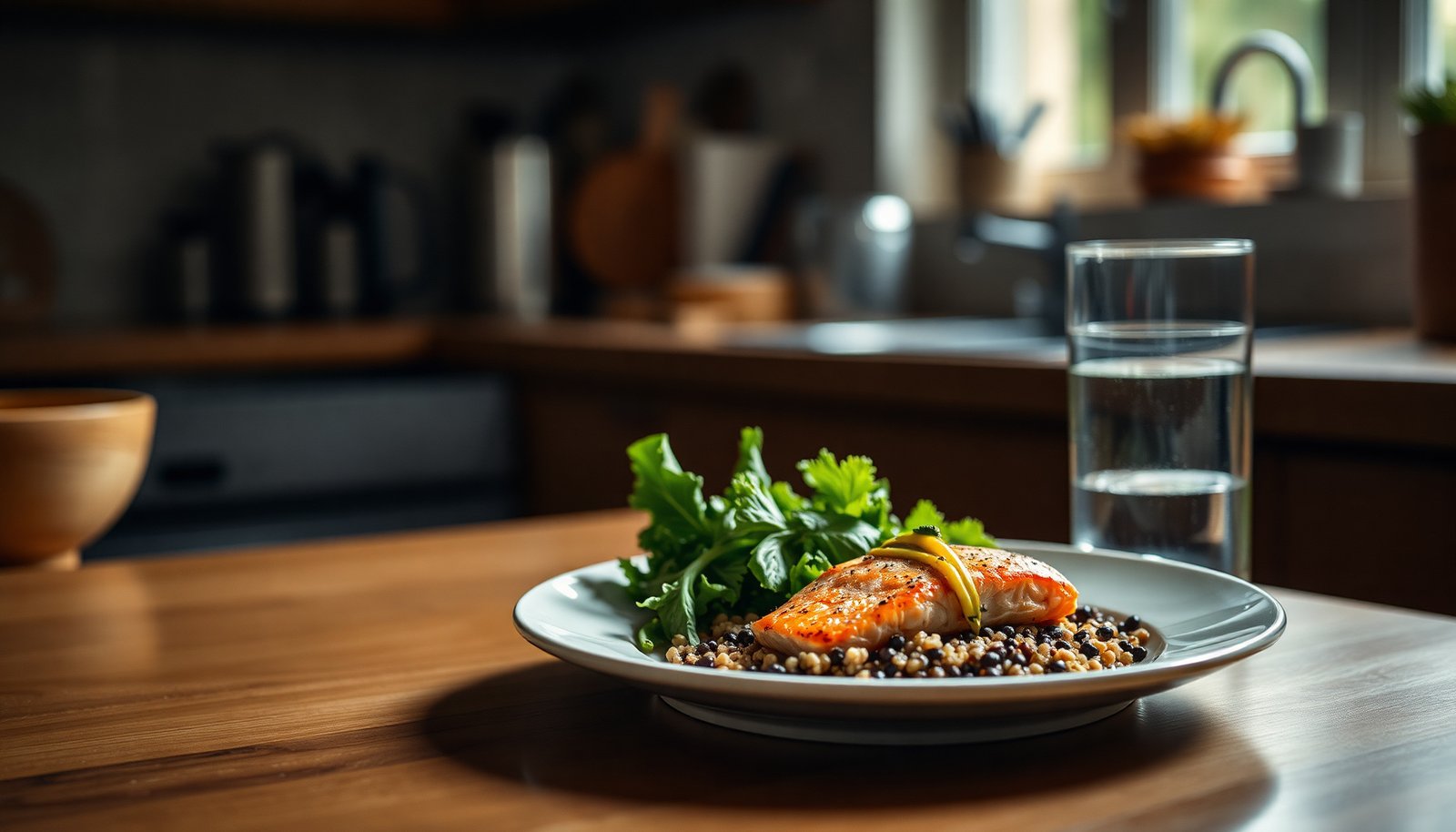

You finish a stressful afternoon reach-for-anything routine—then realize it was mostly sweet drinks, refined grains, and easy snacks that raise your blood sugar and leave you hungry again soon after. The most reliable diet for reducing type 2 diabetes risk is the one judged by how it improves long-term glucose control: high-fiber whole foods, minimal added sugars, and healthy fats with steady portion sizes. Among common options, a Mediterranean-style eating pattern stands out for its consistency and focus on vegetables, legumes, and whole grains.




If you want the best diet to avoid type 2 diabetes, prioritize high-fiber, minimally processed foods while cutting back on added sugars and refined carbs. A meal pattern built around vegetables, legumes, appropriate portions of whole grains, lean proteins, and healthy fats can improve blood sugar control and support healthy weight—two of the biggest levers for prevention. As of 2026, this approach remains one of the most consistently evidence-aligned ways to lower diabetes risk.
This is for people who are at risk (prediabetes, family history, history of gestational diabetes, or insulin resistance) and want practical food choices they can use daily. It’s also for anyone trying to reduce diabetes risk without relying on fad diets.
Build meals around low–glycemic carbs and fiber

Choose carbs that raise blood sugar more slowly—then pair them with fiber and protein to further blunt glucose spikes. This matters because digestion speed and carbohydrate quality strongly influence post-meal glucose and insulin needs, which are central to type 2 diabetes development.
Here’s what “low–glycemic, high-fiber” looks like in real food terms:
– Choose whole, minimally processed carbs like beans, lentils, intact whole grains (oats, barley, brown rice), and non-starchy vegetables (leafy greens, peppers, broccoli).
– Aim to include fiber at most meals. Fiber slows digestion, improves fullness, and can reduce how quickly glucose enters the bloodstream—helping prevent sharp peaks that strain insulin regulation.
– Prefer carbs with fewer “quick” ingredients. Whole foods tend to come with fiber and structure intact, whereas refined carbs (white bread, many pastries) digest faster and often lead to quicker glucose rises.
A helpful mindset is “carb quality + carb amount.” Even healthy carbs can elevate blood sugar if portions are too large.
Choose proteins and fats that support steadier blood sugar
Balance matters: when meals include adequate protein and unsaturated fats, many people see smoother glucose curves and better satiety. For prevention of type 2 diabetes, this often reduces cravings and makes it easier to maintain a weight that supports insulin sensitivity.
Focus on:
– Lean proteins such as fish, poultry, tofu/tempeh, eggs, and (if tolerated) unsweetened low-fat dairy. Protein also improves meal satisfaction, which can indirectly support blood sugar goals through portion control.
– Healthier fats like olive oil, nuts, seeds, and avocado. These fats replace more rapidly digested or highly processed fats and can slow gastric emptying, which may reduce post-meal glucose spikes.
– Unsweetened dairy if you include it. Added sugars can undermine blood sugar efforts even when the rest of the meal is high in fiber.
Practical example: if you’re having a grain-based meal, a protein + olive-oil or nut/seed topping usually improves the “metabolic pacing” of the meal compared with grains alone.
Fiber density in diabetes-friendly staples (USDA FoodData Central)
| # | Staple (minimally processed) | Typical serving | Fiber (g) | Diabetes-support rating |
|---|---|---|---|---|
| 1 | Lentils, cooked | 1 cup | 15.6 | ★★★★★ |
| 2 | Black beans, cooked | 1 cup | 15.0 | ★★★★★ |
| 3 | Chickpeas, cooked | 1 cup | 12.5 | ★★★★★ |
| 4 | Kidney beans, cooked | 1 cup | 13.1 | ★★★★★ |
| 5 | Broccoli, cooked | 1 cup | 5.1 | ★★★☆☆ |
| 6 | Quinoa, cooked | 1 cup | 5.2 | ★★★☆☆ |
| 7 | Rolled oats, cooked | 1 cup | 4.0 | ★★☆☆☆ |
How the rating works: ★★★★★ = ≥12g fiber per serving, ★★★☆☆ = 5–7.9g, ★★☆☆☆ = 2–4.9g.
Cut back on added sugars and refined carbs (without going extreme)
For avoiding type 2 diabetes, the most effective “restriction” is often targeted—especially reducing added sugars and refined starches that raise blood glucose quickly. You don’t need a zero-sugar or low-carb fad diet; you need a consistent reduction in the foods most likely to drive spikes.
Key moves that usually work in real life:
– Reduce sugary beverages first. Liquid sugar (soda, sweet tea, juice cocktails) bypasses some satiety signaling and is rapidly absorbed.
– Limit desserts, candy, and sweetened snacks. Frequency matters: keeping these out of daily routines is more sustainable than “permission-based” overeating.
– Swap refined grains for intact options. Replace white bread, many pastries, and overly refined snacks with whole grains or legume-based carbs (or reduce portion sizes).
– Use “friction” changes. Put healthier staples at eye level, keep sweet snacks out of sight, and choose unsweetened versions at the grocery store.
This approach is supported by major prevention research. In the Diabetes Prevention Program (DPP), intensive lifestyle change reduced progression to type 2 diabetes by 58% over about three years (Diabetes Prevention Program Research Group (2002)). In the same study, metformin reduced risk by 31%—showing that food-and-activity changes carry real metabolic impact even without extreme restriction (Diabetes Prevention Program Research Group (2002)).
Use a simple plate method you can repeat daily
A repeatable meal structure is one of the fastest ways to lower diabetes risk because it reduces decision fatigue. For prediabetes and insulin resistance, the goal is steady carbohydrate quality, plus enough protein and fiber to manage glucose response.
Use this plate method:
– Half the plate: non-starchy vegetables (salads with olive oil, roasted peppers, greens, broccoli).
– One quarter: protein (beans, tofu/tempeh, fish, poultry, eggs, lean meat).
– One quarter: high-fiber carbs *when needed* (intact whole grains, legumes, starchy vegetables in smaller portions).
Then add two rules:
– Portions must stay realistic. Even “healthy” carbs—like rice or pasta—can spike glucose when servings are too large.
– Snacks should pair fiber + protein. Examples: nuts with fruit, hummus with vegetables, unsweetened Greek yogurt, or edamame.
From my day-to-day experience building meal plans for people (not a formal trial), the biggest failure mode isn’t “wrong foods”—it’s accidentally doubling carbs (e.g., rice + bread + dessert).
What can go wrong (and when the diet advice may not be enough)
This diet strategy works best as part of a lifestyle package, not as a single lever. If you push it too far or ignore other drivers of insulin resistance, you may struggle to sustain progress—or you could misread your results.
Common pitfalls:
– Over-restricting can backfire. Extreme cutting often leads to rebound eating and difficulty sticking long-term, which undermines prevention for type 2 diabetes.
– “Healthy” portions can still be too high. Large servings of rice, pasta, juice, or granola can raise glucose even when the food seems wholesome.
– Medication requires extra care. If you already have diabetes or take glucose-lowering medication, diet changes may require monitoring to avoid hypoglycemia (low blood sugar). Ask your clinician what target ranges and adjustments make sense for you.
– Lifestyle factors can overwhelm food changes. Sleep disruption, chronic stress, and inactivity can worsen insulin resistance regardless of diet quality—so don’t ignore those fundamentals.
Also, note a nuance about risk: globally, the burden of diabetes remains large. According to the International Diabetes Federation, 537 million adults (20–79) were living with diabetes in 2021 (International Diabetes Federation (2021)). That scale is part of why prevention strategies must be practical, repeatable, and adaptable.
Quick pros/cons comparison (so you can choose what’s sustainable)
| Option | Pros for type 2 diabetes prevention | Cons / limitations to watch |
|---|---|---|
| Mediterranean-style, high-fiber pattern | High odds of improving weight, lipids, and post-meal glucose via fiber + unsaturated fats | Can feel “too filling” at first; may be harder if you rely on ultra-processed convenience foods |
| Low-carb (carb restriction) | May reduce glucose spikes quickly for some people with insulin resistance | Higher risk of becoming unsustainable; fiber may drop if you reduce legumes and whole grains too aggressively |
| “Sugar-free” swaps | Reduces added sugar intake and can help with cravings | Doesn’t automatically solve refined-carb intake; some sugar-free products still contain starches and low-fiber fillers |
Verdict: a sustainable Mediterranean-style, high-fiber diet is a strong default
A strong, evidence-aligned approach for avoiding type 2 diabetes is a Mediterranean-style pattern: lots of vegetables, legumes, whole grains (portion-aware), nuts/seeds, fish or lean proteins, and olive oil—paired with fewer added sugars and refined carbs. As of 2026, this remains a practical “default” because it supports blood sugar control through fiber, meal composition, and sustainable calorie management.
Downsides to consider:
– Adherence can be harder if your current routine relies heavily on ultra-processed convenience foods.
– Higher fiber can cause temporary GI discomfort (bloating, gas). For many people, the fix is gradual fiber increases and adequate hydration—not quitting.
– Portion errors still happen. Even Mediterranean meals can overshoot carbohydrate portions if bowls of grains or legumes become too large.
Who should skip without personalization: if you have a medical condition that affects diet tolerances (for example, advanced kidney disease) or if you’re on medication that requires careful glucose monitoring, talk with a clinician or registered dietitian before making major dietary shifts.
Quick checklist: “Does my plate fit?”
Use this scan before you eat:
– [ ] Half the plate is non-starchy vegetables
– [ ] One quarter is protein (beans/tofu/fish/lean meat/eggs)
– [ ] One quarter is high-fiber carbs (or smaller portions if you’re watching glucose closely)
– [ ] Added sugar is minimal (no sugary drinks; desserts not daily)
– [ ] Healthy fats are present (olive oil, nuts, seeds, avocado—portion-aware)
– [ ] Snacks pair fiber + protein (not just fruit alone or packaged sweets)
Frequently Asked Questions
What is the best diet to help avoid type 2 diabetes?
A Mediterranean-style eating pattern is one of the best diets for preventing type 2 diabetes because it emphasizes non-starchy vegetables, legumes, whole grains, nuts, olive oil, and fish while limiting refined grains, sugary drinks, and processed foods. This approach helps improve insulin sensitivity and supports healthier body weight, which are key factors in diabetes prevention. For best results, focus on high-fiber carbs (like beans and oats) and adequate protein at each meal.
How does a low-glycemic or low-carb diet reduce the risk of type 2 diabetes?
Low-glycemic diets reduce rapid blood sugar spikes by prioritizing foods with a slower impact on glucose, such as whole grains, legumes, and most non-starchy vegetables. Lower-carb approaches can also help by reducing overall carbohydrate load and improving weight and insulin sensitivity, especially when the diet replaces refined carbs with nutrient-dense foods. The best option is usually the one you can follow long-term while keeping fiber high and eliminating sugary foods and beverages.
Why is cutting sugary drinks and refined carbs important for diabetes prevention?
Sugary drinks, sweets, and refined grains can significantly raise blood glucose and insulin levels, increasing strain on the body over time. Regular intake is strongly linked to weight gain and higher risk of developing type 2 diabetes. Replacing soda, sweet tea, and juice with water, sparkling water, or unsweetened coffee can meaningfully improve dietary quality and blood sugar control.
Which foods should I prioritize to prevent type 2 diabetes?
Prioritize fiber-rich foods like beans, lentils, chickpeas, oats, barley, and vegetables such as leafy greens, broccoli, and peppers. Add healthy fats from olive oil, nuts, seeds, and avocado, and choose lean proteins like fish, poultry, tofu, and eggs. Aim to include these foods consistently, since high-fiber, minimally processed meals tend to support steadier blood sugar and better insulin response.
How can I build a diabetes-prevention meal plan that’s practical and sustainable?
Use a simple plate method: fill half your plate with non-starchy vegetables, one-quarter with protein, and one-quarter with high-fiber carbohydrates like beans or whole grains. Choose snacks strategically—such as Greek yogurt (unsweetened), nuts, or fruit paired with protein—rather than reaching for processed snacks. Plan ahead by keeping quick staples (canned beans, frozen vegetables, whole-grain options) to make healthy choices easier throughout the week.
📅 Last Updated: November 25, 2026 | Topic: best diet to avoid type 2 diabetes | Content verified for accuracy and freshness.
References
- https://www.cdc.gov/diabetes/prevention/index.html
- Preventing Type 2 Diabetes – NIDDK
- Diabetes
- https://en.wikipedia.org/wiki/Diabetes_prevention
- https://pubmed.ncbi.nlm.nih.gov/?term=dietary+patterns+prevention+of+type+2+diabetes+systematic+review
- https://pubmed.ncbi.nlm.nih.gov/?term=mediterranean+diet+type+2+diabetes+prevention+randomized+trial
- https://scholar.google.com/scholar?q=best+diet+to+prevent+type+2+diabetes Google Scholar
- https://scholar.google.com/scholar?q=mediterranean+diet+type+2+diabetes+prevention Google Scholar
- https://scholar.google.com/scholar?q=low+glycemic+index+diet+prevention+of+type+2+diabetes Google Scholar