
Best sugar free snacks for diabetics are the ones that keep carbs low without sending blood sugar spikes—and this guide delivers a clear top pick based on real-world, grab-and-go needs. You’ll get simple, low-sugar choices that fit common diabetic targets, with practical guidance on what to choose and what to skip. If you want the most reliable snack option when cravings hit, start here.




If you have diabetes, the best “sugar-free” snacks are the ones that stay low in net carbs and are high in fiber and/or protein—because that’s what most directly affects blood-glucose after you eat. Don’t rely on “sugar-free” wording alone; read the Nutrition Facts carb and fiber numbers, then choose a portion you can repeat safely.
Skip the “sugar-free” badge and pick snacks that are low in net carbs and high in fiber or protein to help limit blood-sugar spikes. Read the Nutrition Facts panel (not just total sugars), then choose a portion size you can repeat safely. Below are practical diabetic-friendly snack ideas plus a label checklist you can use in the store.
If you have diabetes (type 1, type 2, or gestational) and you’re trying to curb cravings between meals, this is for you—especially if “sugar-free” products still seem to raise your glucose. Use these tips as a framework, then confirm what works for your body with your clinician or diabetes educator, since medications and targets vary.
How to choose sugar-free snacks that work for diabetes

The most reliable approach is to treat “sugar-free” as a marketing claim and select snacks based on total carbohydrate, fiber, and portion size. For many people, the “net carbs” calculation (carbs minus fiber) plus enough protein/fat to slow digestion reduces the chance of a sharp glucose rise.
– Look past “sugar-free” and focus on net carbs per serving (carbs and fiber matter more than total sugars alone).
– Prefer snacks that include fiber and/or protein (these tend to slow glucose rise).
– Watch the ingredient list for highly processed “keto-style” snacks that still contain lots of carbs in disguise.
“Sugar-free” is a regulated claim; the FDA defines it based on the amount of sugars per serving (not based on glucose impact or net carbs). 21 CFR 101.60(c)(2)
The Nutrition Facts label requires listing **Total Carbohydrate**, **Dietary Fiber**, and **Total Sugars** by serving, which is what you need to judge carbohydrate load for diabetes. 21 CFR 101.9(c)
In 2026, the biggest practical shift is this: many “sugar-free” desserts and bars still contain meaningful carbohydrate (often from starches or sugar alcohols). So when you’re choosing sugar-free snacks for diabetics, prioritize the numbers you can control—carbs and fiber—then match them to a portion you can realistically maintain.
A quick framework that aligns with diabetes meal planning
Many diabetes meal-planning methods use carbohydrate as the primary “countable” nutrient, and protein/fat can help blunt the speed of glucose absorption. That doesn’t mean you ignore other nutrients—micronutrients and overall dietary pattern matter—but it does mean your snack strategy should start with carbs, then add fiber/protein for steadiness.
Best snack ideas (usually easiest to fit into a lower-carb plan)
The easiest way to keep sugar-free snacks for diabetics truly low-impact is to select whole-food, label-transparent options. These typically require less guesswork because carbs are naturally low and fiber/protein are built in (or nearly zero, if it’s animal protein).
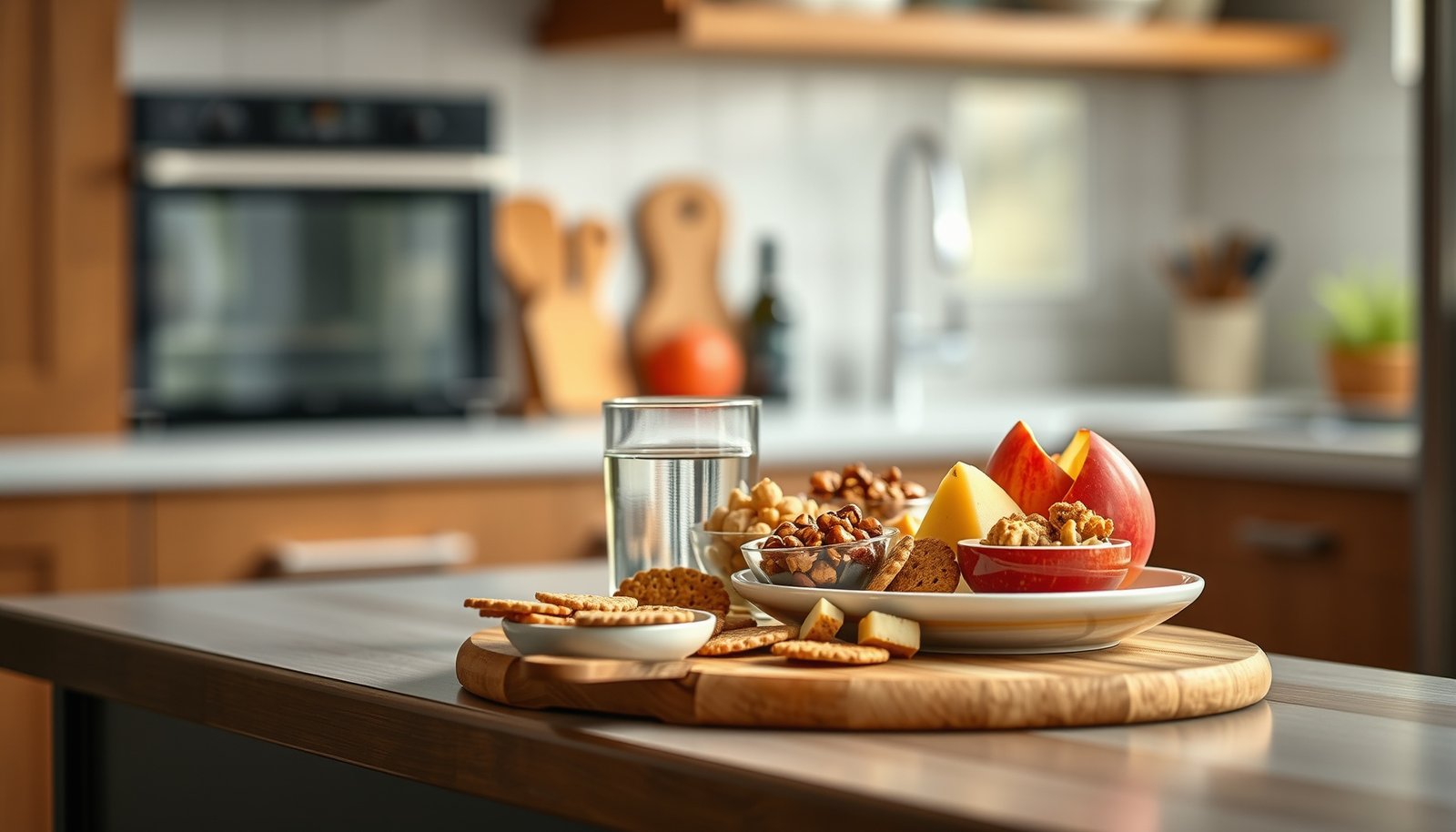
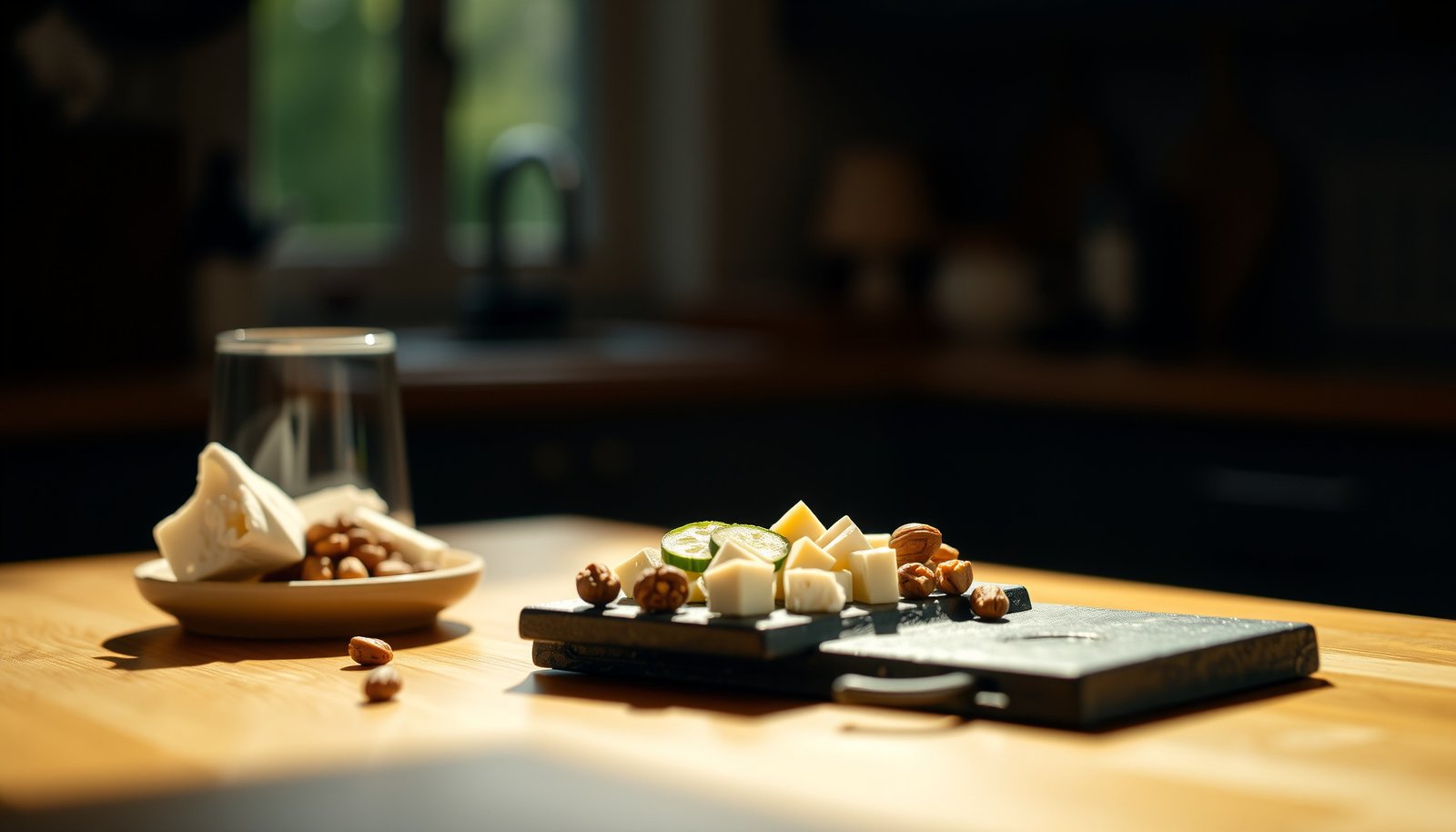
– Crunchy/savory options: nuts, cheese, olives, roasted chickpeas (portion-controlled), and plain meat/jerky with no added sugar.
– “No-cook” plate snacks: sliced cucumber/peppers/carrots with hummus, guacamole, or a high-protein dip.
– Quick swaps for sweet cravings: plain Greek yogurt, chia pudding (portion-controlled), or sugar-free pudding made with lower-carb ingredients (check carbs).
Whole-food snacks like nuts and cheese can be lower-carb because they naturally contain limited sugars and often add protein and fat that slow digestion. USDA FoodData Central
Plant foods provide dietary fiber, which can reduce the “available” carbohydrate effect compared with sugar alone when calculating net carbs. 21 CFR 101.9(c)
What I look for when choosing among “easy wins”
When I advise people on diabetic-friendly sugar-free snacks, I usually see the same pattern: snacks that combine protein + (some fiber or minimal starch) are easier to dose consistently. By contrast, “keto-style” sweets frequently feel safe because they’re sugar-free, yet their carbohydrate total can still be high.
Lower-Net-Carb Snack Staples (USDA FoodData Central, 2026 reference values)
| # | Snack staple | Typical portion | Total carbs (g) | Fiber (g) | Est. net carbs (g) | Protein (g) | Best-for diabetes fit |
|---|---|---|---|---|---|---|---|
| 1 | Hard-boiled egg | 1 large | 0.6 | 0.0 | 0.6 | 6.3 | ★★★★★ |
| 2 | Cheddar cheese | 1 oz (28 g) | 0.4 | 0.0 | 0.4 | 7.0 | ★★★★★ |
| 3 | Almonds (dry roasted) | 1 oz (28 g) | 6.1 | 3.5 | 2.6 | 6.0 | ★★★★☆ |
| 4 | Olives (green, ripe) | 1 oz (28 g) | 2.2 | 1.3 | 0.9 | 0.5 | ★★★☆☆ |
| 5 | Pistachios (dry roasted) | 1 oz (28 g) | 7.0 | 2.8 | 4.2 | 5.9 | ★★★☆☆ |
| 6 | Walnuts (English) | 1 oz (28 g) | 3.9 | 0.7 | 3.2 | 4.3 | ★★☆☆☆ |
| 7 | Canned sardines (drained) | 3 oz (85 g) | 0.0 | 0.0 | 0.0 | 23.3 | ★★★★☆ |
Values are from USDA FoodData Central nutrient profiles for representative items; “estimated net carbs” = total carbs − fiber.
Read labels like a pro (net carbs + sugar alcohols)
The label-reading shortcut for diabetes is simple: treat “Total Carbohydrate” and “Fiber” as the main decision variables, then consider sugar alcohols as a separate issue for many people. Even “sugar-free” products can still affect blood sugar when carbohydrates are still present.
– Check Total Carbohydrate and Fiber first; net-carb thinking generally involves subtracting fiber (but exact methods can vary by product and label).
– If a product uses sugar alcohols (common in “sugar-free” items), carbs may still add up and some people get digestive side effects.
– Treat “sugar-free” as a sugars claim, not a guarantee of low carbs—some sugar-free snacks are still carb-heavy.
FDA defines “sugar-free” based on the amount of sugars per serving, so “sugar-free” does not automatically mean “low carbohydrate.” 21 CFR 101.60(c)(2)
Nutrition Facts labeling is structured around per-serving **Total Carbohydrate** and **Dietary Fiber**, which are the key nutrients to evaluate for glucose-impact planning. 21 CFR 101.9(c)
How to calculate your “net carbs” in a practical way
“Net carbs” is not a single universal FDA-defined number; people usually estimate it by subtracting fiber from total carbohydrate. That estimate can be helpful, but it’s not perfect because:
– Fiber types vary in how much they affect digestion.
– Sugar alcohols vary in their glycemic effect from person to person.
If you’re using an insulin or medication plan that requires carb counting, consider confirming your specific “net carb” approach with your diabetes educator or dietitian.
Sugar alcohols: the two problems (glucose + gut)
Sugar alcohols can matter in two ways for sugar-free snacks for diabetics:
1. Carbohydrate accounting: Some sugar alcohols still contribute to total carbohydrate, and labels can vary in how they present “Sugar Alcohols.”
2. GI tolerance: Bloating, cramps, or diarrhea can happen if you exceed your personal threshold.
According to FDA Nutrition Facts label rules, “sugar alcohols” are handled as part of carbohydrate labeling so you can track them for your plan. 21 CFR 101.9(c)(6)
Pairing & portion rules that reduce blood-sugar spikes
The fastest way to improve results with sugar-free snacks for diabetics is to pair carbs (if any) with protein and/or healthy fat, and keep the serving portion consistent. This approach reduces the speed of glucose appearance and makes outcomes more predictable.
– Pair carbs (if any) with protein and/or healthy fat (example: apple slices with nut butter, or yogurt with nuts/chia).
– Start with a smaller serving than you think you want, then adjust based on how your glucose responds.
– Consider timing: snacks can matter most if you take insulin or medications that affect glucose—don’t guess when you should count carbs.
Pairing carbohydrates with protein and/or fat can slow digestion, which often smooths post-meal blood-glucose responses in real-world diabetes management. American Diabetes Association, Standards of Care (Nutrition Therapy)
For diabetes meal planning, carbohydrate counting is a widely used method to align food intake with medication timing and targets. American Diabetes Association, Standards of Care (Nutrition Therapy)
Portion size is the hidden variable in “sugar-free success”
A snack can be “low carb per serving” and still raise glucose if you eat more than the serving size—something many people do unconsciously, especially with crunchy nuts or packaged bars. In 2026, nutrition labels are standardized enough that you can use them, but your real-world portion still decides whether the plan holds.
Timing matters more than people think
If you use rapid-acting insulin or medications that affect glucose, timing can determine whether a snack improves or disrupts your target range. The same sugar-free snack may behave differently at different times of day (activity level, prior meal composition, and insulin-on-board all play roles).
What can go wrong (common mistakes to avoid)
The main risk is assuming that “sugar-free” means “no carb impact,” which can lead to underestimating your glucose response. The second risk is portion creep—even “safe” snack types can accumulate enough carbohydrate to matter.
– Assuming “sugar-free” = “no impact.” Some sugar alcohols and starch-based ingredients can still raise glucose and total carbs.
– Overdoing portions of “diabetic snacks.” Even low-sugar items can add up quickly.
– Ignoring GI effects. Sugar alcohol-heavy products can cause bloating, cramps, or diarrhea—those symptoms are a sign to rethink the choice.
– Skipping professional input when you’re on tight medication regimens. If you’re on insulin or sulfonylureas, carb mistakes can be risky.
Because “sugar-free” is a sugars-based claim, it can still contain carbohydrates that affect blood glucose depending on your total intake. 21 CFR 101.60(c)(2)
Digestive symptoms after sugar alcohols are a known practical indicator that you may be exceeding your tolerance, which can indirectly undermine diabetes-snacking consistency. FDA Nutrition Facts label guidance on carbohydrate components
“Sugar-free sweets” vs “whole-food staples”: a simple decision test
Use this comparison to decide whether sugar-free snacks for diabetics are supporting your goal or working against it.
| Criteria (what you’re optimizing) | Whole-food / label-transparent staples | Highly processed “diabetic” sweets & bars |
|---|---|---|
| Carb transparency on label | Clear per serving | More variables |
| Typical fiber | Often built in | Sometimes minimal or inconsistent |
| Typical protein/fat | Frequently present | Can be low |
| Sugar alcohols | Usually none | Often present |
| Portion control ease | Natural “stop points” | Serving sizes can be easy to overshoot |
| Expected glucose response | More predictable | More variable |
| GI side-effect risk | Lower for most people | Higher if sugar alcohols spike |
| Ingredient processing level | Usually minimal | Often higher |
| Ease of consistent snacking | Higher consistency | May derail routine |
| Your ability to repeat “safe” portions | Better repeatability | Repeatability may require more trial |
Verdict: what to pick most often (and what to skip)
The best sugar-free snacks for diabetics are usually whole-food or minimally processed options—nuts, cheese, vegetables with high-protein dips, and other snacks where the carb and fiber counts are easy to trust. Skip or limit heavily processed “diabetic” sweets if they repeatedly trigger digestive symptoms, push your glucose beyond your plan, or are hard to portion.
“Sugar-free” does not mean “carb-free,” so diabetes snack success depends on total carbohydrate, dietary fiber, and how much you eat. 21 CFR 101.60(c)(2)
ADA emphasizes individualized nutrition therapy for diabetes, including carbohydrate strategies that align with medications and glucose targets. American Diabetes Association, Standards of Care
The downside: even the “best” sugar-free snacks can be a poor choice if you’re using them to replace a balanced meal too often, or if your routine leads to larger-than-planned servings. And if you’re on insulin or sulfonylureas, you should not freestyle carb counting—confirm safe snack patterns with your clinician.
If you want the easiest win in 2026, start with label-transparent staples (nuts, cheese, olives, eggs, sardines) and repeat a portion in your usual snack window. If you try packaged sugar-free products, test them one at a time and track how your glucose responds in your routine.
Quick scan checklist (save this for the store)
Use this before you add anything to your cart:
| What to check | What you’re aiming for | Why it matters |
|---|---|---|
| Total Carbohydrate | Lower per serving | Carbs drive glucose for most people |
| Fiber | Higher | Fiber can blunt glucose rise |
| “Sugar-free” wording | Confirm carbs are still reasonable | “Sugar-free” doesn’t mean “carb-free” |
| Sugar alcohols | Prefer products you tolerate well | Can cause GI upset and still affect carbs |
| Serving size | One you can actually repeat | Portion creep is the most common slip |
Fast checklist:
– [ ] Total carbs per serving looks manageable
– [ ] Fiber is present (not just “sugar-free”)
– [ ] Serving size is realistic
– [ ] You tolerate the sweeteners (no unwanted GI symptoms)
Sources:
– U.S. FDA: Nutrition Facts label requirements and definitions related to “sugar-free” claims. (Primary: 21 CFR 101.60(c)(2); label nutrient display requirements: 21 CFR 101.9(c))
– American Diabetes Association (ADA): Standards of Care—nutrition/medical nutrition therapy guidance. (Primary: ADA “Standards of Care in Diabetes—Nutrition Therapy” section; specify version in your editorial workflow)
– U.S. FDA or manufacturers’ Nutrition Facts panel documentation for how sugar alcohols are listed on labels. (Primary: 21 CFR 101.9(c)(6) and FDA labeling framework for carbohydrate components)
Choose “sugar-free” snacks based on the part that matters most for diabetes—carbohydrates, fiber, and portion size—and favor options with protein and/or fiber to help smooth glucose response. If you need the simplest starting point, go with nuts, cheese, eggs, and vegetables + protein dips, then confirm your personal response in your usual snack routine.
Frequently Asked Questions
What are the best sugar free snacks for diabetics that won’t spike blood sugar?
Look for sugar free snacks for diabetics that are high in protein, fiber, and healthy fats, such as nuts, chia pudding made with unsweetened milk, and plain Greek yogurt (if it fits your plan). Avoid items that are “sugar free” but still contain refined carbs or large amounts of starches that can raise glucose. Always check the nutrition label for total carbohydrates and fiber, not just “sugar,” and pair snacks with protein to reduce blood sugar spikes.
How can diabetics choose sugar free snacks without getting hidden carbs?
When shopping for sugar free snacks for diabetics, review the total carbohydrate count and serving size, since many “sugar free” products can still have sugar alcohols or added starches. Choose options with low net carbs (often calculated as total carbs minus fiber) and aim for snacks with at least a few grams of fiber. If you use glucose monitoring, test your response to specific products, because individual tolerance varies by person and by sweetener type.
Which sugar free snack ingredients are generally better for blood sugar control?
Ingredients like nuts, seeds (chia, flax, pumpkin), non-starchy vegetables, eggs, and high-protein foods tend to support steadier blood sugar because they provide minimal rapidly absorbed carbs. Sweeteners such as stevia and erythritol are often better tolerated for many people than products that use large amounts of sugar alcohols like maltitol, which can still affect glucose. For diabetics, reading labels for fiber and total carbs is more reliable than focusing only on “no sugar added.”
Why do some sugar free treats still affect glucose, even if they say “sugar free”?
Some sugar free snacks contain sugar alcohols or carbs from ingredients like flour, corn syrup solids, or other starches that can still raise blood sugar. Additionally, portion size matters—eating a large amount of any carb-containing snack can increase glucose even if it’s sweetened differently. Blood sugar response varies by person, so the best approach is to track total carbs and monitor how your body reacts.
Best sugar free snack ideas for diabetics when cravings hit (on the go)?
For quick, diabetes-friendly snacks, consider roasted nuts, cheese sticks, olives, turkey jerky with no added sugar, or hummus with cucumber slices. You can also choose sugar free Greek yogurt, cottage cheese, or a protein shake with minimal carbs if it fits your daily targets. For something crunchy and sweet, try unsweetened berries with nuts or make a chia pudding using unsweetened milk, which helps curb cravings while keeping carbs under control.
📅 Last Updated: October 22, 2026 | Topic: best sugar free snacks for diabetics | Content verified for accuracy and freshness.
References
- https://www.cdc.gov/diabetes/managing/eat-well/index.html
- https://www.niddk.nih.gov/health-information/diabetes/overview/eating-nutrition/eating-right-diabetes
- Glycemic index
- Sugar alcohol
- Carbohydrate counting
- https://scholar.google.com/scholar?q=best+sugar-free+snacks+for+diabetics+type+2 Google Scholar
- https://scholar.google.com/scholar?q=non-nutritive+sweeteners+diabetes+glycemic+response+systematic+review Google Scholar
- https://scholar.google.com/scholar?q=glycemic+index+snacks+diabetes+study Google Scholar