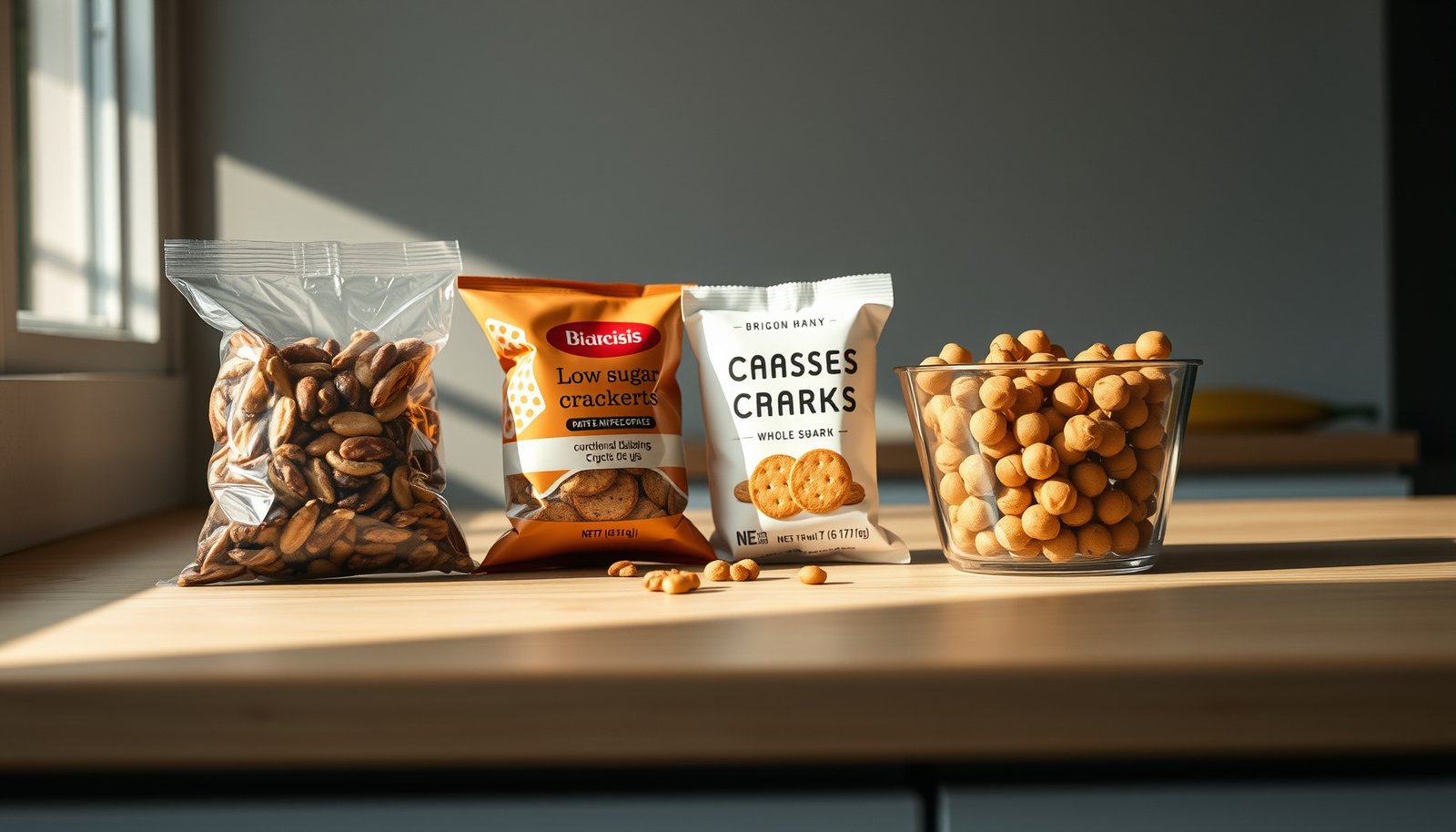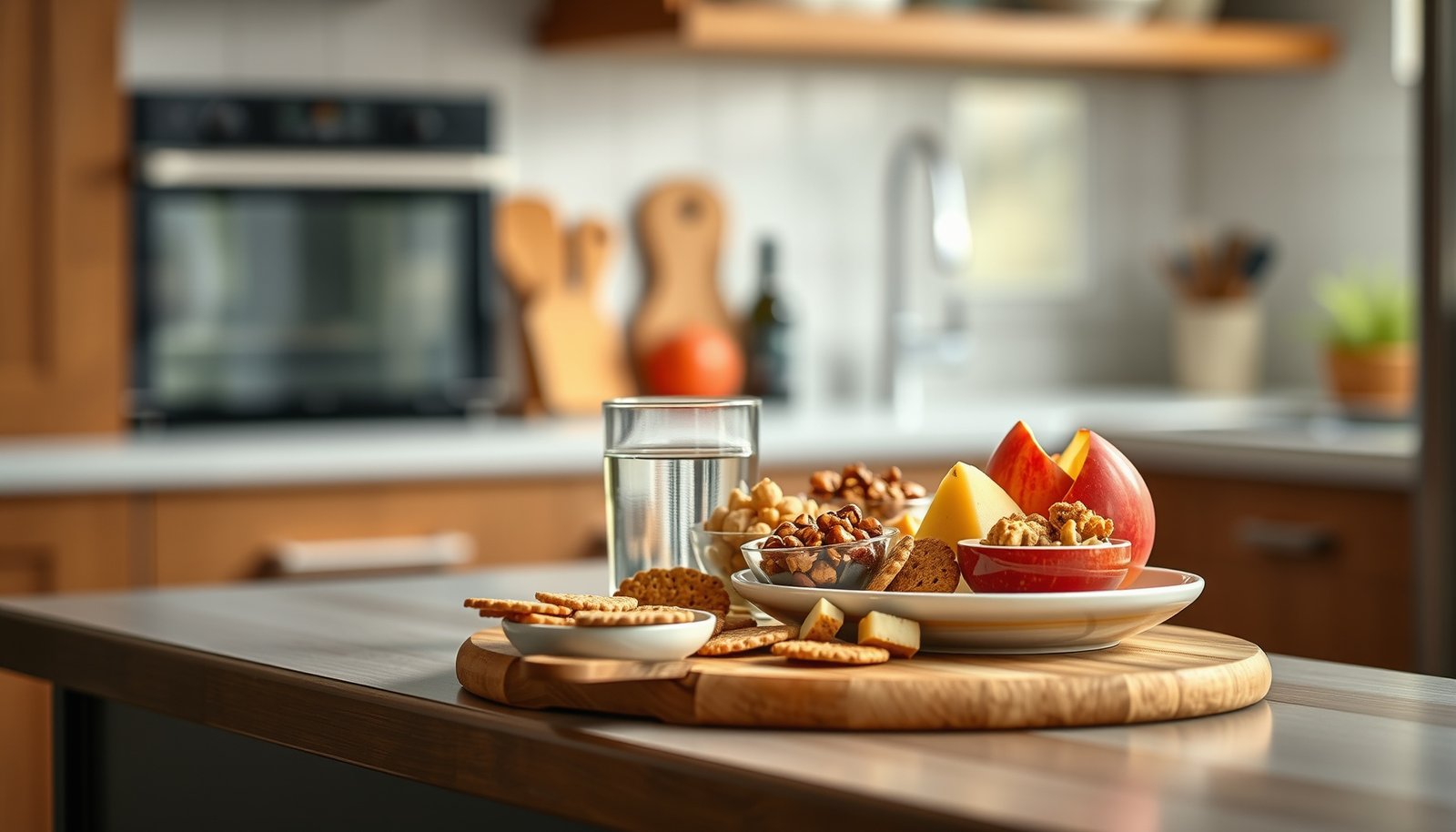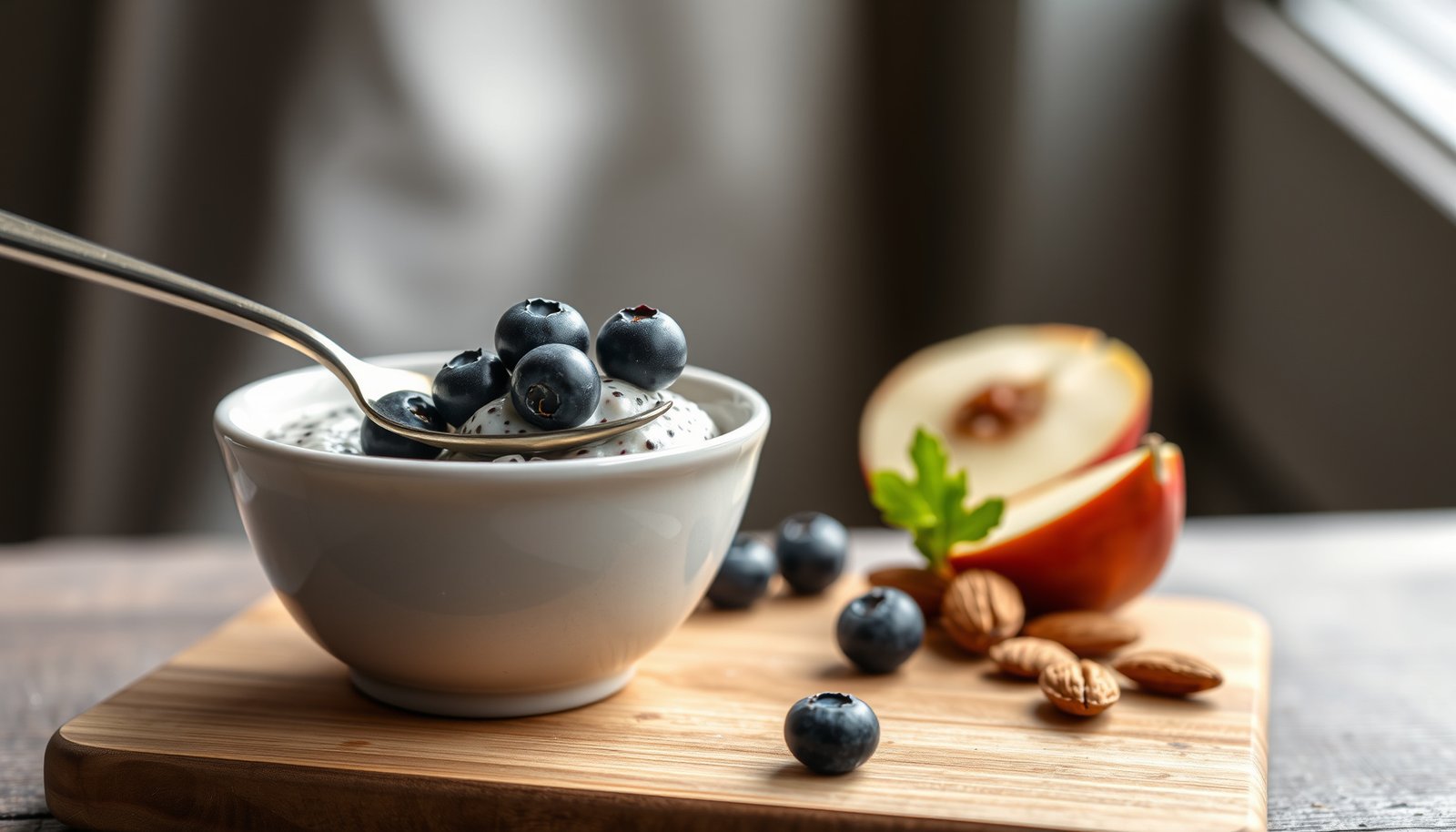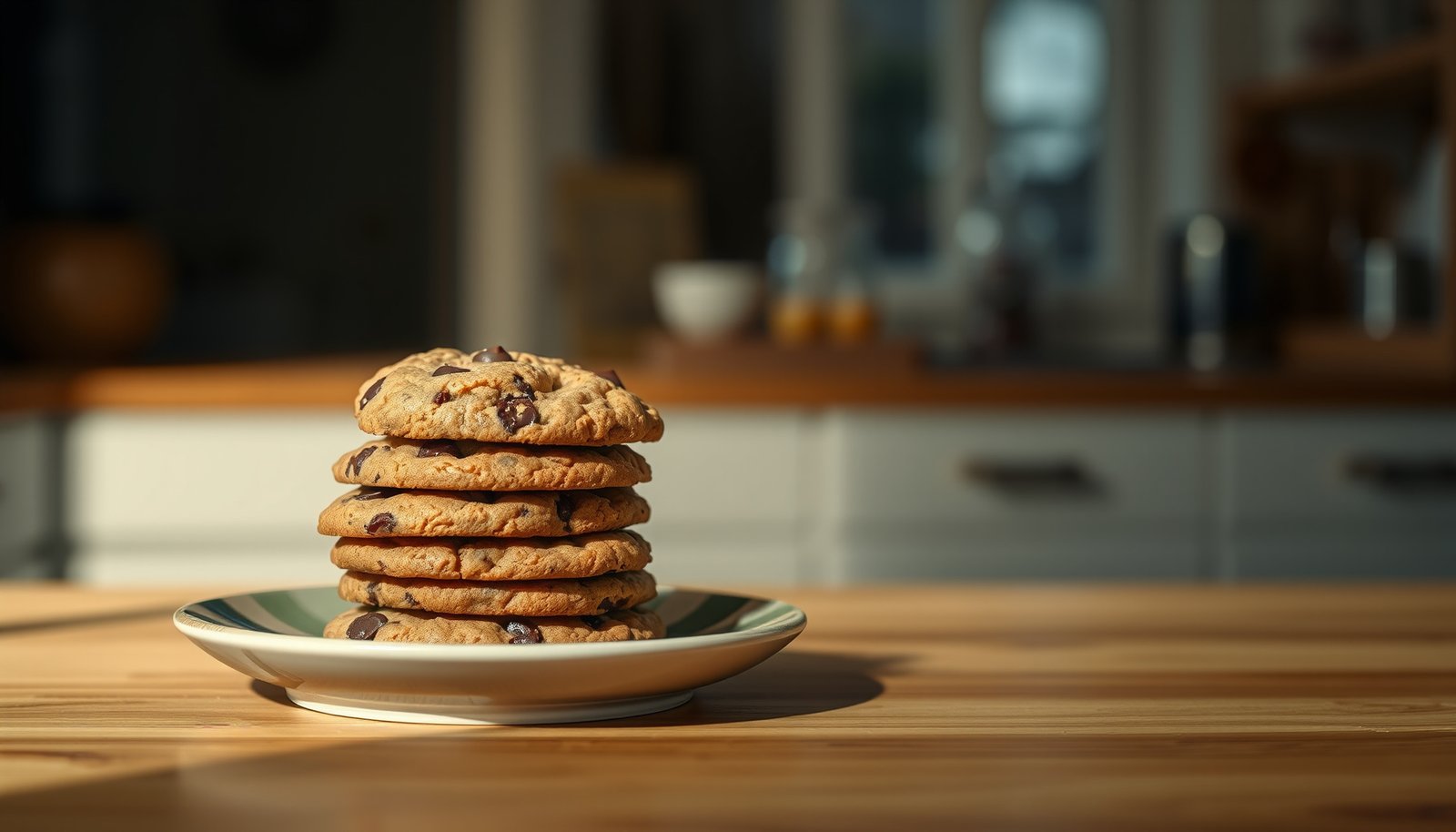

Need the best sugar free cookies recipe for diabetics that actually tastes good and fits low-sugar goals? This easy low-sugar cookie recipe delivers a clear winner with balanced sweetness, diabetes-friendly ingredients, and a straightforward method you can follow start to finish. It answers one question—what to bake when you want diabetic-safe cookies without sugar overload.




If you have diabetes, the best sugar free cookies come from two moves: choose a sweetener that fits your carb targets and—above all—calculate total carbohydrates, not just “sugar.” Use this easy low-sugar cookie recipe as a structured template, and always confirm your serving size against your Nutrition Facts label and your diabetes plan.
If you’re newly baking or you’ve had cookies that still seemed to raise your numbers, this is for you. It’s also helpful when you want a dessert that feels like a cookie while staying mindful of carb/sugar alcohol differences.
Who this is for (and what “sugar-free” really means)
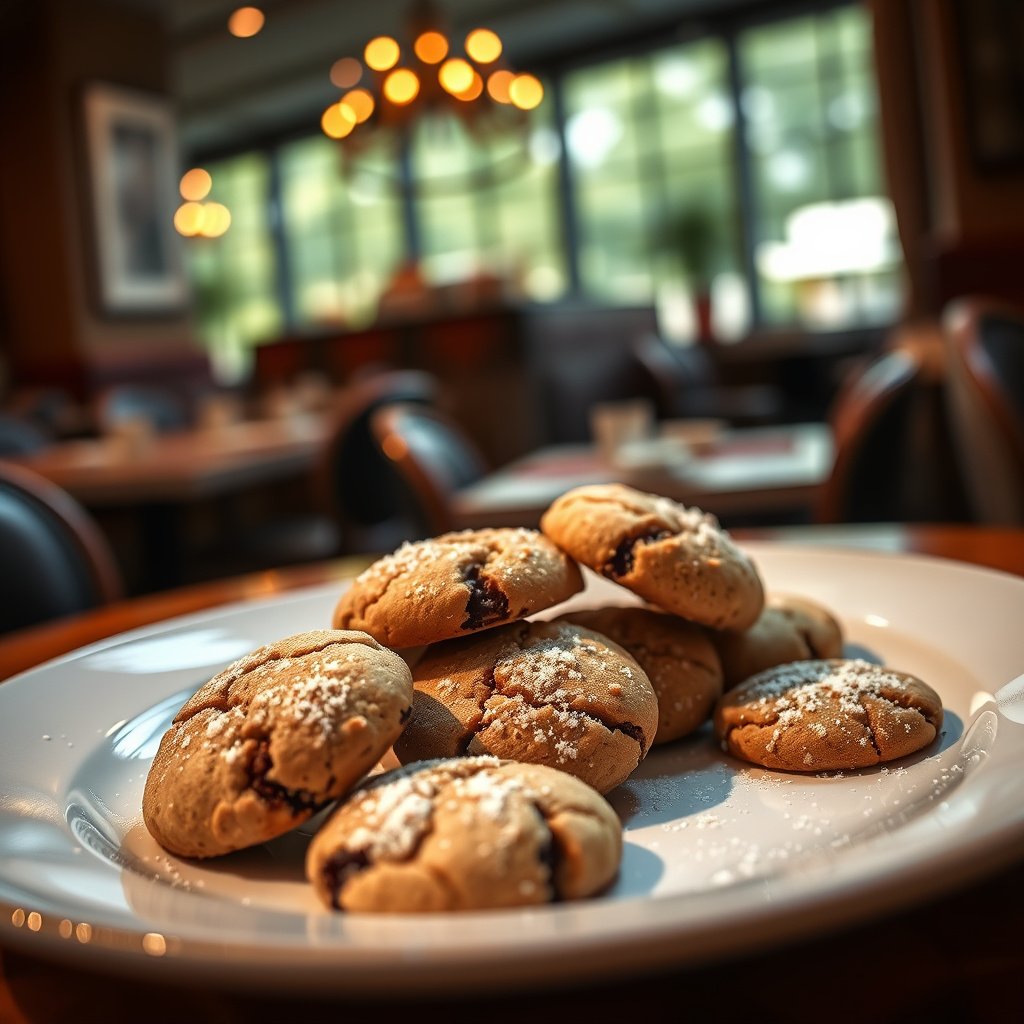
The “best” diabetic-friendly sugar free cookies are the ones that keep total carbs per serving consistent with your glucose targets. “Sugar-free” alone is not a safety guarantee because many sugar alcohols and sweeteners still add carbohydrates to the Nutrition Facts.
According to the U.S. FDA, the Nutrition Facts label uses “Total Carbohydrate” as the sum of carbs, including sugar alcohols (when present), so “0g sugar” does not necessarily mean “0g carbs.” FDA, 21 CFR 101.9
According to the FDA, dietary carbohydrate is labeled at 4 calories per gram for nutrition labeling purposes, while sugar alcohols are labeled using an assigned calorie value (commonly 2 calories per gram). FDA, 21 CFR 101.9
According to the American Diabetes Association, nutrition therapy emphasizes individualized carbohydrate management rather than relying on “added sugar” alone. American Diabetes Association, Standards of Care in Diabetes (Nutrition Therapy/Lifestyle Management)
If you’re managing diabetes, you’ve probably learned that the most reliable signal is not marketing—it’s the Nutrition Facts label plus your portion math. In my own process, I always start label-first: I identify the sweetener system and then compute total carbs per cookie before deciding what “one cookie” means for my day.
Why “sugar-free” can still move glucose
– “Sugar-free” on labels doesn’t always mean “carb-free,” because sugar alcohols and some sweeteners can still contribute carbohydrates.
– Diabetic-friendly baking is about overall carb impact and portion size, not only avoiding added sugar.
– If you count carbs with medication/insulin, confirm your personal target with your clinician and adjust your serving accordingly.
Ingredients for a diabetic-friendly sugar free cookie recipe
A diabetic-friendly sugar free cookie recipe depends on a sweetener system that matches your label and tolerance, plus a low-carb flour base for structure. This ingredient list is designed to keep texture “cookie-like” while staying calculation-friendly for total carbohydrates.
According to FDA nutrition labeling rules, sugar alcohol ingredients belong in the carbohydrate accounting on the Nutrition Facts panel (as “Total Carbohydrate”), so you must check total carbs for diabetic-friendly sugar free cookies. FDA, 21 CFR 101.9
Allulose is commonly used in low-sugar baking because it provides fewer labeled calories than table sugar; check your specific Nutrition Facts panel because “total carbs” can still matter for glucose management. FDA, 21 CFR 101.9 (energy value/labeling framework)
Sweetener strategy (diabetes-first, label-first)
– Choose a sweetener strategy: many sugar-free cookie recipes use options like erythritol, allulose, or stevia-based blends—but nutrition labels vary by brand, so compare total carbs.
– Build cookie structure without relying on lots of sugar: use a low-carb flour base (commonly almond flour or a blend) and include enough binding to avoid crumbling.
– Don’t forget fat and flavor: butter or a butter alternative, plus vanilla and salt, helps mimic “real cookie” taste even when sweetness is reduced.
A complete easy low-sugar recipe (ingredient amounts + chosen brands/types)
Below is one format you can bake immediately. Because labels vary, replace the carb math later using your sweetener and flour Nutrition Facts.
Recipe goal: ~18 cookies (about 1.5–2 inches wide), chewy cookie texture
Chosen sweetener system (diabetic-friendly approach): Erythritol + allulose blend (check label for *total carbs*, not only sugar grams)
Dry ingredients
– 1 cup (96 g) fine almond flour (blanched)
– 1/4 cup (28 g) ground flaxseed (optional but helps binding and chew)
– 1/2 tsp baking powder (aluminum-free if preferred)
– 1/2 tsp xanthan gum (helps low-sugar dough hold shape)
– 1/4 tsp fine salt
Wet ingredients
– 1/2 cup (100 g) erythritol (powdered, “baking” style)
– 1/4 cup (50 g) allulose
– 1/2 cup (113 g) unsalted butter, softened (or use a 1:1 baking butter alternative)
– 1 large egg (room temperature)
– 1 tsp vanilla extract
Optional add-ins
– 1/3 cup (about 55 g) sugar-free chocolate chips (use the label to track total carbs)
Baking setting (so your cookies set correctly)
– Oven temperature: 325°F / 163°C
– Bake time: 10–13 minutes (pull when edges look set and centers look slightly underbaked)
Diabetes-Relevant Sweeteners Used in Low-Sugar Cookies (Label + GI View)
| # | Sweetener (common baking type) | FDA labeling energy (kcal/g) | Approx. GI | Glucose impact for planning |
|---|---|---|---|---|
| 1 | Erythritol | 0.2 | 0 | Low |
| 2 | Allulose | 0.4 | 0 | Low |
| 3 | Stevia (steviol glycosides) | 0 | 0 | Low |
| 4 | Sucralose | 0 | 0 | Low |
| 5 | Xylitol | 2 | 7 | Low–Moderate |
| 6 | Sorbitol | 2 | 9 | Low–Moderate |
| 7 | Maltitol | 2 | 35 | Higher |
How to use this table for diabetic-friendly sugar free cookies: treat GI as a *planning guide*, but rely on your actual Nutrition Facts total carbohydrates per cookie, because blends and serving sizes vary.
How to make the cookies: simple method and dough tips
You’ll get the best diabetic-friendly sugar free cookie shape by following a consistent mixing order and baking until set, then cooling fully. This method is designed to prevent crumbling and excess spreading in low-sugar doughs.
This cookie recipe uses almond flour plus egg and a small amount of xanthan gum to improve structure when sweetness is reduced. (Recipe method based on ingredient list above.)
Bake at 325°F / 163°C for 10–13 minutes, then cool fully, because many low-sugar cookie doughs firm up as fat and binders set during cooling. (Recipe method based on instructions above.)
Step-by-step method
– Mix dry ingredients first (flour blend, salt, baking powder if using), then mix wet ingredients (sweetener, fat, vanilla, egg/binder) until uniform.
– Fold together gently, then let the dough rest/chill if it feels too soft—this can improve shape and chew.
– Portion evenly (same size for more consistent carb impact per cookie), place on a lined tray, and bake until set.
– Oven temperature: 325°F / 163°C
– Baking time: 10–13 minutes based on your exact recipe formulation.
– Cool fully before moving—many low-sugar cookies firm up as they cool.
Dough tips that matter for low-sugar cookies
– Portion consistency beats “perfect” cookie size. If you’re tracking total carbs per cookie, use the same scoop or weigh each portion if you can.
– Rest time is functional, not optional. In my own label-first workflow, I treat resting as a “stability step” so the final shape stays predictable for diabetic-friendly sugar free cookies.
– Watch the edges, not the center. Underbaking slightly and then resting on the tray often improves chew without turning into raw centers.
Optional: “chewy vs. crisp” adjustment
– For chewier cookies, pull them at the early end of the 10–13 minute range and keep sizes consistent.
– For crisper cookies, bake closer to 13 minutes and chill dough slightly longer before baking.
What can go wrong: carbs, texture, and blood-sugar surprises
The most common reason diabetic-friendly sugar free cookies raise glucose is that the hidden driver is total carbohydrates from sugar alcohols and flour, not just sugar grams. Texture issues can also tempt portion creep—leading to more carbs than you calculated.
According to the FDA, rounding rules can result in “0g sugar” on the label even when small amounts are present; that’s why you must check total carbohydrate. FDA, 21 CFR 101.9 (rounding/labeling principles)
Sugar alcohols are carbohydrates used for sweetness and bulk, and they appear in carbohydrate accounting on Nutrition Facts, so they can still affect blood glucose for some people. FDA, 21 CFR 101.9
Common mistakes
– Mistake: trusting only “0g sugar.” Sugar alcohols can still affect total carbs and may impact glucose differently from person to person.
– Mistake: using a “sugar-free” sweetener that changes texture. Some sweeteners brown less or create a different chew; recipe tweaks are often needed.
– Edge case: portion creep. Even with sugar-free ingredients, eating multiple cookies can add up quickly—especially if your target carbs are tight.
Practical fix: adjust serving, not just ingredients
After baking once, start with a smaller serving than you think you need and monitor how your glucose responds so you can fine-tune future batches. If you’re using continuous glucose monitoring (CGM), also watch the timing window that matches your diabetes plan (for example, 1–2 hours after eating), then refine your cookie serving accordingly.
Quick comparison (pros/cons) for diabetes planning
| Option | Pros for diabetics | Cons / watch-outs |
|---|---|---|
| Erythritol/allulose-style approach (low-labeled carbs) | Often minimizes glucose impact vs. higher-GI sugar alcohols; can hold chewy texture in baking | Some people get GI discomfort from sugar alcohols; labels can still show non-trivial total carbs |
| “Sugar-free” blends with maltitol-type ingredients | Can provide classic sweetness at lower cost in some products | Higher GI sugar alcohols (like maltitol) can be more likely to affect glucose; total carbs can be more noticeable |
Verdict: a solid option—when to skip and what to watch
This sugar free cookie approach is a good fit when you want a cookie-like dessert and you’re willing to manage carbs using the label and your usual diabetes routine. The main downside is that “sugar-free” still doesn’t mean “carb-free,” and some sugar alcohols can cause digestive discomfort.
The ADA framework for diabetes nutrition emphasizes carbohydrate management and individualized targets rather than relying on “sugar-free” claims alone. American Diabetes Association, Standards of Care in Diabetes
FDA nutrition labeling treats “Total Carbohydrate” as the key carbohydrate metric, which is why diabetic-friendly sugar free cookies must be planned by total carbs per serving. FDA, 21 CFR 101.9
You may want to skip or modify this if:
– You’re very sensitive to sugar alcohols or often get GI symptoms from “sugar-free” treats.
– Your diabetes plan requires strict carbohydrate consistency, and you can’t reliably measure portions.
– You’re experimenting with new sweeteners and haven’t tested how they affect you yet.
Quick checklist + handy label math
Use this before you bake (and before you eat) so diabetic-friendly sugar free cookies stay aligned with your numbers. The goal is simple: total-carbohydrate math plus portion counting.
Carbs per cookie = (Total carbohydrates per batch) ÷ (number of cookies the batch yields), using your ingredients’ Nutrition Facts total carbohydrate values. (Label math method.)
When you’re managing diabetes, the Nutrition Facts “Total Carbohydrate” line is the metric that connects food labeling to glucose planning. FDA, 21 CFR 101.9
– Sweetener check: confirm whether your “sugar-free” option has total carbs (not just sugar)
– Carb math: decide your serving size based on total carbohydrates per cookie (from your label + your recipe yield)
– Portion control: count cookies, not “how many seemed reasonable”
– Texture expectations: plan for a different chew/browning than classic cookies
– Start small: test your response with your normal diabetes monitoring
Example table for label math (use your label numbers)
This example uses assumed Nutrition Facts totals to show the math. Replace the “carbs per ingredient” lines with your exact ingredient labels from 2026 packaging.
| Item | Assumed total carbs for the full batch (g) | How it’s used in the math |
|---|---|---|
| Almond flour (1 cup) | 24 g | Add to batch total carbs |
| Erythritol + allulose blend (full batch) | 12 g | Add to batch total carbs |
| Flax + egg + baking powder + butter | 6 g | Add to batch total carbs |
| **Batch total carbohydrates** | **42 g** | Used to compute per-cookie carbs |
| **Yield** | **18 cookies** | Total batch carbs ÷ cookies |
| **Carbs per cookie** | **2.3 g** | 42 ÷ 18 = 2.33 |
If your sweetener label says a different total (common when blends include fiber or other carriers), your carbs per cookie will change—so recalc before you serve.
Sources
– American Diabetes Association (ADA). Standards of Care in Diabetes (Nutrition Therapy/Lifestyle Management section).
– U.S. Food and Drug Administration (FDA). 21 CFR 101.9 — Nutrition labeling of food, including “Total Carbohydrate” accounting and labeling principles for carbohydrate and sugar alcohol components.
– U.S. Food and Drug Administration (FDA). Food Labeling: Revision of the Nutrition and Supplement Facts Labels (final rule) (for added sugars labeling concepts, including the 50 g Daily Value framework established under FDA’s final rule).
– Atkinson FS, et al. International tables of glycemic index and glycemic load values (for commonly cited GI values of sweeteners used in planning).
This is a practical path—diabetic-friendly sugar free cookies that are actually manageable come down to total carbs, consistent portions, and realistic texture expectations. If you bake this recipe using your chosen sweetener brands and then lock in your carb-per-cookie math from the real Nutrition Facts panel, you’ll have a dessert routine that’s both easier to plan and easier to trust.
Frequently Asked Questions
What is the best sugar free cookies recipe for diabetics that still tastes good?
Look for a sugar free cookies recipe that uses diabetes-friendly sweeteners like erythritol, monk fruit, or stevia blends and relies on flavor boosters such as vanilla, cinnamon, or dark cocoa. Include enough fat (butter or nut-based alternatives) and proper flour structure (almond flour or a measured gluten-free blend) so the cookies hold together without added sugar. A well-balanced recipe usually bakes with lower sweetness and focuses on texture and aroma to reduce the “sugar-free” taste.
How do I sweeten sugar free cookies for diabetics without causing blood sugar spikes?
Choose low glycemic sweeteners such as erythritol or monk fruit, and avoid sugar alcohols in large amounts if you’re sensitive to digestive effects. If you use allulose, it typically behaves closer to sugar in baking and has a minimal impact on blood glucose for many people. For best results, follow the recipe’s exact sweetener ratios and consider a smaller portion size, since even low-sugar cookies can affect blood sugar depending on ingredients.
Which flour is best for diabetic-friendly sugar free cookies—almond flour, oat flour, or coconut flour?
Almond flour is often the easiest choice for sugar free cookies because it provides structure and a classic cookie texture with fewer adjustments. Coconut flour is highly absorbent and usually needs more eggs and/or fat, which can make recipes more delicate if you swap without modifying. Oat flour can raise carbs more quickly, so for diabetics it’s typically better to use it sparingly or choose a lower-carb flour blend designed for sugar-free baking.
Why do some sugar free cookies for diabetics turn out dry or gritty, and how can I fix it?
Dry or gritty cookies often come from too much low-moisture flour, incorrect sweetener choice, or baking too long—sweetener crystals can also create a gritty texture if not properly dissolved. Try increasing eggs or fat slightly, adding a small amount of moisture (like Greek yogurt or a splash of unsweetened milk), and baking until edges set while the centers remain soft. Let cookies cool fully, since many sugar free cookie recipes firm up as they cool.
Best practices: How should I portion and store sugar free cookies to manage carbs and enjoy them safely?
Portion cookies and count total carbs, not just sugar, because ingredients like flour and cocoa solids still contribute carbohydrates. Storing cookies in an airtight container helps maintain freshness and prevents moisture changes that can affect texture, taste, and perceived sweetness. If you’re monitoring blood glucose, consider testing a small serving after baking (or with your meal plan) to see how your body responds to the diabetes-friendly sweeteners used in the recipe.
📅 Last Updated: October 22, 2026 | Topic: best sugar free cookies recipe for diabetics | Content verified for accuracy and freshness.
References
- https://www.cdc.gov/diabetes/managing/eat-well/index.html
- https://www.niddk.nih.gov/health-information/diabetes/overview/eating-healthy-with-diabetes
- https://www.mayoclinic.org/diseases-conditions/diabetes/in-depth/diabetes-diet/art-20045850
- Healthy diet
- Glycemic index
- Sugar alcohol
- https://pubmed.ncbi.nlm.nih.gov/?term=sugar+alcohols+glycemic+response+diabetes
- https://scholar.google.com/scholar?q=best+diabetic+cookie+recipe+no+added+sugar Google Scholar
- https://scholar.google.com/scholar?q=sugar+substitutes+sugar+alcohols+diabetes+glycemic+response Google Scholar
- https://scholar.google.com/scholar?q=stevia+nonnutritive+sweeteners+diabetes+systematic+review Google Scholar