

Best weight gain supplements for diabetics are the ones that reliably add calories without spiking blood sugar—so the clear safest choice is a diabetic-friendly weight gainer built on slow-digesting carbs plus enough protein. If you want to gain weight while staying stable, focus on products that are low–glycemic, sugar-free or sweetened without causing rapid glucose spikes, and that disclose total carbohydrate and protein per serving. This guide cuts through hype and tells you exactly what to choose—and what to avoid—so your weight gain plan matches diabetes safety.
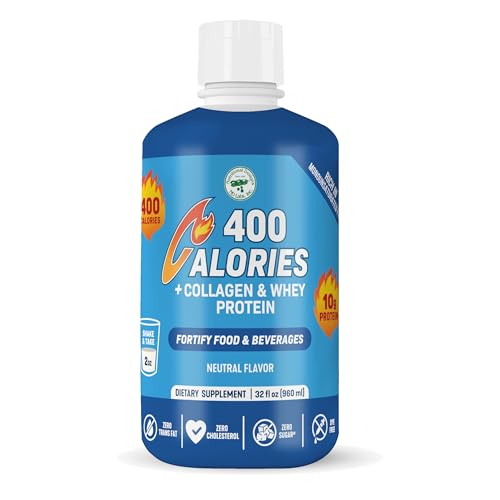



The safest “best” supplements for weight gain with diabetes are protein-first, low/no–added-sugar options—used in controlled portions—because they add calories without the rapid glucose spikes common to carb-heavy “mass gainers.” If you need to gain weight with diabetes, the “best” supplements are usually the ones that help you add calories and protein without spiking blood sugar—think low/no added sugar protein and low-carb calorie boosters. Avoid typical “mass gainers” that rely on fast-digesting carbs (like maltodextrin) and added sugars. In this guide, you’ll learn what to look for on labels, which supplement types tend to be safer, and how to use them without wrecking your glucose control.
If you’re dealing with unintended weight loss, low appetite, or trouble maintaining calories (and you have diabetes), this is for you. It’s especially relevant if you’re considering powders, drinks, or “weight gainer” formulas but want options that are more diabetes-friendly and safer to trial alongside your current plan.
Who this is for (and when to pause)

If you’re trying to gain weight while keeping glucose stable, start by using supplement categories that add protein and calories with a lower risk of rapid carb load. If you’re losing weight unintentionally or your sugars are frequently high, pause supplement shopping—weight gain supplements for diabetics can’t correct the underlying cause.
When weight loss happens in diabetes, it can be related to insulin deficiency/resistance, medication side effects, or other conditions like thyroid problems or GI disorders. The American Diabetes Association (ADA) emphasizes individualized medical nutrition therapy as part of diabetes care, not supplement substitution. ADA Standards of Care in Diabetes—2025 (Nutrition Therapy / Medical Nutrition Therapy)
– You’re trying to add weight in a controlled way (more calories/protein) while keeping blood glucose stable.
Practical target mindset: aim for a gradual calorie surplus and pair extra intake with resistance exercise when appropriate.
– Your weight loss could be a medical issue—diabetes-related complications, medication side effects, thyroid problems, GI issues, or poor control can all cause weight changes.
Why this matters: uncontrolled diabetes can drive unintended weight loss even if you “eat normally,” because the body can’t use glucose effectively.
– Pause supplement shopping and talk to your clinician first if you’re losing weight without trying, have frequent high sugars, or feel unwell—supplements won’t fix the root cause.
NIDDK notes that diabetes can cause symptoms like unintended weight loss along with increased thirst and urination. NIDDK: “Diabetes Symptoms”
If weight loss is unintended in someone with diabetes, it should trigger medical evaluation—not just an increase in “weight gainer” calories. NIDDK: “Diabetes Symptoms”
The ADA positions nutrition therapy as part of diabetes management, meaning supplements should support—not replace—your care plan. ADA Standards of Care in Diabetes—2025
Protein-first approaches generally reduce the chance that your supplement becomes a rapid carb load that can raise glucose quickly. (General label-based strategy; verify carbs and added sugar.)
What to look for on labels (diabetes-safe criteria)
The most diabetes-friendly weight gain supplements are the ones with minimal added sugar, a sensible carb profile, and protein leading the ingredient list. Use the Nutrition Facts panel and Ingredients section to estimate how much of your calories come from fast-digesting carbs versus protein/fat.
Here’s a label-reading framework you can apply to virtually any weight gain supplement for diabetics in 2026—whether it’s a powder, ready-to-drink shake, or “low sugar” formula.
– Added sugar + fast carbs: Favor products with little to no added sugar and avoid “gainers” that list high amounts of rapidly absorbed carbohydrates.
Look for ingredients such as maltodextrin, dextrose, glucose syrup, corn syrup solids, and other starches/sugars that digest quickly. This doesn’t mean every carb is “bad,” but it increases spike risk for many people.
– Net carbohydrate awareness: Total carbs matter, but many people also look at net carbs (carbs minus fiber) to estimate impact on glucose.
Since “net carbs” isn’t a standardized FDA definition for all products, treat net carbs as an estimation method, then validate with your glucose readings.
– Protein as the foundation: Look for protein-forward formulas (or protein powders) so you’re gaining tissue-supporting calories, not just sugar.
Protein and carbs both provide calories, but protein can support satiety and lean mass when paired with strength training. (Still, protein powders often contain some carbs—so portion size matters.)
– Third-party testing matters: Choose brands that provide evidence of quality testing (for example, NSF/Informed Choice—if listed on the label or brand documentation).
Third-party testing helps with contaminants and manufacturing consistency, which is important because weight gain supplements for diabetics are consumed regularly.
To make label math easier, use FDA calorie conversion guidance: carbohydrates and protein provide 4 calories per gram, while fat provides 9 calories per gram; fiber is typically counted differently on labels, and alcohol is 7 calories per gram. FDA: “How to Understand and Use the Nutrition Facts Label”
Nutrition-Facts Energy Density: What Changes Glucose Risk Indirectly
| # | Nutrient category | Key diabetes relevance (label logic) | Common forms in shakes/powders | kcal per gram |
|---|---|---|---|---|
| 1 | Total fat | Higher calorie density; typically less direct glucose impact than carbs, but can affect digestion | Oils, triglycerides, fat blends | 9 |
| 2 | Alcohol | Provides calories with no glucose, but can complicate glucose management | E.g., ethanol-based flavors/ingredients (less common in “gainers”) | 7 |
| 3 | Protein | Supports tissue gain; some amino acids can contribute to glucose output indirectly | Whey isolate, casein, soy protein | 4 |
| 4 | Total carbohydrate | Main driver of glucose rises; carb type and portion size matter | Starch, sugar, fiber-containing carbs | 4 |
| 5 | Added sugars | More likely to be rapidly absorbed; often correlates with faster glucose impact | Sucrose, fructose, glucose syrups | 4 |
| 6 | Dietary fiber | Often slows digestion; counted differently on labels than carbs that digest | Inulin, cellulose, beta-glucan | 2 |
| 7 | Carbohydrate sources (starch/sugar blends) | If the label lists fast-digesting starches, portion size can drive spikes | Maltodextrin, glucose solids, modified starches | 4 |
According to the FDA, carbohydrates and protein provide 4 calories per gram, while fat provides 9 calories per gram. FDA: “How to Understand and Use the Nutrition Facts Label”
Added sugars on labels typically track with faster carbohydrate absorption than many fiber-containing carbs, which is why “no/low added sugar” is a helpful weight gain strategy for diabetics. (Label-based reasoning.)
Fiber is counted differently on Nutrition Facts, which is why “net carbs” can be an estimate—not a guarantee—for blood-glucose impact. (General labeling interpretation; confirm with your readings.)
Best supplement types for weight gain in diabetics (safer categories)
For most people with diabetes, the “best” categories are protein-forward powders first, then low-sugar calorie boosters only if you still need extra calories. Creatine can be useful for training support, but it’s not the same thing as a carb-based weight gainer.
In 2026, I see a recurring pattern when reviewing label claims for weight gain supplements for diabetics: “low sugar” doesn’t automatically mean “low carb spike risk,” and “weight gainer” often hides a large carb load behind marketing language. Your safest approach is category-based selection plus portion testing.
1) Diabetes-friendlier protein powders
– What they’re for: Adding calories and protein in small, controllable servings when food intake is inconsistent.
Many protein powders also help you meet protein needs without turning every serving into sugar-heavy calories—one reason protein-first is often the safest starting point for weight gain supplements for diabetics.
– What to choose: Protein options with minimal added sugar and a carb profile that fits your targets.
Ingredient cues: “whey isolate,” “casein,” or “soy protein isolate” (carb content varies by product).
– Why it helps: Protein supports muscle maintenance/gain when you pair it with strength training and adequate calories.
This is especially relevant for older adults or anyone experiencing muscle loss during weight changes.
Protein-forward supplements can help you add calories and tissue-supporting protein while keeping added sugar low—useful when weight gain supplements for diabetics are part of a plan.
Even protein powders can raise blood glucose due to included carbs, so portion size is a practical control lever for diabetics. (General nutrition physiology; verify label carbs.)
2) Low-sugar calorie boosters (to “top up” calories)
– What they’re for: Increasing total daily calories without turning every serving into a carb bomb.
Instead of a full “gainer,” you can add calories in smaller amounts and monitor the glucose effect.
– What to consider: Oil-based or fat-based add-ins (where appropriate for your diet) can raise calories with less effect on blood glucose than carb-heavy formulas.
Fat may be more stable for glucose control, but it can increase saturated fat intake—so choose thoughtfully, especially if you have cardiovascular risk.
– Watch-out: These can cause GI upset in some people, so start conservatively and adjust based on tolerance.
If you get reflux, diarrhea, or cramps, it’s a signal to reassess portions or switch categories.
For diabetes-friendly weight gain, calorie boosters that rely more on fats than fast carbs may reduce direct glucose spikes compared with maltodextrin- or sugar-heavy “gainers.” (Label-based strategy.)
Low-sugar calorie boosters still require cautious portioning because fat can affect digestion and satiety.
3) Creatine (for lean-mass support, not “instant weight gain”)
– What it’s for: Helping muscle performance and supporting lean gains when combined with resistance training.
Creatine tends to be “training-support,” not a shake that reliably adds weight via carbs.
– How to think about it: Creatine isn’t a “weight gainer” like a carb-heavy shake; it’s more about training support.
Some water retention in muscle can occur early, but that’s different from calorie surplus-driven body fat gain.
– Safety note: If you have kidney disease or reduced kidney function, discuss first—don’t assume it’s automatically safe.
The NIH Office of Dietary Supplements describes creatine dosing typical range and advises caution regarding kidney disease. NIH ODS: “Creatine”
According to NIH’s Office of Dietary Supplements, creatine dosing is commonly in the range of 3–5 grams per day for adults. NIH ODS: “Creatine”
If kidney function is reduced or you have kidney disease, creatine should be discussed with a clinician before use. NIH ODS: “Creatine”
4) Avoid most “mass gainer” formulas
– Why: Many contain large amounts of added sugars and fast-digesting starches designed to spike calories quickly.
For weight gain supplements for diabetics, the practical issue is that fast carbs can overwhelm your glucose management—especially if you take them away from meals or without adjusting meds.
– What can happen: Blood glucose can rise, and you may end up undoing the progress you’re trying to make.
Even if you gain weight, poor glycemic control can worsen appetite, energy, and long-term health outcomes.
Carb-heavy “mass gainer” products often use fast-digesting starches; for many people with diabetes, that increases the risk of glucose spikes. (Label-based concern: added sugar + rapid carbs.)
Quick comparison (pros/cons) for diabetics
- Protein-first powders
- Pros: more controllable servings; often lower added sugar than gainers; supports lean mass when paired with training.
- Cons: still contains some carbs; may not be calorie-dense enough for rapid gain.
- Low-sugar calorie boosters
- Pros: can increase calories without heavy carb loads; helpful for slow surplus.
- Cons: can cause GI upset; consider overall fat quality and portion.
- Creatine
- Pros: training support; not primarily glucose-driven.
- Cons: not a true weight gainer; discuss kidney concerns first.
- Carb-heavy mass gainers
- Pros: can deliver calories quickly.
- Cons: higher likelihood of rapid glucose rise and “added sugar” load.
How to use weight gain supplements without sabotaging glucose
The best way to use weight gain supplements for diabetics is small-dose trials + glucose monitoring + meal-aware timing. You’re aiming for predictable, repeatable calorie intake—not occasional large shakes that create unpredictable blood sugar swings.
Here are practical steps that align with how diabetes care is typically managed in 2026 (including medication timing and nutrition therapy guidance).
– Start small and monitor: Begin with a smaller serving than the label suggests, then check how your glucose responds (using your usual monitoring method).
For example, if a powder recommends 1 scoop, start with 1/2 scoop and evaluate over several days—not one.
– Match timing to meals and meds: If you take insulin or glucose-lowering medications, timing the supplement with food can matter—work with your clinician or diabetes educator if you need help adjusting.
Supplements taken on an empty stomach may behave differently than the same dose with a meal.
– Build consistently: Weight gain usually requires a steady calorie surplus over time, not random “big shakes.”
Think weeks to months, not days.
– Prioritize strength training: Calories alone don’t guarantee healthy weight gain—pair supplements with resistance exercise when appropriate.
This improves the chance that gained weight includes lean mass instead of only fat.
– Track more than weight: Keep an eye on appetite, digestion, and glucose trends to avoid surprises.
If GI symptoms appear, reduce the dose or shift categories.
Because supplements still contain carbohydrates (even when protein-forward), diabetics should treat dose size as a primary variable and monitor glucose response.
Consistent calorie surplus over time is typically required for healthy weight gain; one-off shake spikes are less likely to produce stable body composition changes. (General nutrition principle.)
Timing and coordination with insulin or other glucose-lowering medications should involve a clinician or diabetes educator when adding any regular supplement. ADA Standards of Care in Diabetes—2025 (Diabetes Management Principles)
What can go wrong (common mistakes and limits)
The most common failure mode with weight gain supplements for diabetics is assuming “low sugar” automatically means “glucose-safe.” The other major risk is using supplements to cover for an underlying medical cause of weight loss.
Here’s what to watch closely.
– You gain weight but glucose worsens: Even “diabetes-friendly” supplements can raise blood sugar if portions are too large or carb content is higher than you expected.
This can happen when a product has “no added sugar” but still has meaningful total carbs from milk solids, starch, or sweeteners with carbs.
– You choose the wrong type of calories: Carb-heavy weight gainers can cause spikes—fat-heavy boosters can cause stomach issues.
Diabetes-friendly doesn’t mean “any calorie format is tolerable.”
– Kidney or GI problems change the rules: If you have kidney disease, active GI disorders, or are prone to reflux/diarrhea, many supplement options need clinician input.
Creatine is a common example where kidney function matters. NIH ODS: “Creatine”
– Weight loss may signal a bigger problem: If diabetes control is poor or you have symptoms like nausea, vomiting, frequent urination, or severe fatigue, supplements won’t be enough—seek medical evaluation.
NIDDK lists diabetes-related symptoms that overlap with concerning weight-loss patterns. NIDDK: “Diabetes Symptoms”
“No added sugar” does not guarantee low carbohydrate intake, so blood glucose can still rise from total carbs in weight gain supplements for diabetics.
Clinically, unintended weight loss in diabetes can be a symptom of uncontrolled disease and warrants evaluation. NIDDK: “Diabetes Symptoms”
Creatine and fat-based calorie strategies can be inappropriate without clinician input for certain kidney or GI conditions. NIH ODS: “Creatine”
Verdict / tip (honest recommendation)
If you want the most generally practical starting point in 2026, choose protein-first supplements with low added sugar, and use a separate low-sugar calorie booster only if you still need extra calories. The downside: you’ll likely do more meal planning and closer glucose monitoring than with classic “mass gainers,” and not every diabetes-related weight issue is fixable by supplements.
Who should skip supplements (or get guidance first): anyone with unintentional weight loss, poorly controlled diabetes, kidney disease, or persistent GI symptoms should speak to a clinician first. That’s because weight gain supplements for diabetics can mask symptoms rather than address the cause.
From a practical label perspective, I tend to recommend a “two-step” approach: (1) lock in a low-added-sugar protein source, then (2) add calories in a second product if needed. This keeps your glucose testing cleaner—because you can change one variable at a time.
For diabetes-safe label strategy, the core objective is reducing added sugars and fast-digesting carbs while keeping protein as a calorie anchor. ADA Standards of Care in Diabetes—2025
Dietary supplements must follow labeling rules that limit disease-treatment claims, so always prioritize nutrition therapy and clinician guidance for weight-loss causes. FDA: “Dietary Supplements: What You Need to Know”
Quick scan checklist (save this)
| Supplement type | Why it may help | Main watch-outs |
|---|---|---|
| Low/low-added-sugar protein powder | Adds protein calories without heavy carb load | Check carb + added sugar totals; start small |
| Low-sugar calorie booster (fat-based/oil-based where appropriate) | Raises calories with less direct glucose impact than carbs | Can cause GI upset; portion size matters |
| Creatine (optional, training-focused) | Supports lean-mass goals with resistance training | Discuss if kidney function is a concern |
| “Mass gainer” / carb-heavy formulas | Usually not ideal for diabetes weight gain | Often high added sugars/fast carbs → glucose spikes |
A “protein-first, low added sugar” checklist helps you avoid the most glucose-problematic ingredient patterns in weight gain supplements for diabetics.
Whenever you change a supplement dose or product, monitor glucose response over multiple days to understand your personal pattern.
SOURCES:
– American Diabetes Association (ADA) — *Standards of Care in Diabetes—2025* (Nutrition Therapy / Medical Nutrition Therapy and diabetes management principles). ADA Standards of Care in Diabetes—2025
– NIDDK (National Institute of Diabetes and Digestive and Kidney Diseases) — *Diabetes Symptoms* (patient-facing symptom guidance relevant to unintended weight loss). NIDDK: “Diabetes Symptoms”
– FDA (U.S. Food & Drug Administration) — *How to Understand and Use the Nutrition Facts Label* (calorie conversion concepts used when evaluating label macros) and *Dietary Supplements: What You Need to Know* (dietary supplement labeling/regulation overview). FDA: “How to Understand and Use the Nutrition Facts Label” FDA: “Dietary Supplements: What You Need to Know”
Weight gain supplements for diabetics can be helpful when they’re used as a structured nutrition tool—protein-first, low-added-sugar, portion-tested, and monitored. If you’re losing weight unintentionally or your diabetes is unstable, prioritize medical evaluation before calories, because the safest “supplement” is often treating the underlying cause.
Frequently Asked Questions
What are the best weight gain supplements for diabetics that won’t spike blood sugar?
Look for weight gain supplements formulated with low-glycemic carbs, such as those using slow-digesting starches or fiber-containing blends (e.g., inulin/chicory root) to help blunt glucose spikes. Many people do best with protein-forward products like diabetic-friendly mass gainer drinks (higher protein, controlled carbohydrate) rather than sugar-heavy formulas. Always check the nutrition label for added sugars, total carbohydrate grams, and whether it includes sugar alcohols that can affect blood glucose in some people.
How can diabetics use a weight gain supplement safely for muscle gain without worsening glucose control?
Choose supplements with sufficient protein per serving (often ~20–30 g) and a modest, controlled carbohydrate load, then take them around workouts to improve glucose uptake. Start with half a serving and monitor your blood sugar response for several days, adjusting timing and portion size with your clinician or dietitian. Pair the supplement with resistance training and adequate sleep, since steady muscle gain is usually the safer path to healthier weight gain than relying on high-sugar calories.
Which weight gain supplements are best for type 2 diabetes when appetite is low?
Appetite-related challenges can be addressed with calorie-dense, protein-rich shakes that contain minimal added sugar and include fiber or fiber-like ingredients for fullness management. “Diabetic-friendly” high-protein nutrition formulas or meal replacement-style supplements often work better than typical mass gainers because they help you reach calorie targets without large glucose swings. If you’re on medications like insulin or sulfonylureas, coordinate supplement use and carbohydrate intake so dosing and timing match your new calorie pattern.
Why do some mass gainers cause blood sugar spikes in diabetics, and what should you avoid?
Many conventional mass gainer supplements are high in fast-digesting carbohydrates and added sugars, which can raise blood glucose quickly after drinking. Avoid products with high sugar per serving, large carbohydrate loads, and unclear ingredient sourcing, especially if the label doesn’t specify total carbs or the type of carbs used. Also be cautious with “sugar-free” products that use sugar alcohols—some can still affect glucose and may cause GI symptoms that derail your nutrition plan.
Best weight gain supplement choice for diabetics: whey, casein, or plant-based protein?
For many diabetics, whey protein is a popular option because it’s efficiently digested and supports lean muscle gain with relatively minimal impact on blood sugar compared with carbohydrate-heavy products. Casein (slower digesting) can be helpful if you want a steadier amino acid supply, such as taking it in the evening, but it still works within a controlled total-calorie plan. Plant-based protein (pea, soy, or blends) can also be effective; choose formulas that are low in added sugars and contain enough protein per serving to support healthy weight gain goals.
📅 Last Updated: October 22, 2026 | Topic: best weight gain supplements for diabetics | Content verified for accuracy and freshness.
References
- https://www.cdc.gov/diabetes/managing/eat-well/index.html
- Diabetes
- Diabetes | Type 1 Diabetes | Type 2 Diabetes | MedlinePlus
- Diabetes diet: Create your healthy-eating plan – Mayo Clinic
- https://pubmed.ncbi.nlm.nih.gov/?term=diabetes+oral+nutritional+supplementation+weight+gain
- https://pubmed.ncbi.nlm.nih.gov/?term=diabetes+high+calorie+oral+nutritional+supplements+protein
- https://pubmed.ncbi.nlm.nih.gov/?term=diabetes+unintentional+weight+loss+malnutrition+nutrition+support
- https://scholar.google.com/scholar?q=best+weight+gain+supplements+for+diabetes Google Scholar
- https://scholar.google.com/scholar?q=diabetes+oral+nutritional+supplements+weight+gain Google Scholar
- https://scholar.google.com/scholar?q=diabetes+malnutrition+nutrition+support+oral+nutritional+supplements Google Scholar