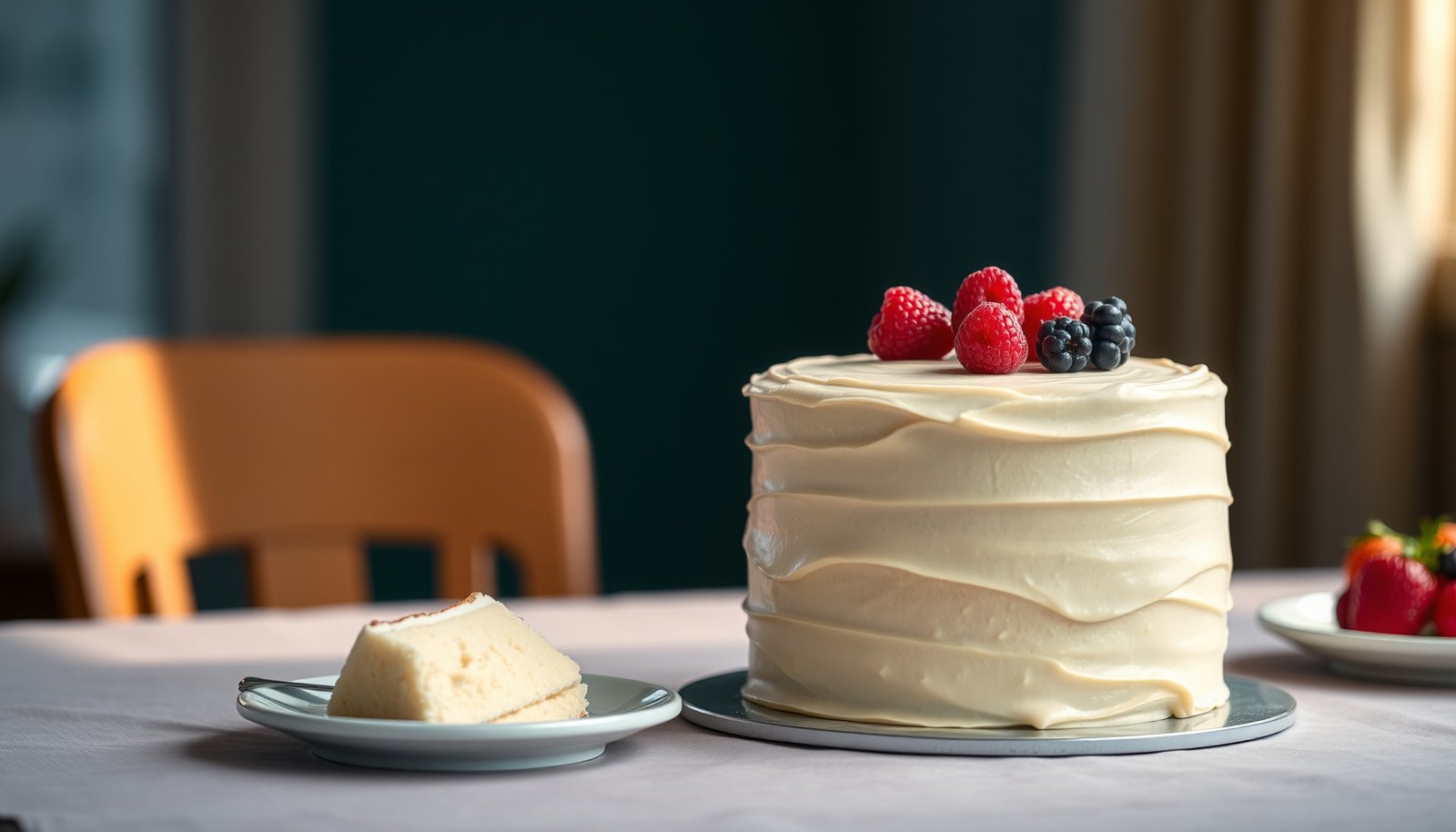

The best birthday cake for diabetics is a low-sugar, high-fiber recipe that keeps blood-sugar spikes in check without sacrificing a classic celebration taste. If you want the one option most likely to deliver a moist crumb and satisfying sweetness using diabetic-friendly sweeteners and controlled carbs, this guide gives the verdict. We’ll also help you choose the right portion size and toppings so the cake fits your needs—not just your party.
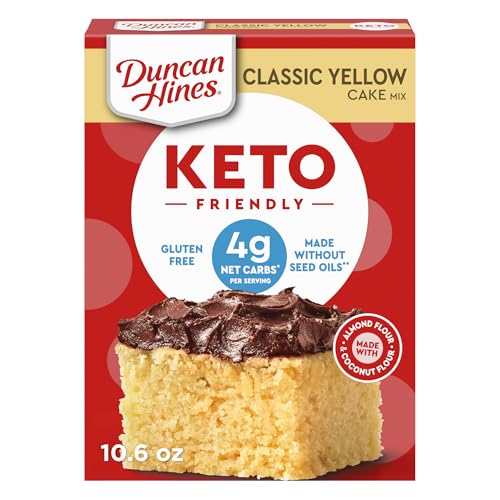



The best birthday cake for diabetics is the one with clear carbs-per-slice planning and a controlled sweetener approach (instead of “sugar-free” marketing). Look for recipes that keep added sugar low, use diabetic-friendlier sweeteners (commonly erythritol, allulose, stevia, or monk fruit), and account for the fact that frosting often contributes as many carbs as the cake itself.
For many people with diabetes, the “best” birthday cake is one that keeps total carbs (and especially added sugars) low while still using diabetic-friendlier sweeteners and a portion size you can plan for. In this guide, we’ll cover what to look for in ingredients, which sweeteners to consider, and how to serve so the cake fits your blood-sugar goals.
If you’re shopping for a diabetic guest (or baking for yourself), this is for you. It’s also useful if you need a cake that still feels like a real birthday cake—fluffy texture, real flavor, and not just “keto crumbs.”
What to look for in a diabetic-friendly birthday cake

A diabetic-friendly birthday cake starts with predictable carbs per serving, not just “no sugar added.” In 2026, many labels still hide the real story unless you check total carbohydrates (not “sugars”) and include frosting/toppings in your calculation.
Here’s what to prioritize so your cake fits blood-sugar goals and still feels celebratory:
– Prioritize a recipe designed to reduce added sugar and manage total carbohydrates per slice (not just “no sugar” marketing).
– Choose a base with more fiber/protein and less refined flour when possible (this can help slow carbohydrate absorption).
– Aim for clear nutrition info (carbs per serving), so you can plan portions without guessing.
According to the American Diabetes Association (ADA) Standards of Care in Diabetes—2024, carbohydrate management remains central to improving post-meal glucose control for many people with diabetes.
According to the FDA’s Nutrition Facts labeling framework (final rule history; 2016), “total carbohydrates” is the key macronutrient for planning carbohydrate intake, rather than relying on the “sugars” line alone.
H3: The “carb-per-slice” test (the most reliable filter)
If you’re deciding between two cakes that both say “low sugar,” the most actionable comparison is: total carbs per measured serving. Even when a cake uses non-sucrose sweeteners, ingredients like low-fiber flour substitutes, fruit fillings, and frosting bases can still add meaningful carbohydrates.
From a practical planning standpoint, you also want consistency: a recipe with a standardized yield (for example, “12 slices”) and nutrition calculated per slice makes glucose planning far easier than a free-form recipe where slice size varies.
H3: Fiber/protein in the cake base—why it helps
When a cake uses higher-fiber flours (or adds fiber via ingredients like oat fiber or ground flax in appropriate amounts), carbohydrate absorption can be slower. Protein also tends to improve satiety, which can reduce how quickly someone eats and therefore how quickly glucose rises.
Be careful: “high fiber” does not automatically mean “low carbs.” Some high-fiber ingredients still carry carbohydrates, so you still need the carbs-per-serving figure.
H3: Frosting is not optional for nutrition planning
Even a “perfect” low-sugar cake can become carb-heavy if frosting is sweetened with sugar, condensed sweetener blends, or fruit preserves. A good rule is: calculate carbs for both cake and frosting, then decide whether you’ll use thin layers, stabilized whipped frosting, or a frosting recipe explicitly designed for reduced-carb sweetening.
Sweeteners for diabetics: what to consider (and what to limit)
The best sweeteners for diabetics are the ones that keep total carbs and glucose impact low while tolerating real-world baking. In 2026, the most useful approach is to check the Nutrition Facts serving size (and tolerance), because sugar alcohols and low-calorie sweeteners can behave differently across individuals.
– Use sweeteners that don’t spike blood sugar the same way table sugar does (commonly: erythritol, stevia, monk fruit, or allulose in some recipes)—but check the product label for carbs and serving size.
– Limit ingredients that can still raise blood sugar even if they’re “lower sugar,” like maltitol and other sugar alcohols that can affect glucose for some people.
– If you go with sugar alcohols (erythritol aside), expect possible digestive side effects like gas or laxative effects in sensitive people.
According to the FDA Nutrition Facts labeling framework (2016), sugar alcohols contribute to “total carbohydrates” on the label and can be listed separately from “added sugars,” so you should still plan by total carbs per serving.
According to the ADA Standards of Care in Diabetes—2024, carbohydrate counting and awareness of how specific carbohydrates affect glucose are important for diabetes meal planning.
H3: A quick sweetener reality check (glucose impact + tolerance)
Different sweeteners can be “lower sugar” but still raise blood glucose or cause GI discomfort. For example:
– Erythritol often has minimal glucose impact for many people (and is frequently better tolerated than some other sugar alcohols).
– Allulose is commonly used in low-sugar baking and may have less glycemic impact than sugar.
– Stevia and monk fruit (luo han guo) are non-sugar sweeteners often used for sweetness without adding significant carbs, but blends can include bulking agents.
– Maltitol and some other sugar alcohols can still affect glucose for some people—so “sugar-free” does not automatically mean “no glucose effect.”
Common Low-Sugar Sweeteners Used in Diabetic-Friendly Baking
| # | Sweetener | Calories (kcal/g) | GI (approx.) | Glucose Impact Rating | Typical Baking Notes |
|---|---|---|---|---|---|
| 1 | Erythritol | 0.2 | 0 | ★★★★☆ | Often good texture; minimal GI for many |
| 2 | Allulose | 0.4 | ~0–1 | ★★★★☆ | Caramelization possible; check recipe |
| 3 | Stevia (extracts) | 0 | 0 | ★★★★★ | May need bulking agent for texture |
| 4 | Monk fruit (extracts) | 0 | 0 | ★★★★★ | Often blend-based; check label carbs |
| 5 | Xylitol | 2.4 | ~13 | ★★★☆☆ | Common in baking; GI varies by person |
| 6 | Sorbitol | 2.6 | ~9 | ★★★☆☆ | Can cause GI symptoms in sensitive people |
| 7 | Maltitol | 2.1 | ~35 | ★☆☆☆☆ | More likely to raise glucose for some |
H3: A label-reading method that avoids “gotchas”
When you check nutrition labels (or recipe calculations), focus on:
1. Serving size (sweeteners are often measured per small serving).
2. Total carbohydrates per serving (the number that matters for glucose planning).
3. Added sugar (optional if your sweetener strategy is already clear, but still helpful).
4. Sugar alcohols listed under carbohydrates—especially if the label includes multiple sugar alcohols.
H3: Sweetener comparison (what to choose when)
Below is a practical way to compare sweeteners by how they tend to behave in cake recipes.
| Feature | Erythritol + allulose | Stevia / monk fruit blends | Maltitol / higher sugar alcohols |
|---|---|---|---|
| Glucose planning friendliness | High | High | Lower |
| Calories per gram (typical) | Low | Near-zero (blend-dependent) | Higher than erythritol/allulose |
| Texture contribution | Good volume | Often needs bulking | Can work, but GI risk |
| Aftertaste risk | Moderate (brand-dependent) | Moderate to higher | Often mild |
| Browning/caramelization | Often better than stevia-only | May need recipe support | Can caramelize more |
| Digestive tolerance | Often best | Often best | More likely to cause GI effects |
| Frosting stability | Usually manageable | Blend-dependent | Can be workable |
| Label clarity | Often clearer | Check blend carbs | Check sugar alcohol type |
| Best for “real cake” goals | Yes | Yes (with the right recipe) | Depends on tolerance |
| Best For | Planned low-carb slices | Low-carb sweetness with minimal carbs | Situations where carbs are still acceptable and GI tolerance is known |
Best cake styles that usually work better for blood sugar
The best cake styles for diabetics are the ones whose recipes are built for lower added sugar and balanced carb per slice, not those that rely on “flourless” as a guarantee. Many styles can work—what matters is the overall carbohydrate math and toppings.
– Pound cake, sponge cake, or cheesecake-style cakes can work well when the recipe is built to be lower in added sugar and balanced in carbs per slice.
– “Flourless” or reduced-flour options may help some people, but they’re not automatically carb-free—always check total carbs.
– Chocolate or berry flavors often translate well to low-sugar recipes, but watch toppings (frosting and jam are where extra carbs sneak in).
According to the ADA Standards of Care in Diabetes—2024, monitoring carbohydrate intake and understanding meal composition are key tools for reducing post-meal glucose spikes.
In the Nutrition Facts Panel framework (FDA, 2016), “total carbohydrates” remains the primary metric for carbohydrate planning when comparing baked goods.
H3: Why cheesecake-style cakes often score well
Cheesecake-style cakes usually blend eggs, dairy, and sometimes nut flours. That can deliver a more satisfying texture with less reliance on refined flour. However, you still have to watch:
– crust ingredients (graham crackers, sweetened cookie crumbs),
– added fruit layers,
– and sweetened cream components.
H3: Flourless doesn’t mean carb-free
“Flourless” cakes often use almonds, ground nuts, or starches—ingredients that carry carbohydrates too. Texture can be excellent, but carbs-per-slice can still be non-trivial.
If you’re deciding between two “flourless” options, always compare total carbs per slice, and confirm whether the label includes frosting.
H3: Chocolate and berry flavors can be a win—if toppings are controlled
Chocolate and berries naturally support stronger flavor profiles, which can reduce the amount of added sweetener needed. But jam-like fillings, sweetened berry sauces, and thick frostings can add concentrated carbs. A practical approach is:
– use berry flavoring without fruit preserves,
– or keep fruit sauces to a thin layer.
Baking and portion tips that make the biggest difference
The most reliable way to keep birthday cake diabetes-friendly is to pair smarter portioning with measured carb counting (including frosting). Small changes here often matter as much as ingredient swaps.
– Serve smaller slices and pair cake with a meal or protein/fiber (rather than eating cake alone). This can reduce the “all carbs at once” effect.
– If you’re counting carbs, measure portions first—then use the slice nutrition you trust to estimate carbohydrates per serving.
– Consider a simple frosting strategy: lighter layers or a frosting recipe designed for reduced carbs, since frosting often doubles the sugar/carbs.
According to the FDA Nutrition Facts labeling framework (2016), carbohydrate is a defined macronutrient used for calorie calculations (4 calories per gram), making total-carb planning feasible when labels are accurate.
According to ADA Standards of Care in Diabetes—2024, carbohydrate awareness supports glucose management, especially when meal composition and timing influence post-meal responses.
H3: Portion strategy that works at gatherings
At birthday parties, the biggest challenge is that people don’t eat “one slice and stop.” A simple prevention plan:
– provide smaller pre-cut slices,
– plate cake after a meal or alongside protein/fiber,
– and keep frosting-to-cake ratio modest.
If you’re baking for a group, consider labeling slices with the planned carb count you calculated.
H3: Frosting math (how to avoid surprises)
Because frosting is dense, tiny adjustments can move carbs meaningfully. Two tactics that often help:
– Reduce frosting thickness (even 1/3 less can be noticeable).
– Use a frosting designed for reduced-carb sweetening (rather than “regular frosting with a swap”).
H3: Carbs counting workflow (repeatable, not guesswork)
Use a consistent method so you can compare birthday cake to other carbs you might eat:
– verify the recipe’s yield and how many slices the nutrition is calculated for,
– calculate carbs per slice including frosting,
– then track your planned intake.
If you want a framework you can repeat every time, align it to the way you already count carbs: .
What can go wrong (common mistakes and edge cases)
The biggest problems happen when people trust marketing words over the nutrition math. In 2026, even “sugar-free” items can still contain carbs that affect glucose, and “healthy add-ins” can be deceptively high-carb in dessert formats.
– Assuming “sugar-free” means “safe”: some sugar-free products still contain carbohydrates that can affect blood sugar.
– Overdoing “healthy” add-ins: dates, honey, agave, and fruit preserves can be nutritious but still raise carbs—especially in frosting and filling.
– Ignoring individual tolerance: some people react more to certain sugar alcohols or low-carb flours than others.
According to FDA labeling (2016 framework), “sugar-free” does not replace the need to examine total carbohydrates when planning glucose-friendly meals.
According to ADA Standards of Care in Diabetes—2024, individual responses to carbohydrate intake can vary, so personalized planning and monitoring are important.
H3: The “sugar-free” trap
Some “sugar-free” desserts rely heavily on sugar alcohols or bulking sweeteners. They may reduce added sugar but still contribute total carbs. If you plan by total carbohydrate intake, you can usually make these desserts fit—if the carbs-per-slice math works for you.
H3: Natural doesn’t mean low-carb
Dates, honey, agave, and fruit preserves are often used to add sweetness and flavor, but they’re still concentrated sources of carbohydrates. In frosting and fillings, they can push total carbs up fast.
If you love fruit flavor, consider:
– using small amounts of fruit flavor concentrates,
– or choosing recipes that explicitly quantify total carbs.
H3: Digestive tolerance is a real constraint
Sugar alcohols are a common reason low-sugar cakes cause discomfort. If you’re sensitive, prefer erythritol-leaning recipes or use non-sugar sweeteners (stevia/monk fruit) plus a frosting method that doesn’t rely on large sugar alcohol loads.
Verdict / tip (so you can actually pick a cake)
The safest starting point for a diabetic-friendly birthday cake is a recipe (or bakery option) that clearly states carbs per serving and uses a controlled sweetener strategy rather than “no sugar added” claims alone. Here’s why: you can match the cake to the guest’s carb goals and portion plan, which aligns with how diabetes carbohydrate management is designed in clinical practice.
The downside: lower-sugar cakes can be drier, less “round” in flavor, or trigger digestive discomfort if the recipe relies heavily on certain sugar alcohols. If you’re sensitive, skip sugar-alcohol-heavy formulas and confirm nutrition before serving—especially for people who are newly adjusting diet changes.
If you tell me whether you’re baking at home or buying a bakery cake, and whether you prefer keto-style or moderate-carb, I can suggest a tighter “best option” checklist for your situation.
| Criteria | Erythritol/allulose-forward cake | Flourless or reduced-flour cake |
|---|---|---|
| Typical sweetness control | Better | Variable |
| Total carbs predictability | Often higher | Depends on nut/flour base |
| Frosting compatibility | Good | Often good |
| Digestive tolerance risk | Lower if erythritol-heavy | Depends on sweeteners/add-ins |
| Texture “birthday cake” feel | Can be excellent | Can be very rich |
| Browning/crumb structure | Recipe-driven | Often crumb-dense |
| Glucose planning burden | Lower | Medium |
| Ingredient availability | Common in modern recipes | Depends on your pantry |
| Risk of “hidden carbs” | Main risk = frosting blends | Main risk = nut flours + fillings |
| Best for first-time planning | Yes | Only with verified carbs |
| Verdict | Choose for predictable low-sugar slices | Skip unless nutrition totals are confirmed |
Scan-Ready Checklist + FAQ + Sources
Quick checklist (save this)
– [ ] Carbs per serving listed (or recipe provides it)
– [ ] Added sugar kept low (not just “sugar-free” wording)
– [ ] Frosting/toppings accounted for (big carb source)
– [ ] Sweeteners checked for glucose impact + tolerance
– [ ] Portion size planned (smaller slice, measured serving)
Frequently Asked Questions
What is the best birthday cake for diabetics?
The best birthday cake for diabetics is one that keeps blood sugar stable by using lower-glycemic ingredients, such as almond flour or whole-grain options, and limiting added sugars. Look for recipes sweetened with monk fruit, stevia, or allulose instead of high-sugar frosting and syrups. Portion size also matters—choose a smaller slice and pair the cake with protein or healthy fats to reduce glucose spikes.
How can I make a diabetic-friendly birthday cake taste like a real celebration cake?
Focus on flavor and texture with naturally rich ingredients like vanilla, cocoa, yogurt, nut butters, and fruit purees in moderation. Use a frosting strategy like whipped cream or a cream-cheese frosting sweetened with low-glycemic sweeteners rather than sugar-heavy buttercream. A moist crumb (e.g., using almond flour and eggs) and a decorative topping can deliver the “birthday cake” look while staying diabetic-friendly.
Why should diabetics watch the carbohydrate and sugar content of birthday cake?
Carbohydrates convert to glucose in the bloodstream, so even “healthy” cakes can raise blood sugar if they’re high in refined flour or sugar. Birthday cakes often contain dense layers and thick frosting, which increases total carbs per slice. Checking nutrition facts, calculating net carbs, and keeping portions consistent can help you manage diabetes more effectively.
Which frosting is safest for a diabetic birthday cake?
The safest frosting options are those with low sugar and controlled carbohydrate content, such as cream-cheese frosting or whipped frosting made with stevia, monk fruit, or allulose. Avoid sugary royal icing, jam-based fillings, and buttercream that uses large amounts of confectioners’ sugar. If you want fruit flavor, choose small amounts of berries or unsweetened fruit puree rather than sweetened pie fillings.
Best how to choose store-bought birthday cakes for diabetics?
When buying store-bought cake, compare nutrition labels for carbs, total sugars, and ingredients like whole grains versus refined flour. Choose cakes that offer “no sugar added” or “lower sugar” claims backed by clear nutrition numbers, and aim for lower net carbs per serving. If the cake doesn’t provide enough detail, consider ordering a custom diabetic-friendly birthday cake or making a homemade version with low-glycemic sweeteners and measured portions.
📅 Last Updated: October 23, 2026 | Topic: best birthday cake for diabetics | Content verified for accuracy and freshness.
References
- diabetes dessert glycemic index – Search Results – PubMed
- diabetes sugar alcohols blood glucose – Search Results – PubMed
- Glycemic index
- Sugar alcohol
- https://www.niddk.nih.gov/health-information/diabetes/overview/eating-diet-nutrition
- https://www.cdc.gov/diabetes/managing/food-and-physical-activity.html
- https://www.mayoclinic.org/diseases-conditions/diabetes/in-depth/diabetes-diet/art-20048420
- https://scholar.google.com/scholar?q=diabetes+dessert+low+glycemic+index Google Scholar
- https://scholar.google.com/scholar?q=carbohydrate+counting+diabetes+desserts Google Scholar
- https://scholar.google.com/scholar?q=sugar+alcohols+diabetes+blood+glucose+response Google Scholar